

Long Bay Beach Travel Guide - Free Web & App
Your ultimate guide to Long Bay Beach. Discover top landmarks, proposed trips, and local tips. Free on the web or via the Evendo companion app.


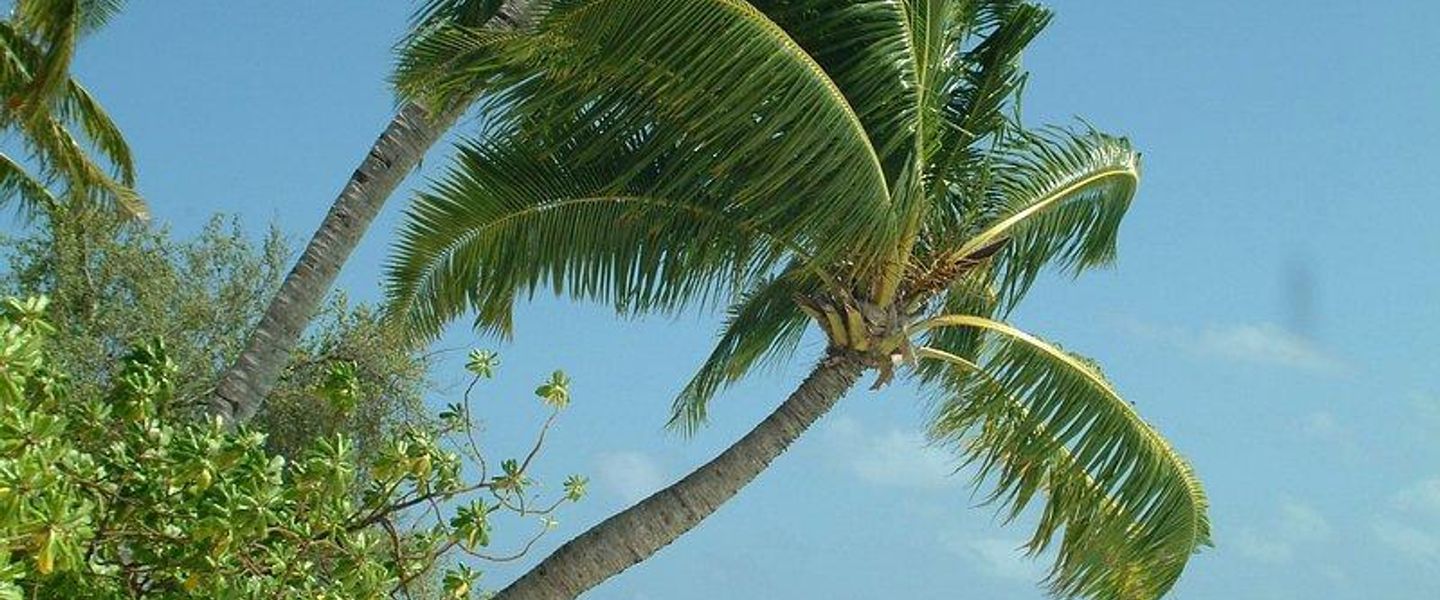


Long Bay Beach, Turks and Caicos Islands, offers shallow turquoise water, soft sand, kiteboarding, reef views and easy access to Providenciales attractions.
A Wide, Shallow Shoreline
Long Bay Beach stretches for roughly three miles along the south-eastern coast of Providenciales in the Turks and Caicos Islands. Its pale sand, exceptionally shallow water and generally open Atlantic outlook give the beach a character distinct from the busier resort frontage around Grace Bay. On calm days, the sea appears in successive shades of blue, while the broad strand leaves room for long walks and quiet observation of the changing light across the water. The shore is exposed rather than heavily urbanised, with villas, small resorts and residential development set behind sections of beach.Read more about Long Bay Beach
Kiteboarding and Coastal Landscapes
Life Around the Beach
When is the best time to visit Long Bay Beach?
Best: April–June · 30–31°C| Month | High (°C) | Rainfall (mm) |
|---|---|---|
| January | 29 | 49 |
| February | 30 | 36 |
| March | 30 | 31 |
| April (best) | 30 | 23 |
| May (best) | 31 | 16 |
| June (best) | 31 | 12 |
| July | 31 | 14 |
| August | 31 | 17 |
| September | 31 | 24 |
| October | 31 | 35 |
| November | 31 | 47 |
| December | 30 | 51 |
Getting to and around Long Bay Beach
How to get there
Transportation
Best attractions in Long Bay Beach
-
 Park and Garden
East Bay Islands National Park
Explore the breathtaking landscapes and vibrant ecosystems of East Bay Islands National Park in Turks & Caicos, a paradise for nature lovers and adventure seekers.
Explore Long Bay Beach on the map
Plan your trip on one map. See where the top attractions, landmarks, restaurants and hotels are, and book hotels and experiences in a few clicks.
Best hotels in Long Bay Beach
Get your free copy of our complete guide to Long Bay Beach, delivered straight to you.
Everything on this page, from attractions and restaurants to essentials and local phrases, in one PDF you can read offline, print or share.
Already have an account? Sign in
Your Long Bay Beach guide is ready.
We'll send it to · Not you? Sign out

Getting your guide ready…
We are putting together a fresh copy of the Long Bay Beach guide. This can take up to a minute.
This can take a few moments. If your browser asks, choose Allow so the download can start. You'll find the guide in your Downloads folder.
Nothing happened? Download it again
Sorry, the guide is taking longer than usual. Please try again in a minute, or get it by email instead.
Long Bay Beach essentials
Currency and Payment
Safety
Emergency Situations
Do's and Don'ts
Local Tips
From Eve
Local phrases worth knowing
You don't need to get them perfect. A few words go a long way, and locals appreciate the effort.
Basics
| English | Local | Say it |
|---|---|---|
| Hello | Hola | [oh-la] |
| Goodbye | Adiós | [ah-dee-ohs] |
| Yes | Sí | [see] |
| No | No | [no] |
| Please/You're welcome | Por favor/De nada | [por fa-vor/de nah-dah] |
| Thank you | Gracias | [grah-see-as] |
| Excuse me/Sorry | Disculpe/Lo siento | [dee-skool-pe/lo see-en-to] |
| How are you? | ¿Cómo estás? | [koh-moh es-tas] |
| Fine. And you? | Bien. ¿Y tú? | [byen. ee too] |
| Do you speak English? | ¿Hablas inglés? | [ah-blas een-glays] |
| I don't understand | No entiendo | [no en-tee-en-do] |
Eating & Drinking
| English | Local | Say it |
|---|---|---|
| I'd like to see the menu, please | Me gustaría ver el menú, por favor | [may goo-sta-ree-a ver el meh-noo, por fa-vor] |
| I don't eat meat | No como carne | [no koh-mo kahr-ne] |
| Cheers! | ¡Salud! | [sah-lood] |
| I would like to pay, please | Me gustaría pagar, por favor | [may goo-sta-ree-a pah-gar, por fa-vor] |
Emergencies
| English | Local | Say it |
|---|---|---|
| Help! | ¡Ayuda! | [ah-yoo-dah] |
| Go away! | ¡Vete! | [veh-te] |
| Call the Police! | ¡Llama a la policía! | [yah-ma a la po-lee-see-ah] |
| Call a doctor! | ¡Llama a un médico! | [yah-ma a oon me-dee-ko] |
| I'm lost | Estoy perdido | [es-toy per-dee-do] |
| I'm ill | Estoy enfermo | [es-toy en-fehr-mo] |
Shopping
| English | Local | Say it |
|---|---|---|
| I'd like to buy... | Me gustaría comprar... | [may goo-sta-ree-a kohm-prar] |
| I'm just looking | Solo estoy mirando | [soh-lo es-toy mee-ran-do] |
| How much is it? | ¿Cuánto cuesta? | [kwan-to kwe-sta] |
| That's too expensive | Eso es demasiado caro | [eh-so es de-ma-see-ah-do kah-ro] |
| Can you lower the price? | ¿Puedes bajar el precio? | [pwe-des ba-har el pre-syo] |
Time & Numbers
| English | Local | Say it |
|---|---|---|
| What time is it? | ¿Qué hora es? | [keh o-ra es] |
| It's one o'clock | Es la una en punto | [es la oo-na en punto] |
| Half past (10) | Media hora (10) | [meh-dee-ah o-ra (10)] |
| Morning | Mañana | [mah-nyah-nah] |
| Afternoon | Tarde | [tahr-de] |
| Evening | Noche | [noh-che] |
| Yesterday | Ayer | [ah-yehr] |
| Today | Hoy | [oy] |
| Tomorrow | Mañana | [mah-nyah-nah] |
| 1 | Uno | [oo-no] |
| 2 | Dos | [dohs] |
| 3 | Tres | [tres] |
| 4 | Cuatro | [kwah-tro] |
| 5 | Cinco | [seen-ko] |
| 6 | Seis | [says] |
| 7 | Siete | [syeh-te] |
| 8 | Ocho | [oh-cho] |
| 9 | Nueve | [nweh-veh] |
| 10 | Diez | [dyehs] |
Transport & Directions
| English | Local | Say it |
|---|---|---|
| Where's a/the...? | ¿Dónde está...? | [don-de es-tah] |
| What's the address? | ¿Cuál es la dirección? | [kwal es la dee-rek-syon] |
| Can you show me (on the map)? | ¿Puedes mostrarme (en el mapa)? | [pwe-des mos-trar-me (en el mah-pah)] |
| When's the next (bus)? | ¿Cuándo es el próximo (autobús)? | [kwan-do es el proh-see-mo (ow-to-boos)] |
| A ticket (to ....) | Un boleto (a ...) | [oon bo-le-to (a ...)] |
History of Long Bay Beach
Lucayan Shores Before European Rule
The wider Turks and Caicos archipelago was inhabited by Lucayan communities before European colonisation. Providenciales formed part of this island world, whose people travelled by sea, fished, gathered shellfish and used coastal resources. Long Bay's shoreline is best understood within that broader maritime landscape rather than as an isolated historic settlement. Archaeological evidence across the islands records Lucayan occupation, although the modern beach is not primarily presented as a single preserved archaeological site.
British Colonial Island Networks
The Turks and Caicos Islands became connected to British colonial administration during the early modern period, while the settlements and industries that shaped the archipelago were concentrated unevenly between islands. Salt production was especially important on Grand Turk and Salt Cay, whereas Providenciales developed through smaller-scale agricultural, maritime and settlement patterns. Long Bay remained a lightly developed coastal area within this wider island economy, valued more for its shoreline and access to the sea than for a substantial historic town or industrial complex.
Providenciales and Changing Land Use
During the twentieth century, Providenciales gradually became the principal population and tourism centre of the Turks and Caicos Islands. Improved air connections, roads and visitor accommodation encouraged development beyond the older settlement areas, including the south-eastern coast around Long Bay. Formerly open coastal land increasingly accommodated villas, holiday properties and leisure facilities. This change brought the beach into the island's tourism economy while leaving its broad shoreline and low-density character more evident than in the heavily built-up parts of Grace Bay.
Tourism, Conservation and Marine Heritage
Modern Long Bay sits within a tourism landscape increasingly shaped by coastal planning, marine conservation and concern for the fragile resources on which the islands depend. The surrounding Providenciales waters form part of a protected marine environment associated with Princess Alexandra National Park, while the wreck of La Famille Express has become a recognisable feature of local boat excursions and diving culture. Contemporary visitors therefore encounter Long Bay through two connected histories: the growth of Providenciales as a holiday destination and the continuing effort to manage beaches, reefs and shallow coastal habitats responsibly.
Long Bay Beach in Photos
Browse through our photo collection highlighting the charm and character of the destination.
Neighbouring destination travel guides
The closest destinations to Long Bay Beach, if you have time for more than one.
-

-

-

-
-


Swipe for more destinations
Explore more

Explore more of Turks and Caicos Islands
Discover the pristine beaches, luxurious resorts, and vibrant culture of Turks and Caicos Islands, a tropical paradise in the Atlantic Ocean.
Explore Turks and Caicos Islands