

Turtle Cove Marina, Turks and Caicos Islands Travel Guide
Discover the tranquil beauty of Turtle Cove Marina in Turks and Caicos, a perfect blend of serene waters, vibrant marine life, and delightful dining experiences.
Turtle Cove Marina is a picturesque gem nestled in the heart of the Turks and Caicos Islands. Known for its tranquil waters and vibrant marine life, this marina is a haven for boating enthusiasts and nature lovers alike. Visitors can enjoy the serene atmosphere, watch yachts sail in and out, and take in stunning sunsets that paint the sky in hues of pink and orange. The marina is surrounded by a variety of dining options, from casual eateries to fine dining restaurants, offering delicious local and international cuisine. For those looking to explore the underwater world, Turtle Cove Marina is an excellent starting point for snorkeling and diving excursions. The clear, warm waters are home to colorful coral reefs and an array of tropical fish, making it a diver's paradise. In addition to water activities, Turtle Cove Marina provides easy access to beautiful beaches where visitors can relax on soft, white sands or partake in water sports such as paddleboarding and kayaking. The marina's friendly community and laid-back vibe create the perfect backdrop for a memorable vacation in the Turks and Caicos Islands.

Know before you go
Hi, I'm Eve. Here are a few practical things to know before exploring Turtle Cove Marina.
- Visit during the off-peak season (April to November) to avoid crowds and enjoy a more peaceful experience.
- Book snorkeling or diving tours in advance to secure your spot, especially during peak tourist season.
- Bring reef-safe sunscreen to protect the delicate marine ecosystems while enjoying water activities.
- Explore the local restaurants around the marina for a taste of fresh seafood and authentic Caribbean dishes.
- For a unique experience, try a night dive or snorkeling tour to see nocturnal marine life.
Explore Turtle Cove Marina: Things to Do, Places to Eat, Hotels & More
Handpicked recommendations for top attractions, local dining, accommodations, and more

Best attractions in Turtle Cove Marina
Top-rated picks
Best Attractions

Big Blue Collective
Experience the turquoise waters and diverse marine life of Turks & Caicos with Big Blue Collective's premier boat tours and adventure activities.

The Sands at Grace Bay
Experience the ultimate tropical getaway at The Sands at Grace Bay, where luxury meets the stunning beauty of Turks & Caicos Islands.

The Bight Park
Discover the natural beauty of The Bight Park, a tranquil oasis in Turks & Caicos perfect for relaxation and exploration.

Leeward Beach
Experience the serene beauty of Leeward Beach in the Turks & Caicos Islands, where white sands meet turquoise waters for the ultimate tropical escape.

Best landmarks in Turtle Cove Marina
Top-rated picks
Best Landmarks

Grand Turk Cruise Port
Experience the charm of Grand Turk Cruise Port, where vibrant culture meets stunning beaches in the heart of the Turks and Caicos Islands.
Beaches Turks & Caicos
Discover the ultimate Caribbean escape at Beaches Turks & Caicos, where luxury meets adventure on stunning Grace Bay.

Grand Turk Lighthouse
Explore the historic Grand Turk Lighthouse, an iconic symbol of maritime heritage offering stunning sea views and a glimpse into the past.

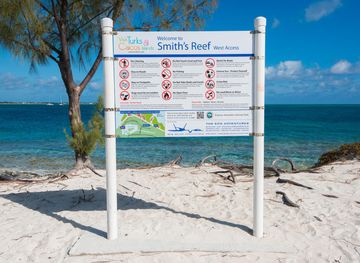
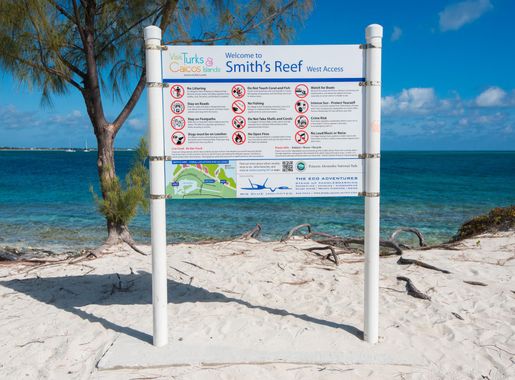
Smith’s Reef
Experience the stunning beauty of Smith's Reef in Turks & Caicos, where vibrant marine life and crystal-clear waters await every visitor.

Best restaurants in Turtle Cove Marina
Top-rated picks
Best Restaurants

Da Conch Shack
Experience authentic Caribbean flavors at Da Conch Shack in Turks & Caicos – where fresh seafood meets breathtaking ocean views.

Coco Bistro
Discover the exquisite flavors of the Caribbean at Coco Bistro, an upscale restaurant nestled under palm trees in Grace Bay.

Omar's Beach Hut
Experience authentic Caribbean cuisine at Omar's Beach Hut, where every meal is paired with breathtaking ocean views in Turks & Caicos.

Bugaloos
Discover exquisite Caribbean flavors at Bugaloos - your go-to restaurant in Turks & Caicos for fresh seafood and vibrant dining experiences.

Best bars in Turtle Cove Marina
Top-rated picks
Best Bars

Danny Buoy's
Experience the vibrant atmosphere and delicious American cuisine at Danny Buoy's, a must-visit restaurant in Grace Bay, Turks & Caicos.

Mango Reef Restaurant & Bar
Experience the best of Caribbean cuisine at Mango Reef Restaurant & Bar in the stunning Turks and Caicos Islands, where every meal is a celebration of flavor.

Sharkbite Bar & Grill
Experience the best of Caribbean cuisine at Sharkbite Bar & Grill in Turks & Caicos, where fresh seafood and breathtaking views await.

Baci Restaurant
Discover the flavors of Italy at Baci Restaurant in the Turks & Caicos Islands, where every dish is a celebration of culinary artistry.

Best nightclubs in Turtle Cove Marina
Top-rated picks
Best Nightclubs

Aziza Restaurant & Lounge Turks-Caicos Providenciales
Experience the vibrant flavors of Middle Eastern cuisine at Aziza Restaurant & Lounge in Grace Bay, Turks and Caicos, where luxury meets lively nightlife.

Shisha Lounge TCI
Experience the vibrant nightlife of Grace Bay at Shisha Lounge TCI, where rich shisha flavors meet a lively atmosphere for an unforgettable evening.

Noah's Ark Beach Club TCI
Discover the ultimate beachfront relaxation at Noah's Ark Beach Club TCI in the Turks & Caicos Islands, where paradise awaits with stunning views and delicious drinks.

Blu Bar & Lounge
Experience the vibrant atmosphere of Blu Bar & Lounge in Grace Bay, where delicious cocktails and lively entertainment await you in paradise.

Best shops in Turtle Cove Marina
Top-rated picks
Best Shops

House of Unicorn
Explore the House of Unicorn in Grace Bay for unique souvenirs, local crafts, and a piece of island magic to take home.

The Regent Village
Explore The Regent Village, a premier shopping and dining destination in Grace Bay, offering luxury boutiques, diverse cuisines, and vibrant nightlife.

Caribbean Outpost
Explore Caribbean Outpost: Your gateway to unique souvenirs and authentic crafts from the breathtaking Turks and Caicos Islands.

Kishco
Explore Kishco for unbeatable discounts on souvenirs and essentials while enjoying the beauty of Turks & Caicos.

Explore Turtle Cove Marina on the Map
A handpicked selection of must-see spots in Turtle Cove Marina, mapped for you.
Turtle Cove Marina Essentials
-
Turtle Cove Marina is located on Providenciales, the most populated island in the Turks and Caicos Islands. The nearest airport is Providenciales International Airport (PLS), which is approximately a 15-minute drive from the marina. Direct flights to PLS are available from major cities in the United States, Canada, and the United Kingdom. From the airport, you can take a taxi or rent a car to reach Turtle Cove Marina.
-
Getting around Turtle Cove Marina and Providenciales is relatively straightforward. Taxis are readily available and most hotels can arrange for transportation. Car rentals are a popular option for those looking to explore the island at their own pace. Bicycles and scooters can also be rented for shorter trips within the marina and nearby areas. Public buses are limited, so it's advisable to rely on taxis or rental vehicles for longer journeys.
-
The official currency of the Turks and Caicos Islands is the US Dollar (USD). Credit and debit cards are widely accepted in most hotels, restaurants, and shops around Turtle Cove Marina. However, it's a good idea to carry some cash, especially for smaller establishments or vendors. ATMs are available in Providenciales, but note that some may charge a withdrawal fee.
-
Turtle Cove Marina is generally a safe destination, but standard precautions should be taken. Avoid walking alone at night in secluded areas and always keep an eye on your belongings. While Providenciales is relatively safe, certain areas like Kew Town and Five Cays have higher crime rates and should be approached with caution, especially after dark. Always stay vigilant and avoid displaying valuable items openly.
-
In case of emergency, dial 911 for immediate assistance. Providenciales has a modern hospital, Cheshire Hall Medical Centre, which is about a 10-minute drive from Turtle Cove Marina. It's advisable to have travel insurance that covers medical emergencies. For minor health issues, there are several pharmacies in Providenciales where you can purchase over-the-counter medications.
-
Fashion: Do wear lightweight, breathable clothing and bring swimwear for beach activities. Don't wear overly revealing clothing in public areas. Religion: Do respect local customs and traditions. While Turks and Caicos is generally liberal, modest dress is appreciated in certain areas. Public Transport: Do use taxis or rental vehicles for longer distances, as public transport options are limited. Don't rely solely on public buses. Greetings: Do greet locals with a friendly 'hello' or 'good morning/afternoon.' A handshake is also common. Eating & Drinking: Do try local dishes and seafood. Don't refuse hospitality, as it is considered impolite.
-
To experience Turtle Cove Marina like a local, visit the Thursday Fish Fry at Bight Park for local food, music, and crafts. Engage with local fishermen and learn about their daily catch. Explore the nearby Smith's Reef for excellent snorkeling opportunities. Take a sunset cruise or a fishing charter, as these activities are popular among locals and provide a unique perspective of the islands.
When is the best time to visit Turtle Cove Marina?
Useful Local Phrases for Turtle Cove Marina
You don't need to speak the language perfectly. Even learning a few simple words can make conversations warmer—and locals usually appreciate the effort.
— Eve

Here are the phrases I use most often in Turtle Cove Marina. Try a few—you'll be surprised how far they go! 😊
❤️
-
- HelloHello
[Hello] - GoodbyeBye
[Bye] - YesYes
[Yes] - NoNo
[No] - Please/You're welcomePlees/You're welcome
[Plees/You're welcome] - Thank youTank yu
[Tank yu] - Excuse me/SorryExcuse me/Sorry
[Excuse me/Sorry] - How are you?How yu dey?
[How yu dey?] - Fine. And you?Im gud. An yu?
[Im gud. An yu?] - Do you speak English?Yu spee English?
[Yu spee English?] - I don't understandA noh ondastan
[A noh ondastan]
- HelloHello
-
- I'd like to see the menu, pleaseMi wah si di menu, pliiz
[Mi wah si di menu, pliiz] - I don't eat meatMi noh yee meat
[Mi noh yee meat] - Cheers!Cheers!
[Cheers!] - I would like to pay, pleaseMi wah pay, pliiz
[Mi wah pay, pliiz]
- I'd like to see the menu, pleaseMi wah si di menu, pliiz
-
- Help!Help!
[Help!] - Go away!Go weh!
[Go weh!] - Call the Police!Kaal di Pulis!
[Kaal di Pulis!] - Call a doctor!Kaal a dakta!
[Kaal a dakta!] - I'm lostMi loss
[Mi loss] - I'm illMi iil
[Mi iil]
- Help!Help!
-
- I'd like to buy...Mi wah bay...
[Mi wah bay...] - I'm just lookingMi jus a luk
[Mi jus a luk] - How much is it?Aow much e deh?
[Aow much e deh?] - That's too expensiveDat tuu ekspensiv
[Dat tuu ekspensiv] - Can you lower the price?Yu kyan lowa di prais?
[Yu kyan lowa di prais?]
- I'd like to buy...Mi wah bay...
-
- What time is it?Aow mosh a clock?
[Aow mosh a clock?] - It's one o'clockIt's wan a clock
[It's wan a clock] - Half past (10)Haaf past (10)
[Haaf past (10)] - MorningMawnin
[Mawnin] - AfternoonAftanuun
[Aftanuun] - EveningIivnin
[Iivnin] - YesterdayYestadeh
[Yestadeh] - TodayTudeh
[Tudeh] - TomorrowTamara
[Tamara] - 1Wan
[Wan] - 2Tu
[Tu] - 3Chrii
[Chrii] - 4Fo
[Fo] - 5Faiv
[Faiv] - 6Siks
[Siks] - 7Seven
[Seven] - 8Eit
[Eit] - 9Nain
[Nain] - 10Ten
[Ten]
- What time is it?Aow mosh a clock?
-
- Where's a/the...?Weh di...deh?
[Weh di...deh?] - What's the address?Wat a di addres?
[Wat a di addres?] - Can you show me (on the map)?Yu kyan show mi (pan di map)?
[Yu kyan show mi (pan di map)?] - When's the next (bus)?Wen di neks (bus)?
[Wen di neks (bus)?] - A ticket (to ....)A tiket (tu ....)
[A tiket (tu ....)]
- Where's a/the...?Weh di...deh?
History of Turtle Cove Marina
-
Long before Turtle Cove Marina became a popular tourist destination, the Turks and Caicos Islands were inhabited by the indigenous Taíno people. These early settlers were known for their fishing and seafaring skills, and they left behind numerous artifacts and petroglyphs that can still be found in the area. The Taíno culture was rich and complex, with a deep connection to the sea, which is reflected in the modern-day maritime culture of Turtle Cove Marina.
-
In the late 15th century, European explorers such as Christopher Columbus arrived in the Caribbean, marking the beginning of a new era for the region. The Turks and Caicos Islands, including the area now known as Turtle Cove, were claimed by various European powers over the centuries, including the Spanish, French, and British. The strategic location of the islands made them a valuable asset for colonial powers, and Turtle Cove served as a natural harbor for ships navigating the treacherous waters of the Caribbean.
-
During the late 17th and early 18th centuries, the waters around the Turks and Caicos Islands became a haven for pirates. The natural coves and inlets, including Turtle Cove, provided ideal hiding spots for pirate ships. Infamous pirates such as Calico Jack and Anne Bonny were rumored to have frequented the area, using it as a base for their raids on merchant vessels. The pirate legacy is still a part of the local folklore, adding an element of adventure and mystery to Turtle Cove Marina.
-
The Turks and Caicos Islands played a significant role in the salt industry during the 18th and 19th centuries. The natural salt flats on the islands were used to produce high-quality salt, which was exported to various parts of the world. Turtle Cove Marina served as a key point for the transportation of salt, with ships docking in the harbor to load their cargo. The salt industry brought economic development to the area and laid the foundation for future growth.
-
The mid-20th century saw a shift towards tourism as the primary economic driver for the Turks and Caicos Islands. Turtle Cove Marina was developed to accommodate the growing number of yachts and pleasure boats visiting the islands. With its state-of-the-art facilities, Turtle Cove Marina quickly became a premier destination for boating enthusiasts. The marina also spurred the development of surrounding areas, including luxury resorts, restaurants, and shops, transforming Turtle Cove into a vibrant hub of activity.
-
Despite its modern amenities, Turtle Cove Marina retains a strong connection to the cultural heritage of the Turks and Caicos Islands. Traditional music, dance, and culinary practices are celebrated in the area, providing visitors with a rich cultural experience. The local community takes pride in preserving the unique history and traditions of the islands, ensuring that Turtle Cove Marina remains a place where the past and present coexist harmoniously.
Cities in Turtle Cove Marina
Browse our curated selection of top destinations, scenic points, and must-visit spots in the area.


Neighbouring destination travel guides
Browse our curated selection of top destinations, scenic points, and must-visit spots in the area.


Your all‑in‑one travel companion app
Explore expert travel guides, compare and book tours, experiences, hotels, and more—all from the palm of your hand. Download now for seamless trip planning wherever your wanderlust takes you.


Explore More of Turks and Caicos Islands

Looking beyond Turtle Cove Marina? Discover Turks and Caicos Islands for broader travel guides, local hot-spots, and regional highlights.
Explore Turks and Caicos IslandsTurtle Cove Marina in Photos
Browse through our photo collection highlighting the charm and character of the destination.




Turtle Cove Marina: A Serene Haven in Turks and Caicos
Turtle Cove Marina is a picturesque gem nestled in the heart of the Turks and Caicos Islands. Known for its tranquil waters and vibrant marine life, this marina is a haven for boating enthusiasts and nature lovers alike. Visitors can enjoy the serene atmosphere, watch yachts sail in and out, and take in stunning sunsets that paint the sky in hues of pink and orange. The marina is surrounded by a variety of dining options, from casual eateries to fine dining restaurants, offering delicious local and international cuisine. For those looking to explore the underwater world, Turtle Cove Marina is an excellent starting point for snorkeling and diving excursions. The clear, warm waters are home to colorful coral reefs and an array of tropical fish, making it a diver's paradise. In addition to water activities, Turtle Cove Marina provides easy access to beautiful beaches where visitors can relax on soft, white sands or partake in water sports such as paddleboarding and kayaking. The marina's friendly community and laid-back vibe create the perfect backdrop for a memorable vacation in the Turks and Caicos Islands.