

Free Bessarabia Travel Guide & Mobile App
Explore Bessarabia with free travel guides. Discover regional history, expert tips, proposed trips, and audio guides on web or mobile app.


Explore Ukrainian Bessarabia for Danube wetlands, steppe vineyards, multicultural towns, Izmail and the medieval Akkerman Fortress.
Read more about Bessarabia
When is the best time to visit Bessarabia?
Best: June, August–September · 22–27°C| Month | High (°C) | Rainfall (mm) |
|---|---|---|
| January | 1 | 30 |
| February | 2 | 25 |
| March | 8 | 35 |
| April | 15 | 40 |
| May | 21 | 50 |
| June (best) | 25 | 60 |
| July | 28 | 60 |
| August (best) | 27 | 50 |
| September (best) | 22 | 40 |
| October | 16 | 35 |
| November | 9 | 30 |
| December | 2 | 30 |
Getting to and around Bessarabia
How to get there
Transportation
Destinations in Bessarabia
Resorts, valleys and scenic spots worth a trip of their own.

Swipe for more destinations
Best attractions in Bessarabia
Ukrainian Bessarabia combines historic fortresses, river ports, steppe landscapes and wetlands rather than concentrating its attractions in one resort centre. Bilhorod-Dnistrovskyi's Akkerman Fortress is the region's major heritage site, while its position above the Dniester estuary adds geographical drama and historical context. Izmail offers museums, churches and Danube-oriented urban history, and the smaller towns of Reni and Kiliia reveal the enduring importance of river commerce. Around Bolhrad, vineyards and broad agricultural landscapes reflect the area's Balkan and imperial settlement history. The most distinctive natural attraction is the Danube Delta and the Danube Biosphere Reserve, reached chiefly through the Vilkove and Kiliia area. Boat trips, birdwatching and quiet observation of channels and reed beds are possible only when local conditions and access rules permit. Large lakes including Yalpuh provide a further sense of the region's watery geography, while the open Budjak steppe is best appreciated on carefully planned road journeys. The attraction landscape is dispersed, multilingual and strongly seasonal, with nature, cultural history and borderland character often encountered together.
-
Tourist attraction
Mirror Stream
Discover the captivating Mirror Stream in Kharkiv, an urban oasis that beautifully combines nature, art, and local culture, perfect for all visitors.
-
Market
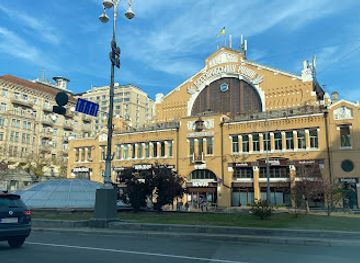
Bessarabian market
Explore the lively Bessarabian Market in Kyiv, where fresh produce, local crafts, and Ukrainian culture come alive in a bustling atmosphere.
-
Tourist attraction
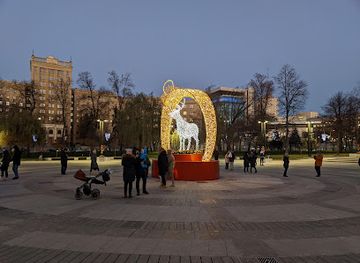
Derzhprom
Explore Derzhprom, Kharkiv's iconic Soviet-era architectural gem, a historical landmark in the heart of the city’s bustling Svobody Square.
-
Tourist attraction
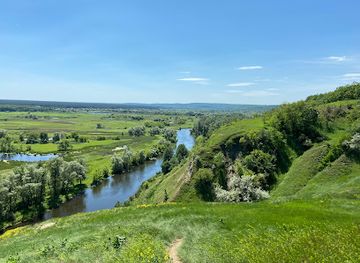
Zmiyevsky cliffs
Explore the breathtaking Zmiyevsky Cliffs in Kharkiv Oblast, a nature lover's paradise offering stunning views and outdoor adventures.

Best landmarks in Bessarabia
Akkerman Fortress at Bilhorod-Dnistrovskyi is Ukrainian Bessarabia's most recognisable landmark. Its extensive walls, towers and inner divisions occupy a strategic rise above the Dniester estuary, illustrating why this site mattered to Moldavian, Ottoman and later imperial powers. In Izmail, the Suvorov Memorial Museum and the surviving Church of the Intercession provide points of reference for the town's imperial and military past, although visitors should check current access arrangements. The Danube itself is a defining natural landmark: at Vilkove and Kiliia it breaks into channels, islands and reed-lined waterways before reaching the Black Sea. Lake Yalpuh, near Bolhrad, is another major geographical feature, a broad body of water surrounded by open steppe and agricultural land. The historic core and waterfront environment of Vilkove are notable less for monumental architecture than for their relationship with canals, boats and delta settlement. Together these places express the region's character as a frontier of fortifications, river routes, wetlands and multilingual towns.
-
Tourist attraction
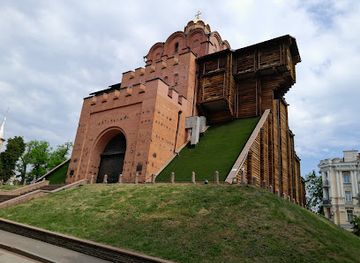
Golden Gate
Discover the Golden Gate in Kyiv, a stunning historical landmark that embodies the spirit of the city's rich past and breathtaking architecture.
-
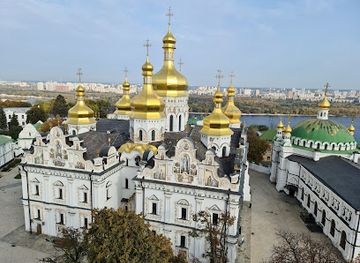
Monastery
Kiev Pechersk Lavra
Explore Kiev Pechersk Lavra, a UNESCO World Heritage site, where history, spirituality, and stunning architecture converge in Kyiv.
-
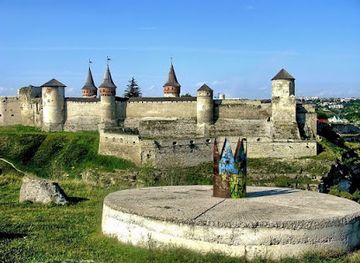
Fortress
Kamianets-Podilskyi Castle
Explore the stunning Kamianets-Podilskyi Castle, a historical gem in Ukraine that offers breathtaking views, rich history, and a unique open-air museum experience.
-
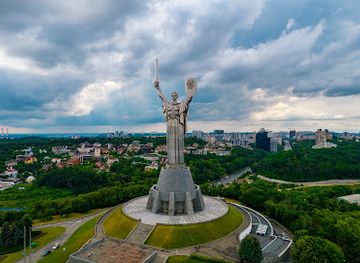
Historical landmark
Ukrainian Motherland Monument
Explore the Ukrainian Motherland Monument, a powerful symbol of national pride and a stunning viewpoint over the vibrant city of Kyiv.
Explore Bessarabia on the map
Plan your trip on one map. See where the top cities, national parks and sights are, and book hotels and experiences in a few clicks.
Best hotels in Bessarabia
Best restaurants in Bessarabia
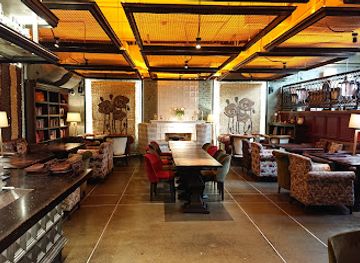
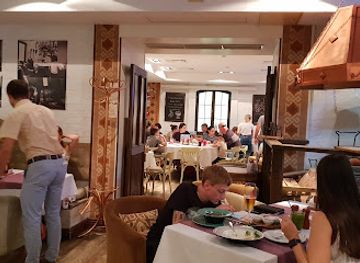
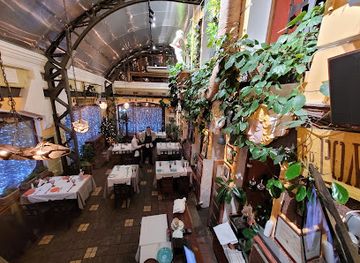
Dining in Ukrainian Bessarabia reflects the meeting of steppe agriculture, Danube fishing and the region's Bulgarian, Moldovan, Gagauz, Ukrainian and Romanian inheritances. In Izmail, Bilhorod-Dnistrovskyi and the larger towns, restaurants and cafés serve Ukrainian staples alongside grilled meats, soups, salads, vegetable dishes and pastries. Freshwater fish, including carp and other Danube species, is central to the cuisine around Vilkove and the river settlements, where fish soup and simply prepared river fish are more characteristic than Black Sea seafood. Bolhrad and the surrounding wine-growing area are associated with local table wines, while seasonal fruit, grapes, peppers and other produce appear in markets and home-style cooking. Family-run eateries and rural inns may offer the most regional flavours, but opening arrangements can be limited outside town centres. Markets are useful for bread, dairy products, fruit, vegetables and preserved foods, although visitors should confirm ingredients and payment methods when language or dietary requirements matter.
-
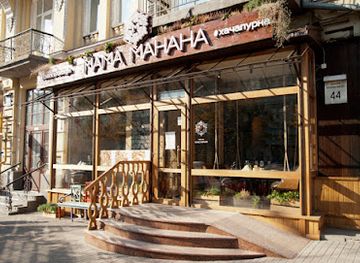
Georgian
Mama Manana
Discover the authentic taste of Georgian cuisine at Mama Manana in Kyiv—where tradition meets flavor in every bite.
-
Restaurant
Ostannya Barykada
Discover authentic Ukrainian cuisine at Ostannya Barykada in Kyiv's vibrant Maidan Nezalezhnosti, blending tradition with modern culinary artistry.
-
Georgian
Chachapuri Restaurant
Discover authentic Georgian cuisine at Chachapuri Restaurant in Kyiv - home to delicious khachapuri and warm hospitality.
-
Ukrainian
Pervak
Experience authentic Ukrainian cuisine at Pervak in Kyiv – where tradition meets taste in every dish.
Best bars in Bessarabia
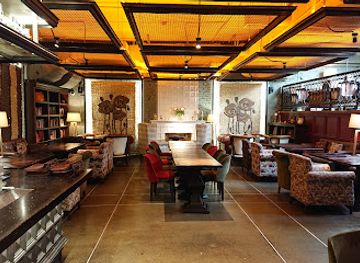
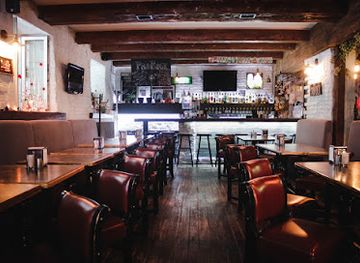
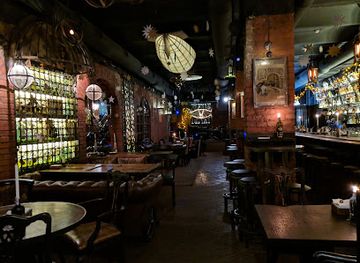
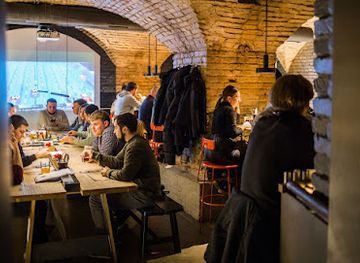
Evening life in Ukrainian Bessarabia is centred on cafés, restaurants, hotel bars and traditional pubs rather than a large club scene. Izmail has the broadest choice of places for a late meal, coffee or a drink, while Bilhorod-Dnistrovskyi combines modest urban nightlife with seasonal activity connected to visitors to the fortress and estuary. In Bolhrad and other smaller towns, wine, conversation and family gatherings are more central than dedicated nightlife venues. Vilkove's evenings are generally quiet, with the atmosphere shaped by river excursions, local restaurants and accommodation providers rather than nightclubs. Availability, curfews and operating conditions may change because of the security situation, so do not rely on late-night transport or assume that rural venues remain open. Local wines and non-alcoholic drinks can be enjoyed without treating alcohol as the defining feature of regional culture.
-
Restaurant
Ostannya Barykada
Experience authentic Ukrainian cuisine at Ostannya Barykada in Kyiv, where tradition meets contemporary culinary artistry.
-
Gastropub
ProRock Pub
Discover the lively ProRock Pub, a must-visit gastropub in Kyiv, offering delicious food, a vibrant atmosphere, and a taste of local culture.
-
Bar
Barman Dictat
Experience the vibrant nightlife of Kyiv at Barman Dictat, known for its creative cocktails and inviting atmosphere, perfect for any night out.
-
Bar
Punkraft
Experience the vibrant nightlife of Kyiv at Punkraft, a bar offering creative cocktails and a welcoming atmosphere that showcases local culture.
Best nightclubs in Bessarabia
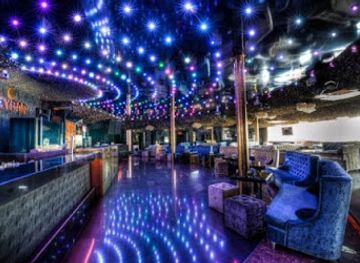
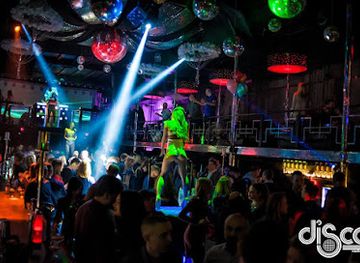
Evening life in Ukrainian Bessarabia is centred on cafés, restaurants, hotel bars and traditional pubs rather than a large club scene. Izmail has the broadest choice of places for a late meal, coffee or a drink, while Bilhorod-Dnistrovskyi combines modest urban nightlife with seasonal activity connected to visitors to the fortress and estuary. In Bolhrad and other smaller towns, wine, conversation and family gatherings are more central than dedicated nightlife venues. Vilkove's evenings are generally quiet, with the atmosphere shaped by river excursions, local restaurants and accommodation providers rather than nightclubs. Availability, curfews and operating conditions may change because of the security situation, so do not rely on late-night transport or assume that rural venues remain open. Local wines and non-alcoholic drinks can be enjoyed without treating alcohol as the defining feature of regional culture.
-
Night club
Caribbean Club
Experience the vibrant nightlife at Caribbean Club in Kyiv, where entertainment, fine dining, and live music create unforgettable memories.
-
Night club
Forsage
Dive into Kyiv's nightlife at Forsage Night Club, where vibrant energy meets unforgettable music and a stylish dance experience.
-
Night club
Skybar
Discover the vibrant nightlife of Kyiv at Skybar, a premier night club offering stunning views and an unforgettable atmosphere.
-
Night club
Disco Radio Hall
Dive into the thrilling nightlife of Kyiv at Disco Radio Hall - where unforgettable experiences and electrifying music await every party enthusiast.


Best shops in Bessarabia
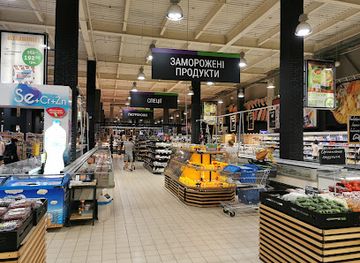
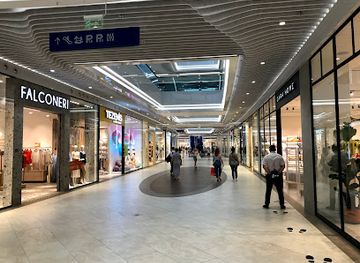
Shopping in Ukrainian Bessarabia is practical and local in character. Municipal markets in Izmail, Bilhorod-Dnistrovskyi, Bolhrad and other larger settlements are useful for seasonal fruit, vegetables, honey, dairy products, bread, preserves and everyday supplies. The Bolhrad area is the principal place to look for locally produced wines, while Danube towns may offer smoked or preserved fish when regulations and supply permit. Small shops and market stalls can also reflect Bulgarian and Moldovan culinary traditions through pastries, pickled vegetables, spices and confectionery. Bilhorod-Dnistrovskyi and Izmail have the widest selection of pharmacies, supermarkets, clothing shops and practical travel goods; village retail is more limited. Souvenirs are more likely to be food, wine, embroidered textiles, ceramics or modest handicrafts than branded luxury products. Carry cash for smaller vendors, check provenance when buying antiques or archaeological-looking objects, and never purchase items that may have been removed from a historic or protected site.
-
Shopping mall
Ocean Plaza
Experience the ultimate shopping and entertainment destination at Ocean Plaza, Kyiv's premier shopping mall with diverse stores and dining options.
-
Shopping mall
ТРЦ Gulliver
Discover the ultimate shopping experience at Gulliver Shopping Mall in Kyiv – a hub for fashion, dining, and entertainment.
-
Shopping mall
Cosmo Multimall
Discover Cosmo Multimall: Where Shopping Meets Entertainment in the Heart of Kyiv.
-
Shopping mall
River Mall
Experience the best of shopping, dining, and entertainment at River Mall in Kyiv, a vibrant destination along the Dnipro River.


Get your free copy of our complete guide to Bessarabia, delivered straight to you.
Everything on this page, from attractions and restaurants to essentials and local phrases, in one PDF you can read offline, print or share.
Already have an account? Sign in
Your Bessarabia guide is ready.
We'll send it to · Not you? Sign out

Getting your guide ready…
We are putting together a fresh copy of the Bessarabia guide. This can take up to a minute.
This can take a few moments. If your browser asks, choose Allow so the download can start. You'll find the guide in your Downloads folder.
Nothing happened? Download it again
Sorry, the guide is taking longer than usual. Please try again in a minute, or get it by email instead.
Bessarabia essentials
Currency and Payment
Safety
Emergency Situations
Do's and Don'ts
Local Tips
From Eve
Local phrases worth knowing
You don't need to get them perfect. A few words go a long way, and locals appreciate the effort.
Basics
| English | Local | Say it |
|---|---|---|
| Hello | Bună | [Boo-nah] |
| Goodbye | La revedere | [Lah reh-veh-deh-reh] |
| Yes | Da | [Dah] |
| No | Nu | [Noo] |
| Please/You're welcome | Te rog/ Cu plăcere | [Teh rog/ Koo plah-cheh-reh] |
| Thank you | Mulțumesc | [Mool-tsoo-mesk] |
| Excuse me/Sorry | Scuză-mă | [Scoo-zah-mah] |
| How are you? | Ce mai faci? | [Cheh mai fahch?] |
| Fine. And you? | Bine. Și tu? | [Bee-neh. Shee too?] |
| Do you speak English? | Vorbești engleză? | [Vor-besht eng-leh-zah?] |
| I don't understand | Nu înțeleg | [Noo un-tzeh-leg] |
Eating & Drinking
| English | Local | Say it |
|---|---|---|
| I'd like to see the menu, please | Aș dori să văd meniul, vă rog | [Ash doh-ree sah vehd meh-nee-ul, vah rog] |
| I don't eat meat | Nu mănânc carne | [Noo mah-nank kar-neh] |
| Cheers! | Noroc! | [No-rohk!] |
| I would like to pay, please | Aș dori să plătesc, vă rog | [Ash doh-ree sah plah-tehsk, vah rog] |
Emergencies
| English | Local | Say it |
|---|---|---|
| Help! | Ajutor! | [Ah-joo-tor!] |
| Go away! | Du-te de aici! | [Doo-teh deh aich!] |
| Call the Police! | Sună Poliția! | [Soo-nah Poh-leet-see-ah!] |
| Call a doctor! | Sună un doctor! | [Soo-nah oon dok-tor!] |
| I'm lost | M-am pierdut | [Mahm pee-er-doot] |
| I'm ill | Sunt bolnav/bolnavă | [Soont bol-nav/bol-nah-vah] |
Shopping
| English | Local | Say it |
|---|---|---|
| I'd like to buy... | Aș dori să cumpăr... | [Ash doh-ree sah koom-pair...] |
| I'm just looking | Mă uit doar | [Muh oot doar] |
| How much is it? | Cât costă? | [Kut koss-tah?] |
| That's too expensive | Asta e prea scump | [Ahs-tah eh pree-ah skoomp] |
| Can you lower the price? | Poți să scazi prețul? | [Pots sah skahz prehts-ul?] |
Time & Numbers
| English | Local | Say it |
|---|---|---|
| What time is it? | Ce oră este? | [Cheh or-uh yeh-steh?] |
| It's one o'clock | Este o oră | [Yeh-steh o or-uh] |
| Half past (10) | Jumătate peste (10) | [Joo-mah-tah-teh pes-teh (10)] |
| Morning | Dimineața | [Dee-mee-neh-ah-tsah] |
| Afternoon | După-amiaza | [Doo-pah ah-mee-ah-zah] |
| Evening | Seara | [Seh-ah-rah] |
| Yesterday | Ieri | [Yeh-ree] |
| Today | Azi | [Azi] |
| Tomorrow | Mâine | [Moo-neh] |
| 1 | 1 | [1] |
| 2 | 2 | [2] |
| 3 | 3 | [3] |
| 4 | 4 | [4] |
| 5 | 5 | [5] |
| 6 | 6 | [6] |
| 7 | 7 | [7] |
| 8 | 8 | [8] |
| 9 | 9 | [9] |
| 10 | 10 | [10] |
Transport & Directions
| English | Local | Say it |
|---|---|---|
| Where's a/the...? | Unde este un/ o...? | [Oon-deh yeh-steh oon/ oh...?] |
| What's the address? | Care este adresa? | [Kah-reh yeh-steh ah-dreh-sah?] |
| Can you show me (on the map)? | Poți să-mi arăți (pe hartă)? | [Pots sahm ah-rah-ts (peh har-tah)?] |
| When's the next (bus)? | Când vine următorul (autobuz)? | [Kund vee-neh oor-mah-tor-ul (ow-toh-booz)?] |
| A ticket (to ....) | Un bilet (către ....) | [Oon bee-let (keh-treh....)] |
History of Bessarabia
Ancient Greek, Roman and steppe frontiers
The lower Dniester and Danube region has long connected the Black Sea with the interior of eastern Europe. Greek colonies and trading settlements developed along the wider western Black Sea coast, while successive Scythian, Sarmatian and other steppe peoples moved through the hinterland. Roman influence reached the lower Danube and nearby coastal zones, but the region remained a frontier where settled agriculture, river commerce and mobile pastoral cultures met. Archaeological remains and the geography of the estuaries testify to the area's lasting importance as a corridor between the Balkans, the Black Sea and the Eurasian steppe.
Medieval river ports and frontier powers
During the medieval period, the lower Danube and Dniester routes linked regional principalities with Black Sea commerce. The settlement known as Cetatea Albă, the predecessor of modern Bilhorod-Dnistrovskyi, became an important fortified and commercial centre. Genoese and Moldavian interests were active in the wider region before Ottoman expansion altered the political map. Control of the river mouths, ports and overland routes was valuable because these positions connected agricultural hinterlands to maritime trade and provided defensive access between the Balkans and the steppe.
Ottoman control and the Budjak
Ottoman power became dominant in the region from the late fifteenth century, and the fortress at Akkerman was incorporated into a wider system securing the north-western Black Sea. The surrounding Budjak steppe was characterised by pastoral settlement, military frontier communities and movement between Ottoman territories, Moldavia and the steppe. Ottoman rule left a substantial mark on architecture, administration, trade and the region's cultural geography. The fortress, surviving place names and the concentration of Muslim, Christian and Balkan communities preserve elements of this frontier history.
Imperial Russian Bessarabia and new settlements
Following the Russo-Turkish wars, the eastern part of historic Bessarabia was annexed by the Russian Empire in 1812. Imperial administration encouraged new settlement and reorganised landholding, bringing Bulgarian, Gagauz, German, Jewish, Russian, Ukrainian and other communities into the region alongside existing Moldavian populations. Towns such as Bolhrad developed within this changing agricultural landscape, while ports on the Danube and Black Sea gained renewed strategic value. The resulting ethnic and linguistic diversity remains one of the defining features of southern Odesa Oblast.
Romanian rule between the world wars
After the First World War, Bessarabia became part of the Kingdom of Romania, including the southern districts that are now in Ukraine. Romanian administration influenced education, local government, transport and public life, although the region retained its multi-ethnic character. The period was interrupted by the Soviet annexation of Bessarabia in 1940, followed by wartime occupation and a return to Soviet control. Twentieth-century border changes divided communities and reoriented trade, while leaving a complex Romanian, Moldovan, Bulgarian and Ukrainian historical inheritance.
Soviet transformation and Ukrainian independence
Under Soviet rule, southern Bessarabia was incorporated into the Ukrainian Soviet Socialist Republic. Collectivised agriculture, state industry, port development and planned settlement reshaped the countryside, while Izmail became an important Danube centre and the wetlands acquired new conservation significance. Since Ukraine's independence in 1991, the area has remained part of Odesa Oblast and has developed through agriculture, cross-border trade, river transport and tourism. The Danube ports and borderlands also gained renewed strategic importance after Russia's full-scale invasion of Ukraine in 2022.
Bessarabia in Photos
Browse through our photo collection highlighting the charm and character of the destination.
Neighbouring regions of Bessarabia
The closest regions to Bessarabia, if you have time for more than one.
-

-

-

-

-


Swipe for more regions
Explore more

Explore more of Ukraine
Explore Ukraine: From Kyiv's golden domes to the Carpathian Mountains, discover a country rich in history, culture, and natural beauty in the heart of Eastern Europe.
Explore Ukraine