

Free Black Sea region Travel Guide & Mobile App
Explore Black Sea region with free travel guides. Discover regional history, expert tips, proposed trips, and audio guides on web or mobile app.


Explore Ukraine’s Black Sea region through Odesa’s port heritage, ancient ruins, steppe landscapes and a complex maritime history shaped by war.
Read more about Black Sea region
When is the best time to visit Black Sea region?
Best: June–August · 24–27°C| Month | High (°C) | Rainfall (mm) |
|---|---|---|
| January | 3 | 35 |
| February | 3 | 30 |
| March | 9 | 40 |
| April | 14 | 45 |
| May | 19 | 50 |
| June (best) | 24 | 55 |
| July (best) | 27 | 50 |
| August (best) | 26 | 45 |
| September | 22 | 40 |
| October | 17 | 35 |
| November | 10 | 40 |
| December | 5 | 45 |
Getting to and around Black Sea region
How to get there
Transportation
Top city travel guides in Black Sea region
The cities of Black Sea region, and the easiest places to base yourself.
-

-

-

-

-

-


Swipe for more cities
Destinations in Black Sea region
Resorts, valleys and scenic spots worth a trip of their own.
-

-

-

-

-

-


Swipe for more destinations
Best attractions in Black Sea region
The region’s attractions range from Odesa’s historic centre, theatres, museums and seafront promenades to ancient archaeological landscapes and protected wetlands. Olbia, in Mykolaiv oblast, is one of the most important archaeological sites on the northern Black Sea, preserving the remains of a Greek trading city beside the estuary. In Odesa oblast, Bilhorod-Dnistrovskyi’s fortress and the lower Dniester and Danube environments offer different perspectives on medieval history and bird-rich river landscapes. Mykolaiv’s museums and shipbuilding heritage provide an urban counterpoint to the surrounding steppe. Crimea adds major historical and natural attractions, including Greek, Crimean Tatar and imperial sites, mountain scenery and southern-coast landscapes, but it is occupied and should not currently be treated as an accessible tourism zone. Coastal beaches, marine recreation and many sites in Kherson oblast are likewise subject to wartime restrictions, mine risks or closure. Visitors should therefore distinguish clearly between the region’s cultural and natural assets and the much smaller number of places that authorities currently permit people to visit.
-
Tourist attraction
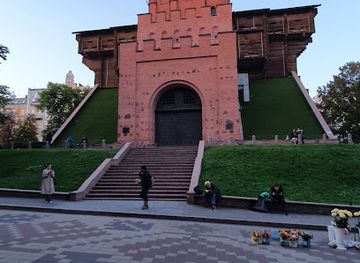
Golden Gate
Experience the rich history of Kyiv at the iconic Golden Gate, a majestic symbol of the city’s medieval past and architectural splendor.
-
Tourist attraction
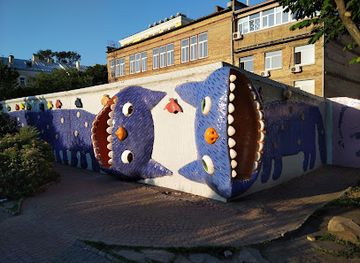
Park Landscape Alley
Explore the enchanting Park Landscape Alley in Kyiv, where nature meets art in a serene urban retreat.
-
Historical landmark
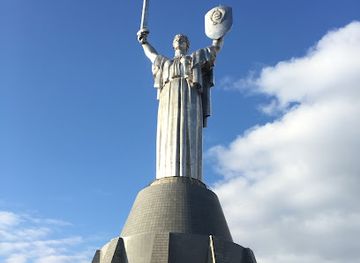
Ukrainian Motherland Monument
Explore the Ukrainian Motherland Monument, a towering symbol of national pride and resilience in Kyiv, offering breathtaking views and rich historical insights.
-
Cathedral
St. Sophia's Cathedral
Discover the timeless beauty and historical significance of St. Sophia's Cathedral, a must-see landmark in the heart of Kyiv, Ukraine.

Best landmarks in Black Sea region
Odesa’s Primorsky Boulevard, Potemkin Stairs and nineteenth-century civic architecture form one of the most recognisable urban ensembles on the Ukrainian Black Sea. The Odesa National Academic Theatre of Opera and Ballet is an important landmark of the city’s cultural and architectural heritage, while the city’s port-facing position explains much of its historical importance. Bilhorod-Dnistrovskyi Fortress, also known as Akkerman Fortress, dominates the Dniester estuary and reflects the strategic importance of the waterway through medieval and early modern periods. Olbia’s excavated remains are less monumental in appearance but are among the region’s most significant physical links with the ancient Greek Black Sea. Mykolaiv’s planned streets, naval institutions and riverfront express its imperial-era role as a shipbuilding centre. Crimea contains internationally famous landmarks including Chersonesus and the palace at Bakhchysarai, but these sites are in territory occupied by Russia and should be regarded as part of Ukraine’s heritage under unlawful occupation, not as currently accessible regional sightseeing stops.
-
Sea
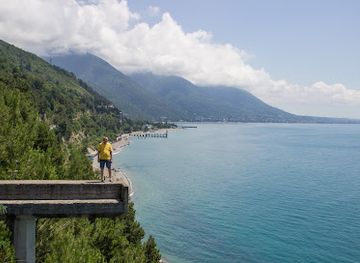
Chorne Sea
Experience the mesmerizing beauty of Chorne Sea, a tranquil getaway perfect for relaxation, adventure, and unforgettable memories.
-
Nature preserve
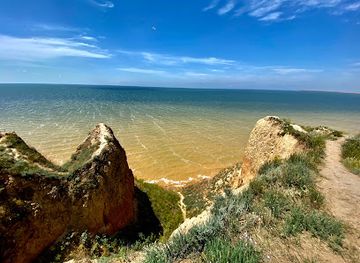
Khersonsʹkyy Hrand Kanʹyon
Explore the stunning landscapes and diverse wildlife of Khersons'kyy Hrand Kan'yon, a serene nature preserve in Kherson Oblast, Ukraine.
-
Historical landmark
Monument to Steve Jobs
Discover the Monument to Steve Jobs in Odesa, a remarkable tribute to innovation and technology in the heart of Ukraine.
-
Desert
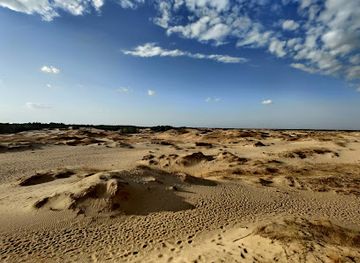
Oleshky Sands
Discover the mesmerizing beauty of Oleshky Sands, Ukraine's largest desert, where adventure meets tranquility in a breathtaking natural landscape.

Explore Black Sea region on the map
Plan your trip on one map. See where the top cities, national parks and sights are, and book hotels and experiences in a few clicks.
Best hotels in Black Sea region
Best restaurants in Black Sea region
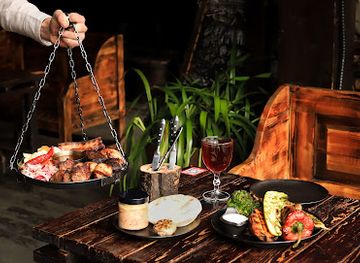
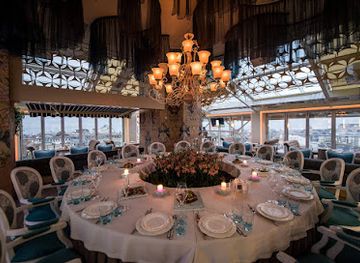
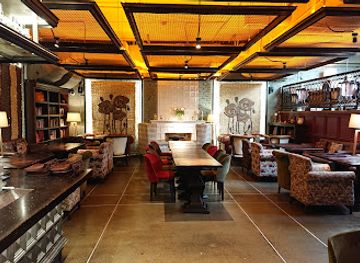
The Black Sea coast has a broad culinary identity formed by port commerce, steppe agriculture and communities from across the region. Odesa’s restaurants and cafés draw on fish, shellfish, seasonal vegetables, pickled produce and the city’s long multicultural history, while markets provide a useful introduction to fruit, herbs, cheese and local wines from southern Ukraine. Bessarabian influences are particularly noticeable in the southwest, where Bulgarian, Moldovan, Gagauz and Ukrainian traditions overlap. Mykolaiv and inland towns offer hearty Ukrainian cooking, river and estuary fish where legally and sustainably sourced, and produce from the fertile steppe. Crimean Tatar cuisine is an essential part of the wider regional story, with dishes such as chebureky and yantyk associated with the peninsula’s culinary heritage, although access to Crimea is currently restricted. In wartime, restaurant availability and supply chains can change quickly, so prioritise operating local establishments and observe any curfews or air-raid procedures.
-
Ukrainian
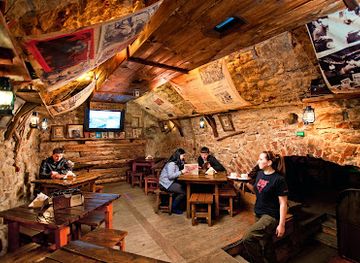
Kryivka
Discover Kryivka: A historical Ukrainian restaurant offering authentic cuisine and immersive cultural experiences in the heart of Lviv.
-
Grill
Meat and Justice
Discover the ultimate grilling experience at Meat and Justice in Lviv—where every bite tells a story of flavor.
-
Restaurant
Ресторан Облака
Discover the exquisite blend of local and international flavors at Ресторан Облака in Odesa – an unforgettable culinary journey awaits!
-
Restaurant
Ostannya Barykada
Discover authentic Ukrainian cuisine at Ostannya Barykada in Kyiv – where tradition meets modernity in a vibrant dining atmosphere.
Best bars in Black Sea region
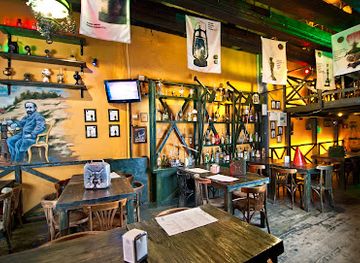
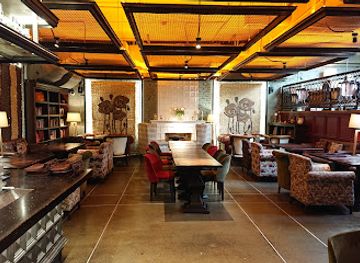
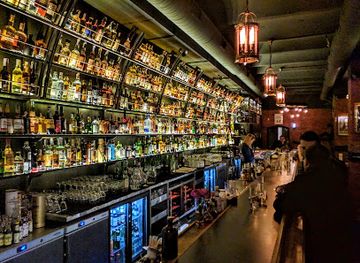
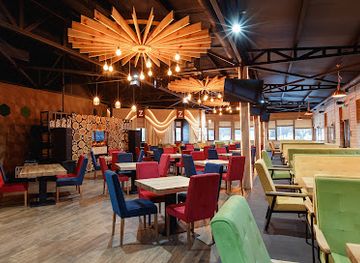
Odesa has traditionally provided the region’s broadest evening scene, with wine bars, cafés, traditional pubs, cocktail venues, live music and theatre concentrated in the historic centre and around the seafront. Mykolaiv offers a smaller urban combination of restaurants, bars and cultural events, while towns along the coast generally have a seasonal and more modest nightlife based on cafés, hotel venues and restaurants rather than large clubs. Wartime curfews, air-raid alerts, power interruptions and restrictions on alcohol sales can significantly alter evening routines, and venues may close or relocate without much notice. In rural districts, evenings are more likely to centre on local dining and private hospitality than on organised nightlife. Visitors should check current local rules, avoid treating drinking as the main cultural activity, and plan a safe route back before going out.
-
Restaurant
Gas Lamp
Discover the unique flavors of Lviv at Gas Lamp, a cozy restaurant offering a delightful blend of traditional and contemporary cuisine.
-
Restaurant
Ostannya Barykada
Discover the vibrant flavors of Ukraine at Ostannya Barykada, a culinary landmark in Kyiv's bustling Maidan Nezalezhnosti.
-
Bar
Barman Dictat
Experience the vibrant nightlife of Kyiv at Barman Dictat, where skilled mixologists serve exquisite cocktails in a stylish setting.
-
Restaurant
Zori Meat Gastropub
Discover a meat lover's paradise at Zori Meat Gastropub in Kharkiv, where gourmet dishes meet craft beers in a vibrant setting.
Best nightclubs in Black Sea region
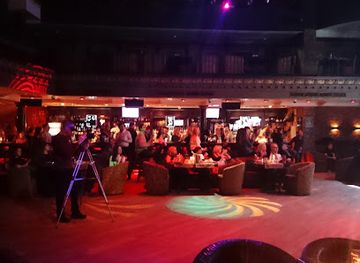
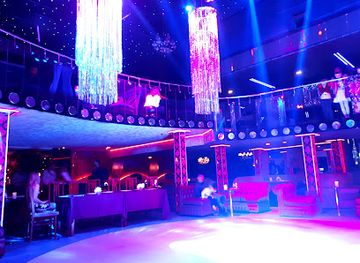
Odesa has traditionally provided the region’s broadest evening scene, with wine bars, cafés, traditional pubs, cocktail venues, live music and theatre concentrated in the historic centre and around the seafront. Mykolaiv offers a smaller urban combination of restaurants, bars and cultural events, while towns along the coast generally have a seasonal and more modest nightlife based on cafés, hotel venues and restaurants rather than large clubs. Wartime curfews, air-raid alerts, power interruptions and restrictions on alcohol sales can significantly alter evening routines, and venues may close or relocate without much notice. In rural districts, evenings are more likely to centre on local dining and private hospitality than on organised nightlife. Visitors should check current local rules, avoid treating drinking as the main cultural activity, and plan a safe route back before going out.
-
Night club
Radmir
Radmir in Kharkiv offers an electrifying nightlife experience with vibrant dance floors, live performances, and a modern atmosphere for unforgettable nights.
-
Night club
Caribbean Club
Discover the electrifying atmosphere and diverse entertainment at Caribbean Club, Kyiv's premier night club and dining destination.
-
Night club
Stereo Plaza
Discover the best of Kyiv's nightlife at Stereo Plaza, an iconic nightclub with electrifying music and an unforgettable atmosphere.
-
Night club
Night Club Bolero
Discover Kharkiv's vibrant nightlife at Night Club Bolero, where electric music, stylish atmosphere, and unforgettable moments await.


Best shops in Black Sea region
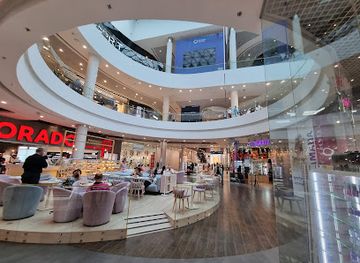
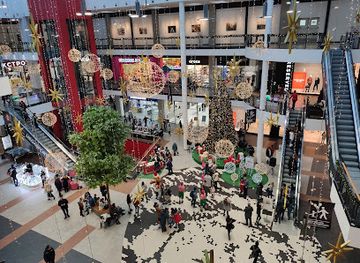
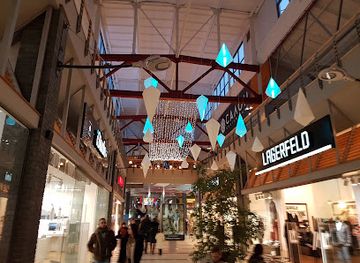
Odesa is the region’s principal shopping centre, combining ordinary high streets and covered markets with independent food shops, bookshops, galleries, clothing retailers and craft businesses. Local produce makes a practical souvenir: look for southern Ukrainian wine where legally sold, dried fruit, preserves, honey, sunflower products and regional sweets, while checking customs rules before taking food abroad. Markets in Odesa and other larger towns are useful for seasonal fruit, vegetables, spices and pickled goods, although stock and opening arrangements can be affected by wartime conditions. Mykolaiv has a more locally focused retail scene, with everyday shops and small businesses rather than extensive luxury shopping. Crafts and cultural products connected with Ukrainian design, theatre, maritime history and Crimean Tatar heritage can be meaningful purchases when sourced from reputable, contemporary makers. Do not buy archaeological objects, military debris or unverified antiques from coastal or war-affected areas.
-
Shopping mall
Ocean Plaza
Explore Ocean Plaza in Kyiv: A premier shopping mall offering diverse retail, dining, and entertainment experiences for tourists and locals alike.
-
Shopping mall
Lavina Mall
Explore Lavina Mall in Kyiv: A shopping paradise with over 300 stores, dining options, and entertainment for the whole family.
-
Shopping mall
Forum Lviv
Experience the best of shopping, dining, and entertainment at Forum Lviv, the ultimate destination for tourists in Lviv.
-
Shopping mall
Cosmo Multimall
Discover the ultimate shopping and entertainment experience at Cosmo Multimall in Kyiv, where every visit is a vibrant adventure.

Get your free copy of our complete guide to Black Sea region, delivered straight to you.
Everything on this page, from attractions and restaurants to essentials and local phrases, in one PDF you can read offline, print or share.
Already have an account? Sign in
Your Black Sea region guide is ready.
We'll send it to · Not you? Sign out

Getting your guide ready…
We are putting together a fresh copy of the Black Sea region guide. This can take up to a minute.
This can take a few moments. If your browser asks, choose Allow so the download can start. You'll find the guide in your Downloads folder.
Nothing happened? Download it again
Sorry, the guide is taking longer than usual. Please try again in a minute, or get it by email instead.
Black Sea region essentials
Currency and Payment
Safety
Emergency Situations
Do's and Don'ts
Local Tips
From Eve
Local phrases worth knowing
You don't need to get them perfect. A few words go a long way, and locals appreciate the effort.
Basics
| English | Local | Say it |
|---|---|---|
| Hello | Привіт | [Pryvit] |
| Goodbye | До побачення | [Do pobachennya] |
| Yes | Так | [Tak] |
| No | Ні | [Ni] |
| Please/You're welcome | Будь ласка | [Bud' laska] |
| Thank you | Дякую | [Dyakuyu] |
| Excuse me/Sorry | Вибачте | [Vybachte] |
| How are you? | Як справи? | [Yak spravy?] |
| Fine. And you? | Добре. А ти? | [Dobre. A ty?] |
| Do you speak English? | Ви говорите англійською? | [Vy hovoryte anhliys'koyu?] |
| I don't understand | Я не розумію | [Ya ne rozumiyu] |
Eating & Drinking
| English | Local | Say it |
|---|---|---|
| I'd like to see the menu, please | Я б хотів подивитися меню, будь ласка | [Ya b khotiv podivytysya menyu, bud' laska] |
| I don't eat meat | Я не їм м'ясо | [Ya ne yim m'yaso] |
| Cheers! | На здоров'я! | [Na zdorov'ya!] |
| I would like to pay, please | Я б хотів заплатити, будь ласка | [Ya b khotiv zaplatyty, bud' laska] |
Emergencies
| English | Local | Say it |
|---|---|---|
| Help! | Допоможіть! | [Dopomozhit!] |
| Go away! | Ідіть геть! | [Idit' het'!] |
| Call the Police! | Подзвоніть у поліцію! | [Podzvonit' u politsiyu!] |
| Call a doctor! | Викликайте лікаря! | [Vyklykayte likarya!] |
| I'm lost | Я загубився | [Ya zahubyvsiya] |
| I'm ill | Я хворий | [Ya khvoryy] |
Shopping
| English | Local | Say it |
|---|---|---|
| I'd like to buy... | Я б хотів купити... | [Ya b khotiv kupyty...] |
| I'm just looking | Я тільки дивлюся | [Ya til'ky dyvlyusya] |
| How much is it? | Скільки це коштує? | [Skil'ky tse koshtuye?] |
| That's too expensive | Це занадто дорого | [Tse zanadto doroho] |
| Can you lower the price? | Можете знизити ціну? | [Mozhete znyzyty tsinu?] |
Time & Numbers
| English | Local | Say it |
|---|---|---|
| What time is it? | Котра година? | [Kotra hodyna?] |
| It's one o'clock | Одна година | [Odna hodyna] |
| Half past (10) | Пів на (10) | [Piv na (10)] |
| Morning | Ранок | [Ranok] |
| Afternoon | День | [Den'] |
| Evening | Вечір | [Vechir] |
| Yesterday | Вчора | [Vchora] |
| Today | Сьогодні | [S'ohodni] |
| Tomorrow | Завтра | [Zavtra] |
| 1 | 1 | [1] |
| 2 | 2 | [2] |
| 3 | 3 | [3] |
| 4 | 4 | [4] |
| 5 | 5 | [5] |
| 6 | 6 | [6] |
| 7 | 7 | [7] |
| 8 | 8 | [8] |
| 9 | 9 | [9] |
| 10 | 10 | [10] |
Transport & Directions
| English | Local | Say it |
|---|---|---|
| Where's a/the...? | Де знаходиться...? | [De znakhodytsya...?] |
| What's the address? | Яка адреса? | [Yaka adresa?] |
| Can you show me (on the map)? | Можете показати мені (на карті)? | [Mozhete pokazaty meni (na karti)?] |
| When's the next (bus)? | Коли наступний (автобус)? | [Koly nastupnyy (avtobus)?] |
| A ticket (to ....) | Квиток (до ....) | [Kvytoк (do ....)] |
History of Black Sea region
Greek Colonies and the Ancient Black Sea, from the Seventh Century BC
Greek settlers established trading colonies on the northern Black Sea coast, linking the region to the wider Mediterranean economy. Olbia, near the Southern Bug and Dnipro-Bug estuary in present-day Mykolaiv oblast, traded in grain, fish, wine and manufactured goods, while Tyras grew near the Dniester estuary in present-day Odesa oblast. Chersonesus on the Crimean Peninsula became another major Greek centre. Archaeological remains, pottery, coins and inscriptions reveal a coastal world connected to both seaborne commerce and the steppe peoples inland.
Scythian, Sarmatian and Steppe Networks
For centuries, the coastline and hinterland were shaped by peoples of the Pontic steppe, including Scythians and Sarmatians, whose political power and trading relationships reached the Greek cities. The region was not divided between a settled coast and an empty interior: rivers, pasture routes and estuaries connected communities across a large landscape. Burial mounds, or kurgans, and archaeological finds near the coast preserve evidence of elite culture, warfare, animal husbandry and long-distance exchange.
Medieval Trade and the Crimean Khanate
After the decline of the ancient colonies, the northern Black Sea remained part of changing networks involving Byzantine, Kyivan Rus’, steppe and Italian maritime interests. From the fifteenth century, the Crimean Khanate, allied with the Ottoman Empire, became a major regional power, while Ottoman-controlled ports and fortresses influenced commerce around the estuaries. Crimean Tatar political, religious and cultural life developed across the peninsula, with Bakhchysarai serving as the khanate’s capital and centre of court culture.
Imperial Ports and the Rise of Odesa, Late Eighteenth to Nineteenth Centuries
The Russian Empire expanded into the northern Black Sea after wars with the Ottoman Empire and incorporated much of the present-day Ukrainian coast. Odesa was founded in 1794 as a port and rapidly became a major grain-exporting city. Mykolaiv developed as a naval and shipbuilding centre, while Kherson served as an important imperial port and administrative hub. Migration from across Europe and the Mediterranean helped create the region’s distinctive urban mix, although imperial development also involved military conquest, settler colonisation and the subordination of existing communities.
The Crimean War and Maritime Militarisation, 1853–1856
The Crimean War brought the Black Sea and the Crimean Peninsula into an international conflict involving Russia, the Ottoman Empire, Britain, France and Sardinia-Piedmont. Sevastopol became the principal theatre of the famous siege, and the war exposed the logistical and technological weaknesses of the Russian Empire. Its aftermath influenced military reform, transport investment and the strategic importance of the region. The conflict also helped establish Crimea as a place of international historical memory, though many of its best-known battlefields now lie in occupied territory.
Revolution, Soviet Rule and the Second World War
Revolution and civil war transformed the coastal cities and countryside after 1917, followed by incorporation into the Soviet system. Ports, shipyards, agriculture and military facilities became central to the regional economy. The Second World War brought occupation, mass violence, destruction and the Holocaust to the Black Sea lands. In 1944, the Soviet authorities deported the Crimean Tatars from Crimea, a collective punishment that caused profound demographic and cultural damage; their return movement became an important feature of late Soviet and post-Soviet history.
Independent Ukraine and the Contemporary War
Since Ukraine became independent in 1991, Odesa, Mykolaiv and Kherson have remained important ports, shipbuilding centres, agricultural gateways and cultural cities, while Crimea developed as a major tourism region. Russia’s occupation of Crimea in 2014 fundamentally altered the political and security landscape. The full-scale Russian invasion in 2022 brought fighting, occupation, damage and displacement to large parts of the southern coast and lower Dnipro region. Ukraine’s maritime economy, cultural heritage and coastal communities continue to be shaped by the war and by efforts to preserve sovereignty and rebuild.
Black Sea region in Photos
Browse through our photo collection highlighting the charm and character of the destination.
Neighbouring regions of Black Sea region
The closest regions to Black Sea region, if you have time for more than one.
-

-

-

-

-


Swipe for more regions
Explore more

Explore more of Ukraine
Explore Ukraine: From Kyiv's golden domes to the Carpathian Mountains, discover a country rich in history, culture, and natural beauty in the heart of Eastern Europe.
Explore Ukraine