

Free Bukovina Travel Guide & Mobile App
Explore Bukovina with free travel guides. Discover regional history, expert tips, proposed trips, and audio guides on web or mobile app.


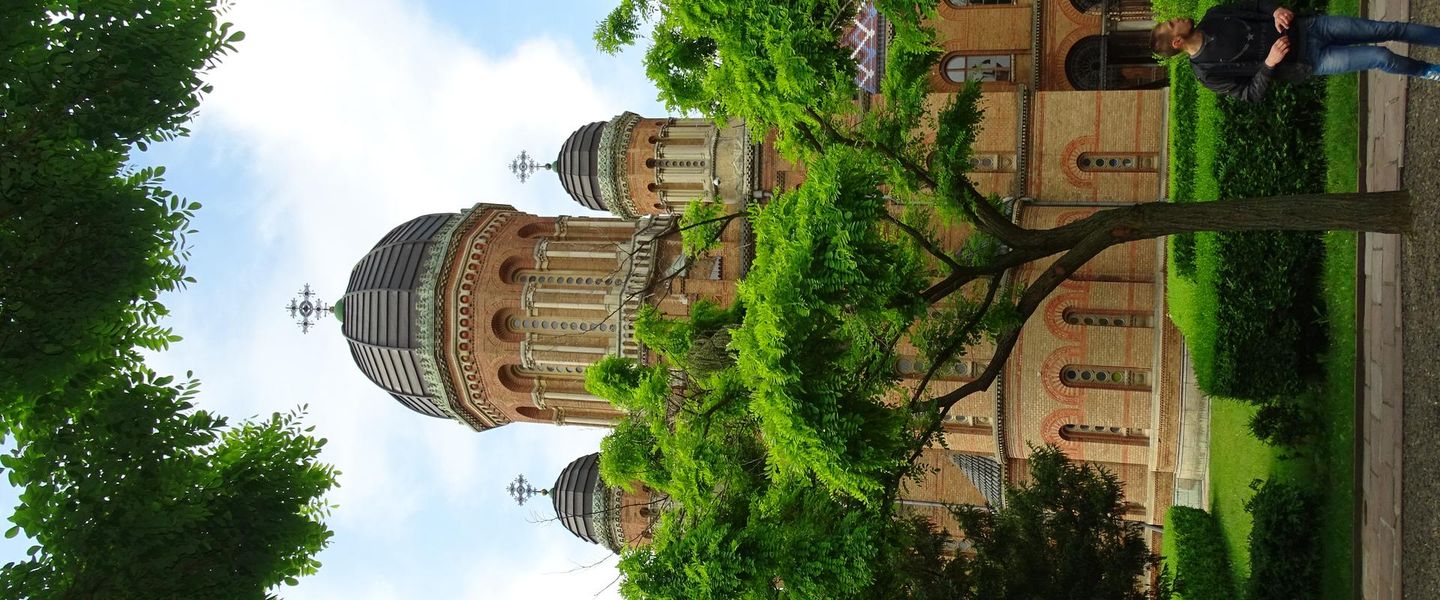


Explore Ukrainian Bukovina through Chernivtsi's Habsburg architecture, Carpathian valleys, Hutsul traditions, rivers and multicultural history.
Read more about Bukovina
When is the best time to visit Bukovina?
Best: June–August · 23–26°C| Month | High (°C) | Rainfall (mm) |
|---|---|---|
| January | 1 | 35 |
| February | 3 | 30 |
| March | 8 | 40 |
| April | 14 | 45 |
| May | 20 | 55 |
| June (best) | 23 | 65 |
| July (best) | 26 | 70 |
| August (best) | 25 | 65 |
| September | 21 | 50 |
| October | 15 | 40 |
| November | 7 | 35 |
| December | 2 | 40 |
Getting to and around Bukovina
How to get there
Transportation
Top city travel guides in Bukovina
The cities of Bukovina, and the easiest places to base yourself.

Swipe for more cities
Destinations in Bukovina
Resorts, valleys and scenic spots worth a trip of their own.
-

-


Swipe for more destinations
Best attractions in Bukovina
Ukrainian Bukovina's attractions range from the architectural heritage of Chernivtsi to forested valleys and river landscapes. In the regional capital, visitors can explore the former Residence of the Metropolitans of Bukovina and Dalmatia, now part of Chernivtsi National University, together with museums, theatres, churches and the layered streets around the historic centre. Smaller collections and local cultural institutions help explain the area's Romanian, Jewish, Ukrainian, Habsburg and Soviet pasts. Outside the city, Vyzhnytsia National Nature Park introduces wooded hills, streams and foothill trails, while the settlements of the Vyzhnytsia and Putyla districts provide access to Hutsul music, craft traditions and mountain scenery. The Dniester valley offers broad views, ravines and reservoir landscapes, although access is often easiest by car and should be checked locally. Walking, cycling, rafting and nature observation are possible in suitable seasons, but conditions depend on weather and water levels. Rural wooden churches, village cemeteries and traditional homes are often more valuable as part of a respectful landscape journey than as isolated photo stops.
-
Tourist attraction
Bukovel
Experience the breathtaking beauty and thrilling adventures of Bukovel, Ukraine's premier ski resort, nestled in the stunning Carpathian Mountains.
-
Food court
Termy BUKOVINA w Bukowinie Tatrzańskiej
Discover relaxation and fun at Termy Bukovina, your ultimate thermal bath and water park destination in the scenic Tatra Mountains.
-
Tourist attraction
Sucevița Monastery
Discover the breathtaking beauty and historical significance of Sucevița Monastery, a UNESCO World Heritage Site in Romania, renowned for its stunning frescoes.
-
State park
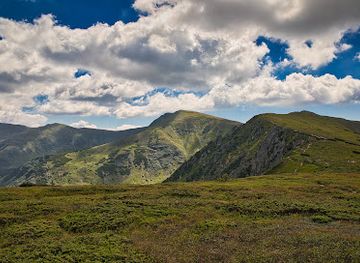
Carpathian National Nature Park
Explore the breathtaking landscapes and diverse wildlife of Carpathian National Nature Park, a natural gem in Ukraine's heart.
Best landmarks in Bukovina
The former Residence of the Metropolitans of Bukovina and Dalmatia in Chernivtsi is the region's most important architectural landmark. Its red-brick buildings, patterned roofs, towers and ceremonial interiors reflect the late nineteenth-century ambitions of the Habsburg-era Orthodox administration and now form the core of a UNESCO-listed university complex. Chernivtsi's central streets contain further reminders of its imperial past, including civic buildings, theatres, churches and former commercial premises shaped by the city's multilingual communities. The wooden Church of St Nicholas, known locally as the wooden church, represents an older and more intimate strand of Bukovinian religious architecture within the capital. Beyond the city, the forested ridges and river valleys of the Carpathian foothills are geographical landmarks rather than single monuments: the Cheremosh valley, the wooded landscapes around Vyzhnytsia and the Dniester's winding eastern scenery reveal how terrain has influenced settlement and local livelihoods. In mountain villages, timber houses, churches and roadside crosses should be treated as active community heritage, not merely as photographic objects.
-
Historical landmark
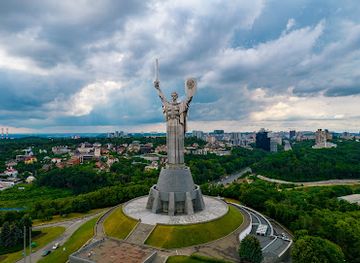
Ukrainian Motherland Monument
Discover the Ukrainian Motherland Monument, a towering emblem of strength and history in Kyiv, offering stunning views and rich cultural insights.
-
Water park
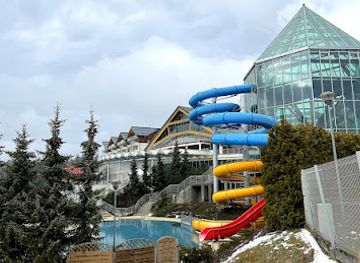
Termy BUKOVINA w Bukowinie Tatrzańskiej
Discover Termy Bukovina: A Thermal Water Park and Spa Retreat in the Heart of the Tatra Mountains, Perfect for Relaxation and Family Fun.
-
Fountain
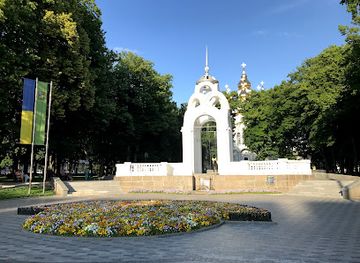
Mirror Stream
Explore the enchanting Mirror Stream in Kharkiv, a mesmerizing fountain known for its stunning design and vibrant atmosphere, perfect for relaxation and photography.
-
State park
Carpathian National Nature Park
Discover the breathtaking landscapes and rich biodiversity of Carpathian National Nature Park, a top destination for nature lovers and adventure seekers in Ukraine.
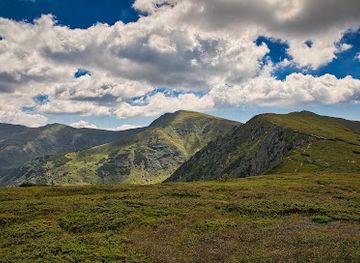
Explore Bukovina on the map
Plan your trip on one map. See where the top cities, national parks and sights are, and book hotels and experiences in a few clicks.
Best hotels in Bukovina
Best restaurants in Bukovina
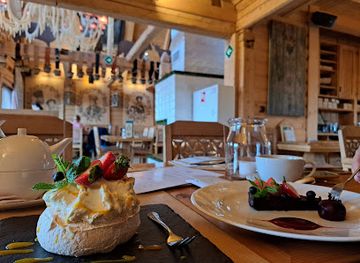
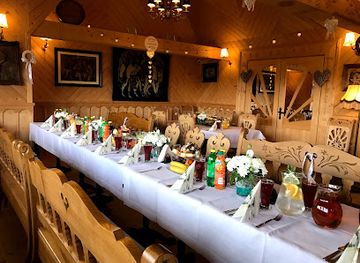
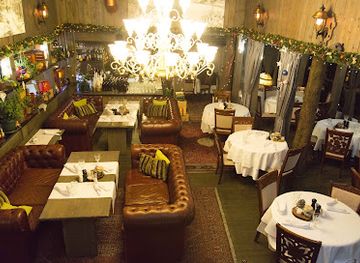
Dining in Bukovina reflects the region's position between Ukrainian, Romanian, Jewish, Moldavian and Central European food traditions. Chernivtsi offers the broadest choice, from bakeries and cafés to contemporary Ukrainian restaurants, traditional eateries and restaurants drawing on the city's multicultural past. Look for varenyky, holubtsi, soups, savoury pastries, pickled vegetables and richly flavoured breads, while Carpathian districts are associated with banush, bryndza-style cheeses, mushrooms and smoked or cured products. Cornmeal, potatoes, cabbage and seasonal forest ingredients remain important in home-style cooking. Markets and small food shops are useful for fruit, honey, preserves and regional dairy products, though availability follows the season. Rural inns and family-run establishments may serve substantial meals by arrangement rather than from a long menu. Wine and spirits are available, but food customs vary between communities, so no single dish represents the whole of Ukrainian Bukovina.
-
Restaurant
Restauracja Schronisko Bukowina
Discover exquisite Polish cuisine amidst breathtaking mountain scenery at Restauracja Schronisko Bukowina.
-
Restaurant
Karczma Giewont
Experience authentic Polish cuisine at Karczma Giewont in Bukowina Tatrzańska - where tradition meets taste amidst stunning mountain views.
-
Ukrainian
KANAPA restaurant
Experience authentic Ukrainian cuisine at KANAPA Restaurant in Kyiv—where tradition meets modern flavors.
-
Family-friendly
Karczma Pod Stancyjom
Experience authentic Polish cuisine at Karczma Pod Stancyjom in Bukowina Tatrzańska - perfect for families and food lovers alike.
Best bars in Bukovina
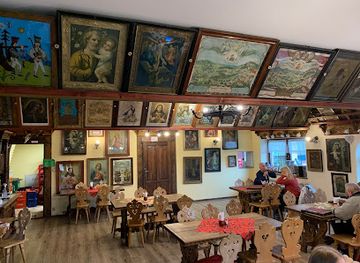
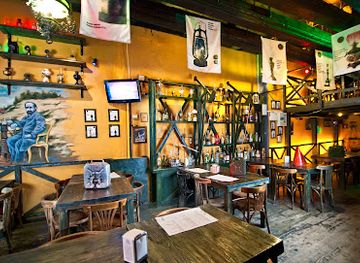
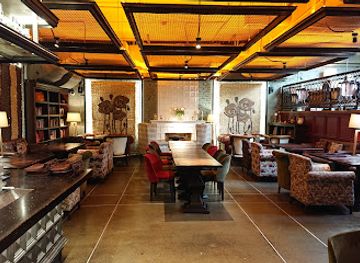
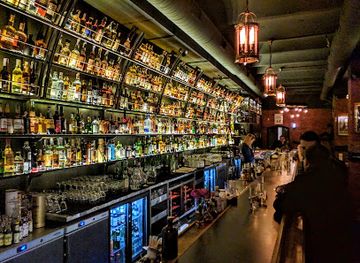
Chernivtsi has the region's most substantial evening scene, centred on cafés, pubs, restaurants, music venues and bars around the central streets and university area. The atmosphere is generally more conversational and social than club-oriented, with historic interiors and contemporary Ukrainian venues existing side by side. Smaller towns such as Vyzhnytsia and mountain settlements rely mainly on cafés, restaurants and local pubs, while nightlife in rural areas may be limited and curtailed by curfew. Seasonal cultural events can bring music and communal gatherings, but dates and formats may change. Visitors should check current operating arrangements, carry identification and plan their return before curfew. Drinking is not necessary to experience the region's evening culture; theatres, concerts, cafés and walks through illuminated historic streets offer alternatives where conditions permit.
-
Restaurant
Gas Lamp
Discover the authentic flavors of Lviv at Gas Lamp, a charming restaurant and café with a rich local menu and inviting atmosphere.
-
Restaurant
Ostannya Barykada
Discover the flavors of Ukraine at Ostannya Barykada, a culinary gem in Kyiv offering traditional dishes and a vibrant atmosphere.
-
Bar
Barman Dictat
Discover Barman Dictat, a premier bar in Kyiv offering innovative cocktails and a vibrant atmosphere, perfect for an unforgettable night out.
-
Cafe
some like it hot
Discover the culinary delights of 'Some Like It Hot' in Kharkiv, where breakfast meets cocktails in a cozy atmosphere.
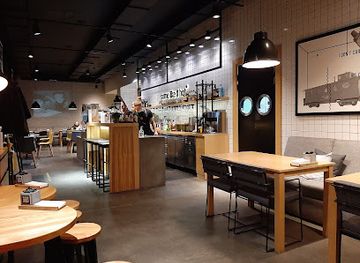
Best nightclubs in Bukovina
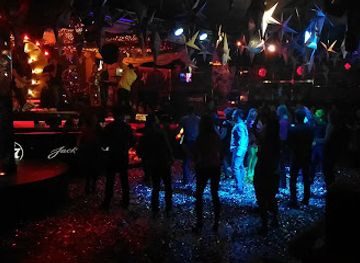
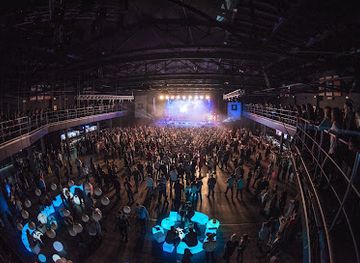
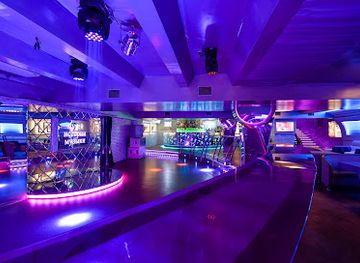
Chernivtsi has the region's most substantial evening scene, centred on cafés, pubs, restaurants, music venues and bars around the central streets and university area. The atmosphere is generally more conversational and social than club-oriented, with historic interiors and contemporary Ukrainian venues existing side by side. Smaller towns such as Vyzhnytsia and mountain settlements rely mainly on cafés, restaurants and local pubs, while nightlife in rural areas may be limited and curtailed by curfew. Seasonal cultural events can bring music and communal gatherings, but dates and formats may change. Visitors should check current operating arrangements, carry identification and plan their return before curfew. Drinking is not necessary to experience the region's evening culture; theatres, concerts, cafés and walks through illuminated historic streets offer alternatives where conditions permit.
-
Night club
Radmir
Discover the electrifying nightlife of Kharkiv at Radmir, an iconic night club offering thrilling music and unforgettable dance experiences.
-
Night club
Caribbean Club
Discover the vibrant Caribbean Club in Kyiv, where nightlife meets culinary excellence in a stunning atmosphere that promises unforgettable memories.
-
Night club
Stereo Plaza
Discover the pulsating nightlife of Kyiv at Stereo Plaza, a premier night club with electrifying music and unforgettable events.
-
Night club
Forsage
Forsage Night Club in Kyiv: A hub of high-energy nightlife with incredible music, vibrant crowds, and unforgettable experiences.

Best shops in Bukovina
Chernivtsi is the best place in Ukrainian Bukovina for practical shopping, books, Ukrainian design, food products and small craft items. Its central streets combine ordinary high-street retailers with independent cafés, bakeries, galleries and shops selling embroidery, ceramics, woven goods and souvenirs. Markets are useful for seasonal fruit, vegetables, honey, preserves, dairy products and other everyday regional produce, although opening patterns can change. In the foothill and mountain districts, visitors may find hand-worked textiles, carved wooden objects, woollen goods, pottery and locally produced food through small workshops or village sellers rather than formal shopping centres. Hutsul-inspired designs are common across the Carpathians, so ask about provenance if buying a supposedly local object. Chernivtsi has more reliable card acceptance, while rural purchases are more likely to require hryvnia cash. Avoid buying antiquities, archaeological material or religious objects without clear legal provenance and permission for export.
-
State park
Carpathian National Nature Park
Explore the stunning landscapes and rich biodiversity of Carpathian National Nature Park, a true gem in Ukraine's natural heritage.
-
Hypermarket
Ashan Hypermarket
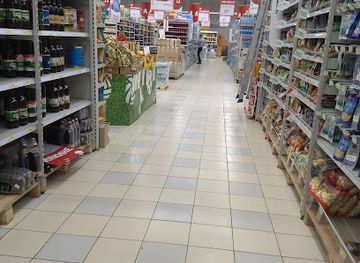
Explore Ashan Hypermarket in Chernivtsi for a unique shopping experience with a variety of groceries, clothing, and local products at affordable prices.
-
National park
Vyzhnytsia National Park
Experience the breathtaking beauty and diverse wildlife of Vyzhnytsia National Park in Chernivtsi Oblast, a true Ukrainian natural wonder.
-
Market
Bukovina market
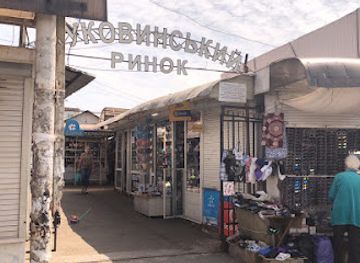
Discover the heart of Chernivtsi at Bukovina Market, where local flavors, vibrant crafts, and a lively atmosphere blend seamlessly for an unforgettable experience.
Get your free copy of our complete guide to Bukovina, delivered straight to you.
Everything on this page, from attractions and restaurants to essentials and local phrases, in one PDF you can read offline, print or share.
Already have an account? Sign in
Your Bukovina guide is ready.
We'll send it to · Not you? Sign out

Getting your guide ready…
We are putting together a fresh copy of the Bukovina guide. This can take up to a minute.
This can take a few moments. If your browser asks, choose Allow so the download can start. You'll find the guide in your Downloads folder.
Nothing happened? Download it again
Sorry, the guide is taking longer than usual. Please try again in a minute, or get it by email instead.
Bukovina essentials
Currency and Payment
Safety
Emergency Situations
Do's and Don'ts
Local Tips
From Eve
Local phrases worth knowing
You don't need to get them perfect. A few words go a long way, and locals appreciate the effort.
Basics
| English | Local | Say it |
|---|---|---|
| Hello | Привіт | [Pryvit] |
| Goodbye | До побачення | [Do pobachennya] |
| Yes | Так | [Tak] |
| No | Ні | [Ni] |
| Please/You're welcome | Будь ласка | [Bud' laska] |
| Thank you | Дякую | [Dyakuyu] |
| Excuse me/Sorry | Вибачте | [Vybachte] |
| How are you? | Як справи? | [Yak spravy?] |
| Fine. And you? | Добре. А ти? | [Dobre. A ty?] |
| Do you speak English? | Ви говорите англійською? | [Vy hovoryte anhlij's'koyu?] |
| I don't understand | Я не розумію | [Ya ne rozumiyu] |
Eating & Drinking
| English | Local | Say it |
|---|---|---|
| I'd like to see the menu, please | Я хотів би побачити меню, будь ласка | [Ya khotiv by pobachyty menyu, bud' laska] |
| I don't eat meat | Я не їм м'ясо | [Ya ne yim m'yaso] |
| Cheers! | На здоров'я! | [Na zdorov'ya!] |
| I would like to pay, please | Я хотів би заплатити, будь ласка | [Ya khotiv by zaplatyty, bud' laska] |
Emergencies
| English | Local | Say it |
|---|---|---|
| Help! | Допоможіть! | [Dopomozhit'!] |
| Go away! | Ідіть геть! | [Idit' het'!] |
| Call the Police! | Викликайте поліцію! | [Vyklykaite politsiyu!] |
| Call a doctor! | Викликайте лікаря! | [Vyklykaite likarya!] |
| I'm lost | Я загубився | [Ya zahubyvsiya] |
| I'm ill | Я хворий | [Ya khvoryy] |
Shopping
| English | Local | Say it |
|---|---|---|
| I'd like to buy... | Я хотів би купити... | [Ya khotiv by kupyty...] |
| I'm just looking | Я просто дивлюсь | [Ya prosto dyvlyus'] |
| How much is it? | Скільки це коштує? | [Skil'ky tse koshtuye?] |
| That's too expensive | Це занадто дорого | [Tse zanadto doroho] |
| Can you lower the price? | Можете знизити ціну? | [Mozhete znyzyty tsinu?] |
Time & Numbers
| English | Local | Say it |
|---|---|---|
| What time is it? | Котра година? | [Kotra hodyna?] |
| It's one o'clock | Одна година | [Odna hodyna] |
| Half past (10) | Пів на (10) | [Piv na (10)] |
| Morning | Ранок | [Ranok] |
| Afternoon | Після обіду | [Pislya obidu] |
| Evening | Вечір | [Vechir] |
| Yesterday | Вчора | [Vchora] |
| Today | Сьогодні | [S'ohodni] |
| Tomorrow | Завтра | [Zavtra] |
| 1 | Один | [Odyn] |
| 2 | Два | [Dva] |
| 3 | Три | [Try] |
| 4 | Чотири | [Chotyry] |
| 5 | П’ять | [P'yat'] |
| 6 | Шість | [Shist'] |
| 7 | Сім | [Sim] |
| 8 | Вісім | [Visim] |
| 9 | Дев’ять | [Devyat'] |
| 10 | Десять | [Desyat'] |
Transport & Directions
| English | Local | Say it |
|---|---|---|
| Where's a/the...? | Де ...? | [De ...?] |
| What's the address? | Яка адреса? | [Yaka adresa?] |
| Can you show me (on the map)? | Можете показати мені (на карті)? | [Mozhete pokazaty meni (na karti)?] |
| When's the next (bus)? | Коли наступний (автобус)? | [Koly nastupnyy (avtobus)?] |
| A ticket (to ....) | Квиток (до ....) | [Kvytoк (do ....)] |
History of Bukovina
Early Settlement and the Prut-Dniester Borderlands
The territory of modern Chernivtsi Oblast has been inhabited since prehistoric times, and archaeological evidence connects parts of the region with the wider Cucuteni-Trypillia cultural world of the Prut-Dniester area. Later populations included communities linked to Thracian, Dacian, Slavic and other eastern European societies. The region's position between the Carpathians and the Dniester made it a zone of movement rather than an isolated cultural pocket. Its rivers, forest resources and fertile lower ground supported settlement, while the hill country encouraged more dispersed forms of agriculture and pastoralism.
Bukovina under the Moldavian Principality
From the medieval period, most of Bukovina was incorporated into the Principality of Moldavia, whose rulers developed towns, monasteries and fortified centres across the wider region. The area around present-day Chernivtsi became part of a Moldavian political and ecclesiastical landscape, with Romanian-speaking, Slavic and Jewish communities participating in trade and local administration. Orthodox monasteries and village churches preserved religious and artistic traditions that continued to influence Bukovinian architecture. The region's location near the Polish-Lithuanian, Hungarian and Ottoman spheres also exposed it to shifting political and commercial connections.
Ottoman Influence and the Habsburg Annexation, 1775
Moldavia remained under strong Ottoman influence, although it retained its own political institutions, until the Habsburg Monarchy annexed Bukovina in 1775. The annexation followed a period of imperial expansion and gave the Habsburgs a strategic territory between Galicia, Transylvania and Moldavia. Administration, settlement policy and military planning changed significantly. Chernivtsi grew in importance, roads and public institutions were developed, and new communities arrived from across the empire. The resulting mixture of languages and confessions became one of the defining features of modern Bukovinian identity.
Chernivtsi and the Habsburg Cultural Transformation
During the nineteenth century, Chernivtsi developed from a provincial town into the administrative and cultural centre of the Austrian, later Austro-Hungarian, crown land of Bukovina. German served as an important language of administration and higher education, while Romanian, Ukrainian, Yiddish, Polish and other languages were used by different communities. The city acquired public buildings, theatres, religious institutions and a university tradition. The metropolitan residence, completed in the late nineteenth century, embodies this period's architectural ambition. The era also strengthened links with Central European trade, publishing and education.
The First World War and Romanian Administration
The First World War brought military occupation and disruption to Bukovina, whose territory became a contested borderland between the Russian and Austro-Hungarian empires. After the collapse of Austria-Hungary in 1918, the northern part of historic Bukovina was incorporated into the Kingdom of Romania. Romanian administration reshaped education, public life and official institutions, while the region remained ethnically and religiously diverse. Chernivtsi continued to be an important urban centre, but political tensions and the changing status of minority communities influenced the interwar decades.
The Second World War and Soviet Rule
Bukovina was again divided and transformed during the Second World War. In 1940, the Soviet Union annexed northern Bukovina; Romania briefly regained the territory after Germany and its allies invaded the Soviet Union, before Soviet control returned in 1944. The war and occupation brought persecution, deportation and the destruction of much of the region's Jewish population. Under Soviet rule, administration, industry, education and agriculture were reorganised, and population movements altered the previous multicultural balance. The legacy remains visible in cemeteries, religious buildings, family histories and the urban fabric of Chernivtsi.
Bukovina in Independent Ukraine
Northern Bukovina became part of independent Ukraine in 1991, following the dissolution of the Soviet Union. Chernivtsi and the surrounding oblast retained their particular cultural profile while renewing links with neighbouring Romania and wider central Europe. Heritage restoration, university life, tourism and cross-border exchange have become important parts of the region's contemporary identity. At the same time, rural communities face economic pressure and outward migration. Since Russia's full-scale invasion of Ukraine in 2022, travel has operated within a national wartime context of alerts, restrictions and changing security arrangements.
Bukovina in Photos
Browse through our photo collection highlighting the charm and character of the destination.
Neighbouring regions of Bukovina
The closest regions to Bukovina, if you have time for more than one.
-

-

-

-

-


Swipe for more regions
Explore more

Explore more of Ukraine
Explore Ukraine: From Kyiv's golden domes to the Carpathian Mountains, discover a country rich in history, culture, and natural beauty in the heart of Eastern Europe.
Explore Ukraine