

Free Galicia Travel Guide & Mobile App
Explore Galicia with free travel guides. Discover regional history, expert tips, proposed trips, and audio guides on web or mobile app.


Explore Galicia in western Ukraine through Lviv’s heritage, Carpathian foothills, historic towns, regional food and resilient local culture.
Read more about Galicia
When is the best time to visit Galicia?
Best: June–August · 24–26°C| Month | High (°C) | Rainfall (mm) |
|---|---|---|
| January | 3 | 30 |
| February | 4 | 35 |
| March | 9 | 40 |
| April | 14 | 45 |
| May | 20 | 50 |
| June (best) | 24 | 60 |
| July (best) | 26 | 65 |
| August (best) | 26 | 60 |
| September | 21 | 55 |
| October | 14 | 50 |
| November | 8 | 40 |
| December | 2 | 35 |
Getting to and around Galicia
How to get there
Transportation
Top city travel guides in Galicia
The cities of Galicia, and the easiest places to base yourself.
-

-

-

-
-

-


Swipe for more cities
Destinations in Galicia
Resorts, valleys and scenic spots worth a trip of their own.
-

-

-

-

-

-


Swipe for more destinations
Best attractions in Galicia
Galicia’s attractions range from Lviv’s dense historic centre to quiet archaeological and rural landscapes. Lviv offers churches, museums, courtyards, theatres and former civic buildings representing medieval, Renaissance, Baroque, Habsburg and modern Ukrainian history. Outside the city, Zhovkva, Zolochiv, Olesko and Pidhirtsi provide a sequence of castles, palaces and fortified settlements, although opening arrangements may vary. Halych and nearby Krylos interpret the medieval Galician-Volhynian past, while Rohatyn and other market towns preserve churches and older street patterns. Drohobych combines historic urban architecture with memories of salt and petroleum production. South and east, spa towns such as Truskavets and Morshyn offer mineral-water traditions, while Kolomyia introduces Hutsul material culture through museums and craft collections. The Carpathian foothills provide walking, cycling, winter sports and village-based travel, with more demanding mountain excursions farther south. Ternopil region adds river scenery, pilgrimage sites, castles and cave landscapes, including the extensive Verteba Cave associated with prehistoric archaeology. Because services and access can change during wartime, confirm the status of each site and respect local restrictions before travelling.
-
Tourist attraction
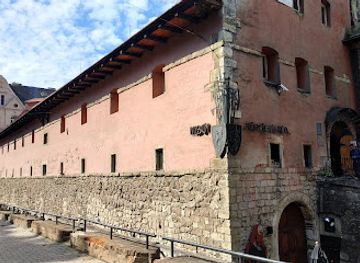
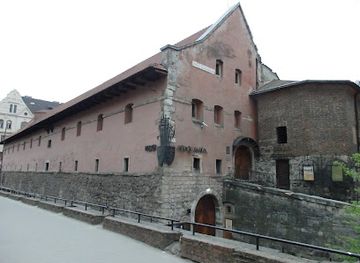
Museum-Arsenal
Explore the Museum-Arsenal in Lviv, a captivating museum showcasing Ukraine's rich military history and impressive weaponry collections.
-
Tourist attraction
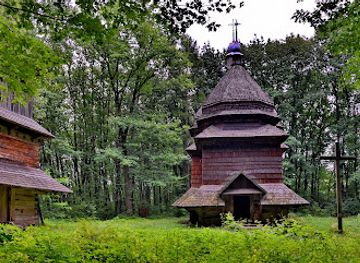
Shevchenkivskyi Hai Park Museum
Discover the rich heritage of Ukraine at Shevchenkivskyi Hai Park Museum, a captivating open-air museum showcasing traditional architecture and folk culture.
-
Tourist attraction
Pharmacy Museum
Discover the rich history of medicine at Lviv's Pharmacy Museum, where ancient practices and artifacts bring the world of pharmacy to life.
-
Tourist attraction
Crystal Cave
Explore the breathtaking beauty of Crystal Cave in Kryvche, Ternopil Oblast - a natural wonder filled with stunning crystal formations and rich geological history.

Best landmarks in Galicia
Lviv’s Market Square and the surrounding historic centre are Galicia’s most recognisable urban landmarks, bringing together the Town Hall, Renaissance merchant houses and religious buildings associated with Armenian, Roman Catholic, Greek Catholic and Orthodox communities. The Lviv High Castle hill provides a prominent viewpoint and recalls the city’s medieval fortifications, although the surviving landscape is more important than the lost castle itself. In Halych and Krylos, earthworks, churches and archaeological remains mark the medieval political centre from which Galicia takes its name. Zhovkva’s planned historic town and castle reflect the ambitions of Polish-Lithuanian aristocratic power, while Zolochiv Castle, Olesko Castle and Pidhirtsi Castle represent different phases of elite residence and defence. Drohobych’s wooden Church of Saint George is an important example of Carpathian ecclesiastical architecture, and the Ternopil region’s Zbarazh Castle recalls the military and political history of the old borderlands. Farther south, the Carpathian ridges and forested valleys serve as natural landmarks, with their appearance changing markedly between summer, autumn and winter.
-
Tourist attraction
Park Landscape Alley
Explore Park Landscape Alley in Kyiv – where art meets nature, and tranquility is just a stroll away.
-
Historical landmark
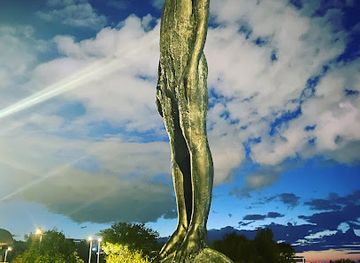
Ukrainian Motherland Monument
Discover the Ukrainian Motherland Monument, a powerful symbol of resilience with stunning views of Kyiv and rich historical significance.
-
Museum
Museum-Arsenal
Discover the fascinating history of military equipment and valor at the Museum-Arsenal in Lviv, a unique tourist attraction and museum.
-
Cathedral
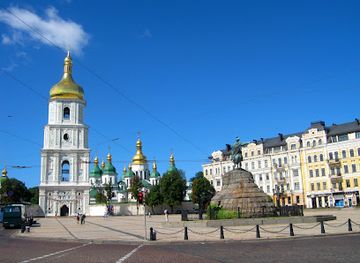
St. Sophia's Cathedral
Explore the stunning St. Sophia's Cathedral in Kyiv, a UNESCO World Heritage site renowned for its Byzantine architecture and rich history.

Explore Galicia on the map
Plan your trip on one map. See where the top cities, national parks and sights are, and book hotels and experiences in a few clicks.
Best hotels in Galicia
Best restaurants in Galicia
Galician cooking combines Ukrainian staples with Central European, Jewish, Hutsul and former Habsburg influences. In Lviv, cafés and restaurants reinterpret dishes such as varenyky, deruny, cabbage rolls, borshch and banosh, while bakeries are known for poppy-seed pastries, cheesecakes and rye-based breads. Coffeehouse culture is particularly prominent in the city, though coffee itself reflects a broader urban tradition rather than a single regional origin. Market towns and rural inns often provide hearty soups, potatoes, buckwheat, mushrooms, smoked meats and seasonal preserves. Towards the Carpathians, look for bryndza-style sheep’s cheese, banosh and other Hutsul specialities, with recipes varying from village to village. Ternopil and the surrounding agricultural districts draw on freshwater fish, dairy produce and farm-grown vegetables. Local beer, fruit drinks, herbal teas and Ukrainian wines may appear on menus, but availability differs. Farmers’ markets are useful for observing regional produce, while small establishments may accept cash and have menus only in Ukrainian.
-
Ukrainian
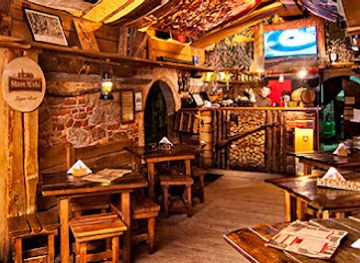
Kryivka
Experience authentic Ukrainian cuisine at Kryivka in Lviv - where history meets flavor in a unique underground setting.
-
Restaurant
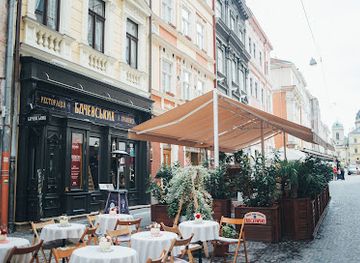
Baczewski Restaurant
Experience the finest Ukrainian cuisine at Baczewski Restaurant in Lviv – where tradition meets modern culinary art.
-
Grill
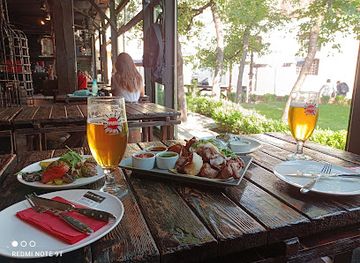
Meat and Justice
Experience top-notch grilling at Meat and Justice in Lviv - where every bite is a celebration of flavor and tradition.
-
Georgian
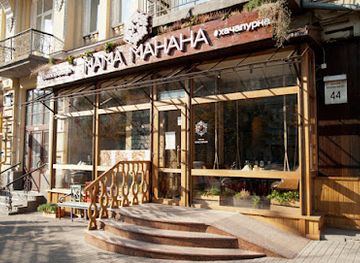
Mama Manana
Experience authentic Georgian flavors at Mama Manana in Kyiv – where delicious cuisine meets warm hospitality.
Best bars in Galicia
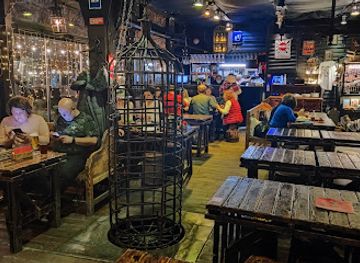
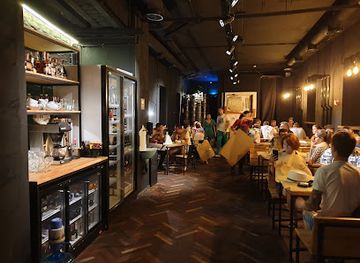
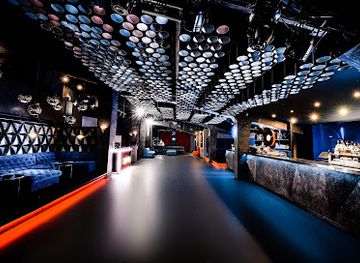
Nightlife in Galicia is concentrated in Lviv, where the historic centre has cafés, beer halls, cocktail bars, live-music spaces and restaurants serving evening meals. Ivano-Frankivsk also has a sizeable café and bar culture, with cultural events and informal meeting places around its central streets. Ternopil’s evening scene is more modest and includes restaurants, pubs and venues serving local residents and students. In smaller towns, historic inns, contemporary cafés and traditional pubs are more likely than dedicated nightclubs, while Carpathian resorts may offer seasonal hotel entertainment and après-ski-style venues. Curfews, licensing restrictions, air-raid alerts and wartime regulations can affect opening arrangements, and visitors should never assume that a venue operates late. Evening culture is not limited to drinking: theatres, concerts, galleries and literary events are important parts of urban life when programmes are running.
-
Restaurant
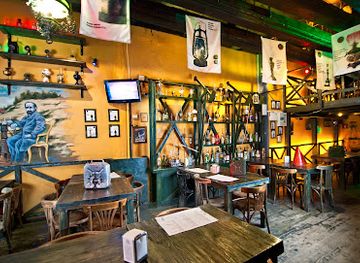
Gas Lamp
Discover the essence of Lviv's culinary scene at Gas Lamp, where tradition meets creativity in every dish.
-
Grill
Meat and Justice
Discover the ultimate steakhouse experience at Meat and Justice in Lviv, where expertly grilled meats meet a warm, inviting atmosphere.
-
Meat
Rebernya Na Uzvozi
Discover the vibrant flavors of Ukraine at Rebernya Na Uzvozi, a premier meat restaurant and beer hall in the heart of Kyiv.
-
Pub
Pravda Beer Theatre
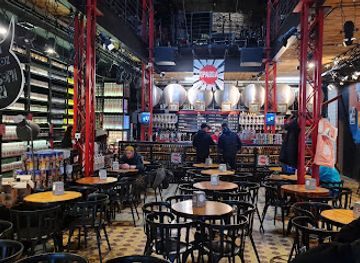
Experience Lviv's vibrant brewing culture at Pravda Beer Theatre, where great beer and delicious local cuisine meet in a lively atmosphere.
Best nightclubs in Galicia
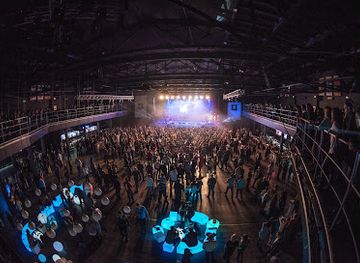
Nightlife in Galicia is concentrated in Lviv, where the historic centre has cafés, beer halls, cocktail bars, live-music spaces and restaurants serving evening meals. Ivano-Frankivsk also has a sizeable café and bar culture, with cultural events and informal meeting places around its central streets. Ternopil’s evening scene is more modest and includes restaurants, pubs and venues serving local residents and students. In smaller towns, historic inns, contemporary cafés and traditional pubs are more likely than dedicated nightclubs, while Carpathian resorts may offer seasonal hotel entertainment and après-ski-style venues. Curfews, licensing restrictions, air-raid alerts and wartime regulations can affect opening arrangements, and visitors should never assume that a venue operates late. Evening culture is not limited to drinking: theatres, concerts, galleries and literary events are important parts of urban life when programmes are running.
-
Night club
Клуб на !FESTrepublic
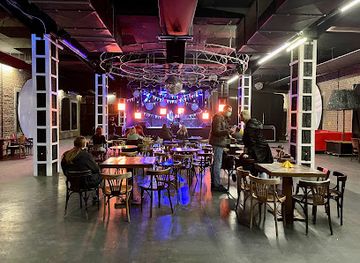
Discover the dynamic nightlife at Клуб на !FESTrepublic, a top-rated night club and concert hall in Lviv known for its electrifying performances and vibrant atmosphere.
-
Night club
Caribbean Club
Discover Kyiv's vibrant nightlife at Caribbean Club, where music, dance, and exquisite dining converge for an unforgettable experience.
-
Night club
Stereo Plaza
Immerse yourself in the electric nightlife of Kyiv at Stereo Plaza, where unforgettable music and vibrant energy collide for an exhilarating experience.
-
Concert hall
Malevich Concert Arena
Discover Lviv's ultimate concert experience at Malevich Concert Arena, where music and nightlife come alive in an electrifying atmosphere.

Best shops in Galicia
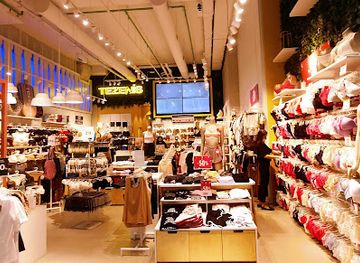
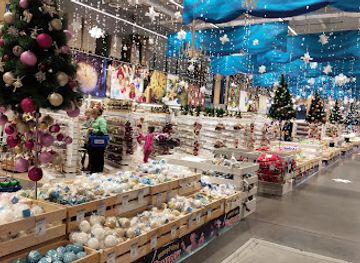
Lviv provides the broadest choice of shopping, from central bookshops, design stores and galleries to food halls, bakeries and independent craft businesses. Market Square and nearby streets are useful for regional edible products such as coffee, chocolate, honey, preserves and herbal teas, although branding and authenticity vary. Ivano-Frankivsk and Kolomyia are better places to look for Carpathian-inspired textiles, woodwork, ceramics, woven goods and traditional decorative objects, while local museums can help visitors understand the difference between historic craft and mass-produced souvenirs. Ternopil and smaller market towns offer practical high-street shopping, produce stalls and occasional craft markets rather than extensive luxury retail. Pysanka-inspired designs, embroidered textiles and Hutsul ornament are widely associated with the region, but buyers should ask about provenance and support genuine makers where possible. Farmers’ markets are useful for seasonal fruit, cheese and other food products; check customs rules before attempting to take animal products, plants or homemade preserves across an international border.
-
Shopping mall
Ocean Plaza
Discover Ocean Plaza in Kyiv: A premier shopping mall offering luxury brands, diverse dining, and family-friendly entertainment for every tourist.
-
Shopping mall
Lavina Mall
Discover Lavina Mall in Kyiv - A shopping haven with diverse stores, delightful dining, and entertainment for the whole family.
-
Shopping mall
Forum Lviv
Discover Forum Lviv: A dynamic shopping mall offering a unique blend of local culture, dining, and entertainment in the heart of Lviv.
-
Shopping mall
ТРЦ Gulliver
Discover TРЦ Gulliver, Kyiv's ultimate shopping mall with diverse brands, dining, and entertainment options, perfect for every tourist's itinerary.
Get your free copy of our complete guide to Galicia, delivered straight to you.
Everything on this page, from attractions and restaurants to essentials and local phrases, in one PDF you can read offline, print or share.
Already have an account? Sign in
Your Galicia guide is ready.
We'll send it to · Not you? Sign out

Getting your guide ready…
We are putting together a fresh copy of the Galicia guide. This can take up to a minute.
This can take a few moments. If your browser asks, choose Allow so the download can start. You'll find the guide in your Downloads folder.
Nothing happened? Download it again
Sorry, the guide is taking longer than usual. Please try again in a minute, or get it by email instead.
Galicia essentials
Currency and Payment
Safety
Emergency Situations
Do's and Don'ts
Local Tips
From Eve
Local phrases worth knowing
You don't need to get them perfect. A few words go a long way, and locals appreciate the effort.
Basics
| English | Local | Say it |
|---|---|---|
| Hello | Привіт | [Pryvit] |
| Goodbye | До побачення | [Do pobachennya] |
| Yes | Так | [Tak] |
| No | Ні | [Ni] |
| Please/You're welcome | Будь ласка | [Bud' laska] |
| Thank you | Дякую | [Dyakuyu] |
| Excuse me/Sorry | Вибачте | [Vybachte] |
| How are you? | Як справи? | [Yak spravy?] |
| Fine. And you? | Добре. А ти? | [Dobre. A ty?] |
| Do you speak English? | Ви говорите англійською? | [Vy hovoryte anhlijʹskoyu?] |
| I don't understand | Я не розумію | [Ya ne rozumiyu] |
Eating & Drinking
| English | Local | Say it |
|---|---|---|
| I'd like to see the menu, please | Я хотів би подивитися меню, будь ласка | [Ya khotiv by podyvytysia menyu, bud' laska] |
| I don't eat meat | Я не їм м'ясо | [Ya ne yim myaso] |
| Cheers! | На здоров'я! | [Na zdorov'ya!] |
| I would like to pay, please | Я хотів би заплатити, будь ласка | [Ya khotiv by zaplatyty, bud' laska] |
Emergencies
| English | Local | Say it |
|---|---|---|
| Help! | Допоможіть! | [Dopomozhit'!] |
| Go away! | Ідіть геть! | [Idit' het'!] |
| Call the Police! | Викличте поліцію! | [Vyklychte politsiyu!] |
| Call a doctor! | Викличте лікаря! | [Vyklychte likarya!] |
| I'm lost | Я загубився | [Ya zahubyvsyas] |
| I'm ill | Я хворий | [Ya khvoryy] |
Shopping
| English | Local | Say it |
|---|---|---|
| I'd like to buy... | Я хотів би купити... | [Ya khotiv by kupyty...] |
| I'm just looking | Я просто дивлюся | [Ya prosto dyvlyusya] |
| How much is it? | Скільки це коштує? | [Skil'ky tse koshtuye?] |
| That's too expensive | Це занадто дорого | [Tse zanadto droho] |
| Can you lower the price? | Ви можете знизити ціну? | [Vy mozhete znyzyty tsinu?] |
Time & Numbers
| English | Local | Say it |
|---|---|---|
| What time is it? | Котра година? | [Kotra hodyna?] |
| It's one o'clock | Одна година | [Odna hodyna] |
| Half past (10) | Пів на (10) | [Piv na (10)] |
| Morning | Ранок | [Ranok] |
| Afternoon | День | [Den'] |
| Evening | Вечір | [Vechir] |
| Yesterday | Вчора | [Vchora] |
| Today | Сьогодні | [S'ohodni] |
| Tomorrow | Завтра | [Zavtra] |
| 1 | 1 | [1] |
| 2 | 2 | [2] |
| 3 | 3 | [3] |
| 4 | 4 | [4] |
| 5 | 5 | [5] |
| 6 | 6 | [6] |
| 7 | 7 | [7] |
| 8 | 8 | [8] |
| 9 | 9 | [9] |
| 10 | 10 | [10] |
Transport & Directions
| English | Local | Say it |
|---|---|---|
| Where's a/the...? | Де...? | [De...?] |
| What's the address? | Яка адреса? | [Yaka adresa?] |
| Can you show me (on the map)? | Можете показати мені (на мапі)? | [Mozhete pokazaty meni (na mapi)?] |
| When's the next (bus)? | Коли наступний (автобус)? | [Koly nastupnyy (avtobus)?] |
| A ticket (to ....) | Квиток (до ....) | [Kvytoк (do ....)] |
History of Galicia
Early settlement and the Kingdom of Galicia–Volhynia
The lands around the upper Dniester and western Ukrainian foothills have been inhabited since prehistoric times, with later settlements connected to the wider cultures of Central and Eastern Europe. Medieval Halych became the centre of a powerful principality, and in the thirteenth century the Kingdom of Galicia–Volhynia emerged as an important eastern European state. Prince Daniel of Galicia was crowned king in 1253, linking the region to broader European political networks. Although the kingdom later fragmented, its name survived in the historical term Galicia and remains central to the region’s identity.
Polish-Lithuanian rule and the growth of Lviv
From the fourteenth century, much of Galicia came under the rule of the Polish crown and later the Polish-Lithuanian Commonwealth. Lviv, known historically as Lwów in Polish and Lemberg in German, developed as a commercial and administrative centre at the intersection of trading routes. Polish, Ruthenian, Armenian and Jewish communities contributed to its economy, religious life and architecture. Towns such as Zhovkva and Berezhany also grew through royal foundations, private estates, markets and fortified residences, leaving a built heritage that remains visible across western Ukraine.
Galicia under the Habsburg Monarchy, 1772–1918
The First Partition of Poland in 1772 transferred most of Ukrainian Galicia to the Habsburg monarchy, where it became part of the Kingdom of Galicia and Lodomeria. Austrian administration brought new governmental structures, roads, railways and educational institutions, while Lviv became the provincial capital. The period also saw the expansion of oil production around Boryslav and Drohobych, salt industries and modern urban development. At the same time, social inequality and national political movements intensified among Polish, Ukrainian and Jewish communities, shaping the region’s modern political consciousness.
National movements and the First World War
By the late nineteenth and early twentieth centuries, Galicia was a major centre of Ukrainian cultural and political organisation. Reading societies, schools, newspapers and civic associations helped develop modern Ukrainian identity, while Polish political influence remained strong in many institutions and towns. Jewish life was also fundamental to the region’s economic and cultural landscape. The First World War brought military occupation, displacement and severe disruption. In 1918, the West Ukrainian People’s Republic was proclaimed in Lviv, but conflict with Poland prevented its consolidation and led to the incorporation of eastern Galicia into the Second Polish Republic.
The interwar years and the Second World War
Between the world wars, eastern Galicia formed part of Poland, with Lviv functioning as a major university and cultural centre. The region contained Polish, Ukrainian and Jewish populations whose relations were influenced by competing national projects and unequal political conditions. The Soviet occupation in 1939, followed by Nazi German rule and the Holocaust, brought mass repression, deportation and murder. After 1944, Soviet authorities incorporated the area into the Ukrainian Soviet Socialist Republic, redrew administrative structures and transformed its population through expulsions, resettlement and post-war reconstruction.
Soviet western Ukraine and religious revival
Under Soviet rule, Galicia was industrialised and urbanised, while religious organisations and independent political activity were tightly controlled. The Ukrainian Greek Catholic Church was forced underground after 1946, although its traditions survived through clandestine communities and family practice. Lviv and other cities became important centres of dissident and cultural activity in the later Soviet period. The legal restoration of the Greek Catholic Church in the late 1980s coincided with Ukraine’s movement towards independence, and churches, museums and civic spaces subsequently became important arenas for recovering regional memory.
Independent Ukraine and contemporary Galicia
Since Ukraine became independent in 1991, Galicia has developed as a major centre of Ukrainian cultural, educational and civic life. Lviv’s historic architecture and Carpathian destinations have attracted domestic and international visitors, while Ivano-Frankivsk, Ternopil and smaller towns have strengthened their cultural institutions and creative scenes. Russia’s full-scale invasion in 2022 profoundly altered daily life, bringing displaced people, volunteer networks and wartime restrictions to the region. Galicia remains a travel destination, but its contemporary experience must be understood through Ukraine’s ongoing defence and the possibility of sudden disruption.
Galicia in Photos
Browse through our photo collection highlighting the charm and character of the destination.
Neighbouring regions of Galicia
The closest regions to Galicia, if you have time for more than one.
-

-

-

-

-


Swipe for more regions
Explore more

Explore more of Ukraine
Explore Ukraine: From Kyiv's golden domes to the Carpathian Mountains, discover a country rich in history, culture, and natural beauty in the heart of Eastern Europe.
Explore Ukraine