

Free Crimea Travel Guide & Mobile App
Explore Crimea with free travel guides. Discover regional history, expert tips, proposed trips, and audio guides on web or mobile app.


Explore Crimea’s Black Sea geography, Crimean Tatar heritage and ancient sites through responsible research while travel remains unsafe and restricted.
Read more about Crimea
When is the best time to visit Crimea?
Best: June, August–September · 23–29°C| Month | High (°C) | Rainfall (mm) |
|---|---|---|
| January | 3 | 40 |
| February | 3 | 35 |
| March | 8 | 40 |
| April | 15 | 45 |
| May | 21 | 50 |
| June (best) | 26 | 55 |
| July | 29 | 55 |
| August (best) | 29 | 50 |
| September (best) | 23 | 45 |
| October | 17 | 40 |
| November | 10 | 40 |
| December | 5 | 40 |
Getting to and around Crimea
How to get there
Transportation
Top city travel guides in Crimea
The cities of Crimea, and the easiest places to base yourself.
-

-


Swipe for more cities
Destinations in Crimea
Resorts, valleys and scenic spots worth a trip of their own.
-

-


Swipe for more destinations
Best attractions in Crimea
Crimea's attraction landscape is best understood as a concentration of archaeological, cultural and environmental zones rather than as a conventional resort itinerary. Ancient Chersonesus near Sevastopol represents the peninsula's Greek and Byzantine past, while the Genoese fortress at Sudak and the port heritage of Feodosia reflect medieval Black Sea trade. Bakhchysarai is important for the Hansaray palace, Crimean Tatar history and nearby cave-settlement landscapes. The southern coast around Yalta and Alushta is associated with former imperial and Soviet-era estates, botanical collections and mountain scenery, while the western peninsula has open beaches, salt lakes and steppe habitats. The Crimean Mountains offer limestone plateaux, ravines and walking country, although access must be treated as unsafe under present conditions. Museums, churches, mosques, archaeological sites and memorial landscapes reveal the overlapping Greek, Armenian, Genoese, Ottoman, Crimean Tatar, Russian and Ukrainian histories of the peninsula. Many attractions are inaccessible, militarised, poorly maintained or politically sensitive during the occupation, so this is currently a subject for informed future planning rather than ordinary sightseeing.
-
Yalta, Naberezhnaya
Explore Yalta's Naberezhnaya: a stunning coastal promenade with breathtaking views, vibrant culture, and delightful cuisine on the Black Sea.
-
Historical landmark
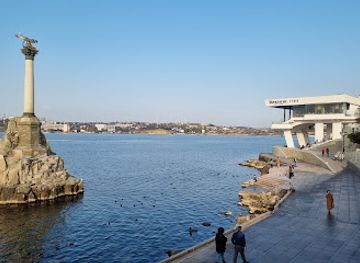
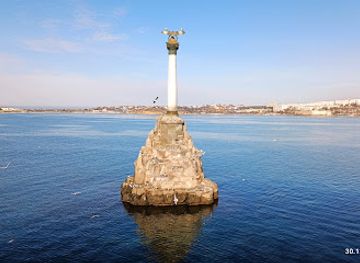
Monument to the Sunken Ships in Sevastopol
Experience the rich maritime history of Sevastopol at the Monument to the Sunken Ships, a poignant symbol of resilience and remembrance.
-
Museum
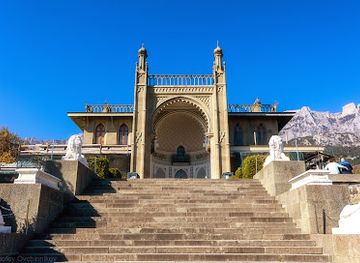
Vorontsov Palace
Explore the breathtaking Vorontsov Palace in Alupka, a blend of Gothic architecture and rich history amidst stunning Black Sea views.
-
Museum
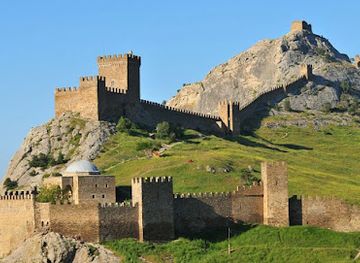
Genoese fortress
Explore the majestic Genoese Fortress in Sudak, a historical gem with breathtaking views and rich medieval heritage.


Best landmarks in Crimea
The Palace of the Crimean Khans at Bakhchysarai is Crimea's most important architectural expression of Crimean Tatar statehood, with courtyards, reception spaces, fountains and religious buildings associated with the khanate's former capital. Near Sevastopol, the archaeological remains of Chersonesus Taurica preserve the grid and defensive traces of an ancient Greek city later shaped by Roman and Byzantine rule. Sudak's Genoese fortress occupies a dramatic coastal position and illustrates the commercial and military importance of medieval Black Sea ports. In Feodosia, the medieval fortress remains and the Church of St John the Baptist recall the city's multi-layered maritime past. The southern coast is marked by palaces, parks and former imperial estates, including the Livadia Palace near Yalta, while the Crimean Mountains provide natural landmarks of limestone cliffs, plateaux and deep ravines. Sevastopol's Malakhov Kurgan is associated with the Crimean War and later twentieth-century military history. These places are historically significant but may currently be inaccessible, altered, militarised or at risk through occupation and inadequate conservation.
-
Historical landmark
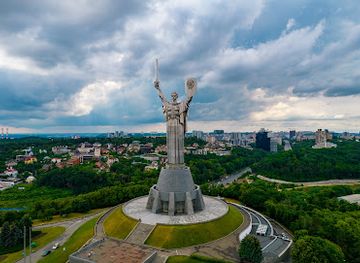
Ukrainian Motherland Monument
Discover the Ukrainian Motherland Monument, a towering symbol of national pride and history in Kyiv, perfect for every tourist's itinerary.
-
Historical landmark
Monument to the Sunken Ships in Sevastopol
Explore the Monument to the Sunken Ships in Sevastopol, a solemn tribute to bravery and a must-visit historical landmark with stunning views.
-
Sea
Black Sea
Discover the stunning Black Sea, a coastal paradise offering beautiful beaches, rich history, and vibrant culture for an unforgettable escape.
-
Museum
Vorontsov Palace
Discover the enchanting Vorontsov Palace, a stunning blend of Gothic and Moorish architecture set against the backdrop of the Black Sea, perfect for history and nature lovers.
Explore Crimea on the map
Plan your trip on one map. See where the top cities, national parks and sights are, and book hotels and experiences in a few clicks.
Best hotels in Crimea
Best restaurants in Crimea
Crimean cuisine reflects the peninsula's position between the Black Sea, the steppe and the eastern Mediterranean. Crimean Tatar cooking is particularly important, with chebureki, crisp pastries filled with meat, and other dishes based on dough, lamb, beef, vegetables and herbs widely associated with the community's culinary heritage. Yantyk, a dry-fried filled pastry, and richly seasoned soups and pilafs are also found in Crimean Tatar food traditions, although recipes vary between households and restaurants. Along the coast, fish and seafood have historically featured in local dining, while the southern climate supports grapes, fruit, vegetables and vineyards. Russian, Ukrainian, Armenian, Greek and Central Asian influences are also visible in the food culture. Markets traditionally provide produce, dried fruit, spices and pastries, and cafés and resort restaurants have served a broad range of Black Sea dishes. Because the region is occupied and normal tourism is unsafe, restaurant availability, food supply, payment systems and hygiene standards cannot be assumed; culinary exploration should currently be approached through reputable cultural documentation rather than travel planning.
-
Ukrainian
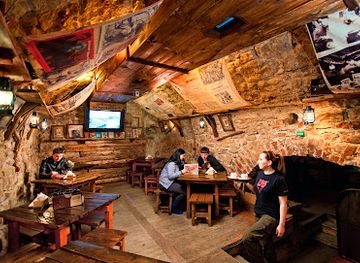
Kryivka
Discover Kryivka: An immersive dining experience offering traditional Ukrainian cuisine in a unique WWII-themed setting in Lviv.
-
Ukrainian
Kumanets
Experience authentic Ukrainian flavors at Kumanets in Odesa - where tradition meets taste in every delightful dish.
-
Ukrainian
KANAPA restaurant
Indulge in traditional Ukrainian flavors at KANAPA Restaurant – a culinary gem in Kyiv's historic district.
-
Fast Food
Kyivska perepichka
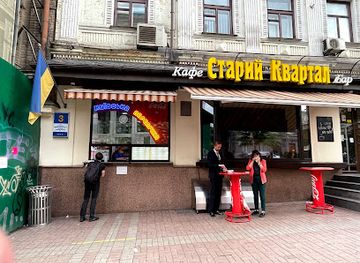
Discover the essence of Ukrainian street food at Kyivska Perepichka - where tradition meets flavor in every bite.

Best bars in Crimea
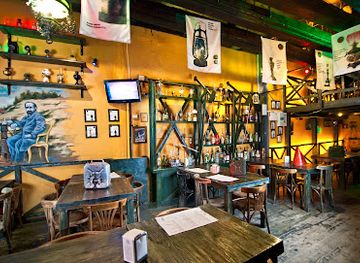
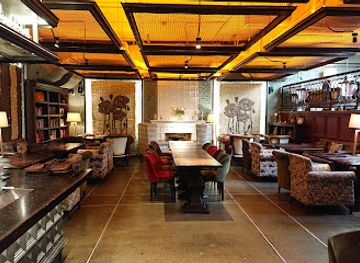
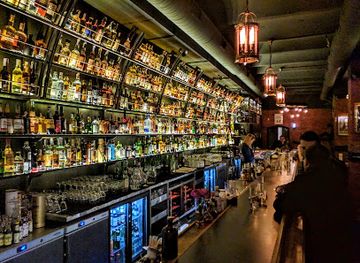
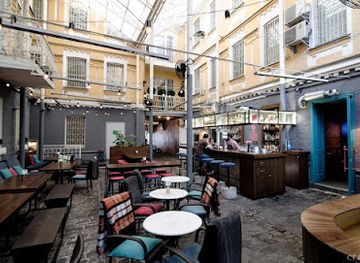
Crimea's historic evening culture has varied sharply by locality. Resort towns on the southern coast, especially Yalta and Alushta, developed promenades, hotel bars, cafés and seasonal entertainment, while Sevastopol has long had a strong naval and civic identity. In Bakhchysarai and smaller inland settlements, evening life has traditionally centred more on family dining, cafés and community occasions than on large clubs. Wine and grape-growing traditions are associated with parts of the southern peninsula, and the coastal towns have also had restaurants and live-music venues aimed at holiday visitors. Current nightlife cannot be treated as a normal visitor offering: occupation, militarisation, restrictions, changing curfews, damaged infrastructure and security risks affect public life, and venues may be closed or inaccessible. Any future visitor should check lawful local conditions and official guidance rather than relying on old resort guides or assuming that seasonal entertainment continues.
-
Restaurant
Gas Lamp
Experience the authentic taste of Ukraine at Gas Lamp, a charming restaurant in Lviv offering traditional dishes with a modern twist.
-
Restaurant
Ostannya Barykada
Experience the vibrant taste of Ukraine with a cultural twist at Ostannya Barykada, a top dining spot in Kyiv's heart.
-
Bar
Barman Dictat
Discover the vibrant nightlife at Barman Dictat, Kyiv's premier bar offering innovative cocktails and an unforgettable ambiance.
-
Bar
Pink Freud Kyiv
Discover the essence of Kyiv nightlife at Pink Freud, where innovative cocktails and live music create an unforgettable experience.
Best nightclubs in Crimea
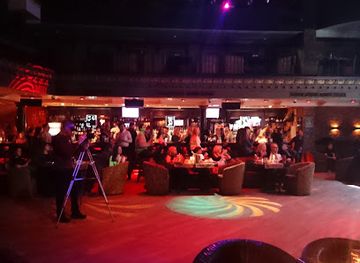
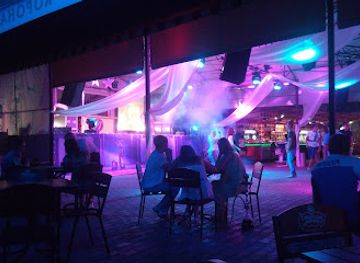
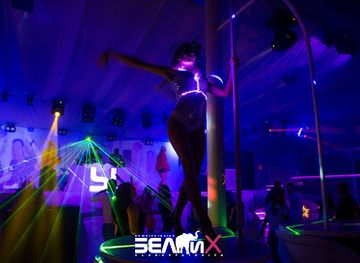
Crimea's historic evening culture has varied sharply by locality. Resort towns on the southern coast, especially Yalta and Alushta, developed promenades, hotel bars, cafés and seasonal entertainment, while Sevastopol has long had a strong naval and civic identity. In Bakhchysarai and smaller inland settlements, evening life has traditionally centred more on family dining, cafés and community occasions than on large clubs. Wine and grape-growing traditions are associated with parts of the southern peninsula, and the coastal towns have also had restaurants and live-music venues aimed at holiday visitors. Current nightlife cannot be treated as a normal visitor offering: occupation, militarisation, restrictions, changing curfews, damaged infrastructure and security risks affect public life, and venues may be closed or inaccessible. Any future visitor should check lawful local conditions and official guidance rather than relying on old resort guides or assuming that seasonal entertainment continues.
-
Night club
Caribbean Club
Experience the electrifying nightlife at Caribbean Club in Kyiv, where dining meets entertainment in a vibrant atmosphere.
-
Disco club
Клуб “Sound club”
Sound Club in Alushta: A Dynamic Disco Experience with Great Music, Dance, and Vibrant Nightlife.
-
Night club
Nochnoy Klub Belyy
Discover the exhilarating nightlife at Nochnoy Klub Belyy, Yevpatoriya's top night club offering an electrifying atmosphere and unforgettable entertainment.
-
Night club
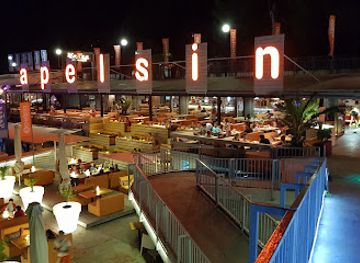
Plyazh Nebo. Beach
Discover the stunning Nebo Beach in Yalta for a perfect blend of relaxation and nightlife along the beautiful Black Sea.
Best shops in Crimea
Crimea's traditional shopping character has centred on markets, small town streets and locally produced food rather than a single extensive retail district. In Bakhchysarai and other places associated with Crimean Tatar culture, visitors have historically found embroidered textiles, decorative crafts, ceramics, spices, dried fruit and pastries, although authenticity and availability vary. Coastal resort towns have offered souvenir stalls, galleries and shops selling shells, regional foods, wine and holiday goods, while larger centres such as Simferopol and Sevastopol have provided more conventional high-street and shopping-centre retail. Agricultural products from the peninsula include fruit, preserves, herbs and grape-related goods, but provenance and transport may be difficult to verify under occupation. Do not purchase archaeological objects, antiquities or items made from protected natural materials, and be cautious about exporting cultural property. Current shops, markets, banking services and border rules are subject to occupation conditions and should not be assumed to operate as described in older guides.
-
Market
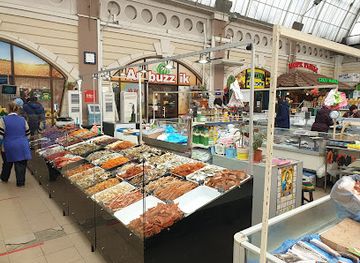
Privoz Market
Explore Privoz Market in Odesa: a vibrant blend of local culture, fresh produce, and unique crafts waiting for you!
-
Shopping mall
Cosmo Multimall
Discover the ultimate shopping and entertainment experience at Cosmo Multimall in Kyiv, where fun and leisure await every visitor.
-
Shopping mall
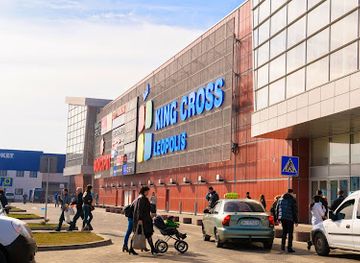
King Cross Leopolis SEC
Explore King Cross Leopolis SEC, a vibrant shopping mall in Lviv Oblast, offering diverse stores, delicious dining, and exciting entertainment options.
-
Shopping mall
River Mall
Discover River Mall in Kyiv, where shopping meets entertainment along the stunning Dnipro River.
Get your free copy of our complete guide to Crimea, delivered straight to you.
Everything on this page, from attractions and restaurants to essentials and local phrases, in one PDF you can read offline, print or share.
Already have an account? Sign in
Your Crimea guide is ready.
We'll send it to · Not you? Sign out

Getting your guide ready…
We are putting together a fresh copy of the Crimea guide. This can take up to a minute.
This can take a few moments. If your browser asks, choose Allow so the download can start. You'll find the guide in your Downloads folder.
Nothing happened? Download it again
Sorry, the guide is taking longer than usual. Please try again in a minute, or get it by email instead.
Crimea essentials
Currency and Payment
Safety
Emergency Situations
Do's and Don'ts
Local Tips
From Eve
Local phrases worth knowing
You don't need to get them perfect. A few words go a long way, and locals appreciate the effort.
Basics
| English | Local | Say it |
|---|---|---|
| Hello | Привіт | [Pryvit] |
| Goodbye | До побачення | [Do pobachennya] |
| Yes | Так | [Tak] |
| No | Ні | [Ni] |
| Please/You're welcome | Будь ласка | [Bud' laska] |
| Thank you | Дякую | [Dyakuyu] |
| Excuse me/Sorry | Вибачте | [Vybachte] |
| How are you? | Як справи? | [Yak spravy?] |
| Fine. And you? | Добре. А ти? | [Dobre. A ty?] |
| Do you speak English? | Ви говорите англійською? | [Vy hovoryte anhlіyskoyu?] |
| I don't understand | Я не розумію | [Ya ne rozumiyu] |
Eating & Drinking
| English | Local | Say it |
|---|---|---|
| I'd like to see the menu, please | Я хочу подивитися меню, будь ласка | [Ya khochu podyvytysya menyu, bud' laska] |
| I don't eat meat | Я не їм м'ясо | [Ya ne yim myaso] |
| Cheers! | На здоров'я! | [Na zdorov'ya!] |
| I would like to pay, please | Я хотів би заплатити, будь ласка | [Ya khotiv by zaplatyty, bud' laska] |
Emergencies
| English | Local | Say it |
|---|---|---|
| Help! | Допоможіть! | [Dopomozhit!] |
| Go away! | Ідіть геть! | [Idit' het'!] |
| Call the Police! | Зателефонуйте поліцію! | [Zatelefonuyte politsiyu!] |
| Call a doctor! | Зателефонуйте лікаря! | [Zatelefonuyte likarya!] |
| I'm lost | Я заблукав | [Ya zablukav] |
| I'm ill | Я хворий | [Ya khvoryy] |
Shopping
| English | Local | Say it |
|---|---|---|
| I'd like to buy... | Я хочу купити... | [Ya khochu kupyty...] |
| I'm just looking | Я просто дивлюся | [Ya prosto dyvlyusya] |
| How much is it? | Скільки це коштує? | [Skil'ky tse koshtuye?] |
| That's too expensive | Це занадто дорого | [Tse zanadto doroho] |
| Can you lower the price? | Можете знизити ціну? | [Mozhete znyzyty tsinu?] |
Time & Numbers
| English | Local | Say it |
|---|---|---|
| What time is it? | Скільки часу? | [Skil'ky chasu?] |
| It's one o'clock | Одна година | [Odna hodyna] |
| Half past (10) | Пів на (10) | [Piv na (10)] |
| Morning | Ранок | [Ranok] |
| Afternoon | Після обіду | [Pislya obidu] |
| Evening | Вечір | [Vechir] |
| Yesterday | Вчора | [Vchora] |
| Today | Сьогодні | [S'ohodni] |
| Tomorrow | Завтра | [Zavtra] |
| 1 | один | [odyn] |
| 2 | два | [dva] |
| 3 | три | [try] |
| 4 | чотири | [chotyry] |
| 5 | п’ять | [p'yat'] |
| 6 | шість | [shist'] |
| 7 | сім | [sim] |
| 8 | вісім | [visim] |
| 9 | дев’ять | [dev'yat'] |
| 10 | десять | [desyat'] |
Transport & Directions
| English | Local | Say it |
|---|---|---|
| Where's a/the...? | Де знаходиться...? | [De znakhodyt'sya...?] |
| What's the address? | Яка адреса? | [Yaka adresa?] |
| Can you show me (on the map)? | Можете показати мені (на карті)? | [Mozhete pokazaty meni (na kartі)?] |
| When's the next (bus)? | Коли наступний (автобус)? | [Koly nastupnyy (avtobus)?] |
| A ticket (to ....) | Квиток (до ....) | [Kvytoк (do ....)] |
History of Crimea
Greek Colonies and Chersonesus Taurica
From the ancient period, Greek communities established ports and settlements around the Crimean coast, including Chersonesus Taurica near present-day Sevastopol and further colonies around the Black Sea. These centres traded grain, wine, fish and manufactured goods with the hinterland and linked the peninsula to wider Mediterranean networks. Chersonesus later came under Roman and Byzantine influence. Its remains preserve streets, walls, civic buildings and religious evidence, making it one of the most important archaeological legacies in Crimea. Steppe peoples and coastal settlers interacted continuously, so ancient Crimea was never culturally isolated from its surroundings.
Roman and Byzantine Crimea
Roman power reached parts of Crimea through alliances, garrisons and control of strategic coastal settlements rather than through complete occupation of the peninsula. Byzantine influence later remained important in Chersonesus and other fortified centres, where Christianity, administration and maritime trade connected Crimea with the eastern Roman world. Mountain fortresses and cave settlements also developed in the interior. This period helped establish Crimea as a frontier between sedentary coastal societies and the mobile peoples of the Eurasian steppe, a pattern that continued through later centuries.
The Genoese Ports and Medieval Trade
From the thirteenth century, Genoese merchants established or controlled important trading centres on parts of the Crimean coast, notably Caffa, now Feodosia, and Soldaia, now Sudak. Their ports connected Black Sea commerce with Mediterranean markets and handled grain, livestock, wax, textiles and other goods. Sudak's fortress and surviving defensive structures illustrate the competitive maritime world of the period. The ports operated within a wider political landscape shaped by Byzantine, Mongol and local powers, and Caffa also became associated with the spread of plague into Europe in the fourteenth century.
The Crimean Khanate and Bakhchysarai
The Crimean Khanate emerged in the fifteenth century and became the principal Crimean Tatar state, ruling much of the peninsula from its capital at Bakhchysarai. It maintained close links with the Ottoman Empire and played a significant role in the politics of the Black Sea and eastern European steppe. Bakhchysarai developed as a court, religious and commercial centre, while Crimean Tatar traditions shaped the region's language, architecture and cuisine. The Hansaray palace complex remains a major symbol of this period, although the community's later history has been marked by dispossession and political upheaval.
Russian Annexation and Imperial Transformation
The Russian Empire annexed the Crimean Khanate in 1783 after the Russo-Turkish wars, beginning a major transformation of the peninsula's administration, settlement and economy. Sevastopol was established as a naval base, while new towns, military roads and estates developed under imperial rule. Russian and other settler communities increased, and many Crimean Tatars emigrated to Ottoman territories. The southern coast acquired an expanding resort and agricultural economy, with vineyards, gardens and aristocratic estates contributing to its later image.
The Crimean War and Sevastopol
The Crimean War of 1853–1856 brought the peninsula into a major international conflict involving Russia, the Ottoman Empire, Britain, France and Sardinia-Piedmont. Sevastopol was besieged for almost a year, and the campaign exposed logistical and medical weaknesses in the Russian war effort while influencing modern military reporting and nursing. Fortifications, memorials and military cemeteries remain associated with the conflict. The war also made Crimea prominent in European public life and reinforced Sevastopol's role as a strategic naval city.
Soviet Rule, Deportation and Return
After the Russian Revolution and civil war, Crimea became part of the Soviet state, with its political status and population repeatedly reshaped. During the Second World War it was occupied by Nazi Germany and later retaken by Soviet forces. In 1944, Stalin's government deported the Crimean Tatars to Central Asia and other parts of the Soviet Union, along with several other communities. The deportation caused profound demographic and cultural damage. Crimean Tatars were permitted to return in growing numbers from the late Soviet period, and their rights, homes and cultural heritage remain major political issues.
Transfer to Ukraine and the Occupation Since 2014
In 1954, Crimea was transferred from the Russian Soviet Federative Socialist Republic to the Ukrainian Soviet Socialist Republic within the USSR. Following Ukrainian independence in 1991, Crimea became part of independent Ukraine, with the status of the Autonomous Republic of Crimea and the separately administered city of Sevastopol. Russia occupied and annexed the peninsula in 2014, a move not recognised by Ukraine or most of the international community. Since then, militarisation, repression, demographic change, restrictions on dissent and the marginalisation of Crimean Tatar institutions have profoundly altered everyday life and access to heritage.
Crimea in Photos
Browse through our photo collection highlighting the charm and character of the destination.
Neighbouring regions of Crimea
The closest regions to Crimea, if you have time for more than one.
-

-

-

-

-


Swipe for more regions
Explore more

Explore more of Ukraine
Explore Ukraine: From Kyiv's golden domes to the Carpathian Mountains, discover a country rich in history, culture, and natural beauty in the heart of Eastern Europe.
Explore Ukraine