

Free Kremenchuk Travel Guide & Mobile App
Plan your Kremenchuk trip with Evendo. Get free guides to top attractions, restaurants, hotels, and bars. Web access or download the mobile app.


Kremenchuk on the Dnipro blends Ukrainian history, riverfront walks, industrial heritage, local markets and an authentic perspective on central Ukraine.
A River City in Central Ukraine
Kremenchuk lies on both banks of the Dnipro in Poltava Oblast, where the broad river and its reservoir shape the city's geography and daily life. It is a working Ukrainian city rather than a conventional sightseeing destination, with an atmosphere formed by engineering, transport, commerce and riverside recreation. The central districts are relatively easy to explore on foot, while bridges, embankments and broad avenues reveal the scale of the Dnipro landscape.Read more about Kremenchuk
History Along the Dnipro
Everyday Culture and Riverside Life
When is the best time to visit Kremenchuk?
Best: June, August–September · 21–28°C| Month | High (°C) | Rainfall (mm) |
|---|---|---|
| January | -2 | 29 |
| February | 0 | 25 |
| March | 5 | 27 |
| April | 14 | 36 |
| May | 22 | 47 |
| June (best) | 26 | 49 |
| July | 28 | 47 |
| August (best) | 28 | 40 |
| September (best) | 21 | 37 |
| October | 14 | 34 |
| November | 7 | 34 |
| December | 2 | 32 |
Getting to and around Kremenchuk
How to get there
Transportation
Best attractions in Kremenchuk
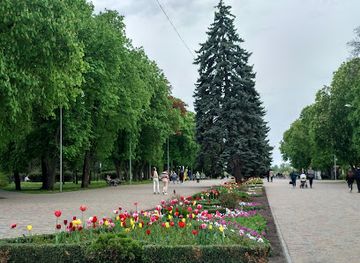
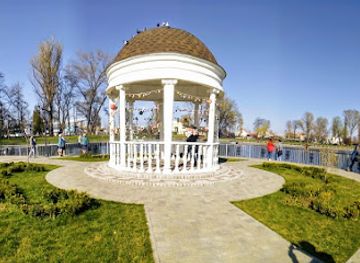
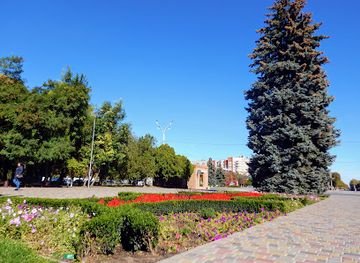
Kremenchuk's principal attractions reflect its river setting and industrial history rather than a concentration of grand historic monuments. The Dnipro embankment offers broad views across the water and a sense of the city's scale, while the central parks and public squares provide everyday scenes of local life. The Kremenchuk Museum of Local Lore introduces the area's archaeology, Cossack-era history, wartime experience and industrial development. The city's memorials, including the Memorial of Eternal Glory, are important places of remembrance and help explain the destruction and reconstruction of the twentieth century. Visitors interested in engineering and urban history can observe the railway areas, bridges and post-war factory districts from public spaces, without entering restricted facilities. The central market adds a more immediate cultural experience through seasonal produce and Ukrainian staples. Across the river, views towards the reservoir and industrial waterfront show how transport, manufacturing and the Dnipro remain closely connected.
-
Tourist attraction
Prydniprovsʹkyy Park
Explore the lush landscapes and vibrant community events at Prydniprovsʹkyy Park, Kremenchuk's serene escape for nature lovers and families.
5 min drive · 1.6 km from city centre
-
Park
Park named after Oleg Babayev
Discover the serene beauty of Oleg Babayev Park in Kremenchuk, a perfect escape for relaxation and recreation amidst nature.
9 min walk · 0.7 km from city centre
-
Tourist attraction
Misʹky
Explore the enchanting Misʹky Park in Kremenchuk, where nature, tranquility, and local wildlife create a perfect getaway.
13 min walk · 1.0 km from city centre
-
Tourist attraction
Peace Park
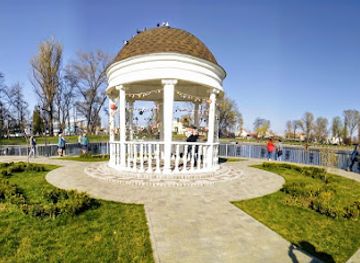
Explore Peace Park in Kremenchuk, a lush green sanctuary offering serenity, cultural experiences, and a perfect retreat for nature lovers.
9 min drive · 3.0 km from city centre
Best landmarks in Kremenchuk
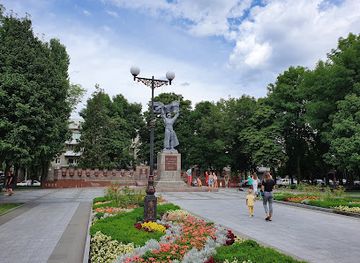
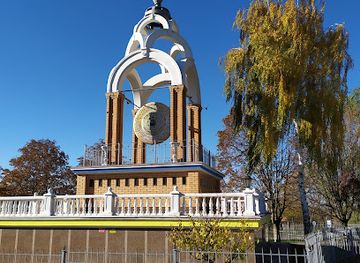
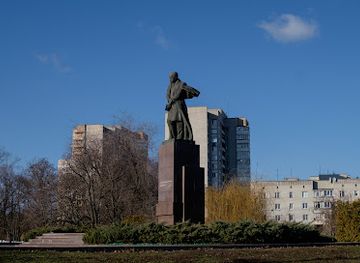
Kremenchuk's landmarks are closely tied to remembrance, transport and the Dnipro. The Memorial of Eternal Glory is one of the city's most significant public monuments, commemorating those who died during the Second World War and giving visible form to the city's wartime memory. The Kremenchuk railway station and associated railway infrastructure represent the nineteenth-century transport expansion that helped the town become an industrial centre, while the Dnipro bridges express its continuing role as a crossing point between the river's banks. Public works and monuments in the central districts also reflect the post-war reconstruction of a city heavily damaged during the occupation. The local-history museum is a cultural landmark rather than a monumental building, preserving the story of the settlement, Cossack-era region, industry and war. Together, these places create a civic landscape shaped more by transport and memory than by a surviving medieval or imperial old town.
-
Park
Prydniprovsʹkyy Park
Discover the natural beauty and vibrant atmosphere of Prydniprovsʹkyy Park, a perfect urban oasis in Kremenchuk for relaxation and cultural experiences.
5 min drive · 1.6 km from city centre
-
Park
Misʹky
Discover the serene beauty of Mis'ky Park in Kremenchuk, a perfect escape for nature lovers and urban explorers alike.
13 min walk · 1.0 km from city centre
-
Children's amusement center
Fly Kids
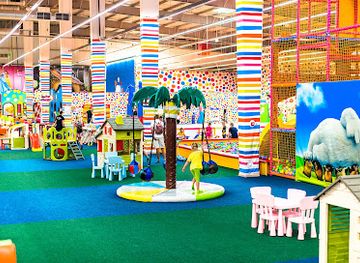
Explore endless fun and excitement at Fly Kids, Kremenchuk's ultimate children's amusement center with rides, play areas, and a cozy café.
18 min drive · 6.1 km from city centre
-
Park
Yuvileynyy Park
Experience the natural beauty and serene ambiance of Yuvileynyy Park, a must-visit destination for relaxation and outdoor activities in Kremenchuk.
15 min walk · 1.2 km from city centre
Explore Kremenchuk on the map
Plan your Kremenchuk trip on one map. See where the top attractions, landmarks, restaurants, bars and hotels are, find what's near where you're staying, and book hotels and experiences in a few clicks.
Best hotels in Kremenchuk
Best restaurants in Kremenchuk
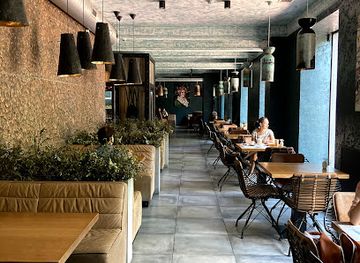
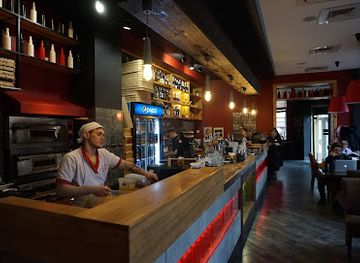
Kremenchuk's dining culture is rooted in everyday Ukrainian cooking and the produce of the central Dnipro region. Menus commonly draw on borshch, varenyky, deruny, holubtsi, cutlets, pickled vegetables and rye-based breads, alongside familiar café food influenced by contemporary Ukrainian tastes. The city centre has the broadest choice of cafés, bakeries and casual restaurants, while the central market is useful for observing local shopping habits and finding seasonal fruit, vegetables, dairy products and prepared foods. Fish from the Dnipro region may appear in local cooking, although provenance and availability vary. Meals are generally informal, with tea, coffee and pastries occupying an important place in daytime social life. Visitors should expect a practical city dining scene rather than a destination built around haute cuisine, and should check current opening arrangements because local conditions can affect individual businesses.
-
Restaurant
KOFAN
Discover the flavors of Europe at KOFAN in Kremenchuk - where exquisite cuisine meets warm hospitality.
3 min walk · 0.3 km from city centre
-
Restaurant
New York Street Pizza
Experience the best of Kremenchuk's dining scene at New York Street Pizza with delicious pizzas, grilled delights, and fresh sushi.
13 min walk · 1.1 km from city centre
-
Bistro
Varenychna №1
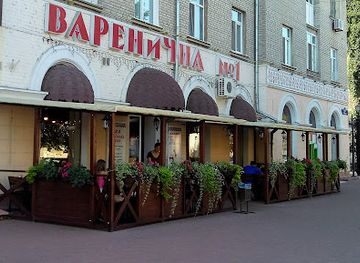
Discover the heart of Ukrainian cuisine at Varenychna №1 - a charming bistro in Kremenchuk offering authentic dishes and warm hospitality.
12 min walk · 1.0 km from city centre
-
Grill
Barbaris
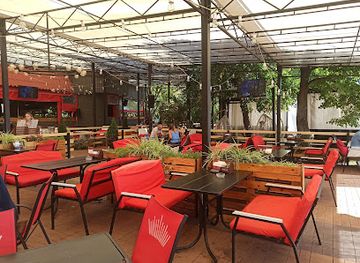
Experience the best of grilled cuisine at Barbaris in Kremenchuk – where every bite is a celebration of flavor.
5 min drive · 1.7 km from city centre
Best bars in Kremenchuk
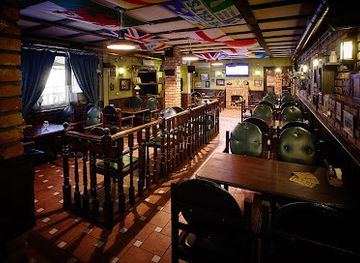
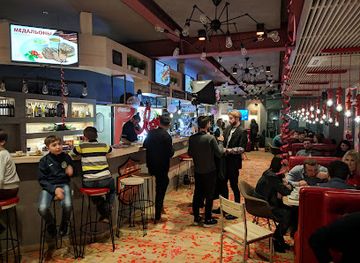
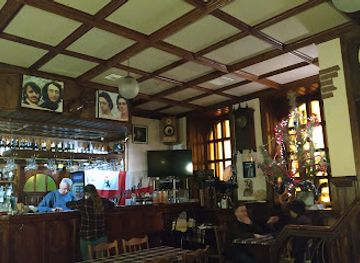
Kremenchuk has a modest evening scene focused on cafés, restaurants, pubs and small bars in the central districts rather than a large club circuit. Evenings are often social and unhurried, with coffee, beer, conversation and Ukrainian or international music providing more typical entertainment than late-night spectacle. Cultural programming may include performances at local theatres or concert venues, depending on the current schedule and security situation. The riverside and central parks can be pleasant before dark, but visitors should follow any curfew, air-alert and public-safety instructions in force. Nightlife availability is subject to wartime restrictions, power conditions and changing operating hours, so accommodation staff or current local listings are more reliable than old online recommendations. Kremenchuk's after-dark character is best understood as that of a regional working city with occasional cultural events, not a dedicated party destination.
-
Irish pub
Belfast
Experience the essence of Ireland at Belfast, where hearty cuisine and vibrant atmosphere create unforgettable moments for every visitor.
9 min walk · 0.7 km from city centre
-
Pub
KRUASON
Discover KRUASON in Kremenchuk, a delightful gastropub offering a unique blend of traditional and modern cuisine in a warm, inviting atmosphere.
11 min drive · 3.7 km from city centre
-
Bar
Liverpool
Discover Liverpool's vibrant nightlife and rich cultural heritage, where history meets contemporary excitement in every corner.
9 min walk · 0.7 km from city centre
-
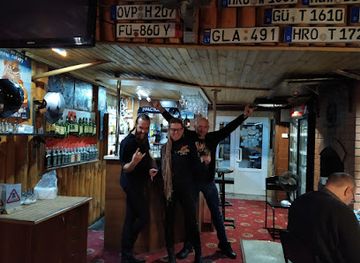
Bar
Rocker Concert Pub
Discover the vibrant nightlife at Rocker Concert Pub, where live music meets a welcoming atmosphere in the heart of Kremenchuk.
10 min drive · 3.4 km from city centre
Best nightclubs in Kremenchuk
Kremenchuk has a modest evening scene focused on cafés, restaurants, pubs and small bars in the central districts rather than a large club circuit. Evenings are often social and unhurried, with coffee, beer, conversation and Ukrainian or international music providing more typical entertainment than late-night spectacle. Cultural programming may include performances at local theatres or concert venues, depending on the current schedule and security situation. The riverside and central parks can be pleasant before dark, but visitors should follow any curfew, air-alert and public-safety instructions in force. Nightlife availability is subject to wartime restrictions, power conditions and changing operating hours, so accommodation staff or current local listings are more reliable than old online recommendations. Kremenchuk's after-dark character is best understood as that of a regional working city with occasional cultural events, not a dedicated party destination.
-
Restaurant
Akhtamar
Experience the vibrant fusion of dining and nightlife at Akhtamar in Kremenchuk, where culinary delights meet energetic entertainment.
18 min walk · 1.4 km from city centre
-
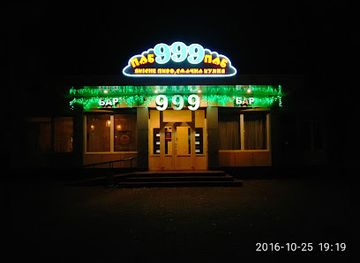
Bar
999
Experience the vibrant nightlife and local culture at Kremenchuk's top bar, offering an extensive drink menu and live entertainment.
23 min drive · 7.8 km from city centre
-
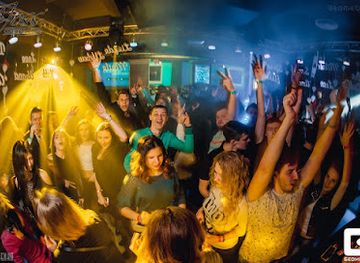
Night club
JOSS
Discover Kremenchuk's vibrant nightlife at JOSS, a unique night club and karaoke bar offering delicious food and unforgettable entertainment.
17 min walk · 1.4 km from city centre
-
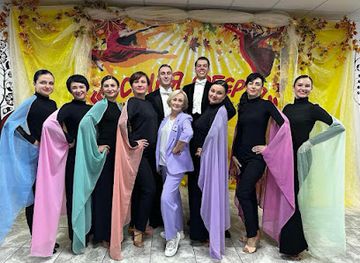
Dance club
Школа спортивного бального танцю Сузір'я
Discover the joy of movement and social connection at Suziriya, Kremenchuk's premier ballroom dance school for all ages.
7 min drive · 2.3 km from city centre

Best shops in Kremenchuk
Shopping in Kremenchuk combines practical city retail with the direct, seasonal character of Ukrainian markets. The central market is the most useful place to encounter local food culture, with fruit, vegetables, dairy products, preserves, baked goods and other household provisions varying through the year. Central streets contain supermarkets, pharmacies, cafés and independent shops, while larger commercial centres provide clothing, electronics and everyday items familiar across Ukraine. Visitors seeking souvenirs should consider packaged Ukrainian foods, local honey, ceramics, embroidered textiles or small craft goods, checking provenance rather than assuming every item is locally made. Kremenchuk is not primarily a luxury-shopping destination, and its retail identity is more closely connected to household commerce, regional produce and practical services. Payment options differ between larger retailers and market stalls, making some hryvnia useful even when cards are accepted elsewhere.
-
E-commerce service
Вейп шоп SMOL.NET.UA
Discover quality vaping products and exceptional service at SMOL.NET.UA in Kremenchuk, a must-visit for vaping enthusiasts.
7 min walk · 0.6 km from city centre
-
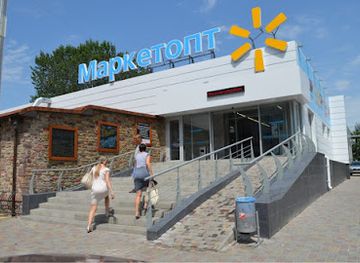
Supermarket
Marketopt
Explore the vibrant Marketopt supermarket in Kremenchuk, where local flavors and everyday essentials await you in a welcoming shopping environment.
14 min walk · 1.1 km from city centre
-
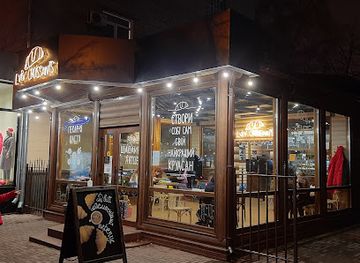
Cafe
Lviv Croissants
Discover the flavors of Ukraine at Lviv Croissants, where delightful pastries and aromatic coffee come together in a cozy café atmosphere.
7 min walk · 0.6 km from city centre
-
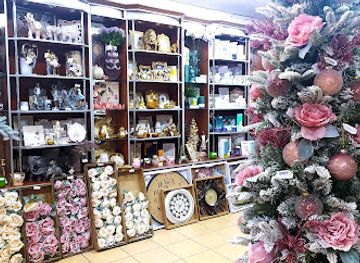
Gift shop
Pryntsyp
Explore Pryntsyp in Kremenchuk for unique gifts and stationery, a perfect stop for tourists seeking local treasures and delightful souvenirs.
4 min walk · 0.3 km from city centre

Get your free copy of our complete guide to Kremenchuk, delivered straight to you.
Everything on this page, from attractions and restaurants to essentials and local phrases, in one PDF you can read offline, print or share.
Already have an account? Sign in
Your Kremenchuk guide is ready.
We'll send it to · Not you? Sign out

Getting your guide ready…
We are putting together a fresh copy of the Kremenchuk guide. This can take up to a minute.
This can take a few moments. If your browser asks, choose Allow so the download can start. You'll find the guide in your Downloads folder.
Nothing happened? Download it again
Sorry, the guide is taking longer than usual. Please try again in a minute, or get it by email instead.
Kremenchuk essentials
Currency and Payment
Safety
Emergency Situations
Do's and Don'ts
Local Tips
From Eve
Local phrases worth knowing
You don't need to get them perfect. A few words go a long way, and locals appreciate the effort.
Basics
| English | Local | Say it |
|---|---|---|
| Hello | Привіт | [Pryvit] |
| Goodbye | До побачення | [Do pobachennya] |
| Yes | Так | [Tak] |
| No | Ні | [Ni] |
| Please/You're welcome | Будь ласка | [Bud laska] |
| Thank you | Дякую | [Dyakuyu] |
| Excuse me/Sorry | Вибачте | [Vybachte] |
| How are you? | Як справи? | [Yak spravy?] |
| Fine. And you? | Добре. А ви? | [Dobre. A vy?] |
| Do you speak English? | Ви говорите англійською? | [Vy hovoryte anhliysʹkoyu?] |
| I don't understand | Я не розумію | [Ya ne rozumiyu] |
Eating & Drinking
| English | Local | Say it |
|---|---|---|
| I'd like to see the menu, please | Я хочу подивитися меню, будь ласка | [Ya khochu podyvytysya menyu, bud laska] |
| I don't eat meat | Я не їм м'ясо | [Ya ne yim m'yaso] |
| Cheers! | Будьмо! | [Budʹmo!] |
| I would like to pay, please | Я б хотів заплатити, будь ласка | [Ya b khotiv zaplatyty, bud laska] |
Emergencies
| English | Local | Say it |
|---|---|---|
| Help! | Допоможіть! | [Dopomozhitʹ!] |
| Go away! | Іди геть! | [Idy hetʹ!] |
| Call the Police! | Покличте поліцію! | [Poklychte politsiyu!] |
| Call a doctor! | Покличте лікаря! | [Poklychte likarya!] |
| I'm lost | Я загубився | [Ya zahubyvsya] |
| I'm ill | Я хворий | [Ya khvoryy] |
Shopping
| English | Local | Say it |
|---|---|---|
| I'd like to buy... | Я б хотів купити... | [Ya b khotiv kupity...] |
| I'm just looking | Я просто дивлюсь | [Ya prosto dyvlyusʹ] |
| How much is it? | Скільки це коштує? | [Skilʹky tse koshtuye?] |
| That's too expensive | Це занадто дорого | [Tse zanadto doroho] |
| Can you lower the price? | Чи можете ви знизити ціну? | [Chy mozhete vy znyzyty tsinu?] |
Time & Numbers
| English | Local | Say it |
|---|---|---|
| What time is it? | Котра година? | [Kotra hodyna?] |
| It's one o'clock | Одна година | [Odna hodyna] |
| Half past (10) | Пів на (десять) | [Piv na (desyatʹ)] |
| Morning | Ранок | [Ranok] |
| Afternoon | Після обіду | [Pislya obidu] |
| Evening | Вечір | [Vechir] |
| Yesterday | Вчора | [Vchora] |
| Today | Сьогодні | [Sogodni] |
| Tomorrow | Завтра | [Zavtra] |
| 1 | один | [odyn] |
| 2 | два | [dva] |
| 3 | три | [try] |
| 4 | чотири | [chotyry] |
| 5 | п'ять | [pyatʹ] |
| 6 | шість | [shistʹ] |
| 7 | сім | [sim] |
| 8 | вісім | [visim] |
| 9 | дев'ять | [dev'yatʹ] |
| 10 | десять | [desyatʹ] |
Transport & Directions
| English | Local | Say it |
|---|---|---|
| Where's a/the...? | Де є/знаходиться...? | [De ye/znakhodytsya...?] |
| What's the address? | Яка адреса? | [Yaka adresa?] |
| Can you show me (on the map)? | Чи можете ви показати мені (на карті)? | [Chy mozhete vy pokazaty meni (na karti)?] |
| When's the next (bus)? | Коли наступний (автобус)? | [Koly nastupnyy (avtobus)?] |
| A ticket (to ....) | Квиток (до ....) | [Kvytok (do ....)] |
History of Kremenchuk
A Fortified Settlement on the Dnipro
Kremenchuk is generally associated with a 1571 reference to a settlement and fortification on an important Dnipro crossing. Its position connected river traffic, steppe routes and territories administered by the Polish–Lithuanian Commonwealth, making defence and commerce central to its early development. The town stood in a frontier environment shaped by conflict, migration and exchange between agricultural communities, Cossack groups and neighbouring powers. Although little of the earliest fortification survives as a complete monument, the city's location explains its later importance: control of the river corridor helped Kremenchuk become a centre of transport and regional administration.
Cossack Administration and Imperial Rule
During the seventeenth and eighteenth centuries, Kremenchuk was part of the changing political landscape of the Cossack Hetmanate and the wider struggles over central Ukraine. Its strategic role increased as Russian imperial authority expanded southwards, and it became associated with military administration, river trade and the movement of grain and other goods. In the late eighteenth century, imperial reorganisation altered local institutions and incorporated the town more firmly into the administrative system of the Russian Empire. The resulting urban character combined Cossack regional traditions with imperial planning, commerce and official architecture.
Trade, Industry and the Railway
Kremenchuk's nineteenth-century growth was accelerated by improved transport. The railway reached the city in 1869, strengthening connections with Kyiv, Kharkiv, Odesa and other parts of the empire, while the Dnipro supported shipping and river commerce. Grain trading, milling, workshops and manufacturing expanded around these links, turning Kremenchuk into a significant commercial and industrial centre. Bridges and railway infrastructure reinforced its role as a crossing point between the river's two banks. This period established the transport and engineering traditions that would later remain central to the city's economy.
Revolution and the Early Soviet Period
The upheavals of 1917 and the subsequent civil conflict brought rapid changes to political authority and social life in Kremenchuk. The city became part of Soviet Ukraine, and state-directed industrialisation reshaped employment, housing and public institutions. Existing trade networks were subordinated to a planned economy, while factories and transport facilities acquired greater strategic importance. The interwar decades also changed the city's urban landscape through new public buildings, industrial expansion and the growth of working-class districts. These developments laid the foundations for the much larger post-war industrial city.
Occupation and Wartime Destruction
Kremenchuk was occupied by German forces during the Second World War, and the city suffered severe destruction and loss of life. Its Jewish community was among those affected by Nazi persecution and mass murder, part of the wider catastrophe inflicted on Ukraine's Jewish population. As German forces withdrew in 1943, industrial and transport facilities, bridges and much of the urban fabric were damaged or destroyed. Wartime memory is therefore prominent in Kremenchuk's public spaces, particularly in memorials and commemorative sites that honour military and civilian victims.
Post-War Reconstruction and Industry
Reconstruction after 1943 transformed Kremenchuk into a major industrial centre of the Ukrainian Soviet Socialist Republic. Engineering, vehicle production, railway works and oil refining became defining sectors, while new housing estates and broad avenues extended the city beyond its older core. The Kremenchuk Automobile Plant, known through the KrAZ brand, became particularly associated with heavy vehicles and the city's industrial image. The post-war landscape also brought parks, civic monuments and standardised apartment architecture. Many of the streets and buildings visible today reflect this period of reconstruction and planned growth.
Independent Ukraine and a Strategic River City
With Ukraine's independence in 1991, Kremenchuk's industries entered a new economic and political environment, while the city retained its importance as a manufacturing, railway and river-linked centre. Municipal life developed around Ukrainian cultural institutions, local businesses and the preservation of wartime memory. The Dnipro and the reservoir continued to provide recreational and visual relief from the industrial landscape. Since Russia's full-scale invasion of Ukraine in 2022, Kremenchuk's strategic infrastructure and civilian life have existed within a wider national security crisis, making current travel conditions and local official guidance especially significant.
Kremenchuk in Photos
Browse through our photo collection highlighting the charm and character of the destination.
Cities near Kremenchuk
The closest cities to Kremenchuk, if you have time for more than one stop.
-

-

-

-

-


Swipe for more cities
Explore more

Explore more of Ukraine
Explore Ukraine: From Kyiv's golden domes to the Carpathian Mountains, discover a country rich in history, culture, and natural beauty in the heart of Eastern Europe.
Explore Ukraine