

Free Chernihiv Travel Guide & Mobile App
Plan your Chernihiv trip with Evendo. Get free guides to top attractions, restaurants, hotels, and bars. Web access or download the mobile app.


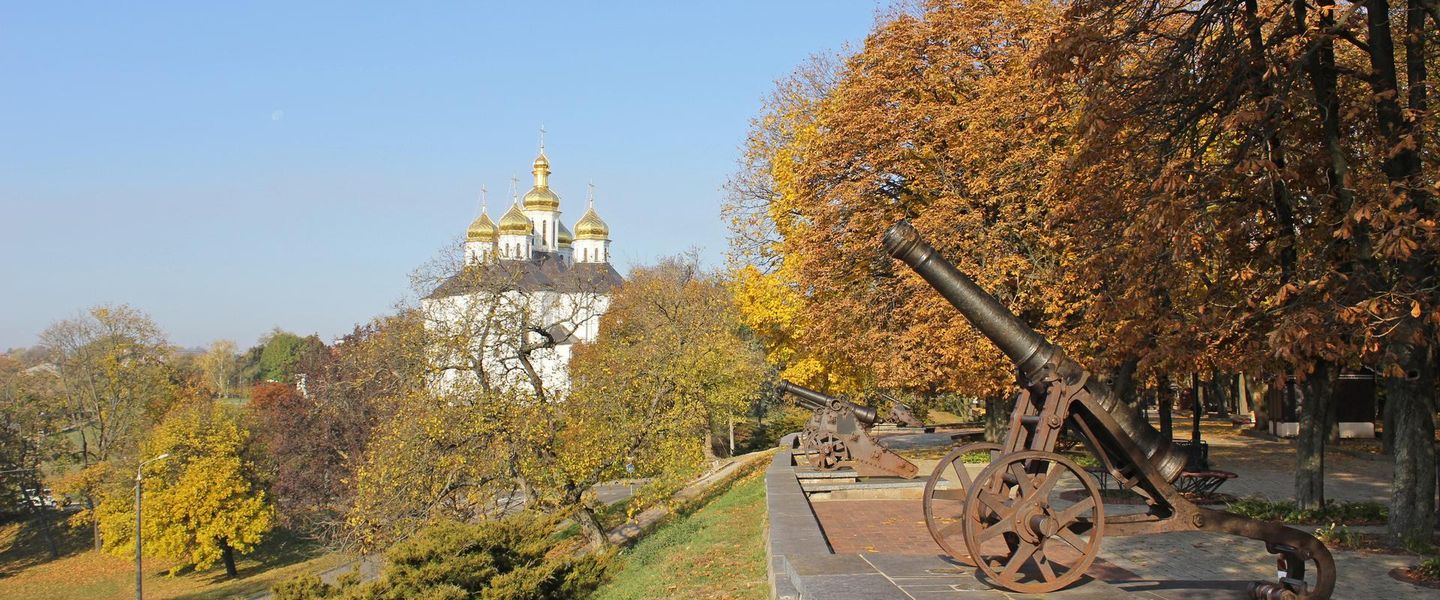


Chernihiv, Ukraine, pairs Kyivan Rus cathedrals, ancient ramparts, leafy parks and living Ukrainian culture for thoughtful historic sightseeing today.
Kyivan Rus Heritage
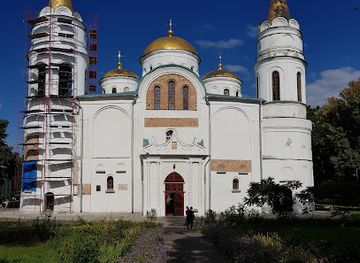
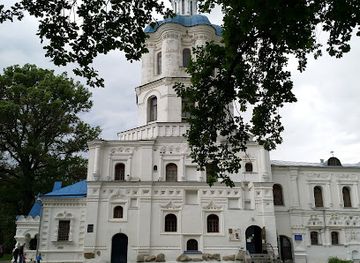
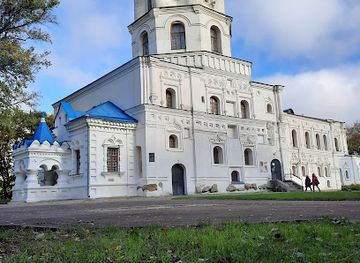
Chernihiv is one of northern Ukraine’s oldest cities, a place where the architectural language of Kyivan Rus remains unusually legible. On the elevated historic centre, whitewashed churches, earthen ramparts and quiet lanes recall the power of a medieval principality that rivalled Kyiv in importance. The Spaso-Preobrazhensky Cathedral, Boris and Gleb Cathedral and the atmospheric ensemble of the Dytynets form the core of this historic landscape, while the Chernihiv Collegium and the Pyatnytska Church add later chapters to the city’s architectural story.Read more about Chernihiv
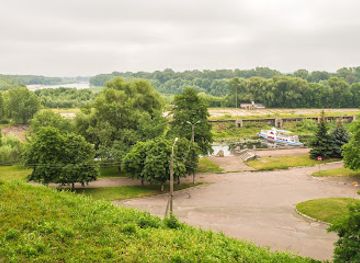
A City of Hills and Green Spaces
Contemporary Ukrainian Life
When is the best time to visit Chernihiv?
Best: May–June, August · 21–28°C| Month | High (°C) | Rainfall (mm) |
|---|---|---|
| January | -2 | 40 |
| February | 1 | 35 |
| March | 7 | 40 |
| April | 17 | 45 |
| May (best) | 21 | 50 |
| June (best) | 27 | 50 |
| July | 29 | 60 |
| August (best) | 28 | 55 |
| September | 21 | 50 |
| October | 14 | 45 |
| November | 7 | 40 |
| December | 3 | 40 |
Getting to and around Chernihiv
How to get there
Transportation
Best attractions in Chernihiv
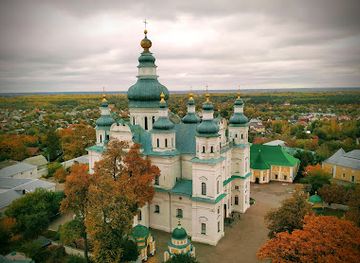
Chernihiv’s main sightseeing area is the Dytynets, the former citadel where grassy ramparts frame the Spaso-Preobrazhensky Cathedral, Boris and Gleb Cathedral and the Chernihiv Collegium. These monuments can be explored as an architectural ensemble, with museums and interpretive displays adding context to the city’s Kyivan Rus and Cossack past. The Pyatnytska Church, restored after wartime destruction in the twentieth century, stands near the historic centre and has a distinctive compact silhouette. South-east of the core, the Boldin Hills combine wooded paths, ancient burial mounds and the Trinity Monastery ensemble, including Trinity Cathedral and the unusually high bell tower. The Antoniy Caves, associated with the eleventh-century monastic complex, offer another perspective on Chernihiv’s religious history, although access should be checked locally. Parks, Desna viewpoints and quiet central streets provide a gentler counterpoint to the monumental churches.
-
Park
Chernihiv Dytynets Park
Discover the serene beauty and rich history of Chernihiv Dytynets Park, a tranquil retreat in the heart of Chernihiv, Ukraine.
7 min drive · 2.4 km from city centre
-
Park
Chernihiv Dytynets Park
Explore the captivating Chernihiv Dytynets Park, a serene blend of history and nature in the heart of Chernihiv, Ukraine.
7 min drive · 2.4 km from city centre
-
Tourist attraction
Tsentralʹnyy Park Kulʹtury I Vidpochynku
Explore Tsentralʹnyy Park Kulʹtury I Vidpochynku in Chernihiv – a beautiful urban sanctuary offering relaxation, cultural experiences, and nature.
8 min drive · 2.6 km from city centre
-
Tourist attraction
St. Paraskevi's Church
Discover the enchanting St. Paraskevi's Church in Chernihiv, a historic Orthodox gem with stunning architecture and a tranquil atmosphere.
5 min drive · 1.7 km from city centre

Best landmarks in Chernihiv
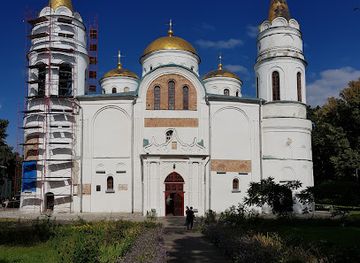
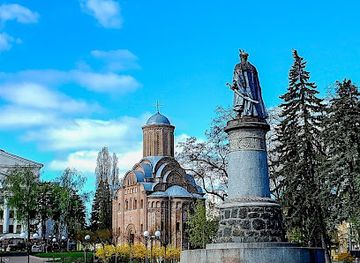
Chernihiv’s landmarks express several layers of Ukrainian history. The Spaso-Preobrazhensky Cathedral, begun in the eleventh century, is among the city’s foremost monuments of Kyivan Rus, while the nearby Boris and Gleb Cathedral preserves the ceremonial character of the medieval princely centre. The Pyatnytska Church, dedicated to Saint Paraskeva, is a celebrated medieval monument whose form was reconstructed after destruction during the Second World War. The Chernihiv Collegium represents the educational and ecclesiastical culture of the Cossack era, and the Trinity Cathedral belongs to the grand Ukrainian Baroque ensemble of the former Trinity Monastery. The Boldin Hills add an archaeological dimension through their ancient burial mounds and monastic buildings. Together these structures make the city’s historic landscape legible without reducing it to a single period or architectural style.
-
Park
Chernihiv Dytynets Park
Discover the tranquility and history of Chernihiv Dytynets Park, a lush green escape in the heart of Ukraine's historic city.
7 min drive · 2.4 km from city centre
-
Historical landmark
Historic cannon Val
Explore the Historic Cannon Val in Chernihiv - a stunning landmark that embodies Ukraine's rich heritage and architectural brilliance.
8 min drive · 2.5 km from city centre
-
Park
Boldyna hora Park
Explore the enchanting Boldyna Hora Park in Chernihiv, where lush landscapes meet historical treasures, creating a perfect getaway for nature lovers and culture enthusiasts.
9 min drive · 3.0 km from city centre
-
Nature preserve
Ancient Chernihiv National Architectural and Historical Reserve
Discover the charm of ancient architecture and lush nature at the Ancient Chernihiv National Architectural and Historical Reserve, a must-visit destination in Ukraine.
7 min drive · 2.3 km from city centre
Explore Chernihiv on the map
Plan your Chernihiv trip on one map. See where the top attractions, landmarks, restaurants, bars and hotels are, find what's near where you're staying, and book hotels and experiences in a few clicks.
Best hotels in Chernihiv
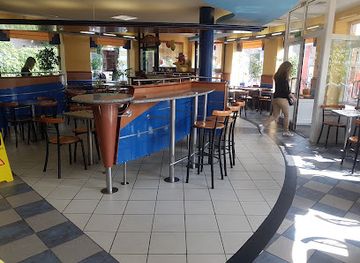
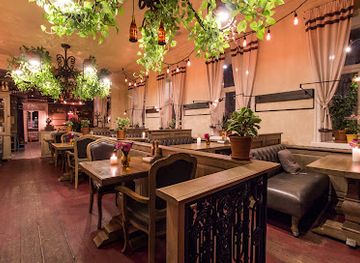
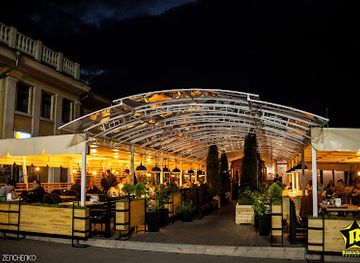
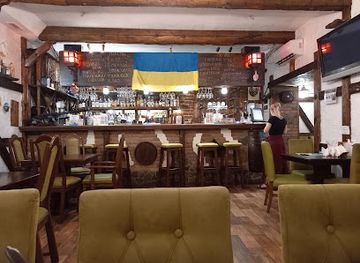
Best restaurants in Chernihiv
Chernihiv’s dining scene reflects the foodways of northern Ukraine, where hearty home cooking, seasonal produce and preserved ingredients remain important. Menus commonly draw on dishes such as borshch, varenyky, deruny, holubtsi and syrnyky, while local bakeries and cafés provide breads, pastries and coffee for a lighter stop between monuments. The city’s restaurants range from traditional Ukrainian dining rooms to informal cafés and contemporary venues, with the central streets offering the greatest concentration for visitors. Regional produce, mushrooms, potatoes, berries and freshwater fish may appear seasonally, although recipes and availability vary. Markets and food shops provide a glimpse of everyday provisioning rather than a staged tourist experience. As in much of Ukraine, dining customs are generally relaxed, and card payment is increasingly common in established venues, though cash remains useful at smaller outlets.
-
Fast Food
McDonald's
Experience familiar flavors at McDonald's Chernihiv - A convenient stop for travelers seeking comfort food in Ukraine's historic city.
18 min walk · 1.5 km from city centre
-
Brewpub
Hryak
Experience the best craft beers and local cuisine at Hryak Brewpub in Chernihiv – where flavor meets tradition.
9 min walk · 0.7 km from city centre
-
Restaurant
Senator
Experience the best of Ukrainian cuisine at Senator in Chernihiv – where breakfast meets tradition in a cozy atmosphere.
5 min drive · 1.7 km from city centre
-
Ukrainian
Ukrainian underground
Experience authentic Ukrainian cuisine in Chernihiv at the enchanting Ukrainian Underground restaurant.
5 min drive · 1.6 km from city centre
Best bars in Chernihiv
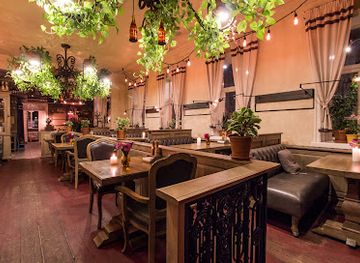
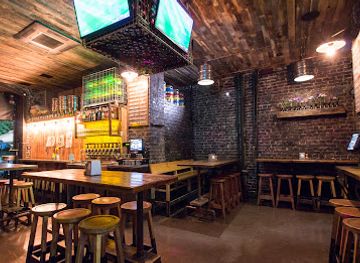
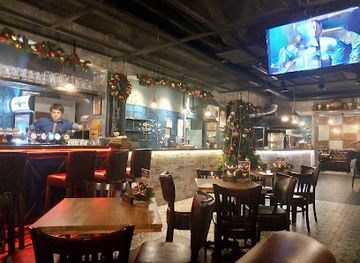
Chernihiv’s evening scene is modest rather than club-focused, with central cafés, beer bars, pubs and restaurants providing the main social settings after dark. Local breweries and Ukrainian beer culture have a visible presence, while wine, cocktails and coffee suit a quieter evening around the historic centre. Cultural programming may include concerts, theatre, exhibitions and performances at local venues, but schedules and operations can change significantly because of wartime conditions. Curfews, air-raid alerts, power interruptions and public-safety measures can limit late-night activity, and visitors should check current rules before making plans. The central streets are generally the most convenient area for an early evening, while nightlife outside the core is more dispersed and less oriented towards international visitors. Do not assume that venues operate normal hours or that late transport will be available.
-
Brewpub
Hryak
Discover Hryak Brewpub in Chernihiv: A delightful fusion of local craft beers and traditional Ukrainian cuisine awaits you.
9 min walk · 0.7 km from city centre
-
Gastropub
Robata - паб
Discover Robata in Chernihiv: a gastropub where local flavors meet modern culinary art for an unforgettable dining experience.
6 min drive · 1.9 km from city centre
-
Bar
Zivot a Pivo
Discover the lively atmosphere of Zivot a Pivo, Chernihiv's favorite bar for drinks and good times, perfectly blending local culture with modern tastes.
5 min drive · 1.7 km from city centre
-
Bar
Оранж Бар
Discover the vibrant nightlife of Chernihiv at Оранж Бар, where great drinks and lively entertainment await every visitor.
9 min walk · 0.7 km from city centre

Best nightclubs in Chernihiv
Chernihiv’s evening scene is modest rather than club-focused, with central cafés, beer bars, pubs and restaurants providing the main social settings after dark. Local breweries and Ukrainian beer culture have a visible presence, while wine, cocktails and coffee suit a quieter evening around the historic centre. Cultural programming may include concerts, theatre, exhibitions and performances at local venues, but schedules and operations can change significantly because of wartime conditions. Curfews, air-raid alerts, power interruptions and public-safety measures can limit late-night activity, and visitors should check current rules before making plans. The central streets are generally the most convenient area for an early evening, while nightlife outside the core is more dispersed and less oriented towards international visitors. Do not assume that venues operate normal hours or that late transport will be available.
-
Karaoke bar
Burshtynova Kishka
Discover Burshtynova Kishka, Chernihiv's premier karaoke bar for an unforgettable night of music, laughter, and vibrant nightlife.
6 min drive · 2.0 km from city centre
-
Night club
DF club
Discover the electrifying nightlife of DF Club in Chernihiv, where vibrant music, signature cocktails, and an energetic crowd await.
5 min drive · 1.6 km from city centre
-
Disco club
Концертный/Ночной клуб Магнит
Experience the electrifying nightlife at Magnet Night Club in Chernihiv, where music, dance, and unforgettable memories come alive.
9 min drive · 3.1 km from city centre
-
Night club
GARDEN
Experience the lively nightlife of Chernihiv at this vibrant nightclub, perfect for dancing, socializing, and unforgettable memories.
8 min drive · 2.7 km from city centre



Best shops in Chernihiv
Shopping in Chernihiv is concentrated around the central streets, neighbourhood supermarkets, small independent shops and local markets rather than a large international luxury district. Market stalls and food shops are useful for Ukrainian breads, honey, preserves, sweets and seasonal produce, while craft retailers may offer embroidered textiles, ceramics, woodwork and other locally made souvenirs. Visitors should distinguish genuinely Ukrainian handmade goods from mass-produced items, particularly when buying embroidered clothing or decorative objects. Bookshops and museum-related outlets can provide more thoughtful historical and cultural souvenirs connected with Chernihiv’s churches and regional heritage. Modern shopping centres and chain retailers serve everyday needs, but the city’s retail character is better understood through its ordinary markets, bakeries and small businesses. Payment practices vary, so carrying some hryvnia remains practical for market purchases.
-
Shopping mall
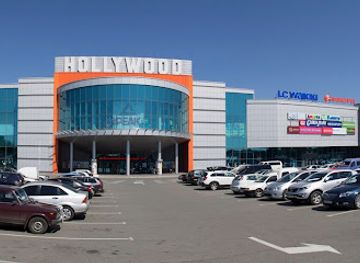
HOLLYWOOD MALL
Discover shopping, dining, and entertainment at Hollywood Mall, Chernihiv's premier destination for a memorable retail experience.
5 min drive · 1.7 km from city centre
-
Book store
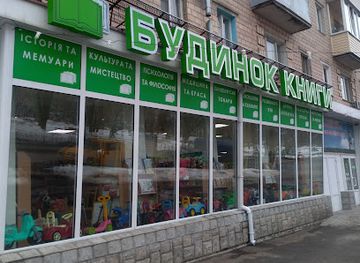
book House
Explore The Book House in Chernihiv – a literary haven filled with diverse titles and a warm atmosphere perfect for every book lover.
12 min walk · 0.9 km from city centre
-
Nature preserve
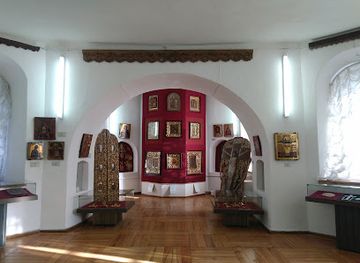
Ancient Chernihiv National Architectural and Historical Reserve
Explore the Ancient Chernihiv National Architectural and Historical Reserve, where history and nature intertwine in a breathtaking Ukrainian landscape.
7 min drive · 2.3 km from city centre
-
Coffee shop
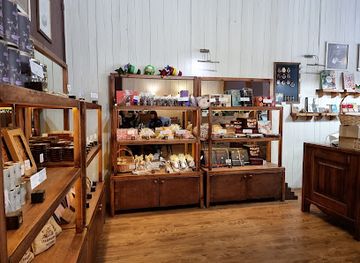
Lviv Handmade Chocolate
Discover the sweet side of Chernihiv at Lviv Handmade Chocolate, where artisan chocolates and gourmet coffee create a delightful experience.
12 min walk · 0.9 km from city centre
Get your free copy of our complete guide to Chernihiv, delivered straight to you.
Everything on this page, from attractions and restaurants to essentials and local phrases, in one PDF you can read offline, print or share.
Already have an account? Sign in
Your Chernihiv guide is ready.
We'll send it to · Not you? Sign out

Getting your guide ready…
We are putting together a fresh copy of the Chernihiv guide. This can take up to a minute.
This can take a few moments. If your browser asks, choose Allow so the download can start. You'll find the guide in your Downloads folder.
Nothing happened? Download it again
Sorry, the guide is taking longer than usual. Please try again in a minute, or get it by email instead.
Chernihiv essentials
Currency and Payment
Safety
Emergency Situations
Do's and Don'ts
Local Tips
From Eve
Local phrases worth knowing
You don't need to get them perfect. A few words go a long way, and locals appreciate the effort.
Basics
| English | Local | Say it |
|---|---|---|
| Hello | Привіт | [Privit] |
| Goodbye | До побачення | [Do pobachennya] |
| Yes | Так | [Tak] |
| No | Ні | [Ni] |
| Please/You're welcome | Будь ласка | [Bud laska] |
| Thank you | Дякую | [Dyakuyu] |
| Excuse me/Sorry | Вибачте | [Vybachte] |
| How are you? | Як справи? | [Yak spravy?] |
| Fine. And you? | Добре. А ви? | [Dobre. A vy?] |
| Do you speak English? | Ви говорите англійською? | [Vy hovoryte anhliysʹkoyu?] |
| I don't understand | Я не розумію | [Ya ne rozumiyu] |
Eating & Drinking
| English | Local | Say it |
|---|---|---|
| I'd like to see the menu, please | Я б хотів подивитись меню, будь ласка | [Ya b khotiv podyvytysʹ menyoo, bud laska] |
| I don't eat meat | Я не їм м'ясо | [Ya ne yim m'yaso] |
| Cheers! | На здоров'я! | [Na zdorov'ya!] |
| I would like to pay, please | Я б хотів заплатити, будь ласка | [Ya b khotiv zaplatyty, bud laska] |
Emergencies
| English | Local | Say it |
|---|---|---|
| Help! | Допоможіть! | [Dopomozhitʹ!] |
| Go away! | Піди геть! | [Pidi hetʹ!] |
| Call the Police! | Виклич поліцію! | [Vyklych politsiyu!] |
| Call a doctor! | Виклич лікаря! | [Vyklych likarya!] |
| I'm lost | Я загубився | [Ya zahubivsya] |
| I'm ill | Я хворий | [Ya khvoryy] |
Shopping
| English | Local | Say it |
|---|---|---|
| I'd like to buy... | Я б хотів купити... | [Ya b khotiv kupity...] |
| I'm just looking | Я просто дивлюсь | [Ya prosto dyvlyusʹ] |
| How much is it? | Скільки це коштує? | [Skilʹky tse koshtuye?] |
| That's too expensive | Це занадто дорого | [Tse zanadto doroho] |
| Can you lower the price? | Чи можете ви знизити ціну? | [Chy mozhete vy znyzyty tsinu?] |
Time & Numbers
| English | Local | Say it |
|---|---|---|
| What time is it? | Котра година? | [Kotra hodyna?] |
| It's one o'clock | Одна година | [Odna hodyna] |
| Half past (10) | Пів на одинадцяту | [Piv na odynadtsyatu] |
| Morning | Ранок | [Ranok] |
| Afternoon | Пополудні | [Popoludni] |
| Evening | Вечір | [Vechir] |
| Yesterday | Вчора | [Vchora] |
| Today | Сьогодні | [Sʹogodni] |
| Tomorrow | Завтра | [Zavtra] |
| 1 | один | [odyn] |
| 2 | два | [dva] |
| 3 | три | [try] |
| 4 | чотири | [chotyry] |
| 5 | п'ять | [pʹyatʹ] |
| 6 | шість | [shistʹ] |
| 7 | сім | [sim] |
| 8 | вісім | [visim] |
| 9 | дев'ять | [deyaty] |
| 10 | десять | [desyatʹ] |
Transport & Directions
| English | Local | Say it |
|---|---|---|
| Where's a/the...? | Де є/знаходиться...? | [De ye/znakhodytsya...?] |
| What's the address? | Яка адреса? | [Yaka adresa?] |
| Can you show me (on the map)? | Чи можете ви показати мені (на карті)? | [Chy mozhete vy pokazaty meni (na karti)?] |
| When's the next (bus)? | Коли наступний (автобус)? | [Koly nastupnyy (avtobus)?] |
| A ticket (to ....) | Квиток (до ....) | [Kvytok (do ....)] |
History of Chernihiv
Early Chernihiv and Kyivan Rus
Chernihiv is first mentioned in the Primary Chronicle in 907, although archaeological evidence indicates settlement in the area earlier. By the tenth and eleventh centuries it had become a major centre of the Kyivan Rus polity, controlling routes through the northern Ukrainian lands and serving as the seat of powerful princes. The city’s fortified Dytynets, or citadel, occupied high ground above the Desna, while surrounding settlements supported craft production, trade and agriculture. Surviving churches from the period, especially the Spaso-Preobrazhensky Cathedral and Boris and Gleb Cathedral, convey the political and religious importance Chernihiv acquired as the capital of the Chernihiv principality.
Mongol Destruction and Medieval Recovery
In 1239 Mongol forces captured and devastated Chernihiv during the western campaigns of Batu Khan, bringing the city’s leading political role to an abrupt end. Population and authority shifted, yet Chernihiv did not disappear. Its ecclesiastical institutions, settlements and trade connections gradually recovered under changing regional powers. From the fourteenth century the city was incorporated into the Grand Duchy of Lithuania, and later came under the Polish-Lithuanian Commonwealth. This period left a more complex political and religious setting in which Orthodox traditions continued alongside the authority of Catholic and Uniate institutions elsewhere in the region.
The Cossack Hetmanate
During the seventeenth century Chernihiv became an important centre of the Cossack Hetmanate, the autonomous Cossack polity that emerged during the Khmelnytsky Uprising and the wars that followed. The city served as a regimental centre and benefited from renewed commercial and ecclesiastical investment. The Chernihiv Collegium, founded in the late seventeenth century, reflected the educational ambitions of the period, while the Trinity Cathedral and the building associated with the Collegium belong to the distinctive Ukrainian Baroque tradition that reshaped the city’s skyline. Monastic institutions and prosperous Cossack officers helped finance churches, schools and charitable foundations.
Imperial Administration and Cultural Memory
Chernihiv was absorbed into the Russian Empire in the eighteenth century and became the administrative centre of Chernihiv Governorate in 1802. Imperial urban planning introduced new civic institutions and altered the relationship between the old fortified centre and expanding residential districts. At the same time, the city’s medieval and Cossack heritage remained central to local identity. Writers, scholars and clergy documented its monuments and manuscripts, contributing to the nineteenth-century development of Ukrainian historical and cultural consciousness. The contrast between imperial administrative buildings, older churches and the surrounding wooded hills still shapes Chernihiv’s visual character.
Revolution, War and Soviet Rule
The upheavals of 1917 brought competing Ukrainian, Bolshevik and other authorities to Chernihiv before the city became part of Soviet Ukraine. Industrialisation and new public institutions changed its social and physical structure, while religious buildings were affected by Soviet anti-religious policies. German forces occupied Chernihiv during the Second World War, and fighting caused severe damage across the region. The city was retaken by Soviet forces in September 1943 and rebuilt in the post-war decades. Reconstruction created broad streets and modern districts alongside historic monuments, some of which were restored or repurposed as cultural institutions.
Independent Ukraine and Recent War
Chernihiv became part of independent Ukraine in 1991, and the restoration and interpretation of its Kyivan Rus, Cossack and ecclesiastical heritage gained renewed importance. In February and March 2022, during Russia’s full-scale invasion of Ukraine, the city and surrounding region experienced heavy fighting, bombardment and civilian suffering. Damage affected homes, infrastructure and cultural sites, while Ukrainian forces prevented the city from being captured. Recovery and conservation continue amid the wider war. Contemporary Chernihiv therefore carries both the visible layers of a thousand-year urban history and the more recent marks of national resilience and loss.
Chernihiv in Photos
Browse through our photo collection highlighting the charm and character of the destination.
Cities near Chernihiv
The closest cities to Chernihiv, if you have time for more than one stop.
-

-

-

-

-


Swipe for more cities
Explore more

Explore more of Ukraine
Explore Ukraine: From Kyiv's golden domes to the Carpathian Mountains, discover a country rich in history, culture, and natural beauty in the heart of Eastern Europe.
Explore Ukraine