
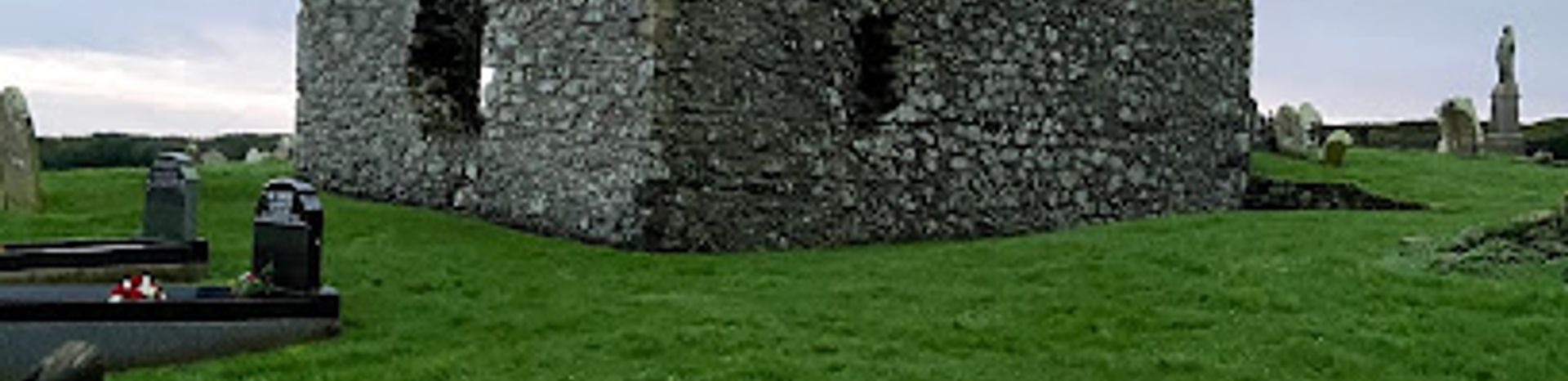
Cranfield Church & Holy Well: A Sacred Heritage on Lough Neagh
Discover the tranquil ruins and sacred healing waters of Cranfield Church & Holy Well on the serene shores of Lough Neagh.
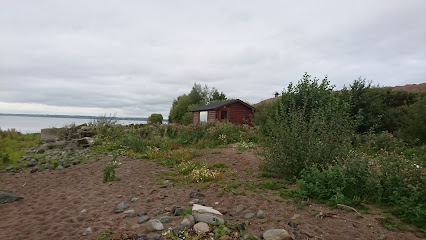
Cranfield Church & Holy Well, located on the northern shores of Lough Neagh near Randalstown, Antrim, is a serene historic site featuring the ruins of a 13th-century church and a revered holy well. The well, associated with St. Olcan, is famed for its healing properties and amber pebbles believed to protect and bring good fortune. This tranquil spot offers visitors a reflective experience amid natural beauty and rich spiritual traditions.
A brief summary to Cranfield Church & Holy Well
- Cranfield Rd, Antrim, Randalstown, BT41 3NL, GB
- Duration: 0.5 to 2 hours
- Free
-
 Outdoor
- Mobile reception: 4 out of 5
- Monday 8:30 am-10 pm
- Tuesday 8:30 am-10 pm
- Wednesday 8:30 am-10 pm
- Thursday 8:30 am-10 pm
- Friday 8:30 am-10 pm
- Saturday 8:30 am-10 pm
- Sunday 8:30 am-10 pm
Local tips
- Visit during late spring or early summer to experience traditional pilgrimages and the full spiritual ambiance.
- Wear comfortable shoes for walking along the tarmacked path and uneven terrain near the church and well.
- Respect the sacred nature of the holy well by observing local customs, such as tying rags to the trees if participating in the healing tradition.
- Bring a camera to capture the peaceful lakeside views and the atmospheric ruins of the medieval church.

For the on-the-go comforts that matter to you
- Restrooms
- Seating Areas
- Information Boards
Getting There
-
Bus and Coach
Regional bus services connect Randalstown with nearby towns such as Antrim and Toomebridge, with travel times ranging from 20 to 40 minutes. From Randalstown, local taxi or rideshare options can cover the 4 km to Cranfield Church & Holy Well. Coach tours from regional park and ride locations offer guided visits including transportation, typically lasting 1 to 2 hours and costing approximately £10-£20.
-
Car
Driving from Antrim town takes about 15 minutes via local roads. Parking is available near the site but limited, so early arrival is recommended. Note that access roads may be narrow and rural, requiring cautious driving. No parking fees apply.
-
Walking
For active visitors, a scenic walk from Randalstown to the site covers roughly 4 km along country lanes and footpaths. The terrain is mostly flat but may be uneven near the shoreline. Allow 45 to 60 minutes each way; suitable for those comfortable with moderate countryside walking.
Cranfield Church & Holy Well location weather suitability
-
 Any Weather
-
 Clear Skies
-
 Mild Temperatures
-
 Rain / Wet Weather
Discover more about Cranfield Church & Holy Well
Ancient Roots and Spiritual Legacy
Nestled on the northern shore of Lough Neagh, Cranfield Church is a modest ruin dating back to the 13th century, though the site’s ecclesiastical significance likely extends further into the early medieval period. Historical records suggest the location may be linked to the ninth-century monastery of Cremcaill, and it appears in early 14th-century taxation lists. The church’s simple rectangular structure stands as a testament to the region’s medieval religious heritage, surrounded by the natural landscape that has long inspired spiritual reflection.The Revered Holy Well of St. Olcan
Just northeast of the church lies the famous Holy Well of St. Olcan, a site steeped in legend and pilgrimage. The well produces clear spring water and contains distinctive amber-colored gypsum crystals, believed to have healing powers bestowed by St. Olcan, a disciple of St. Patrick. Traditions hold that these pebbles protect women during childbirth, safeguard men from drowning, and shield homes from fire and burglary. Pilgrims historically bathed afflicted body parts with water from the well and tied rags to nearby trees, a custom that continues today as a symbol of hope and healing.Landscape and Setting
The church and well are set within a gently meandering reed-lined shoreline on Lough Neagh, Ireland’s largest freshwater lake. The surrounding flat landscape and reed beds create a tranquil atmosphere, enhancing the site’s contemplative character. A tarmacked path leads from the nearby car park to the well, though the original access route followed a sunken pathway that may mark the remains of an early ecclesiastical enclosure. This natural setting invites visitors to pause, reflect, and connect with centuries of spiritual tradition.Historical Transformations and Preservation
The church was reportedly desecrated in the early 1600s and left to fall into ruin amid local fears of violence. Archaeological assessments indicate that the church site was once enclosed by banks and ditches typical of early medieval religious sites, though much of this has been altered or lost over time. Modern interventions, including the construction of the tarmacked path and some disturbance of the northern enclosure, have changed the landscape, but efforts continue to preserve the site’s historical and cultural significance.Cultural Significance and Visitor Experience
Today, Cranfield Church & Holy Well offers a peaceful retreat for visitors of all faiths and none, providing a space for spiritual reflection and connection with local heritage. The site’s association with St. Olcan and its enduring healing traditions draw those interested in Ireland’s rich folklore and religious history. Nearby, local guides share stories of the area’s past, including its connection to World War II and the fishing traditions of Lough Neagh, enriching the visitor experience.Continuing Traditions and Community Connection
The holy well remains a living part of local culture, with pilgrims continuing to visit annually, particularly between May Eve and June 29. The practice of tying rags to trees as a symbol of healing endures, linking present-day visitors with generations past. This blend of natural beauty, historical depth, and spiritual resonance makes Cranfield Church & Holy Well a unique and meaningful destination on the shores of Lough Neagh.Iconic landmarks you can’t miss

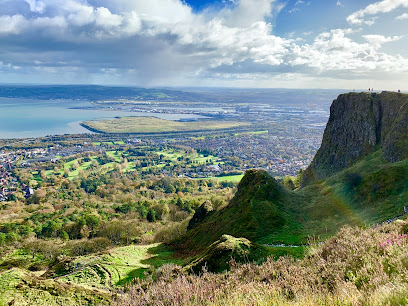
McArt's Fort
27.5 km
Explore the ancient Iron Age McArt's Fort atop Cave Hill, where history meets panoramic views over Belfast and beyond.
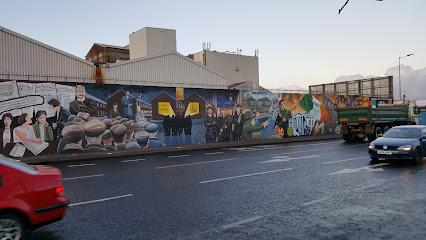
Falls Rd
28.5 km
Political murals, peace walls, and powerful stories of resilience in West Belfast's iconic Republican heartland.
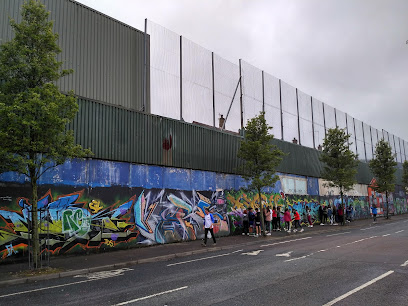
Peace Wall Belfast
28.6 km
A barrier transformed into a canvas of hope—Belfast's Peace Wall tells stories of division, resilience, and the ongoing journey toward reconciliation.
Belfast Peace Lines
28.6 km
Where a single night in 1969 ignited decades of conflict and left scars still visible today.
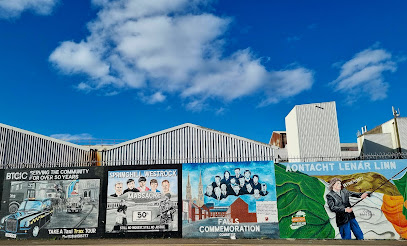
Visit West Belfast
28.7 km
Your gateway to the vibrant culture, history, and community of West Belfast on the iconic Falls Road.
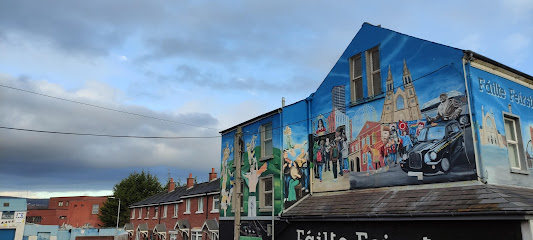
Carlisle Circus
29.5 km
A historic North Belfast traffic circus with Victorian roots and a legacy shaped by war, industry, and community life.

Clifton Street Graveyard
29.5 km
Two centuries of Belfast's history etched in stone—where Republicans, Unionists, and ordinary citizens rest side by side.
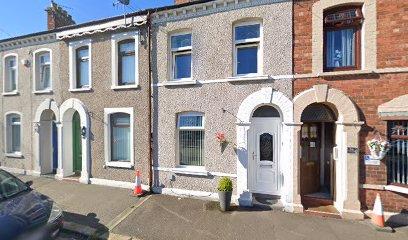
Belfastlad Tours
29.6 km
Explore Belfast's rich history and vibrant culture with personalized tours led by passionate locals at Belfastlad Tours.
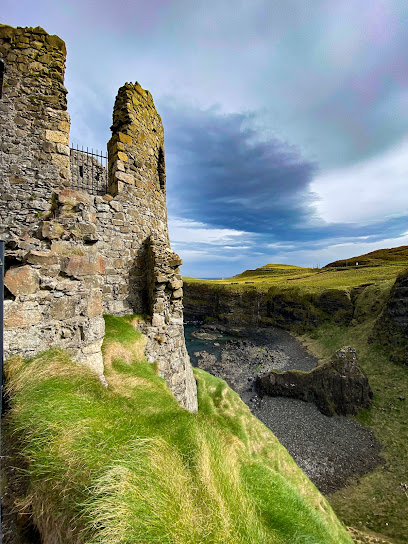
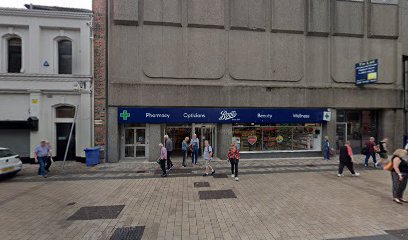
The Back Of Boots
30.2 km
Discover the serene ambiance of The Back Of Boots in Belfast, a pilgrimage site steeped in history and spiritual significance.
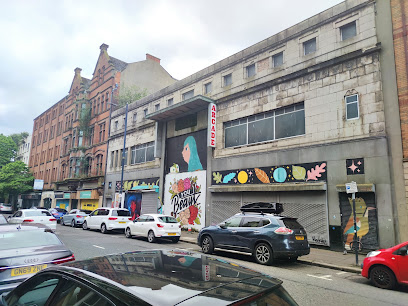
Northern Ireland War Memorial Museum
30.2 km
Explore the profound military history of Northern Ireland at the War Memorial Museum – a must-visit for history enthusiasts and curious travelers.
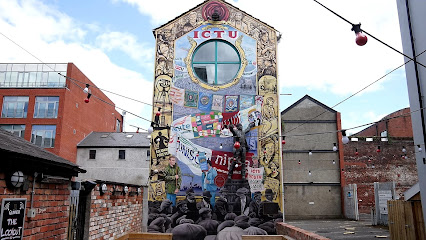
Trade union mural
30.2 km
Explore the Trade Union Mural in Belfast, a vibrant celebration of labor history and artistic expression that showcases the city's rich cultural heritage.
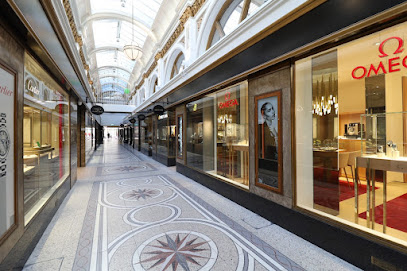
Queen's Arcade
30.2 km
Belfast's Victorian gem: restored elegance meets luxury shopping in a historic arcade promenade.
Belfast City Sightseeing
30.2 km
Experience the vibrant sights and rich history of Belfast with Belfast City Sightseeing's comprehensive tour services.
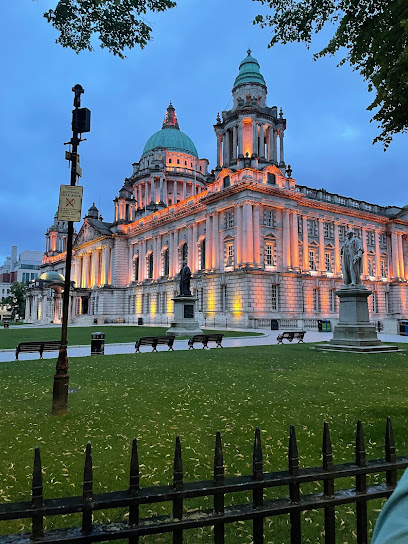
Treasure Trails
30.2 km
Explore Belfast like never before with Treasure Trails, an interactive treasure hunt that uncovers the city's hidden gems and rich history.
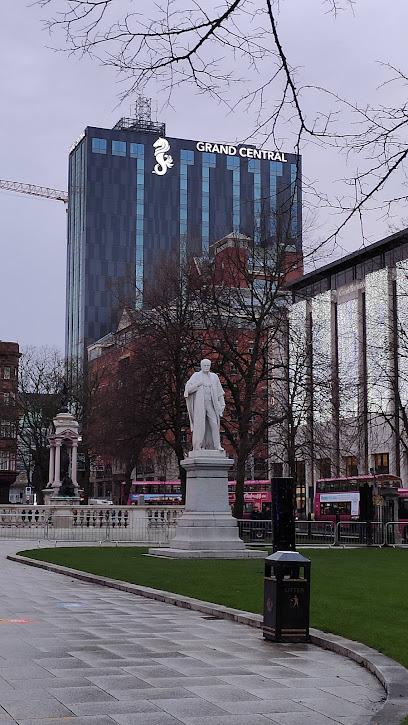
Donegall Square N & Donegall Square W
30.2 km
Belfast's grand civic square, where Victorian architecture frames the city's industrial heritage and maritime history.
Unmissable attractions to see

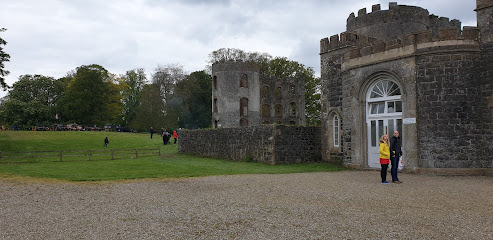
Shane's Castle
6.7 km
Explore the dramatic ruins and scenic grounds of Shane's Castle, a historic O'Neill estate on the shores of Lough Neagh in Northern Ireland.
Viewing platform
8.3 km
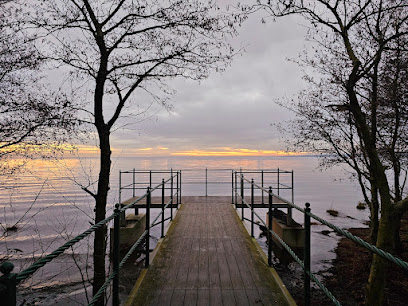
Discover serene panoramic views and rich wartime history at Antrim’s tranquil Lough Neagh Viewing Platform.
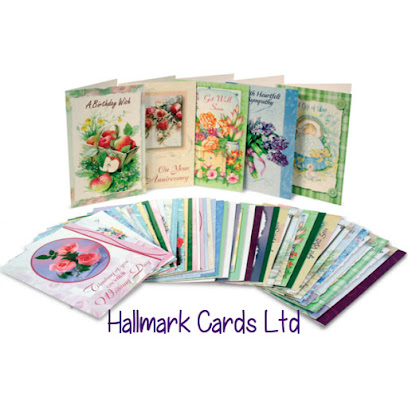
Hallmark Cards Ltd
8.9 km
Discover heartfelt greeting cards and thoughtful gifts at Hallmark Cards Ltd in Antrim, your local destination for meaningful connections.
Antrim Platinum Jubilee Clockwork Garden
8.9 km
A mesmerizing kinetic garden celebrating Queen Elizabeth II’s Platinum Jubilee, blending innovative design with historic beauty in Antrim Castle Gardens.
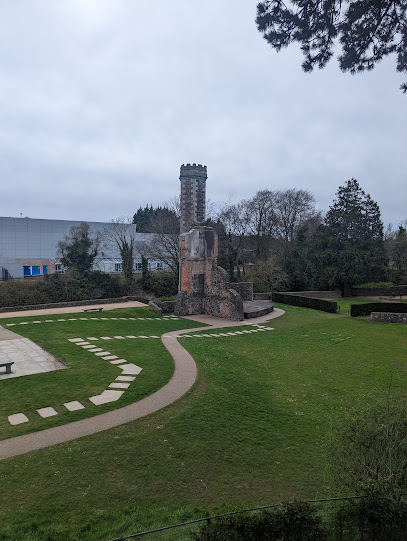
Clotworthy House
8.9 km
Explore the historic Clotworthy House and enchanting 17th-century Antrim Castle Gardens, a scenic heritage site with unique water features and cultural charm.
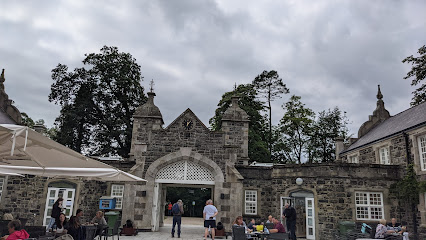
Antrim Castle Gardens
8.9 km
Explore 400 years of history and stunning Anglo-Dutch gardens at Antrim Castle Gardens, a serene heritage site with water features, scenic walks, and a welcoming visitor centre.
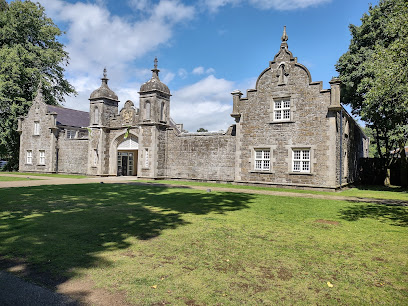
Deerpark Bridge
8.9 km
Historic basalt stone bridge linking Antrim Castle Gardens with the deer park, a serene and picturesque heritage landmark over Six Mile Water.
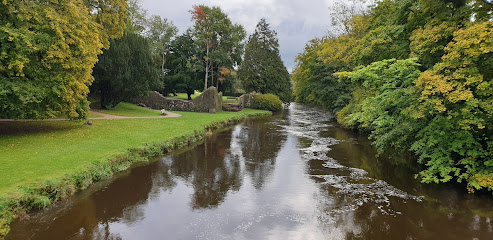
Antrim Castle
9.0 km
Explore centuries of history and stunning heritage gardens at Antrim Castle Gardens, a serene riverside oasis in Northern Ireland.
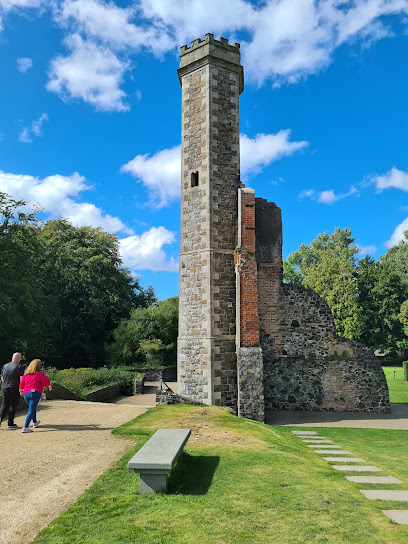
Site of Antrim Castle
9.1 km
Explore 400 years of heritage, water gardens, and unique revolving trees in the tranquil beauty of Antrim Castle Gardens.
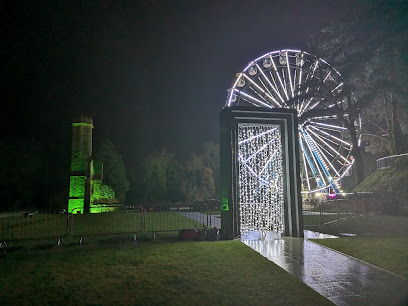
Antrim Motte
9.1 km
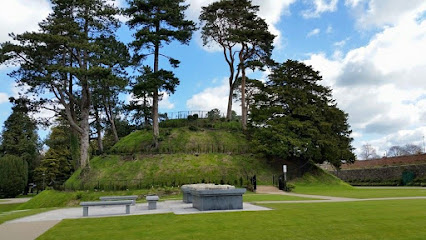
Explore Antrim Motte, a medieval earthwork with rich history and legends, nestled within scenic gardens by the Sixmilewater River.
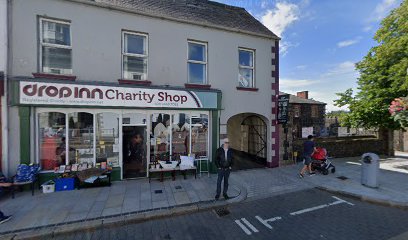
Drop Inn Thrift Shop
9.2 km
Discover unique treasures and support local causes at Drop Inn Thrift Shop, Antrim’s heart of community charity and sustainability.
Enchanted Winter Garden
9.2 km
Experience a dazzling festive wonderland with magical lights, thrilling rides, and heartwarming holiday charm at Antrim Castle Gardens.

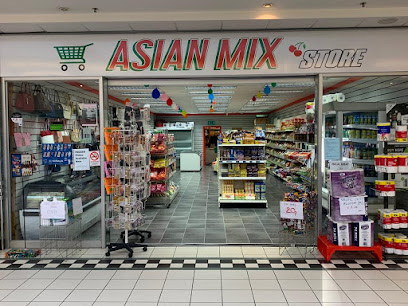
Asian Mix
9.3 km
Discover authentic Asian flavors and ingredients at Asian Mix, Antrim’s go-to Asian grocery shop in Castle Mall’s vibrant Market Square.
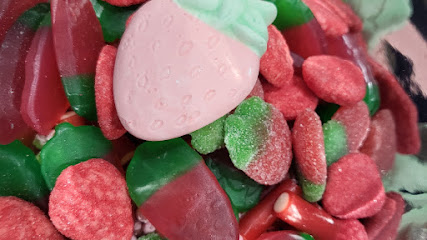
The olde sweetie jar
9.4 km
A charming traditional sweet shop in Antrim serving nostalgic retro sweets and hand-weighed treats in a cozy, welcoming setting.
Alexander Irvine Park
9.6 km
A peaceful memorial park in Antrim honoring missionary Alexander Irvine and pandemic victims, perfect for quiet reflection and cultural heritage.
Essential places to dine

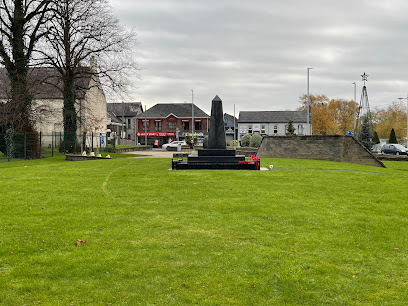
The Boathouse Antrim
8.1 km
Scenic lakeside dining in Antrim offering fresh seafood, gluten-free options, and a modern Irish menu in a relaxed, welcoming setting.
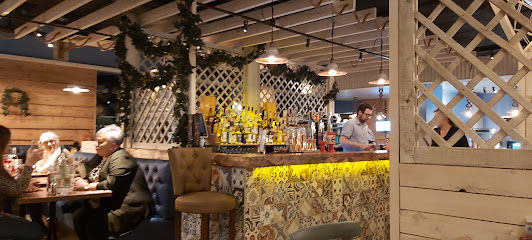
Clubhouse Restaurant & Bar
8.5 km
Cozy dining with scenic lough views, friendly service, and hearty homemade meals in the heart of Antrim.
Nando's Antrim The Junction
9.1 km
Savor the vibrant flame-grilled PERi-PERi chicken at Nando's Antrim The Junction, a lively spot in a bustling retail and leisure hub.
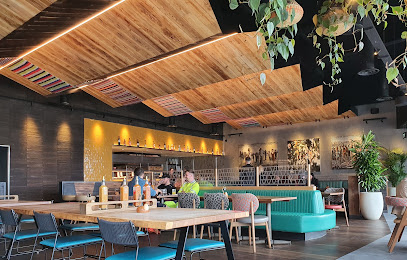
Jakes Cocktail Bar And Grill
9.2 km
Sophisticated cocktails and quality grill cuisine in a welcoming Antrim destination.
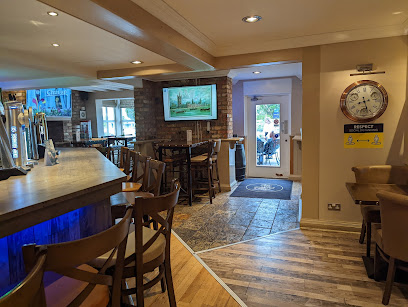
Maddens Bar & Restaurant
9.3 km
Discover the vibrant atmosphere of Maddens Bar & Restaurant in Antrim - where great food meets lively entertainment.
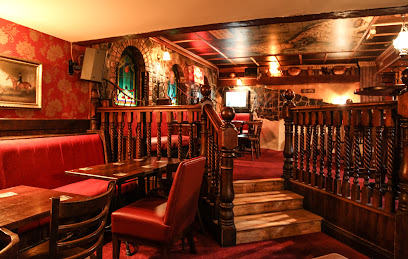
Rococo Wine Bar Antrim
9.4 km
Discover culinary excellence at Rococo Wine Bar in Antrim – where fine dining meets vibrant ambiance in the heart of Northern Ireland.
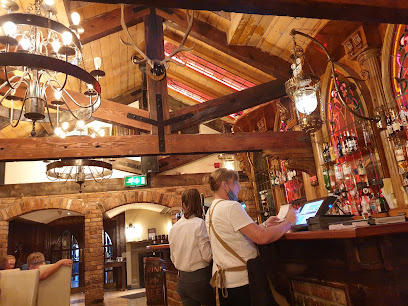
Dunsilly Hotel
9.4 km
Discover comfort and charm at Dunsilly Hotel in Antrim - your perfect retreat with exceptional dining options.
Ho Wah
9.5 km
Authentic Chinese flavors and generous portions in the heart of Antrim with a warm, lively atmosphere.
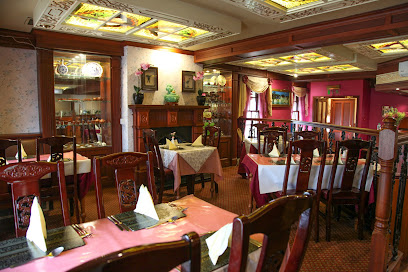
Furama Cantonese Restaurant
9.6 km
Authentic Cantonese cuisine and exceptional value in the heart of Antrim
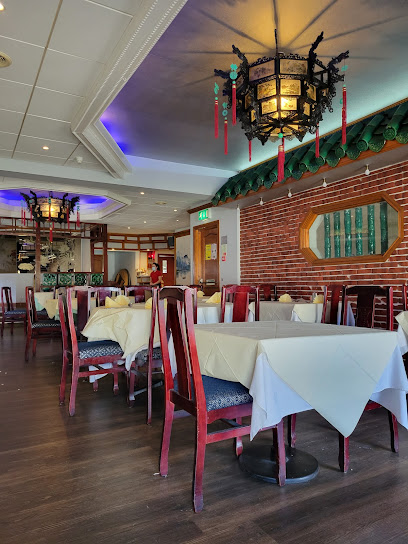
Baan Thai
9.7 km
Experience authentic Thai and Chinese flavors in a warm, inviting setting at Baan Thai, Antrim’s beloved culinary gem.
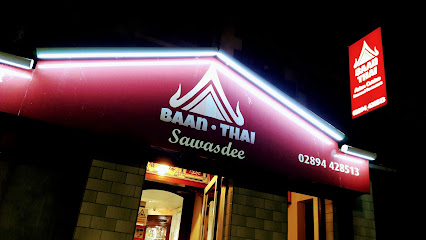
McLarnons Ramble Inn
10.1 km
A rustic and welcoming pub in Antrim offering hearty meals, friendly service, and a cozy atmosphere with a quirky charm.
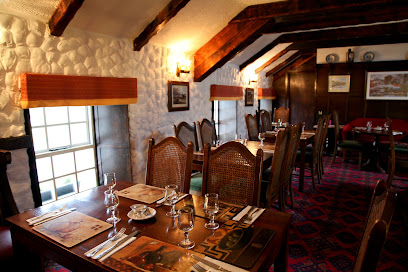
The Old Thatch Inn
12.9 km
Discover the culinary charm of The Old Thatch Inn in Magherafelt—where local flavors meet cozy hospitality.
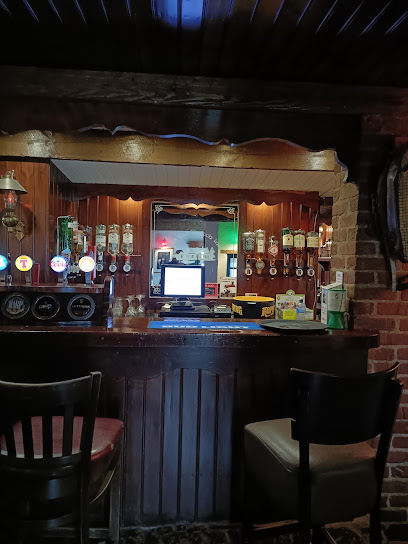
Mill Race Restaurant
14.3 km
AA Rosette–awarded Modern Irish fine dining beside the River Six Mile Water, with seasonal menus, afternoon tea, and Sunday carvery in a historic Antrim hotel.
Ellie Mays
14.4 km
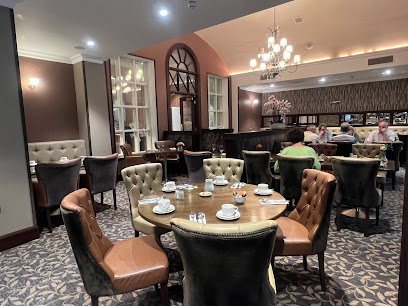
Rustic grill dining with hearty portions and a warm pub atmosphere in the heart of Dunadry, Antrim.
The Tilley Lamp
15.7 km
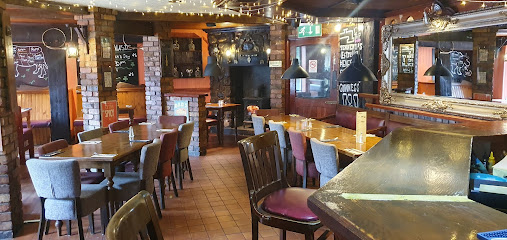
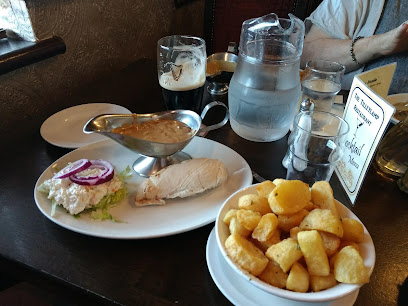
A beloved Ardboe eatery serving hearty Irish and English dishes in a cozy, friendly atmosphere with generous portions.
Markets, malls and hidden boutiques

Mountain Warehouse Antrim
8.9 km
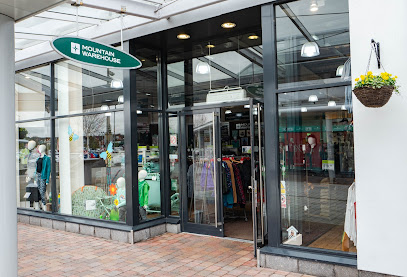
Your go-to outlet for quality outdoor clothing and gear in Antrim’s Junction One shopping centre.
The Junction Shopping Complex
8.9 km
A vibrant retail and leisure destination in Antrim offering diverse shopping, dining, and entertainment experiences.
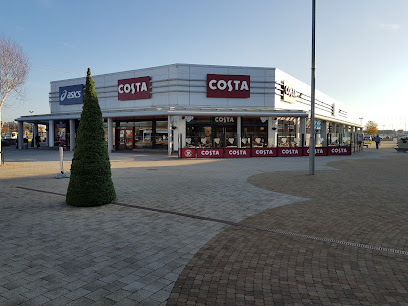
Baraka Boutique
8.9 km
Discover stylish, unique ladies' fashion at Baraka Boutique, Antrim’s charming destination for exclusive clothing finds.
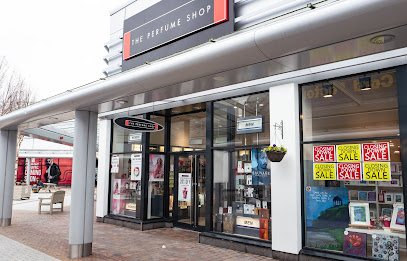
Next Outlet
8.9 km
Discover stylish fashion and home bargains at Next Outlet, Antrim’s versatile retail hub within The Junction.
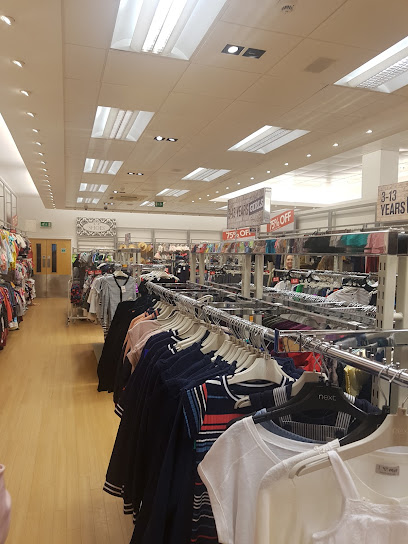
Nike Factory Store
9.0 km
Discover top-tier Nike sportswear and footwear at outlet prices in the vibrant retail hub of The Junction, Antrim.
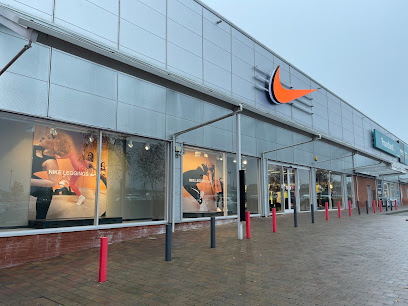
Banana Bookshop
9.0 km
Affordable books, crafts, and creative supplies in the heart of Antrim’s Junction One Outlet Centre.
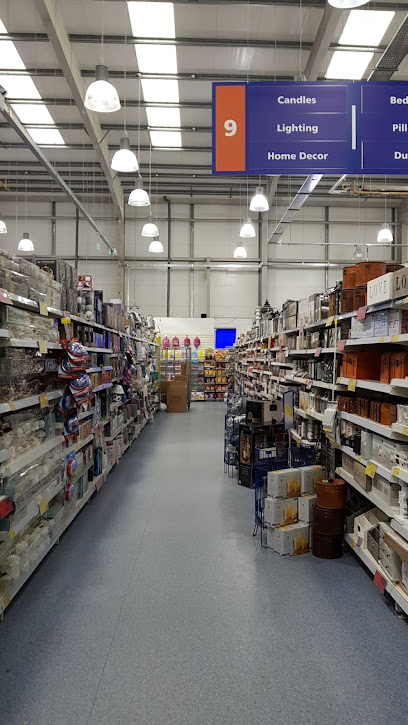
B&M Home Store
9.0 km
Discover unbeatable bargains and a vast product range at B&M Home Store, Antrim’s premier discount shopping destination at Junction One.
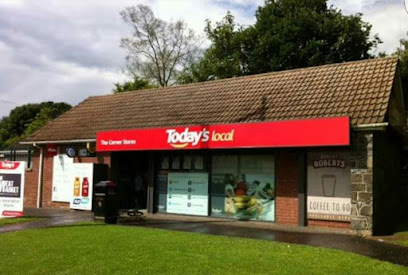
The Corner Stores
9.2 km
Experience the charm of The Corner Stores, your ultimate convenience stop in Antrim for all travel essentials and local delights.
Restore Antrim
9.2 km
Explore Restore Antrim, a charming charity shop where every purchase supports local initiatives while you discover unique treasures.
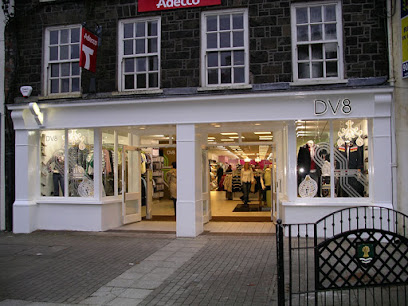
DV8
9.2 km
Discover cutting-edge designer fashion and accessories in the heart of Antrim’s Market Square at DV8.
New Look
9.3 km
Trendy fashion for all ages in the heart of Antrim’s Castle Mall shopping centre.
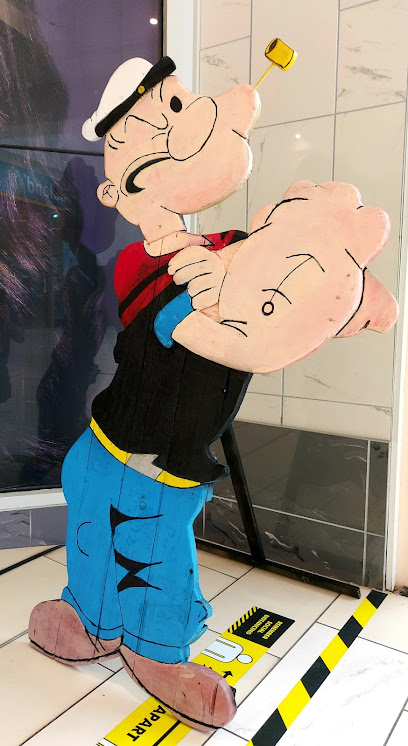
Hope and a Future
9.3 km
Discover unique treasures and support local charities at Hope and a Future, Antrim's beloved charity shop and thrift store.
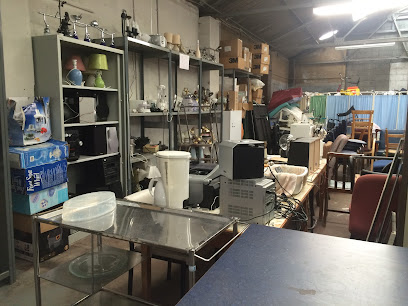
Baraka Urban
9.3 km
Discover curated ladies' fashion and unique accessories in the heart of Antrim’s vibrant High Street at Baraka Urban.

Castle Mall
9.3 km
Explore Castle Mall in Antrim for an unforgettable shopping experience, blending local charm with modern retail and entertainment.
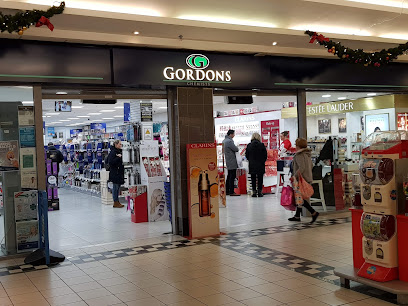
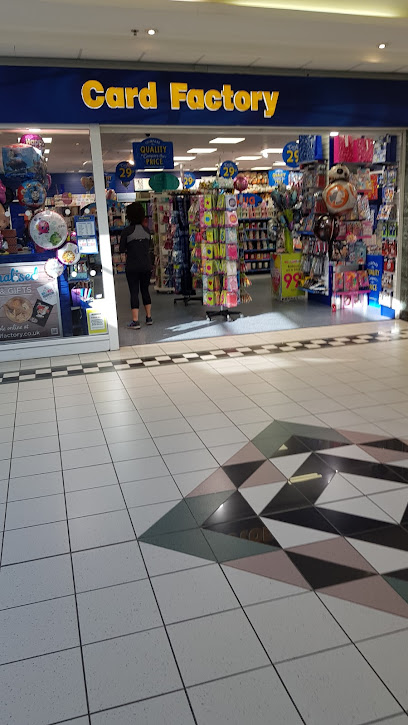
Cardfactory
9.3 km
Explore Cardfactory in Antrim for the perfect greeting cards and gifts, capturing memories of your travels with thoughtful gestures.
Essential bars & hidden hideouts

Marrions Bar. Creggan
2.2 km
Experience authentic Irish hospitality and vibrant pub culture in the tranquil countryside of Creggan at Marrions Bar.
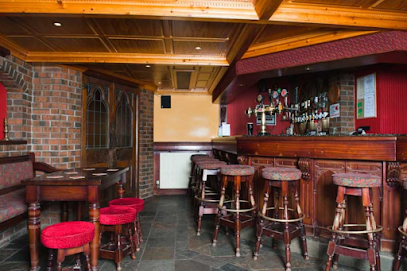
Mallons Bar
4.7 km
Experience authentic Northern Irish pub culture in the welcoming and cozy Mallons Bar of Toomebridge.
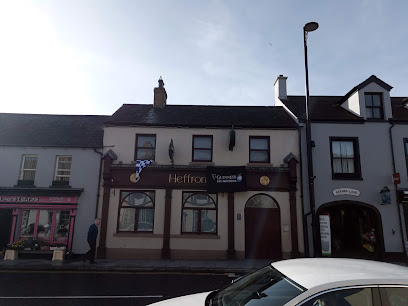
Heffron's Bar
5.8 km
A cozy grill and pub in Randalstown serving hearty local dishes and drinks in a warm, welcoming atmosphere.
J O'Kane
5.8 km
A lively and friendly Irish pub in Randalstown offering authentic drinks, warm hospitality, and vibrant local spirit.
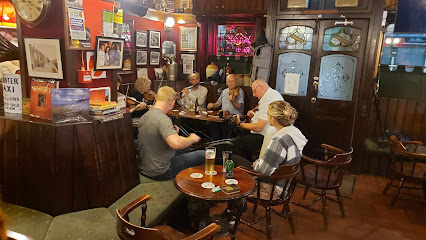
Centurion Social Club
5.8 km
Experience the vibrant nightlife and warm community spirit of Centurion Social Club, Randalstown’s premier bar with live music and stylish charm.
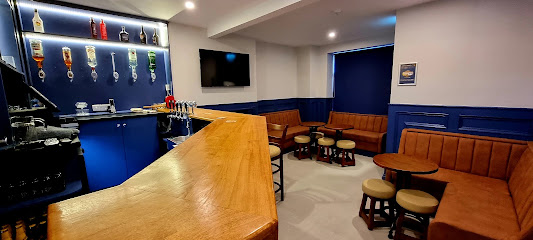
Marrions Bar & Off Licence
5.8 km
A welcoming local pub and off-licence in Randalstown offering a friendly atmosphere and convenient beverage options on Main Street.
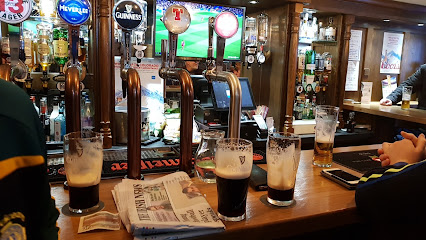
Laverty's
5.8 km
Experience authentic Northern Irish pub culture with hearty meals and lively atmosphere at Laverty's in Randalstown.
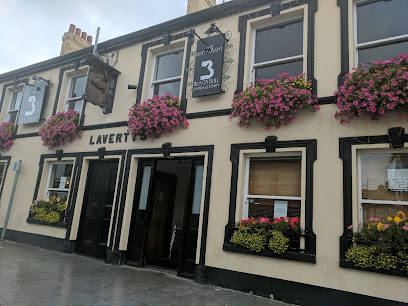
McKenna Bar
7.0 km
Cozy and lively local bar in Aldergrove offering great drinks, live music, and warm Northern Irish hospitality.
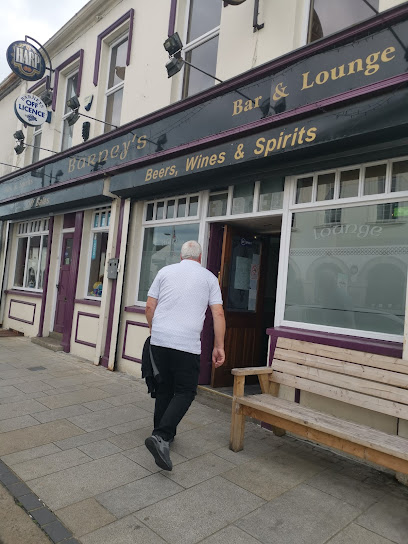
Barney's
9.2 km
A cozy and lively pub in Antrim’s Market Square, offering local brews, hearty food, and a welcoming atmosphere every day.
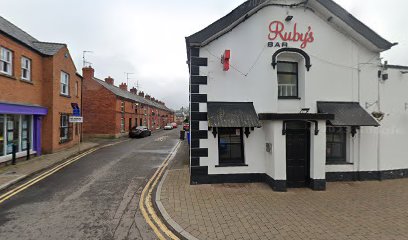
Rubys + The Back Shed
9.3 km
A warm, family-friendly bar and restaurant in Antrim offering hearty pub fare and rustic stone-baked pizzas in a relaxed, welcoming atmosphere.
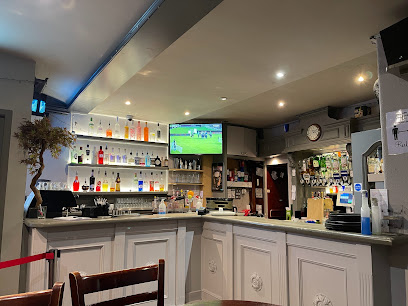
The Cova Inn
9.3 km
Experience authentic Northern Irish hospitality and hearty pub fare in the cozy, welcoming atmosphere of The Cova Inn in Antrim.
Massereene House
9.3 km
A welcoming and affordable bar in Antrim’s heart, Massereene House offers a lively yet casual spot for drinks and socializing every day.
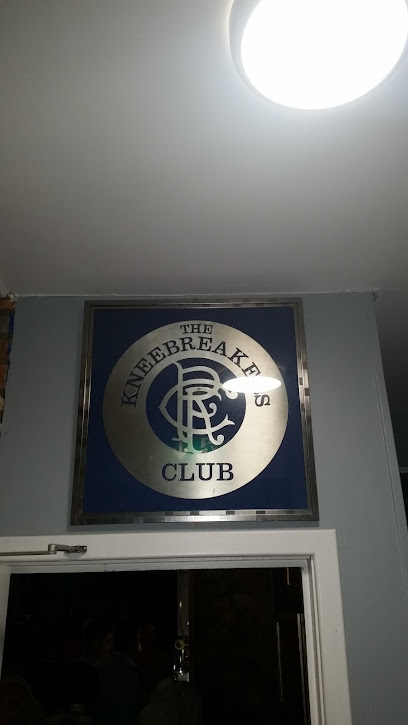
Kneebreakers
9.3 km
A cozy Antrim bar blending rustic charm with unique drinks, friendly service, and lively local music for an authentic Irish experience.

The Steeple Inn
9.4 km
A lively and friendly local pub in Antrim’s heart, offering affordable drinks and a welcoming atmosphere every day from noon to late evening.
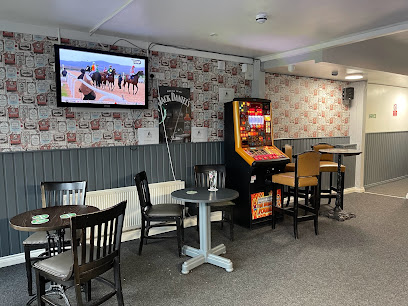
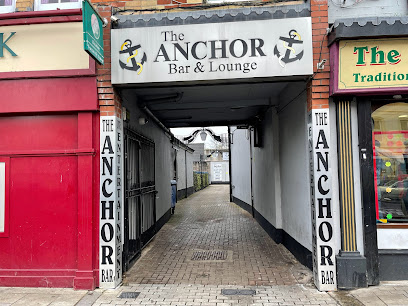
The Anchor Bar
9.4 km
A welcoming traditional pub in Antrim offering local craft beers, live music, and a cozy atmosphere in the heart of town.
Nightclubs & after hour spots

The Causeway Lounge
10.6 km
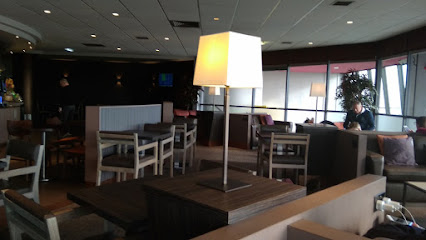
Experience tranquility and comfort at The Causeway Lounge, your perfect pre-flight retreat at Belfast Airport.
ORIGIN Nightclub & Bar Ballymena
19.1 km
Discover Ballymena's nightlife at ORIGIN Nightclub & Bar, where music, dancing, and vibrant crowds create an unforgettable experience.
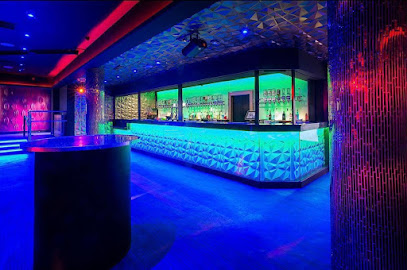
Attitude Disco
25.3 km
Unleash your energy at Attitude Disco, the ultimate night club in Cookstown, where vibrant beats and an electric atmosphere await.
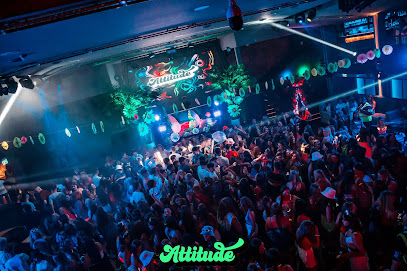
Clubland
25.3 km
Discover the electrifying energy of Clubland, Cookstown's premier night club and event venue, where unforgettable nights await.
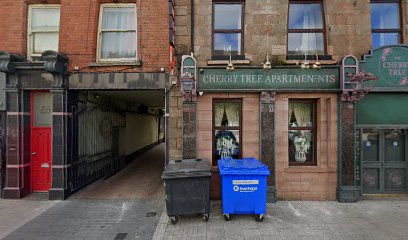
Club Honey
28.7 km
Experience Belfast’s vibrant nightlife at Club Honey, where energetic music and lively crowds create unforgettable nights on Falls Road.
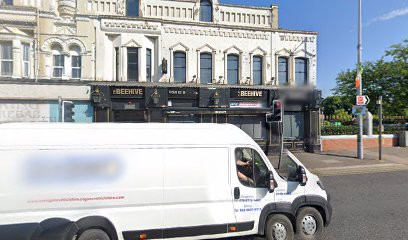
The Art Department
29.9 km
Experience the electrifying nightlife at The Art Department, Belfast's ultimate dance club with an artistic twist.
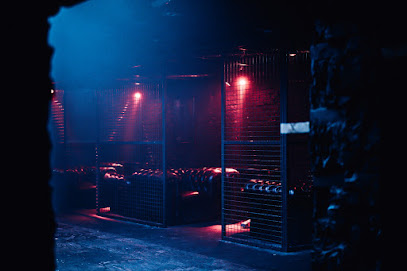
Anthology Ni
29.9 km
A high-energy Belfast nightclub within the Kremlin complex, known for DJ nights, themed performances and lively late‑hour clubbing.
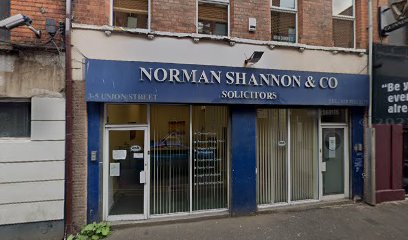
Shoe Factory
29.9 km
Experience the lively and inclusive nightlife at Shoe Factory, Belfast's top gay nightclub, where music, dance, and celebration come together.
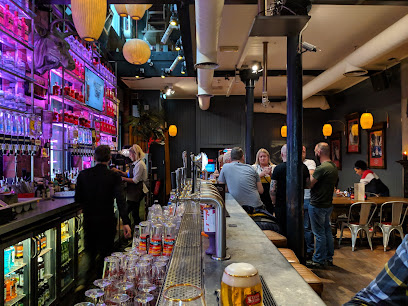
Boombox Belfast
29.9 km
A lively and inclusive gay nightclub in Belfast’s Cathedral Quarter, renowned for drag shows, DJ nights, and a welcoming queer atmosphere.
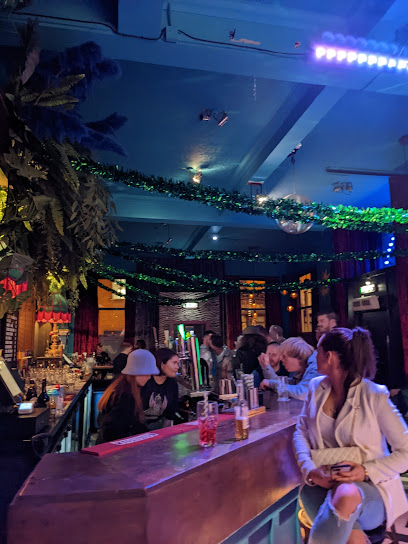
Kremlin
30.0 km
Belfast's beating heart of gay nightlife: dance floors ablaze, cocktails flowing, and community vibes till dawn on Donegall Street.
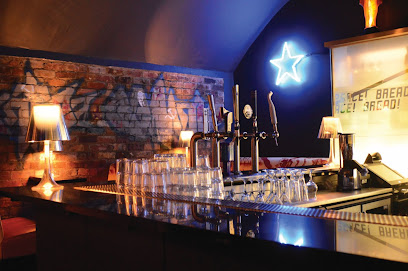
Voodoo
30.1 km
Experience the electric atmosphere of Voodoo, Belfast's top night club, featuring live music, great drinks, and an unforgettable nightlife experience.
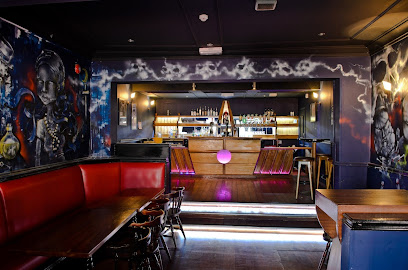
Craics Ninety
30.3 km
A compact, high‑energy clubnight in Belfast’s Common Market that celebrates 1990s music with DJs, themed entertainment and a pulsing dance atmosphere.
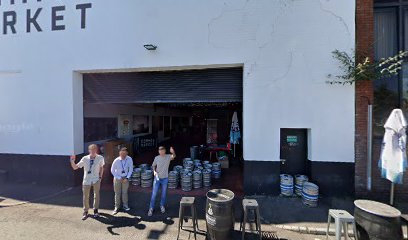
Club Lux
30.3 km
Dive into Belfast's vibrant nightlife at Club Lux, the ultimate disco club and bar experience with electrifying music and great company.
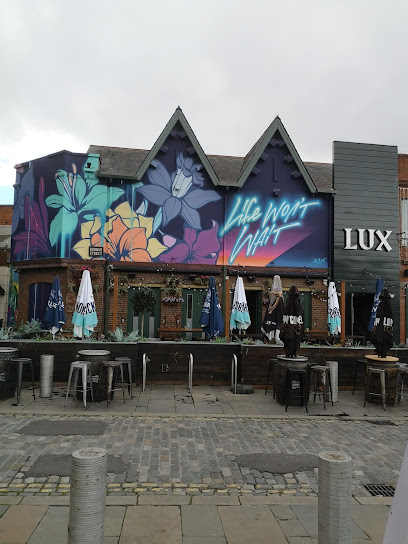
Ollie's Belfast
30.4 km
A compact, late-night nightclub beneath The Merchant Hotel — brick-vaulted interiors, VIP booths and a focused dancefloor for weekend clubbing.
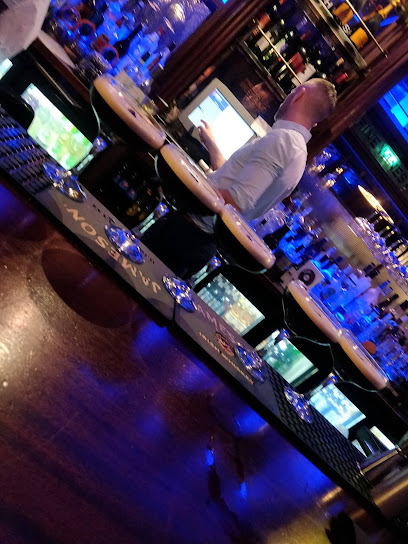
Filthy McNastys
30.4 km
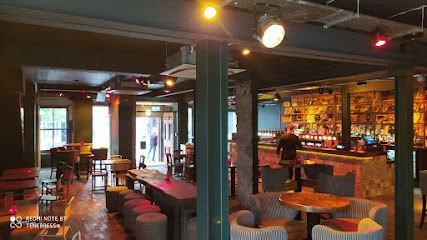
A lively Belfast bar known for live local music, quirky vintage décor, authentic pizza, and a buzzing nightlife atmosphere.
For the vibe & atmosphere seeker
- Tranquil
- Scenic
- Unique
- Relaxing
For the design and aesthetic lover
- Rustic Designs
- Vintage Styles
For the architecture buff
- Historic
- Landmarks
- Sacred Sites
For the view chaser and sunset hunter
- Iconic Views
- Waterfront
- Sunset Spots
For the social media creator & influencer
- Instagrammable
- Photo Spots
- Selfie Spots
For the eco-conscious traveler
- Protected Area
- Public-Transport Accessible
- Leave-No-Trace Critical
- Locally Managed
For the kind of experience you’re after
- Spiritual / Energy Spot
- Cultural Heritage
- Nature Escape
- Day Trip
- Weekend Getaway
For how adventurous you want the journey to be
- Easy Access
Location Audience
- Family Friendly
- Senior Friendly
- Child Friendly
- Solo Friendly
- Couple Friendly
- Vegetarian Friendly
- Vegan Friendly


