
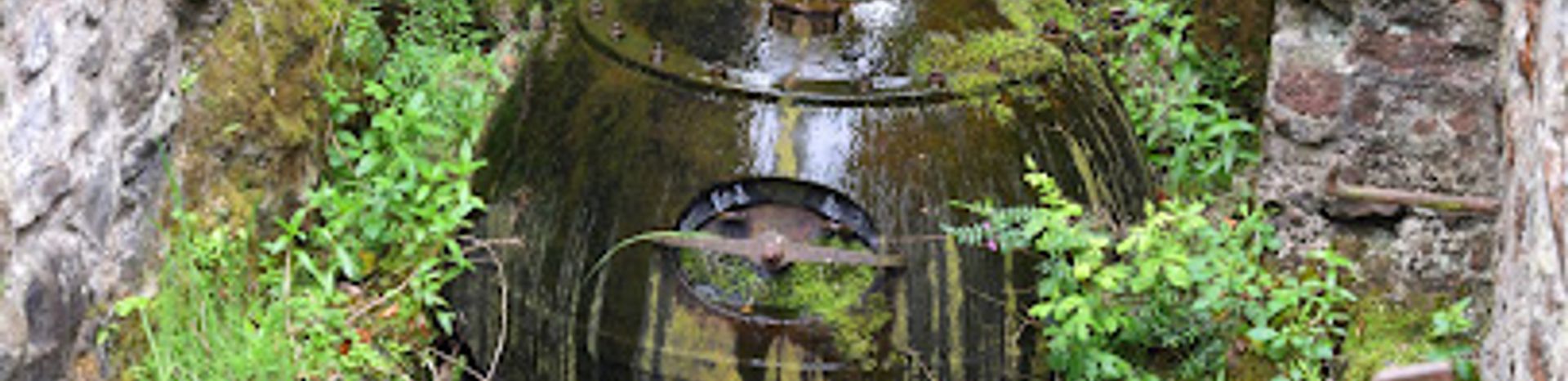
Patterson's Spade Mill: Northern Ireland's Last Working Water-Powered Spade Mill
Discover the last working water-powered spade mill in the British Isles, where history and craftsmanship are forged in steel and water.
Patterson's Spade Mill, located in Templepatrick, County Antrim, is the last working water-powered spade mill in the British Isles. Established on a historic industrial site dating back to the 18th century, it showcases traditional blacksmithing and spade-making powered entirely by water. Owned by the National Trust, the mill preserves a unique craft heritage with original machinery and offers visitors a glimpse into the industrial past of Northern Ireland.
A brief summary to National Trust - Patterson's Spade Mill
- 751 Antrim Rd, Ballyclare, Templepatrick, Newtownabbey, BT39 0AP, GB
- +442894433619
- Visit website
- Duration: 1 to 3 hours
- Mid ranged
-
 Outdoor
- Mobile reception: 4 out of 5
- Monday 11 am-4 pm
Local tips
- Visit during opening hours on Mondays from 11am to 4pm to catch live demonstrations of traditional spade-making.
- Book a blacksmithing class for a hands-on experience creating your own metalwork at the mill.
- Wear sturdy footwear for walking the steep path to the mill pond behind the finishing sheds.
- Explore the onsite exhibition rooms to learn about the mill’s layered industrial history and machinery.

For the on-the-go comforts that matter to you
- Restrooms
- Information Boards
- Visitor Center
- Seating Areas
Getting There
-
Bus
Take the Ulsterbus service from Belfast to Templepatrick, a journey of approximately 40-50 minutes. From the bus stop, a local taxi or a 25-minute walk on rural roads leads to the mill. Bus tickets cost around £5-£7 one way.
-
Car
Driving from Belfast takes about 30 minutes via the M2 motorway. Parking is available onsite but limited, so early arrival is recommended. No parking fees apply.
-
Taxi
Local taxi services from Ballyclare or Templepatrick offer a convenient 10-15 minute ride to the mill, costing approximately £10-£15 depending on pickup location.
National Trust - Patterson's Spade Mill location weather suitability
-
 Any Weather
-
 Rain / Wet Weather
-
 Mild Temperatures
Discover more about National Trust - Patterson's Spade Mill
Historic Evolution of an Industrial Landmark
Patterson's Spade Mill stands on a site with industrial roots reaching back to at least 1770. Originally a flax and corn mill, it was converted into a paper mill in 1837 by Robert Sloane, employing several workers and expanding its facilities including a rag store and engine room. Later, it became a linen beetling mill before the Patterson family acquired it in 1919–1920, transforming it into a spade mill. The Patterson family had deep roots in spade-making dating to the 18th century, and under their stewardship, the mill flourished as a center for traditional spade production.Water-Powered Craftsmanship and Machinery
The mill is powered by water drawn from the Ballymartin River, channeled through a head race and pond system that drives a large water turbine. This turbine, restored to operation in 1994, powers about thirty machines through an intricate system of belts and drives. The mill’s machinery includes a massive trip hammer used to shape red-hot steel billets into spade blades, and other specialized equipment such as a pecil sharpener for rounding ash handles sourced locally. This water-driven process preserves a rare and authentic industrial technique.The Patterson Family Legacy and Spade-Making Tradition
The Patterson family’s involvement in spade-making spans multiple generations, with documented activity since 1781. William George Patterson, the founder of the current mill operation, was at least the fourth generation engaged in the craft. After his death in 1929, his sons continued the work, sustaining the mill’s busiest period through the 1930s and 1940s. The mill’s name changed from Carnanee Spade Mill to Patterson’s Spade Mill in the 1950s, cementing the family’s legacy in the region’s industrial history.Preservation and Visitor Experience Today
Purchased by the National Trust in 1992, Patterson's Spade Mill is now a protected historic site and a working museum. Visitors can witness traditional blacksmithing techniques, watch spades being forged by hand, and explore the original machinery in operation. The mill pond and water management system remain largely intact, offering insight into the engineering behind water-powered industry. Blacksmithing classes and bespoke commissions are available, allowing guests to engage actively with the craft.Architectural and Environmental Setting
The mill complex includes historic buildings such as the former corn mill, rag store, engine room, and finishing sheds, all reflecting the layered industrial past. The surrounding landscape features the Ballymartin River and a steep path leading to the mill pond, emphasizing the mill’s integration with its natural water source. The site’s protected status as a listed building ensures the conservation of its architectural and environmental heritage.Significance in Northern Ireland’s Industrial Heritage
As the last water-driven spade mill in daily use in the British Isles, Patterson's Spade Mill holds exceptional cultural and historical importance. It embodies the evolution of rural industry, the persistence of traditional craftsmanship, and the adaptation of water power technology over centuries. The mill stands as a living monument to Northern Ireland’s industrial past and the skilled artisans who shaped its tools and landscapes.Iconic landmarks you can’t miss

McArt's Fort
8.6 km
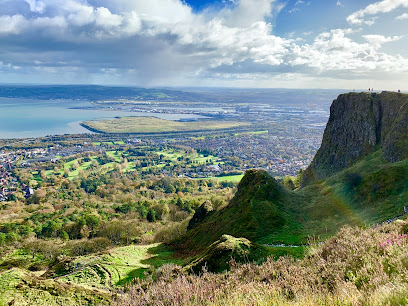
Explore the ancient Iron Age McArt's Fort atop Cave Hill, where history meets panoramic views over Belfast and beyond.
Knockagh Monument
10.6 km
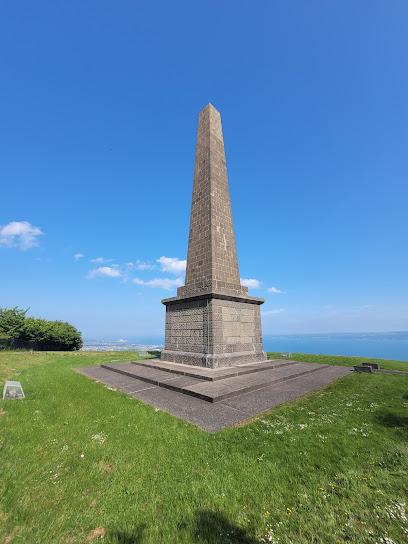
Northern Ireland’s largest war memorial, standing tall on Knockagh Hill with sweeping views over Belfast Lough and the surrounding countryside.
Clifton Street Graveyard
12.5 km
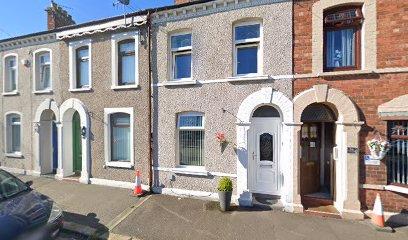
Two centuries of Belfast's history etched in stone—where Republicans, Unionists, and ordinary citizens rest side by side.
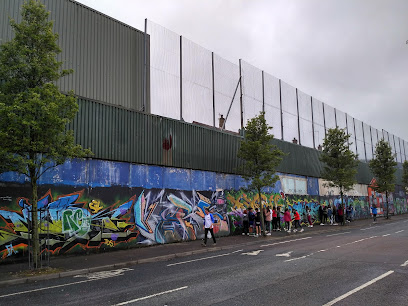
Peace Wall Belfast
12.5 km
A barrier transformed into a canvas of hope—Belfast's Peace Wall tells stories of division, resilience, and the ongoing journey toward reconciliation.
Carlisle Circus
12.5 km
A historic North Belfast traffic circus with Victorian roots and a legacy shaped by war, industry, and community life.

Belfast Peace Lines
12.5 km
Where a single night in 1969 ignited decades of conflict and left scars still visible today.
Belfastlad Tours
12.9 km
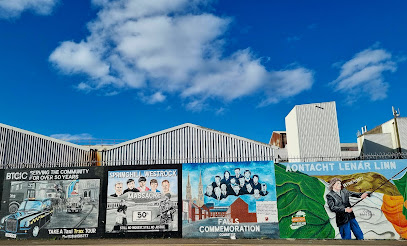
Explore Belfast's rich history and vibrant culture with personalized tours led by passionate locals at Belfastlad Tours.
Visit West Belfast
13.2 km
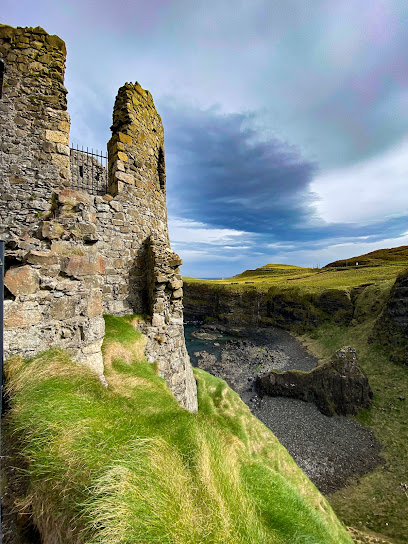
Your gateway to the vibrant culture, history, and community of West Belfast on the iconic Falls Road.
Falls Rd
13.2 km
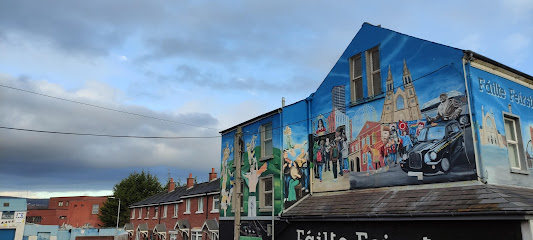
Political murals, peace walls, and powerful stories of resilience in West Belfast's iconic Republican heartland.
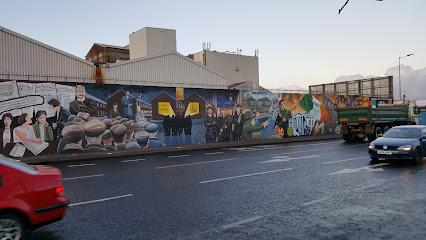
Slipways
13.4 km
Step onto the historic Slipways where Titanic was born, amid Belfast’s maritime legacy and stunning waterfront vistas.
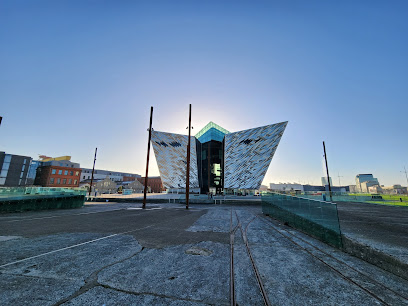
2-6 Waring St
13.4 km
Victorian banking masterpiece transformed into luxury hospitality on Belfast's historic mercantile street.
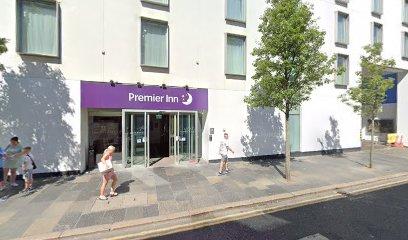
Donegall Quay
13.5 km
Discover the charm of Donegall Quay in Belfast, where the river meets culture, cuisine, and captivating views.
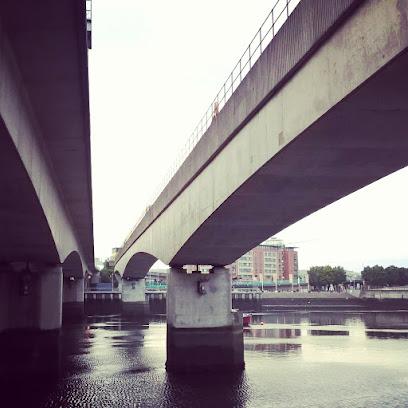
Titanic Hotel Belfast
13.5 km
Luxury in the heart of Titanic history: nautical-themed elegance amid Belfast's shipbuilding legacy.
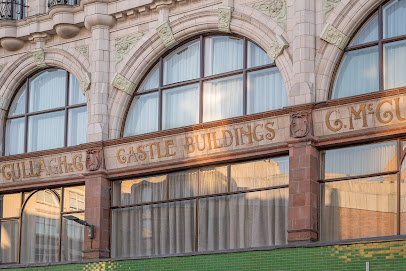
Castle Buildings
13.5 km
Discover the architectural beauty and modern comforts of the Castle Buildings in Belfast, a perfect stay for any traveler.
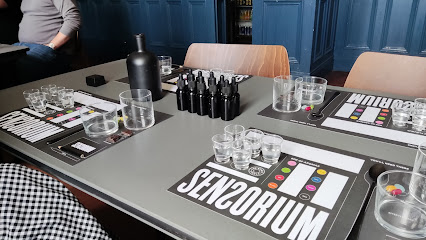
The Spirit Circle: Sensorium & Belfast by the Glass
13.5 km
Discover the essence of Belfast through unique tastings and a sensory journey at The Spirit Circle, a charming tourist attraction in the heart of the city.
Unmissable attractions to see

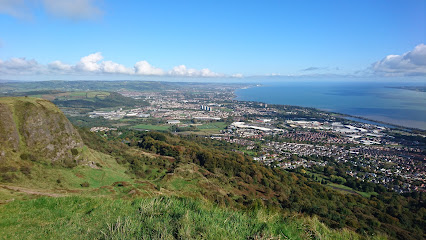
Cave Hill Country Park
8.3 km
Explore the scenic beauty and historical significance of Cave Hill Country Park, a must-see natural attraction in Belfast.
Belfast Zoo
8.3 km
Explore Belfast Zoo’s 55 acres of wildlife, conservation, and stunning views on the slopes of Cave Hill in Northern Ireland’s vibrant capital.

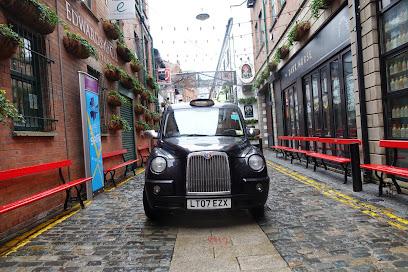
Cab Tours Belfast Black Taxi Tours
8.6 km
Explore Belfast’s complex history through intimate Black Taxi Tours led by local guides sharing personal stories and iconic murals.
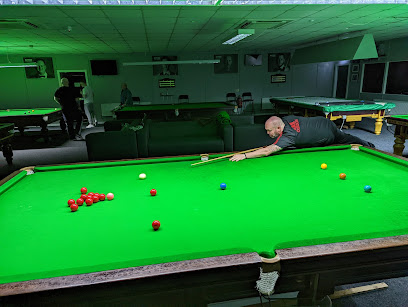
Antrim Sports Club
9.0 km
A welcoming snooker and pool club in Antrim known for top facilities and a lively community spirit.
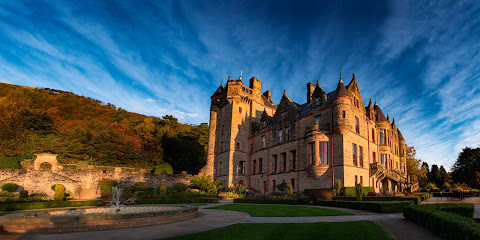
Belfast Castle
9.2 km
Discover Victorian elegance, panoramic views, and vibrant culture at Belfast Castle nestled in Cave Hill Country Park.
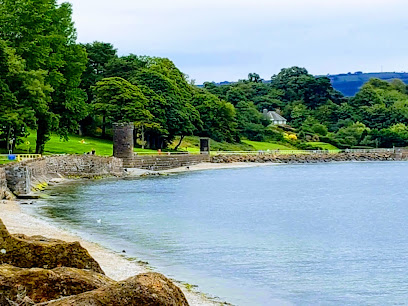
Hazelbank Park
10.0 km
A scenic waterfront park in Newtownabbey offering stunning views, accessible paths, vibrant gardens, and family-friendly outdoor activities.
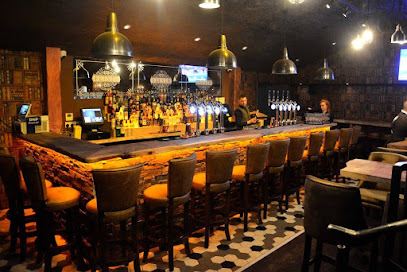
Top Of The Town
10.7 km
Antrim’s award-winning bar and grill offering fresh local food, lively bars, and welcoming atmosphere in the heart of town.
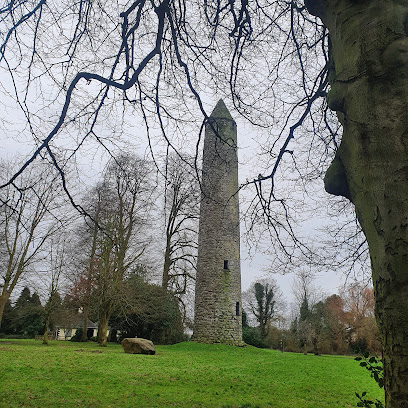
Antrim Round Tower (State Care Monument)
11.0 km
Discover the Antrim Round Tower, a historical landmark that embodies the rich heritage and architectural beauty of Ireland's medieval past.
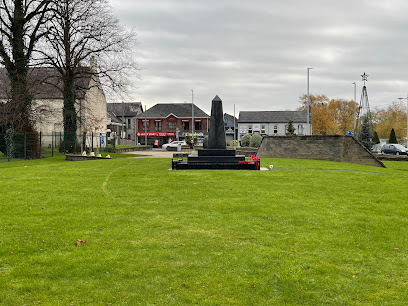
Alexander Irvine Park
11.1 km
A peaceful memorial park in Antrim honoring missionary Alexander Irvine and pandemic victims, perfect for quiet reflection and cultural heritage.
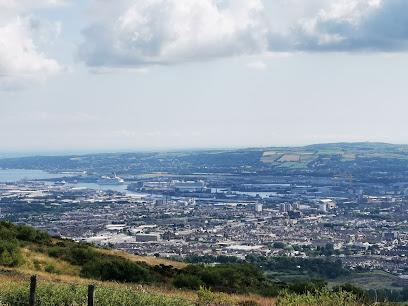
National Trust - Divis and the Black Mountain
11.3 km
Explore Belfast’s breathtaking hills with scenic trails, rich wildlife, and panoramic views at Divis and the Black Mountain.
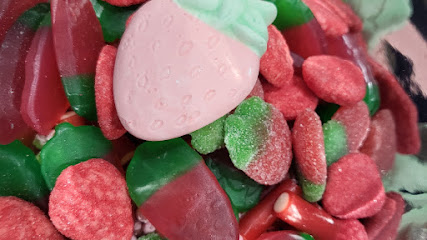
The olde sweetie jar
11.4 km
A charming traditional sweet shop in Antrim serving nostalgic retro sweets and hand-weighed treats in a cozy, welcoming setting.
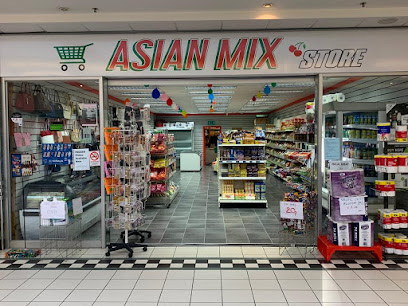
Asian Mix
11.5 km
Discover authentic Asian flavors and ingredients at Asian Mix, Antrim’s go-to Asian grocery shop in Castle Mall’s vibrant Market Square.
Enchanted Winter Garden
11.5 km
Experience a dazzling festive wonderland with magical lights, thrilling rides, and heartwarming holiday charm at Antrim Castle Gardens.

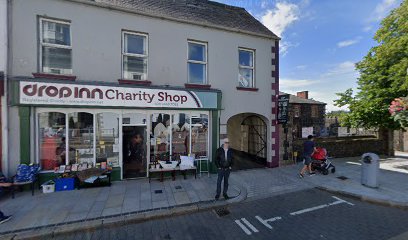
Drop Inn Thrift Shop
11.6 km
Discover unique treasures and support local causes at Drop Inn Thrift Shop, Antrim’s heart of community charity and sustainability.
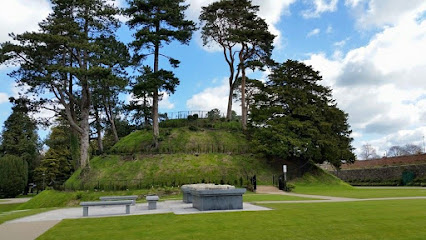
Antrim Motte
11.7 km
Explore Antrim Motte, a medieval earthwork with rich history and legends, nestled within scenic gardens by the Sixmilewater River.
Essential places to dine

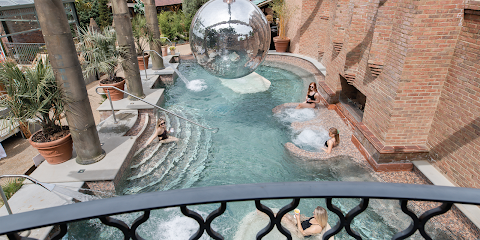
The Rabbit Hotel & Retreat
3.2 km
Discover luxury at The Rabbit Hotel & Retreat in Ballyclare - where nature meets comfort with exquisite dining and spa experiences.
Sleepy Hollow
4.3 km
Experience modern Irish cuisine crafted from local, seasonal ingredients in a charming rural setting near Belfast.
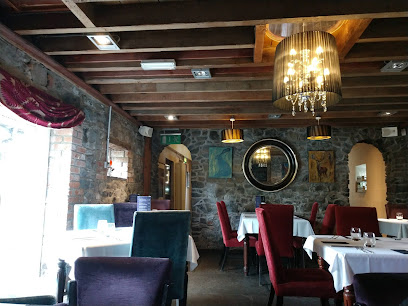
Ellie Mays
6.2 km
Rustic grill dining with hearty portions and a warm pub atmosphere in the heart of Dunadry, Antrim.
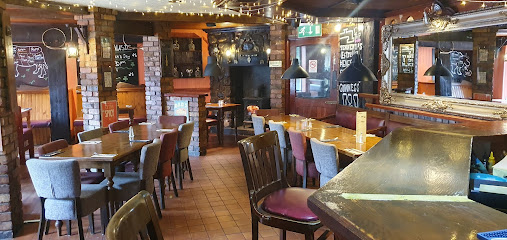
Mill Race Restaurant
6.3 km
AA Rosette–awarded Modern Irish fine dining beside the River Six Mile Water, with seasonal menus, afternoon tea, and Sunday carvery in a historic Antrim hotel.
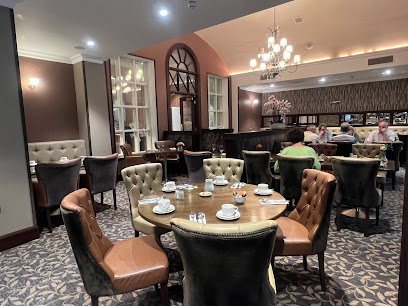
Baan Thai
11.1 km
Experience authentic Thai and Chinese flavors in a warm, inviting setting at Baan Thai, Antrim’s beloved culinary gem.
Furama Cantonese Restaurant
11.1 km
Authentic Cantonese cuisine and exceptional value in the heart of Antrim
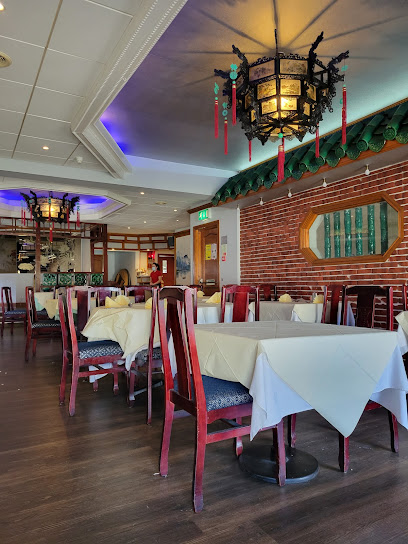
Ho Wah
11.3 km
Authentic Chinese flavors and generous portions in the heart of Antrim with a warm, lively atmosphere.
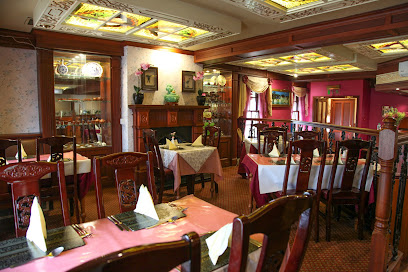
Maddens Bar & Restaurant
11.5 km
Discover the vibrant atmosphere of Maddens Bar & Restaurant in Antrim - where great food meets lively entertainment.
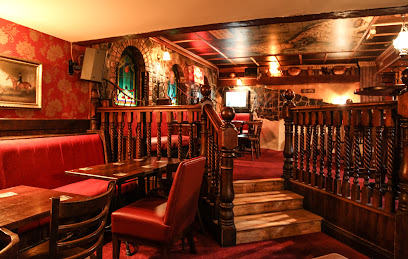
Rococo Wine Bar Antrim
11.5 km
Discover culinary excellence at Rococo Wine Bar in Antrim – where fine dining meets vibrant ambiance in the heart of Northern Ireland.
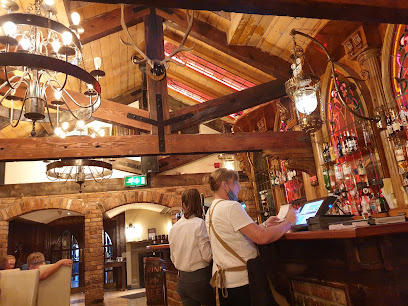
Jakes Cocktail Bar And Grill
12.2 km
Sophisticated cocktails and quality grill cuisine in a welcoming Antrim destination.
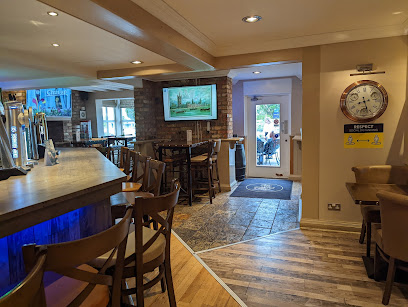
Clubhouse Restaurant & Bar
12.2 km
Cozy dining with scenic lough views, friendly service, and hearty homemade meals in the heart of Antrim.
Nando's Antrim The Junction
12.5 km
Savor the vibrant flame-grilled PERi-PERi chicken at Nando's Antrim The Junction, a lively spot in a bustling retail and leisure hub.
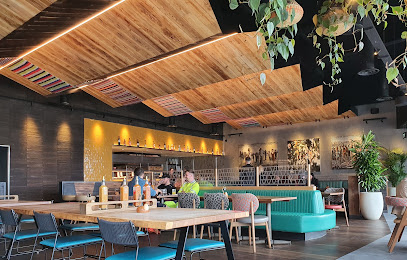
The Boathouse Antrim
12.7 km
Scenic lakeside dining in Antrim offering fresh seafood, gluten-free options, and a modern Irish menu in a relaxed, welcoming setting.
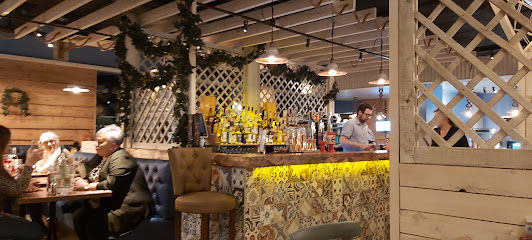
Academy Restaurant
13.1 km
Experience the best of Modern European cuisine at Academy Restaurant in Belfast, where local ingredients meet innovative culinary artistry.
Dunsilly Hotel
13.1 km
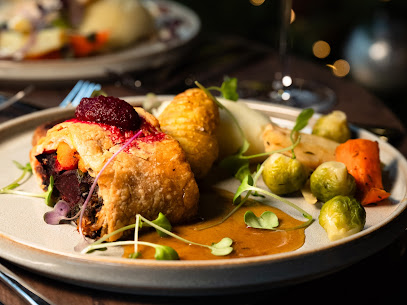
Discover comfort and charm at Dunsilly Hotel in Antrim - your perfect retreat with exceptional dining options.
Markets, malls and hidden boutiques

Abbey Centre Shopping
9.4 km
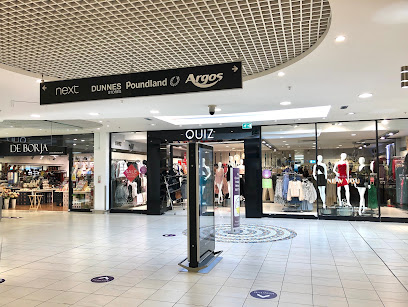
Discover Abbey Centre Shopping, a lively retail and entertainment hub in Newtownabbey, featuring diverse shops and dining options for all tastes.
Native Foods Ltd
9.5 km
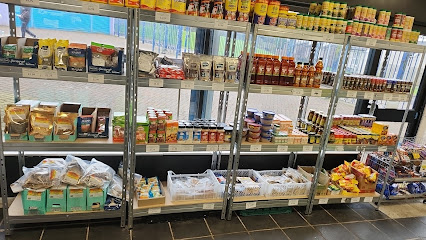
Explore the rich flavors of Antrim at Native Foods Ltd, your go-to supermarket for fresh produce and local delicacies.
The Candle Boutique
10.5 km
Discover artisanal candles with evocative scents that transform your home into a fragrant haven in the heart of Antrim.
Simpsons Newsagents
10.9 km
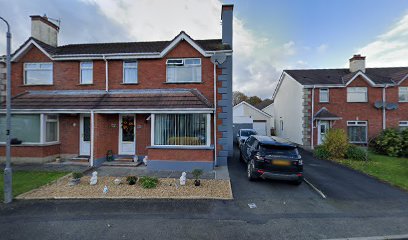
Explore Antrim's local culture at Simpsons Newsagents, your one-stop shop for newspapers, magazines, and unique local goods.
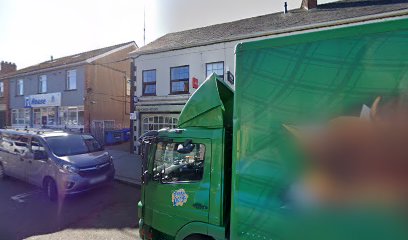
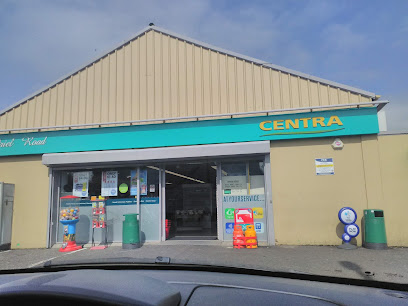
Centra
11.1 km
Discover Centra in Antrim: Your go-to convenience store for fresh food, snacks, and friendly service during your travels.
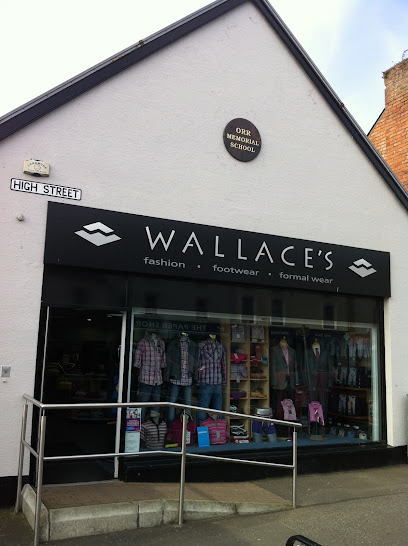
Wallace's
11.2 km
Discover modern menswear and footwear with great value and service at Wallace's, Antrim’s stylish boutique on Church Street.
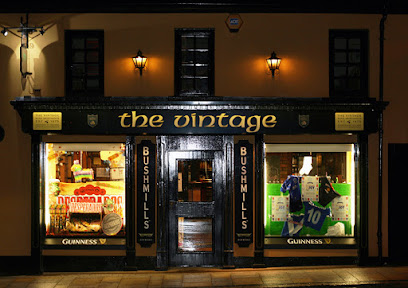
The Vintage Wine Merchants
11.2 km
Independent wine and spirits shop in Antrim offering a curated selection of quality wines, beers, and ales since 1975.
Nanabelle's Gifts
11.2 km
Discover unique gifts, stylish handbags, and elegant jewellery in Antrim’s welcoming boutique with a personal touch.
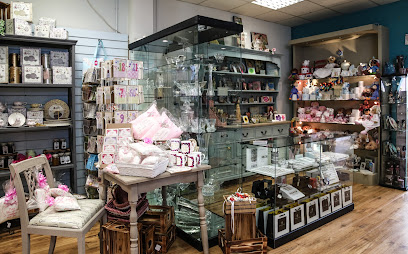
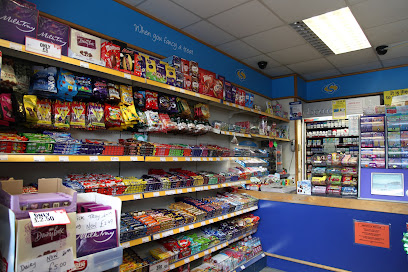
Vivo The Paper Shop
11.4 km
A vibrant newsstand and artisan shop in Antrim offering extended hours, local crafts, and a welcoming community atmosphere.
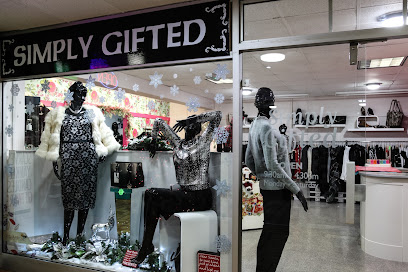
Simply Gifted
11.4 km
Discover stylish ladies' clothing and accessories in the heart of Antrim’s charming Arcade, where quality meets personal service.
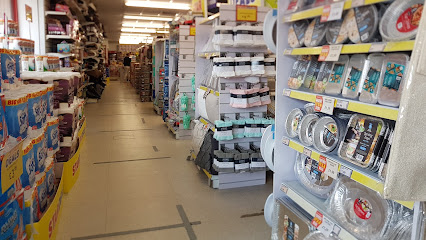
Poundstretcher
11.4 km
Affordable household essentials and bargains await at Poundstretcher in Antrim’s Castle Shopping Centre.
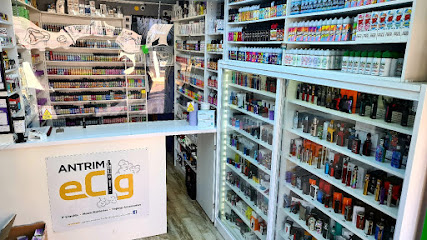
Antrim ECig
11.4 km
Antrim ECig offers expert vaping products and advice in a friendly, accessible shop at the heart of Antrim’s arcade.
Baraka Urban
11.4 km
Discover curated ladies' fashion and unique accessories in the heart of Antrim’s vibrant High Street at Baraka Urban.
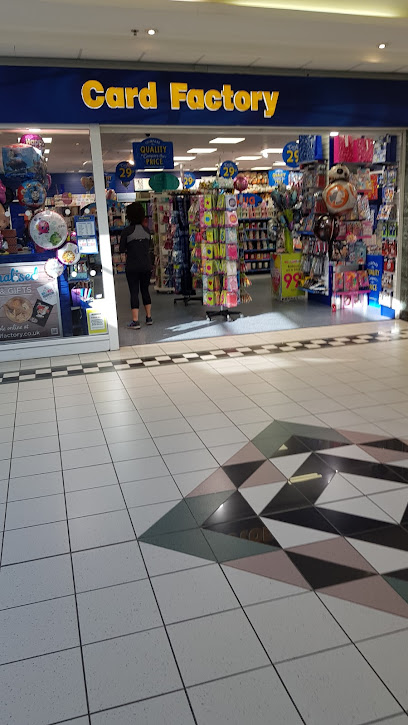
Cardfactory
11.5 km
Explore Cardfactory in Antrim for the perfect greeting cards and gifts, capturing memories of your travels with thoughtful gestures.
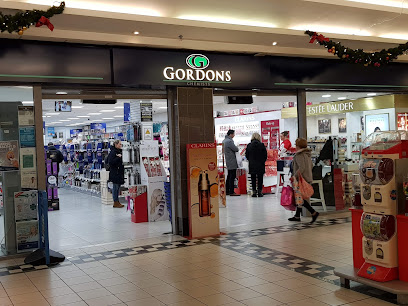
Castle Mall
11.5 km
Explore Castle Mall in Antrim for an unforgettable shopping experience, blending local charm with modern retail and entertainment.
Essential bars & hidden hideouts

Hunter’s Bar
3.2 km
A stylish wine bar with creative drinks and live entertainment, nestled in the heart of Templepatrick’s boutique Rabbit Hotel.
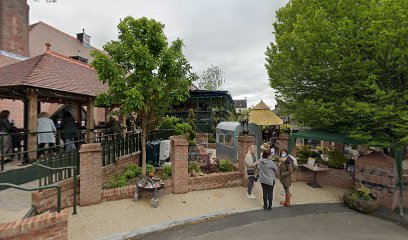
Milk cloud
10.8 km
A cozy and welcoming bar in Antrim, offering a relaxed atmosphere and quality drinks for locals and visitors alike.
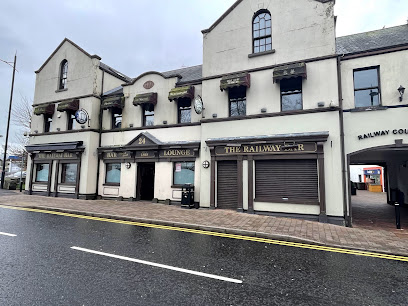
Railway Bar
11.3 km
A cosy traditional pub in Antrim with lively entertainment, warm hospitality, and authentic Irish charm.
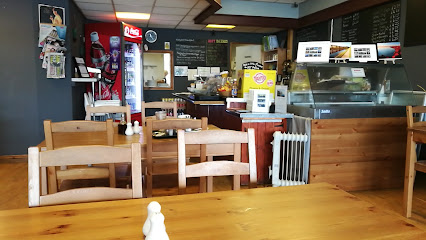
Alfies cafe
11.3 km
A cozy and friendly cafe in Antrim serving fresh breakfasts, delicious lunches, and exceptional coffee in a warm, welcoming setting.
The Steeple Inn
11.4 km
A lively and friendly local pub in Antrim’s heart, offering affordable drinks and a welcoming atmosphere every day from noon to late evening.
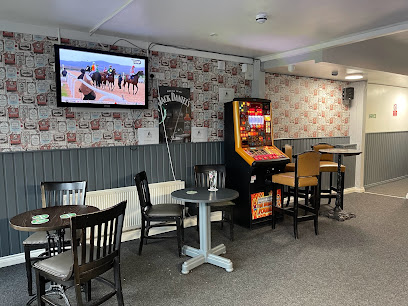
The Anchor Bar
11.4 km
A welcoming traditional pub in Antrim offering local craft beers, live music, and a cozy atmosphere in the heart of town.
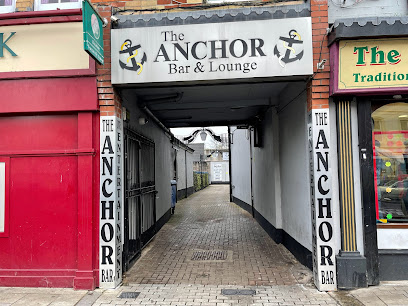
Kneebreakers
11.4 km
A cozy Antrim bar blending rustic charm with unique drinks, friendly service, and lively local music for an authentic Irish experience.

Massereene House
11.4 km
A welcoming and affordable bar in Antrim’s heart, Massereene House offers a lively yet casual spot for drinks and socializing every day.
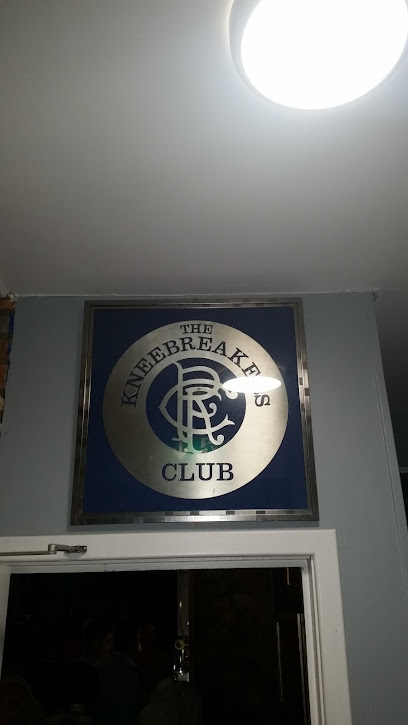
The Cova Inn
11.4 km
Experience authentic Northern Irish hospitality and hearty pub fare in the cozy, welcoming atmosphere of The Cova Inn in Antrim.
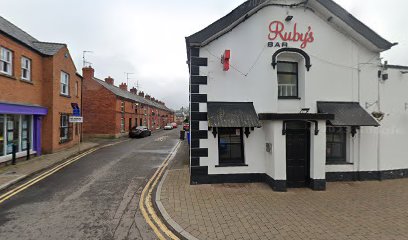
Rubys + The Back Shed
11.4 km
A warm, family-friendly bar and restaurant in Antrim offering hearty pub fare and rustic stone-baked pizzas in a relaxed, welcoming atmosphere.
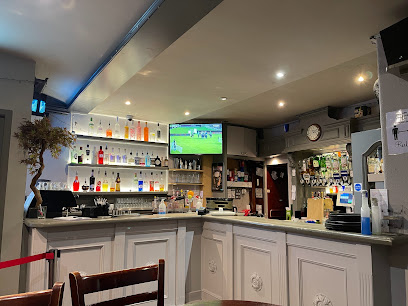
Barney's
11.5 km
A cozy and lively pub in Antrim’s Market Square, offering local brews, hearty food, and a welcoming atmosphere every day.
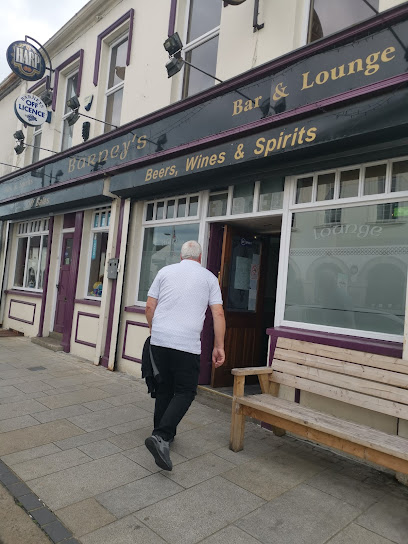
The Reporter. Bar
13.0 km
A cozy, quirky, dog-friendly bar in Belfast with great bottled beers, live music, and a welcoming atmosphere for all.
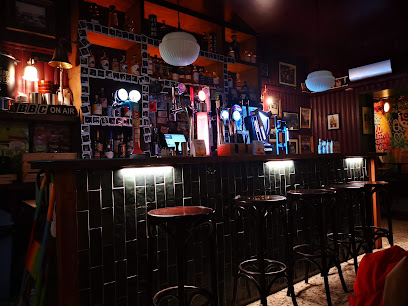
The American Bar
13.0 km
Historic Sailortown pub pouring perfect pints, live tunes, and bargain bites in Belfast's Docklands—a raw gem for locals and music seekers.
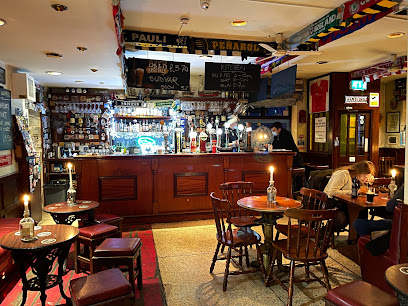
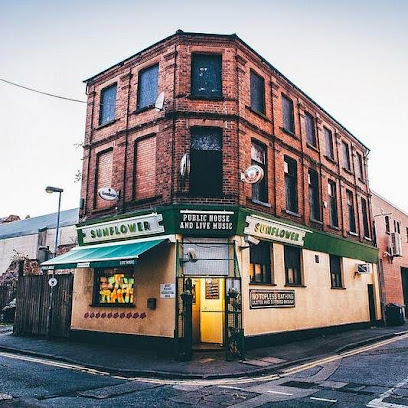
Sunflower Public House
13.0 km
Belfast's authentic corner pub with Troubles-era charm, live music nightly, wood-fired pizzas, and a buzzing garden—where history meets hearty ales and eclectic vibes.
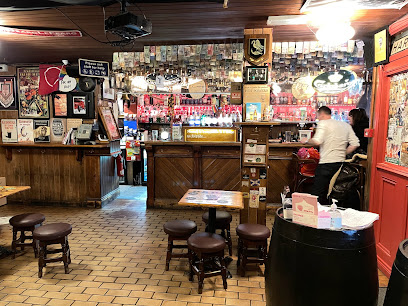
Maddens
13.3 km
Discover the authentic charm of Maddens, a traditional Irish pub in Belfast known for its welcoming atmosphere and delightful local brews.
Nightclubs & after hour spots

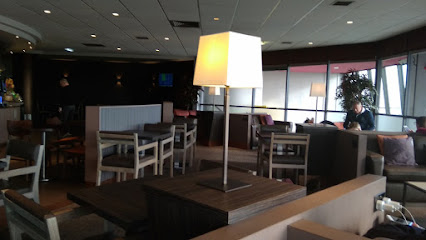
The Causeway Lounge
12.0 km
Experience tranquility and comfort at The Causeway Lounge, your perfect pre-flight retreat at Belfast Airport.
The Art Department
13.0 km
Experience the electrifying nightlife at The Art Department, Belfast's ultimate dance club with an artistic twist.
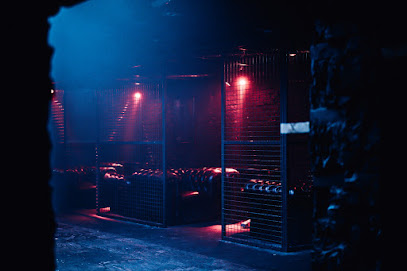
Boombox Belfast
13.0 km
A lively and inclusive gay nightclub in Belfast’s Cathedral Quarter, renowned for drag shows, DJ nights, and a welcoming queer atmosphere.
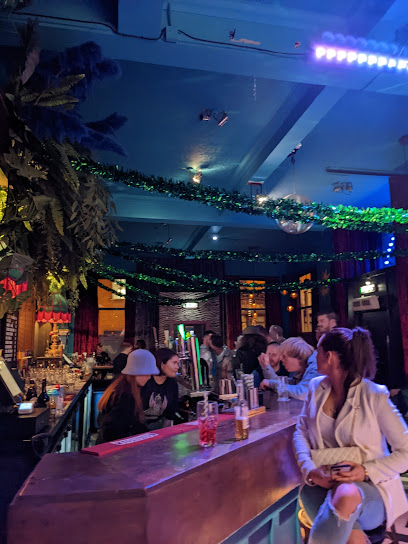
Anthology Ni
13.0 km
A high-energy Belfast nightclub within the Kremlin complex, known for DJ nights, themed performances and lively late‑hour clubbing.
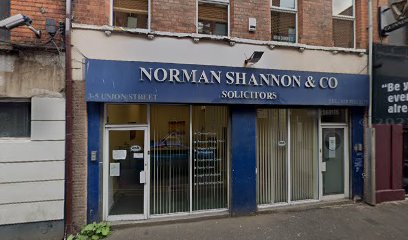
Shoe Factory
13.0 km
Experience the lively and inclusive nightlife at Shoe Factory, Belfast's top gay nightclub, where music, dance, and celebration come together.
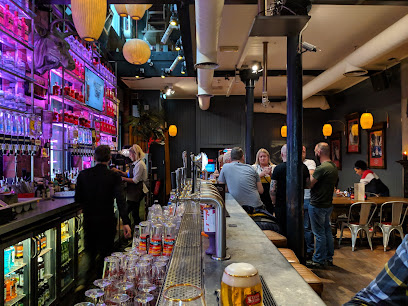
Kremlin
13.0 km
Belfast's beating heart of gay nightlife: dance floors ablaze, cocktails flowing, and community vibes till dawn on Donegall Street.
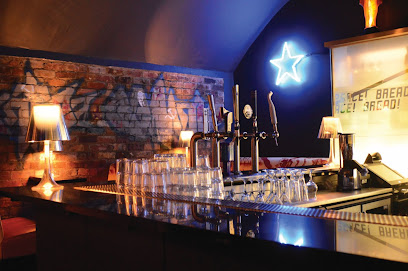
Club Honey
13.2 km
Experience Belfast’s vibrant nightlife at Club Honey, where energetic music and lively crowds create unforgettable nights on Falls Road.
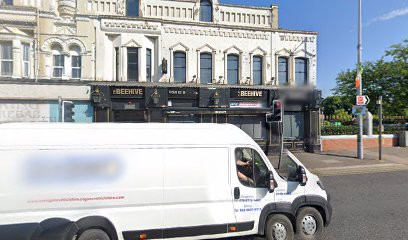
Craics Ninety
13.3 km
A compact, high‑energy clubnight in Belfast’s Common Market that celebrates 1990s music with DJs, themed entertainment and a pulsing dance atmosphere.
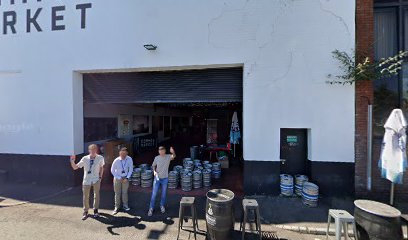
Club Lux
13.4 km
Dive into Belfast's vibrant nightlife at Club Lux, the ultimate disco club and bar experience with electrifying music and great company.
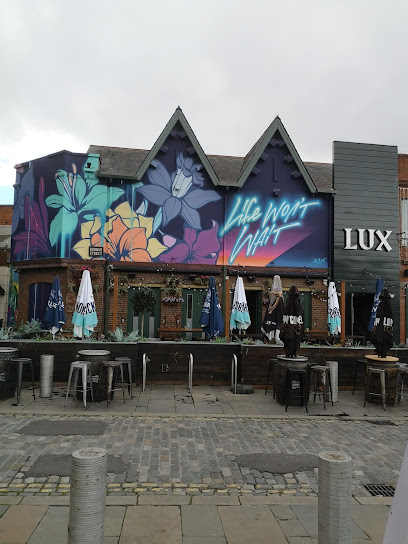
Ollie's Belfast
13.4 km
A compact, late-night nightclub beneath The Merchant Hotel — brick-vaulted interiors, VIP booths and a focused dancefloor for weekend clubbing.
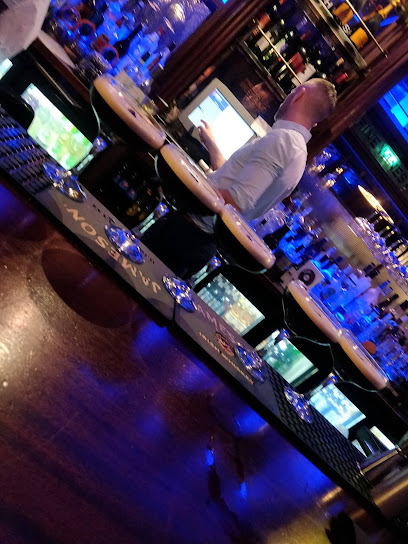
Voodoo
13.5 km
Experience the electric atmosphere of Voodoo, Belfast's top night club, featuring live music, great drinks, and an unforgettable nightlife experience.
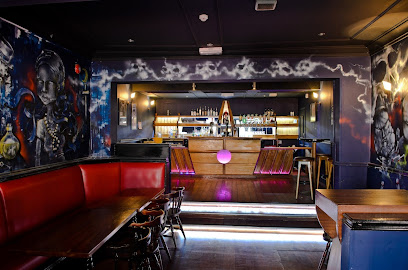
Thompsons Garage
13.8 km
Experience the vibrant nightlife of Belfast at Thompsons Garage, where music, dancing, and unforgettable memories await every night.
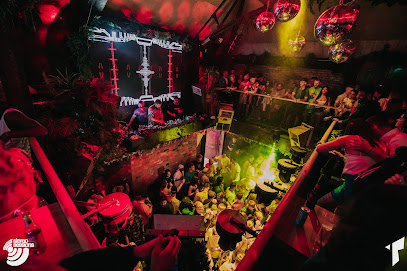
Cabaret Supper Club
13.8 km
Discover the vibrant nightlife of Belfast at Cabaret Supper Club, where exquisite dining meets captivating performances for an unforgettable experience.
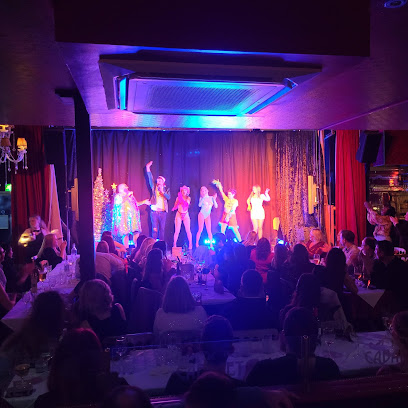
Filthy McNastys
14.1 km
A lively Belfast bar known for live local music, quirky vintage décor, authentic pizza, and a buzzing nightlife atmosphere.
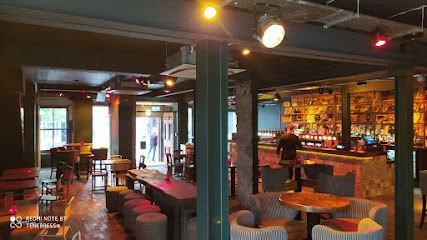
Alibi
14.3 km
Energetic R&B nightclub with guest DJs, cocktails, and a lively terrace in Belfast’s vibrant Queen’s Quarter.
For the vibe & atmosphere seeker
- Relaxing
- Tranquil
- Scenic
- Unique
- Casual
For the design and aesthetic lover
- Rustic Designs
- Vintage Styles
For the architecture buff
- Historic
- Industrial
- Heritage Neighborhoods
For the view chaser and sunset hunter
- Iconic Views
- Waterfront
For the social media creator & influencer
- Instagrammable
- Photo Spots
- Aesthetic Corners
For the eco-conscious traveler
- Protected Area
- Public-Transport Accessible
- Locally Managed
For the kind of experience you’re after
- Cultural Heritage
- Photowalk
- Day Trip
- Weekend Getaway
For how adventurous you want the journey to be
- Easy Access
Location Audience
- Family Friendly
- Senior Friendly
- Child Friendly
- Couple Friendly
- Solo Friendly


