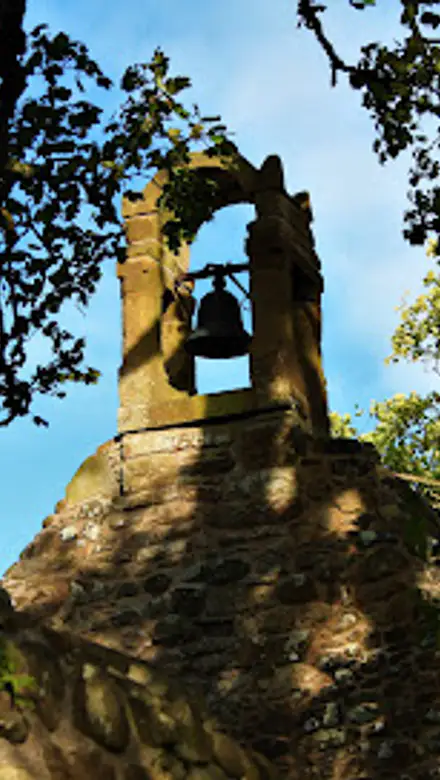
Alloway Auld Kirk Travel Guide
Free Guide: Explore the atmospheric 16th-century ruins of Alloway Auld Kirk, immortalized by Robert Burns in 'Tam o' Shanter' and steeped in Scottish literary history.


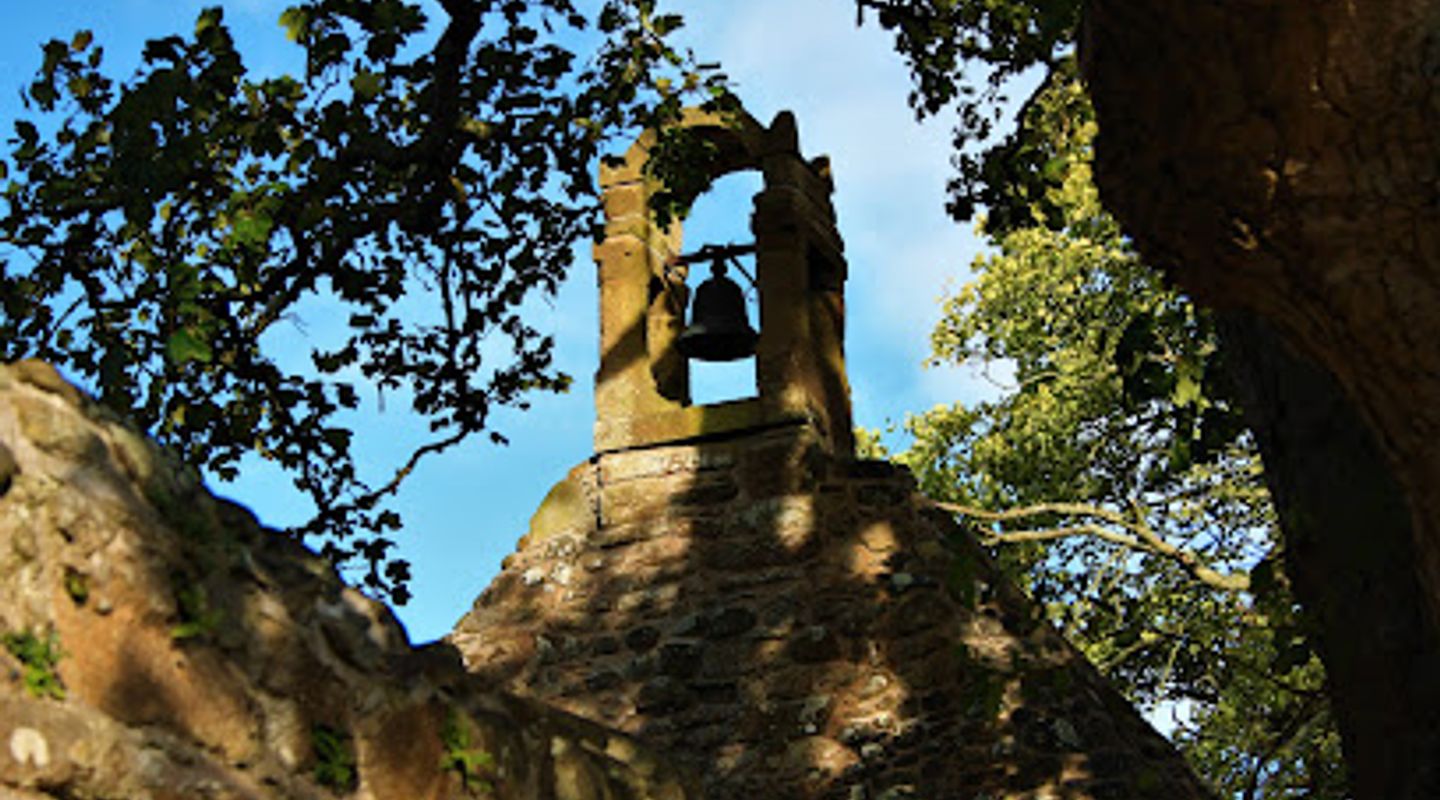
A brief summary of Alloway Auld Kirk
Explore the atmospheric 16th-century ruins of Alloway Auld Kirk, immortalized by Robert Burns in 'Tam o' Shanter' and steeped in Scottish literary history.
Alloway Auld Kirk is a captivating 16th-century ruined church in Ayrshire, Scotland, renowned as the eerie setting of Robert Burns' poem 'Tam o' Shanter.' The atmospheric kirk and its historic graveyard, where Burns' father and sister are buried, offer a poignant glimpse into Scotland's literary heritage and spiritual past. Visitors can explore the haunting ruins, intricately carved gravestones, and the evocative landscape that inspired one of Scotland's greatest poets.
On-site amenities
 Restrooms
 Seating areas
 Information boards
Opening hours
- Every day9 am–6 pm
Opening hours as listed on the venue’s Google Business Profile. Hours can change for services and special events, so check with the venue before you go.
- Address
- 38 Alloway, Ayr KA7 4PQ
Getting there
Train and Bus
Car
Walking
Discover more about Alloway Auld Kirk
A Storied Ruin Amidst Ayrshire's Landscape
Alloway Auld Kirk stands as a weathered 16th-century ruin nestled in the village of Alloway, South Ayrshire. Though parts of the site may date back to the 1200s, the main structure largely reflects early 16th-century ecclesiastical architecture. The kirk ceased regular worship in the late 17th century, leaving it to slowly fall into picturesque decay. Its hollow, roofless form—measuring roughly 40 by 20 feet—creates a haunting silhouette against the Scottish sky, embodying centuries of history and mystery.
Literary Legacy of 'Tam o' Shanter'
The kirk’s global fame stems from its immortalization in Robert Burns’ 1791 narrative poem 'Tam o' Shanter.' Burns chose the ruin as the eerie gathering place of witches and warlocks, whose spectral dance and subsequent chase form the poem’s thrilling climax. This literary connection infuses the site with a unique cultural resonance, attracting visitors eager to step into the atmospheric world of Scotland’s national bard.
Resting Place of the Burns Family and Historic Gravestones
The surrounding graveyard holds profound significance as the burial site of William Burnes, Robert Burns’ father, and his sister Isabella Burns Begg. Their gravestones, some inscribed by Burns himself, stand among an exceptional collection of pictorial gravestones, notable for their intricate carvings depicting occupations and symbols like hourglasses that tell stories of lives past. The graveyard’s evocative atmosphere complements the kirk’s poetic lore.
Architectural and Cultural Details
Inside the kirk ruins, visitors find iron mortsafes—heavy iron cages once placed over graves to prevent body snatching for medical research, a grim reminder of 18th- and 19th-century practices. The kirk’s stonework, including a reused medieval grave slab as a window lintel, hints at its layered history. Nearby, a well dedicated to St Mungo suggests the site’s spiritual importance predates the kirk itself, adding depth to its historical narrative.
Conservation and Visitor Experience
Managed by the National Trust for Scotland, Alloway Auld Kirk is a scheduled monument with the graveyard listed as a Category B building. Restoration efforts have preserved its evocative ruinous state, allowing visitors to experience the site’s haunting beauty firsthand. The kirk and graveyard are open daily, inviting exploration of both the physical remains and the rich tapestry of stories they embody.
Complementary Heritage Sites Nearby
The kirk forms part of the wider Robert Burns Birthplace Museum complex, which includes Burns Cottage, the Brig o' Doon, and the Burns Monument. Together, these sites offer a comprehensive insight into Burns’ life and the cultural landscape that shaped his poetry, making Alloway a focal point for literary pilgrimage and Scottish heritage tourism.
Evendo Review Centre
 Google
Guest reviews
Best time to go
Quietest: Jan, Feb & Dec · before 8am or from 9pm
Busy times are Evendo estimates for a typical year, to help you plan. Actual crowds vary with events, school holidays and the weather.
Explore Alloway Auld Kirk on the map
A handpicked selection of must-see spots near Alloway Auld Kirk, mapped for you.
Get your free copy of our complete guide to Alloway Auld Kirk, delivered straight to you.
Everything on this page, from opening hours and how to get there to Eve’s tips and the best time to go, in one PDF you can read offline, print or share.
Already have an account? Sign in
Your Alloway Auld Kirk guide is ready.
We'll send it to · Not you? Sign out

Getting your guide ready…
We are putting together a fresh copy of the Alloway Auld Kirk guide. This can take up to a minute.
This can take a few moments. If your browser asks, choose Allow so the download can start. You'll find the guide in your Downloads folder.
Nothing happened? Download it again
Sorry, the guide is taking longer than usual. Please try again in a minute, or get it by email instead.
Unlock the best of Alloway Auld Kirk
Skip-the-line tickets, guided tours with entry, and walking tours of the area, booked in a few clicks.

Other nearby places you may find interesting
The closest places of the same kind, if this one is not quite what you had in mind.
-
-
-
-
-


Swipe for more places
More to explore near Alloway Auld Kirk

 Best experiences near Alloway Auld Kirk
 Best hotels near Alloway Auld Kirk
 Best landmarks near Alloway Auld Kirk
 Best attractions near Alloway Auld Kirk
 Best shops near Alloway Auld Kirk
 Best restaurants near Alloway Auld Kirk
 Best bars near Alloway Auld Kirk
Do you manage this location?
Take control to get all the benefits, like improved information, better appearance, and stronger visibility across AI-powered discovery.
Explore more
Explore more of Ayrshire
Discover Ayrshire: a coastal retreat in Scotland offering historic castles, scenic trails, and a rich cultural heritage awaiting your exploration.
Explore Ayrshire
Explore more of United Kingdom
Discover the United Kingdom: A blend of rich history, stunning landscapes, and vibrant cities, offering a unique travel experience for every visitor.
Explore United Kingdom