
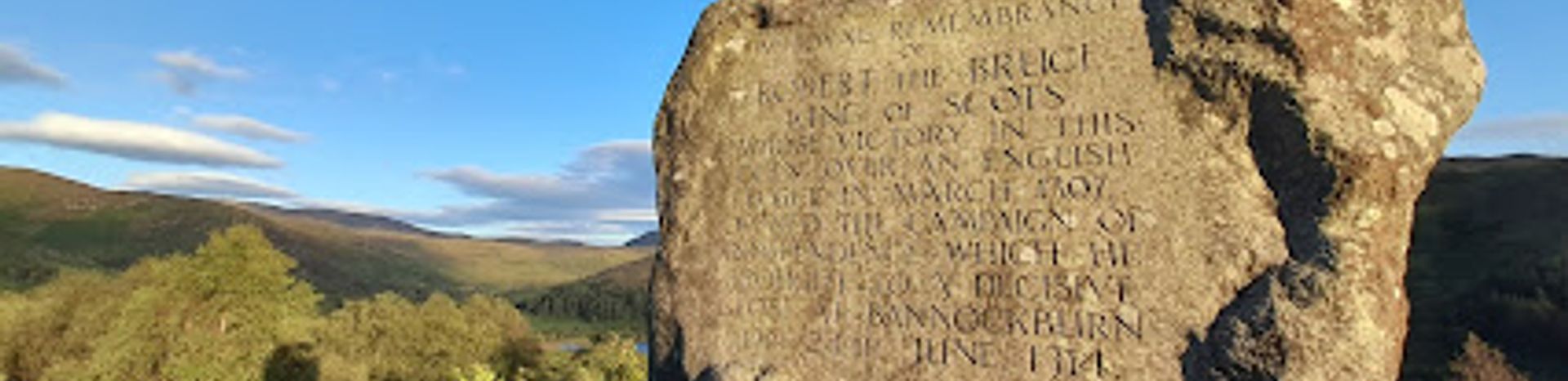
Bruce’s Stone at Loch Trool: A Historic Highland Landmark
Discover the historic site of Bruce’s Stone overlooking Loch Trool, where Scotland’s fight for independence echoes amid stunning natural beauty.
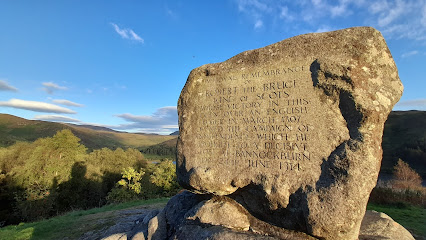
Bruce’s Stone, a massive granite boulder perched on a hill overlooking Loch Trool in Glentrool, Scotland, commemorates King Robert the Bruce’s first decisive victory during the Battle of Glen Trool in 1307. Set within the scenic Galloway Forest Park, this site offers visitors stunning views of the loch and surrounding hills, peaceful walking trails, and a deep connection to Scotland’s medieval history.
A brief summary to Bruce’s Stone
- Loch Trool, Newton Stewart, Glentrool, DG8 6SU, GB
- +443000676800
- Duration: 0.5 to 2 hours
- Free
-
 Outdoor
- Mobile reception: 3 out of 5
Local tips
- Visit during clear weather to fully appreciate the panoramic views and the Dark Sky Park’s stargazing opportunities.
- Wear sturdy footwear for walking, especially if exploring the Southern Upland Way or nearby hiking routes like Merrick.
- Bring a map and compass if you plan to hike Merrick, as the route is not waymarked and requires navigation skills.
- Allow time to explore the surrounding Galloway Forest Park, which offers additional trails, wildlife viewing, and peaceful picnic spots.
- Check local weather forecasts and dress in layers, as conditions can change rapidly in the Southern Uplands.

For the on-the-go comforts that matter to you
- Restrooms
- Seating Areas
- Information Boards
- Parking
Getting There
-
Car
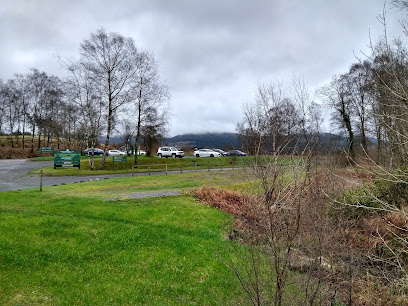
Driving from Newton Stewart to Bruce’s Stone takes approximately 20-25 minutes via the A714 and B729 roads. There is a dedicated car park near the site. Parking is free but limited, so arrive early during peak seasons. The roads are narrow and winding, requiring cautious driving.
-
Bus
Local bus services connect Newton Stewart to Glentrool village, about 4 miles from Bruce’s Stone. From Glentrool, a taxi or a 1-hour walk along minor roads and trails is needed to reach the site. Bus frequency is limited, so check schedules in advance.
-
Cycling
National Cycle Route 7 runs along the north shore of Loch Trool, passing close to Bruce’s Stone. Cyclists can enjoy quiet, traffic-free paths from Glentrool Visitor Centre. The terrain includes gentle hills; suitable for intermediate cyclists with proper equipment.
-
Walking
From Bruce’s Stone car park, a short, easy walk of about 5-10 minutes leads to the monument. The path is well-maintained and suitable for most fitness levels. For longer hikes, the Southern Upland Way along the loch’s southern shore offers scenic routes, but expect uneven terrain and variable weather.
Bruce’s Stone location weather suitability
-
 Any Weather
-
 Clear Skies
-
 Rain / Wet Weather
-
 Mild Temperatures
-
 Windy Conditions
-
 Cold Weather
Discover more about Bruce’s Stone
A Monument Steeped in Scottish History
Bruce’s Stone stands prominently on the northern shore of Loch Trool, marking the site of a pivotal moment in Scotland’s struggle for independence. In April 1307, Robert the Bruce led a small force of around 300 Scots in an ambush against a much larger English army near this loch. The Scots used the rugged terrain to their advantage, rolling boulders down steep slopes and attacking the surprised English soldiers, securing a swift and bloody victory that boosted Scottish morale during the Wars of Independence.Loch Trool’s Natural Beauty and Setting
Nestled in the heart of Galloway Forest Park, Loch Trool is a narrow freshwater loch surrounded by rolling hills and dense woodlands. The loch itself stretches about 2.4 kilometers in length and offers tranquil waters that reflect the surrounding landscape. The area is renowned for its dark night skies, making it part of the Galloway Forest Dark Sky Park, one of the best places in the UK for stargazing.Walking Trails and Outdoor Activities
Visitors to Bruce’s Stone can enjoy an easy stroll from the nearby car park to the monument, which provides panoramic views over Loch Trool and the hills beyond. The Southern Upland Way, Britain’s first coast-to-coast long-distance footpath, passes along the southern shore of the loch, offering more extensive hiking opportunities. Nearby, adventurous walkers can also tackle the challenging ascent of Merrick, the highest peak in the Southern Uplands.Commemorative Significance and Cultural Heritage
The stone itself is a large granite boulder set on a small mound, serving as a solemn reminder of Robert the Bruce’s leadership and Scotland’s fight for freedom. The peaceful surroundings contrast with the violent history commemorated here, inviting reflection on the sacrifices made during the battle. The nearby Martyrs’ Tomb and inscriptions by local authors add layers of cultural resonance to the site.Environmental and Astronomical Importance
Galloway Forest Park, encompassing Loch Trool and Bruce’s Stone, is designated a Dark Sky Park due to its exceptionally low light pollution. This makes it a prime location for astronomy enthusiasts and those seeking serene natural environments. The forest and loch support diverse wildlife habitats, contributing to the area’s ecological value.Visitor Experience and Practical Insights
Bruce’s Stone offers a blend of history, nature, and tranquility. The short walk to the monument is accessible for most visitors, with seating areas nearby to rest and take in the views. The site is open year-round and provides a peaceful escape into Scotland’s past and natural beauty. Nearby amenities include parking and information boards, enhancing the visitor experience.Iconic landmarks you can’t miss

Bruce’s Stone
0.0 km
Discover the historic site of Bruce’s Stone overlooking Loch Trool, where Scotland’s fight for independence echoes amid stunning natural beauty.
The Belted Galloway Visitor Centre
15.0 km
Experience local flavors at The Belted Galloway Visitor Centre, a charming restaurant in Newton Stewart surrounded by breathtaking natural beauty.
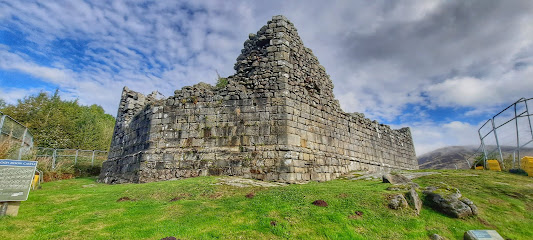
Original site of Loch Doon Castle
16.1 km
Discover the relocated medieval stronghold of Loch Doon Castle, a polygonal fortress with deep ties to Robert the Bruce and Scottish history.
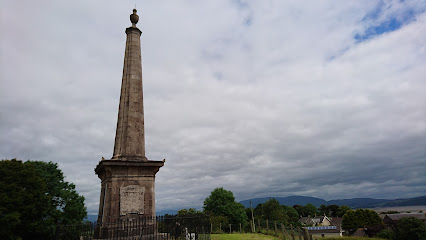
Martyr's Memorial
24.9 km
A solemn memorial at Wigtown Bay honoring two brave Covenanter women who faced execution for their faith in 1685.
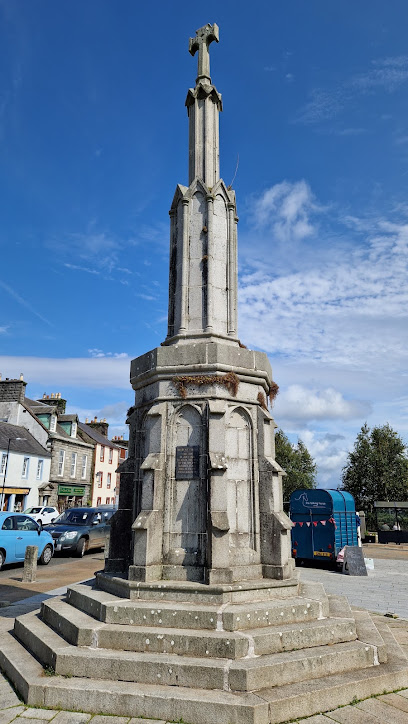
Mercat Cross
25.1 km
Historic Scottish market cross in Wigtown’s square, marking centuries of commerce and community life in this charming burgh.
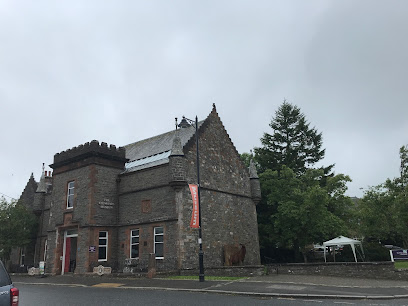
Stewartry Museum
39.7 km
Explore the captivating history of Kirkcudbright at Stewartry Museum, a charming local history museum filled with fascinating exhibits and local treasures.
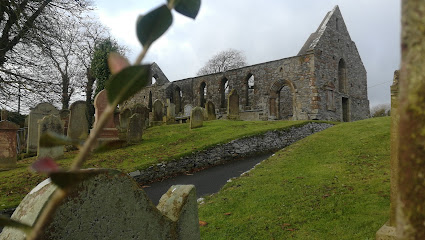
Whithorn Priory and Museum
40.1 km
Discover the ancient roots of Christianity in Scotland at Whithorn Priory and Museum, a captivating blend of history, architecture, and culture.
Greenan Castle
40.3 km
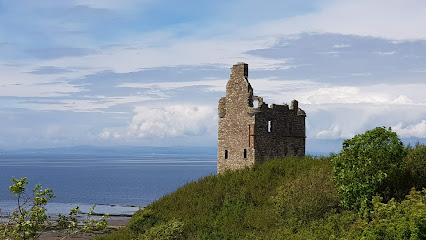
Discover the breathtaking ruins of Greenan Castle, where history meets stunning coastal views in the heart of Ayr, Scotland.
Castle of St. John
40.4 km
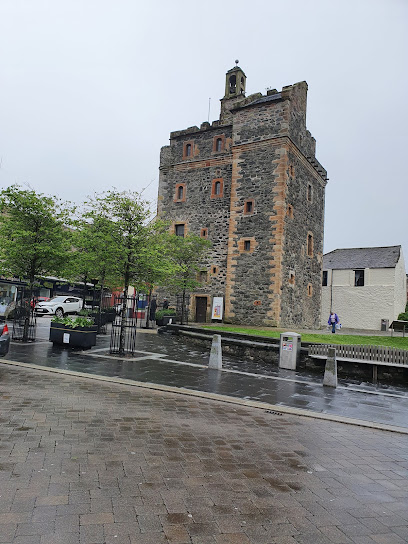
Explore the historic Castle of St. John in Stranraer, a fascinating tourist attraction revealing Scotland's rich military heritage and stunning coastal views.
Ayr Beach
41.4 km
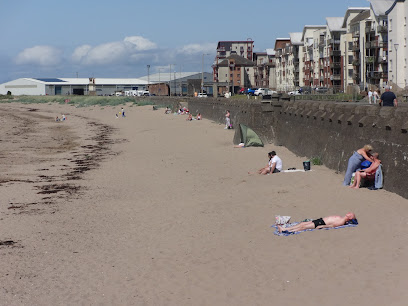
Discover Ayr Beach, a stunning coastal retreat in Scotland with golden sands, thrilling water sports, and picturesque views of the Firth of Clyde.
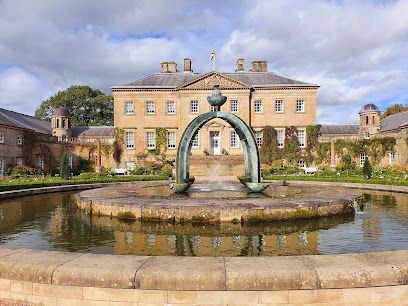
Dumfries House estate: Main Entrance
41.4 km
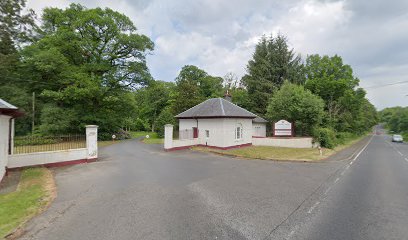
Explore the exquisite architecture and serene gardens of Dumfries House, a historical landmark steeped in Scottish heritage in Ayrshire.
Dumfries House
41.9 km
Explore the historical elegance of Dumfries House, a stunning 18th-century estate surrounded by beautiful gardens and rich Scottish heritage.
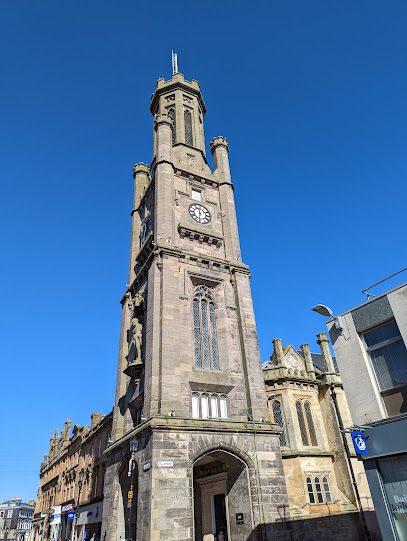
The Wallace Tower
42.1 km
A towering Neo-Gothic landmark in Ayr, blending rich history, local legend, and striking architecture on the town’s bustling High Street.
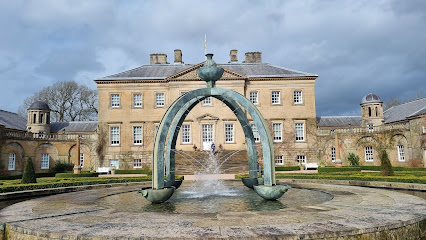
Queen Elizabeth Walled Garden, Dumfries House
42.2 km
Explore the breathtaking Queen Elizabeth Walled Garden at Dumfries House, a serene oasis showcasing stunning flora and tranquil beauty in the heart of Scotland.
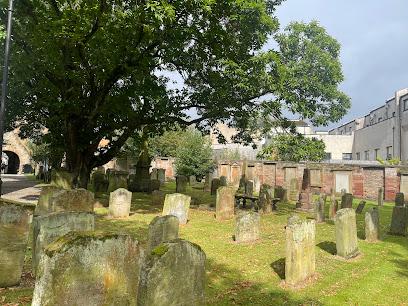
Auld Kirk Of Ayr
42.2 km
Discover the Auld Kirk of Ayr, a historical church showcasing stunning architecture and a rich tapestry of Scottish culture and heritage.
Unmissable attractions to see

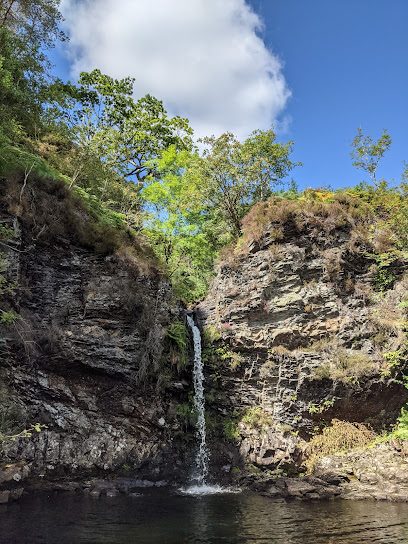
Rosie's Waterfall
10.7 km
Discover the serene beauty and refreshing waters of Rosie's Waterfall, a tranquil retreat nestled in Scotland's Galloway Forest Park.
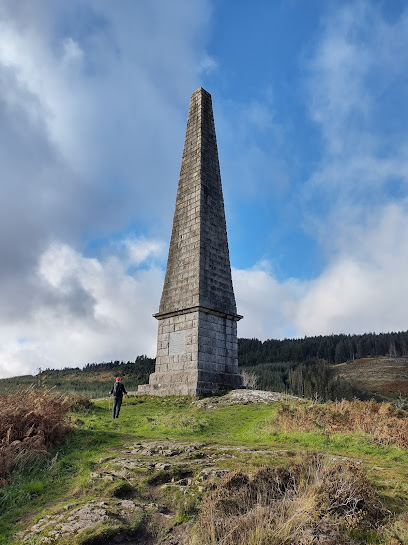
Murray's Monument
11.1 km
A striking granite obelisk in Galloway Forest Park honoring Alexander Murray, a shepherd boy turned esteemed linguist and professor.
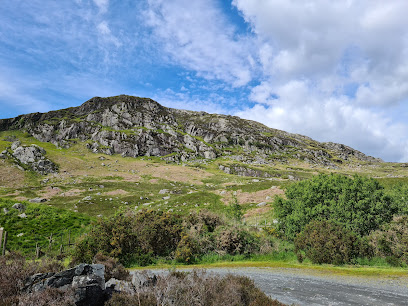
Wild Goat Park
11.6 km
Discover the charm of British Primitive goats roaming freely in the scenic hills of Galloway Forest Park near Newton Stewart.
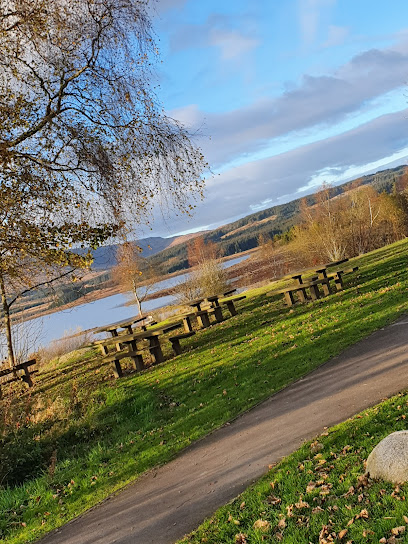
Red Deer Range
12.6 km
Watch majestic red deer roam wild, then gaze at stars in one of Earth's darkest skies.
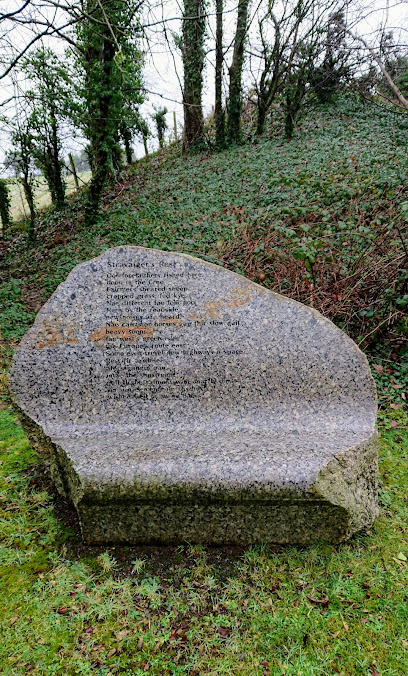
Stravaiger's Rest
15.6 km
A tranquil riverside stone seat in Newton Stewart, where poetry and nature unite to celebrate local heritage and invite peaceful reflection.
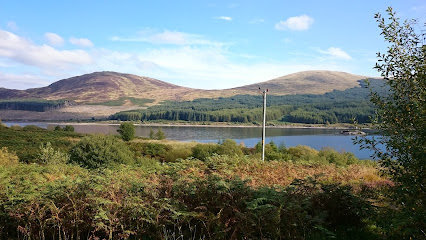
Kirroughtree Visitor Centre
15.9 km
Explore Galloway’s forest trails, wildlife, and starry skies from Kirroughtree Visitor Centre, your gateway to adventure and nature.
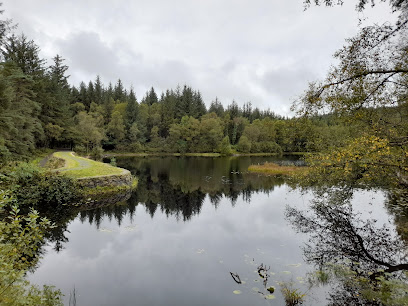
Loch Doon Castle
16.2 km
Explore the unique 13th-century Loch Doon Castle, a relocated island fortress steeped in Bruce-era history and set amidst Ayrshire’s stunning loch and dark skies.
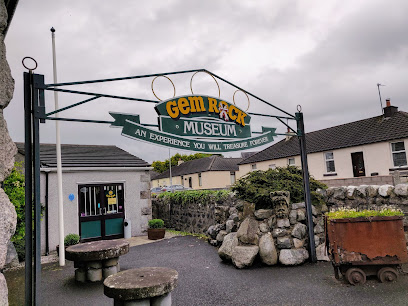
Gem Rock Museum
22.2 km
Discover one of Great Britain's finest private collections of gemstones, minerals, and fossils in an interactive, family-friendly museum in scenic Creetown.
Kenmure Castle
22.2 km
Explore the evocative ruins of Kenmure Castle, a medieval stronghold rich in royal history and haunting legends in the heart of Galloway.
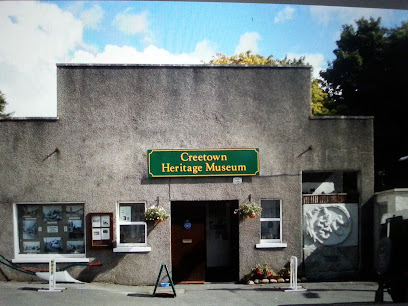
Creetown Heritage Museum
22.5 km
Discover Creetown’s rich heritage and natural wonders through immersive exhibits and unique local stories at the Creetown Heritage Museum.
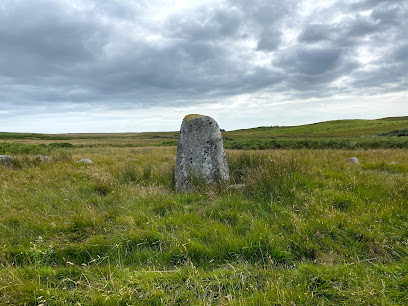
Glenquicken Stone Circle
24.0 km
Explore the serene and ancient Glenquicken Stone Circle, a captivating Neolithic monument with a towering central pillar on Scotland’s Cambret Moor.
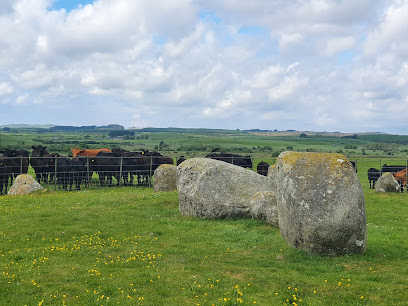
Torhouse Stone Circle
24.1 km
Step back 4,000 years to explore one of Scotland’s best-preserved Bronze Age stone circles, set in the tranquil Bladnoch Valley.
Dalcairney Falls
24.4 km
Discover the tranquil beauty and seasonal magic of Dalcairney Falls, Ayrshire’s hidden waterfall gem nestled in serene woodland.
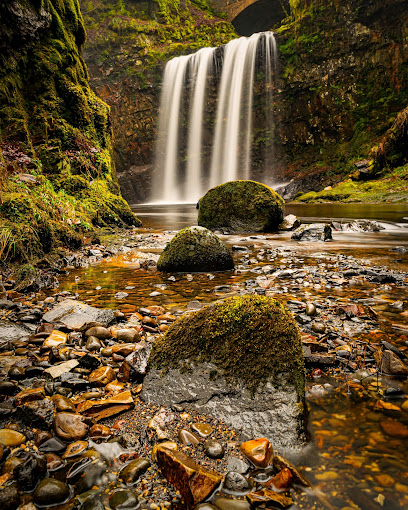
At The Sign Of The Dragon
24.7 km
Discover a cozy haven of sci-fi and fantasy treasures with warm tales and a welcoming atmosphere in the heart of Wigtown.
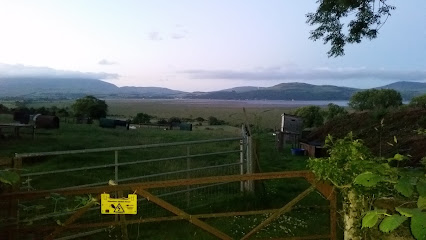
Martyr's Stake
24.8 km
A solemn monument marking the site where two brave Covenanter women were drowned for their faith in 1685, embodying Scotland’s turbulent religious history.
Essential places to dine

The Cree Inn
14.6 km
Warm Scottish hospitality, quality food, and genuine welcome in a charming Creebridge pub.
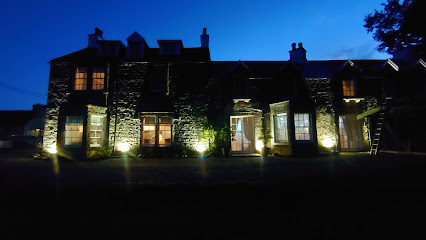
The Riverbank Restaurant
15.1 km
A bright and friendly café in Newton Stewart serving fresh, well-crafted meals and home-baked delights in a welcoming atmosphere.
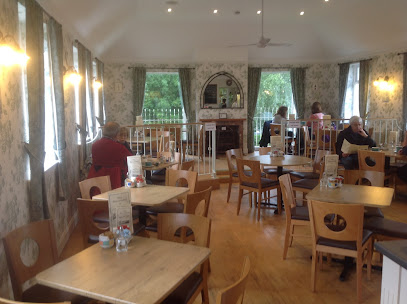
The Crown Hotel
15.4 km
Traditional Scottish inn with modern comfort, quality dining, and warm hospitality in Galloway's market town.
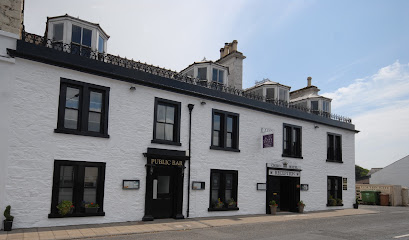
The Clachan Inn
20.3 km
A cozy traditional Scottish pub and inn offering exceptional food, warm hospitality, and a charming rustic atmosphere in Castle Douglas.
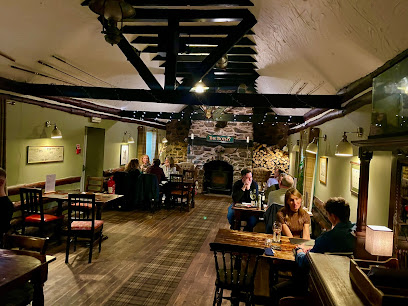
Lairds Inn
23.5 km
Historic charm meets hearty local fare with stunning river views and warm fires at The Lairds Inn in Newton Stewart.
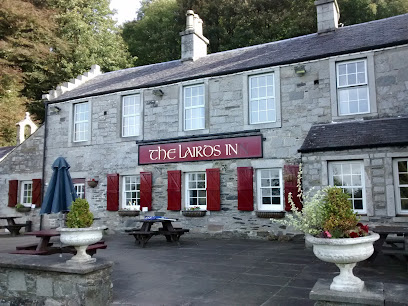
Cobwebs
25.1 km
Cobwebs is a cozy, family-run restaurant in Wigtown’s Book Town offering diverse British and Scottish dishes with inclusive menus and a welcoming vibe.
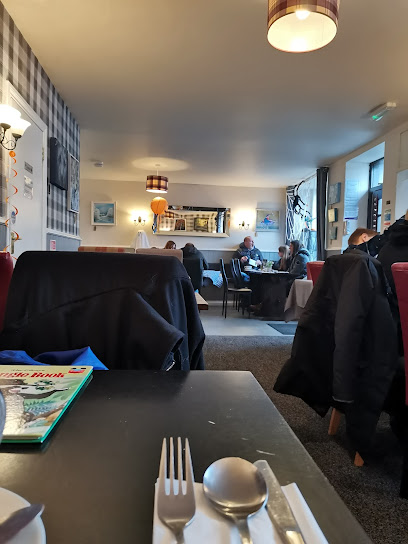
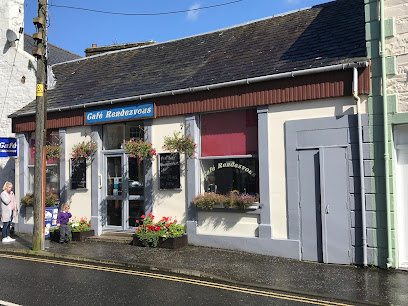
Cafe Rendezvous
25.1 km
Cozy cafe in Wigtown offering fresh, gluten-free delights and a warm atmosphere in the heart of Scotland’s National Book Town.
No.1 Fleet Street@The Ship Inn
30.2 km
Historic charm meets modern comfort at The Ship Inn, a cozy culinary and lodging gem in scenic Gatehouse of Fleet.
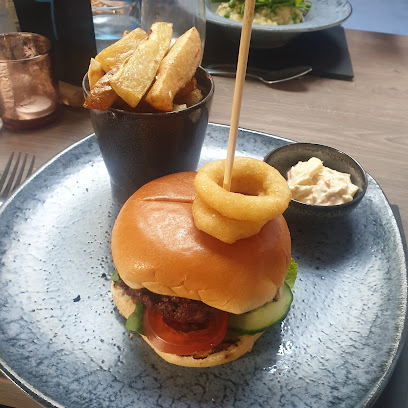
The Ship Inn
30.2 km
Historic charm meets modern comfort and culinary excellence at The Ship Inn in the heart of Gatehouse of Fleet.

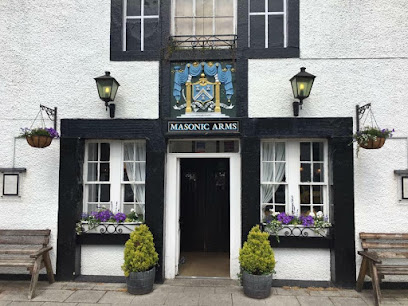
Masonic Arms
30.3 km
A welcoming gastropub in Gatehouse of Fleet offering excellent food, cozy ambiance, and comfortable accommodations in scenic Dumfries and Galloway.
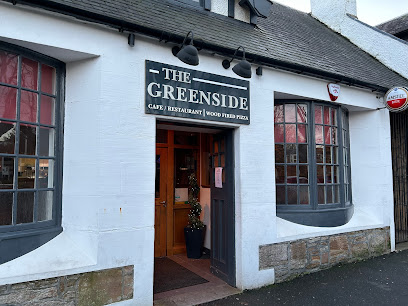
The Greenside Restaurant
31.8 km
A welcoming Maybole eatery offering generous portions, diverse menu, and friendly service in a cozy, clean setting.
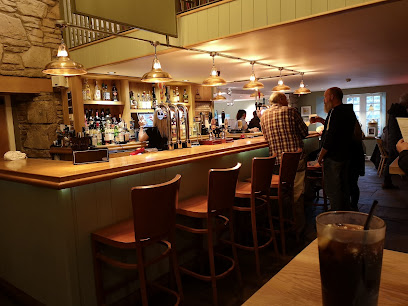
Souters Inn
32.3 km
Historic Burns schoolhouse turned award-winning restaurant, blending Scottish heritage with contemporary culinary excellence.
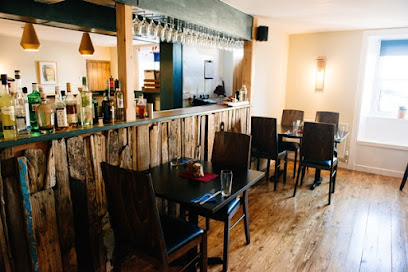
The Pheasant
33.5 km
Experience authentic Italian flavors with a modern twist in the welcoming countryside setting of Sorbie’s acclaimed The Pheasant.
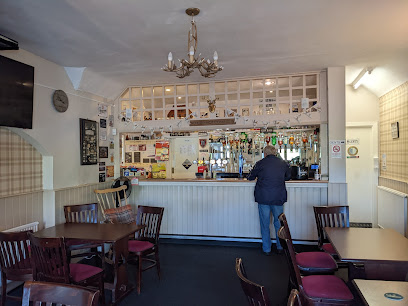
Cock Inn
33.7 km
Cozy coastal pub with classic Scottish dishes, friendly service, and stunning views over Luce Bay near Newton Stewart.
The Harbour Inn
34.5 km
Discover The Harbour Inn in Garlieston: A charming pub offering delicious local cuisine and breathtaking coastal views.
Markets, malls and hidden boutiques

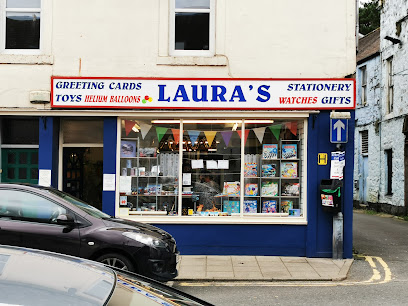
Laura's
14.8 km
Discover authentic Scottish souvenirs and handcrafted treasures at Laura's, a charming gift shop in the heart of Newton Stewart.
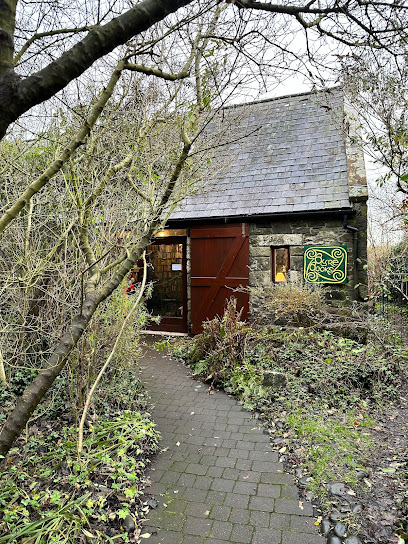
The Celtic Knot
14.8 km
Discover unique Scottish clothing and artisan accessories in a warm, welcoming boutique at the heart of Newton Stewart.

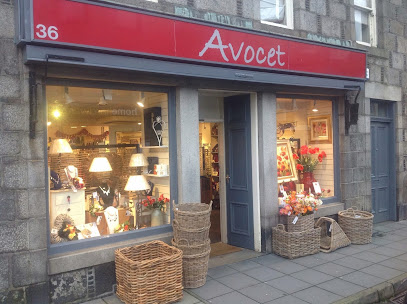
Avocet
14.8 km
Discover unique gifts, candles, garden furniture, and stylish ladies' clothing in a welcoming shop at Newton Stewart’s vibrant Victoria Street.
Idlehour Gifts
14.9 km
Explore Idlehour Gifts in Newton Stewart: Your destination for unique, locally crafted treasures that capture the essence of Scotland.
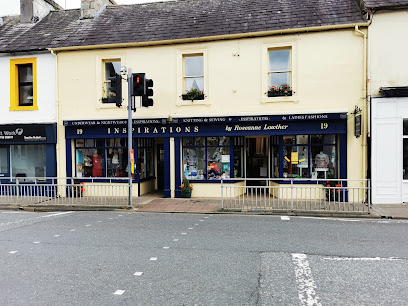
Inspirations
14.9 km
Discover unique sewing and knitting treasures at Inspirations, Newton Stewart’s welcoming hub for craft lovers and fashion enthusiasts alike.
Cunningham Stewart R
14.9 km
Your trusted outfitter for outdoor clothing and equipment in Newton Stewart, serving adventurers exploring the Galloway Hills and beyond.
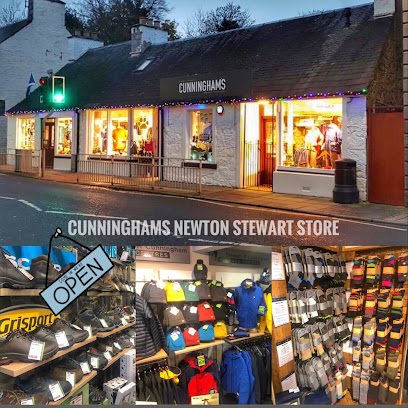
D & W Countryways
15.1 km
Discover premium outdoor clothing and equipment at D & W Countryways in Wigtown, your gateway to exploring Scotland's stunning landscapes.
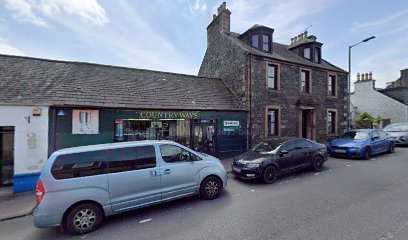
Beltie Books & Cafe
25.0 km
A cozy bookshop cafe in Wigtown blending local charm, great reads, and homemade treats in a bright, welcoming setting.
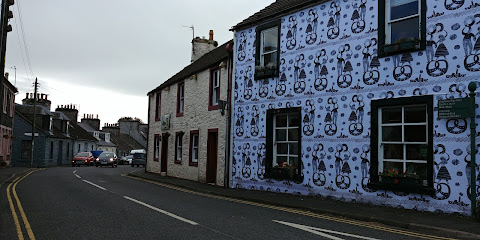
Farm Shop
25.0 km
Wigtown's authentic farm shop celebrating local producers and seasonal Scottish fare.
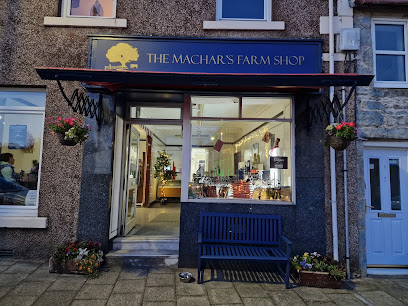
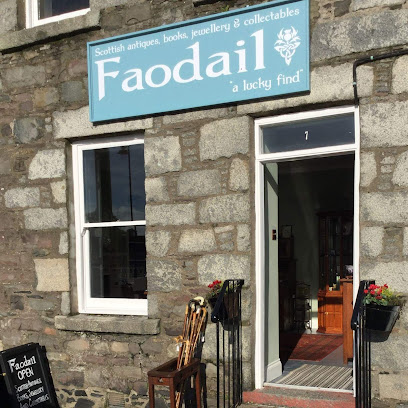
Faodail
25.0 km
Discover unique antiques, vintage jewellery, and rare Scottish books in the heart of Wigtown’s charming National Book Town.
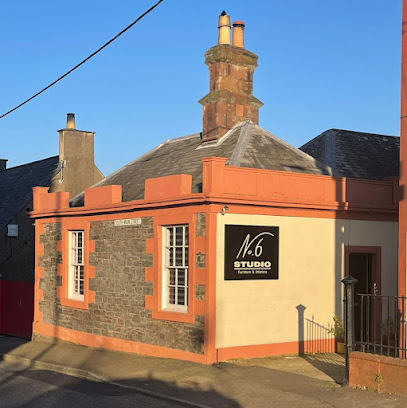
No6 Studio Wigtown
25.0 km
Discover unique second-hand furniture and local craftsmanship in the heart of Wigtown’s charming South Main Street.
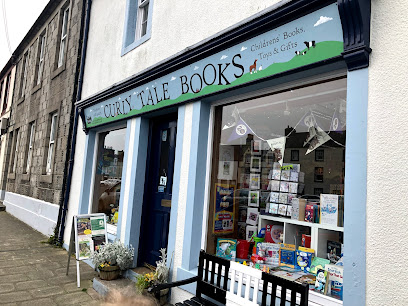
Foggie Toddle Books
25.0 km
Scotland's children's bookshop and publisher celebrating Scottish stories, rare finds, and literary community in Wigtown's Book Town.
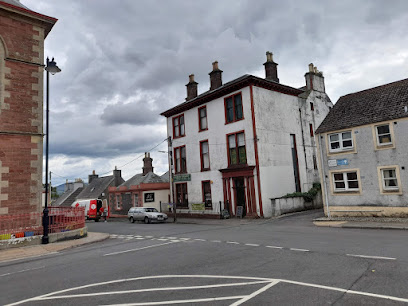
The Old Bank Bookshop
25.0 km
Discover six rooms of second-hand treasures and sheet music in the heart of Scotland’s National Book Town, welcoming all book lovers with warmth and charm.
Byre Books
25.1 km
Specialist secondhand bookshop in Wigtown offering rich collections in folklore, Scottish culture, theatre, and archaeology.
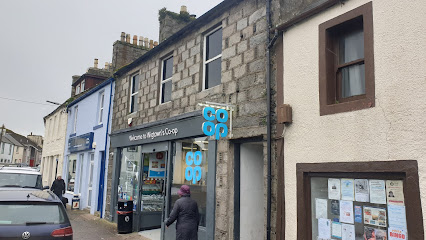
Co-op Food - Wigtown
25.1 km
Discover local flavors and essentials at Co-op Food in Wigtown, your perfect stop for convenience while exploring Scotland's book town.
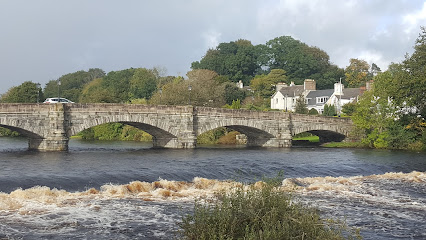
Essential bars & hidden hideouts

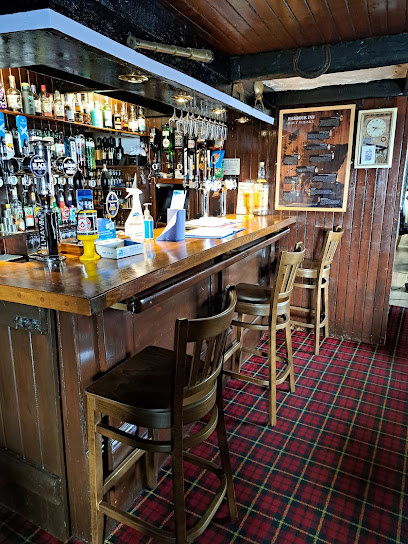
Galloway Arms Hotel
14.8 km
A traditional Scottish inn in Newton Stewart offering hearty local dishes, fine whiskies, and a warm, welcoming atmosphere steeped in regional charm.
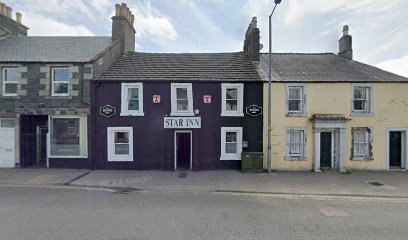
Star Inn
15.1 km
A friendly local bar in Newton Stewart serving hearty pub food with fresh local ingredients in a warm, lively atmosphere.
Blackhorse Hotel
15.3 km
Cozy 3-star hotel in Newton Stewart with modern rooms, a lively bar, and friendly local charm in Dumfries and Galloway.
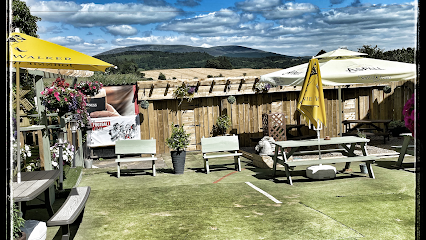
The Galloway Bar
25.1 km
A lively, dog-friendly sports pub in Wigtown offering darts, pool, and live BT & Sky Sports in a welcoming atmosphere.

The Bladnoch Inn
26.0 km
Cozy Scottish countryside inn offering warm hospitality, hearty pub fare, and comfortable stays near Newton Stewart.
Flix Theme Bar
29.0 km
A vibrant bar and nightclub in Girvan offering lively nights, diverse drinks, and versatile event spaces on Bridge Street.
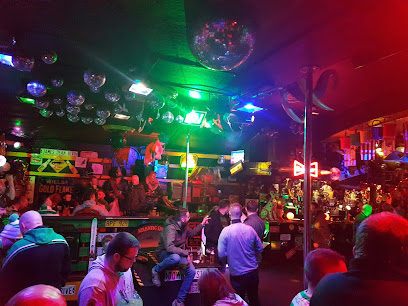
Hollybush Inn
34.9 km
A cozy Ayrshire countryside inn offering modern comfort, hearty food, and a warm, friendly atmosphere for relaxed dining and socializing.
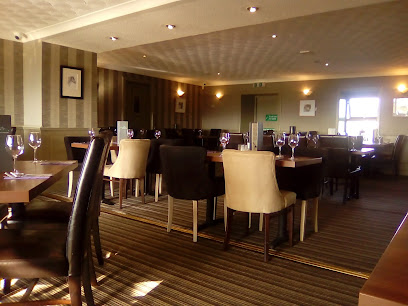
Montys Bar
39.0 km
A lively sports bar in Castle Douglas offering great drinks, casual dining, and a welcoming atmosphere with indoor and outdoor spaces.
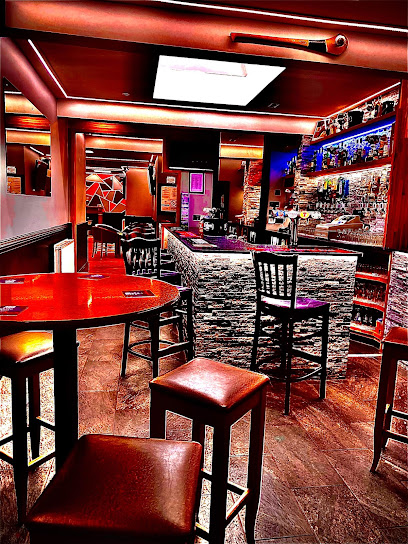
Railway Inn whithorn ltd
39.9 km
Cozy Scottish pub and inn with hearty homemade meals, warm hospitality, and comfortable rooms in the scenic Dumfries & Galloway countryside.
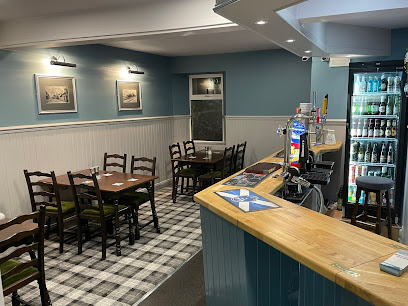
Stranraer F C Fitba Bar
40.4 km
A vibrant sports bar and community hub in Stranraer, blending football passion with live entertainment and friendly local spirit.
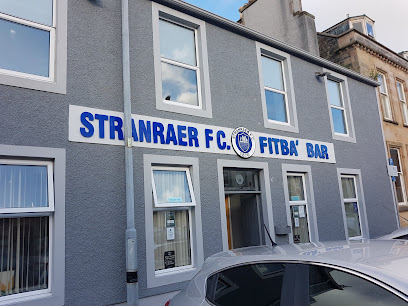
The Meeting Place
40.4 km
A welcoming cocktail bar in Stranraer with expertly crafted drinks, modern mood lighting, and a friendly, pet-inclusive atmosphere.

The Grapes
40.4 km
Experience authentic Scottish pub culture in the heart of Stranraer at The Grapes, a welcoming and timeless local favorite.
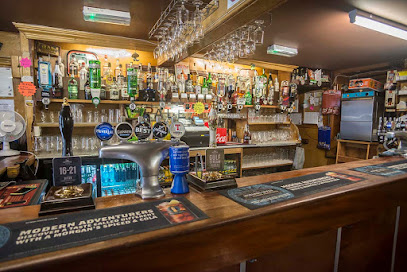
The Chase Inn
40.8 km
A cozy Ayr pub offering friendly service, local ales, hearty meals, and lively entertainment in a welcoming community setting.
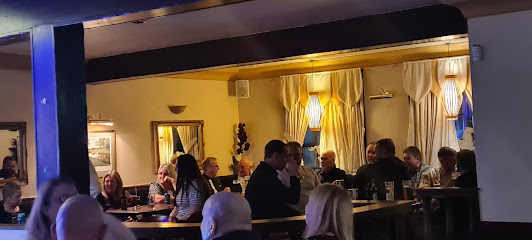
The Market Inn
41.6 km
A warm, traditional Scottish pub in Ayr offering lively football viewing, live music, and a welcoming atmosphere for locals and visitors alike.
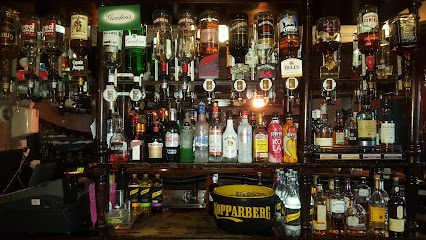
The Growler Taphouse & Kitchen
41.7 km
A lively bar and grill in Ayr offering exceptional craft beers, grilled delights, and a welcoming dog-friendly atmosphere.
Nightclubs & after hour spots

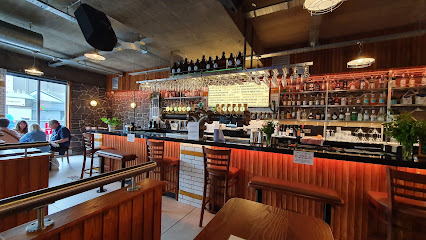
Venue38
42.1 km
Discover the heart of live music at Venue38 in Ayr, where unforgettable performances and a vibrant atmosphere await every music lover.

Printhouse Ayr
42.2 km
Experience Ayrshire’s vibrant nightlife and live music scene at Printhouse Ayr, where music and atmosphere unite for unforgettable nights.
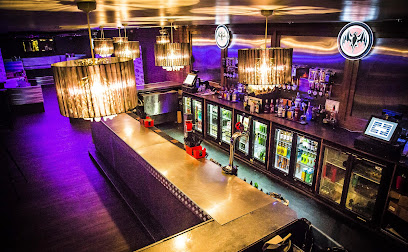
Notion Ayr
42.2 km
Discover the vibrant nightlife at Notion Ayr, an exceptional events venue in the heart of Ayr, perfect for unforgettable social experiences.

Ayr Ex-Services Club
42.5 km
A friendly and lively social club in Ayrshire offering great music, community spirit, and vibrant weekend nights.
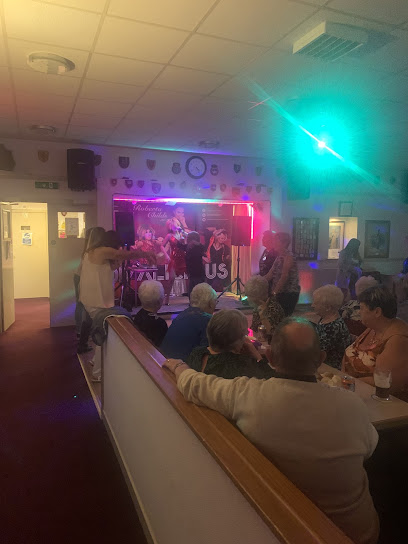
Railway Social Club
56.1 km
A friendly, community-focused social club in Dumfries offering affordable drinks, lively events, and a welcoming atmosphere near the town centre.

The Club
57.6 km
A vibrant nightlife hotspot in the heart of Kilmarnock, offering lively music and a welcoming atmosphere for locals and visitors.
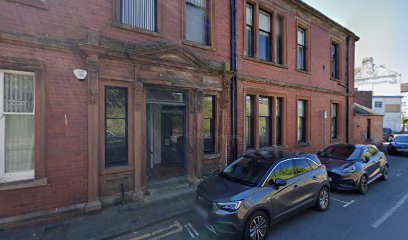
The Five Arches
58.0 km
Experience the charm of The Five Arches pub in Dumfries - a cozy spot for local brews and delightful fare.
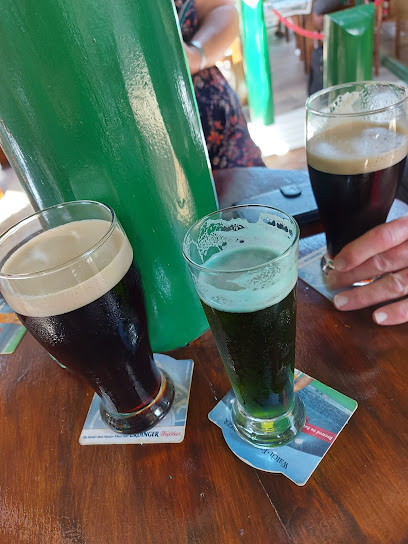
The Shurig
58.4 km
Experience the charm and flavor of The Shurig in Whiting Bay, Isle of Arran, where exquisite grilled dishes meet stunning island views.
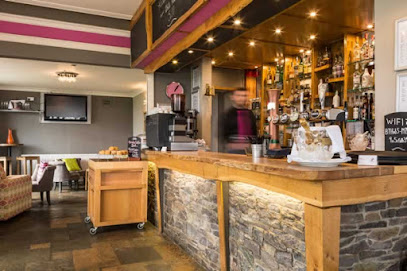
Pitchers Bar and Nightclub
59.3 km
A vibrant and inclusive nightclub in Irvine’s heart, offering lively music, dancing, and a welcoming atmosphere until the early hours.

The Lagg Inn 1791
61.7 km
Experience the historic charm and warm hospitality of The Lagg Inn 1791, a perfect retreat on the stunning Isle of Arran.
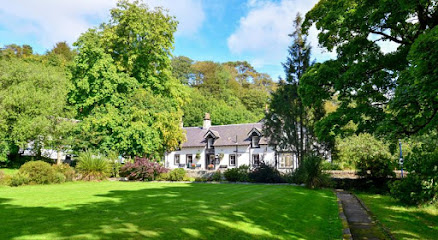
The Box Night Club
63.1 km
Discover Saltcoats' nightlife at The Box Night Club, where vibrant music and a welcoming atmosphere create unforgettable nights out.
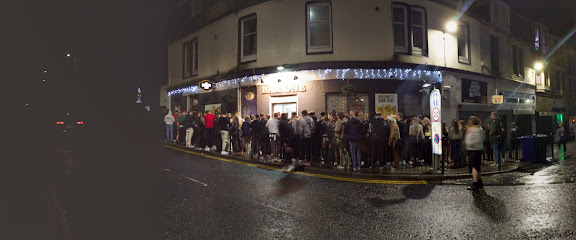
Pierhead Tavern
63.8 km
Discover the warmth and flavors of the Isle of Arran at Pierhead Tavern, a cozy pub and restaurant in Lamlash offering stunning views and local cuisine.
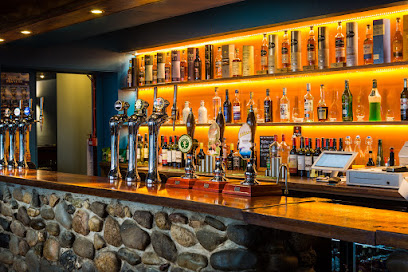
Drift Inn
63.9 km
Discover Drift Inn on the Isle of Arran: a cozy restaurant with a stunning beer garden and delightful local cuisine.
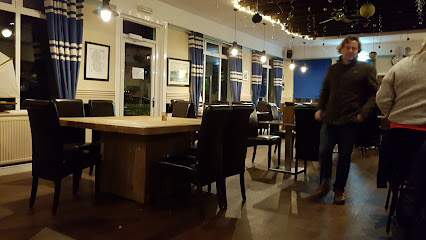
Duncan's On The Green
64.5 km
Experience the charm of Duncan's On The Green, where stunning views and local flavors combine for an unforgettable bar experience on the Isle of Arran.
Edgewater
68.4 km
Experience the essence of Scottish hospitality at Edgewater, a cozy pub in Brodick offering local beers, whiskies, and stunning coastal views.
For the vibe & atmosphere seeker
- Tranquil
- Scenic
- Relaxing
- Unique
For the design and aesthetic lover
- Rustic Designs
For the architecture buff
- Historic
- Landmarks
- Parks & Gardens
For the view chaser and sunset hunter
- Iconic Views
- Panoramas
- Sunset Spots
- Stargazing
For the social media creator & influencer
- Instagrammable
- Photo Spots
- Selfie Spots
- Aesthetic Corners
For the eco-conscious traveler
- Eco-Friendly
- Protected Area
- Nature Reserve
- Public-Transport Accessible
- Leave-No-Trace Critical
- Locally Managed
For the kind of experience you’re after
- Cultural Heritage
- Nature Escape
- Photowalk
- Day Trip
- Weekend Getaway
- Myth & Legends
- Spiritual / Energy Spot
For how adventurous you want the journey to be
- Easy Access
Location Audience
- Family Friendly
- Senior Friendly
- Child Friendly
- Teen Friendly
- Wheelchair Access
- Pet Friendly
- Solo Friendly
- Couple Friendly
- Solo Female Friendly


