
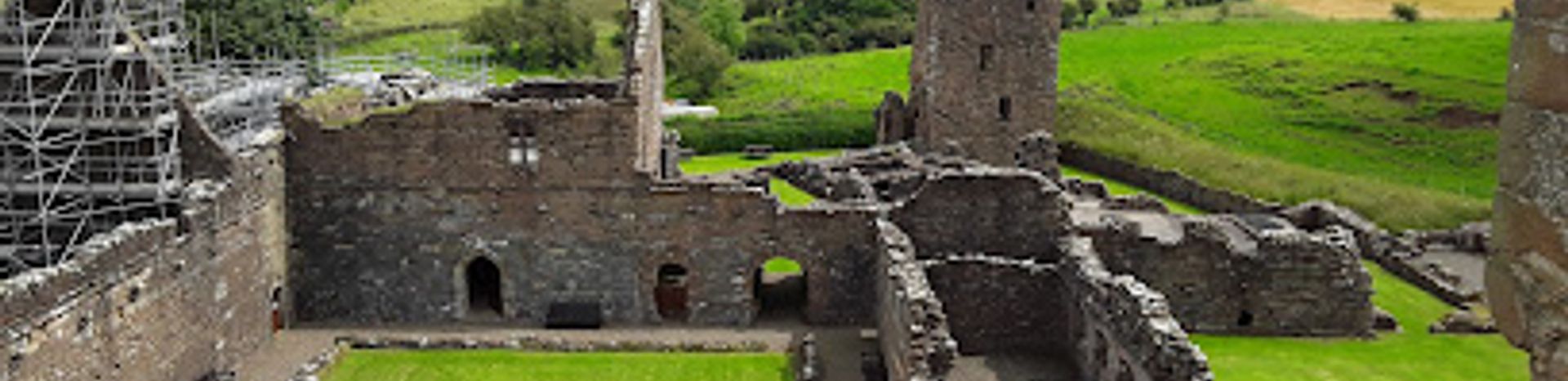
Crossraguel Abbey: A Majestic Cluniac Monastery Ruin in Ayrshire
Explore the remarkably complete ruins of Crossraguel Abbey, a medieval Cluniac monastery steeped in Scottish history and scenic Ayrshire charm.
Crossraguel Abbey, located near Maybole in Ayrshire, Scotland, is one of the most complete medieval monastic ruins in the country. Founded in 1244 by the Earl of Carrick as a daughter house of Paisley Abbey, it features a well-preserved gatehouse, cloisters, nave, chapter house, and dovecot. The abbey showcases fine 15th-century architectural details and offers a vivid glimpse into monastic life before the Reformation ended its religious function in the 16th century.
A brief summary to Crossraguel Abbey(Abaid Crossraguel
- Maybole, KA19 8HQ, GB
- +441655883113
- Visit website
- Duration: 1 to 2.5 hours
- Mid ranged
-
 Outdoor
- Mobile reception: 4 out of 5
- Thursday 10 am-4 pm
- Friday 10 am-4 pm
- Saturday 10 am-4 pm
- Sunday 10 am-4 pm
Local tips
- Climb the gatehouse tower for panoramic views of the abbey and surrounding countryside.
- Visit the chapter house to see the original monks’ benches and the ornate abbot’s seat.
- Take time to explore the cloisters quietly, reflecting the monks’ daily life and contemplation.
- Check the opening hours in advance, as the abbey is closed on Mondays and Tuesdays.
- Wear sturdy footwear as some areas have uneven surfaces and narrow staircases.

For the on-the-go comforts that matter to you
- Restrooms
- Food Options
- Seating Areas
- Trash Bins
- Information Boards
- Visitor Center
Getting There
-
Car
Driving from Ayr town center takes approximately 25 to 35 minutes via the A77 and A714 roads. Parking is available at the site’s east entrance. Note that some rural roads may be narrow, and parking spaces are limited during peak season. No parking fees apply.
-
Bus
Local bus services run from Ayr to Maybole, with journey times around 40 to 50 minutes. From Maybole, taxis or a 30-minute walk on country roads lead to the abbey. Bus frequency varies, so check schedules in advance. Tickets cost approximately £4 to £6 one way.
-
Walking
For active visitors, a scenic 30- to 40-minute walk from Maybole offers a pleasant route through Ayrshire countryside. The terrain is mostly flat but includes some uneven paths. Suitable for visitors with moderate mobility and sturdy footwear.
Crossraguel Abbey(Abaid Crossraguel location weather suitability
-
 Any Weather
-
 Rain / Wet Weather
-
 Clear Skies
-
 Mild Temperatures
-
 Windy Conditions
Discover more about Crossraguel Abbey(Abaid Crossraguel
Origins and Foundation of Crossraguel Abbey
Crossraguel Abbey’s story begins in the early 13th century, around 1215, when the Earl of Carrick granted lands to Paisley Abbey on the condition that a daughter house be established at Crossraguel. The abbey was officially founded in 1244 by Donnchadh, Earl of Carrick, as a Cluniac monastery. Its name derives from the Cross of Riaghail, an early Christian cross that once stood nearby. Initially, Paisley Abbey built only a small chapel here, but a dispute resolved by the Episcopal Court in Glasgow mandated the establishment of a full monastery. Over the following centuries, the abbey expanded its lands and influence, with King Robert III granting the abbot delegated authority across much of Ayrshire by 1404.Architectural Highlights and Monastic Life
The abbey’s architecture reflects its growth and rebuilding after damage sustained during the Wars of Independence in the early 1300s. The south wall of the nave dates to the 1200s, while much of the rest of the church was rebuilt in the late 1300s and 1400s. Visitors can explore the imposing gatehouse built around 1530 by Abbot William Kennedy, which offers panoramic views of the site. The cloisters, chapter house with its simple monks’ benches and ornate abbot’s seat, and the dovecot remain remarkably intact. The abbey also features a tower house residence built by Abbot Kennedy, reflecting his elevated status.Historical Turmoil and Decline
Crossraguel Abbey’s history is marked by conflict and change. During the Wars of Independence, its loyalty to Robert the Bruce led to severe damage. The Reformation in 1560 brought an end to its religious community, with the last abbot dying in 1564. The abbey’s lands and revenues were transferred to secular hands, notably the Earl of Cassilis, under contentious circumstances involving coercion. Since then, the abbey has remained a ruin but stands as a testament to Scotland’s medieval ecclesiastical heritage.Visitor Experience and Setting
Today, Crossraguel Abbey is a captivating historic site set amidst the scenic Ayrshire countryside. The grounds are accessible, with the gatehouse, cloisters, nave, and visitor shop open to the public. The site’s tranquil atmosphere invites quiet contemplation, echoing the monastic life once led here. The abbey’s completeness allows visitors to immerse themselves in medieval spiritual and daily routines, from the monks’ church services to the domestic cloister life. The surrounding landscape offers peaceful views that enhance the sense of stepping back in time.Architectural and Cultural Significance
Crossraguel Abbey is notable for being one of Scotland’s most complete monastic ruins, preserving key elements such as the church, cloister, chapter house, and dovecot. Its architectural details from the 15th century highlight the skill and artistry of the medieval builders. The abbey’s history intertwines with significant Scottish events, including the Wars of Independence and the Reformation, making it a cultural landmark that reflects the religious and political shifts of the era.Preservation and Accessibility
Managed by Historic Environment Scotland, Crossraguel Abbey is maintained as a protected historic site. While some areas like the sacristy entrance and gatehouse stairs are unsuitable for visitors with limited mobility, most of the grounds are wheelchair accessible. Facilities include restrooms and a visitor shop. The site occasionally closes for maintenance or weather-related reasons, so checking ahead is advised. Pets are welcome, and the abbey provides a peaceful setting for history enthusiasts and casual visitors alike.Iconic landmarks you can’t miss

Ayr Citadel
14.9 km
Explore Ayr Citadel, a 17th-century hexagonal fortress by the sea, rich in history and coastal charm.
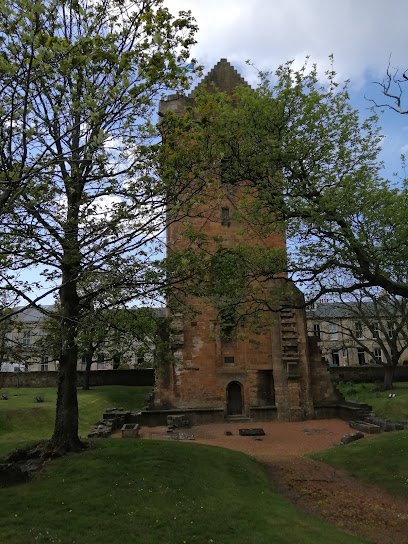
Wallace's Monument, Ayrshire “Burnweil”
24.8 km
A proud Ayrshire landmark honoring William Wallace, Scotland’s legendary hero of independence and bravery.
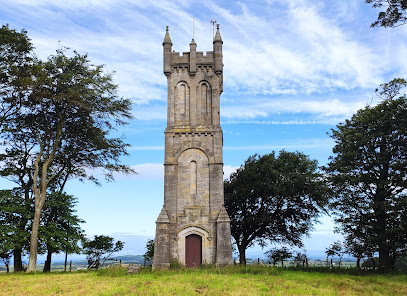
Original site of Loch Doon Castle
25.2 km
Discover the relocated medieval stronghold of Loch Doon Castle, a polygonal fortress with deep ties to Robert the Bruce and Scottish history.
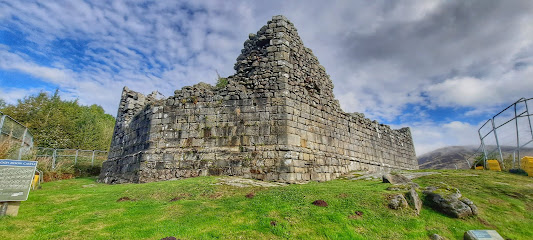
Kingscross Viking Fort
29.5 km
Discover the ancient Viking fort and burial mound at Kingscross Point, where history meets breathtaking coastal vistas on the Isle of Arran.
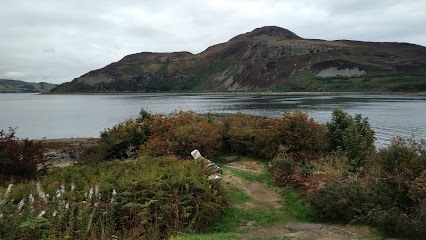
Trinity Church (Former)
30.7 km
A majestic Gothic Revival landmark showcasing Victorian ecclesiastical architecture and Irvine’s rich religious heritage.
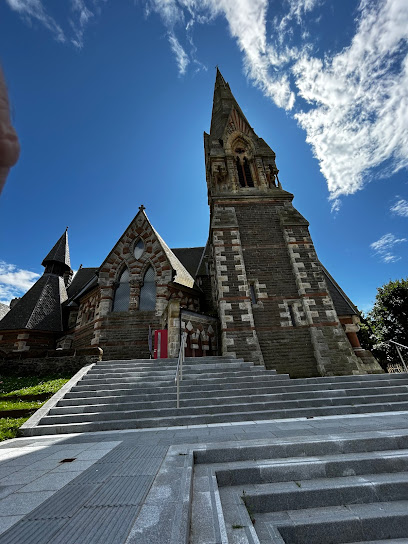
Bruce’s Stone
31.3 km
Discover the historic site of Bruce’s Stone overlooking Loch Trool, where Scotland’s fight for independence echoes amid stunning natural beauty.
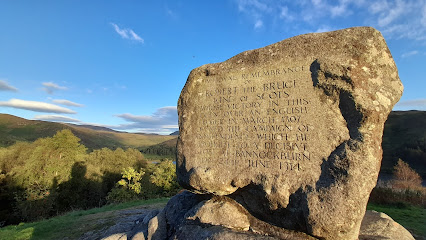
Wee Al's Bench
33.4 km
Breathtaking coastal vantage point where Arran's natural beauty meets centuries of island heritage.
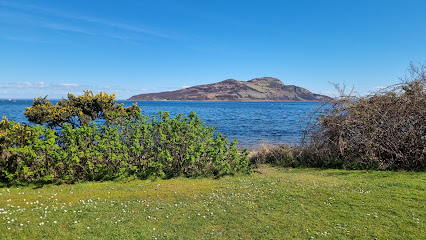
Lamlash Stone Circle
35.8 km
Ancient Neolithic gathering place where stone and sky converge on Arran's moorland.
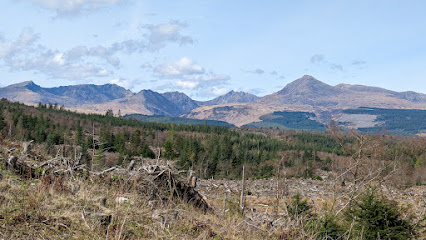
VisitScotland Brodick iCentre
37.3 km
Explore Arran's stunning landscapes and rich heritage from the VisitScotland Brodick iCentre, your gateway to unforgettable adventures on the Isle of Arran.
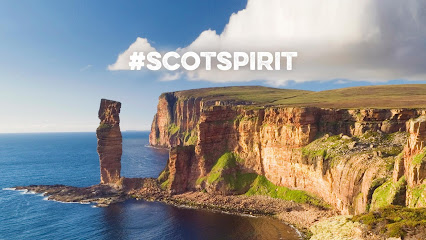
The Museum of Ayrshire Country Life and Costume
37.5 km
Explore the rich heritage of Ayrshire at the Museum of Country Life and Costume, where history, culture, and community come together.
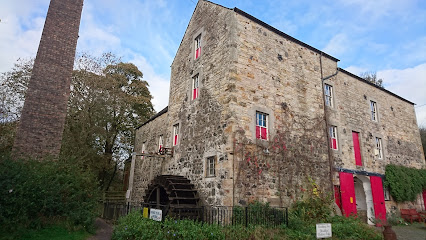
Arran Heritage Museum
38.9 km
Explore the Isle of Arran's history and culture at Arran Heritage Museum, a captivating destination for all ages.
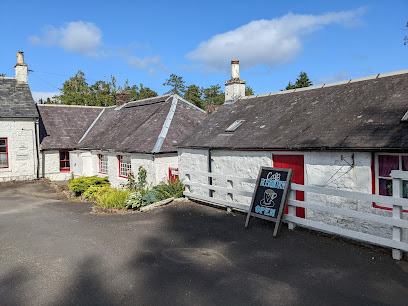
Brodick Castle, Garden and Country Park
39.2 km
Explore the historical splendor of Brodick Castle, surrounded by enchanting gardens and breathtaking landscapes on the Isle of Arran.
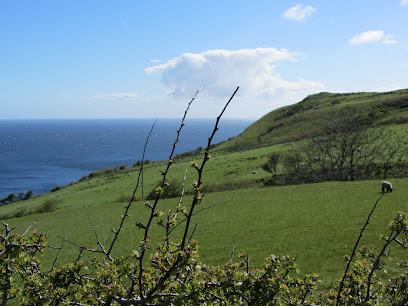
Rosie's Waterfall
41.7 km
Experience tranquility at Rosie's Waterfall, a serene natural attraction in Newton Stewart, showcasing Scotland's stunning landscapes and vibrant wildlife.
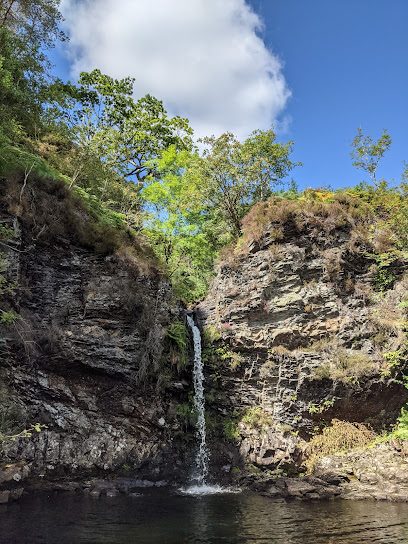
Portencross Castle
41.7 km
Explore the rich history and stunning views of Portencross Castle, a captivating historical landmark on Scotland's picturesque Ayrshire coast.
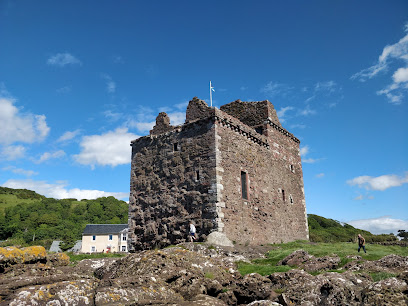
Murray's Monument
42.2 km
Explore Murray's Monument in Newton Stewart, a breathtaking tribute surrounded by nature, perfect for hiking and enjoying stunning views.
Unmissable attractions to see

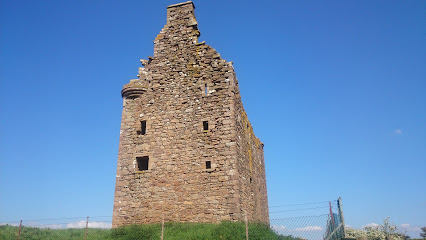
Baltersan Castle(Caisteal Baltersan)
0.8 km
Explore the evocative ruins of Baltersan Castle, a 16th-century Renaissance tower house nestled in the historic Ayrshire countryside near Maybole.
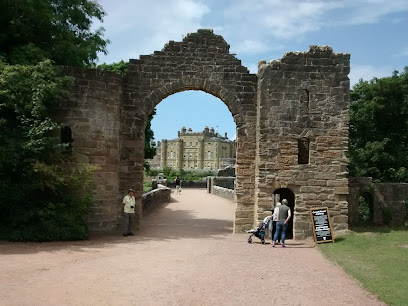
Culzean Castle
4.7 km
Discover Culzean Castle’s dramatic cliff-top grandeur, rich history, and sprawling parkland with gardens, beaches, and family-friendly adventures.
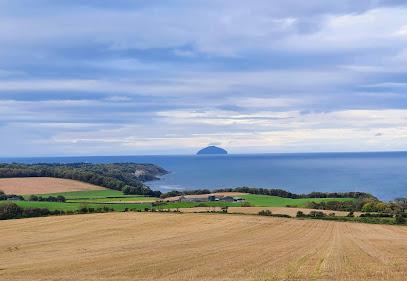
Electric Brae
5.2 km
Discover the surreal optical illusion of Electric Brae, where cars appear to roll uphill amidst stunning Ayrshire coastal views.
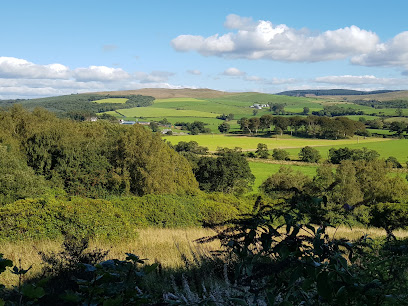
Dalquharran Castle
6.2 km
Explore the evocative ruins of Dalquharran Castle, a neo-classical masterpiece turned romantic ruin nestled in Ayrshire’s scenic countryside.
Dunure Labyrinth
7.8 km
Discover the tranquil Dunure Labyrinth, a mystical coastal maze blending history, nature, and spiritual reflection in scenic Ayrshire.
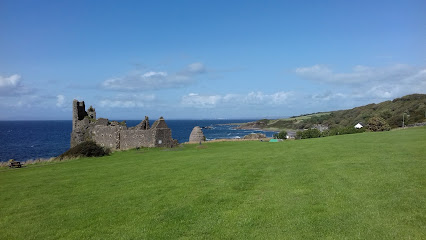
Dunure Castle
7.8 km
Dramatic medieval ruins on a rocky Ayrshire headland, steeped in Kennedy clan history and royal visits, with sweeping views over the Firth of Clyde.
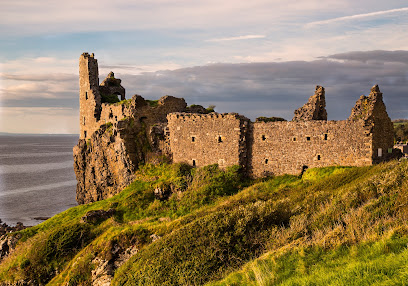
Turnberry Castle, Robert the Bruce birthplace
7.9 km
Historic ruins on Scotland’s Ayrshire coast, birthplace of Robert the Bruce and a symbol of Scottish independence and heritage.
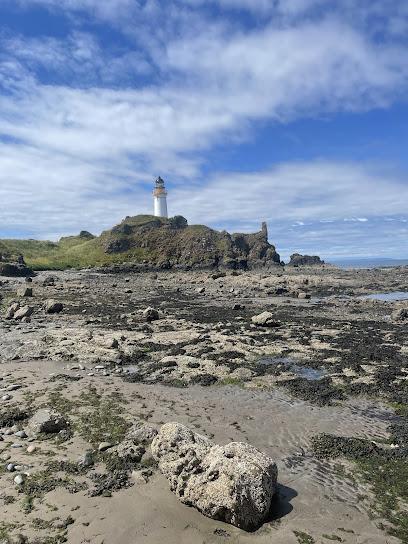
Dunure Harbour
7.9 km
A timeless Ayrshire fishing harbour framed by cliffs and castle ruins, with sweeping sea views and a starring role in Outlander.
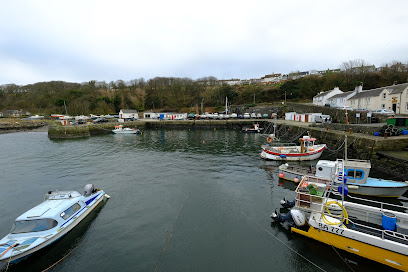
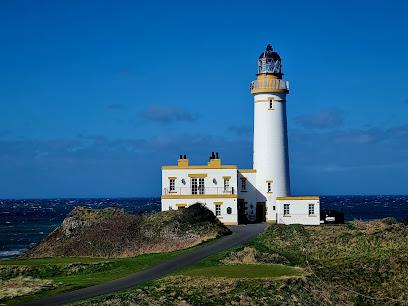
Turnberry Lighthouse
7.9 km
Historic 1873 lighthouse on Ayrshire coast blending maritime heritage, stunning sea views, and luxury golf resort charm.
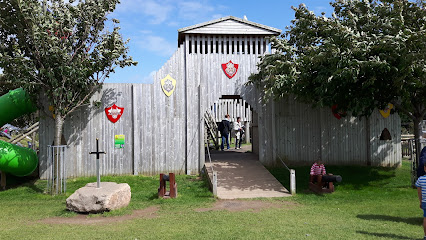
Heads Of Ayr Farm Park
9.9 km
A vibrant family farm park in Ayrshire offering animal encounters, adventure play, and seasonal events for all ages.
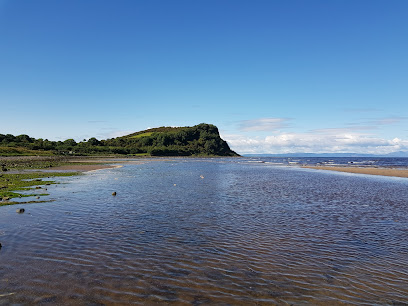
Heads of Ayr
10.6 km
Scenic Ayrshire peninsula with rugged cliffs, sandy beaches, family farm park, and modern holiday lodges near the vibrant town of Ayr.
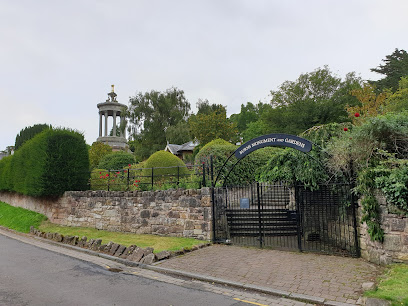
Burns Monument
11.1 km
A majestic Grecian-style monument and tranquil gardens honoring Scotland’s national poet, Robert Burns, in his birthplace of Alloway.
Alloway Auld Kirk
11.2 km
Explore the atmospheric 16th-century ruins of Alloway Auld Kirk, immortalized by Robert Burns in 'Tam o' Shanter' and steeped in Scottish literary history.
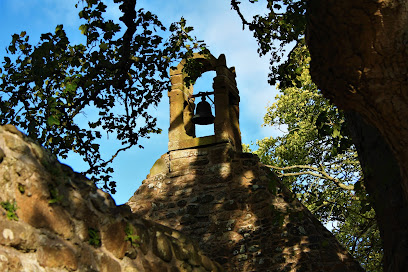
Robert Burns Birthplace Museum
11.3 km
Scotland's National Bard comes alive at his birthplace—a world-class museum celebrating genius, poetry, and timeless legacy.
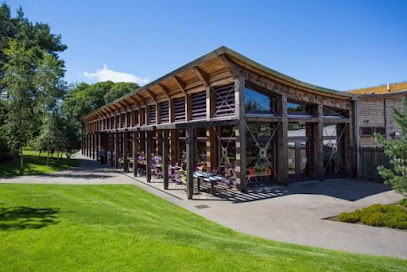
Greenan Castle
11.5 km
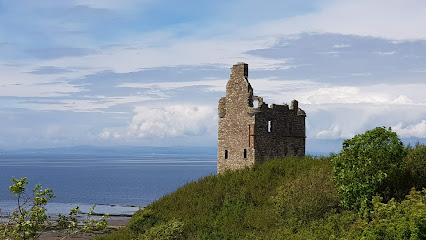
Explore the rugged ruins of Greenan Castle, a dramatic 16th-century tower house perched on Ayrshire’s scenic sea cliffs with centuries of history and stunning views.
Essential places to dine

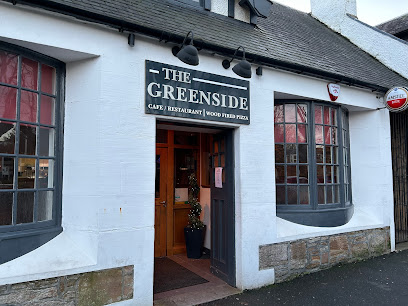
The Greenside Restaurant
2.8 km
A welcoming Maybole eatery offering generous portions, diverse menu, and friendly service in a cozy, clean setting.
Souters Inn
3.7 km
Historic Burns schoolhouse turned award-winning restaurant, blending Scottish heritage with contemporary culinary excellence.
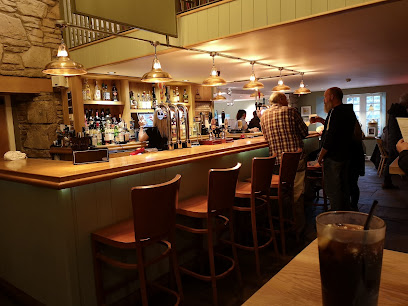
The Balgarth Pines Bar & Restaurant
11.6 km
A welcoming modern British restaurant and bar in Ayr blending traditional flavors with contemporary dining in a relaxed setting.
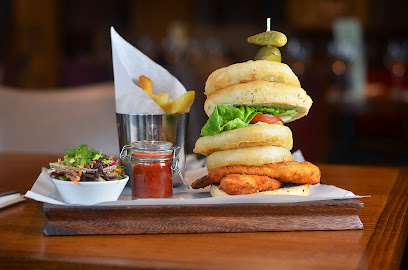
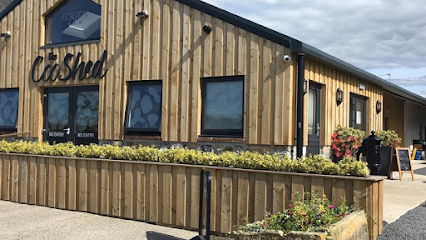
The Coo Shed
11.8 km
Award-winning Ayrshire café serving farm-fresh food, homemade cakes, and afternoon teas in a charming countryside setting with an adjoining plant nursery.
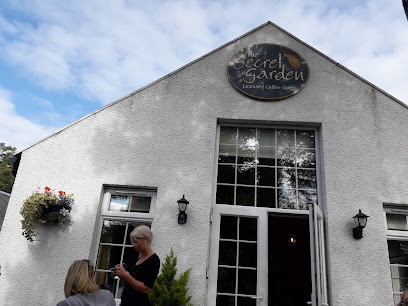
The Secret Garden
11.8 km
A cozy family-friendly bistro in Ayr offering hearty British breakfasts, award-winning coffee, and delightful home baking daily.
Chestnuts Restaurant & Hotel
13.4 km
Cozy 3-star hotel and vibrant restaurant near Ayr’s beach, offering warm hospitality, diverse dining, and a welcoming bar atmosphere.

The Fox & Willow
13.8 km
A stylish gastropub and boutique hotel in Ayr offering unique dome dining, creative cocktails, and warm Scottish hospitality.
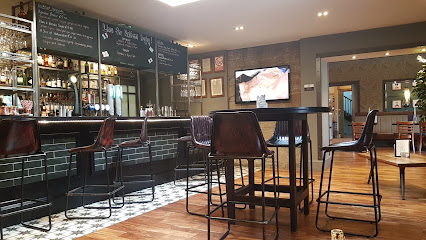
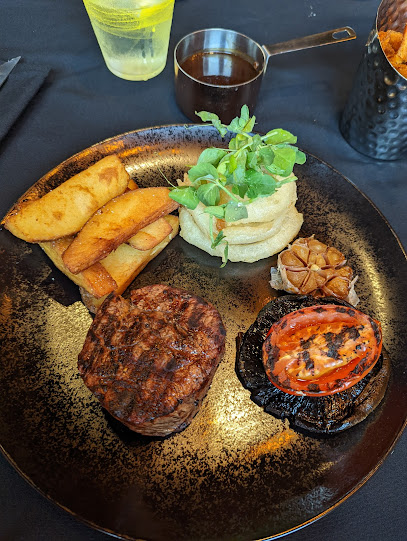
The Drunken Coo
14.4 km
Savor expertly crafted steaks and western comfort food in a cozy, stylish setting at The Drunken Coo, Ayr’s beloved steakhouse.
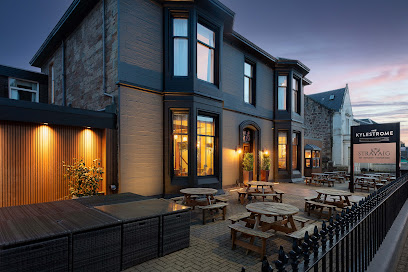
The Kylestrome Hotel & Restaurant
14.4 km
A modern, comfortable hotel with a celebrated restaurant in the heart of Ayr, offering easy access to local attractions and scenic riverside walks.
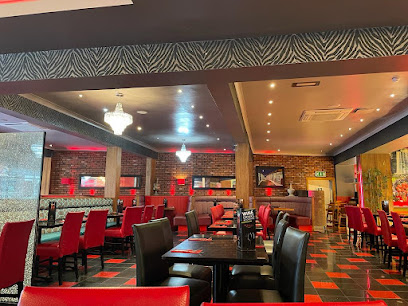
Mr Basrai's World Cuisine Ayr
14.4 km
A vibrant all-you-can-eat buffet in Ayr serving diverse global cuisines in a family-friendly, welcoming atmosphere.
The Meridian Bier Cafe & Restaurant
14.5 km
A vibrant Ayr venue blending casual breakfasts, hearty pub fare, and world beers in a lively, welcoming atmosphere from dawn till midnight.
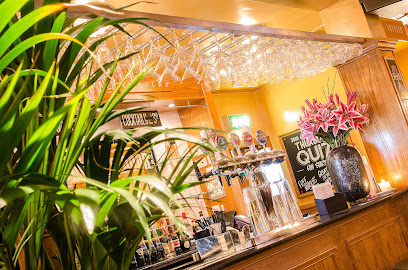
Helen's Restaurant
14.7 km
Cozy Ayr eatery serving traditional British comfort food with friendly service and a welcoming, dog-friendly atmosphere.

Cecchini’s Italian restaurant
14.7 km
Authentic Tuscan flavors and warm hospitality await you in the heart of Ayr at Cecchini’s Italian Restaurant.
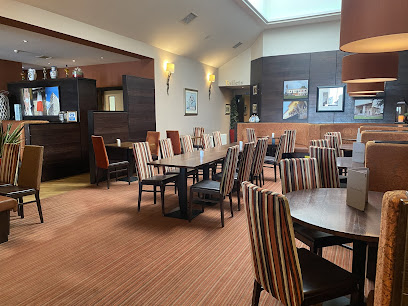
Stage Door Cafe
14.7 km
Cozy modern European cafe by Ayr’s Gaiety Theatre, serving fresh breakfasts and casual meals in a welcoming atmosphere.
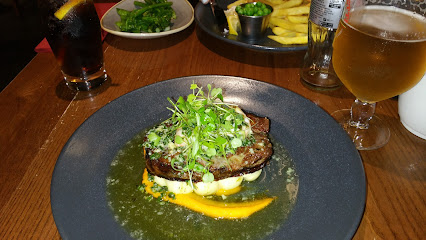
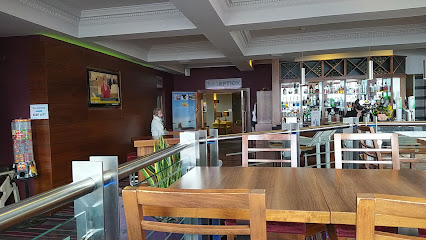
Vista Bar & Restaurant
14.8 km
Contemporary dining with panoramic sea views and classic Scottish dishes at Ayr’s Horizon Hotel.
Markets, malls and hidden boutiques

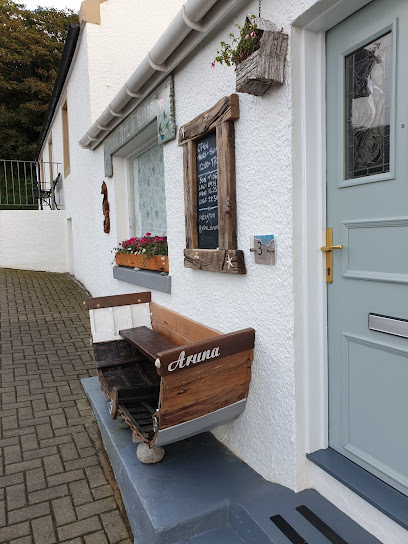
Aruna Art & Gifts
7.9 km
Discover unique handcrafted gifts in a charming harbour-side shop nestled in the historic village of Dunure, Ayr.
Treasures Gift Shop
10.4 km
Explore Ayr's Treasures Gift Shop – your destination for unique souvenirs and local crafts that capture the essence of this charming Scottish town.
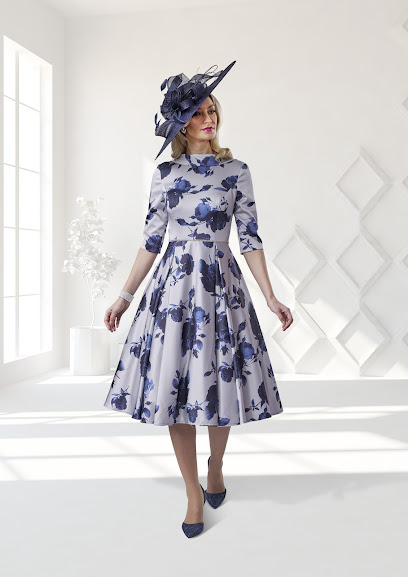
L Occasionwear Ayr
14.4 km
Elegant ladies’ formalwear boutique in Ayr offering personalized service and curated occasionwear collections in a bright, welcoming setting.
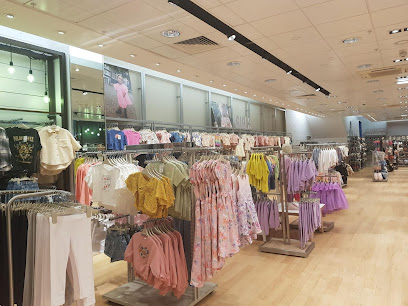
The Original Factory Shop (Ayr)
14.6 km
Affordable shopping for fashion, beauty, and home essentials in the heart of Ayr with unbeatable discounts.

Next
14.7 km
Next Ayr offers stylish, family-friendly fashion and accessories in the heart of Ayr Central, blending quality and convenience for all ages.
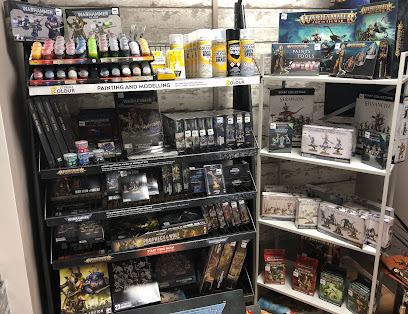
BOOM!
14.7 km
Ayr’s vibrant gift and collectibles shop, packed with pop culture treasures from Harry Potter, Star Wars, Marvel, DC, and more.
Unique
14.7 km
Explore Unique in Ayr: Your go-to clothing shop for stylish, local fashion treasures.
Bonmarché
14.8 km
Discover stylish, affordable women's fashion with friendly service in the heart of Ayr's vibrant High Street shopping district.
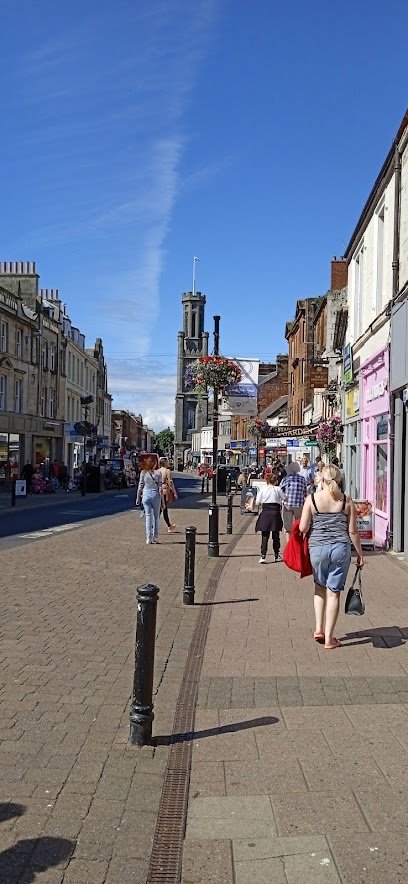
Keepsake Scotland
14.8 km
Ayr’s charming gift shop packed with Scottish souvenirs, quirky homewares, and unique keepsakes on the historic High Street.
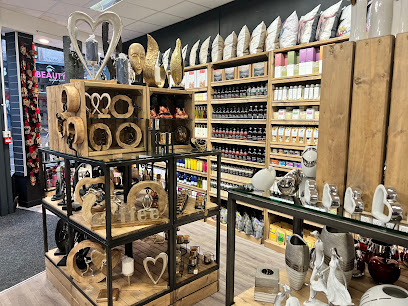
Beau Beau Boutique
14.9 km
Discover unique, elegant dresses and personalized service at Beau Beau Boutique, a charming fashion gem in Ayr’s historic Sandgate district.
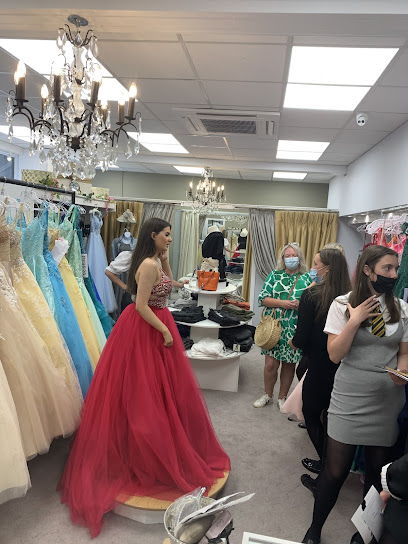
I Do Ayr
14.9 km
A welcoming bridal boutique in Ayr offering inclusive, elegant wedding dresses and haute couture fashion with exceptional personal service.
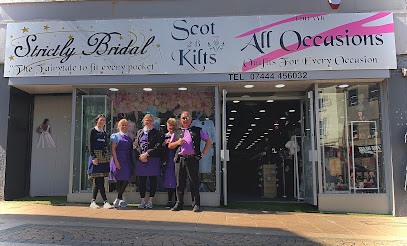
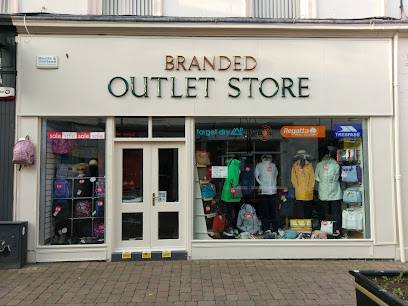
Branded Outlet Store
14.9 km
Explore unbeatable fashion deals at Branded Outlet Store in Ayr, where quality meets affordability for every style enthusiast.
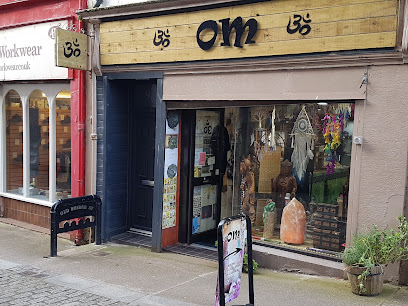
Om Store UK
15.0 km
Discover a serene metaphysical sanctuary in Ayr’s High Street, offering crystals, incense, and spiritual treasures for mindful living.
Honeyman Boutique
15.0 km
Discover timeless bridal elegance at Diane Honeyman Boutique, Ayr’s premier destination for designer wedding gowns and accessories.
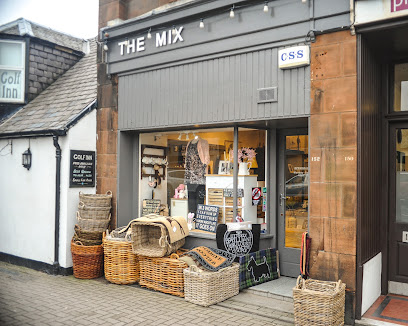
In The Mix
18.8 km
Discover unique Scottish gifts and local crafts at In The Mix, Prestwick’s charming boutique on Main Street.
Essential bars & hidden hideouts

Hollybush Inn
13.3 km
A cozy Ayrshire countryside inn offering modern comfort, hearty food, and a warm, friendly atmosphere for relaxed dining and socializing.
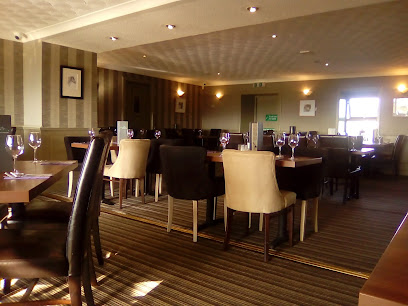
Flix Theme Bar
13.5 km
A vibrant bar and nightclub in Girvan offering lively nights, diverse drinks, and versatile event spaces on Bridge Street.
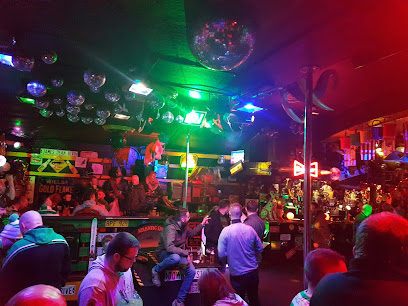
The Growler Taphouse & Kitchen
14.4 km
A lively bar and grill in Ayr offering exceptional craft beers, grilled delights, and a welcoming dog-friendly atmosphere.
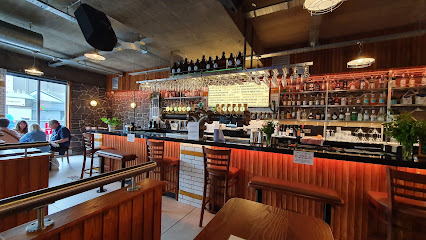
The Market Inn
14.5 km
A warm, traditional Scottish pub in Ayr offering lively football viewing, live music, and a welcoming atmosphere for locals and visitors alike.
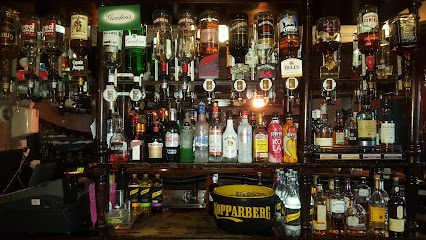
The Twa Dugs
14.5 km
A lively, Burns-inspired Scottish pub in Ayr’s heart, known for unique ales, live music, and an inclusive, welcoming atmosphere.
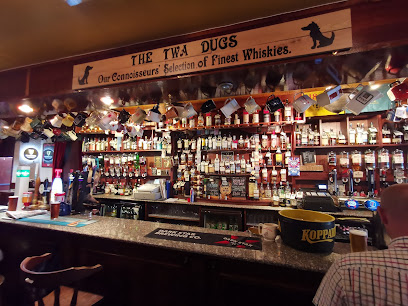
Rabbies Bar
14.5 km
A vibrant Ayrshire pub blending Robert Burns heritage with lively sports, music, and welcoming Scottish hospitality.
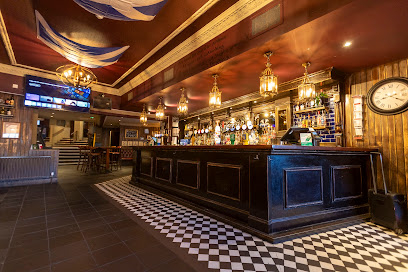
The Ghillie Dhu
14.5 km
A vibrant bar and street food hotspot in Ayr’s Burns Statue Square, blending Scottish tradition with lively music and modern flavors.
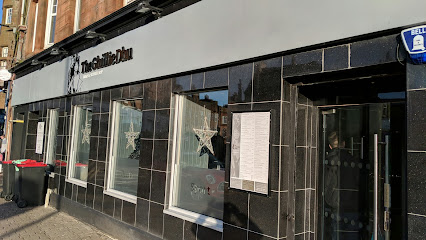
Budd's Bar
14.5 km
A cozy, friendly, and accessible local bar in Ayr’s historic Burns Statue Square, perfect for casual drinks and socializing.

Wellingtons Lounge Bar
14.5 km
Step into Wellingtons Lounge Bar for handcrafted cocktails, live music, and a cozy 1920s vibe in the heart of Ayr’s vibrant social scene.
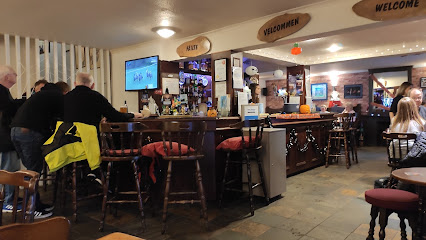
Crumbs & Cocktails
14.6 km
A vibrant Ayr bar blending creative cocktails, live music, karaoke, and a warm, welcoming atmosphere for memorable nights out.

Smiths Bar
14.6 km
A lively Scottish pub and restaurant in Ayr offering home-cooked meals, premium drinks, live sports, and a spacious beer garden for all ages and dog lovers.
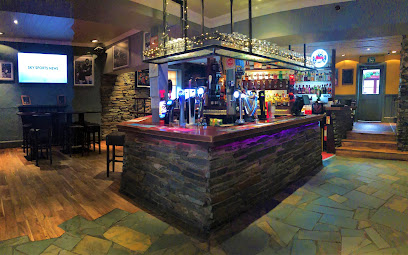
The Chase Inn
14.7 km
A cozy Ayr pub offering friendly service, local ales, hearty meals, and lively entertainment in a welcoming community setting.
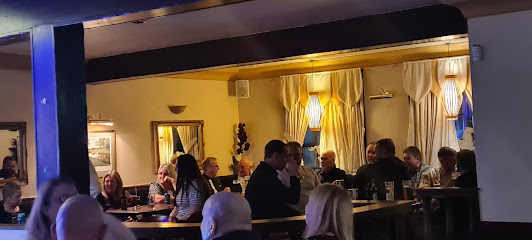
Tbar
14.8 km
A quirky and lively pub in Ayr offering excellent cocktails, live music, and a welcoming atmosphere for a memorable night out.
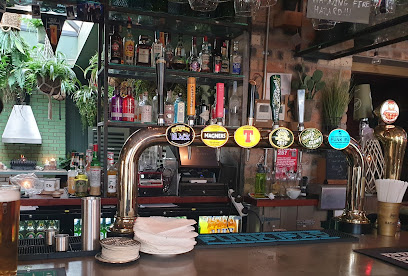
Mulligan's Ayr
14.8 km
A vibrant Irish sports bar in Ayr offering lively music, extensive drinks, and a welcoming atmosphere for all ages and tastes.
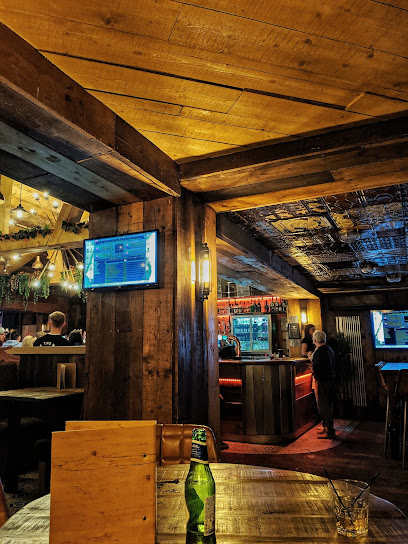
Christina's Bar
14.9 km
A friendly and affordable Scottish pub on Ayr’s Mill Street, offering hearty meals and a warm local atmosphere.
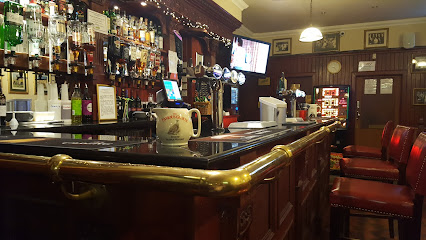
Nightclubs & after hour spots

Notion Ayr
14.8 km
Discover the vibrant nightlife at Notion Ayr, an exceptional events venue in the heart of Ayr, perfect for unforgettable social experiences.
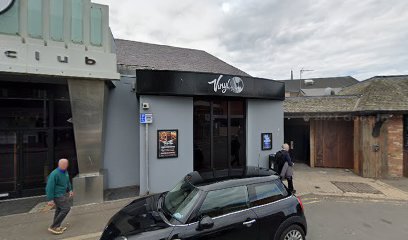
Printhouse Ayr
14.9 km
Experience Ayrshire’s vibrant nightlife and live music scene at Printhouse Ayr, where music and atmosphere unite for unforgettable nights.
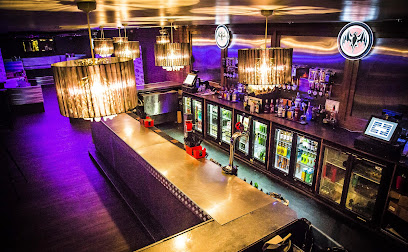
Ayr Ex-Services Club
15.0 km
A friendly and lively social club in Ayrshire offering great music, community spirit, and vibrant weekend nights.
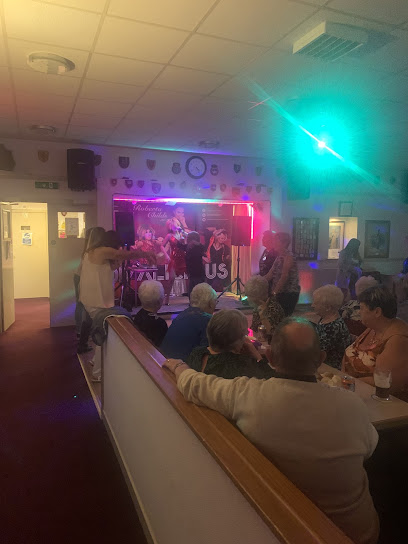
Pitchers Bar and Nightclub
30.9 km
A vibrant and inclusive nightclub in Irvine’s heart, offering lively music, dancing, and a welcoming atmosphere until the early hours.

The Club
33.3 km
A vibrant nightlife hotspot in the heart of Kilmarnock, offering lively music and a welcoming atmosphere for locals and visitors.
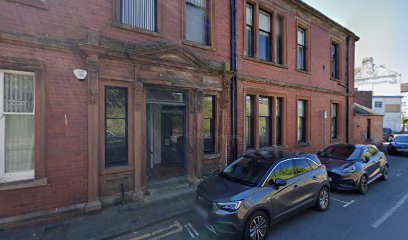
Skye Nightclub & Lounge
58.0 km
Energetic nightclub and lounge in East Kilbride offering vibrant nightlife, music, and drinks in a stylish setting.
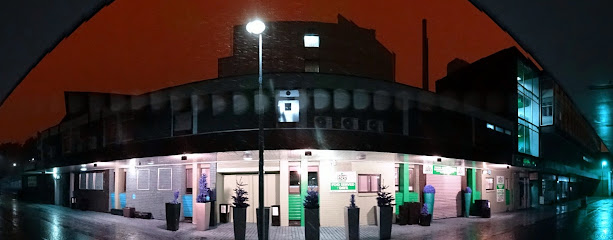
Downtown Nightclub
58.1 km
Experience East Kilbride’s vibrant weekend nightlife at Downtown Nightclub, a hub of music, dancing, and late-night energy in the town centre.
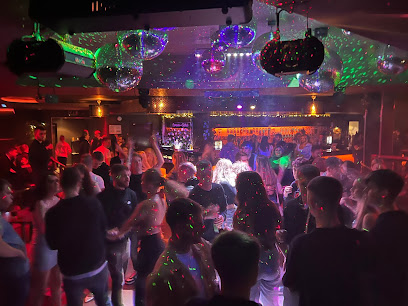
Vienna's Nightclub
59.1 km
Experience Paisley’s vibrant nightlife at Vienna's Nightclub, where energetic music and lively crowds come alive every weekend.
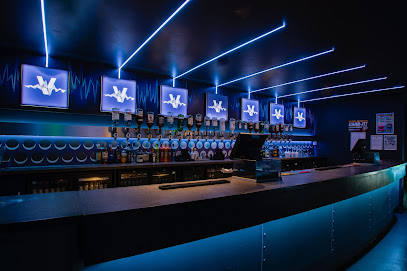
Fantoosh
59.2 km
A lively, intimate nightclub in Paisley’s heart, perfect for energetic nights with friends and local beats.
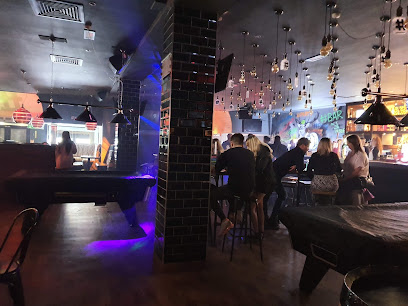
Club 69 Paisley
59.8 km
Dive into Paisley’s legendary underground techno scene at Club 69, where pulsating beats and vibrant vibes keep the night alive.
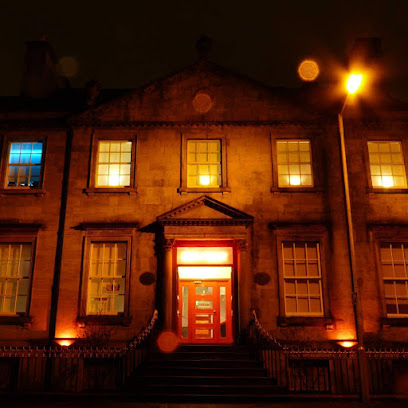
Masonic Arms
61.3 km
A welcoming gastropub in Gatehouse of Fleet, blending hearty Scottish fare, quality ales, and charming garden views in a historic setting.
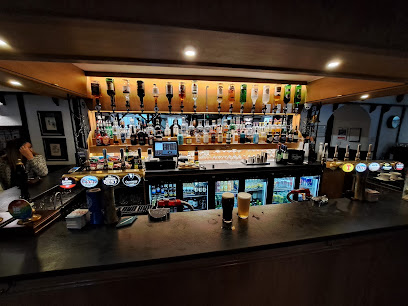
The Shed
61.4 km
Dive into Shawlands' glitzy two-floor nightclub where chart bangers, R&B, hip-hop, and 80s cheese anthems fuel unpretentious Southside partying till the early hours.

The Scottish Honky-Tonk
61.7 km
Discover the lively Scottish Honky-Tonk on the Isle of Bute for an authentic experience filled with music, hospitality, and local charm.
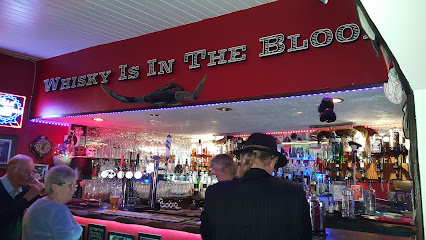
Sub Club
64.6 km
Glasgow’s legendary underground nightclub, Sub Club, pulses with cutting-edge sound and authentic dance culture in an intimate basement setting.
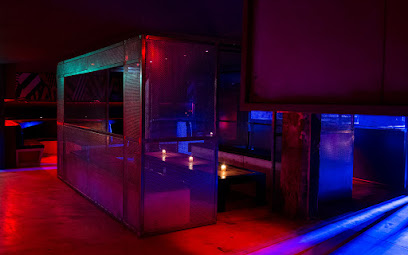
Classic Grand
64.7 km
Glasgow's ultimate electronic music haven in a reborn cinema, where thunderous beats and euphoric crowds collide until dawn.

For the vibe & atmosphere seeker
- Tranquil
- Scenic
- Historic
- Relaxing
For the design and aesthetic lover
- Vintage Styles
- Rustic Designs
For the architecture buff
- Historic
- Landmarks
- Sacred Sites
For the view chaser and sunset hunter
- Iconic Views
- Panoramas
For the social media creator & influencer
- Instagrammable
- Photo Spots
- Architectural Shots
For the eco-conscious traveler
- Protected Area
- Public-Transport Accessible
- Locally Managed
For the kind of experience you’re after
- Cultural Heritage
- Photowalk
- Day Trip
- Weekend Getaway
- Myth & Legends
For how adventurous you want the journey to be
- Easy Access
Location Audience
- Family Friendly
- Senior Friendly
- Child Friendly
- Teen Friendly
- Wheelchair Access
- Pet Friendly
- Solo Friendly
- Couple Friendly
- Vegetarian Friendly
- Vegan Friendly


