
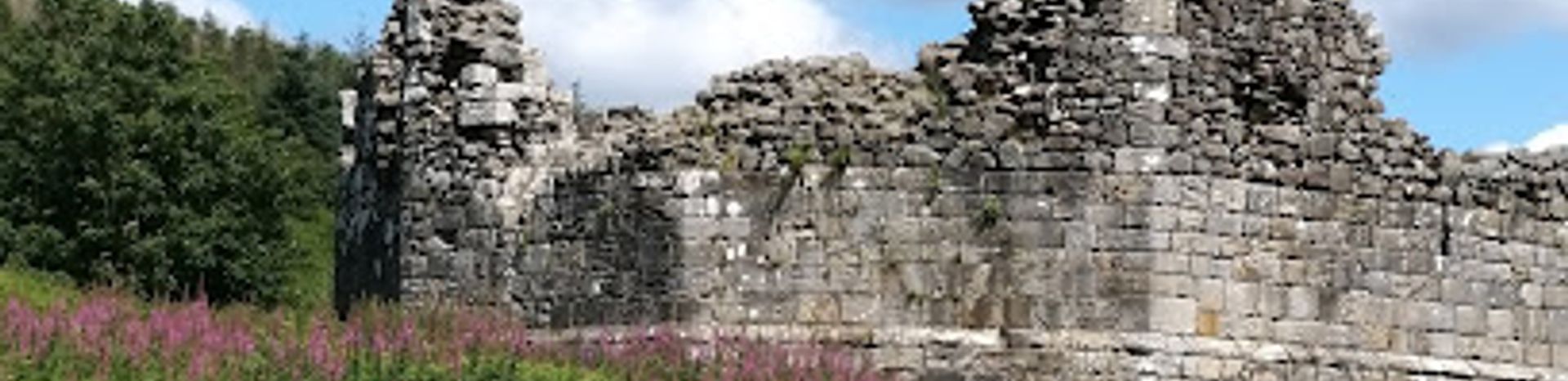
Loch Doon Castle
A 13th-century island castle, dismantled and rebuilt on the shore of Loch Doon, with Bruce connections and stunning lochside views in Galloway Forest Park.
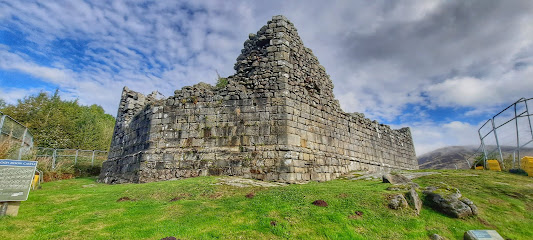
Perched on the shore of Loch Doon in Ayrshire, this 13th-century ruined castle was originally built on an island and later dismantled stone by stone to save it from rising waters. Its distinctive eleven-sided curtain wall now stands as a quiet monument to the Bruce earls of Carrick and the turbulent Wars of Independence. Visitors can explore the atmospheric remains, walk the lochside paths, and enjoy sweeping views across one of southern Scotland’s largest lochs, all within the dark skies of Galloway Forest Park.
A brief summary to Loch Doon Castle
- Ayr, KA6 7QE, GB
- Visit website
- Duration: 0.5 to 2 hours
- Free
-
 Outdoor
- Mobile reception: 3 out of 5
Local tips
- Visit early in the morning or late afternoon for the best light and fewer visitors, especially if you want to photograph the castle with the loch in the background.
- Wear sturdy footwear as the ground around the castle and lochside paths can be uneven and muddy, particularly after rain.
- Bring a picnic and enjoy it by the loch; there are several scenic spots nearby, though no formal facilities at the castle itself.
- Check the weather forecast before your visit, as conditions in this upland area can change quickly, and strong winds or heavy rain can make the exposed lochside feel very wild.
- Combine your visit with a walk around Loch Doon or a trip into Galloway Forest Park to make the most of the beautiful surrounding landscape and dark skies.

For the on-the-go comforts that matter to you
- Restrooms
- Drinking Water
- Seating Areas
- Sheltered Areas
- Trash Bins
- Information Boards
Getting There
-
Car
From Ayr or Girvan, follow the A713 south towards Dalmellington, then turn onto the B741 towards Loch Doon. Continue along the narrow, winding road to the lochside car park near Craigmulloch Farm; the drive takes about 45–60 minutes from Ayr and requires careful driving on single-track sections with passing places.
-
Public Transport + Walk
Take a train to Ayr and then a local bus towards Dalmellington or Carsphairn; alight at a nearby village and walk or arrange a taxi to Loch Doon, as there is no direct public transport to the castle itself and the final stretch involves a long walk along a quiet road.
-
Cycling
From Ayr or Girvan, cycle along the A713 and B741 to Loch Doon; the route is hilly and exposed, suitable for experienced cyclists, with the final approach on a narrow road leading to the lochside car park.
-
Walking
From the southern end of Loch Doon, follow the lochside paths from the car park near Craigmulloch Farm; the walk to the castle ruins is short but over uneven, sometimes muddy ground, and can be exposed to wind and rain.
Loch Doon Castle location weather suitability
-
 Any Weather
-
 Rain / Wet Weather
-
 Clear Skies
-
 Windy Conditions
-
 Mild Temperatures
Discover more about Loch Doon Castle
A Castle Moved from the Loch
Loch Doon Castle is a striking example of medieval military architecture, originally constructed in the late 13th century on a small island in the middle of Loch Doon. Built by the Bruce earls of Carrick, it may have been commissioned by Robert the Bruce’s father or even the future king himself. The castle’s most distinctive feature is its eleven-sided curtain wall, a polygonal design that reflects its island stronghold origins, where every angle was carefully planned for defence. In 1935, as part of the Galloway hydro-electric scheme, the loch’s water level was raised, threatening to submerge the ruins. To preserve this historic shell, the castle was carefully dismantled and rebuilt on the mainland shore near Craigmulloch Farm, where it stands today.Shelter and Siege in the Wars of Independence
The castle played a brief but dramatic role in Scotland’s struggle for independence. In 1306, after Robert the Bruce’s defeat at Methven, his brother-in-law Sir Christopher Seton sought refuge here while the castle was held for Bruce by Sir Gilbert de Carrick. That same year, the stronghold fell to the English, becoming one of the last Bruce strongholds in the southwest to be captured. Seton was taken and later executed in Dumfries. The Scots soon recaptured the castle, and by 1314 it was back in Scottish hands. Over the following centuries, it passed through the hands of the Kennedys and other local families before being largely destroyed in the 16th century, likely as part of royal efforts to reduce baronial power in Galloway.Exploring the Ruins Today
Today, visitors encounter a compact but evocative ruin defined by its finely dressed ashlar curtain wall. Inside, traces of later internal buildings remain, including the foundations of a 16th-century tower house built by the Kennedys. The site is free to visit and open year-round, making it an accessible stop for history lovers and casual explorers alike. A short walk from the nearby parking area brings you to the castle, where you can trace the line of the wall, peer into the remains of chambers, and imagine the loch’s original island setting. Information panels help contextualise the castle’s history, from its Bruce connections to its dramatic relocation.Lochside Walks and Dark Skies
The castle sits within a landscape of quiet beauty, on the edge of one of southern Scotland’s largest inland lochs. The surrounding area offers gentle walks along the loch shore, with views across the water to the hills of Galloway Forest Park. The region is part of a Dark Sky Park, making it an excellent spot for stargazing on clear nights, when the Milky Way and shooting stars are often visible above the loch. Birdwatchers may spot ospreys in spring and summer, and the loch supports fishing and kayaking, adding a recreational dimension to the visit. The combination of history, scenery and dark skies gives the site a unique and contemplative atmosphere.A Quiet Corner of Ayrshire
Loch Doon Castle is not a grand, restored fortress but a modest, atmospheric ruin that rewards a slower pace. It appeals to those who enjoy off-the-beaten-path sites, where imagination can fill in the gaps left by time. The drive to the loch is scenic, winding through rolling hills and moorland, and the area feels remote and peaceful. Whether you come for the Bruce connection, the unusual polygonal design, or simply the chance to stand by a quiet loch under a vast Scottish sky, the castle offers a memorable glimpse into Scotland’s layered past.Iconic landmarks you can’t miss

Original site of Loch Doon Castle
0.5 km
Discover the relocated medieval stronghold of Loch Doon Castle, a polygonal fortress with deep ties to Robert the Bruce and Scottish history.
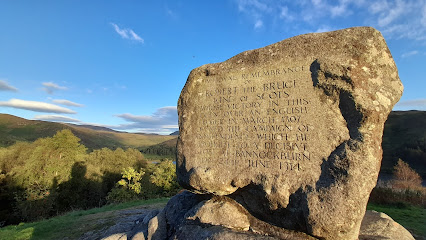
Bruce’s Stone
16.2 km
Discover the historic site of Bruce’s Stone overlooking Loch Trool, where Scotland’s fight for independence echoes amid stunning natural beauty.
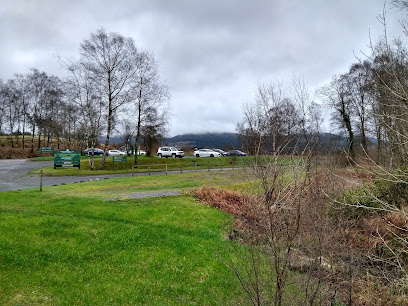
The Belted Galloway Visitor Centre
30.5 km
Experience local flavors at The Belted Galloway Visitor Centre, a charming restaurant in Newton Stewart surrounded by breathtaking natural beauty.
Ayr Citadel
30.9 km
Explore Ayr Citadel, a 17th-century hexagonal fortress by the sea, rich in history and coastal charm.
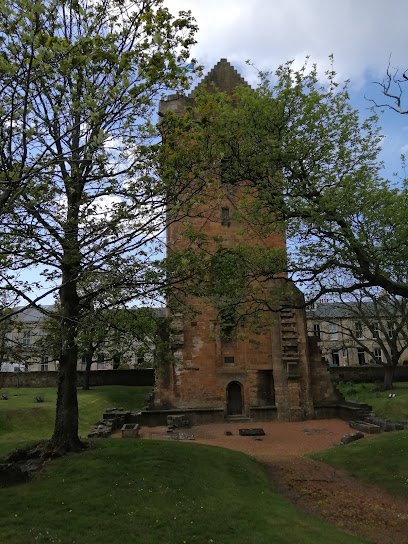
Wallace's Monument, Ayrshire “Burnweil”
35.3 km
A proud Ayrshire landmark honoring William Wallace, Scotland’s legendary hero of independence and bravery.
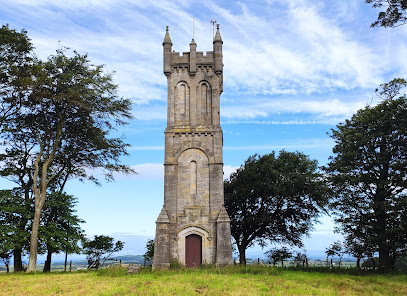
Martyr's Memorial
39.9 km
A solemn memorial at Wigtown Bay honoring two brave Covenanter women who faced execution for their faith in 1685.
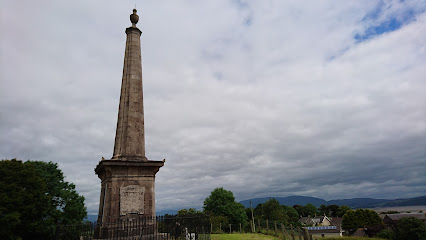
Mercat Cross
40.0 km
Historic Scottish market cross in Wigtown’s square, marking centuries of commerce and community life in this charming burgh.
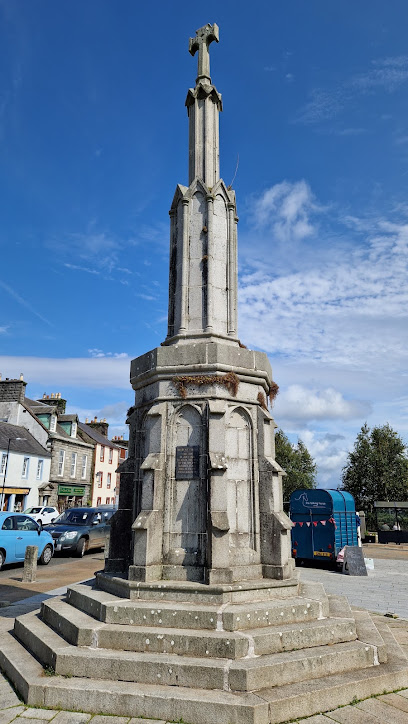
Wigtown Harbour
40.6 km
Explore Wigtown Harbour - A serene nature reserve with stunning coastal views, rich biodiversity, and a touch of literary charm.
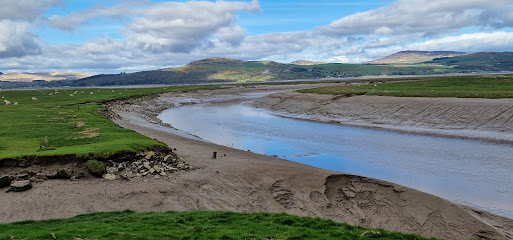
Morton Castle
40.8 km
Discover the captivating history and breathtaking scenery of Morton Castle, a hidden gem in the heart of Scotland's picturesque landscape.
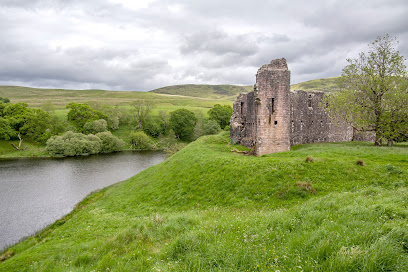
Carsluith Castle
40.8 km
Explore the historic Carsluith Castle in Newton Stewart, a stunning landmark surrounded by beautiful landscapes and rich Scottish heritage.
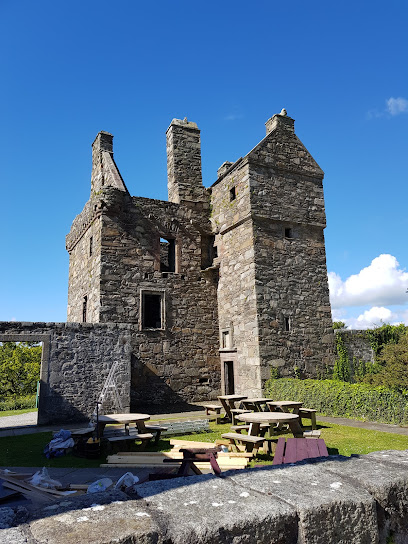
Cardoness Castle
41.1 km
Discover the majestic Cardoness Castle, a historic gem in Gatehouse of Fleet, offering stunning views and rich Scottish heritage.
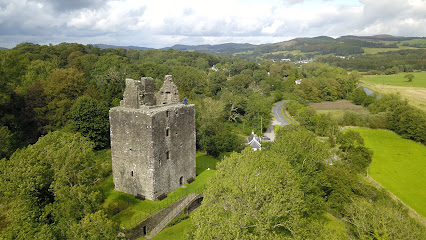
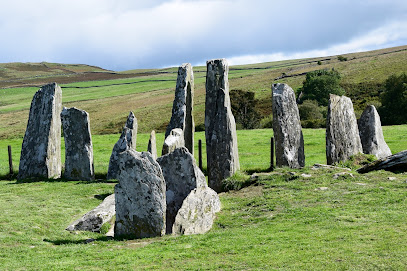
Cairn Holy Chambered Cairn
41.2 km
Explore the ancient Neolithic cairns of Cairn Holy, timeless burial monuments set on scenic hills with panoramic views over Wigtown Bay.
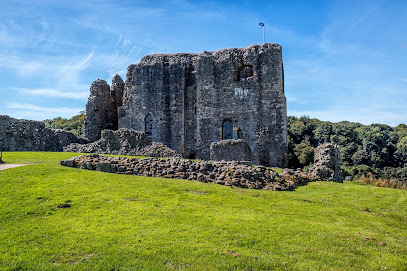
Dundonald Castle and Visitor Centre
41.2 km
Explore the rich medieval heritage and breathtaking views at Dundonald Castle and Visitor Centre, a must-visit destination for history enthusiasts and travelers.
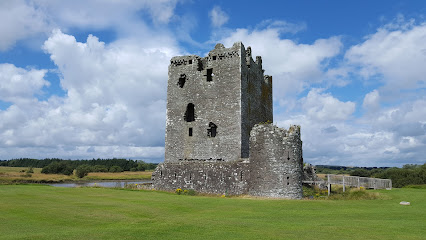
Threave Castle
41.4 km
Explore the medieval charm and natural beauty of Threave Castle, a hidden gem in Dumfries and Galloway, Scotland, perfect for history lovers and nature enthusiasts alike.
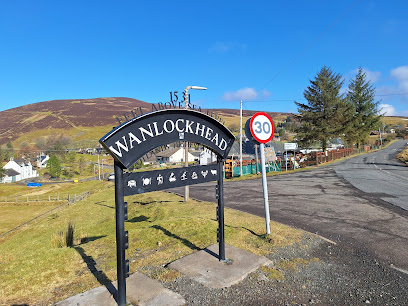
Highest village in Scotland
42.6 km
Discover Wanlockhead, Scotland’s highest village, where rich mining history meets stunning upland landscapes and unique cultural heritage.
Unmissable attractions to see

Dalcairney Falls
9.4 km
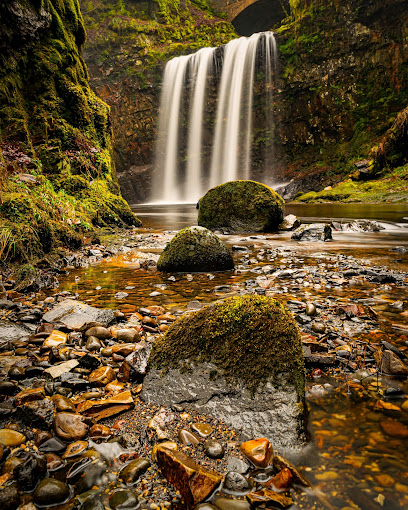
Discover the tranquil beauty and seasonal magic of Dalcairney Falls, Ayrshire’s hidden waterfall gem nestled in serene woodland.
Galloway Forest Park
13.3 km
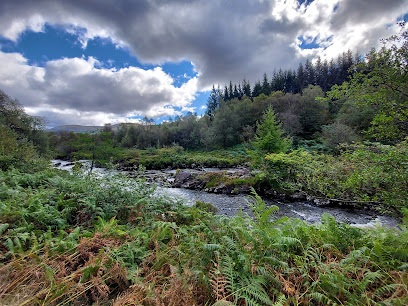
Explore Britain’s largest forest park, a haven for mountain biking, wildlife, and Europe’s premier Dark Sky sanctuary in scenic Dumfries and Galloway.
Doon Valley Railway
13.9 km
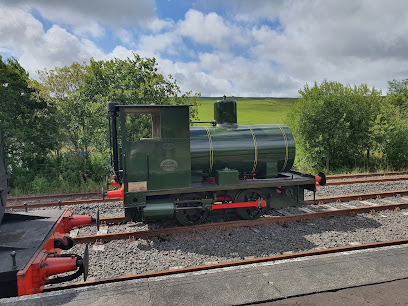
Experience authentic steam travel and industrial heritage on Scotland’s only heritage railway in the scenic Doon Valley near Ayr.
Red Deer Range
22.1 km
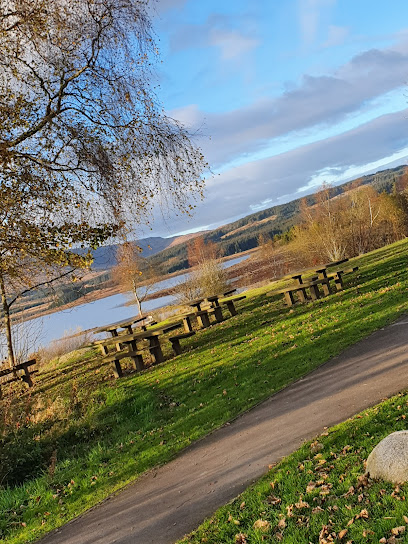
Watch majestic red deer roam wild, then gaze at stars in one of Earth's darkest skies.
Rosie's Waterfall
22.4 km
Discover the serene beauty and refreshing waters of Rosie's Waterfall, a tranquil retreat nestled in Scotland's Galloway Forest Park.
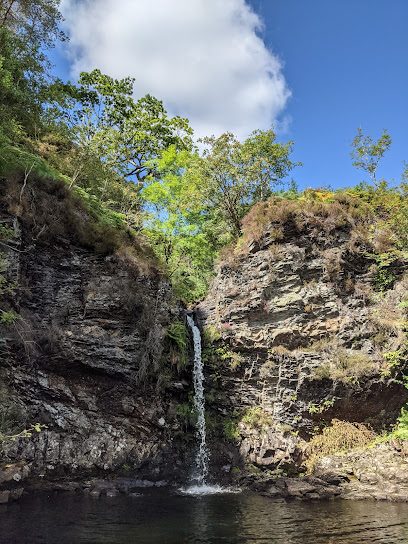
Dalquharran Castle
22.5 km
Explore the evocative ruins of Dalquharran Castle, a neo-classical masterpiece turned romantic ruin nestled in Ayrshire’s scenic countryside.
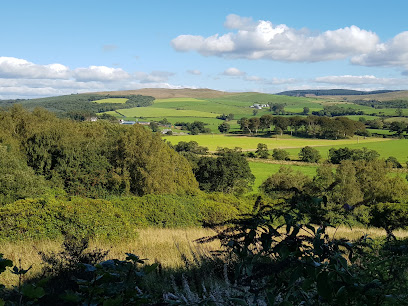
Wild Goat Park
23.1 km
Discover the charm of British Primitive goats roaming freely in the scenic hills of Galloway Forest Park near Newton Stewart.
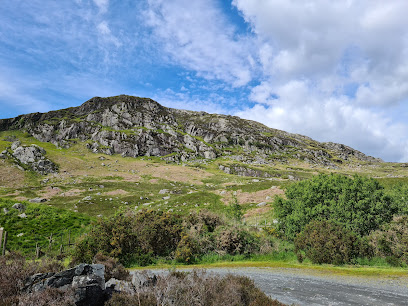
Murray's Monument
23.1 km
A striking granite obelisk in Galloway Forest Park honoring Alexander Murray, a shepherd boy turned esteemed linguist and professor.
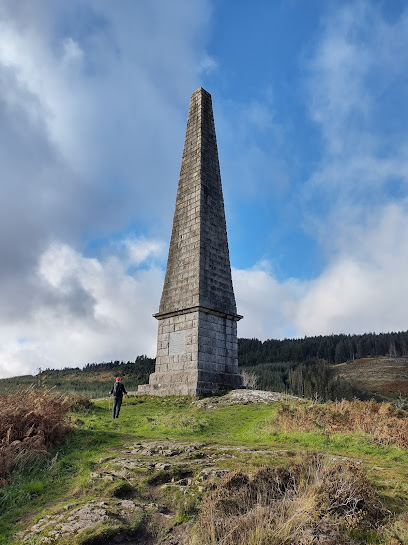
Kenmure Castle
23.9 km
Explore the evocative ruins of Kenmure Castle, a medieval stronghold rich in royal history and haunting legends in the heart of Galloway.
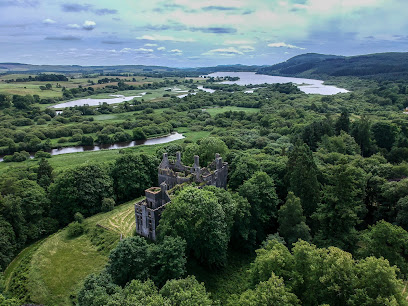
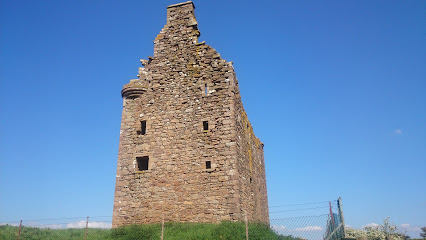
Baltersan Castle(Caisteal Baltersan)
24.3 km
Explore the evocative ruins of Baltersan Castle, a 16th-century Renaissance tower house nestled in the historic Ayrshire countryside near Maybole.
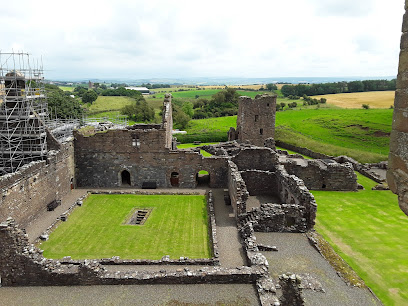
Crossraguel Abbey(Abaid Crossraguel
24.7 km
Explore the remarkably complete ruins of Crossraguel Abbey, a medieval Cluniac monastery steeped in Scottish history and scenic Ayrshire charm.
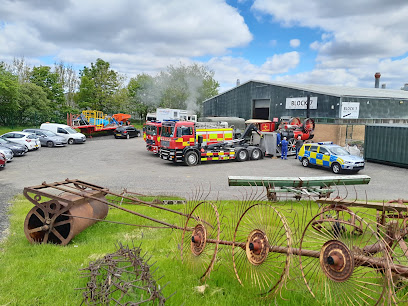
Heritage Centre Cumnock
25.4 km
Explore Cumnock’s rich industrial heritage through engaging exhibits and community passion at the Heritage Centre Cumnock.
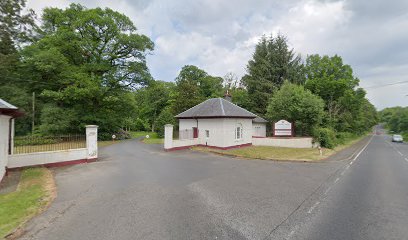
Dumfries House estate: Main Entrance
25.5 km
Explore Dumfries House: an 18th-century masterpiece blending historic grandeur, exquisite Chippendale furniture, and sprawling Ayrshire gardens.
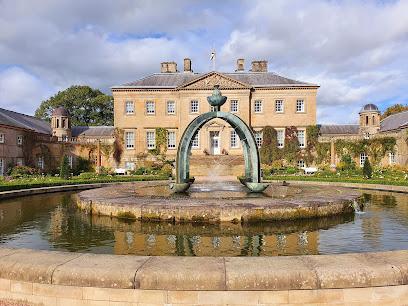
Dumfries House
26.0 km
Explore Dumfries House, a stunning 18th-century estate famed for its Chippendale furniture, beautiful gardens, and rich Scottish heritage.
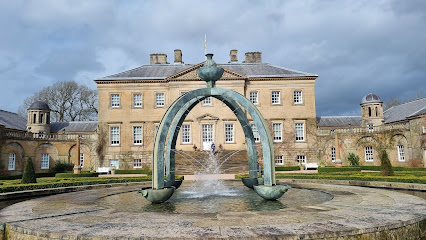
Queen Elizabeth Walled Garden, Dumfries House
26.3 km
Explore Scotland’s largest restored walled garden with terraces, greenhouses, and an inspiring Education Garden within the historic Dumfries House estate.
Essential places to dine

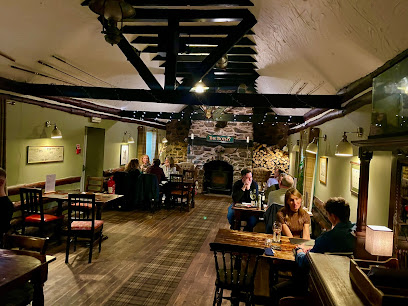
The Clachan Inn
19.3 km
A cozy traditional Scottish pub and inn offering exceptional food, warm hospitality, and a charming rustic atmosphere in Castle Douglas.
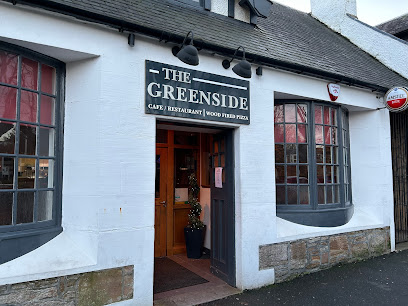
The Greenside Restaurant
23.7 km
A welcoming Maybole eatery offering generous portions, diverse menu, and friendly service in a cozy, clean setting.
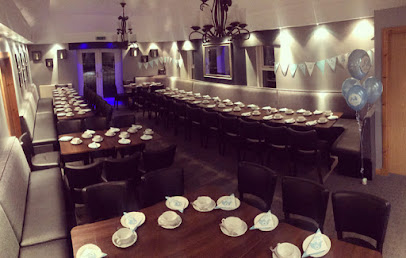
The Coylton Arms
25.0 km
Cozy family-run gastropub in Ayrshire serving hearty Scottish dishes with generous portions and warm hospitality.
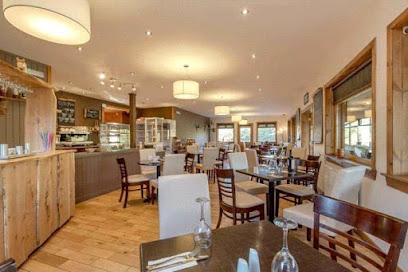
The Waterfront At Coyle Water Fishery - Restaurant and Cafe Ayrshire
25.1 km
A charming Ayrshire fishery restaurant offering fresh local seafood, scenic lake views, and a warm, family-friendly atmosphere.
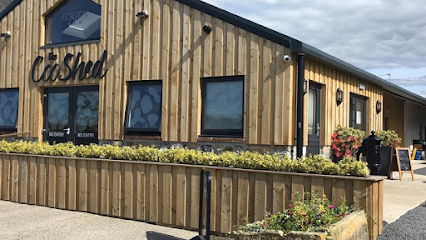
The Coo Shed
26.1 km
Award-winning Ayrshire café serving farm-fresh food, homemade cakes, and afternoon teas in a charming countryside setting with an adjoining plant nursery.
Souters Inn
27.4 km
Historic Burns schoolhouse turned award-winning restaurant, blending Scottish heritage with contemporary culinary excellence.
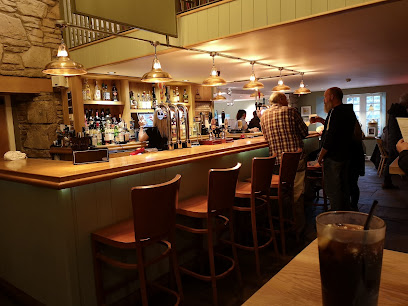
The Secret Garden
28.7 km
A cozy family-friendly bistro in Ayr offering hearty British breakfasts, award-winning coffee, and delightful home baking daily.
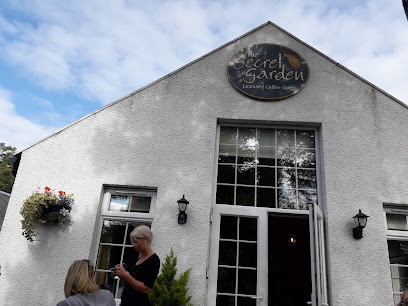
The Balgarth Pines Bar & Restaurant
28.7 km
A welcoming modern British restaurant and bar in Ayr blending traditional flavors with contemporary dining in a relaxed setting.
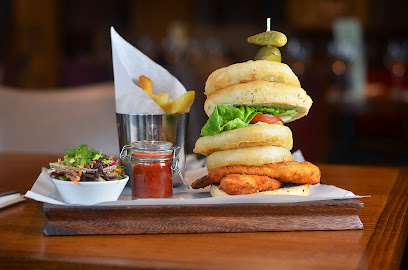
The Fox & Willow
29.5 km
A stylish gastropub and boutique hotel in Ayr offering unique dome dining, creative cocktails, and warm Scottish hospitality.
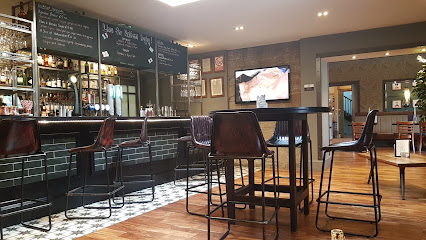
Chestnuts Restaurant & Hotel
29.7 km
Cozy 3-star hotel and vibrant restaurant near Ayr’s beach, offering warm hospitality, diverse dining, and a welcoming bar atmosphere.

The Drunken Coo
30.0 km
Savor expertly crafted steaks and western comfort food in a cozy, stylish setting at The Drunken Coo, Ayr’s beloved steakhouse.
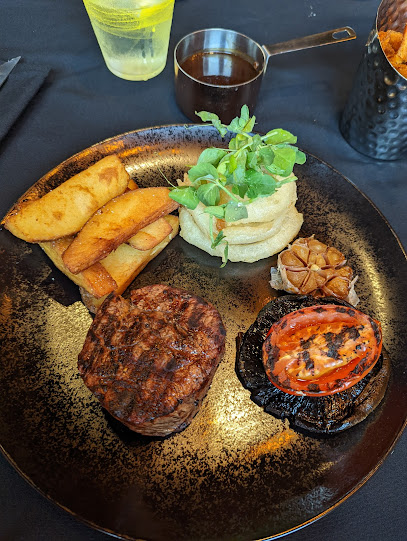
Mr Basrai's World Cuisine Ayr
30.0 km
A vibrant all-you-can-eat buffet in Ayr serving diverse global cuisines in a family-friendly, welcoming atmosphere.
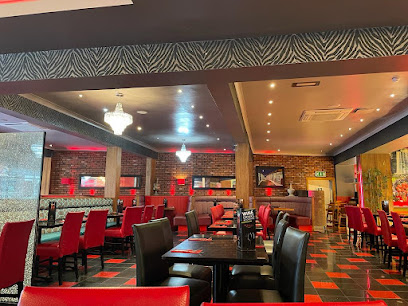
The Meridian Bier Cafe & Restaurant
30.1 km
A vibrant Ayr venue blending casual breakfasts, hearty pub fare, and world beers in a lively, welcoming atmosphere from dawn till midnight.
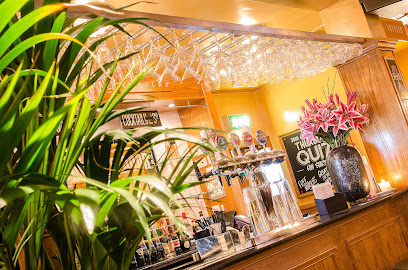
The Kylestrome Hotel & Restaurant
30.1 km
A modern, comfortable hotel with a celebrated restaurant in the heart of Ayr, offering easy access to local attractions and scenic riverside walks.
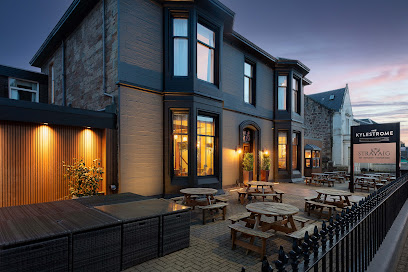
The Cree Inn
30.1 km
Warm Scottish hospitality, quality food, and genuine welcome in a charming Creebridge pub.
Markets, malls and hidden boutiques

Treasures Gift Shop
29.5 km
Explore Ayr's Treasures Gift Shop – your destination for unique souvenirs and local crafts that capture the essence of this charming Scottish town.
L Occasionwear Ayr
30.0 km
Elegant ladies’ formalwear boutique in Ayr offering personalized service and curated occasionwear collections in a bright, welcoming setting.
Next
30.2 km
Next Ayr offers stylish, family-friendly fashion and accessories in the heart of Ayr Central, blending quality and convenience for all ages.
Unique
30.2 km
Explore Unique in Ayr: Your go-to clothing shop for stylish, local fashion treasures.
The Original Factory Shop (Ayr)
30.3 km
Affordable shopping for fashion, beauty, and home essentials in the heart of Ayr with unbeatable discounts.

Laura's
30.3 km
Discover authentic Scottish souvenirs and handcrafted treasures at Laura's, a charming gift shop in the heart of Newton Stewart.
The Celtic Knot
30.3 km
Discover unique Scottish clothing and artisan accessories in a warm, welcoming boutique at the heart of Newton Stewart.
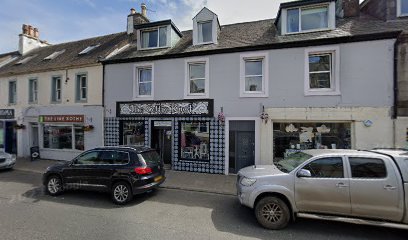
Avocet
30.4 km
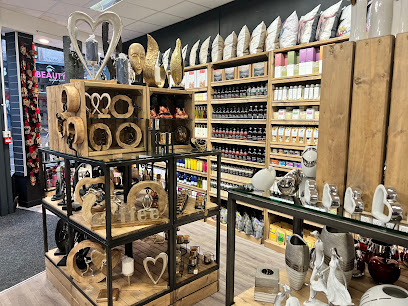
Discover unique gifts, candles, garden furniture, and stylish ladies' clothing in a welcoming shop at Newton Stewart’s vibrant Victoria Street.
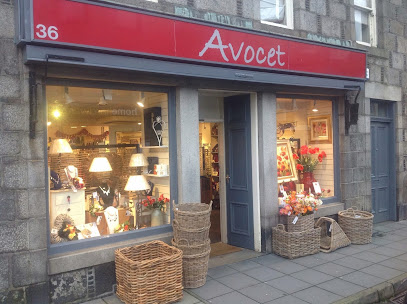
Bonmarché
30.4 km
Discover stylish, affordable women's fashion with friendly service in the heart of Ayr's vibrant High Street shopping district.
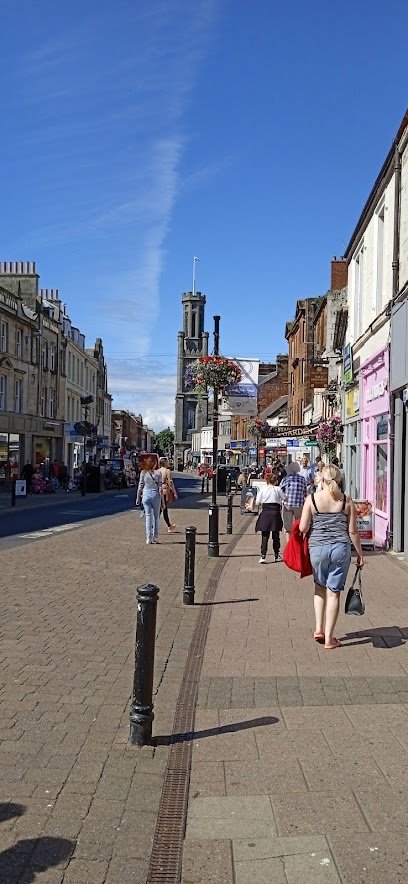
Idlehour Gifts
30.4 km
Explore Idlehour Gifts in Newton Stewart: Your destination for unique, locally crafted treasures that capture the essence of Scotland.
Inspirations
30.4 km
Discover unique sewing and knitting treasures at Inspirations, Newton Stewart’s welcoming hub for craft lovers and fashion enthusiasts alike.
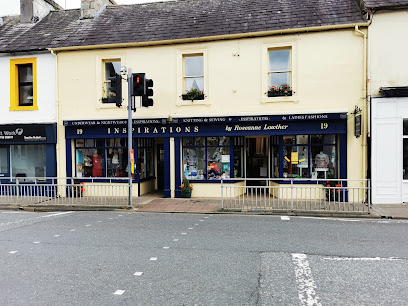
Keepsake Scotland
30.4 km
Ayr’s charming gift shop packed with Scottish souvenirs, quirky homewares, and unique keepsakes on the historic High Street.
Cunningham Stewart R
30.4 km
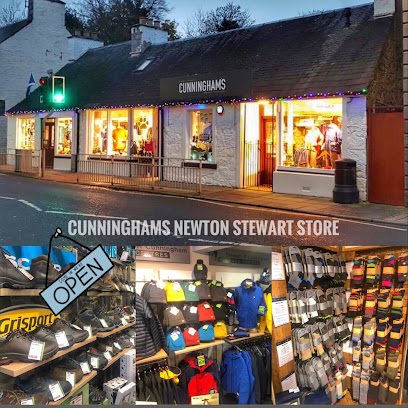
Your trusted outfitter for outdoor clothing and equipment in Newton Stewart, serving adventurers exploring the Galloway Hills and beyond.
D & W Countryways
30.6 km
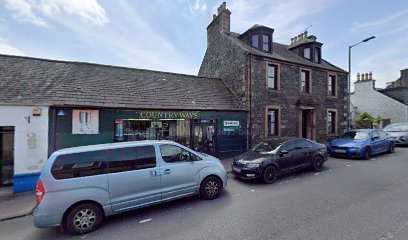
Discover premium outdoor clothing and equipment at D & W Countryways in Wigtown, your gateway to exploring Scotland's stunning landscapes.
BOOM!
30.6 km
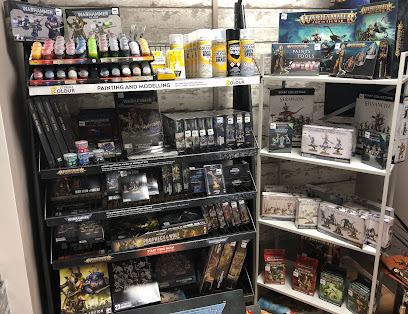
Ayr’s vibrant gift and collectibles shop, packed with pop culture treasures from Harry Potter, Star Wars, Marvel, DC, and more.
Essential bars & hidden hideouts

Hollybush Inn
22.2 km
A cozy Ayrshire countryside inn offering modern comfort, hearty food, and a warm, friendly atmosphere for relaxed dining and socializing.
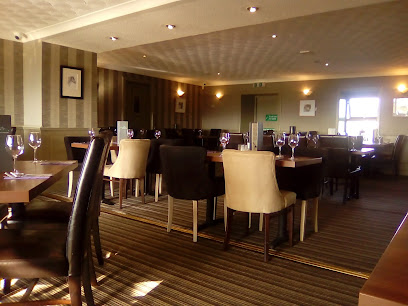
The Chase Inn
28.7 km
A cozy Ayr pub offering friendly service, local ales, hearty meals, and lively entertainment in a welcoming community setting.
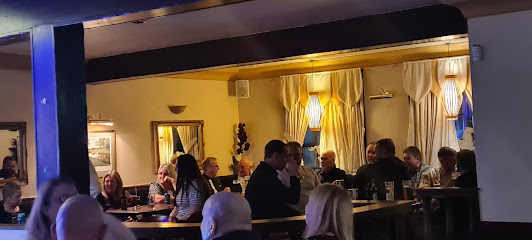
The Market Inn
29.9 km
A warm, traditional Scottish pub in Ayr offering lively football viewing, live music, and a welcoming atmosphere for locals and visitors alike.
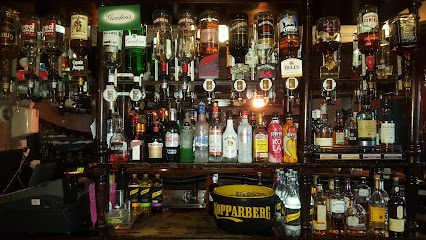
Flix Theme Bar
29.9 km
A vibrant bar and nightclub in Girvan offering lively nights, diverse drinks, and versatile event spaces on Bridge Street.
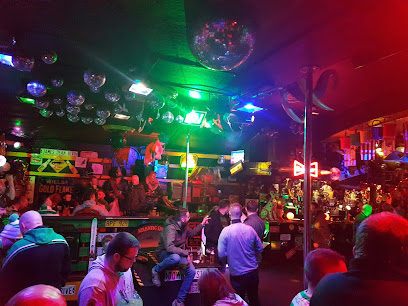
The Growler Taphouse & Kitchen
30.1 km
A lively bar and grill in Ayr offering exceptional craft beers, grilled delights, and a welcoming dog-friendly atmosphere.
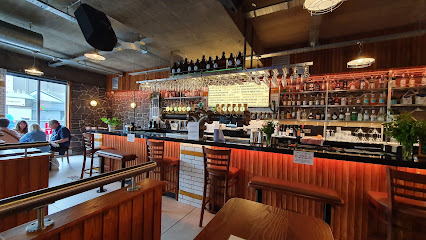
Budd's Bar
30.1 km
A cozy, friendly, and accessible local bar in Ayr’s historic Burns Statue Square, perfect for casual drinks and socializing.
Rabbies Bar
30.1 km
A vibrant Ayrshire pub blending Robert Burns heritage with lively sports, music, and welcoming Scottish hospitality.
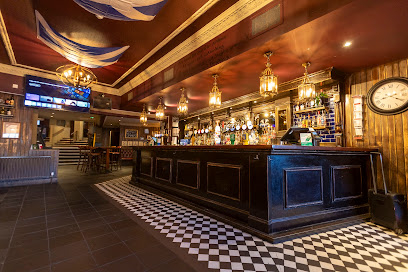
Crumbs & Cocktails
30.1 km
A vibrant Ayr bar blending creative cocktails, live music, karaoke, and a warm, welcoming atmosphere for memorable nights out.

The Twa Dugs
30.1 km
A lively, Burns-inspired Scottish pub in Ayr’s heart, known for unique ales, live music, and an inclusive, welcoming atmosphere.
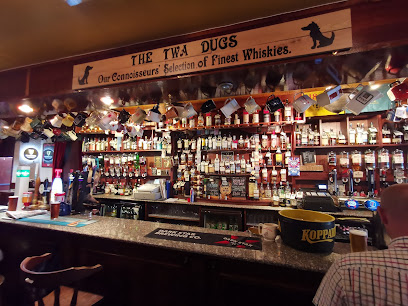
The Ghillie Dhu
30.1 km
A vibrant bar and street food hotspot in Ayr’s Burns Statue Square, blending Scottish tradition with lively music and modern flavors.
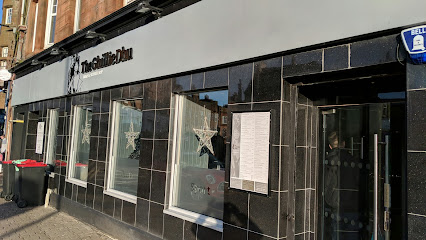
Galloway Arms Hotel
30.3 km
A traditional Scottish inn in Newton Stewart offering hearty local dishes, fine whiskies, and a warm, welcoming atmosphere steeped in regional charm.
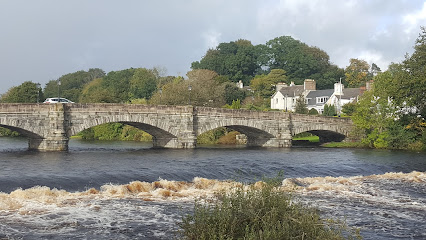
Smiths Bar
30.4 km
A lively Scottish pub and restaurant in Ayr offering home-cooked meals, premium drinks, live sports, and a spacious beer garden for all ages and dog lovers.
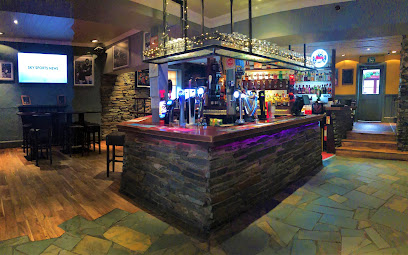
Christina's Bar
30.4 km
A friendly and affordable Scottish pub on Ayr’s Mill Street, offering hearty meals and a warm local atmosphere.
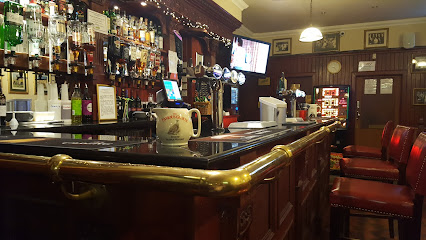
Harleys Ayr
30.5 km
A vibrant and welcoming bar on Ayr’s High Street, perfect for lively nights and social gatherings with a modern, inviting atmosphere.
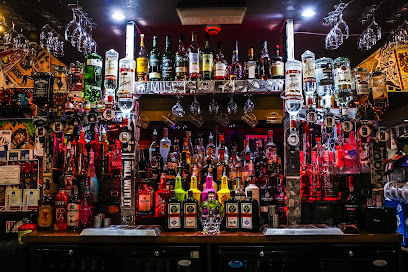
Mulligan's Ayr
30.6 km
A vibrant Irish sports bar in Ayr offering lively music, extensive drinks, and a welcoming atmosphere for all ages and tastes.
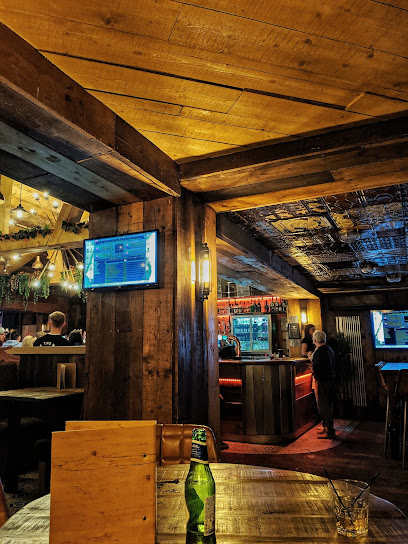
Nightclubs & after hour spots

Printhouse Ayr
30.5 km
Experience Ayrshire’s vibrant nightlife and live music scene at Printhouse Ayr, where music and atmosphere unite for unforgettable nights.
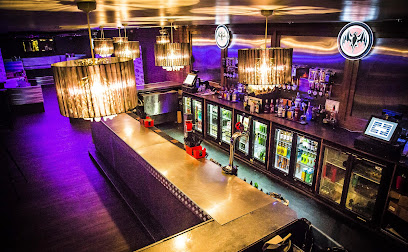
Notion Ayr
30.6 km
Discover the vibrant nightlife at Notion Ayr, an exceptional events venue in the heart of Ayr, perfect for unforgettable social experiences.

Ayr Ex-Services Club
30.8 km
A friendly and lively social club in Ayrshire offering great music, community spirit, and vibrant weekend nights.
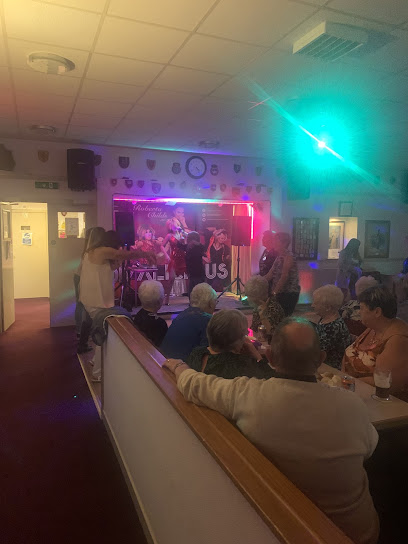
The Club
43.3 km
A vibrant nightlife hotspot in the heart of Kilmarnock, offering lively music and a welcoming atmosphere for locals and visitors.
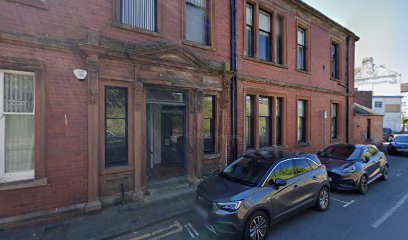
Pitchers Bar and Nightclub
46.8 km
A vibrant and inclusive nightclub in Irvine’s heart, offering lively music, dancing, and a welcoming atmosphere until the early hours.

Railway Social Club
52.6 km
A friendly, community-focused social club in Dumfries offering affordable drinks, lively events, and a welcoming atmosphere near the town centre.
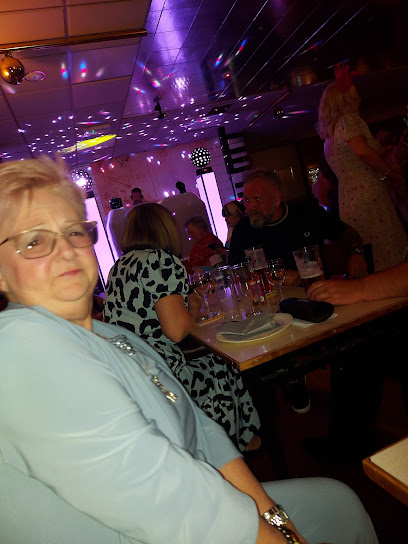
Stranraer F C Fitba Bar
54.2 km
Experience the local charm and vibrant atmosphere at Stranraer F C Fitba Bar, the heart of community spirit and sportsmanship in Stranraer.
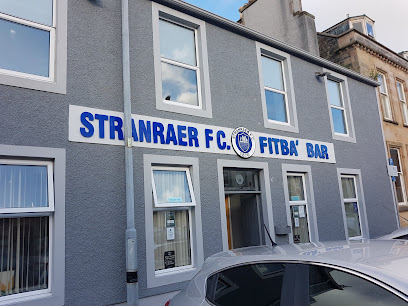
The Meeting Place
54.3 km
Experience the vibrant nightlife at The Meeting Place, Stranraer's premier cocktail bar offering innovative drinks and a welcoming atmosphere.

The Five Arches
54.4 km
Experience the charm of The Five Arches pub in Dumfries - a cozy spot for local brews and delightful fare.
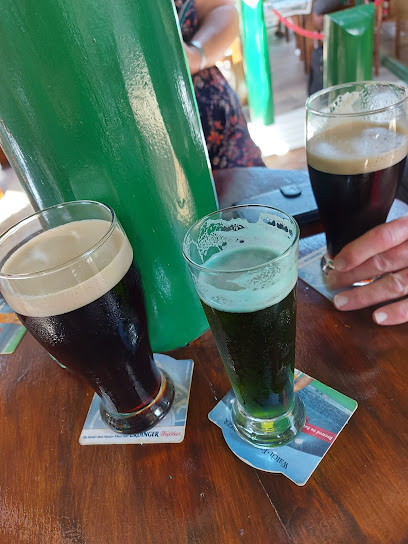
Drift Inn
58.0 km
Discover Drift Inn on the Isle of Arran: a cozy restaurant with a stunning beer garden and delightful local cuisine.
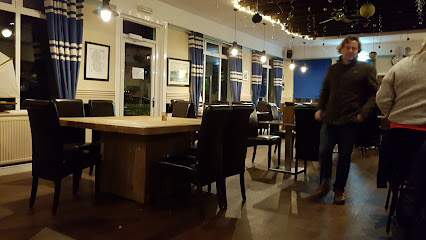
Pierhead Tavern
58.1 km
Discover the warmth and flavors of the Isle of Arran at Pierhead Tavern, a cozy pub and restaurant in Lamlash offering stunning views and local cuisine.
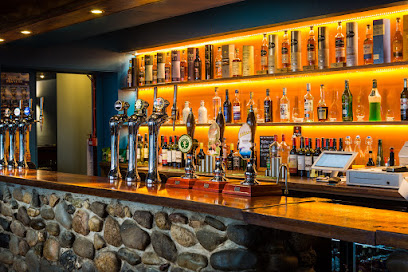
Duncan's On The Green
58.6 km
Experience the charm of Duncan's On The Green, where stunning views and local flavors combine for an unforgettable bar experience on the Isle of Arran.
The Lagg Inn 1791
59.0 km
Experience the historic charm and warm hospitality of The Lagg Inn 1791, a perfect retreat on the stunning Isle of Arran.
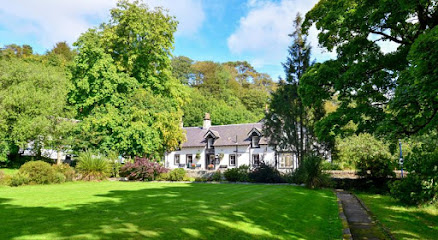
Downtown Nightclub
60.9 km
Experience East Kilbride’s vibrant weekend nightlife at Downtown Nightclub, a hub of music, dancing, and late-night energy in the town centre.
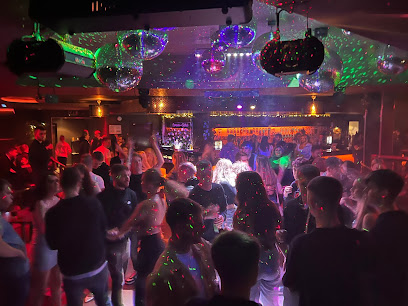
Skye Nightclub & Lounge
60.9 km
Energetic nightclub and lounge in East Kilbride offering vibrant nightlife, music, and drinks in a stylish setting.
For the vibe & atmosphere seeker
- Relaxing
- Tranquil
- Scenic
- Unique
For the design and aesthetic lover
- Rustic Designs
- Vintage Styles
For the architecture buff
- Historic
- Landmarks
- Heritage Neighborhoods
For the view chaser and sunset hunter
- Waterfront
- Panoramas
- Sunset Spots
- Stargazing
For the social media creator & influencer
- Instagrammable
- Photo Spots
- Aesthetic Corners
For the eco-conscious traveler
- Protected Area
- Nature Reserve
- Public-Transport Accessible
- Leave-No-Trace Critical
For the kind of experience you’re after
- Cultural Heritage
- Photowalk
- Nature Escape
- Day Trip
- Weekend Getaway
For how adventurous you want the journey to be
- Easy Access
- Seasonal Only
Location Audience
- Family Friendly
- Senior Friendly
- Child Friendly
- Teen Friendly
- Solo Friendly
- Couple Friendly
- Solo Female Friendly
- Vegetarian Friendly
- Vegan Friendly


