
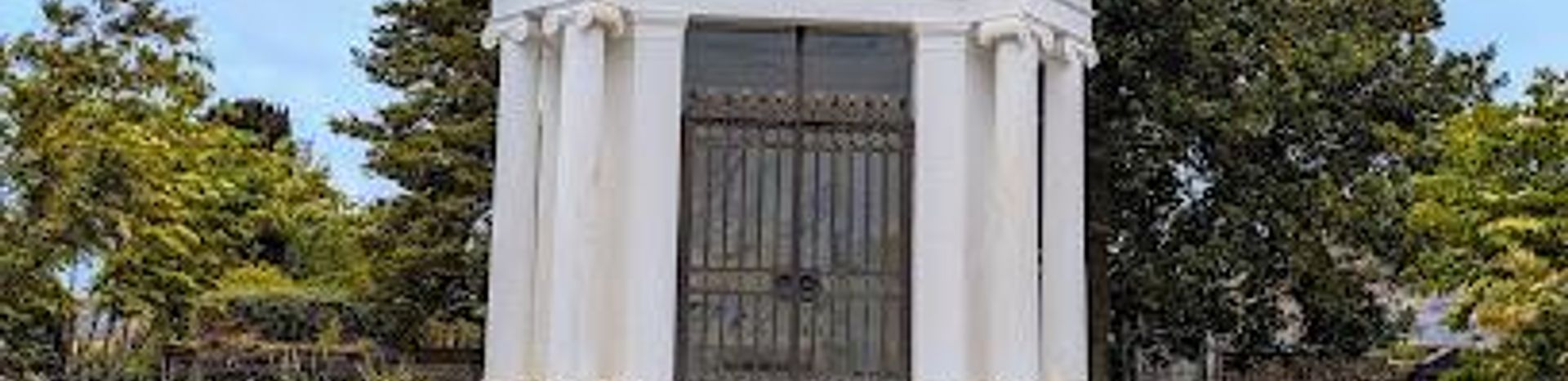
Burns Mausoleum at Saint Michael's Cemetery, Dumfries
Discover the solemn beauty of Burns Mausoleum nestled in historic Saint Michael's Cemetery, the resting place of Scotland’s beloved poet Robert Burns.
The Burns Mausoleum, located within Saint Michael's Cemetery in Dumfries, is the final resting place of Scotland’s national poet Robert Burns and his wife Jean Armour. Set in a historic kirkyard with memorials dating back centuries, the mausoleum is a neo-classical monument surrounded by notable graves and evocative memorials, reflecting the rich cultural heritage of Dumfries and its connection to Burns’ life and legacy.
A brief summary to Burns Mausoleum
- Saint Michael's Cemetery, Dumfries, Dumfries, GB
- Duration: 0.5 to 2 hours
- Free
-
 Outdoor
- Mobile reception: 4 out of 5
- Monday 12 am-12 am
- Tuesday 12 am-12 am
- Wednesday 12 am-12 am
- Thursday 12 am-12 am
- Friday 12 am-12 am
- Saturday 12 am-12 am
- Sunday 12 am-12 am
Local tips
- Visit during daylight hours to fully appreciate the intricate details of the mausoleum and surrounding memorials.
- Combine your visit with a tour of nearby Robert Burns heritage sites in Dumfries for a comprehensive experience.
- Wear comfortable shoes as the cemetery terrain includes some uneven paths and retaining walls.
- Take time to reflect at the Covenanters memorial and the mass grave, poignant reminders of local history.

For the on-the-go comforts that matter to you
- Seating Areas
- Information Boards
Getting There
-
Bus
Take the local bus service from Dumfries town center to the Saint Michael's area, with journey times typically around 10 to 15 minutes. Buses run regularly throughout the day, and tickets cost approximately £1.50 to £3.00. The stop is a short walk from the cemetery entrance.
-
Car
Driving to Saint Michael's Cemetery is straightforward from Dumfries town center, with parking available nearby on public streets. Travel times range from 5 to 10 minutes depending on traffic. Note that parking may be limited during peak times.
-
Walking
For those staying in central Dumfries, the cemetery is accessible on foot within 20 to 30 minutes along mostly paved urban streets. The walk includes some gentle inclines and is suitable for most visitors.
Burns Mausoleum location weather suitability
-
 Any Weather
-
 Rain / Wet Weather
-
 Clear Skies
-
 Mild Temperatures
-
 Windy Conditions
Discover more about Burns Mausoleum
Historical Roots of Saint Michael's Cemetery
Saint Michael's Cemetery in Dumfries is steeped in history, with origins linked to Christian worship on this site for over 1300 years. The cemetery surrounds St Michael’s Church, itself rebuilt multiple times since the 12th century, with the current structure dating largely from the mid-18th century. The churchyard is an irregularly shaped enclosure featuring a variety of fine monuments from the 18th and 19th centuries, reflecting the deep historical and cultural layers present in this sacred space.The Significance of the Burns Mausoleum
The Burns Mausoleum, a neo-classical structure within the cemetery, holds the remains of Robert Burns and his wife Jean Armour. Burns, Scotland’s beloved national bard, died in Dumfries in 1796 and was initially buried in a simple grave within this kirkyard. In 1817, his remains were moved to the mausoleum, which was designed to honor his enduring legacy. The mausoleum stands as a prominent cultural landmark, symbolizing Burns’ profound influence on Scottish literature and identity.Memorials and Monuments Within the Kirkyard
Beyond the Burns Mausoleum, Saint Michael's Cemetery contains numerous noteworthy memorials, including a Covenanters memorial and a mass grave for victims of a historic cholera epidemic. The cemetery’s monuments showcase a range of funerary art and inscriptions, offering insight into the local history and the lives of Dumfries’ past inhabitants. These memorials contribute to the cemetery’s atmosphere as a place of remembrance and reflection.Architectural and Artistic Features
The churchyard’s architecture complements the solemnity of the mausoleum. The neo-classical style of the Burns Mausoleum contrasts with the red sandstone of St Michael’s Church, creating a visually compelling site. The church itself houses historic features such as stone pillars dating back to around 1500 and fine stained glass windows. Together, these elements create a rich aesthetic environment that enhances the visitor’s experience of the cemetery.Robert Burns’ Last Years and Connection to Dumfries
Robert Burns spent the final years of his life in Dumfries, where he worked as an exciseman and continued to write poetry that remains celebrated worldwide. The cemetery and mausoleum mark the place where his life concluded and where his legacy is physically enshrined. Nearby sites in Dumfries also commemorate Burns’ life, including his home and various statues, making the mausoleum a key destination for those exploring his history.Visiting Saint Michael's Cemetery Today
Today, Saint Michael's Cemetery remains a place of quiet reverence and cultural significance. Visitors can explore the grounds to see the Burns Mausoleum and other historic monuments, experiencing the layered history of Dumfries. The cemetery’s peaceful setting invites contemplation of Scotland’s literary heritage and the lives memorialized within its bounds.Iconic landmarks you can’t miss

Dumfries Historic Buildings Trust
0.4 km
Discover the architectural heritage of Dumfries at the Dumfries Historic Buildings Trust, where history is preserved for future generations.
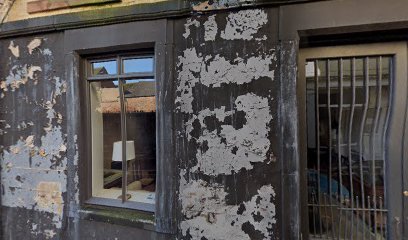
Queensberry Monument
0.6 km
An elegant 18th-century stone column in Dumfries honoring the 3rd Duke of Queensberry and the town’s noble heritage.
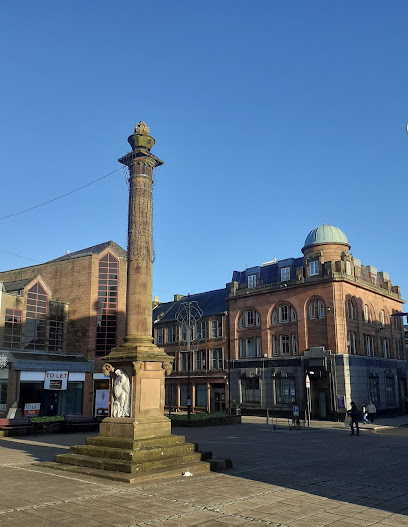
Dumfries
0.8 km
Historic and accessible Dumfries Railway Station connects Scotland’s southwest with modern amenities and rich heritage.
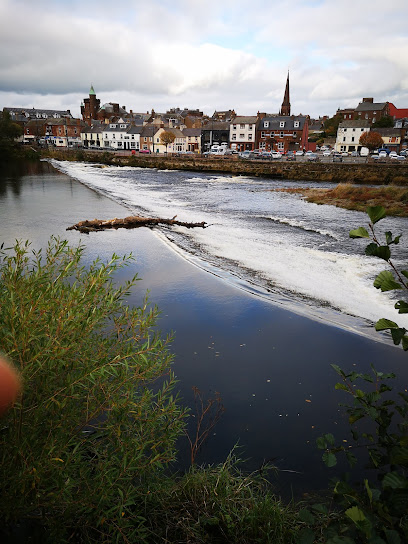
Dumfries Tours
2.9 km
Explore Dumfries with immersive tours that blend history, culture, and stunning landscapes for an unforgettable experience.
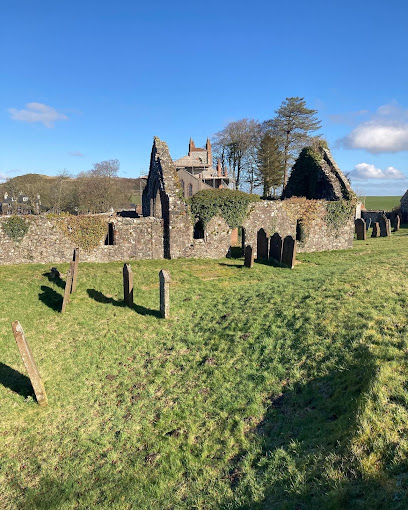
Kingdom Scotland
3.9 km
Discover tranquility at Kingdom Scotland, a serene religious institution in Dumfries that invites spiritual reflection and community connection.

Fourmerkland Tower
8.4 km
Discover the tranquil charm and rich history of Fourmerkland Tower, a secluded 16th-century Scottish tower house near Dumfries.
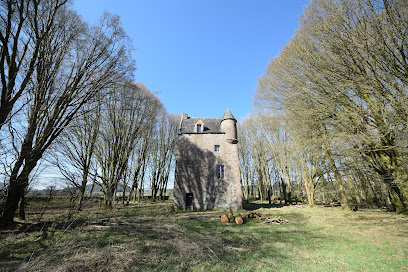
Isle Tower
8.5 km
Explore Isle Tower, a serene 17th-century Scottish tower house ruin guarding historic routes near Dumfries in picturesque Dumfries and Galloway.
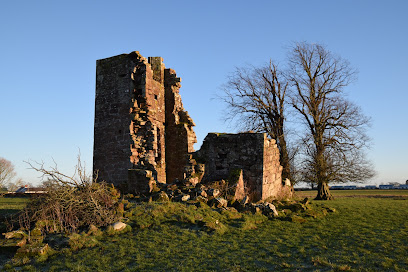
Comyn's Tower
8.9 km
Explore Comyn's Tower near Dumfries, a medieval stronghold entwined with Scotland’s dramatic history and the legacy of the Comyn clan.
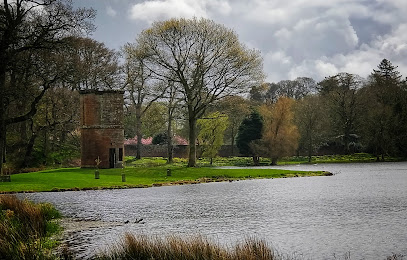
Wardlaw Hillfort
10.2 km
Explore the ancient moated triangular hillfort near Dumfries with panoramic views and rich prehistoric heritage.
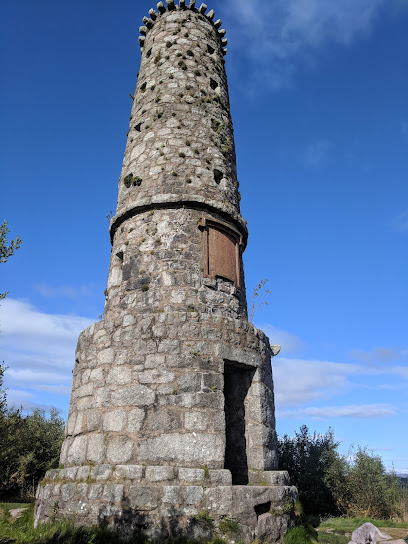
Waterloo Monument
10.4 km
A 150-foot stone tower on Peniel Heugh, built to commemorate the Battle of Waterloo and offering panoramic views across the Scottish Borders and Solway Firth.
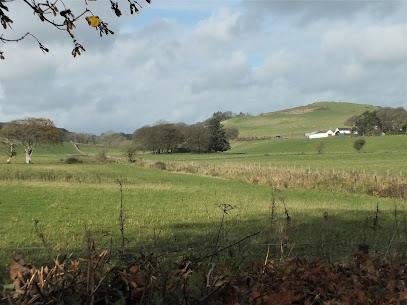
Little Dalton Kirk
11.3 km
Discover the evocative ruins of Little Dalton Kirk, a medieval parish church nestled in tranquil Scottish countryside near Lockerbie.
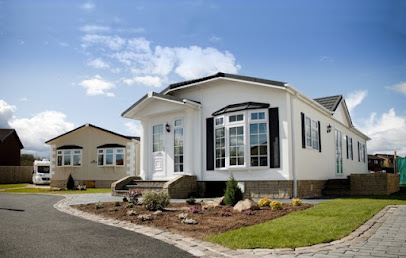
Mossband Residential Park
13.7 km
Tranquil rural living with modern comforts and scenic views near Dumfries in the heart of Scotland’s countryside.
Orchardton Tower
26.0 km
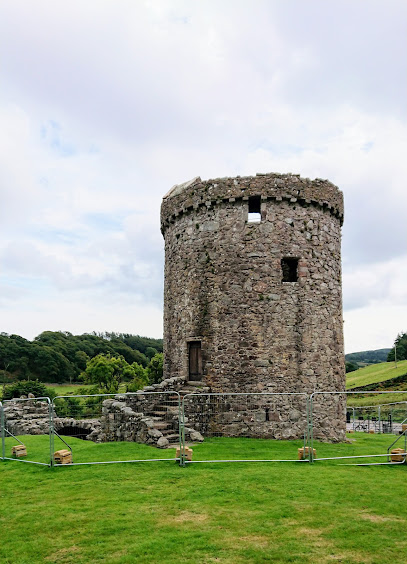
Discover Scotland’s only free-standing circular tower house, a rare medieval fortress steeped in history and legend near Castle Douglas.
Drumlanrig Castle & Gardens
26.6 km
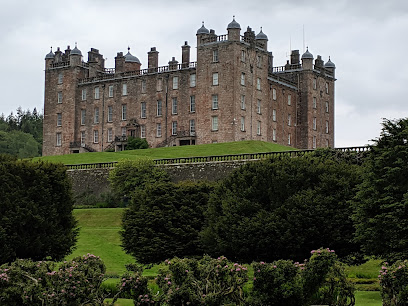
Explore the stunning Drumlanrig Castle & Gardens, a historical gem in Scotland boasting art, beautiful gardens, and rich heritage.
Threave Garden
26.9 km
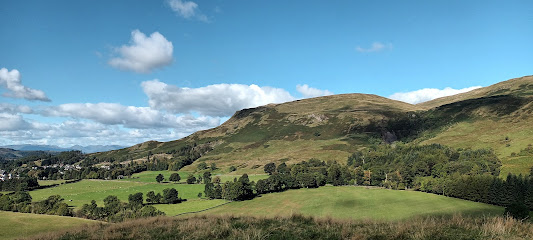
Discover the tranquility and beauty of Threave Garden, a botanical paradise in Castle Douglas, Scotland, perfect for nature lovers and tranquility seekers.

Unmissable attractions to see

St Michael’s and South Parish Church
0.1 km
Discover Dumfries’ oldest church, a historic landmark rich with medieval pillars, stunning stained glass, and the Burns’ Mausoleum.
Robert Burns House
0.2 km
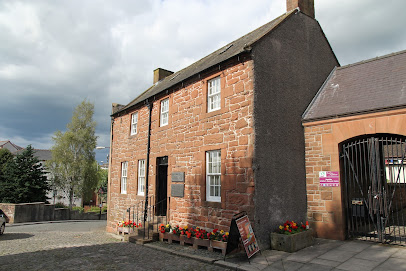
Explore the intimate final home of Robert Burns in Dumfries, where Scotland’s national poet lived, wrote, and left a lasting legacy.
Dock Park
0.2 km
Historic riverside park in Dumfries with family-friendly play, mini-golf, bowling, and scenic picnic spots beside the River Nith.
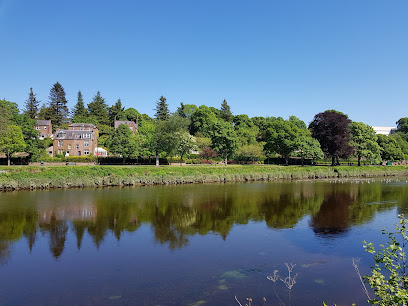
Dumfries Fountain
0.5 km
Discover the Dumfries Fountain, a stunning historical landmark in Dumfries, showcasing the town's rich culture and architectural beauty.
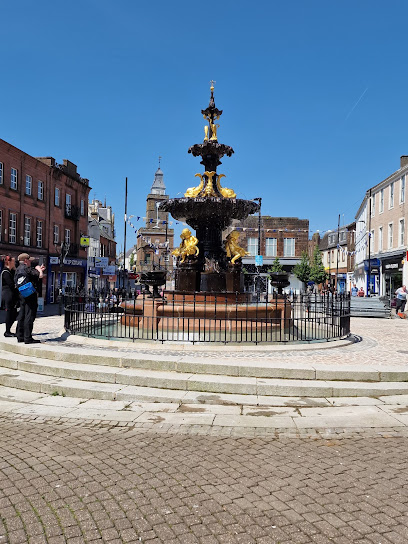
VisitScotland Dumfries iCentre
0.6 km
Friendly and knowledgeable visitor centre offering expert local advice and resources in the heart of Dumfries.
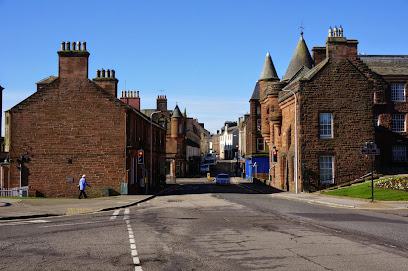
Dumfries Museum
0.6 km
Explore Dumfries’ rich heritage and the world’s oldest working camera obscura in this captivating museum of history and science.
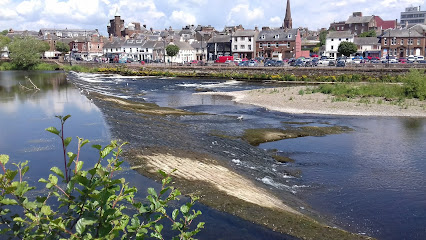
Robert Burns Centre
0.6 km
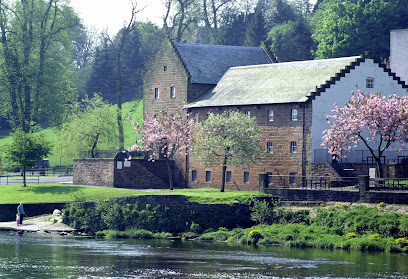
Discover the life and legacy of Robert Burns in Dumfries’ historic watermill, featuring immersive exhibits and a vibrant independent film theatre.
Robert Burns Statue
0.7 km
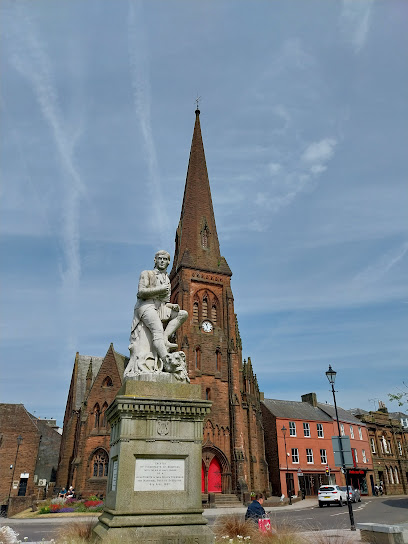
A majestic marble tribute to Robert Burns, standing proudly in Dumfries’ historic Burns Statue Square.
Devorgilla Bridge
0.8 km
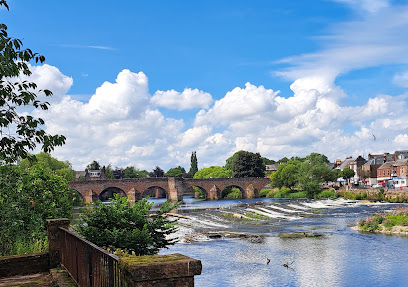
Explore the captivating Devorgilla Bridge, an architectural masterpiece and historical landmark nestled in the heart of Dumfries, Scotland.
Old Bridge House
0.8 km
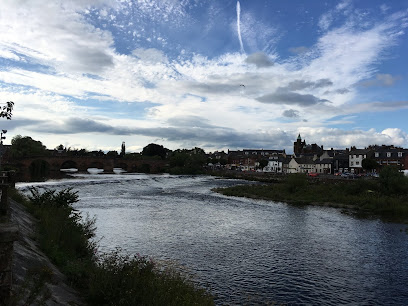
Explore Dumfries’ oldest house ingeniously built into a historic bridge, revealing centuries of local life and heritage by the River Nith.
Castledykes Park
1.0 km
Discover Dumfries’ historic green heart where medieval heritage meets tranquil gardens and vibrant wildlife habitats.
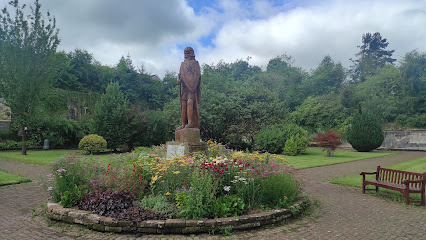
Dumfries & Galloway Family History Society
1.0 km
Discover your roots and explore South West Scotland’s rich heritage at the Dumfries & Galloway Family History Society Research Centre.
Lockerbie Road off-road driving course
1.2 km
Experience the thrill of off-road driving on varied terrain with expert guidance at Dumfries’ premier off-road course.
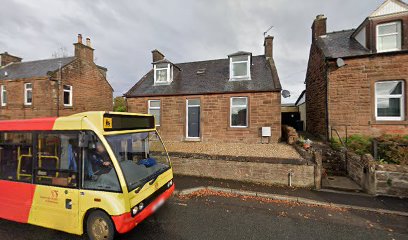
HMP Dumfries
1.3 km
Historic 19th-century prison in Dumfries serving local courts and national sex offender population with a unique castellated architecture.
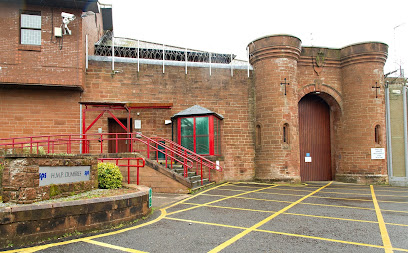
Cuckoo Bridge Retail Park
1.7 km
Dumfries’ main retail park with Tesco Extra, B&M, Dunelm, KFC, Costa and more – a practical, car‑friendly hub for everyday shopping and essentials.
Essential places to dine

Crumb
0.1 km
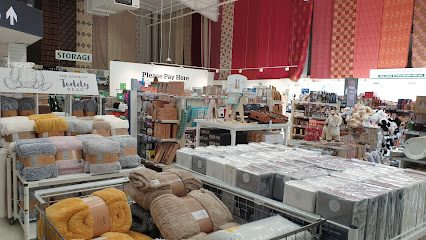
Modern dining meets local charm at Crumb, a welcoming Dumfries restaurant known for quality dishes and relaxed atmosphere.
The Globe Inn Dumfries
0.4 km
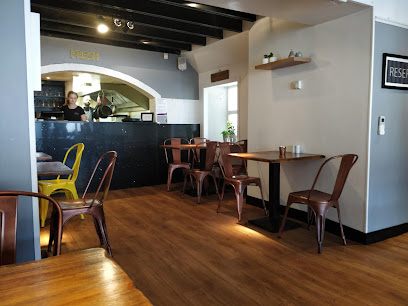
Historic 17th-century pub and Michelin Guide dining in Dumfries, blending Robert Burns heritage with modern Scottish cuisine and an extensive whisky collection.
Granary
0.5 km
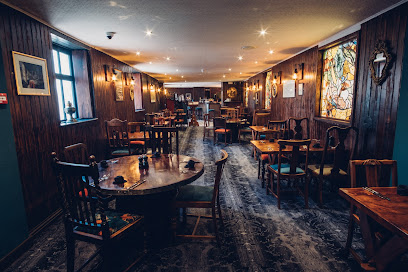
A vibrant Dumfries pub blending cozy dining, lively weekend entertainment, and community spirit in a welcoming setting.
Truffles Bistro
0.5 km
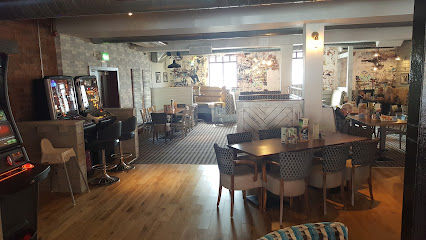
Sophisticated yet cozy, Truffles Bistro in Dumfries serves exquisite local and international dishes in an inviting atmosphere.
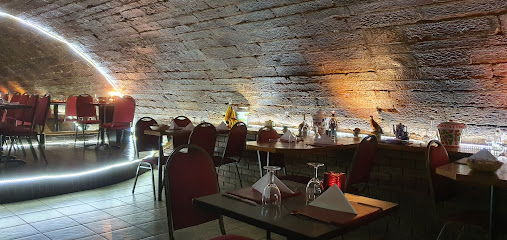
La Dolce Vita
0.5 km
Experience authentic Italian flavors and warm hospitality in the heart of Dumfries at La Dolce Vita, a charming and inclusive dining destination.
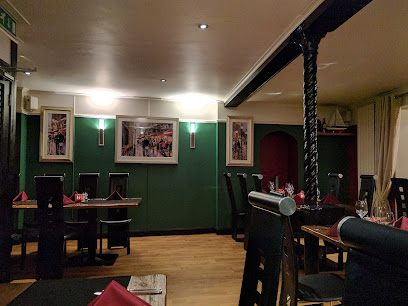
The Corner Eatery and Bar Store
0.5 km
A vibrant eatery in Dumfries serving fresh, homemade British cuisine with a welcoming atmosphere and a charming beer garden.
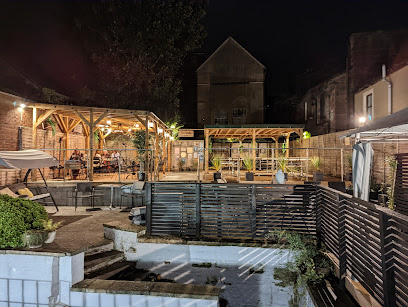
The Bank Bar and Tapas
0.6 km
A vibrant, fully gluten-free tapas bar in Dumfries blending international flavors with a lively social atmosphere and inclusive dining.
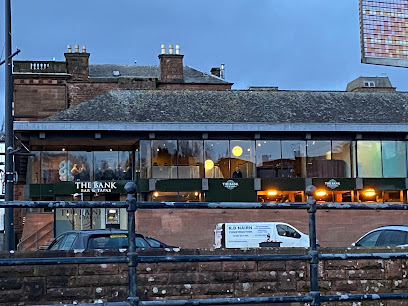
Home Restaurant
0.6 km
A cozy family-run restaurant in Dumfries serving creative, locally sourced Mediterranean-inspired dishes with heartfelt hospitality.
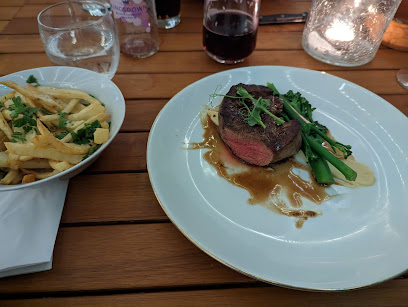
The Back Street
0.7 km
A vibrant hub for modern British cuisine and local drinks in the heart of Dumfries town centre, blending passion with a welcoming atmosphere.
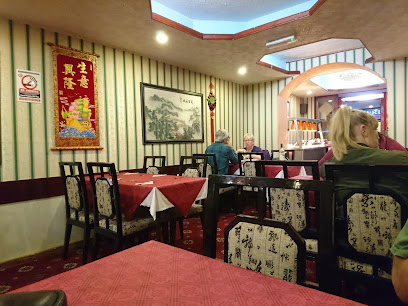
The New Oriental Restaurant
0.7 km
Authentic Chinese dining in the heart of Dumfries, known for fresh ingredients and friendly service in a cozy setting.
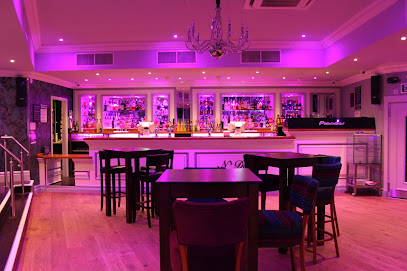
N'Dulge
0.7 km
Discover N'Dulge: A lively bar & grill in Dumfries serving delicious meals and refreshing drinks in an inviting atmosphere.
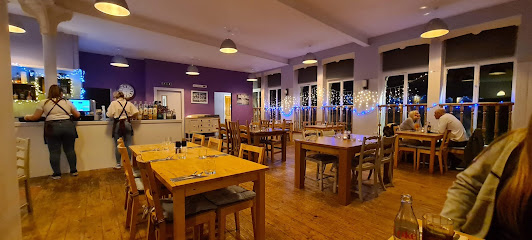
The Hitching Post - DG1 2EQ
0.7 km
Casual American barbecue and grill in Dumfries with a standout gluten-free menu and hearty, authentic flavors.
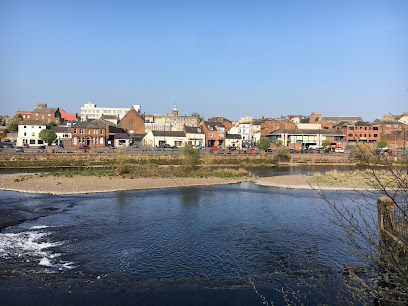
Ivanos Italian Food
0.8 km
Casual Italian takeaway and pizza delivery in Dumfries, serving authentic flavors with a friendly local touch.
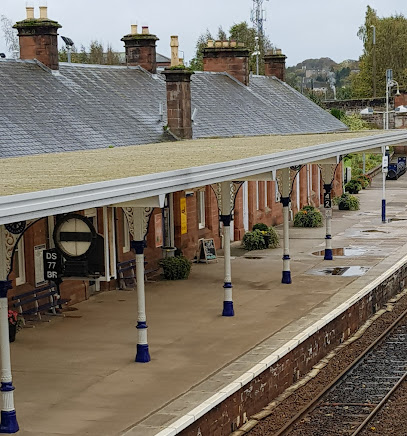
The Station Cafe Dumfries
0.8 km
A friendly, affordable cafe nestled in Dumfries Railway Station, perfect for a comforting breakfast or coffee break on your travels.
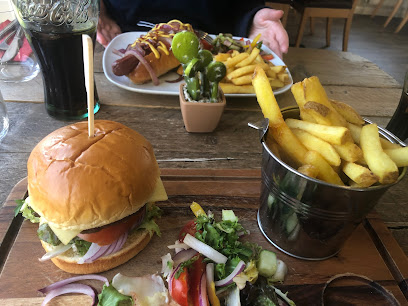
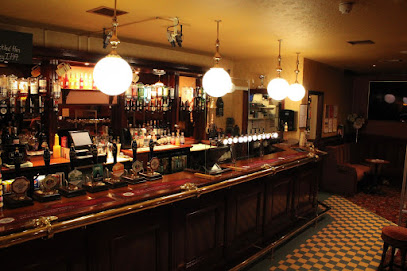
Cavens Arms
0.8 km
A welcoming Dumfries pub offering hearty traditional fare, a dedicated vegan menu, and a friendly atmosphere in the town centre.
Markets, malls and hidden boutiques

Plum Boutique
0.3 km
Independent women-owned fashion boutique in Dumfries offering curated, sustainable wardrobe staples and seasonal styles with a personal touch.

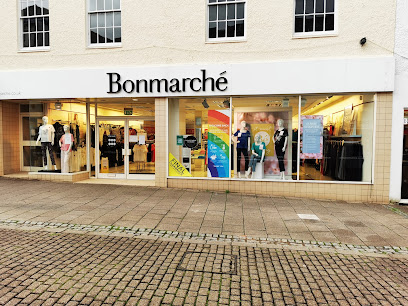
Bonmarché
0.4 km
Affordable and stylish ladies' fashion in the heart of Dumfries, with sizes 10-28 and expert styling advice.
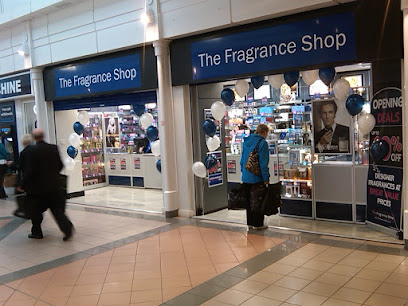
The Fragrance Shop
0.4 km
Discover affordable luxury perfumes and beauty essentials at The Fragrance Shop, Dumfries’ premier scent destination in the Lorebourne Centre.
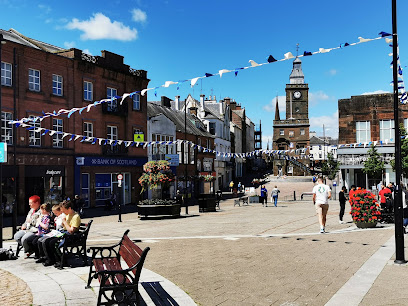
Loreburne Shopping Centre
0.4 km
A vibrant indoor shopping destination in the heart of Dumfries, blending high street brands with local charm and convenient amenities.
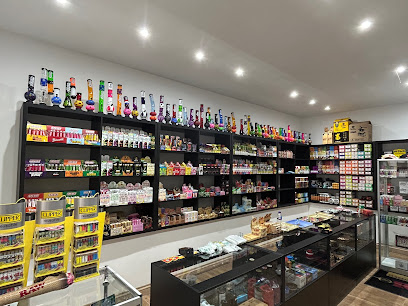
Think Something Different
0.4 km
Discover unique gifts and specialty products at Think Something Different, Dumfries’ go-to shop for eclectic finds and friendly service.
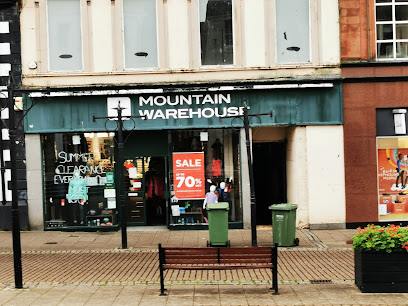
Mountain Warehouse Dumfries
0.5 km
Your go-to store in Dumfries for quality outdoor clothing and gear at moderate prices, catering to adventurers of all ages and skill levels.
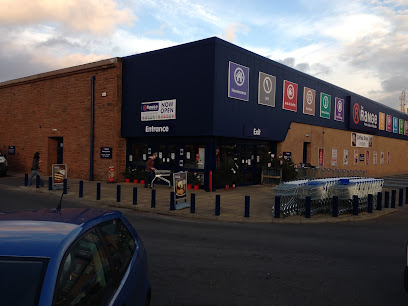
The Range, Dumfries
0.5 km
A versatile home and garden store in Dumfries offering extensive products for every lifestyle and living space.
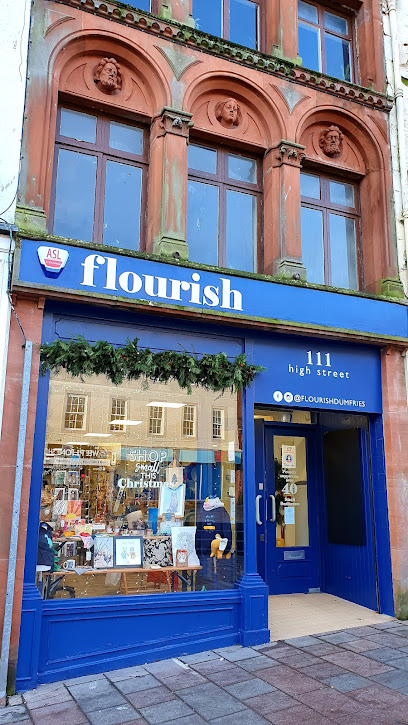
Flourish
0.5 km
Discover unique handcrafted gifts and local art at Flourish, Dumfries’ vibrant gift shop and creative studio on High Street.
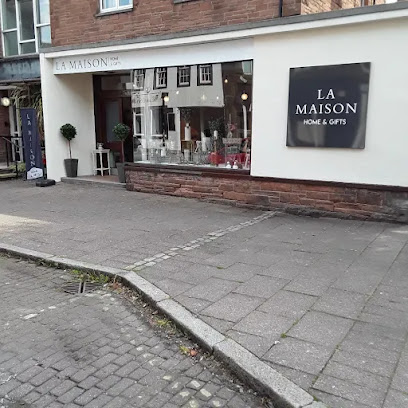
La Maison Home & Gifts
0.6 km
Discover unique homewares and gifts with a personal touch at La Maison, Dumfries’ boutique of curated elegance and local charm.
Circle Vintage
0.6 km
Explore the charm of Circle Vintage in Dumfries, your destination for unique and timeless fashion finds that celebrate the beauty of the past.

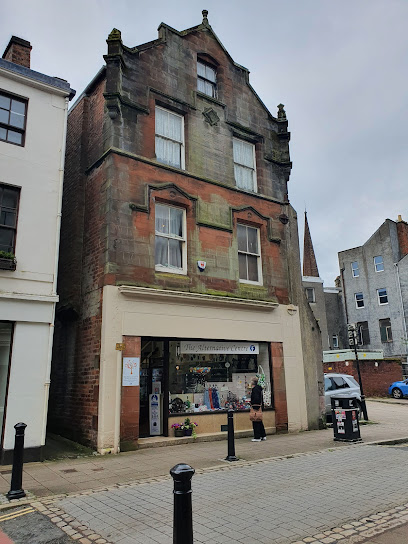
ALTERNATIVE CENTRE(DUMFRIES)
0.7 km
Discover unique local crafts and memorable gifts at Dumfries’ welcoming Alternative Centre on Queensberry Street.
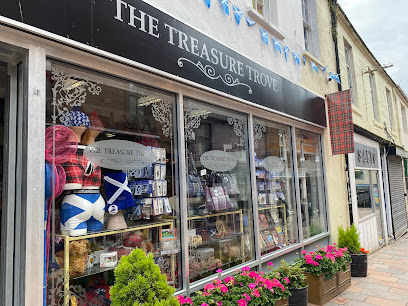
The Treasure Trove Dumfries
0.7 km
Discover unique Scottish gifts and artisan treasures in the heart of Dumfries at The Treasure Trove.
Vintage 109
0.7 km
Discover Vintage 109, a cozy Dumfries boutique brimming with unique, well-priced vintage and handcrafted homewares that add charm to any space.
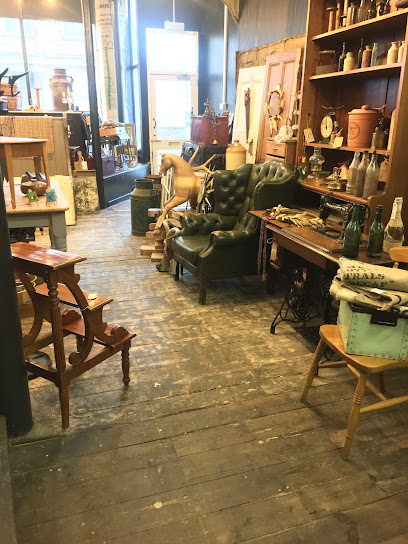
20 Castle Street
0.8 km
Discover unique gifts and timeless antiques with expert interior design at 20 Castle Street, nestled in the historic heart of Dumfries.
Unique Ukes in Dumfries
0.9 km
Discover handcrafted ukuleles and a vibrant music community at Unique Ukes, Dumfries’ premier ukulele shop on Gordon Street.
Essential bars & hidden hideouts

Greens Sports Bar
0.1 km
Lively sports bar in Dumfries with big screens, great drinks, pool tables, and a welcoming community vibe for fans and locals alike.
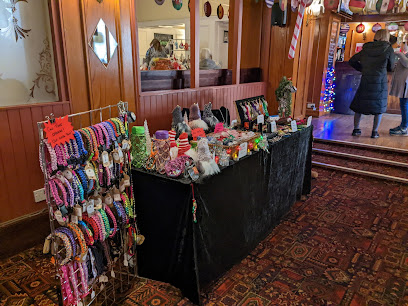
The Riverside Bar
0.2 km
A friendly riverside pub in Dumfries offering diverse craft beers, scenic views, and a relaxed atmosphere beside Dock Park.
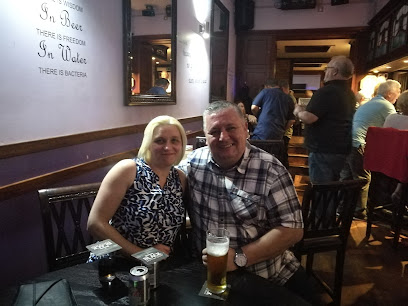
The Lantern
0.3 km
A friendly, dog-welcoming pub in Dumfries offering affordable drinks, live music, and a lively beer garden in a warm, traditional setting.
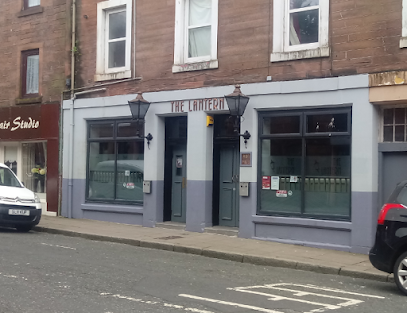
Troqueer Arms
0.4 km
A welcoming traditional pub in Dumfries offering great drinks, live music, and authentic Scottish charm at an affordable price.
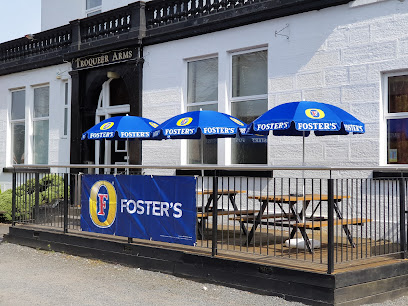
The Queensberry
0.4 km
A bright, comfortable bar and hotel in central Dumfries offering relaxed Scottish hospitality and cozy accommodation.
The Barrel
0.5 km
A friendly, traditional pub in Dumfries offering quality pints and a lively, welcoming atmosphere for locals and visitors alike.

Dickies Bar
0.5 km
Experience warm Scottish hospitality and local craft beers in the cozy, lively setting of Dickies Bar in Dumfries.
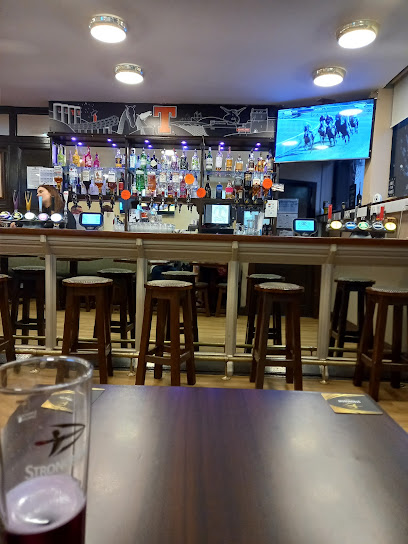
The Stag Bar
0.5 km
A cozy, friendly pub in Dumfries’ town centre offering craft ales and a welcoming atmosphere near the historic Midsteeple.
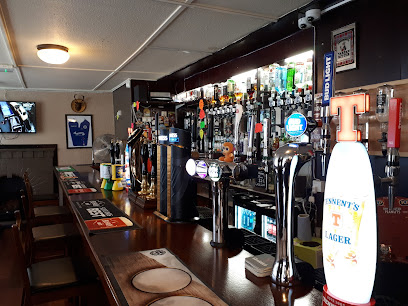
Chancers Night Club
0.5 km
Experience Dumfries nightlife at Chancers Night Club, where vibrant music and a lively atmosphere create unforgettable nights.
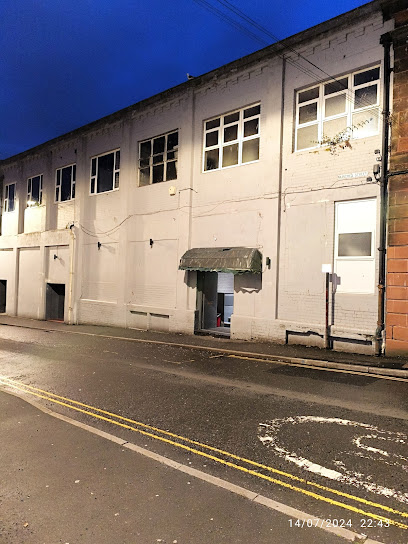
The Imperial
0.6 km
A friendly, fair-priced bar in the heart of Dumfries, perfect for relaxed socializing and local vibes.
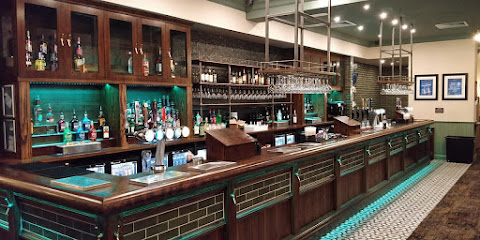
The Normandy
0.6 km
A welcoming and relaxed pub in Dumfries known for friendly service and a cozy atmosphere.
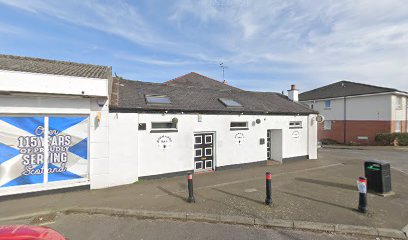
Coach & Horses Inn
0.6 km
Historic 1801 pub in Dumfries offering authentic Scottish charm, quality cask ales, and lively live music in a welcoming atmosphere.
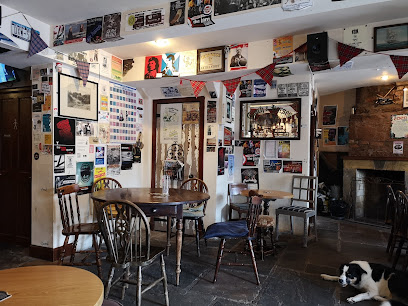
Hole I' The Wa' Inn
0.6 km
A historic and lively Dumfries pub offering authentic Scottish charm, good-value drinks, hearty food, and a welcoming community atmosphere.
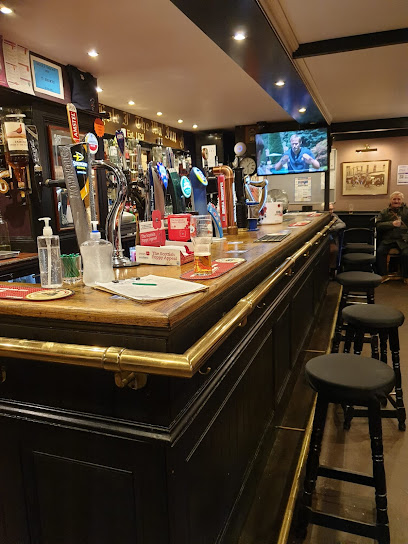
The Venue Dumfries
0.7 km
A vibrant hub for live music, nightlife, and social gatherings in the heart of Dumfries.

The Dougie Arms
0.7 km
A cosy, welcoming pub in Dumfries known for its diverse ales, friendly atmosphere, and inclusive community spirit.
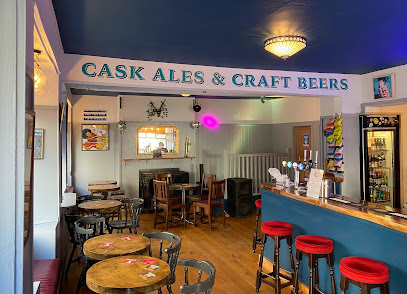
Nightclubs & after hour spots

Railway Social Club
0.4 km
A friendly, community-focused social club in Dumfries offering affordable drinks, lively events, and a welcoming atmosphere near the town centre.
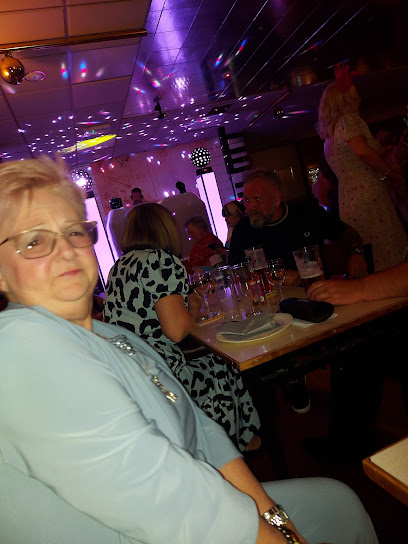
Black Box Music Institute
46.4 km
An intimate old-style nightclub and cultural hub in Carlisle offering live music, festivals, and art exhibitions in a vibrant setting.
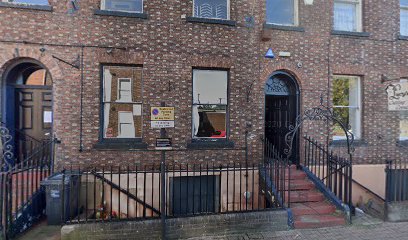
Carlisle R A O B Club
46.5 km
Historic social club in Carlisle offering lively events and a welcoming atmosphere rooted in the Royal Antediluvian Order of Buffaloes tradition.
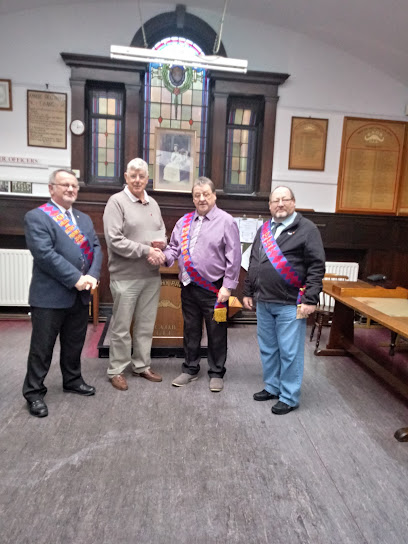
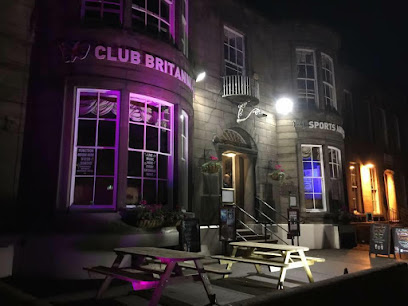
Club Britannia
46.9 km
A vibrant social club in Carlisle offering live music, friendly vibes, and affordable drinks in a smart, welcoming setting.
Secret Carlisle
47.2 km
Experience energetic nights and vibrant music at Secret Carlisle, the city centre nightclub where Carlisle’s historic charm meets modern nightlife.

The Galloway Bar
57.8 km
Discover the charm of Wigtown at The Galloway Bar, where locals gather for great drinks and unforgettable experiences.

Square One
65.1 km
Vibrant Hawick nightclub with dynamic music floors and a welcoming atmosphere at the heart of Drumlanrig Square.

Base Nightclub
65.5 km
Experience Hawick’s energetic nightlife at Base Nightclub, where vibrant music and lively crowds create unforgettable Friday nights.
The Border Club
65.8 km
Experience the vibrant local culture at The Border Club, a friendly social hub in Hawick, Scotland, perfect for travelers seeking community spirit.

Bridge Inn
70.2 km
Discover the scenic beauty and warm hospitality at Bridge Inn, Peebles' favorite pub overlooking the River Tweed.
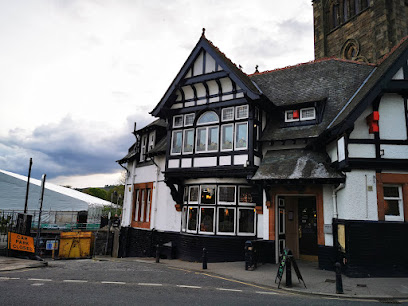
The Neidpath Inn
70.2 km
Discover The Neidpath Inn, a vibrant bar and bed & breakfast in Peebles, offering delicious cuisine, live music, and a cozy atmosphere for all visitors.
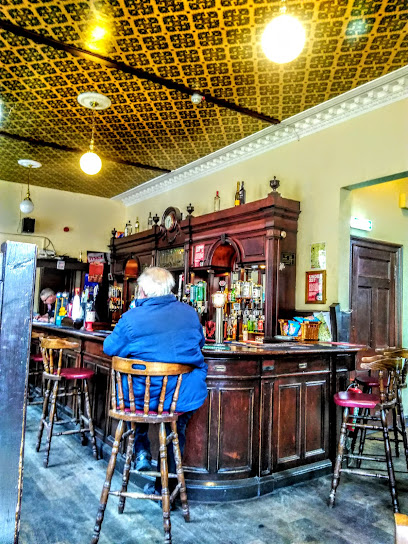
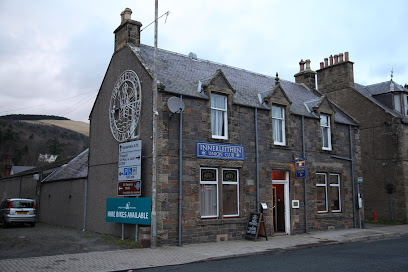
Union Club
70.3 km
A friendly, community-run social club with snooker and events, offering a welcoming and affordable night out in Innerleithen.
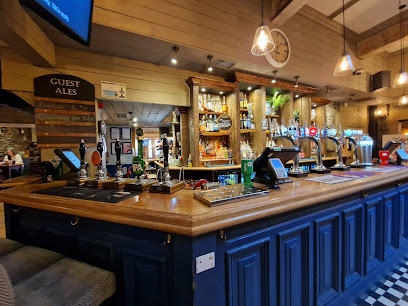
The County
70.3 km
A lively, dog-friendly pub and restaurant in Peebles offering hearty meals, great drinks, and warm Scottish hospitality in a central setting.
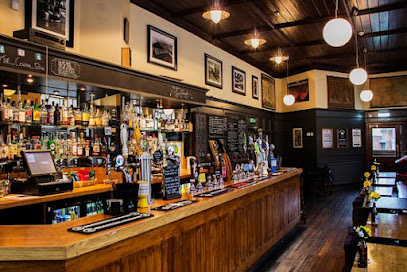
The Central Bar
70.4 km
Experience the heart of Peebles at The Central Bar, where local charm and refreshing drinks await every visitor.
The loose moose
70.4 km
A lively and welcoming nightclub in Penrith offering cocktails, music, and community spirit in the heart of Cumbria’s Eden District.

For the vibe & atmosphere seeker
- Tranquil
- Scenic
- Cultural Heritage
For the design and aesthetic lover
- Vintage Styles
For the architecture buff
- Historic
- Landmarks
- Sacred Sites
For the view chaser and sunset hunter
- Iconic Views
For the social media creator & influencer
- Photo Spots
- Architectural Shots
For the eco-conscious traveler
- Protected Area
- Locally Managed
For the kind of experience you’re after
- Cultural Heritage
- Myth & Legends
- Photowalk
- Day Trip
For how adventurous you want the journey to be
- Easy Access
Location Audience
- Family Friendly
- Senior Friendly
- Child Friendly
- Solo Friendly
- Couple Friendly


