

National Trust - Bath Assembly Rooms, Bath Travel Guide
Step into the elegant world of Georgian Bath at the Assembly Rooms, a historic hub of dance, music, and society since 1771.
The Bath Assembly Rooms, designed by John Wood the Younger and completed in 1771, stand as a magnificent example of Georgian architecture and social life. Once the heart of fashionable society in Bath, these elegant rooms hosted balls, concerts, gambling, and tea gatherings. Now managed by the National Trust, the site reveals a rich history including a rare 18th-century cold bath, and is undergoing transformation to offer an immersive Georgian visitor experience.
A brief summary to National Trust - Bath Assembly Rooms
- Bennett St, Bath, BA1 2QH, GB
- Click to display
- Click to display
- Duration: 1 to 2.5 hours
- Mid ranged
-
 Indoor
- Mobile reception: 4 out of 5
- Monday 10 am-2 pm
- Wednesday 10 am-2 pm
- Thursday 10 am-2 pm
- Friday 10 am-2 pm
- Saturday 10 am-2 pm
- Sunday 10 am-2 pm

Know before you go
Hi, I'm Eve. Here are a few practical things to know before exploring National Trust - Bath Assembly Rooms.
- Visit during special events or tours to experience behind-the-scenes insights into the building’s history and restoration.
- Explore the recently uncovered 18th-century cold bath in the basement for a unique glimpse into Georgian health practices.
- Check National Trust updates for reopening dates and new immersive Georgian experiences planned for 2027.
- Combine your visit with nearby historic sites in Bath, such as the Roman Baths and the Fashion Museum.
Do you manage this location?
Take control to get all the benefits, like improved information, better appearance, and stronger visibility across AI-powered discovery. Learn more about listing your business on Evendo
Activate your presenceOther nearby places you may find interesting
The closest places of the same kind, if this one is not quite what you had in mind.
Explore National Trust - Bath Assembly Rooms on the Map
A handpicked selection of must-see spots near National Trust - Bath Assembly Rooms, mapped for you.
Unlock the Best of National Trust - Bath Assembly Rooms
Buy tickets
-
No tickets available
Book tours with entry


Getting There
-
Train and Bus
From Bath Spa railway station, take a 10-15 minute bus ride on services such as the number 12 or 20 towards the city center. Buses run frequently and cost around £2-£3. The Assembly Rooms are a short walk from the bus stop on Bennett Street.
-
Car
Driving to Bath Assembly Rooms is possible, but parking in central Bath is limited and often requires payment. Nearby public car parks like Charlotte Street or Avon Street offer hourly rates around £2-£3. Allow 10-20 minutes for parking and walking to the site.
-
Walking
If staying in central Bath, the Assembly Rooms are easily accessible on foot from most city center hotels within 10-20 minutes. The terrain is mostly flat and suitable for all fitness levels.
For the on-the-go comforts that matter to you
-
 Restrooms
-
 Drink Options
-
 Food Options
-
 Seating Areas
-
 Information Boards
-
 Visitor Center
Discover more about National Trust - Bath Assembly Rooms
Architectural Grandeur and Historical Significance
The Bath Assembly Rooms were designed by the renowned architect John Wood the Younger and completed between 1769 and 1771. Upon completion, they were hailed as 'the most noble and elegant of any in the kingdom.' The building is a Grade I listed structure and a key part of Bath's UNESCO World Heritage status. Its design features a sequence of high-status rooms with tall ceilings and elaborate Georgian interiors, including the Great Octagon, the Ballroom, the Card Room, and the Tea Room. These spaces were crafted to accommodate dancing, music, gambling, and social gatherings, reflecting the refined tastes of 18th-century polite society.Social and Cultural Hub of Georgian Bath
The Assembly Rooms quickly became the center of social life in Bath, frequented by the elite and literary figures such as Jane Austen and Charles Dickens. The rooms hosted grand balls, concerts, and card games, serving as a venue for entertainment and socializing. The chandeliers, originally holding up to 200 candles, illuminated the elegant interiors, while the walls were adorned with intricate Georgian designs. The venue was a place to be seen and to mingle, embodying the spirit of Georgian society.Unique Discoveries and Archaeological Insights
Recent archaeological excavations beneath the Assembly Rooms uncovered a rare 18th-century cold bath, believed to be unique among historic assembly rooms. This cold bath, once used for health purposes, was part of a suite of rooms including dressing rooms and was accessed separately from the main entrance. The discovery sheds light on the multifaceted nature of the building, combining leisure, health, and entertainment under one roof. The bath was damaged during World War II bombings and later filled in, but its preservation offers a tangible connection to Georgian wellness practices.War Impact and Restoration Efforts
The Assembly Rooms suffered significant damage during the Bath Blitz of World War II in 1942. Many interiors were destroyed, but the chandeliers and key features were removed for protection and later restored. Post-war restoration was led by Sir Albert Richardson, preserving the building’s historical and architectural integrity. Since then, the National Trust has managed the site, undertaking ongoing conservation and refurbishment projects to maintain its grandeur and prepare for a new visitor experience.Current and Future Visitor Experience
The National Trust has owned the Assembly Rooms since 1931 and resumed day-to-day management in 2023. The building is currently closed for extensive renovations aimed at creating an immersive Georgian experience that brings to life the social scene of the late 18th and early 19th centuries. Visitors will eventually be able to explore the stories of real people who attended the balls, the preparation and aftermath of events, and authentic period objects and costumes. This ambitious £17 million project seeks to reconnect the Assembly Rooms with Bath’s cultural heritage and contemporary community.Setting and Surroundings
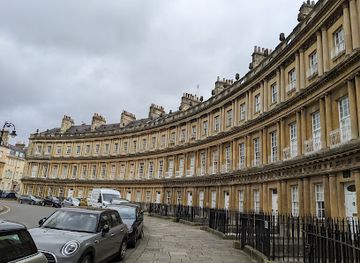
Located on Bennett Street in the heart of Bath, the Assembly Rooms are surrounded by the city's historic streets and landmarks. The building’s elegant façade and its interior spaces offer a glimpse into the refined lifestyle of Georgian Bath. Though currently closed for renovation, the site remains a symbol of Bath’s rich social history and architectural splendor, promising a revitalized role as a vibrant cultural venue upon reopening.More to explore near National Trust - Bath Assembly Rooms
-

Best experiences near National Trust - Bath Assembly Rooms
-

Best hotels near National Trust - Bath Assembly Rooms
-

Best landmarks near National Trust - Bath Assembly Rooms
-

Best shops near National Trust - Bath Assembly Rooms
-

Best restaurants near National Trust - Bath Assembly Rooms
-

Best bars near National Trust - Bath Assembly Rooms







Your all‑in‑one travel companion app
Explore expert travel guides, compare and book tours, experiences, hotels, and more—all from the palm of your hand. Download now for seamless trip planning wherever your wanderlust takes you.


Explore More of Bath
Looking beyond National Trust - Bath Assembly Rooms? Discover Bath for broader travel guides, local hot-spots, and regional highlights.
Explore Bath
A peaceful, tree-lined promenade in Royal Victoria Park with live music, café comforts, and stunning views of Bath’s historic landmarks.

Step into the elegant Georgian world of Bath Assembly Rooms, where history, architecture, and social life converge in a timeless cultural landmark.
