
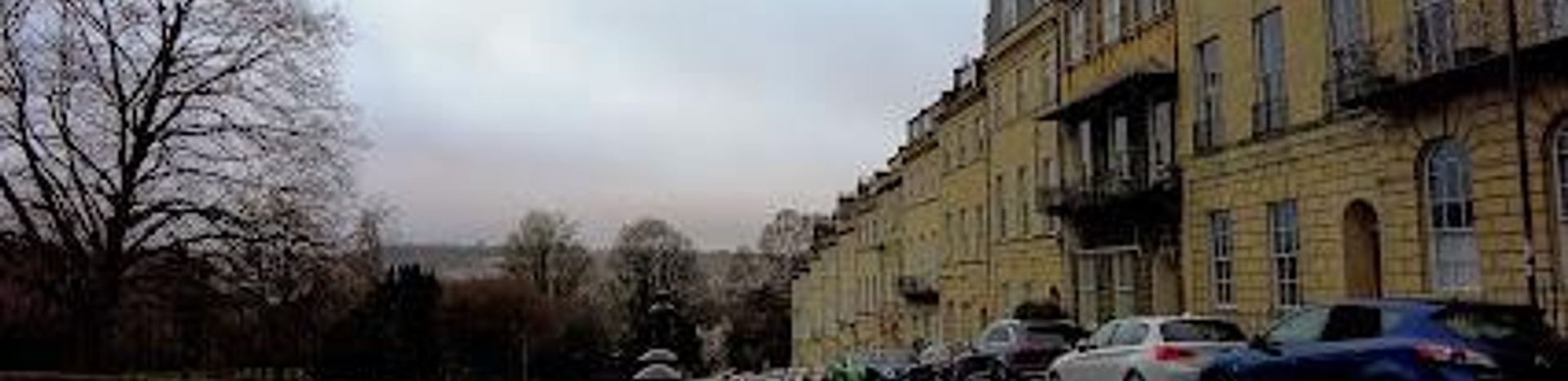
Marlborough Buildings
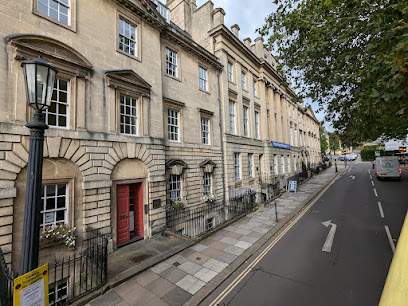
Georgian elegance in a Grade II listed terrace, where Bath's architectural ambition meets refined 18th-century townhouse design.
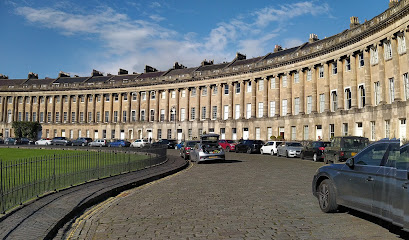
Marlborough Buildings is a Grade II listed Georgian terrace in Bath, built between 1787 and 1790 as part of the city's expansion during its golden age as a spa resort. This elegant row of 33 townhouses features the characteristic creamy Bath stone facades, rusticated ground floors, and refined proportions that define Bath's architectural heritage. Located west of the iconic Royal Crescent, the terrace showcases the work of multiple builders and architects, including John Fielder and John Palmer, and remains a quintessential example of late 18th-century townhouse design.
A brief summary to Marlborough Buildings
- Bath, GB
- Duration: 0.5 to 2 hours
- Free
-
 Outdoor
- Mobile reception: 5 out of 5
Local tips
- Visit early morning or late afternoon to capture the warm Bath stone in golden light, when the rusticated ground-floor detailing and sash windows are most photogenic and crowds are minimal.
- Walk the full length of the terrace to appreciate its architectural unity and the subtle variations in fenestration and later extensions that reveal its construction history.
- Access the Commons and allotments to the rear via Western Road or Cow Lane to experience the unexpected green character that contrasts with the formal facades and understand the terrace's complete urban context.
- Combine your visit with the adjacent Royal Crescent and Royal Victoria Park to grasp the broader scope of Bath's Georgian expansion and architectural ambition.
- Observe the Victorian-era extensions and modern window replacements to understand how historic properties adapt to changing needs while respecting heritage conservation principles.

For the on-the-go comforts that matter to you
- Information Boards
- Seating Areas
Getting There
-
Walking from Bath City Centre
From Bath Abbey in the city centre, walk northwest along Milsom Street for approximately 10–12 minutes, passing the Royal National Hospital for Rheumatic Diseases. Continue uphill as Milsom Street becomes Cavendish Road. Marlborough Buildings will be on your left, with clear north-south views along the terrace. The walk is on paved urban streets with moderate uphill gradient. No parking required.
-
Bus from Bath City Centre
Take local bus services (routes 2, 4, or 17) from the city centre toward the Upper Bristol Road or Cavendish Road area. Journey time is approximately 8–12 minutes depending on traffic and service frequency. Alight at stops near Cavendish Road or Walcot Street. Single fares typically range from £1.80 to £2.50 GBP. Services run regularly throughout the day, though frequency is reduced in evenings and Sundays.
-
Driving and Parking
If driving, approach via Cavendish Road or Western Road. On-street parking is available along Cavendish Road and nearby residential streets, though spaces are limited and subject to Bath's permit restrictions in some areas. Check local signage for parking regulations. Alternatively, use the nearby Walcot Street car park, approximately 5–8 minutes' walk away, with typical charges of £1.50–£2.50 GBP per hour. No dedicated parking at the terrace itself.
-
Walking from Royal Crescent
From the Royal Crescent, walk south along Brock Street for 2–3 minutes, then turn onto Cavendish Road heading east. Marlborough Buildings will appear on your right within 3–4 minutes. This route showcases Bath's Georgian architecture in sequence and is entirely on level, paved streets. Ideal for understanding the architectural progression of Bath's expansion.
Marlborough Buildings location weather suitability
-
 Any Weather
-
 Clear Skies
Discover more about Marlborough Buildings
The Genesis of a Georgian Masterpiece
Marlborough Buildings emerged from the ambitious vision of John Wood the Younger, the visionary architect who designed the Royal Crescent. After completing his masterwork between 1767 and 1774, Wood leased the surrounding land and planned further developments. Following his death, the land west of the Royal Crescent was auctioned in January 1786. A consortium of builders—John Fielder, James Broom, Thomas King, and William Cross—purchased the site for £1,970, recognizing its potential for speculative development. The location, just beyond Bath's most celebrated residential address, promised both prestige and profitability.Rapid Construction and Architectural Collaboration
The construction of Marlborough Buildings proceeded with remarkable speed. Between 1787 and 1790, the builders transformed a vacant strip of land into a complete terrace of 33 townhouses. John Fielder, who styled himself as an architect, designed most of the properties, while sections—notably numbers 13 to 15—are attributed to the accomplished John Palmer, whose identical frontage designs appear on Green Park Buildings. The builders subdivided the land into individual plots, charging ground rents between 9 shillings and 12 shillings sixpence per foot. This financial model allowed them to sell completed properties quickly and finance subsequent construction, a practice that accelerated the terrace's completion within just three years.Materials and Craftsmanship
Like all of Bath's finest Georgian architecture, Marlborough Buildings utilizes the distinctive creamy-gold Bath stone quarried from the Combe Down and Bathampton Down Mines. The stone's warm honey tones and workability made it ideal for the refined detailing that characterizes the terrace. Early deeds reveal the involvement of skilled tradespeople: Mark Fowles, a tiler and plasterer, contracted with Fielder and his partners to construct number 31, paying a perpetual rent of £9 18 shillings. This documentation provides invaluable insight into the craft practices and economic relationships that underpinned Bath's building boom.Architectural Character and Streetscape Presence
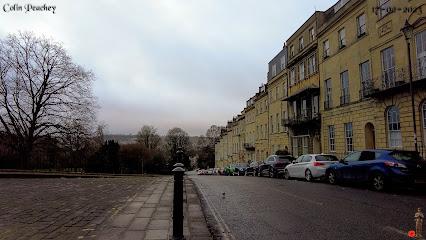
The terrace's principal elevation presents a unified, harmonious composition that dominates its streetscape through sheer scale and consistency. Each townhouse features a three-bay facade with rusticated ground-floor detailing—a hallmark of Georgian sophistication—and matching sash windows that originally displayed the refined 6-over-6 pane configuration typical of the period. The long, unobscured north-south views from Cavendish Road toward Lower Bristol Road emphasize the terrace's architectural authority. The rear elevations, visible from Western Road and Cow Lane, display greater eclecticism, reflecting later Victorian-era extensions and modifications that adapted the properties to changing domestic needs and fashions.Evolution and Later Modifications
Like many historic terraces, Marlborough Buildings has undergone significant alterations since its completion. Victorian-era owners added extensions, porches, and new fenestration to suit evolving tastes and functional requirements. In 1890, one resident purchased three adjacent properties and commissioned the architects Browne and Gill to design three-storey extensions visible today. These additions, while later in date, represent the adaptive reuse that has allowed the terrace to remain residential and economically viable across centuries. Contemporary conservation efforts focus on reinstating original fenestration profiles while incorporating modern thermal efficiency upgrades, balancing heritage preservation with environmental responsibility.Heritage Designation and Urban Context
Marlborough Buildings' Grade II listing recognizes its special architectural and historic interest as part of Bath's World Heritage Site designation. The terrace forms an integral part of the streetscape setting for the Grade I Royal Crescent and Grade II Royal Victoria Park. The Commons and allotments to the rear, originally intended for development but never built upon, preserve an unexpected green character that contrasts with the urban formality of the facades. This juxtaposition—refined townhouse elegance fronting informal open space—reflects the layered complexity of Bath's urban development and the contingencies that shaped its final form.Iconic landmarks you can’t miss

Marlborough Buildings
0.0 km
Georgian elegance in a Grade II listed terrace, where Bath's architectural ambition meets refined 18th-century townhouse design.
Royal Cres
0.1 km
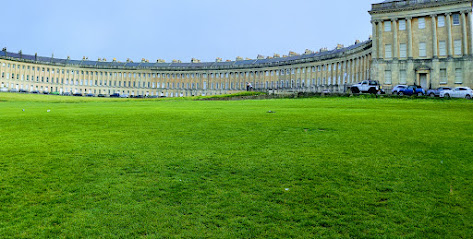
Experience Bath’s Royal Crescent, a stunning Georgian crescent with iconic Ionic columns, historic charm, and sweeping parkland views.
The Royal Crescent
0.2 km
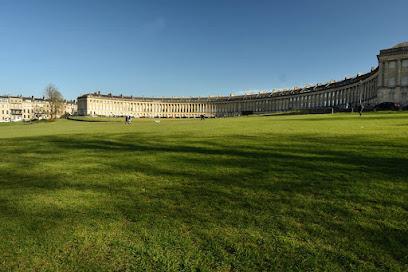
Georgian perfection in stone: 150 metres of architectural harmony overlooking Bath's parkland landscape.

Green Park Station
0.7 km
Historic railway station turned vibrant market hub offering fresh local produce, unique crafts, lively eateries, and cultural events in Bath.
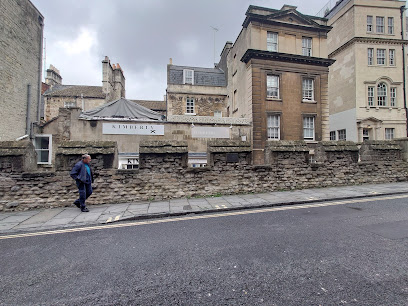
Part of the mediaeval wall of the City of Bath
0.8 km
Explore a rare surviving fragment of Bath’s medieval city walls, a stone sentinel guarding centuries of history at 13 Trim Street.
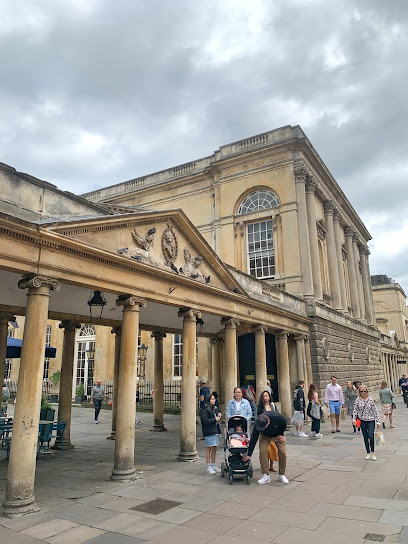
The Pump Room Restaurant
1.0 km
Experience exquisite British and European cuisine in a historic setting at The Pump Room Restaurant, a must-visit gem in Bath.
The EASTGATE
1.0 km
Explore The EASTGATE, a captivating historical landmark in Bath, showcasing stunning Georgian architecture and rich cultural heritage.
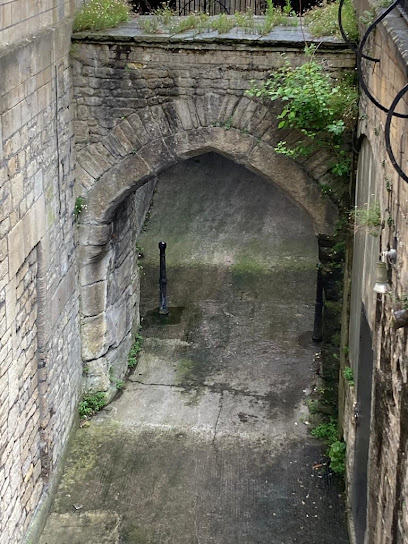
Archway
1.0 km
Discover Bath’s elegant Victorian Archway, a historic stone bridge carrying spa waters across York Street in the city’s UNESCO heritage heart.
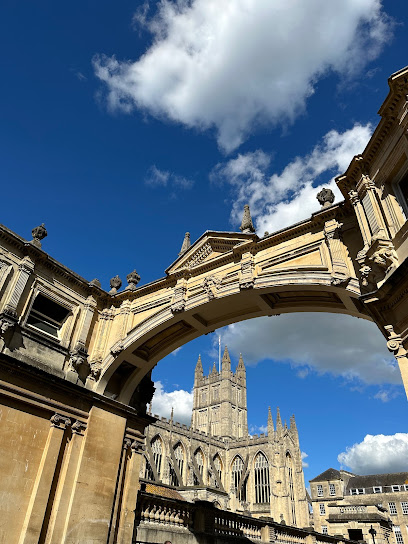
Bath Quays Waterside
1.0 km
A vibrant, sustainable waterside regeneration reconnecting Bath’s city centre with its historic river heritage and green public spaces.
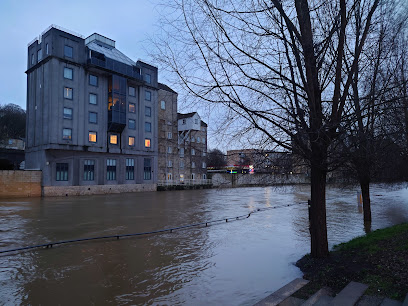
In and Beyond Bath
1.0 km
Experience the rich history and stunning architecture of Bath with personalized tours from In and Beyond Bath, your expert local travel guide.
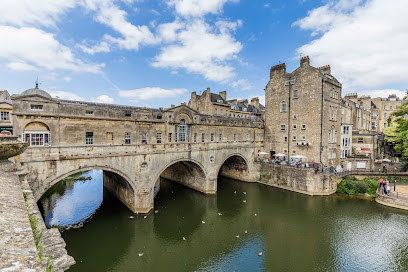
Beazer Garden Maze
1.1 km
Discover the enchanting Beazer Garden Maze in Bath, a serene retreat filled with lush greenery and intricately designed pathways for all to explore.
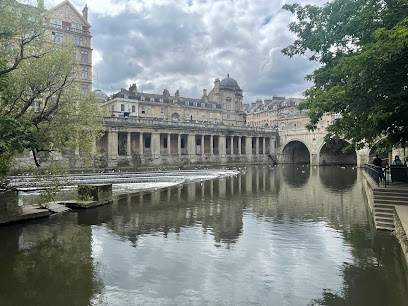
Chapel Arts Centre
1.1 km
Discover the lively spirit of Bath at Chapel Arts Centre, where live music meets a cozy café atmosphere for an unforgettable experience.
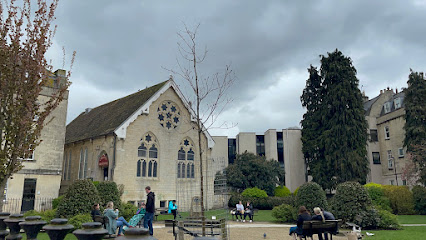
Parade Gardens
1.1 km
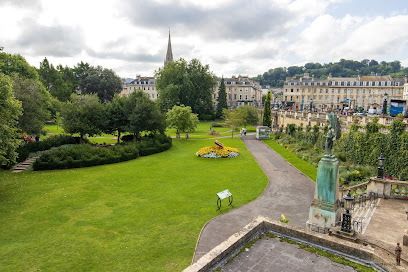
Explore the enchanting Parade Gardens in Bath, a serene escape filled with vibrant flowers, historic monuments, and breathtaking views along the River Avon.
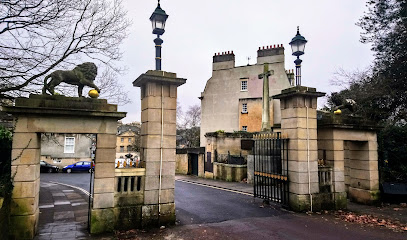
Parte de la muralla medieval de la ciudad de Bath
1.1 km
Explore a rare surviving fragment of Bath’s medieval city wall, a gateway to the city’s rich Roman and medieval heritage.
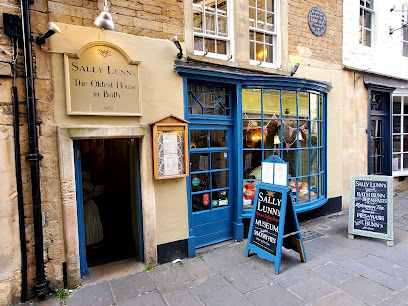
Sally Lunn’s Historic Eating House & Museum
1.1 km
Experience the rich history and delectable flavors at Sally Lunn’s Historic Eating House & Museum in Bath, where tradition meets taste.
Unmissable attractions to see

Royal Victoria Park Bath
0.2 km
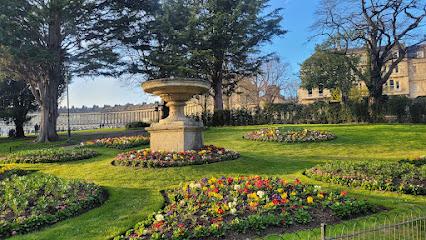
Historic 57-acre urban park in Bath with botanical gardens, playgrounds, tennis courts, and seasonal events beneath the iconic Royal Crescent.
No. 1 Royal Crescent
0.2 km
Step back into Georgian elegance at No. 1 Royal Crescent, Bath’s iconic townhouse museum showcasing 18th-century aristocratic life in stunning detail.
Royal Avenue Bath
0.2 km
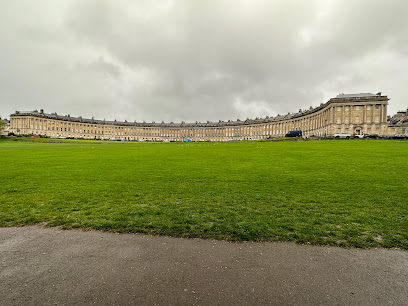
A peaceful, tree-lined promenade in Royal Victoria Park with live music, café comforts, and stunning views of Bath’s historic landmarks.
Victoria Falls Adventure Golf
0.3 km
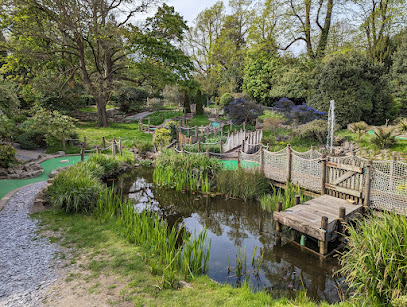
An enchanting 18-hole adventure golf course in Bath, blending scenic gardens and playful challenges for all ages.
Beau Nash
0.3 km
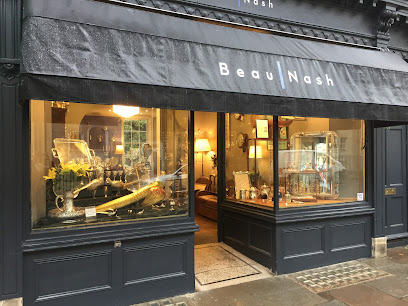
Discover exquisite antique furniture in Bath’s historic district at Beau Nash, where timeless craftsmanship meets elegant heritage.
Georgian Garden
0.4 km
Step into Bath’s Georgian Garden, a serene, historically restored 18th-century town garden nestled between iconic Georgian landmarks.
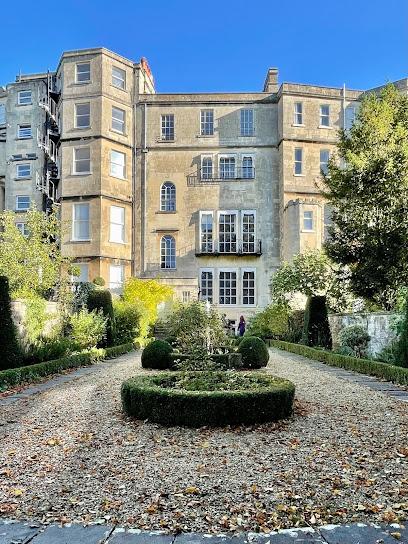
The Circus - Bath
0.4 km
Discover The Circus, Bath’s iconic Georgian circle blending classical architecture, druidic symbolism, and Masonic mystery in a stunning urban masterpiece.
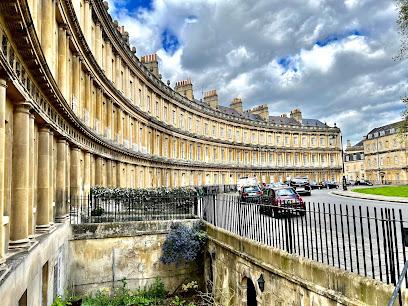
Victoria Bridge
0.4 km
Explore Victoria Bridge, a pioneering Victorian suspension bridge blending engineering innovation with Bath’s historic riverside charm.
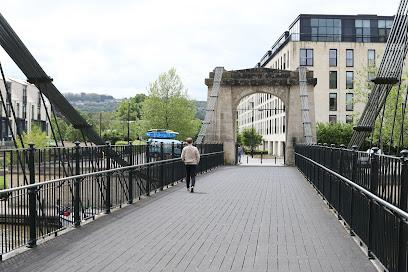
The Museum of East Asian Art
0.5 km
Explore 7,000 years of East and Southeast Asian art in Bath’s unique Georgian townhouse museum.
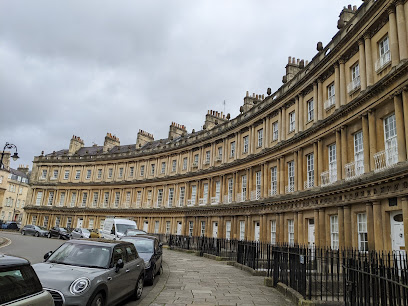
National Trust - Bath Assembly Rooms
0.5 km
Step into the elegant world of Georgian Bath at the Assembly Rooms, a historic hub of dance, music, and society since 1771.
Museum of Bath at Work
0.5 km
Step inside Bath’s industrial past with interactive workshops, historic machinery, and immersive exhibits in a unique 18th-century setting.
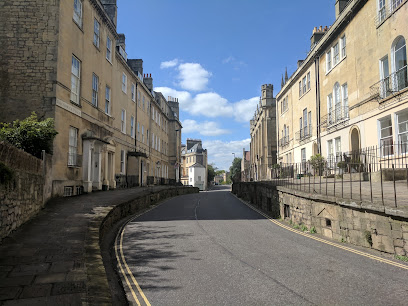
Herschel Museum of Astronomy
0.5 km
Explore the birthplace of Uranus’s discovery in a charming Georgian townhouse blending astronomy, music, and history in Bath.
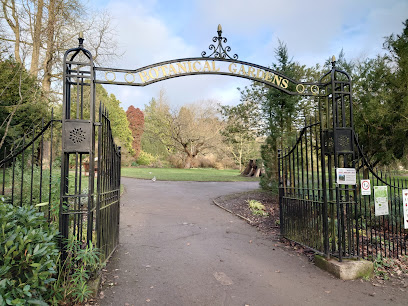
Botanical Gardens
0.6 km
A historic and tranquil nine-acre botanical oasis in Bath’s Royal Victoria Park, blending rich plant collections with cultural heritage and serene woodland walks.
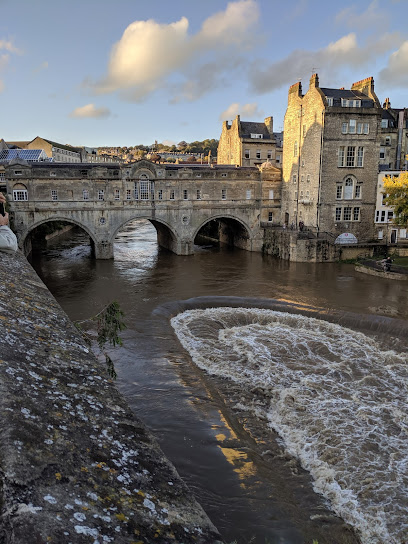
Fashion Museum Bath
0.6 km
Discover centuries of style and culture at Bath’s Fashion Museum, soon reopening in a stunning new city-centre home.
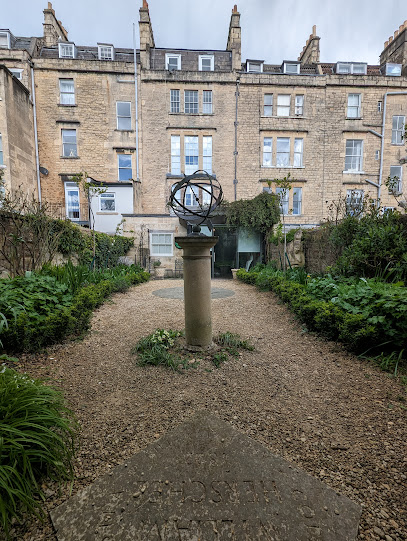
Bath Royal Literary and Scientific Institution
0.6 km
A historic Georgian venue in Bath inspiring minds with science, literature, and art for over 200 years.
Essential places to dine

Montagu's Mews
0.2 km
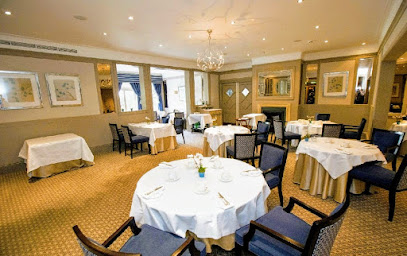
Contemporary British fine dining in a Georgian setting, where seasonal ingredients and technical mastery meet genuine hospitality.
Crescent Restaurant & Bar Bath
0.3 km
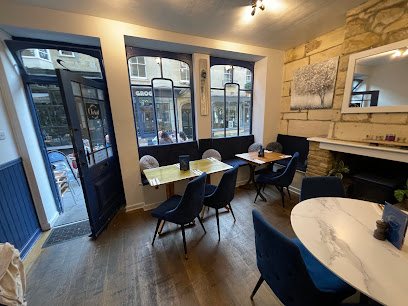
A cozy, family-run restaurant near Bath’s Royal Crescent serving fresh, seasonal dishes with local ingredients in a warm, inviting setting.
The Circus Restaurant
0.4 km
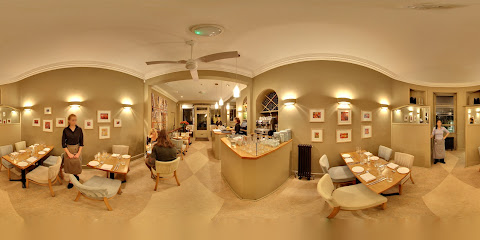
Classic Georgian charm meets seasonal European cuisine in a warm, relaxed setting between Bath’s iconic Circus and Royal Crescent.
Olive Tree Restaurant
0.5 km
Bath’s only Michelin-starred restaurant, where seasonal British ingredients shine in inventive, multi-course tasting menus beneath the Queensberry Hotel.
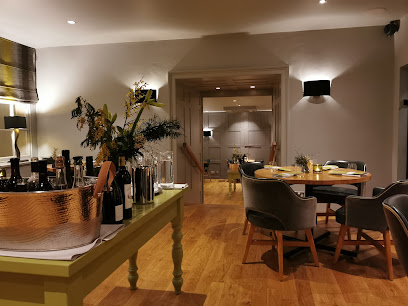
Henry's Restaurant Bath
0.6 km
Intimate Georgian fine dining celebrating seasonal British cuisine with worldly influences and zero-waste principles.
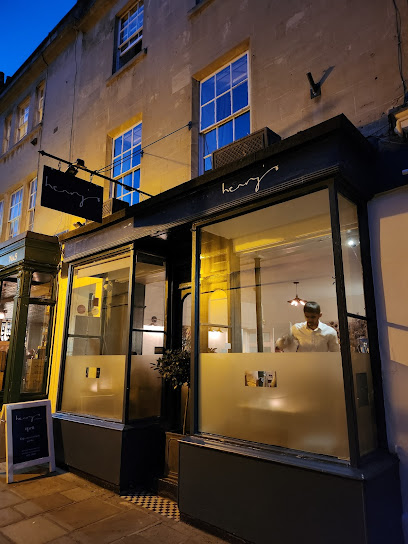
Woods Restaurant
0.6 km
Family-run modern British bistro with French technique and locally sourced ingredients, opposite Bath's Assembly Rooms.
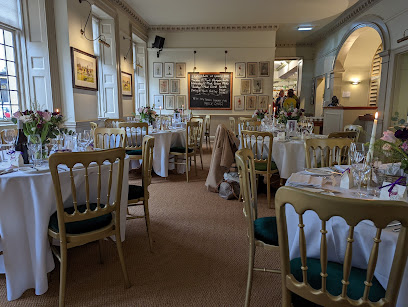
Clayton's Kitchen
0.6 km
Modern British fine dining in a Georgian townhouse, where seasonal ingredients and refined technique create memorable meals.
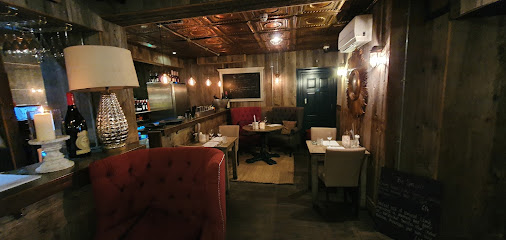
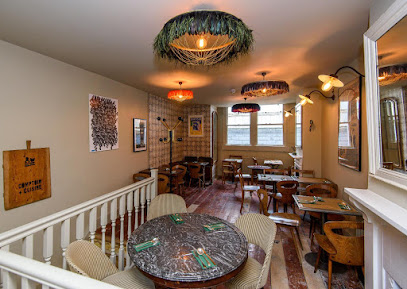
Comptoir+Cuisine
0.6 km
A cozy French bistro in Bath serving refined tapas-style dishes with quirky charm and attentive service.
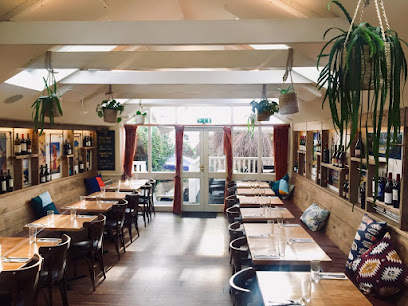
Corkage Bath
0.6 km
Award-winning wine bar and restaurant serving creative Mediterranean small plates in a charming Bath city-centre setting.
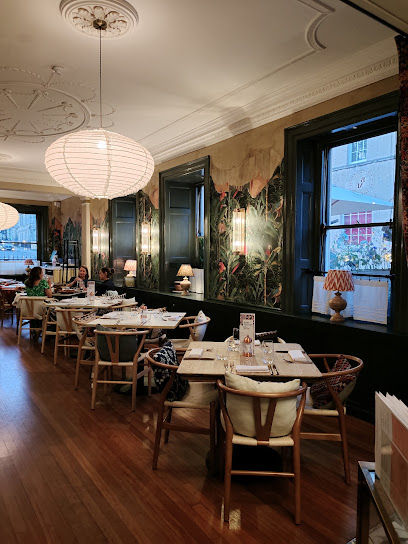
Boho Marché
0.6 km
Experience vibrant Moroccan-Mediterranean fusion cuisine in Bath’s eclectic Boho Marché, where bold flavors meet whimsical décor.
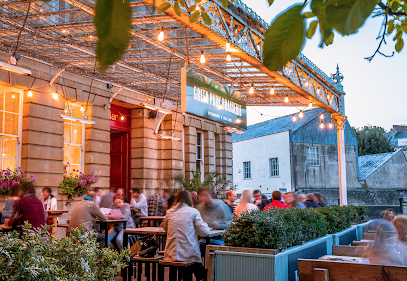
Green Park Brasserie
0.7 km
Historic railway charm meets live jazz and seasonal local cuisine in Bath’s vibrant Green Park Brasserie.
The Salamander - A Great British Pub.
0.7 km
Intimate Georgian pub serving locally sourced British classics and Bath Ales in Bath's historic city centre.
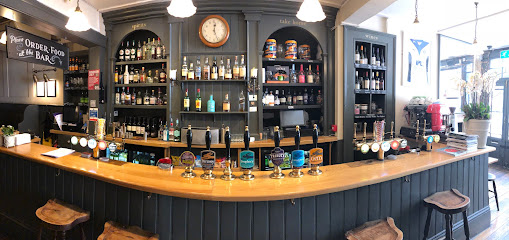
La Terra
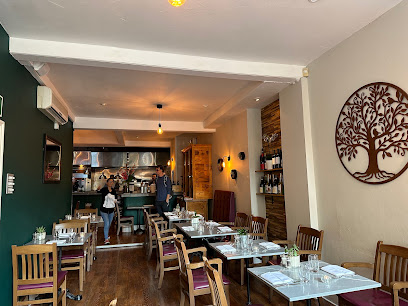
0.7 km
Contemporary Italian fine dining rooted in family tradition, impeccable sourcing, and warm hospitality in Bath's city centre.
Ole Tapas
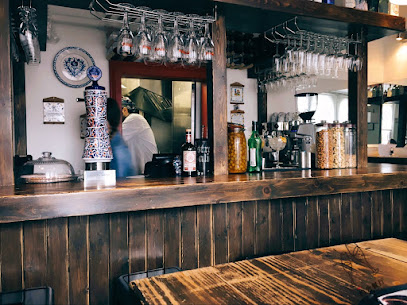
0.7 km
Experience authentic Spanish tapas and vibrant Mediterranean flavors in the heart of Bath’s historic city centre.
Pintxo de Bath
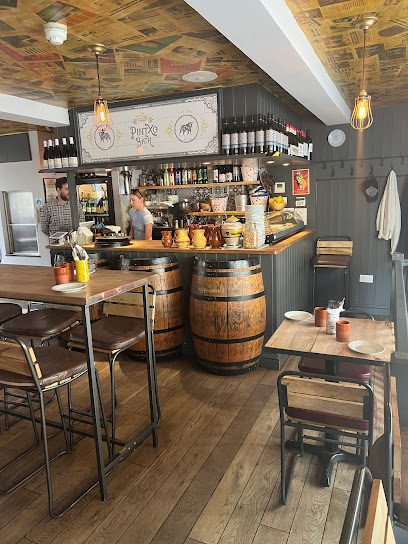
0.7 km
Authentic Basque tapas and sherry bar in Bath’s theatre district with a sunny garden and vibrant Spanish flavors.
Markets, malls and hidden boutiques

Grace & Mabel Ltd
0.6 km
Discover timeless British and European fashion with a sustainable focus at Grace & Mabel, Bath’s family-run boutique gem.
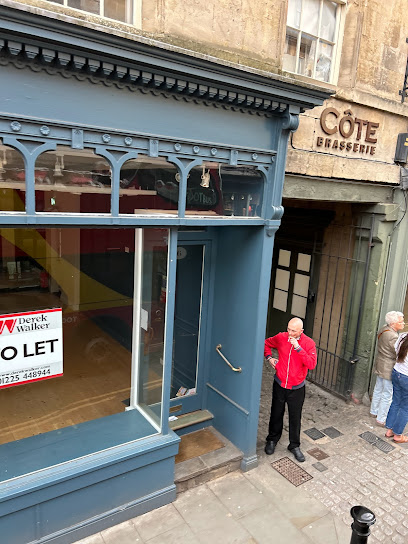
BIBICO
0.6 km
Discover timeless, ethically made women’s fashion at BIBICO, Bath’s pioneering boutique for sustainable and artisan-crafted clothing.
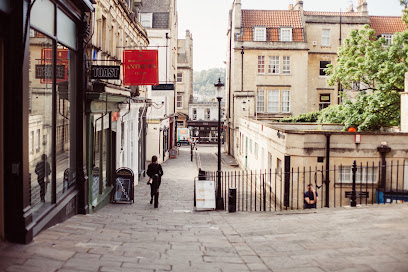
Fat Giraffe Gifts
0.6 km
Discover unique, handcrafted wooden gifts with a sustainable heart at Bath’s welcoming Fat Giraffe Gifts on Milsom Street.
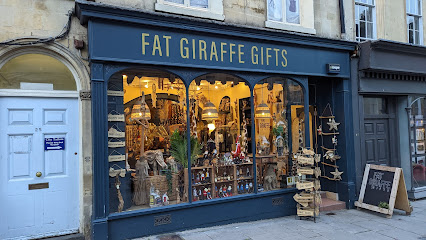
Vinegar Hill
0.6 km
Discover quirky gifts and unique homewares in the heart of Bath’s historic Milsom Street at Vinegar Hill.
The Bath Independent Market
0.6 km
Discover Bath’s vibrant independent makers beneath the iconic glass roof of Green Park Station every Sunday.
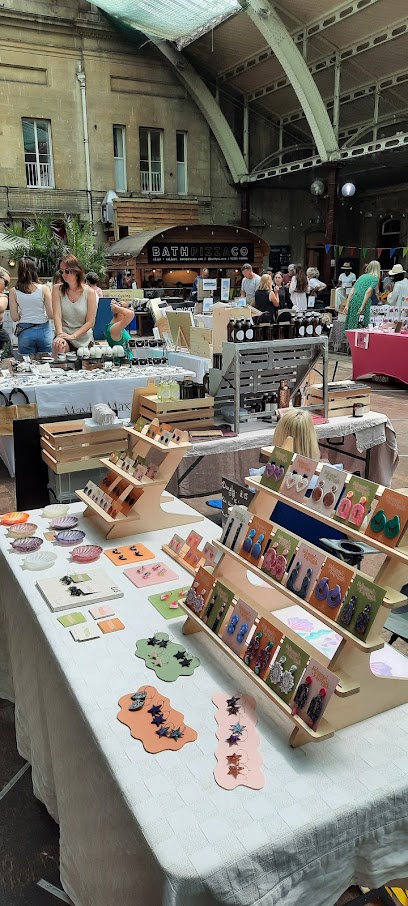
House of Fraser
0.7 km
Historic department store blending heritage and modern retail in the heart of Bath’s shopping district.
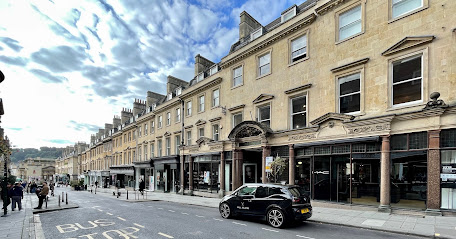
Boho
0.7 km
Discover Boho, a stylish ladies' clothing boutique on Broad Street, Bath, blending bohemian flair with attentive service in a historic setting.
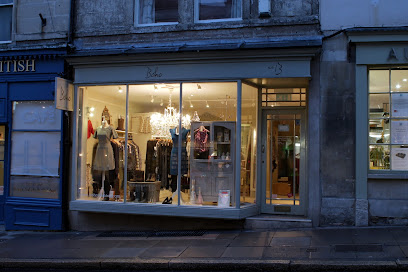
Milsom Place
0.7 km
Discover Bath’s elegant Georgian shopping and dining oasis nestled within tranquil courtyards on fashionable Milsom Street.
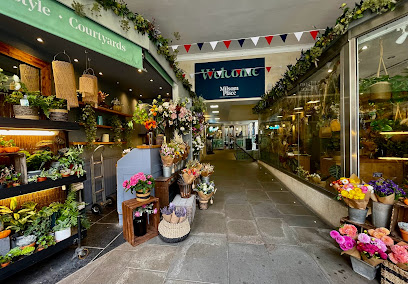
The Yellow Shop
0.7 km
Discover timeless vintage fashion and unique accessories in Bath’s creative Walcot Street at The Yellow Shop.
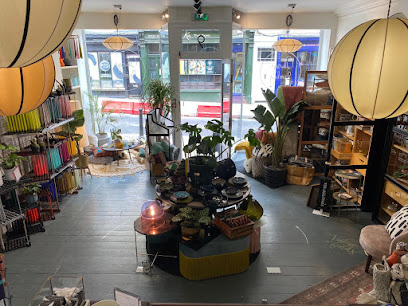
Always Sunday
0.7 km
A vibrant Bath boutique blending vintage charm, artisan homewares, and creative community spirit in a colorful, maximalist setting.
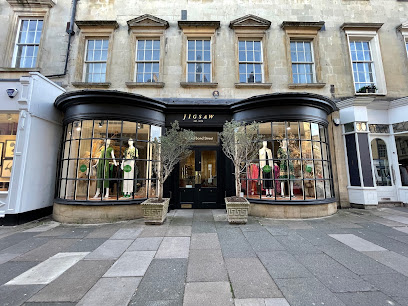
Jigsaw
0.8 km
Elegant ladies’ fashion and accessories boutique offering refined style and attentive service in the heart of Bath’s historic Old Bond Street.
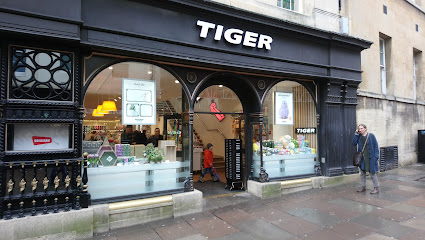
Flying Tiger Copenhagen
0.8 km
Discover playful Scandinavian design and affordable creative gifts at Flying Tiger Copenhagen in Bath’s vibrant Union Street.
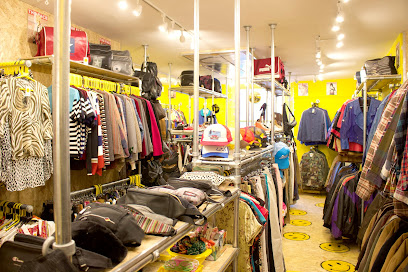
Firefly Vintage Bath
0.8 km
Discover unique vintage gems and timeless style at Firefly Vintage Bath, a cozy boutique for curated vintage clothing in the heart of Bath.
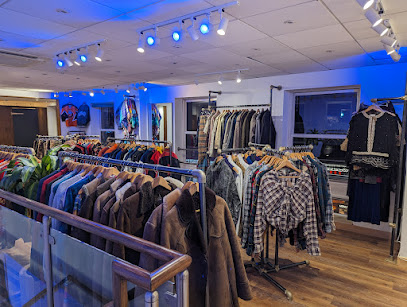
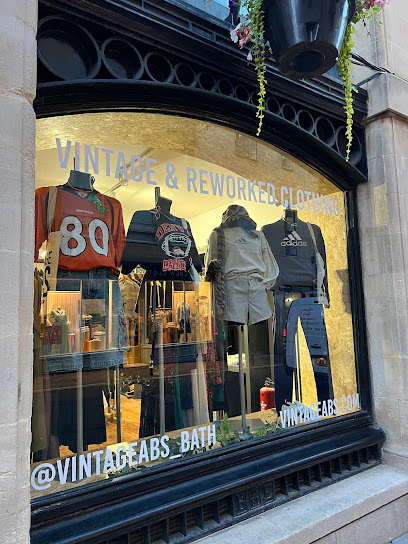
Vintage Abs Bath
0.8 km
Discover authentic vintage clothing and accessories in Bath’s charming Upper Borough Walls at Vintage Abs, a haven for fashion lovers.
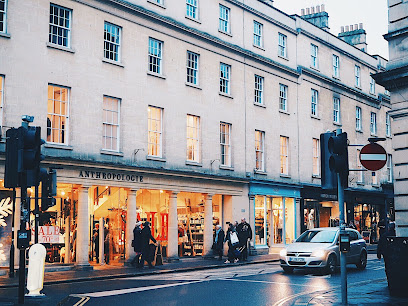
Anthropologie
0.9 km
Discover Anthropologie Bath: vibrant women's fashion and unique home décor in a stylish boutique at the heart of historic New Bond Street.
Essential bars & hidden hideouts

Saint James Wine Vaults
0.2 km
Authentic Bath pub blending historic charm with vibrant live music and creative community spaces.
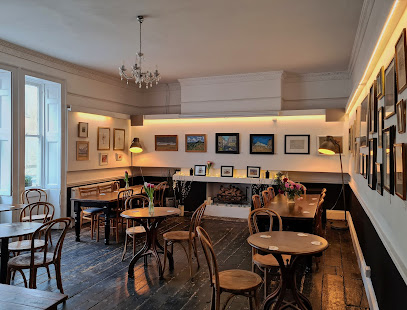
Circo - Cellar Bar
0.6 km
Discover Bath’s elegant cellar bar with a circular centerpiece, Michelin-starred cocktails, and a vibrant late-night atmosphere.
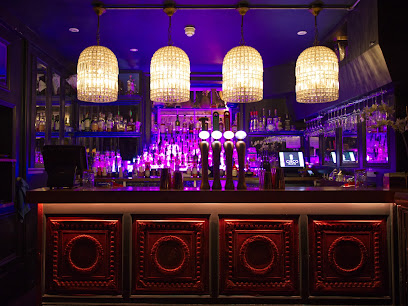
Bath Stag & Hen
0.6 km
Tailored stag and hen party planning in Bath’s historic George Street, blending vibrant nightlife with expert local service for unforgettable celebrations.
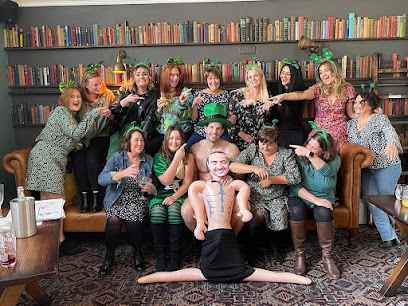
Slug & Lettuce - Bath
0.6 km
Lively cocktail bar and British restaurant in Bath with stylish interiors, a secluded garden, and celebrated bottomless brunch experiences.
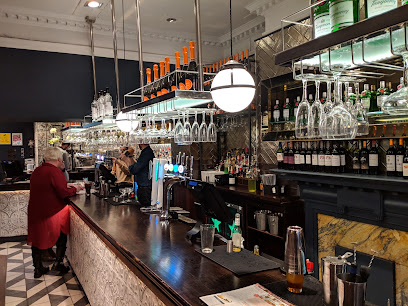
Hall & Woodhouse Bath
0.6 km
Historic multi-floor pub and restaurant in Bath offering classic ales, diverse menu, and rooftop city views.
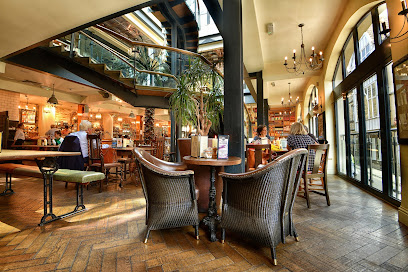
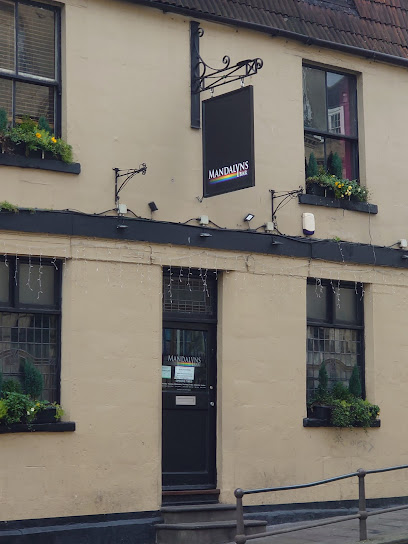
Mandalyns Bath
0.6 km
Bath’s oldest gay bar, Mandalyns offers vibrant LGBTQ+ nightlife with drag shows, karaoke, and a welcoming atmosphere in historic Fountain Buildings.
Revolution Bath
0.7 km
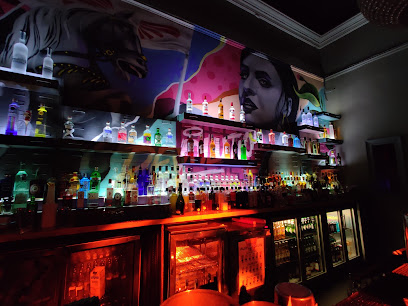
Lively cocktail bar in Bath’s city centre offering creative drinks, American-inspired eats, and vibrant nightlife until the early hours.
The Bath Distillery Gin Bar
0.7 km
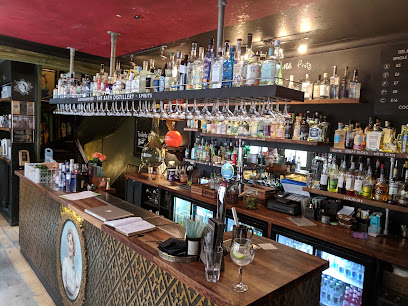
Discover Bath’s historic gin revival in a vibrant Georgian bar with exclusive small-batch gins and expertly crafted cocktails.
The Botanist Bath
0.7 km
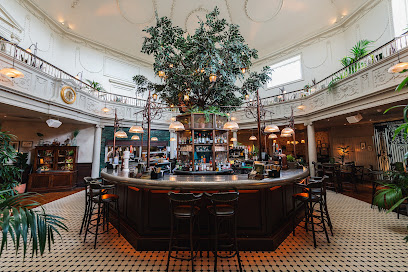
A botanical haven in Bath blending historic charm, seasonal menus, award-winning cocktails, and live music across three vibrant floors.
Walcot House
0.7 km
A stylish fusion of historic charm, seasonal dining, craft cocktails, and vibrant nightlife in the heart of Bath’s Walcot Street.
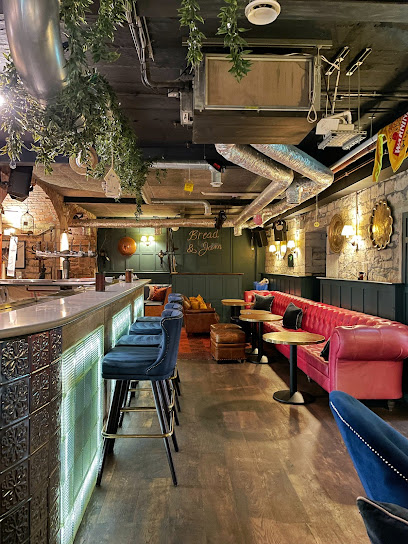
Fidel Rum Bar
0.8 km
Discover Bath’s cozy rum sanctuary with expert cocktails, a global rum collection, and a warm, inviting atmosphere at Fidel Rum Bar.
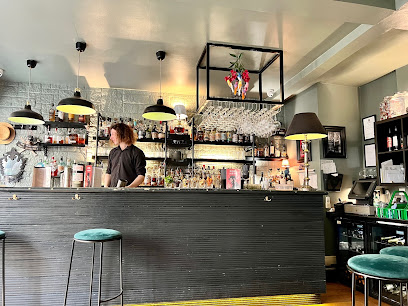
Vino Vino
0.8 km
Sophisticated yet relaxed wine and cocktail bar in Bath with artisan sharing plates and a vibrant al fresco terrace.
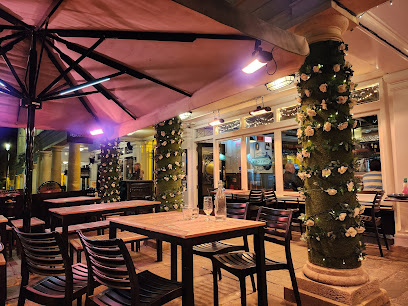
Belushi's Bath
0.8 km
A lively sports bar and live music venue in Bath offering great food, cocktails, and an energetic atmosphere near the city’s historic heart.
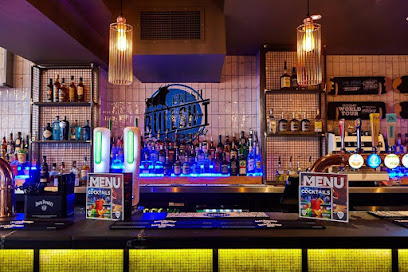
The Old Green Tree
0.8 km
A cozy and historic Bath pub with quality ales, warm wood interiors, and a welcoming, timeless atmosphere.
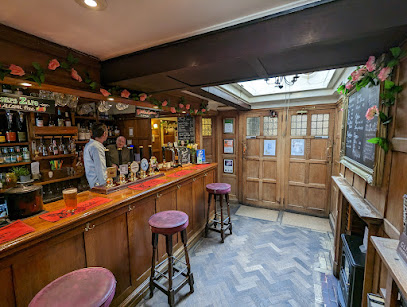
The Dark Horse
0.8 km
Discover Bath’s moody, intimate cocktail bar with inventive drinks, warm service, and a hidden underground charm.
Nightclubs & after hour spots

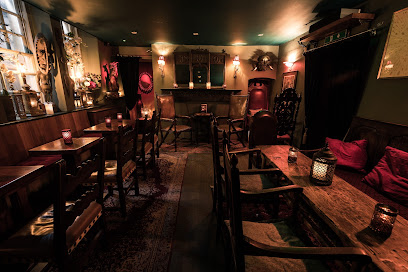
Sub 13
0.6 km
Bath’s award-winning cocktail bar and nightclub offering masterclasses, vibrant nightlife, and a heated terrace in a stylish three-floor venue.
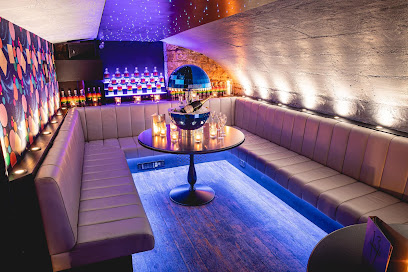
Zero / Zero
0.7 km
Experience Bath’s vibrant nightlife at Zero / Zero, a cozy nightclub and cocktail lounge with a lively atmosphere and late-night beats.
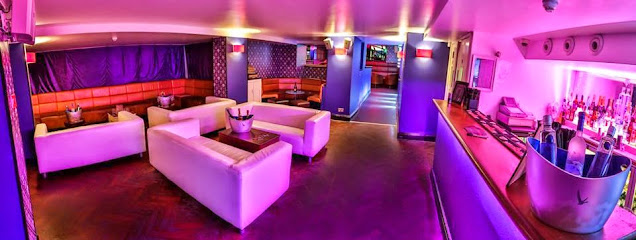
Lomah
0.7 km
Experience Bath’s industrial-chic nightlife at Lomah, a stylish underground club with hip hop beats and a laidback vibe for 21+ guests.
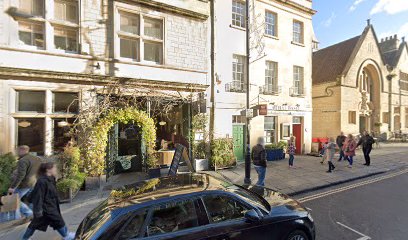
Komedia
0.8 km
Bath’s vibrant community-owned venue offering comedy, live music, cabaret, and more in a beautifully restored historic cinema.
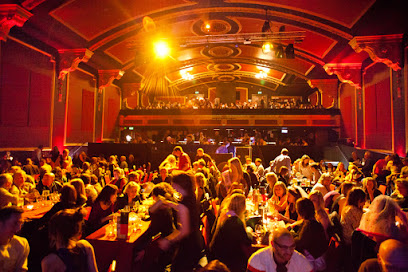
Labyrinth Bar & Nightclub
1.2 km
Experience Bath’s vibrant nightlife at Labyrinth Bar & Nightclub with four unique rooms, eclectic music, and a lively social atmosphere.
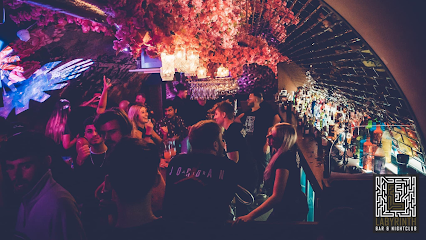
Second Bridge
1.3 km
A lively nightclub in Bath offering cocktails, shisha, and a buzzing beer garden for vibrant nightlife experiences.
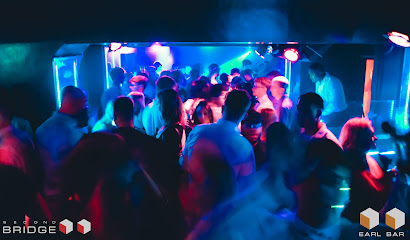
The Tub
3.1 km
A vibrant student nightclub on University of Bath campus, perfect for dancing, socializing, and late-night fun in a lively, welcoming atmosphere.
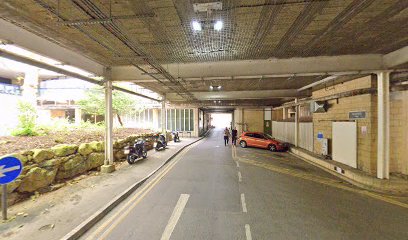
Motion
15.9 km
Bristol’s iconic warehouse nightclub, Motion, pulses with underground beats and community spirit, celebrating decades of electronic music culture.
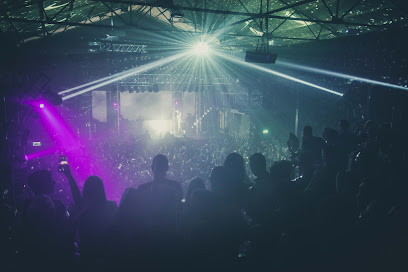
Dare to Club
16.0 km
Experience Bristol’s vibrant, inclusive nightlife at Dare to Club, where diverse music and welcoming vibes create unforgettable nights.
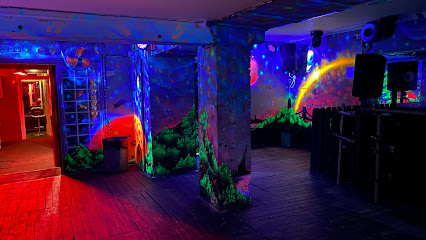
The Loco Klub
16.3 km
An atmospheric subterranean arts venue in Brunel’s Temple Meads arches, where tunnels, brick vaults and intimate soundscapes host club nights, theatre and live music.
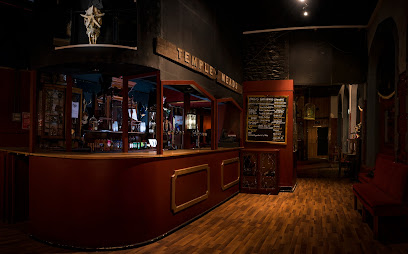
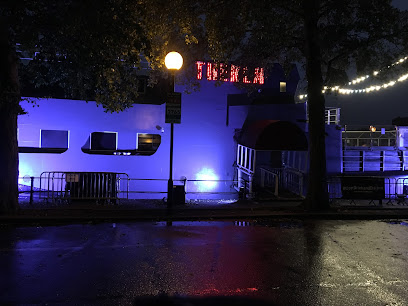
Thekla
17.0 km
A converted cargo ship transformed into Bristol’s compact, industrial live-music venue and late-night club, famed for close-up shows and throbbing club nights.
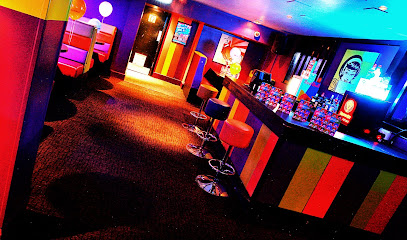
Popworld - Bristol
17.3 km
Dance to 90s and 00s pop anthems under neon lights at Bristol's ultimate nostalgic nightclub, where cheesy hits and POPTAIL cocktails fuel epic nights out.
Forró Bristol
17.3 km
Ignite your night with Brazilian forró rhythms: partner dances, live bands, and sweaty joy in Bristol's beating heart.
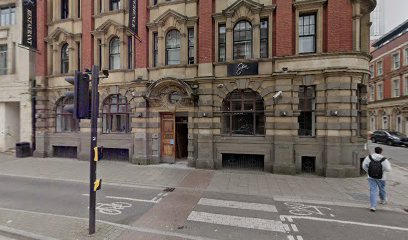
Lakota
17.3 km
Bristol's gritty heartbeat: underground raves, thunderous bass, and nights that blur into dawn at this St Paul's legend.
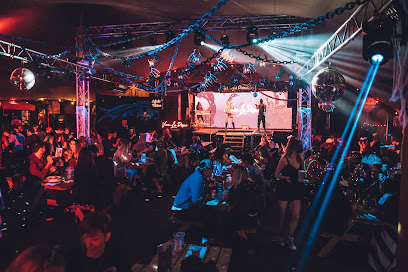
PRYZM
17.4 km
Experience Bristol’s vibrant nightlife at PRYZM, a multi-room club with themed music floors, student deals, and a lively party atmosphere.
For the vibe & atmosphere seeker
- Scenic
- Unique
- Casual
For the design and aesthetic lover
- Minimalist Designs
- Vintage Styles
For the architecture buff
- Historic
- Landmarks
- Heritage Neighborhoods
For the view chaser and sunset hunter
- Iconic Views
- Panoramas
For the social media creator & influencer
- Instagrammable
- Photo Spots
- Architectural Shots
For the eco-conscious traveler
- Protected Area
- Locally Managed
For the kind of experience you’re after
- Cultural Heritage
- Photowalk
- Day Trip
For how adventurous you want the journey to be
- Easy Access
Location Audience
- Family Friendly
- Solo Friendly
- Couple Friendly
- Senior Friendly
- Wheelchair Access


