Royal Cres, Wiltshire Travel Guide
Experience Bath’s Royal Crescent, a stunning Georgian crescent with iconic Ionic columns, historic charm, and sweeping parkland views.
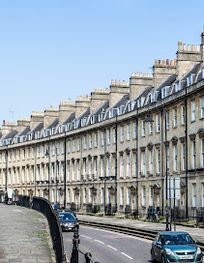
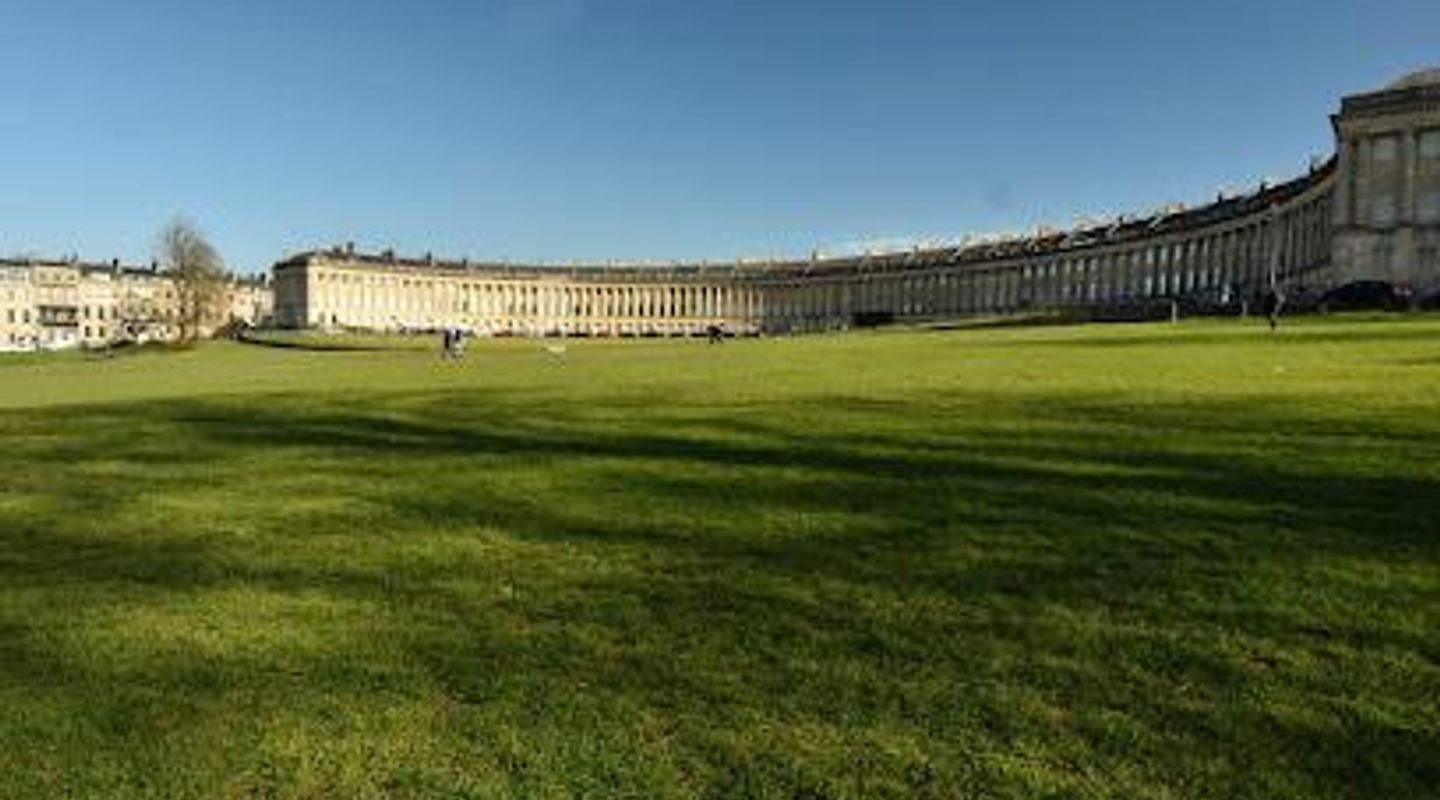
The Royal Crescent in Bath is a sweeping crescent of 30 terraced Georgian houses designed by John Wood the Younger between 1767 and 1774. Renowned for its grand Palladian façade with 114 Ionic columns, it is a Grade I listed architectural landmark and a symbol of 18th-century elegance. The Crescent combines uniform external grandeur with varied interiors, housing residences, a museum, and a luxury hotel, all set against expansive lawns overlooking parkland.
A brief summary to Royal Cres
- Bath, GB
- Duration: 0.5 to 2 hours
- Mid ranged
-
 Outdoor
- Mobile reception: 4 out of 5

Know before you go
Hi, I'm Eve. Here are a few practical things to know before exploring Royal Cres.
- Visit No. 1 Royal Crescent museum to explore authentic Georgian interiors and learn about 18th-century life.
- Stay or dine at the Royal Crescent Hotel & Spa for a luxurious experience in the heart of the Crescent.
- Admire the Crescent’s façade from the lawns opposite, and notice the ha-ha ditch that preserves the view.
- Avoid coach tours on the Crescent itself, as they are banned to preserve the tranquility and residents’ comfort.
Do you manage this location?
Take control to get all the benefits, like improved information, better appearance, and stronger visibility across AI-powered discovery. Learn more about listing your business on Evendo
Activate your presenceOther nearby places you may find interesting
The closest places of the same kind, if this one is not quite what you had in mind.
Explore Royal Cres on the Map
A handpicked selection of must-see spots near Royal Cres, mapped for you.
Unlock the Best of Royal Cres
Buy tickets
-
No tickets available
Book tours with entry
-
No tours available
Book tours without entry

Getting There
-
Bus
Take the Number 20 or 21 bus from Bath city center, which runs frequently every 10-15 minutes, with a 10-15 minute ride to stops near Royal Crescent. Buses are accessible and cost around £2.50 per single ticket.
-
Taxi
A taxi ride from Bath Spa railway station to Royal Crescent takes approximately 5-10 minutes depending on traffic, with fares typically ranging from £6 to £10.
-
Walking
From Bath city center, a pleasant 20-minute walk through historic streets leads to Royal Crescent. The route is mostly flat and suitable for all fitness levels and wheelchair users.
For the on-the-go comforts that matter to you
-
 Restrooms
-
 Drink Options
-
 Food Options
-
 Seating Areas
-
 Information Boards
Discover more about Royal Cres
Architectural Brilliance of the Georgian Era
The Royal Crescent is one of the finest surviving examples of Georgian architecture in the United Kingdom. Designed by John Wood the Younger and completed between 1767 and 1774, it features a monumental 150-metre-long curved façade composed of 30 terraced houses. The front is unified by 114 Ionic columns, each about 47 feet tall, supporting a Palladian entablature that crowns the structure. The façade is built from warm honey-coloured Bath stone, giving the Crescent its distinctive elegant appearance. This design exemplifies the Georgian ideals of harmony, symmetry, and classical grandeur, making the Crescent a landmark of 18th-century urban planning.Contrasting Rear Architecture and Individuality
While the Crescent’s front façade presents a seamless and uniform appearance, the rear of the buildings reveals a striking contrast. Each house was individually built behind the façade by different architects according to the owners’ preferences, resulting in a patchwork of varying roof heights, depths, and window styles. This phenomenon, colloquially described as ‘Queen Anne fronts and Mary-Anne backs,’ reflects the freedom granted to owners to customize their homes internally while maintaining the external uniformity that defines the Crescent’s iconic look.Historical Significance and Social Legacy
Since its completion, the Royal Crescent has been a prestigious address attracting wealthy residents, including retired nobles and prominent figures of Georgian society. The Crescent has witnessed significant historical events, including damage during the 1942 Baedeker Blitz in World War II, when some houses were gutted and later restored. Over time, the original townhouses have been subdivided into apartments, with fewer than ten remaining as full-size homes. Notably, No. 1 Royal Crescent is preserved as a museum showcasing Georgian domestic life, while No. 16 and 15 form the Royal Crescent Hotel & Spa, blending historic charm with modern luxury.Setting and Landscape Harmony
The Crescent overlooks expansive lawns and parkland, embodying the concept of ‘rus in urbe’—the countryside within the city. A ha-ha, a sunken stone-faced ditch, separates the Crescent’s raised grounds from the park below, preserving uninterrupted views while serving as an invisible barrier. The setting enhances the Crescent’s grandeur and offers a tranquil green space in the heart of Bath, contributing to its status as a UNESCO World Heritage Site.Cultural Impact and Modern Use
The Royal Crescent remains a cultural icon, frequently featured in films and television dramas such as Jane Austen adaptations and the series Bridgerton. Its enduring appeal lies in its architectural beauty and historical resonance. The Royal Crescent Hotel & Spa offers visitors a chance to experience Georgian elegance firsthand, while the museum at No. 1 educates about 18th-century life. The Crescent continues to be a vibrant residential community, blending heritage with contemporary living.Preservation and Visitor Experience
Maintaining the Crescent’s original character has been a priority through careful restoration efforts, especially after wartime damage. Visitors can admire the façade’s perfect symmetry and stroll the lawns, enjoying panoramic views of Bath’s cityscape. The site offers a unique glimpse into Georgian urban design and social history, making it a must-see landmark for those exploring Bath’s architectural heritage.












Your all‑in‑one travel companion app
Explore expert travel guides, compare and book tours, experiences, hotels, and more—all from the palm of your hand. Download now for seamless trip planning wherever your wanderlust takes you.


Explore More of Wiltshire
Looking beyond Royal Cres? Discover Wiltshire for broader travel guides, local hot-spots, and regional highlights.
Explore Wiltshire