Shankill Graveyard, Belfast Travel Guide
Free Guide: Explore Belfast’s oldest cemetery, where centuries of history, stories, and community spirit rest beneath tranquil grounds on the historic Shankill Road.


A brief summary of Shankill Graveyard
Explore Belfast’s oldest cemetery, where centuries of history, stories, and community spirit rest beneath tranquil grounds on the historic Shankill Road.
Shankill Graveyard in Belfast is one of the city’s oldest cemeteries, with over a millennium of burials. Located on the historic Shankill Road, it preserves centuries of local heritage, including some of Belfast’s oldest gravestones dating back to the 17th century. The site features a rare 19th-century watchtower built to protect graves from body snatchers and serves today as a tranquil garden of rest, reflecting the city’s complex history and community spirit.
On-site amenities
 Restrooms
 Seating areas
 Information boards
Opening hours
- Every day10 am–2 pm
Opening hours as listed on the venue’s Google Business Profile. Hours can change for services and special events, so check with the venue before you go.
- Address
- 400 Shankill Rd, Belfast BT13 3AE
- Phone
- Website
Getting there
Bus
Taxi
Walking
Discover more about Shankill Graveyard
Roots of the Old Church and Early History
Shankill Graveyard derives its name from the Irish "Seanchill," meaning "old church," a nod to the ancient church believed to have been established around 1306 on this site. This burial ground has been in continuous use for over 1,000 years, making it one of Belfast’s most historically significant cemeteries. The graveyard was originally part of a religious complex known as the White Church of the Chapels of the Ford, which was a notable pilgrimage site in early medieval Ireland. Although the church itself fell into ruin centuries ago, the graveyard remained active, preserving a tangible link to Belfast’s early Christian heritage.
Stories Etched in Stone: Gravestones and Memorials
Visitors to Shankill Graveyard can find some of Belfast’s oldest legible gravestones, including that of George McAuley, who died in 1685. The cemetery expanded through the 18th and 19th centuries as the population of Belfast grew, especially during the industrial boom when linen production flourished nearby. The graveyard served a diverse community, including residents from surrounding areas such as Glenalina, Ligoniel, Oldpark, and Springfield. Many graves tell poignant stories of paupers, victims of epidemics, and families who endured hardship, with some unmarked graves silently testifying to the struggles of past generations.
The Watchtower and the Dark Chapter of Body Snatching
One of the graveyard’s most distinctive features is its watchtower, erected in 1834 by local businessmen William Sayers and Israel Milliken. This tower was part of a network of structures built to combat the grim practice of body snatching, where freshly buried bodies were stolen to supply medical schools for anatomical research. Families could rent space in the watchtower to guard their loved ones’ graves, ensuring peace for the deceased. Today, the watchtower stands as a solemn reminder of this macabre period and the community’s efforts to protect their dead.
Transition from Active Cemetery to Garden of Rest
By the late 19th century, the graveyard had reached capacity due to urbanisation, disease, and famine. The opening of Belfast City Cemetery in 1869 marked the beginning of the end for new burials at Shankill. The last interment took place in 1934. After falling into disrepair, the site was taken over by Belfast City Council in 1958 and transformed into a Garden of Rest, officially opened in 1964. While many headstones have been removed or weathered away, the graveyard remains a peaceful green space, with a memorial stone book and landscaped areas where cremated remains can be scattered.
Historical Significance and Cultural Legacy
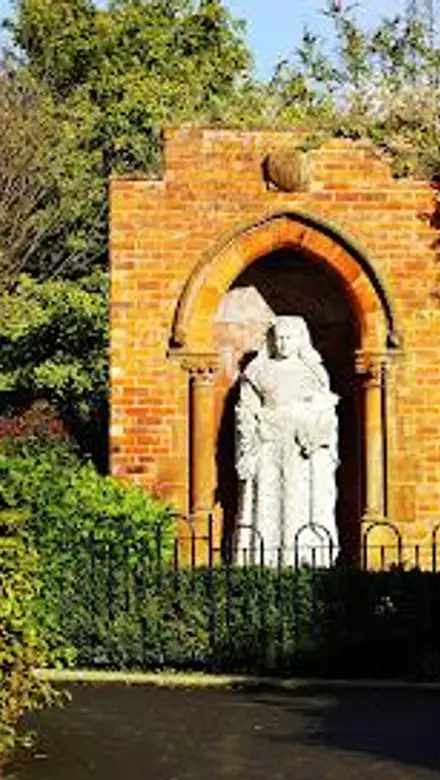
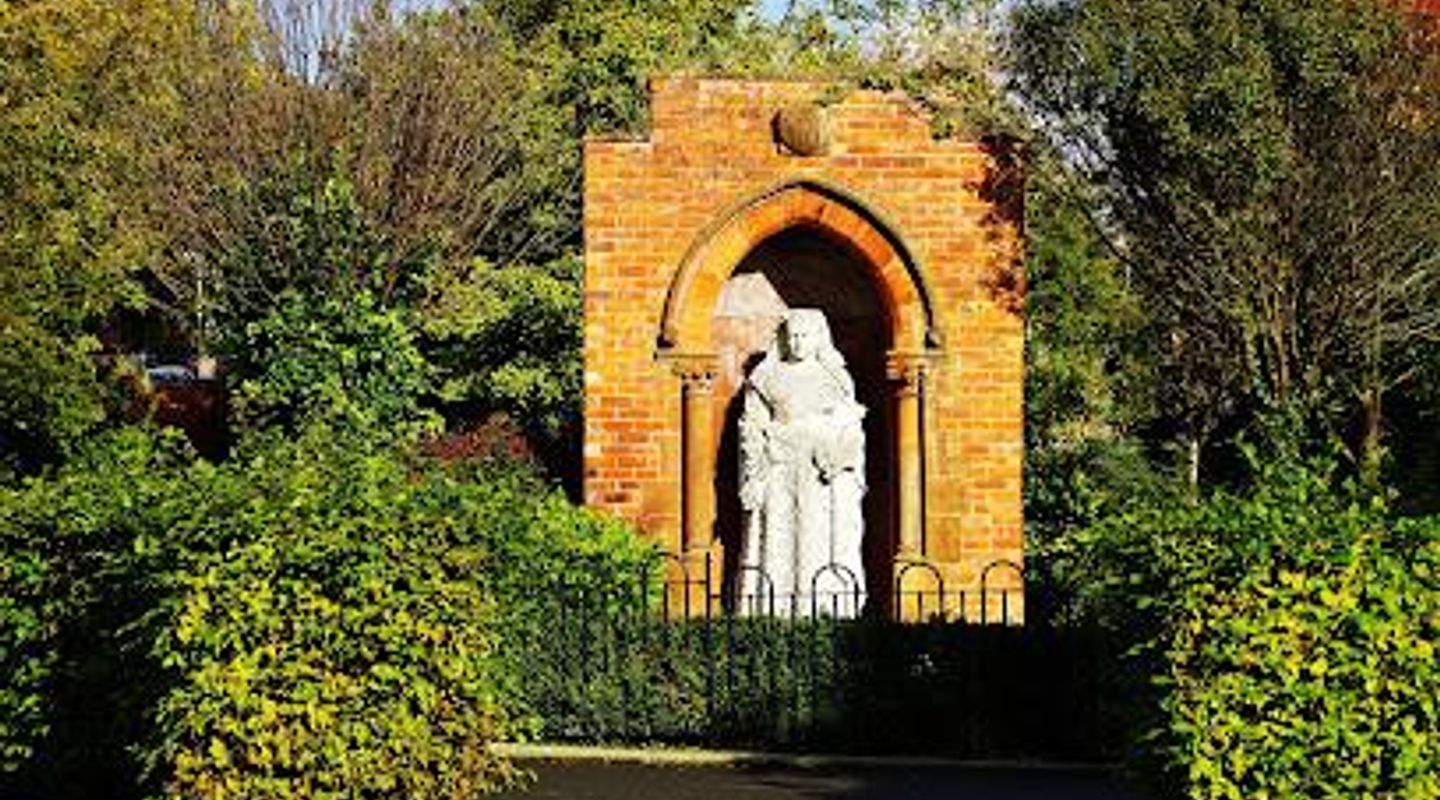
Shankill Graveyard is more than a burial ground; it is a living museum of Belfast’s social and cultural history. It reflects the city’s industrial past, its religious heritage, and the resilience of its communities through centuries of change. Notable figures such as William S Baird, founder of the Belfast Evening Telegraph, and Reverend Isaac Nelson, an Irish patriot and MP, are interred here. The graveyard’s gates and railings are listed for their architectural and historic value, and a sculpture of Queen Victoria, relocated here in 2003, adds to the site’s cultural tapestry.
Visiting Today: A Place for Reflection and Connection
Today, Shankill Graveyard offers visitors a tranquil atmosphere to reflect on Belfast’s layered history. The site is fully accessible and open daily, inviting locals and tourists alike to explore its ancient stones and quiet paths. It stands as a poignant reminder of the generations who shaped the city and the enduring spirit of its people, making it an essential destination for anyone interested in Belfast’s heritage.
Evendo Review Centre
 Google
Guest reviews
Best time to go
Quietest: Jan, Feb & Dec · before 6am or at 10pm
Busy times are Evendo estimates for a typical year, to help you plan. Actual crowds vary with events, school holidays and the weather.
Explore Shankill Graveyard on the map
A handpicked selection of must-see spots near Shankill Graveyard, mapped for you.
Get your free copy of our complete guide to Shankill Graveyard, delivered straight to you.
Everything on this page, from opening hours and how to get there to Eve’s tips and the best time to go, in one PDF you can read offline, print or share.
Already have an account? Sign in
Your Shankill Graveyard guide is ready.
We'll send it to · Not you? Sign out

Getting your guide ready…
We are putting together a fresh copy of the Shankill Graveyard guide. This can take up to a minute.
This can take a few moments. If your browser asks, choose Allow so the download can start. You'll find the guide in your Downloads folder.
Nothing happened? Download it again
Sorry, the guide is taking longer than usual. Please try again in a minute, or get it by email instead.
Unlock the best of Shankill Graveyard
Skip-the-line tickets, guided tours with entry, and walking tours of the area, booked in a few clicks.
 Tour with entry
Express Terror and Peace 90 min Private Belfast Cab /Taxi Tour
from $163.92 Tour with entry
Belfast Famous Black Taxi Tour Political Murals & Peace Wall 2 Hr
from $212.51 Tour with entry
Original Private Belfast Troubles and Peace Cab/Taxi Tour 2 Hours
from $221.90 Tour with entry
The Troubles and iconic award winning taxi 2hr private cab tour
from $221.90
Other nearby places you may find interesting
The closest places of the same kind, if this one is not quite what you had in mind.
-
-
-
-
-


Swipe for more places
More to explore near Shankill Graveyard

 Best experiences near Shankill Graveyard
 Best hotels near Shankill Graveyard
 Best landmarks near Shankill Graveyard
 Best attractions near Shankill Graveyard
 Best shops near Shankill Graveyard
 Best restaurants near Shankill Graveyard
 Best bars near Shankill Graveyard
Do you manage this location?
Take control to get all the benefits, like improved information, better appearance, and stronger visibility across AI-powered discovery.
Explore more

Explore more of Belfast
Discover Belfast, a city of history, culture, and modern charm, where the legacy of the Titanic meets vibrant street life and stunning natural beauty.
Explore Belfast
Explore more of United Kingdom
Discover the United Kingdom: A blend of rich history, stunning landscapes, and vibrant cities, offering a unique travel experience for every visitor.
Explore United Kingdom