
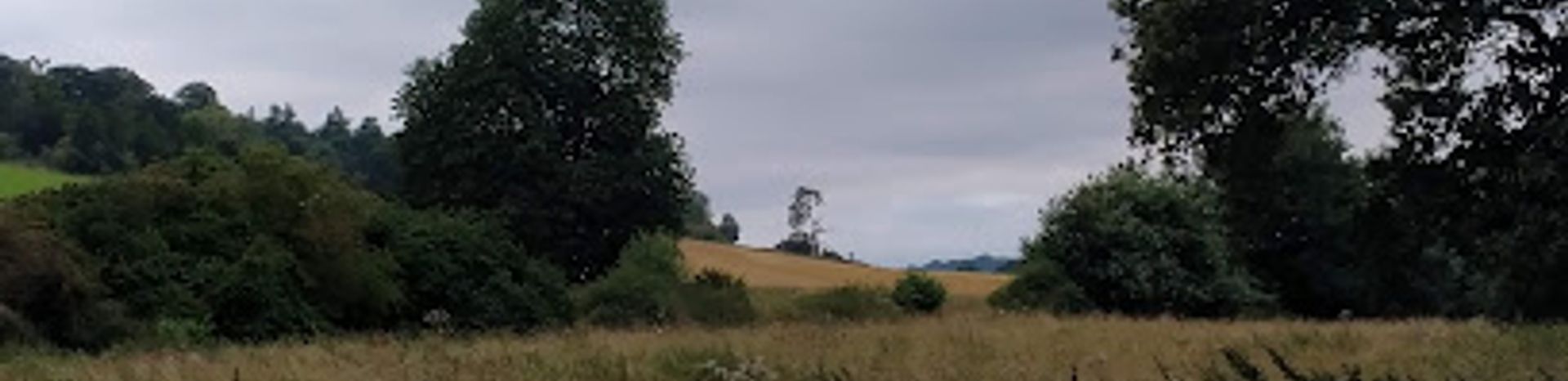
Littlecote Roman Villa: A Majestic Roman Heritage Site in Wiltshire
Explore the grandeur of Roman Britain at Littlecote Roman Villa, home to stunning mosaics and ancient ruins in a serene Wiltshire estate.
Littlecote Roman Villa, located near Hungerford in Wiltshire, is one of Britain's grandest Roman villas, featuring over 60 rooms, intricate mosaic floors, and hypocaust heating systems. Set beside the River Kennet within the scenic grounds of Littlecote House estate, the villa dates from the 2nd to 4th centuries AD and showcases a fascinating transition from a rural farmstead to a ceremonial complex. Open year-round with free entry, it offers visitors a unique glimpse into Roman Britain's architectural and cultural legacy.
A brief summary to Littlecote Roman Villa
- 0SU, Hungerford, GB
- Visit website
- Duration: 0.5 to 1.5 hours
- Free
-
 Outdoor
- Mobile reception: 4 out of 5
- Monday 12 am-12 am
- Tuesday 12 am-12 am
- Wednesday 12 am-12 am
- Thursday 12 am-12 am
- Friday 12 am-12 am
- Saturday 12 am-12 am
- Sunday 12 am-12 am
Local tips
- Visit during daylight hours year-round as the open-air site has no formal opening times but is best seen in good light.
- Wear sturdy shoes for walking on unpaved paths and bring a camera to capture the intricate Orpheus mosaic.
- Combine your visit with a stop at Littlecote House Hotel for refreshments and to enjoy the Tudor manor’s grounds.
- Respect the archaeological remains by not touching or disturbing the mosaic and walls.
- Dogs on leads are welcome in the grounds, making it a great outing for pet owners.

For the on-the-go comforts that matter to you
- Restrooms
- Drink Options
- Food Options
- Seating Areas
- Information Boards
Getting There
-
Car
Driving from Hungerford, the villa is approximately a 10-minute journey via minor roads to Littlecote House estate, where free parking is available near the villa entrance. Note that the access road is narrow and may have limited passing places.
-
Bus and Walk
Take a regional bus from Hungerford to the Chilton Foliat area, then enjoy a scenic 30-40 minute walk along country lanes and estate paths to the villa. Bus services may be infrequent, so check schedules in advance.
-
Walking
From Ramsbury, a pleasant 5-mile circular walking route leads to Littlecote Roman Villa through rural landscapes and along the River Kennet. The terrain is moderate with some uneven paths.
Littlecote Roman Villa location weather suitability
-
 Any Weather
-
 Clear Skies
-
 Mild Temperatures
-
 Rain / Wet Weather
Discover more about Littlecote Roman Villa
Origins and Architectural Grandeur of Littlecote Roman Villa
Littlecote Roman Villa began its life around AD 60 near a Roman guard post overseeing a strategic crossing of the River Kennet. Over the next two centuries, it evolved from a modest stone and flint building into an expansive complex boasting approximately 60 rooms, including five towers and two thermal bathhouses. The villa was enhanced with sophisticated features such as hypocaust underfloor heating and richly decorated mosaic floors, reflecting the wealth and status of its occupants. Around AD 360, the villa underwent a dramatic transformation, shifting from a primarily agricultural residence to a ceremonial complex, possibly serving as a religious or educational center dedicated to the cults of Orpheus and Bacchus.The Iconic Orpheus Mosaic and Archaeological Rediscovery
The villa is famed for its exquisite Orpheus mosaic, discovered in 1727 during early excavations. This mosaic, celebrated as one of the finest in England, depicts the legendary Greek hero Orpheus surrounded by animals, symbolizing harmony between humans and nature. After its initial discovery, the mosaic and villa remains were reburied and subsequently lost to history until their rediscovery in 1976. Since then, extensive archaeological work has restored the mosaic and revealed the villa’s layout, including the imposing gatehouse, stable blocks, and ceremonial halls. Visitors can now explore the foundations and walls marked by low modern structures, gaining insight into the villa’s impressive scale and design.Setting and Visitor Experience in the Littlecote Estate
Nestled within the picturesque grounds of the Littlecote House estate, a Tudor manor with its own rich history, the Roman villa enjoys a tranquil riverside setting beside the River Kennet. The estate’s meadows and wildflower fields enhance the natural beauty, offering peaceful walking paths and opportunities to observe local wildlife such as butterflies. Informative storyboards throughout the site provide context about the villa’s historical significance and architectural features. The villa is open to the public year-round during daylight hours, with free entry and parking available nearby. While the archaeological site is outdoors and partially exposed, a ramped viewing platform allows close appreciation of the mosaic floor.Historical Layers and Cultural Significance
Beyond its Roman heritage, the site reveals traces of a medieval village dismantled to make way for the 16th-century manor house and demesne. Littlecote House itself is notable for its Tudor architecture and connections to historical figures such as Henry VIII and Jane Seymour. The villa’s evolution from a large farmstead to a ceremonial collegiate complex reflects broader cultural and religious shifts in late Roman Britain. Today, the site stands as a testament to the region’s layered history, blending Roman, medieval, and early modern narratives within a single landscape.Access and Amenities for Visitors
Visitors access the villa via a short road through the Littlecote estate grounds, with parking available close to the site. The paths to the villa are unpaved and may present challenges for some wheelchair users, but a ramp leads to the mosaic viewing platform. While there are no on-site restrooms at the villa itself, facilities and refreshments are available at the adjacent Littlecote House Hotel, which welcomes non-residents for dining and drinks. Dogs are generally allowed on leads in the grounds, making the site suitable for family outings. The free entry and serene environment make Littlecote Roman Villa an exceptional value destination for history enthusiasts and casual visitors alike.Preservation and Community Engagement
The villa is maintained with the support of local volunteers and heritage organizations, ensuring the protection of this nationally significant archaeological site. Educational boards and carefully managed access encourage respectful visitation, preserving the delicate mosaic and foundations for future generations. The site’s integration within a working estate and hotel grounds exemplifies a balance between heritage conservation and contemporary use, inviting visitors to engage deeply with England’s Roman past in a peaceful, scenic setting.Iconic landmarks you can’t miss

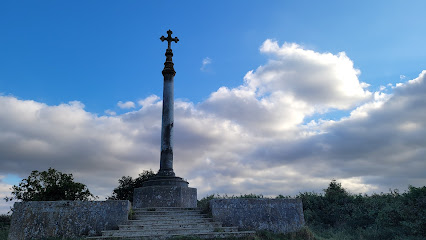
Lord Wantage Monument
18.5 km
Historic Victorian monument atop an ancient Bronze Age barrow offering scenic views and a tribute to Lord Wantage near Wantage, Oxfordshire.
Cotswold Wildlife Park & Gardens
38.2 km
Discover Cotswold Wildlife Park & Gardens, a beautiful sanctuary for wildlife enthusiasts, families, and nature lovers in the heart of the Cotswolds.

Lacock Abbey
38.2 km
Explore the enchanting Lacock Abbey, a historical gem showcasing England's architectural beauty and the birthplace of photography.
North Hinksey Conduit House
39.5 km
Discover Oxford’s 17th-century waterworks marvel perched above the city, blending historic engineering with scenic views and rare heritage graffiti.
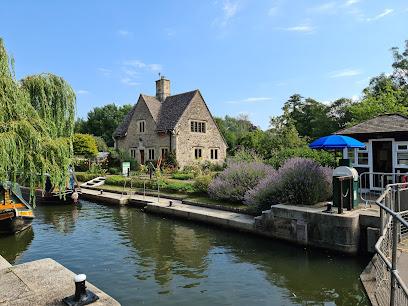
Iffley Lock
40.0 km
Explore the scenic Iffley Lock on the River Thames, a perfect blend of nature and history in tranquil surroundings.
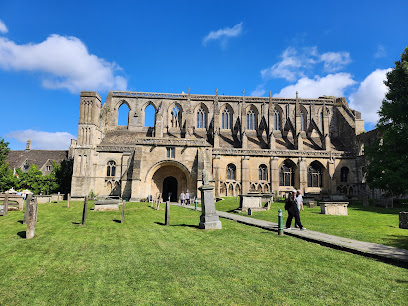
Malmesbury Abbey
40.2 km
Discover the rich history and stunning architecture of Malmesbury Abbey, a must-visit landmark showcasing England's medieval heritage and tranquility.
hotcotswolds.uk
40.3 km
Discover the Cotswolds at the Tourist Information Centre, your comprehensive guide to exploring this breathtaking English countryside.
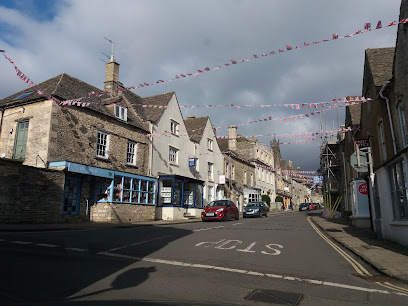
Things To Do In The Cotswolds
40.3 km
Explore the enchanting Cotswolds, where rolling hills, charming villages, and rich history create the perfect getaway for travelers seeking beauty and adventure.

Cotswold Trails
40.3 km
Experience the breathtaking beauty and rich heritage of the Cotswolds with Cotswold Trails, where every journey is an adventure.
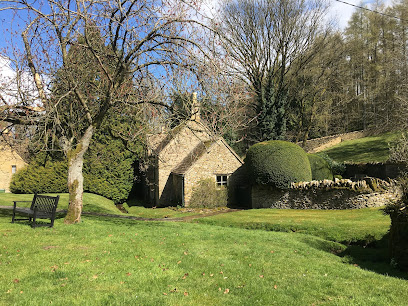
Bridge and footpath to Arlington Row
40.5 km
Uncover the beauty of Bibury's hiking trails leading to Arlington Row, where historic charm meets breathtaking scenery in the Cotswolds.
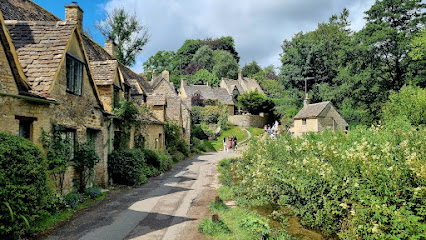
Arlington Row
40.5 km
Explore the enchanting Arlington Row in Bibury, a historic gem showcasing Cotswold architecture and serene river views for an unforgettable experience.
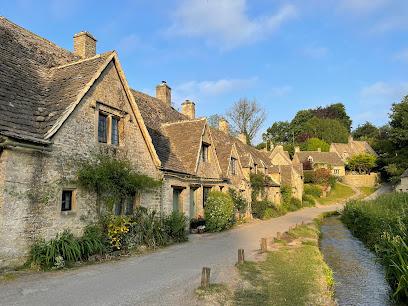
National Trust - Bibury
40.5 km
Discover the timeless beauty of Bibury, a picturesque village in the Cotswolds known for its enchanting cottages, serene landscapes, and rich history.
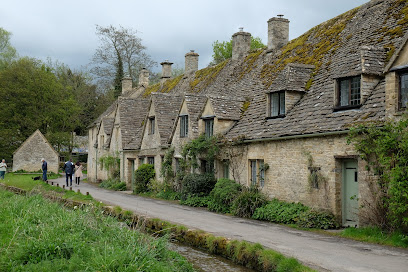
46 Bridge St
40.7 km
Discover the historic charm of 46 Bridge Street in Oxford, a gateway to the city's rich cultural heritage and stunning architecture.

Undiscovered Cotswolds
40.7 km
Discover the natural beauty and rich history of the Undiscovered Cotswolds, a unique tourist destination perfect for your next adventure.
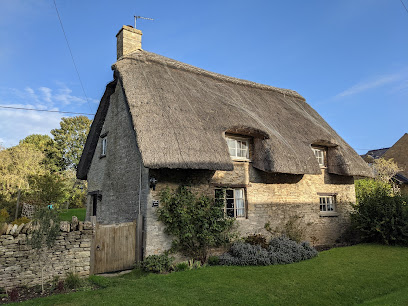
The Kidneys
40.7 km
Explore The Kidneys in Oxford, a serene nature reserve perfect for relaxation, wildlife spotting, and scenic walks amidst stunning landscapes.
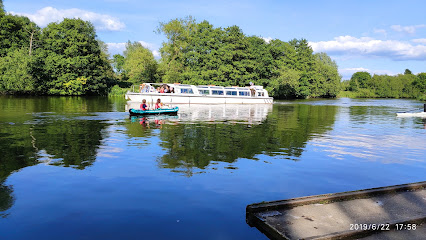
Unmissable attractions to see

Welford Park
11.1 km
Historic Berkshire estate blending timeless elegance, natural beauty, and exclusive celebrations amid ancient orchards and woodlands.
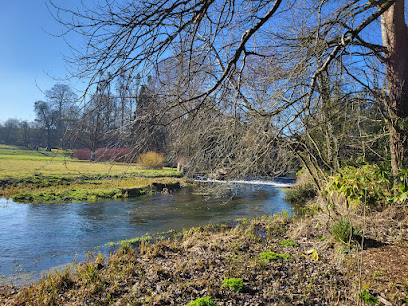
National Trust - Ashdown
11.5 km
Explore a unique 17th-century Dutch hunting lodge with panoramic rooftop views and tranquil woodland walks in the Berkshire Downs.
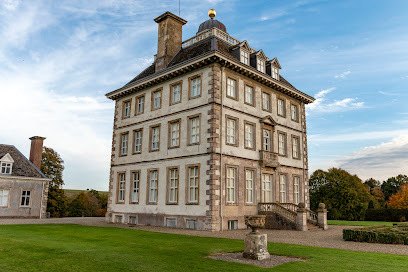
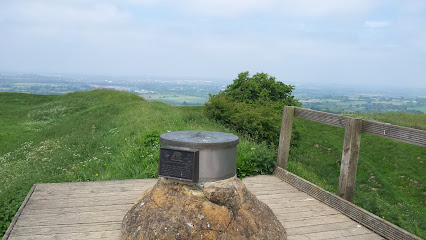
Liddington Hillfort
12.8 km
Explore Liddington Hillfort, Wiltshire’s ancient Iron Age stronghold with panoramic views and layered history from prehistoric times to WWII.
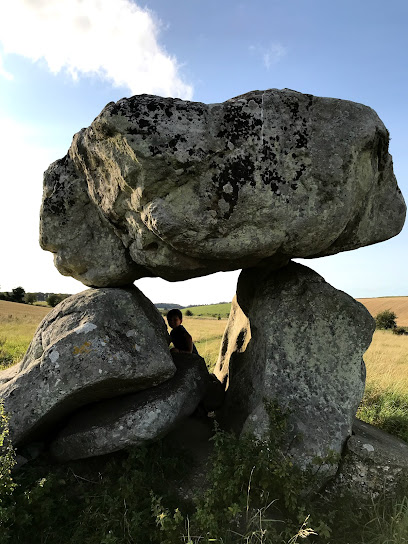
The Devil's Den
14.8 km
Explore the enigmatic Neolithic dolmen of The Devil's Den, a quiet ancient monument nestled among Wiltshire's sarsen stones and rolling chalk downs.
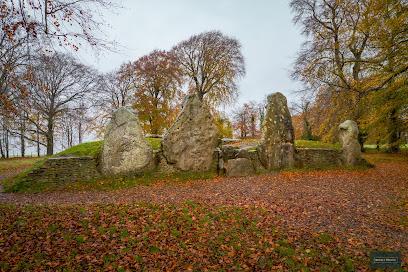
Wayland's Smithy
14.9 km
Explore Wayland's Smithy, a 5,000-year-old Neolithic long barrow steeped in legend, nestled along the ancient Ridgeway in Oxfordshire.
West Woods
15.0 km
Explore the enchanting ancient woodlands of West Woods, where natural beauty and deep history intertwine just south of Marlborough.

National Trust - Lockeridge Dene and Piggledene
15.6 km
Explore ancient sarsen stone valleys nestled in tranquil Wiltshire countryside, rich with natural beauty and prehistoric heritage.
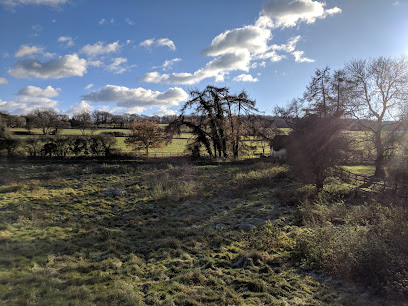
The Ladywell
15.7 km
Discover The Ladywell at Speen, a serene ancient holy well steeped in history, healing legends, and tranquil rural charm in Berkshire.
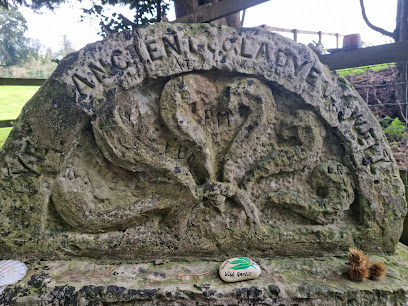
Uffington Castle
15.7 km
Explore the ancient earthworks of Uffington Castle, an Iron Age hillfort overlooking the iconic White Horse and legendary Dragon Hill.
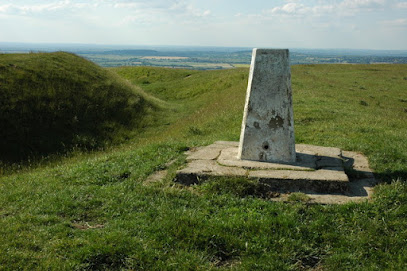
Barbury Castle Country Park
15.8 km
Explore a 2,500-year-old Iron Age hillfort with stunning panoramic views and rich history in the scenic North Wessex Downs.
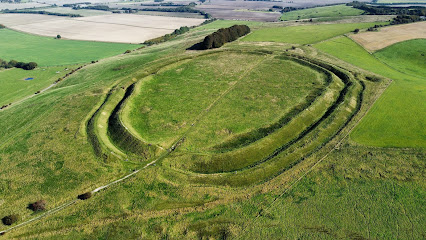
Snelsmore Common Country Park
16.0 km
A diverse country park of heathland, woodland and wet mires just north of Newbury, perfect for family walks, dog walking and wildlife watching all year round.
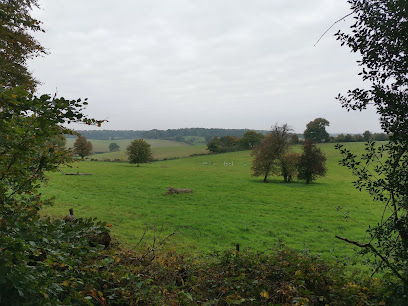
Donnington Castle
16.1 km
Explore the evocative ruins and rich history of Donnington Castle, a medieval fortress with royal ties and Civil War legacy near Newbury.
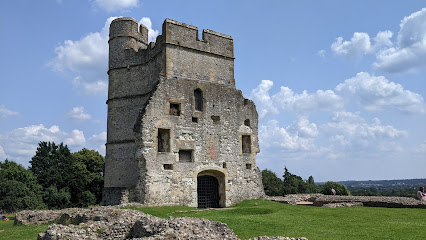
Segsbury Camp
16.3 km
Explore Segsbury Camp, a majestic Iron Age hillfort with ancient earthworks and stunning views atop the Berkshire Downs near Wantage.
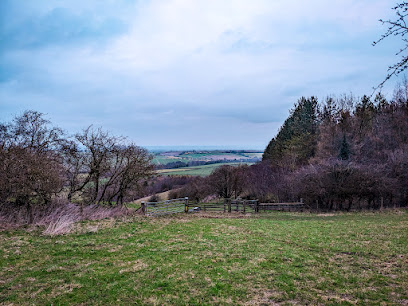
Northcroft & Goldwell Parks
16.8 km
Award-winning green spaces in Newbury offering playgrounds, sports pitches, woodland walks, BMX thrills, and stunning panoramic views.
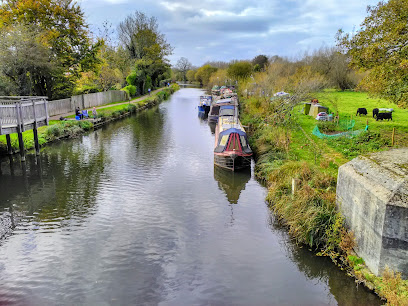
West Berkshire Museum
17.6 km
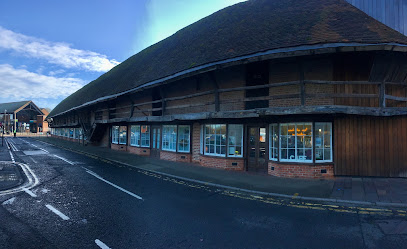
Explore West Berkshire’s rich history and heritage in Newbury’s iconic 17th-century Cloth Hall and Granary buildings with free entry and engaging exhibits.
Essential places to dine

The Silks
11.1 km
Historic Victorian pub in Wiltshire serving seasonal British fare by MasterChef Champion Thomas Frake, blending heritage with community spirit.
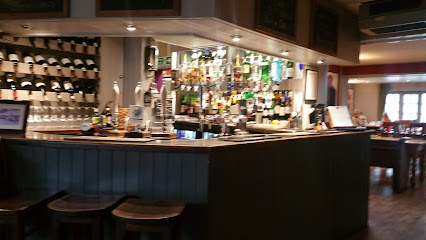
The Woodspeen Restaurant
15.1 km
Michelin-starred modern British cuisine in a charming farmhouse with seasonal menus, award-winning wines, and an adjoining cookery school near Newbury.
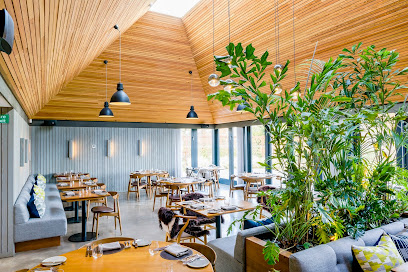
Damson Restaurant
15.6 km
An intimate, sustainably driven dining experience in a beautifully transformed historic pub in Winterbourne, Newbury.
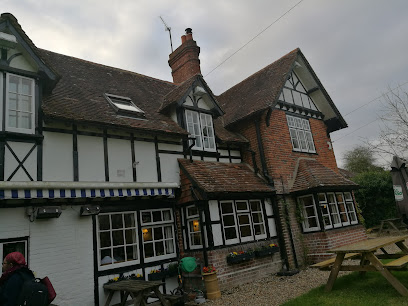
GOAT ON THE ROOF
17.4 km
A vibrant British tapas restaurant and sustainable wine bar in Newbury, celebrating local flavours with a stylish, relaxed atmosphere.
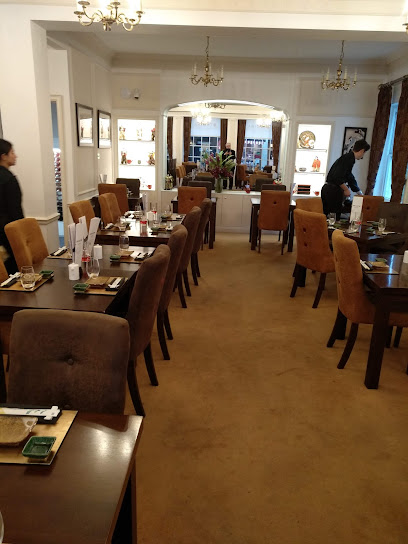
Bunk Inn Pub & Dining
19.2 km
A charming Berkshire country pub blending Mediterranean-inspired dining with classic British hospitality in the heart of Curridge.
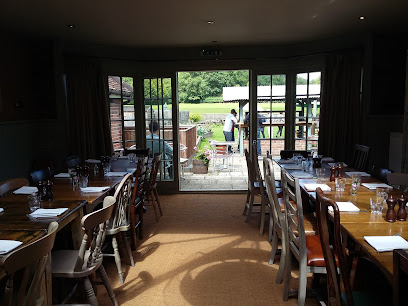
Bella Luna
21.8 km
Experience authentic Italian flavors and warm hospitality at Bella Luna, Thatcham’s vibrant Italian restaurant on High Street.
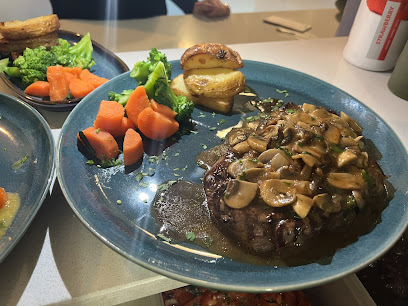
Restaurant 56
25.0 km
Elegant British fine dining in a historic 17th-century coaching inn set within tranquil gardens on the edge of the Cotswolds.
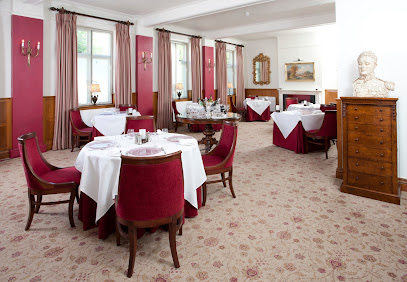
The Pot Kiln
25.3 km
Historic country inn with Basque-inspired tapas, boutique rooms, and tranquil Berkshire countryside charm.
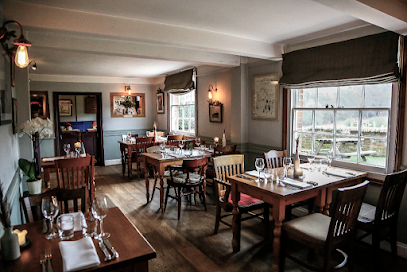
The White Hart at Fyfield
30.7 km
Historic 15th-century pub in Fyfield blending vaulted halls and oak beams with refined Modern British cuisine and artisan cocktails.
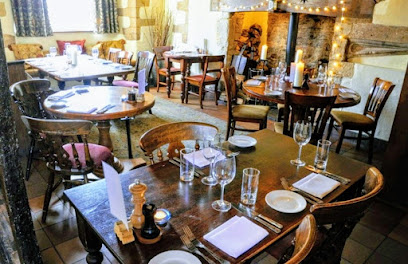
The Spring Inn
32.2 km
A charming gastropub in Sulhamstead offering locally sourced British cuisine, a vibrant drinks selection, and a welcoming countryside atmosphere.
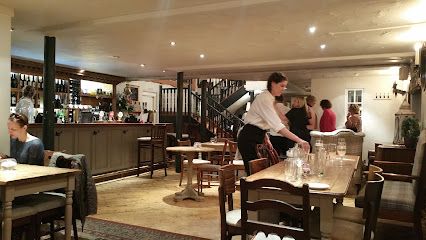
The Herd Restaurant
33.9 km
Experience expertly grilled British steaks and vibrant atmosphere in the heart of Pangbourne at The Herd Restaurant.
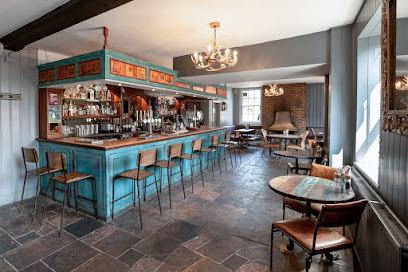
The Ox Barn
34.2 km
Experience modern British countryside cuisine in a beautifully restored 19th-century oxen house nestled in the tranquil Cotswold village of Southrop.
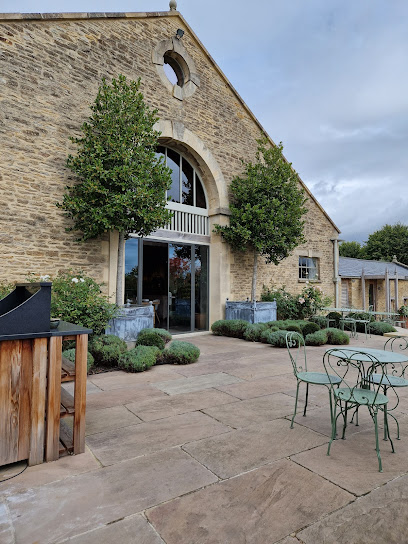
The Old Boathouse
34.8 km
Charming lakeside gastropub offering hearty British and European dishes with scenic views at Cotswold Water Park.
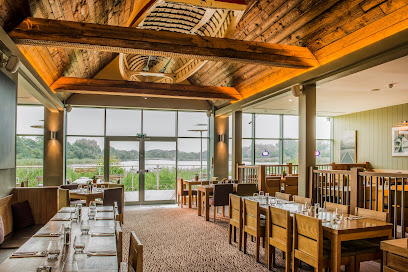
The Bear & Ragged Staff
37.0 km
Historic 16th-century coaching inn in Cumnor offering cozy rooms, local British cuisine, and a welcoming village pub atmosphere near Oxford.
The Oak Tree Restaurant
38.2 km
Relax and refuel at The Oak Tree Restaurant, a family-friendly dining spot nestled within the scenic Cotswold Wildlife Park and Gardens.
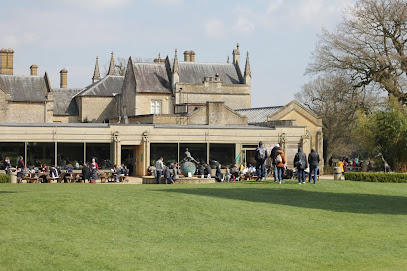
Markets, malls and hidden boutiques

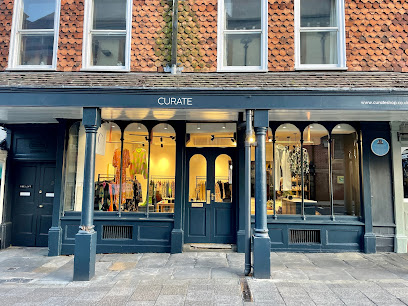
Curate
11.2 km
Discover artistically inspired fashion and homewares at Curate, Marlborough’s award-winning independent boutique on High Street.
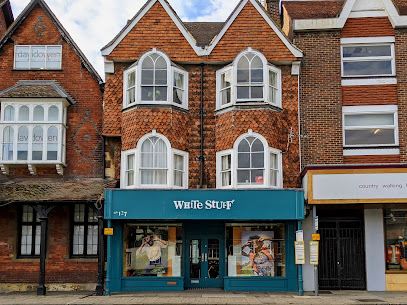
White Stuff Marlborough
11.3 km
Discover timeless, sustainable fashion and accessories at White Stuff Marlborough on the historic High Street.
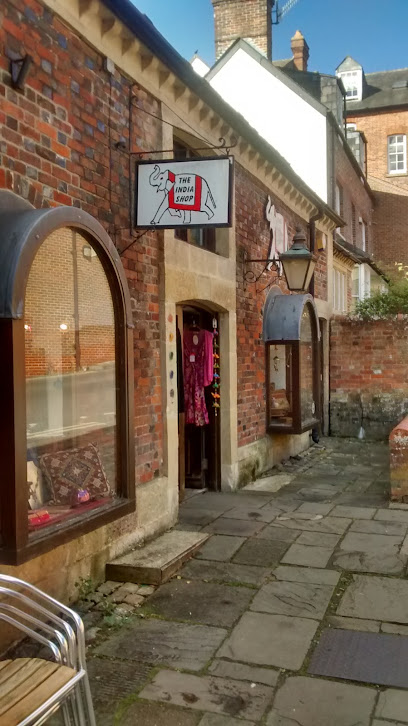
The India Shop
11.3 km
Discover vibrant fair trade treasures and authentic Indian craftsmanship in the heart of Marlborough’s charming market town.
No 96 Home and Gifts
17.3 km
Discover unique, upcycled furniture and quirky homeware at No 96 Home and Gifts, Newbury’s charming independent boutique.

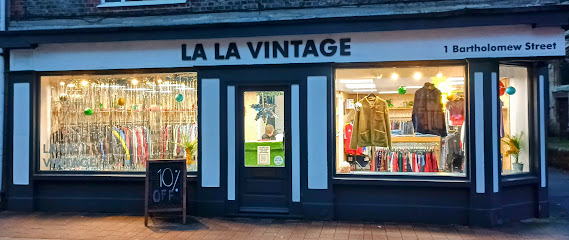
La La Vintage
17.4 km
Discover unique retro and vintage fashion treasures with a sustainable spirit in the heart of Newbury.
Parkway Shopping Centre
17.4 km
A vibrant shopping destination in Newbury blending major brands, boutique stores, and community culture under one roof.

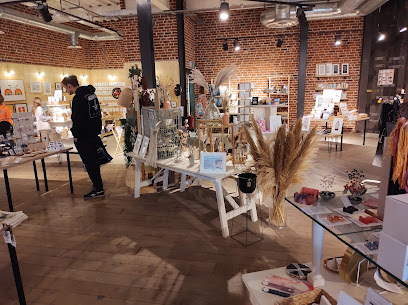
Artisans Handmade UK
17.4 km
Discover unique handcrafted jewellery, prints, and gifts at Newbury’s beloved independent artisan shop in Parkway Shopping Centre.
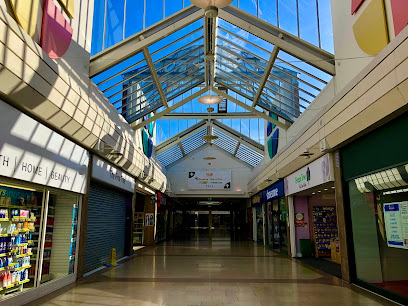
Kennet Shopping
17.5 km
A central Newbury shopping hub blending 1980s retail charm with modern stores, cafes, and cinema in a unique historic town setting.
The Works
17.5 km
Affordable arts, crafts, books, and toys come together at The Works Newbury—a creative hub for all ages and interests.

Elements of Avebury
19.7 km
Discover authentic local artistry and spiritual treasures in the heart of Avebury’s ancient stone circle.
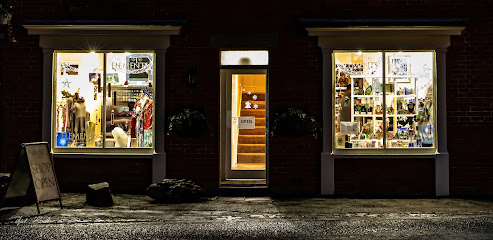
Avebury Community Shop
19.8 km
Explore the Avebury Community Shop for unique local products, artisan goods, and a taste of Marlborough's vibrant culture.
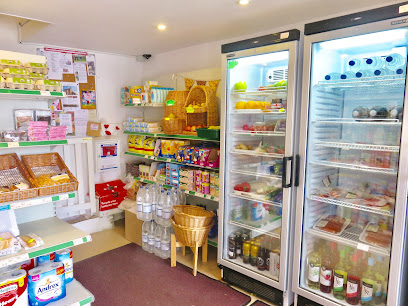
The Henge Shop
19.8 km
Explore Celtic and Pagan treasures, spiritual guidance, and artisan crafts in the heart of Avebury Stone Circle.
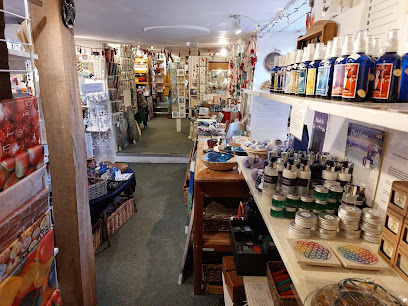
National Trust shop
19.9 km
Discover unique gifts and local artisan treasures in a historic stables building at the heart of Avebury’s ancient village.
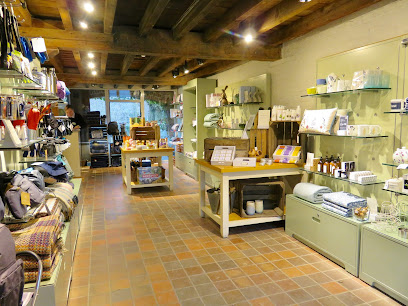
Bonmarché
20.1 km
Affordable ladies’ fashion and accessories nestled within Thatcham’s welcoming Wyevale Garden Centre.

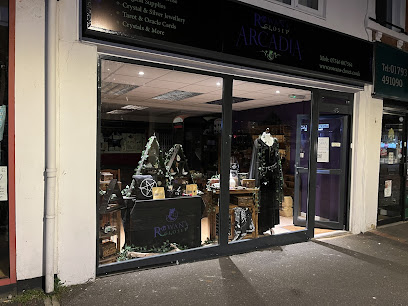
Rowans Closet Arcadia
20.5 km
Discover unique handcrafted gifts and personal tarot readings at Rowans Closet Arcadia, a creative boutique in the heart of Swindon.
Essential bars & hidden hideouts

The Bell
2.6 km
A charming Georgian coaching inn in Ramsbury offering exquisite farm-to-fork dining in a historic, countryside setting.
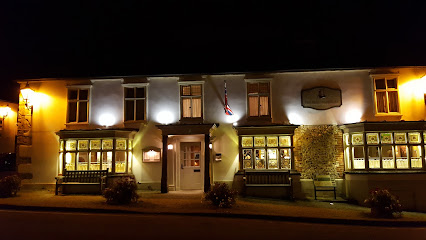
The Fox at Peasemore
16.8 km
A warm and inviting gastropub in the heart of Peasemore, serving freshly prepared British classics with a modern touch.
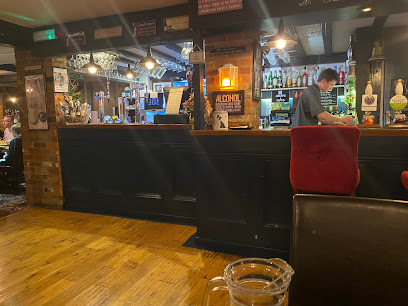
The Lock Stock & Barrel, Newbury
17.4 km
Charming canal-side pub in Newbury offering seasonal dishes, craft ales, heated terraces, and vibrant live entertainment in a family-friendly setting.
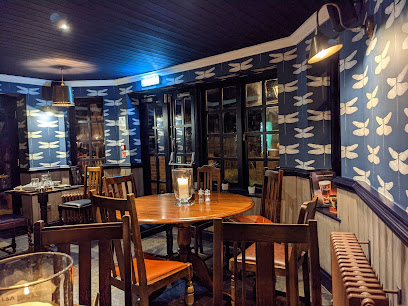
The Fox & Hounds
18.7 km
Quirky garden bar and lively pub in Wroughton offering hearty British fare, live music, and memorable community events.
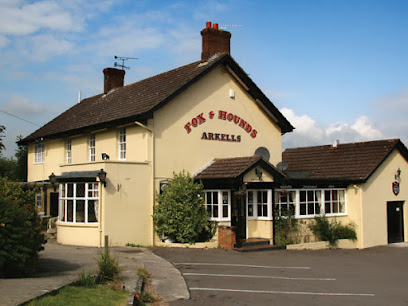
The Hop Inn
19.4 km
A vibrant Swindon pub famed for its craft ales, hearty contemporary fare, and welcoming community atmosphere.
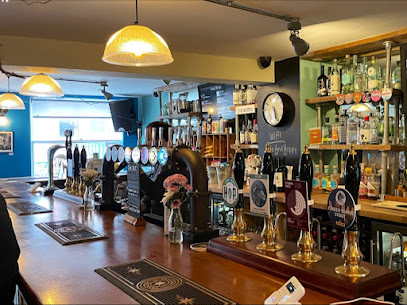
Eighteen Bar & Lounge
19.4 km
A vibrant cocktail bar in Swindon’s heart, blending creative drinks with a lively and welcoming atmosphere.
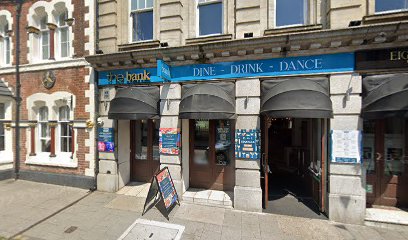
The Tuppenny
19.5 km
Swindon’s cozy craft beer haven with quirky charm, live music, and a vibrant social scene for all beer lovers and culture seekers.
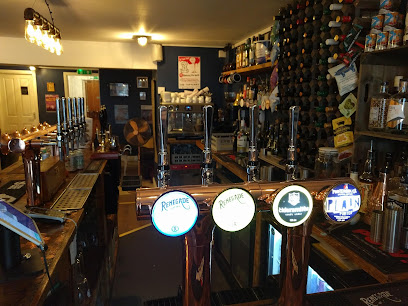
1101 Cocktail Bar
19.6 km
Sophisticated cocktails and a relaxed vibe make 1101 Cocktail Bar a standout spot for Swindon nightlife enthusiasts.

The Vault
19.6 km
Swindon's intimate cocktail bar offering expertly crafted drinks, stylish decor, and a warm, welcoming atmosphere.
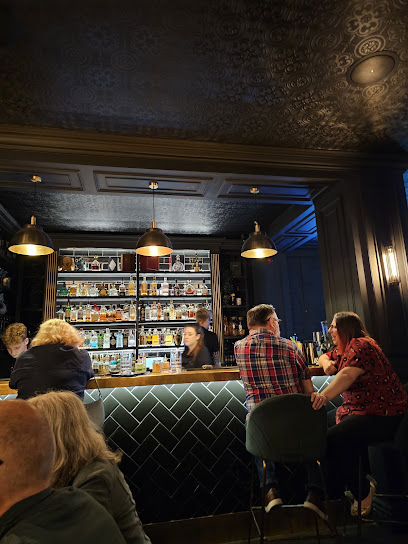
Longs Bar
19.6 km
A lively cocktail bar in Swindon's Old Town offering creative drinks, stone-baked pizzas, and a vibrant atmosphere day and night.
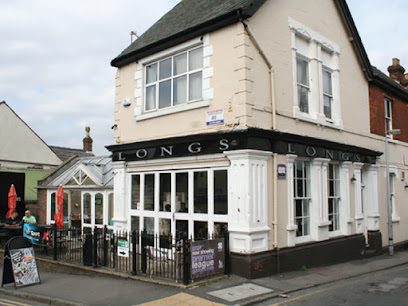
Red Lion
19.8 km
A charming traditional pub in Avebury offering hearty food, local stories, and a warm, welcoming atmosphere near the ancient stone circles.
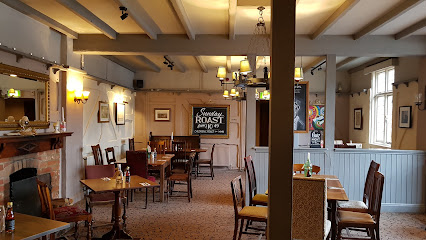
Waggon & Horses
21.0 km
Historic 17th-century gastropub with cosy charm, scenic garden views of Silbury Hill, and a celebrated menu featuring local and gluten-free delights.
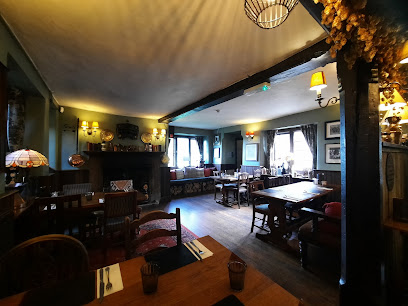
The White Horse Inn
26.2 km
Traditional Wiltshire pub and guesthouse offering homemade food, local ales, cosy rooms, and a warm countryside welcome in Compton Bassett.
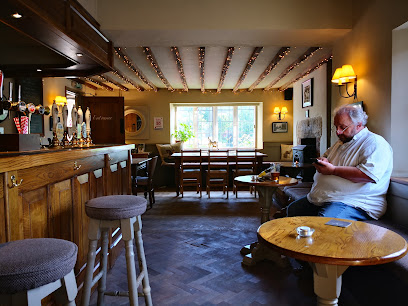
The Bell Inn, Aldworth
27.1 km
A timeless, welcoming English village pub in Aldworth, cherished for its hearty ales, rustic charm, and scenic countryside setting.
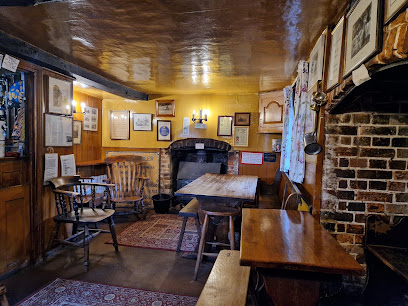
The Ivy Inn
30.2 km
A traditional Wiltshire pub offering cozy charm, fresh food, real ales, and a welcoming atmosphere in the heart of Heddington.
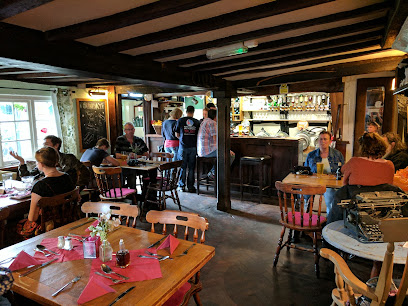
Nightclubs & after hour spots

Venue Five-0 Night Club
26.1 km
Energetic weekend nights and diverse music await at Venue Five-0 Night Club, Royal Wootton Bassett’s lively nightlife hotspot.
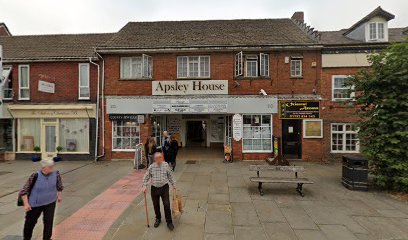
E11evn's Nightclub
38.1 km
A lively late-night hotspot in Chippenham offering weekend clubbing with a spirited local vibe and energetic dance floors.

Kiss Bar
41.2 km
An intimate late-night club in Oxford known for its vibrant atmosphere and close-knit party scene until its recent closure.
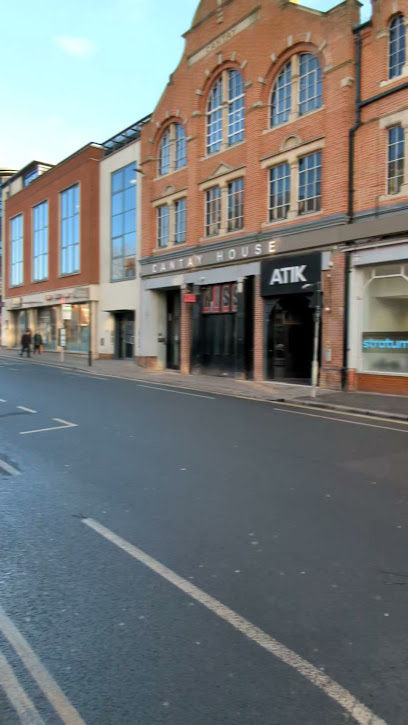
ATIK Oxford
41.2 km
Oxford’s largest nightclub with diverse music rooms, vibrant atmosphere, and strong security, offering a late-night hub for students and locals alike.
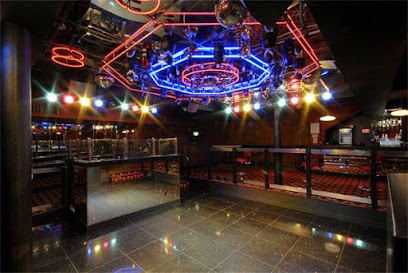
Oxford Leisure Ltd
41.2 km
Experience Oxford’s vibrant nightlife with dynamic music, themed events, and a lively dance floor at Oxford Leisure Ltd.

The Bridge Nightclub
41.3 km
Oxford’s lively student-focused nightclub with diverse music, multiple dance floors, and a spacious pub garden for late-night socializing.
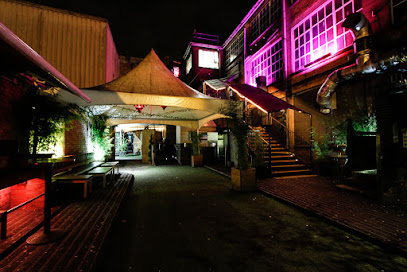
Popworld - Reading
41.3 km
A vibrant pop-themed nightclub in Reading’s city centre, where retro beats meet neon-lit fun for unforgettable nights.

Reading Lola Lo
41.4 km
Experience Reading’s premier tiki-themed nightclub with vibrant cocktails, lively music, and a unique Polynesian atmosphere on Friar Street.
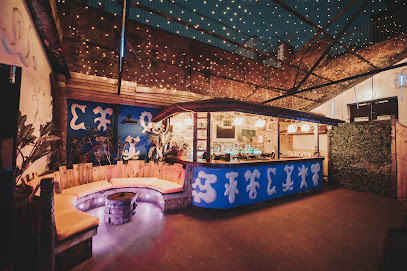
Gun Street Garden
41.4 km
Experience Reading’s vibrant nightlife in an urban jungle-themed club with diverse music, rooftop bar, and VIP lounges.

Plush Oxford
41.5 km
Experience Oxford’s vibrant, inclusive nightlife hotspot with great music, cocktails, and a welcoming atmosphere at Plush Oxford.
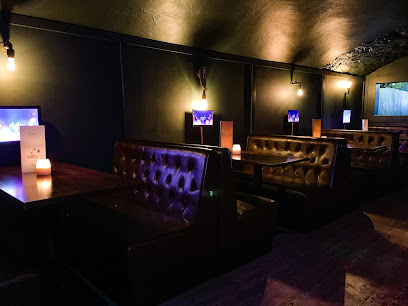
Q Club
41.5 km
Experience Reading’s energetic nightlife at Q Club, a lively nightclub and bar offering music, drinks, and late-night fun on Friar Street.

Fever Oxford
41.6 km
Experience Oxford’s vibrant nightlife at Fever, a multi-room nightclub blending live DJs, dynamic music, and a lively party atmosphere.

ReVA Nightclub
41.7 km
Cirencester’s largest nightclub offering electrifying music, stylish cocktails, and a vibrant atmosphere for unforgettable nights.
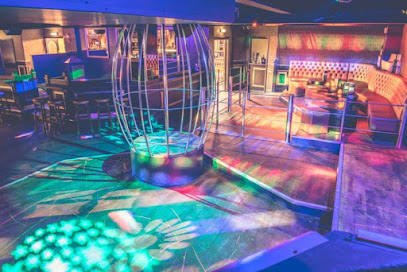
3sixty
43.4 km
Experience vibrant student nightlife and live events at 3sixty, the University of Reading’s premier nightclub and entertainment venue.
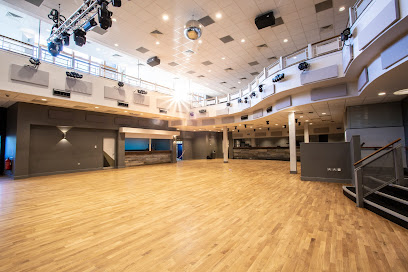
The Tub
52.9 km
A vibrant student nightclub on University of Bath campus, perfect for dancing, socializing, and late-night fun in a lively, welcoming atmosphere.
For the vibe & atmosphere seeker
- Tranquil
- Scenic
- Relaxing
- Cultural Heritage
For the design and aesthetic lover
- Rustic Designs
- Vintage Styles
For the architecture buff
- Historic
- Heritage Neighborhoods
- Parks & Gardens
For the view chaser and sunset hunter
- Iconic Views
- Waterfront
For the social media creator & influencer
- Instagrammable
- Photo Spots
- Aesthetic Corners
For the eco-conscious traveler
- Public-Transport Accessible
- Locally Managed
- Leave-No-Trace Critical
For the kind of experience you’re after
- Cultural Heritage
- Photowalk
- Day Trip
- Nature Escape
For how adventurous you want the journey to be
- Easy Access
Location Audience
- Family Friendly
- Senior Friendly
- Child Friendly
- Teen Friendly
- Wheelchair Access
- Pet Friendly
- Solo Friendly
- Couple Friendly
- Vegetarian Friendly
- Vegan Friendly


