
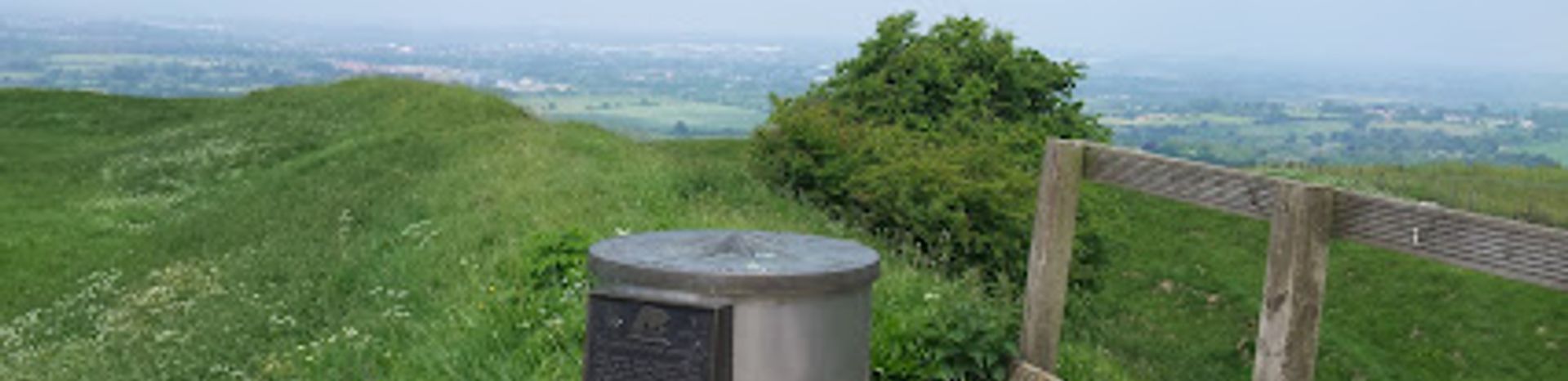
Liddington Hillfort: Ancient Sentinel of Wiltshire
Explore Liddington Hillfort, Wiltshire’s ancient Iron Age stronghold with panoramic views and layered history from prehistoric times to WWII.
Liddington Hillfort, also known as Liddington Castle or Liddington Camp, is a late Bronze Age and early Iron Age univallate hillfort perched atop Liddington Hill near Swindon. Dating back to around 700 BC, it features earthwork ramparts and ditches with panoramic views across the Wiltshire countryside and the town of Swindon. This historic site also includes a unique WWII starfish decoy bunker and a memorial to local writers, offering a tranquil yet evocative glimpse into layered British history.
A brief summary to Liddington Hillfort
- Swindon, Liddington, GB
- Visit website
- Duration: 1 to 2 hours
- Free
-
 Outdoor
- Mobile reception: 4 out of 5
Local tips
- Wear sturdy footwear as the terrain is hilly and can be muddy, especially after rain.
- Visit on clear mornings for the best panoramic views over Swindon and the surrounding countryside.
- Access the site via the permissive footpath from the B4192; note there is no dedicated car park.
- Look for the nearby World War II starfish decoy bunker, a unique historical feature adjacent to the hillfort.

For the on-the-go comforts that matter to you
- Restrooms
- Seating Areas
- Information Boards
Getting There
-
Bus and Walking
Take the Stagecoach bus service between Hungerford and Swindon, alighting at Foxhill Turn. From there, a 30 to 45-minute walk on varied terrain leads to the hillfort. Note that Sunday service is not available on this route.
-
Car and Footpath
Park in nearby laybys along the B4192 road, approximately 100 meters from the start of the permissive footpath to Liddington Hillfort. The uphill walk to the summit takes about 20 to 30 minutes on uneven, sometimes muddy ground.
-
Hiking via The Ridgeway
For hiking enthusiasts, approach via The Ridgeway National Trail, which crosses the hill. This route adds scenic variety and takes 1 to 2 hours depending on starting point and pace, with some steep sections.
Liddington Hillfort location weather suitability
-
 Any Weather
-
 Clear Skies
-
 Windy Conditions
-
 Mild Temperatures
-
 Rain / Wet Weather
Discover more about Liddington Hillfort
Ancient Origins and Archaeological Significance
Liddington Hillfort is a remarkable example of early British fortifications, dating from the late Bronze Age to the early Iron Age, around the 7th century BC. Covering approximately 3 hectares, it is a univallate hillfort characterized by a simple oval bank of timber and earth, fronted by a ditch, with causewayed entrances on the east and west sides. Excavations have revealed multiple construction phases of the ramparts, with the latest improvements possibly dating to the Saxon period. Pottery finds suggest the site was abandoned around the 5th century BC, though some evidence hints at later Roman re-occupation. The discovery of a deep ritual shaft and fragments of human bone adds to the site's archaeological intrigue and cultural depth.Strategic Location and Panoramic Views
Situated at 275 meters above sea level, Liddington Hillfort commands a commanding vantage point over the northern Wiltshire chalklands and the River Og valley. It is the highest point in the Borough of Swindon, offering breathtaking 360-degree views of Swindon town, the Marlborough Downs, and the surrounding countryside. The natural summit nearby reaches 276.5 meters, enhancing the site's prominence. This strategic location likely contributed to its historical importance as a defensive stronghold and lookout, overseeing key routes such as the Ridgeway and ancient Roman roads.Layered History: From Iron Age to World War II
Beyond its Iron Age origins, Liddington Hillfort bears witness to later historical layers. During World War II, the hilltop area was adapted as a Starfish site—a decoy designed to simulate burning cities and divert enemy bombers away from Swindon. Remnants of this period include a surviving command bunker and a metal trough used to simulate explosions and fire. This juxtaposition of ancient earthworks and modern military defenses offers a unique narrative of continuity and adaptation across millennia.Cultural Connections and Memorials
The hillfort is closely linked with notable local literary figures, including Richard Jefferies and Alfred Williams. A millennium memorial featuring a large sandstone rock and a plaque with Jefferies’ words stands at the site, commemorating their connection to the landscape. Jefferies, a 19th-century naturalist and writer, found inspiration in the peaceful surroundings of Liddington Hill, which remains a place for quiet contemplation and appreciation of rural beauty.Visitor Experience and Surroundings
Visitors to Liddington Hillfort can enjoy a peaceful walk through rolling chalk hills, often accompanied by grazing sheep, enhancing the rural charm. The site is accessible via a permissive footpath and lies close to the Ridgeway National Trail. While there is no dedicated car park, nearby laybys provide parking options. The terrain is hilly and can be muddy, so sturdy footwear is recommended. The hillfort offers a secluded atmosphere, with the opportunity to explore both the ancient ramparts and the nearby star-shaped WWII fortification, making it a fascinating destination for history enthusiasts and nature lovers alike.Mythical Associations and Historical Speculation
Liddington Hillfort is sometimes proposed as a possible location for the legendary Battle of Mount Badon, a late 5th-century conflict described in early medieval sources and linked to the Arthurian legends. While no direct archaeological evidence confirms this association, the site's commanding position and historical significance fuel ongoing interest and speculation. This adds a layer of myth and legend to the hillfort’s already rich historical tapestry.Iconic landmarks you can’t miss

Lord Wantage Monument
21.9 km
Historic Victorian monument atop an ancient Bronze Age barrow offering scenic views and a tribute to Lord Wantage near Wantage, Oxfordshire.
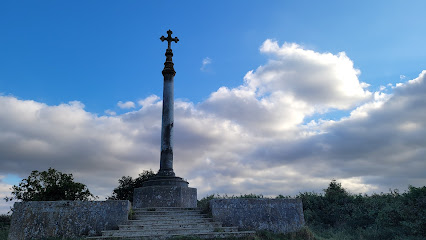
Things To Do In The Cotswolds
27.7 km
Explore the enchanting Cotswolds, where rolling hills, charming villages, and rich history create the perfect getaway for travelers seeking beauty and adventure.

Cotswold Trails
27.7 km
Experience the breathtaking beauty and rich heritage of the Cotswolds with Cotswold Trails, where every journey is an adventure.
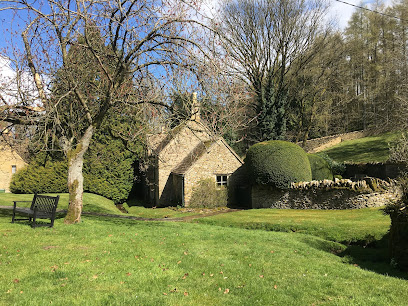
West Berkshire Museum
29.1 km
Discover the fascinating history and vibrant culture of West Berkshire at the West Berkshire Museum, a must-visit tourist attraction in Newbury.
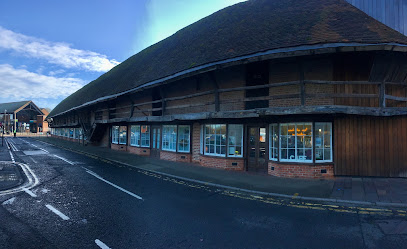
Abbey Grounds Park
29.1 km
Experience the natural beauty and historical charm of Abbey Grounds Park in Cirencester, a serene escape for all visitors.
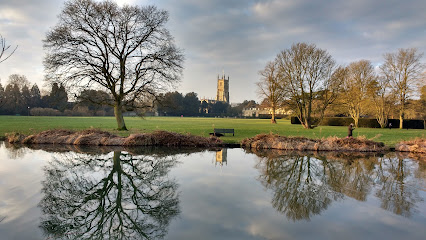
Cirencester Park
29.2 km
Discover Cirencester Park: A historical gem in the Cotswolds offering expansive gardens, serene woodlands, and breathtaking views for every nature lover.
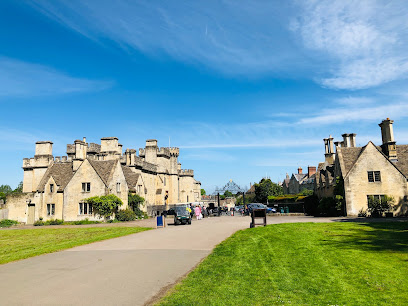
Lacock Abbey
31.2 km
Explore the enchanting Lacock Abbey, a historical gem showcasing England's architectural beauty and the birthplace of photography.
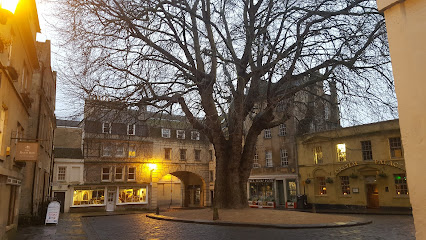
Highclere Castle
31.6 km
The real Downton Abbey: a thousand years of history, Egyptian treasures, and aristocratic grandeur in the Hampshire countryside.
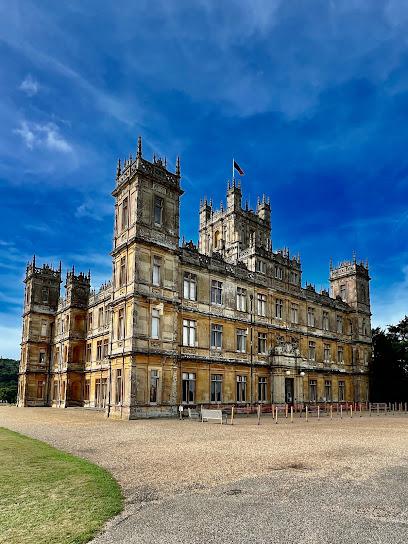
The Nature Discovery Centre
32.2 km
Discover the beauty of nature at The Nature Discovery Centre in Thatcham, a family-friendly destination with trails, wildlife, and educational exhibits.
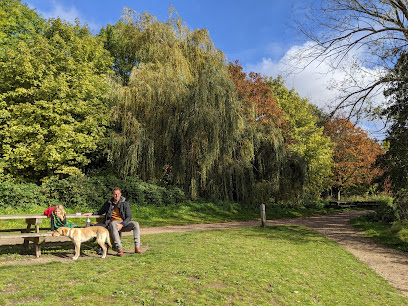
Rodmarton Long Barrow
32.7 km
Uncover the ancient secrets of Rodmarton Long Barrow, a Neolithic burial site that invites you to journey through time in the heart of the English countryside.
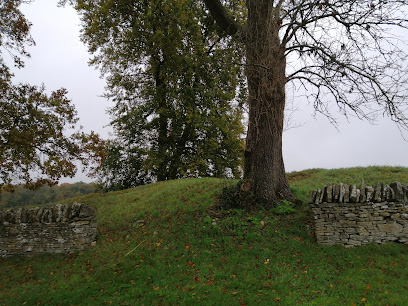
National Trust - Lodge Park and Sherborne Park Estate
33.2 km
Experience the beauty and history of Lodge Park and Sherborne Park Estate, a stunning historical landmark in the heart of Gloucestershire's countryside.

Undiscovered Cotswolds
33.5 km
Discover the natural beauty and rich history of the Undiscovered Cotswolds, a unique tourist destination perfect for your next adventure.
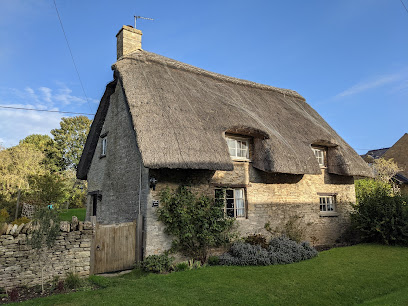
Minster Lovell Hall and Dovecote
33.7 km
Explore the enchanting ruins of Minster Lovell Hall and Dovecote, a historical gem in the Cotswolds offering picturesque views and rich heritage.
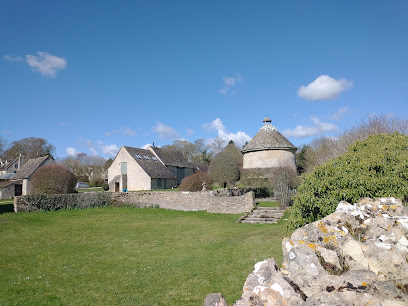
Cerney House Gardens
33.9 km
Explore the breathtaking beauty of Cerney House Gardens, a tranquil retreat in the Cotswolds, perfect for nature lovers and relaxation.
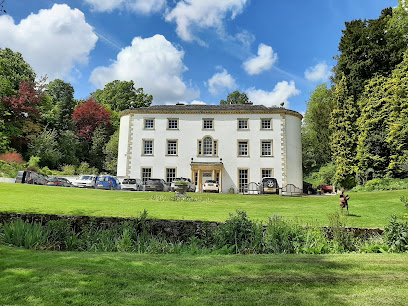
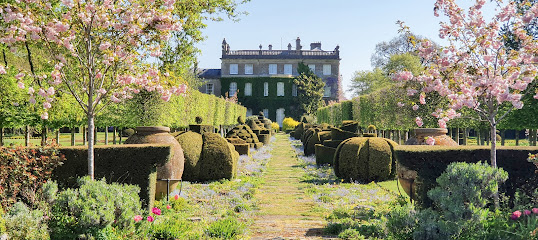
Highgrove Gardens
35.3 km
Explore the breathtaking beauty of Highgrove Gardens, a masterpiece of horticulture and sustainability nestled in the Cotswolds.
Unmissable attractions to see

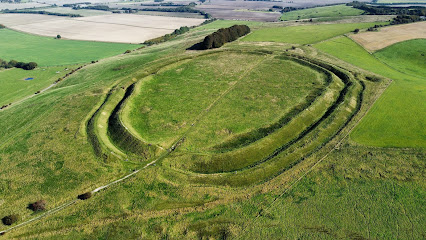
Barbury Castle Country Park
6.5 km
Explore a 2,500-year-old Iron Age hillfort with stunning panoramic views and rich history in the scenic North Wessex Downs.
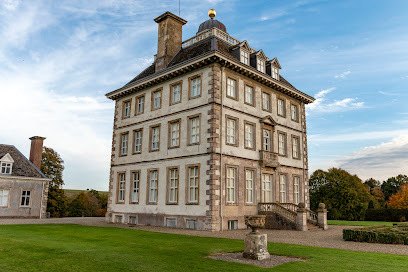
National Trust - Ashdown
7.7 km
Explore a unique 17th-century Dutch hunting lodge with panoramic rooftop views and tranquil woodland walks in the Berkshire Downs.
The Brunel Shopping Centre
7.8 km
Swindon's vibrant covered shopping centre with over 60 shops, diverse dining at The Crossing, and a welcoming community atmosphere.

Historic England Archive
8.3 km
Explore England’s rich architectural and archaeological heritage at the Historic England Archive in Swindon’s iconic Engine House.
Designer Outlet Swindon
8.5 km
Historic railway heritage meets premier designer shopping with over 100 stores and 15+ eateries offering up to 60% off in a vibrant, family-friendly setting.

Wayland's Smithy
9.2 km
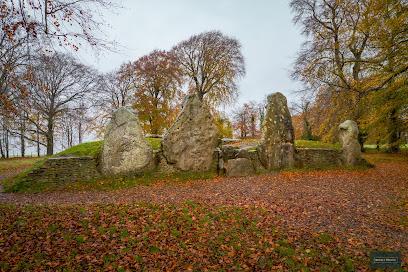
Explore Wayland's Smithy, a 5,000-year-old Neolithic long barrow steeped in legend, nestled along the ancient Ridgeway in Oxfordshire.
Hackpen White Horse
9.4 km
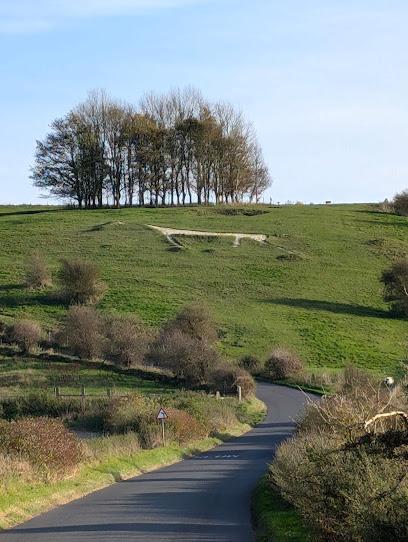
Discover the unique square-shaped Hackpen White Horse, a chalk hill figure commemorating Queen Victoria’s coronation, set amidst Wiltshire’s scenic downs.
Bincknoll Castle
10.1 km
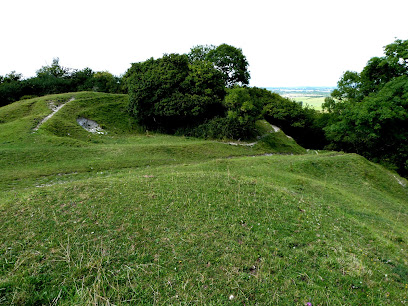
Explore the tranquil earthworks and layered history of Bincknoll Castle, a medieval motte and bailey nestled on Wiltshire’s scenic chalk escarpment.
Uffington Castle
11.2 km
Explore the ancient earthworks of Uffington Castle, an Iron Age hillfort overlooking the iconic White Horse and legendary Dragon Hill.
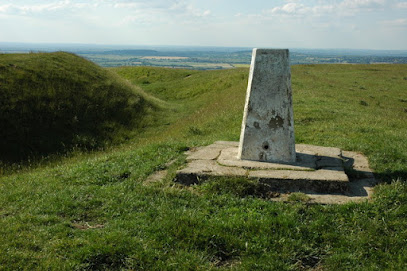
The Devil's Den
11.5 km
Explore the enigmatic Neolithic dolmen of The Devil's Den, a quiet ancient monument nestled among Wiltshire's sarsen stones and rolling chalk downs.
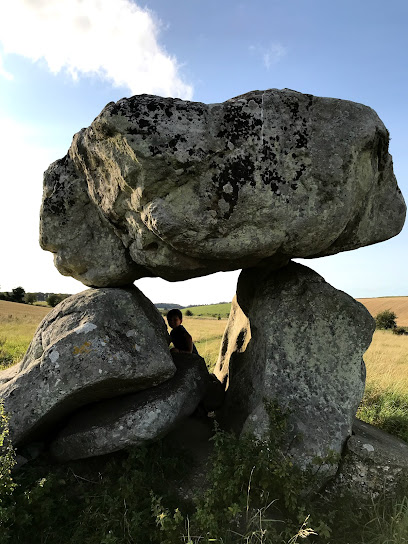
Orbital Shopping Park
11.8 km
A vibrant and family-friendly retail and leisure park in North Swindon with diverse shops, dining, and ample free parking.
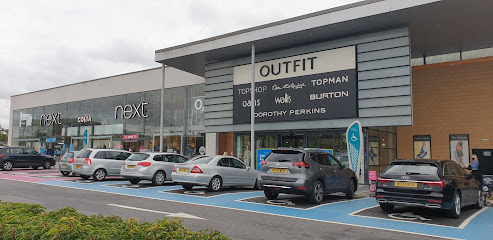
Groundwell Ridge Roman Site
11.9 km
Explore Groundwell Ridge Roman Site, where ancient ruins and rare artifacts reveal the rich tapestry of Roman and post-Roman life in tranquil Wiltshire.
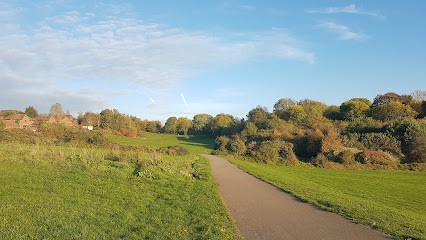
Littlecote Roman Villa
12.8 km
Explore the grandeur of Roman Britain at Littlecote Roman Villa, home to stunning mosaics and ancient ruins in a serene Wiltshire estate.
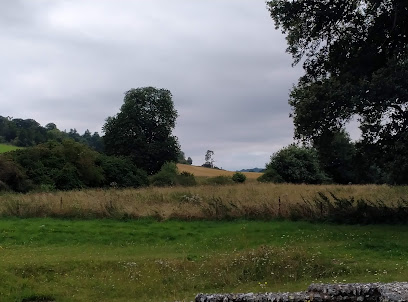
National Trust - Lockeridge Dene and Piggledene
13.7 km
Explore ancient sarsen stone valleys nestled in tranquil Wiltshire countryside, rich with natural beauty and prehistoric heritage.
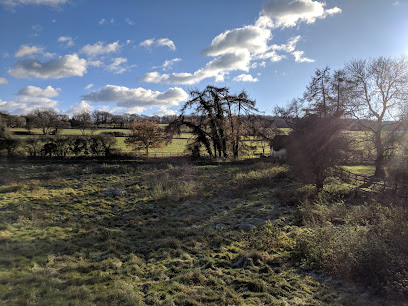
West Woods
14.3 km
Explore the enchanting ancient woodlands of West Woods, where natural beauty and deep history intertwine just south of Marlborough.

Essential places to dine

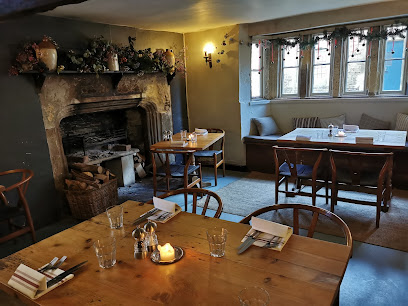
The Silks
7.8 km
Historic Victorian pub in Wiltshire serving seasonal British fare by MasterChef Champion Thomas Frake, blending heritage with community spirit.
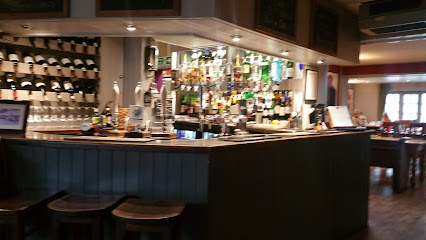
Restaurant 56
18.0 km
Elegant British fine dining in a historic 17th-century coaching inn set within tranquil gardens on the edge of the Cotswolds.
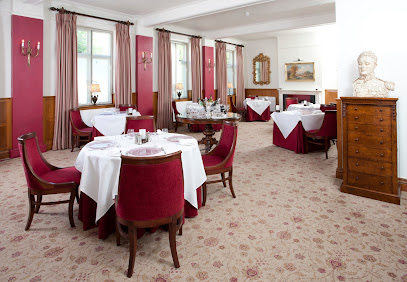
The Old Boathouse
22.1 km
Charming lakeside gastropub offering hearty British and European dishes with scenic views at Cotswold Water Park.
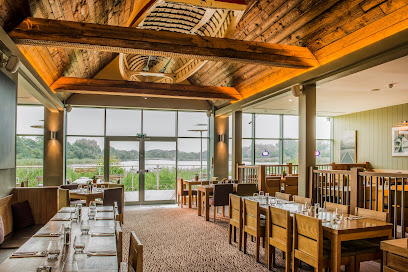
The Ox Barn
23.7 km
Experience modern British countryside cuisine in a beautifully restored 19th-century oxen house nestled in the tranquil Cotswold village of Southrop.
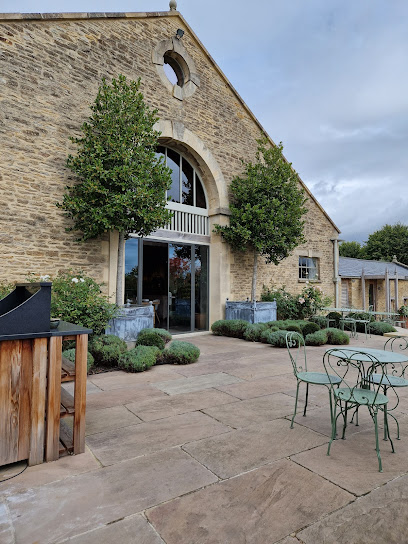
Damson Restaurant
25.7 km
An intimate, sustainably driven dining experience in a beautifully transformed historic pub in Winterbourne, Newbury.
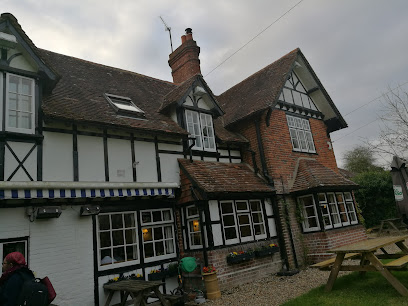
The Woodspeen Restaurant
26.5 km
Michelin-starred modern British cuisine in a charming farmhouse with seasonal menus, award-winning wines, and an adjoining cookery school near Newbury.
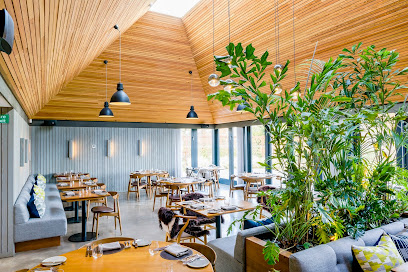
The White Hart at Fyfield
28.7 km
Historic 15th-century pub in Fyfield blending vaulted halls and oak beams with refined Modern British cuisine and artisan cocktails.
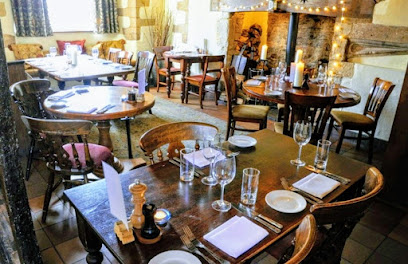
The Catherine Wheel
28.7 km
A family-run pub and inn in Bibury serving fresh local food with warm hospitality in the heart of the Cotswolds.
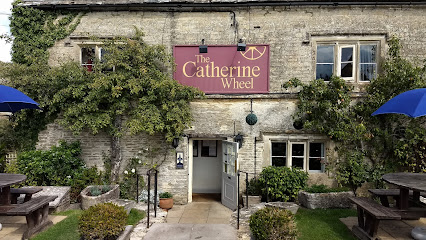
The Oak Tree Restaurant
28.8 km
Relax and refuel at The Oak Tree Restaurant, a family-friendly dining spot nestled within the scenic Cotswold Wildlife Park and Gardens.
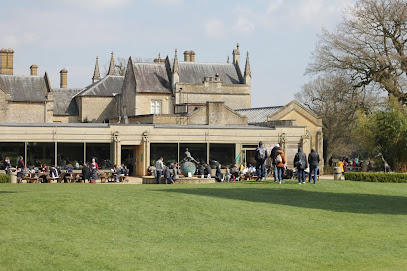
The Gallery Restaurant
28.8 km
Modern European dining in the heart of Bibury, blending local Cotswold produce with elegant country charm at The Swan Hotel.
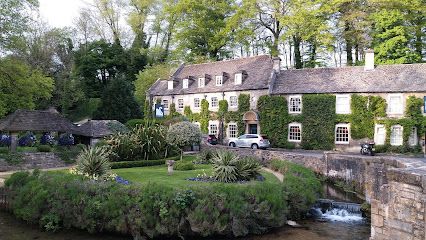
MBB BRASSERIE
29.0 km
Stylish modern British brasserie in Cirencester’s historic Corn Hall, serving classic and contemporary dishes in a vibrant open kitchen setting.
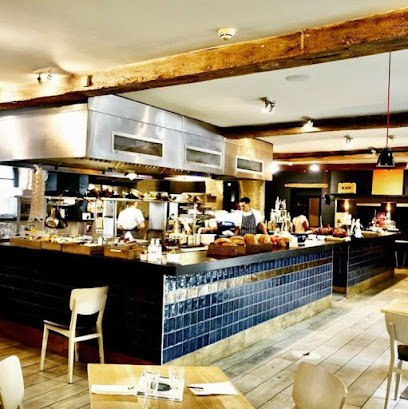
GOAT ON THE ROOF
29.0 km
A vibrant British tapas restaurant and sustainable wine bar in Newbury, celebrating local flavours with a stylish, relaxed atmosphere.
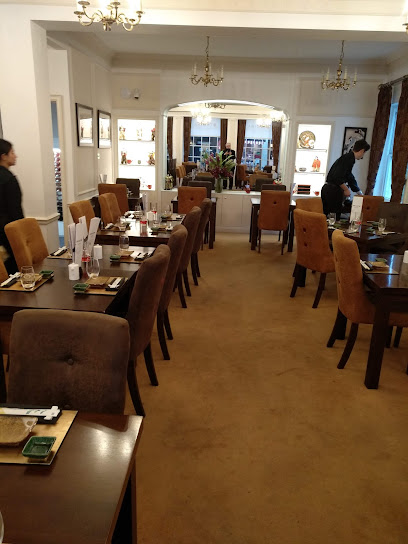
Bunk Inn Pub & Dining
29.2 km
A charming Berkshire country pub blending Mediterranean-inspired dining with classic British hospitality in the heart of Curridge.
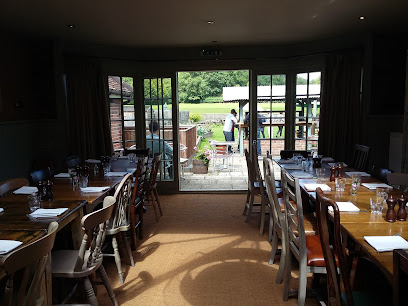
The Garden Restaurant
30.7 km
Refined modern British dining with scenic walled garden views in the heart of historic Stratton House Hotel, Cirencester.
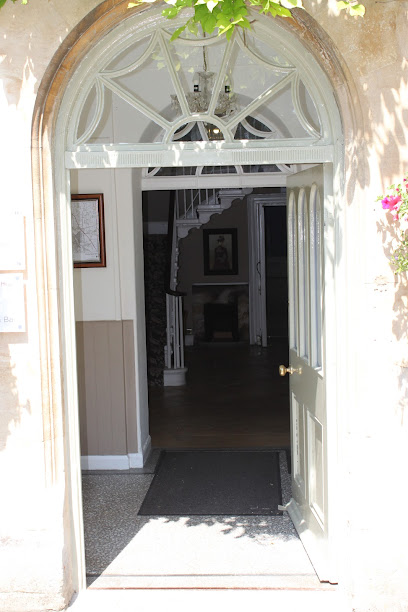
Sign of the Angel
31.3 km
Step into history at Sign of the Angel, a 15th-century coaching inn in Lacock offering cozy charm, excellent food, and timeless English hospitality.
Markets, malls and hidden boutiques

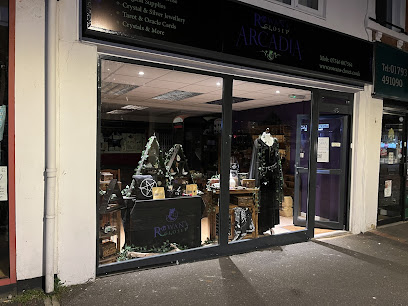
Rowans Closet Arcadia
7.7 km
Discover unique handcrafted gifts and personal tarot readings at Rowans Closet Arcadia, a creative boutique in the heart of Swindon.
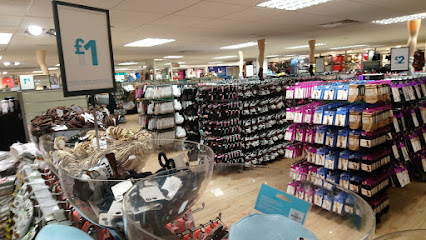
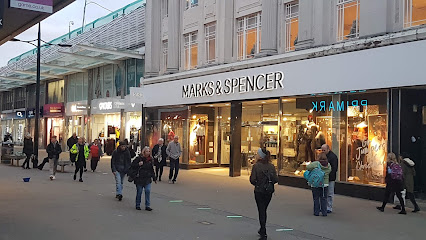
Primark
7.7 km
Discover unbeatable value fashion for the whole family at Primark Swindon on Regent Street, your go-to for style and savings.
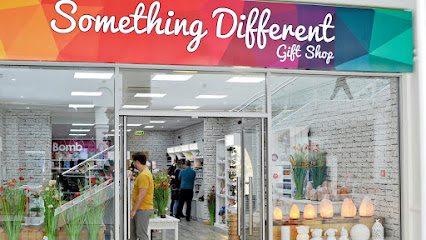
Something Different Gift Shop
7.7 km
Discover quirky gifts, collectibles, and unique treasures at Something Different Gift Shop in Swindon’s vibrant Brunel Shopping Centre.
The Parade
7.7 km
Swindon's central shopping destination with diverse stores, cafes, and easy access to transport hubs for a complete retail experience.
The Wiltshire Gift Co
10.3 km
Discover unique gifts and candles in a vibrant garden centre setting with family-friendly attractions and local charm.

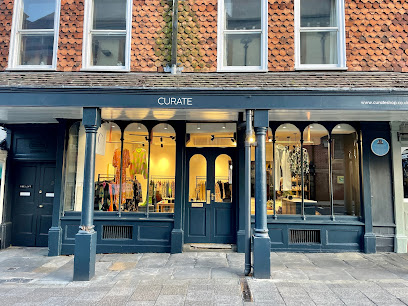
Curate
10.7 km
Discover artistically inspired fashion and homewares at Curate, Marlborough’s award-winning independent boutique on High Street.
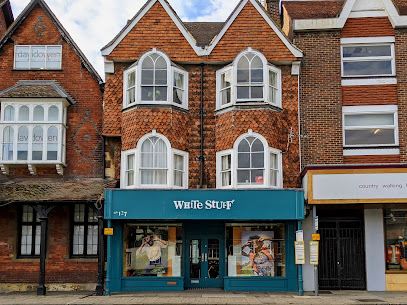
White Stuff Marlborough
10.8 km
Discover timeless, sustainable fashion and accessories at White Stuff Marlborough on the historic High Street.
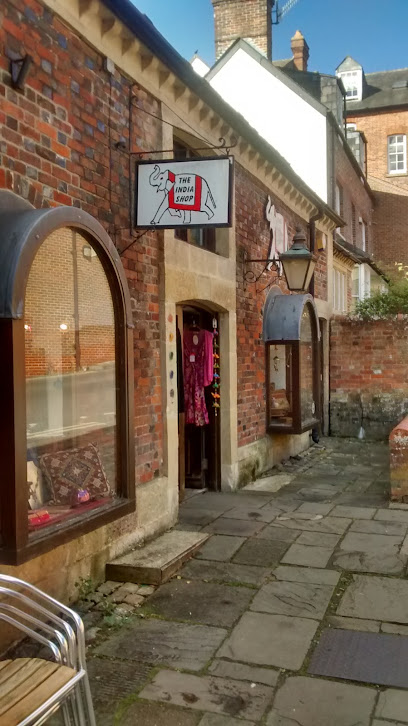
The India Shop
10.9 km
Discover vibrant fair trade treasures and authentic Indian craftsmanship in the heart of Marlborough’s charming market town.
Elements of Avebury
14.4 km
Discover authentic local artistry and spiritual treasures in the heart of Avebury’s ancient stone circle.

Avebury Community Shop
14.5 km
Explore the Avebury Community Shop for unique local products, artisan goods, and a taste of Marlborough's vibrant culture.
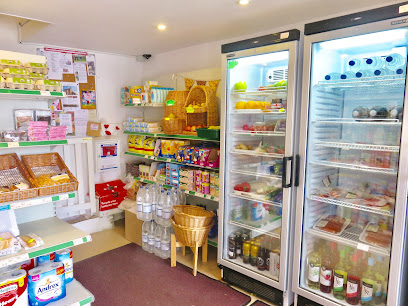
The Henge Shop
14.5 km
Explore Celtic and Pagan treasures, spiritual guidance, and artisan crafts in the heart of Avebury Stone Circle.
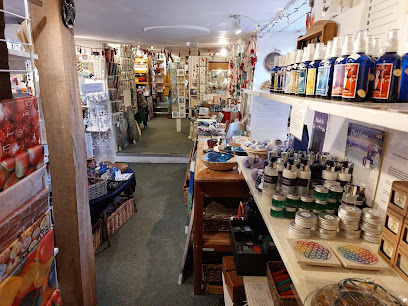
National Trust shop
14.5 km
Discover unique gifts and local artisan treasures in a historic stables building at the heart of Avebury’s ancient village.
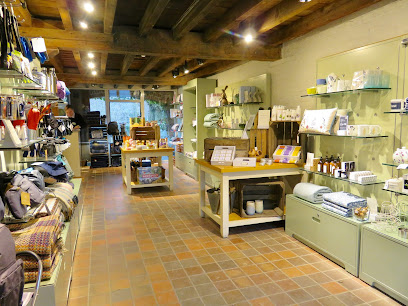
THINGS
17.7 km
Explore Cricklade's fabric shop for a world of crafting possibilities with a variety of fabrics, haberdashery, and creative inspiration.

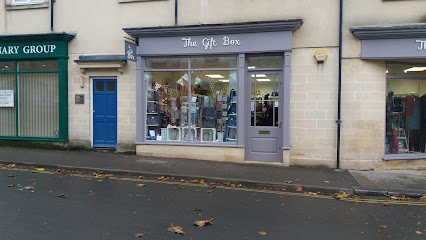
The Gift Box
22.7 km
Discover unique gifts and stylish fashion accessories in a charming Calne boutique with a warm, welcoming atmosphere.
Mark Parrish mid century modern
27.5 km
Discover authentic mid-century modern furniture and timeless design treasures in Cirencester’s Love Lane Industrial Estate.

Essential bars & hidden hideouts

The Hop Inn
6.6 km
A vibrant Swindon pub famed for its craft ales, hearty contemporary fare, and welcoming community atmosphere.
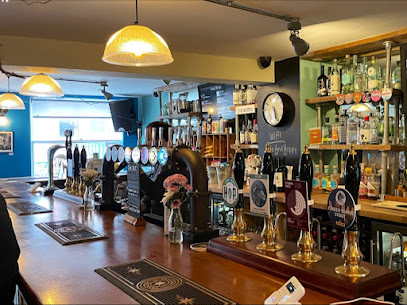
Eighteen Bar & Lounge
6.6 km
A vibrant cocktail bar in Swindon’s heart, blending creative drinks with a lively and welcoming atmosphere.
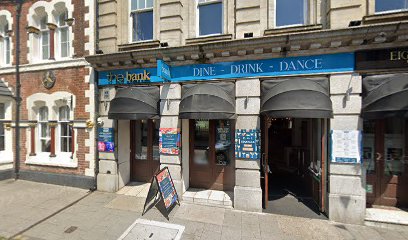
The Tuppenny
6.7 km
Swindon’s cozy craft beer haven with quirky charm, live music, and a vibrant social scene for all beer lovers and culture seekers.
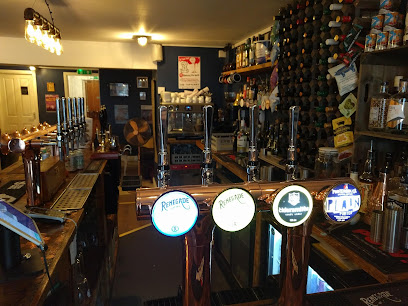
1101 Cocktail Bar
6.8 km
Sophisticated cocktails and a relaxed vibe make 1101 Cocktail Bar a standout spot for Swindon nightlife enthusiasts.

The Vault
6.8 km
Swindon's intimate cocktail bar offering expertly crafted drinks, stylish decor, and a warm, welcoming atmosphere.
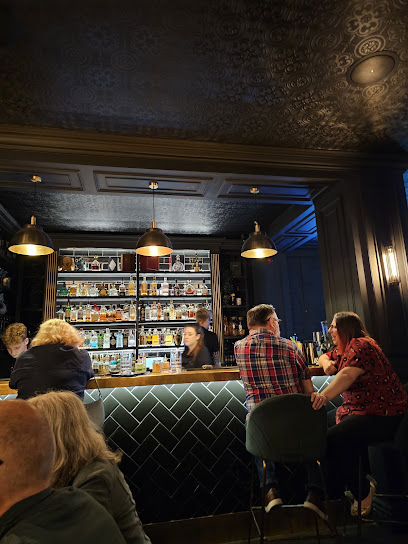
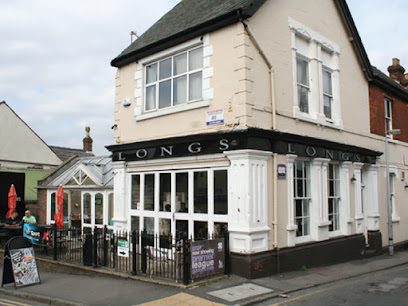
Longs Bar
6.8 km
A lively cocktail bar in Swindon's Old Town offering creative drinks, stone-baked pizzas, and a vibrant atmosphere day and night.
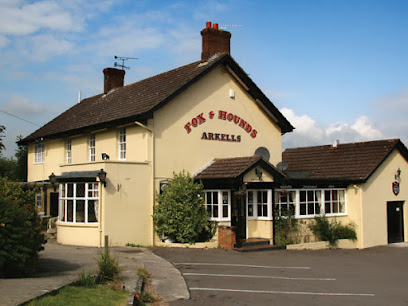
The Fox & Hounds
6.9 km
Quirky garden bar and lively pub in Wroughton offering hearty British fare, live music, and memorable community events.
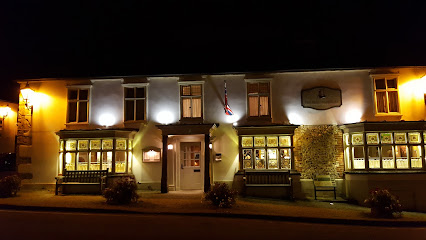
The Bell
10.5 km
A charming Georgian coaching inn in Ramsbury offering exquisite farm-to-fork dining in a historic, countryside setting.
Red Lion
14.4 km
A charming traditional pub in Avebury offering hearty food, local stories, and a warm, welcoming atmosphere near the ancient stone circles.
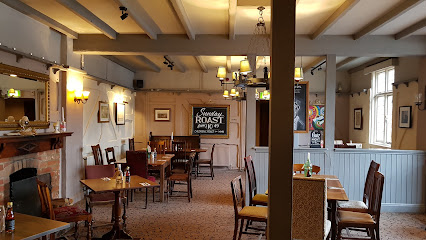
Waggon & Horses
16.0 km
Historic 17th-century gastropub with cosy charm, scenic garden views of Silbury Hill, and a celebrated menu featuring local and gluten-free delights.
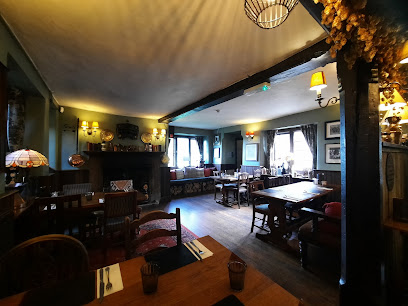
The White Horse Inn
18.7 km
Traditional Wiltshire pub and guesthouse offering homemade food, local ales, cosy rooms, and a warm countryside welcome in Compton Bassett.
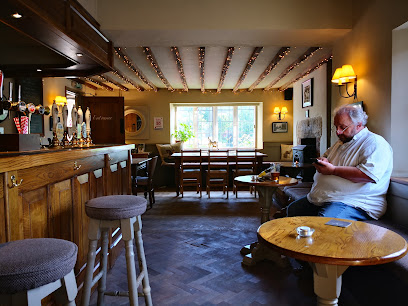
The Crown @ Cerney Wick
20.9 km
A charming Cotswolds pub blending British tradition with authentic Anglo-Indian flavors and warm hospitality.
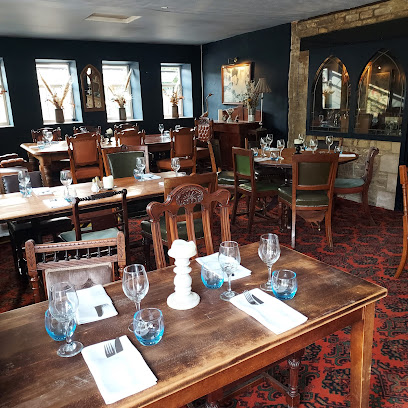
The Somerford Arms
24.3 km
A family-run village pub in Little Somerford offering exceptional food, warm hospitality, and a charming countryside atmosphere.

The Fox at Peasemore
24.6 km
A warm and inviting gastropub in the heart of Peasemore, serving freshly prepared British classics with a modern touch.
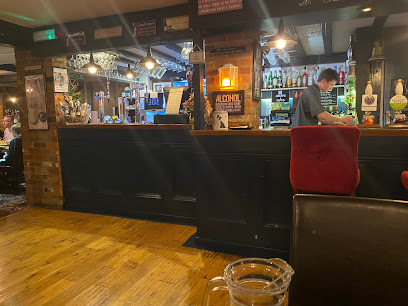
The Ivy Inn
24.7 km
A traditional Wiltshire pub offering cozy charm, fresh food, real ales, and a welcoming atmosphere in the heart of Heddington.
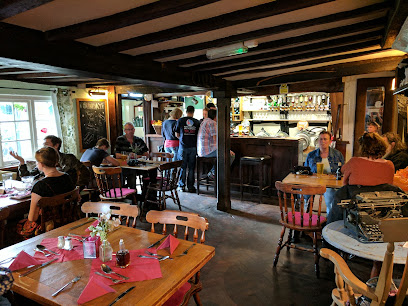
Nightclubs & after hour spots

Venue Five-0 Night Club
14.4 km
Energetic weekend nights and diverse music await at Venue Five-0 Night Club, Royal Wootton Bassett’s lively nightlife hotspot.
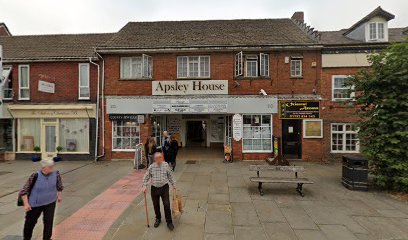
ReVA Nightclub
29.0 km
Cirencester’s largest nightclub offering electrifying music, stylish cocktails, and a vibrant atmosphere for unforgettable nights.
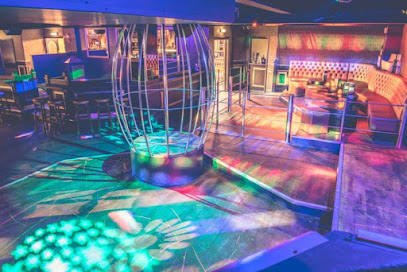
E11evn's Nightclub
29.6 km
A lively late-night hotspot in Chippenham offering weekend clubbing with a spirited local vibe and energetic dance floors.

Kiss Bar
39.9 km
An intimate late-night club in Oxford known for its vibrant atmosphere and close-knit party scene until its recent closure.
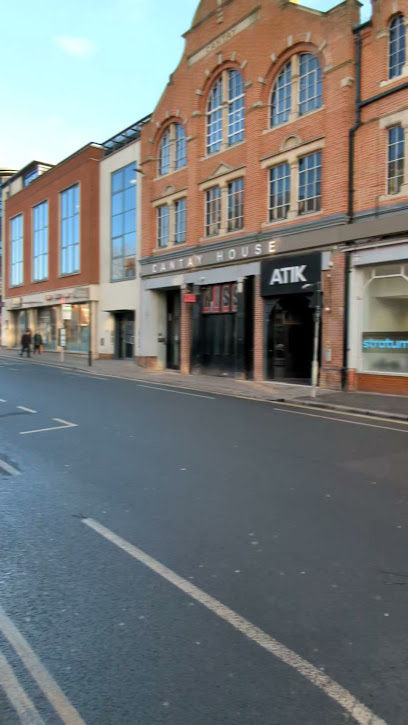
ATIK Oxford
39.9 km
Oxford’s largest nightclub with diverse music rooms, vibrant atmosphere, and strong security, offering a late-night hub for students and locals alike.
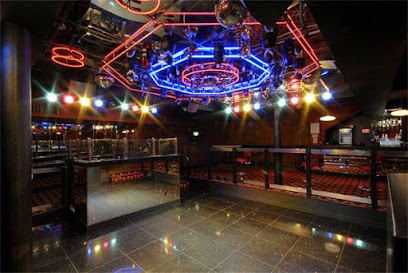
Oxford Leisure Ltd
39.9 km
Experience Oxford’s vibrant nightlife with dynamic music, themed events, and a lively dance floor at Oxford Leisure Ltd.

The Bridge Nightclub
39.9 km
Oxford’s lively student-focused nightclub with diverse music, multiple dance floors, and a spacious pub garden for late-night socializing.
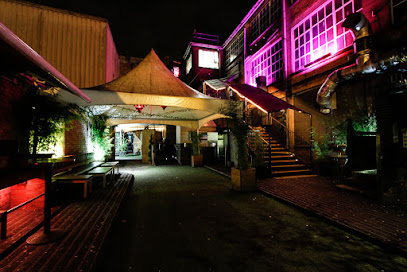
Plush Oxford
40.3 km
Experience Oxford’s vibrant, inclusive nightlife hotspot with great music, cocktails, and a welcoming atmosphere at Plush Oxford.
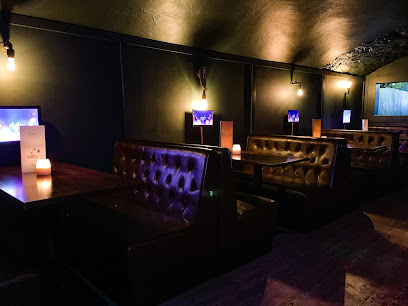
Fever Oxford
40.4 km
Experience Oxford’s vibrant nightlife at Fever, a multi-room nightclub blending live DJs, dynamic music, and a lively party atmosphere.

The Mad Hatter
40.8 km
Experience the whimsical atmosphere of The Mad Hatter, a unique bar and tea room in Oxford, perfect for cocktails, tea, and unforgettable moments.
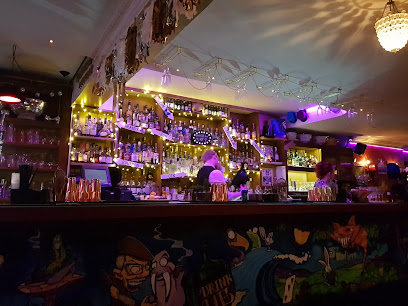
Trio Nightclub
43.8 km
Experience Stroud’s vibrant nightlife at Trio Nightclub, where music, dancing, and energetic vibes light up weekend nights.

The Tub
46.0 km
A vibrant student nightclub on University of Bath campus, perfect for dancing, socializing, and late-night fun in a lively, welcoming atmosphere.
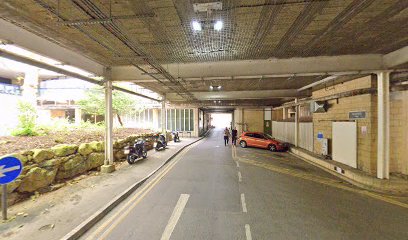
Lomah
47.9 km
Experience Bath’s industrial-chic nightlife at Lomah, a stylish underground club with hip hop beats and a laidback vibe for 21+ guests.
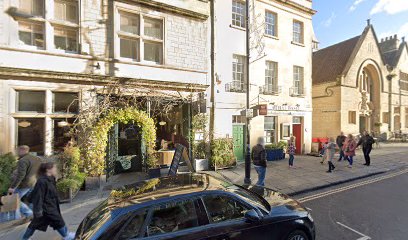
Labyrinth Bar & Nightclub
47.9 km
Experience Bath’s vibrant nightlife at Labyrinth Bar & Nightclub with four unique rooms, eclectic music, and a lively social atmosphere.

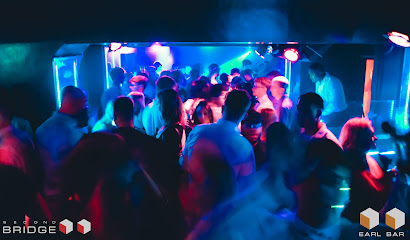
Second Bridge
48.0 km
A lively nightclub in Bath offering cocktails, shisha, and a buzzing beer garden for vibrant nightlife experiences.
For the vibe & atmosphere seeker
- Tranquil
- Scenic
- Relaxing
- Unique
For the design and aesthetic lover
- Rustic Designs
For the architecture buff
- Historic
- Landmarks
- Parks & Gardens
For the view chaser and sunset hunter
- Iconic Views
- Panoramas
- Sunrise Spots
- Sunset Spots
For the social media creator & influencer
- Instagrammable
- Photo Spots
- Selfie Spots
- Aesthetic Corners
For the eco-conscious traveler
- Eco-Friendly
- Low Impact
- Public-Transport Accessible
- Leave-No-Trace Critical
- Locally Managed
For the kind of experience you’re after
- Cultural Heritage
- Nature Escape
- Day Trip
- Weekend Getaway
- Photowalk
- Myth & Legends
For how adventurous you want the journey to be
- Easy Access
- Requires Hike
Location Audience
- Family Friendly
- Senior Friendly
- Child Friendly
- Teen Friendly
- Solo Friendly
- Couple Friendly
- Vegetarian Friendly
- Vegan Friendly


