
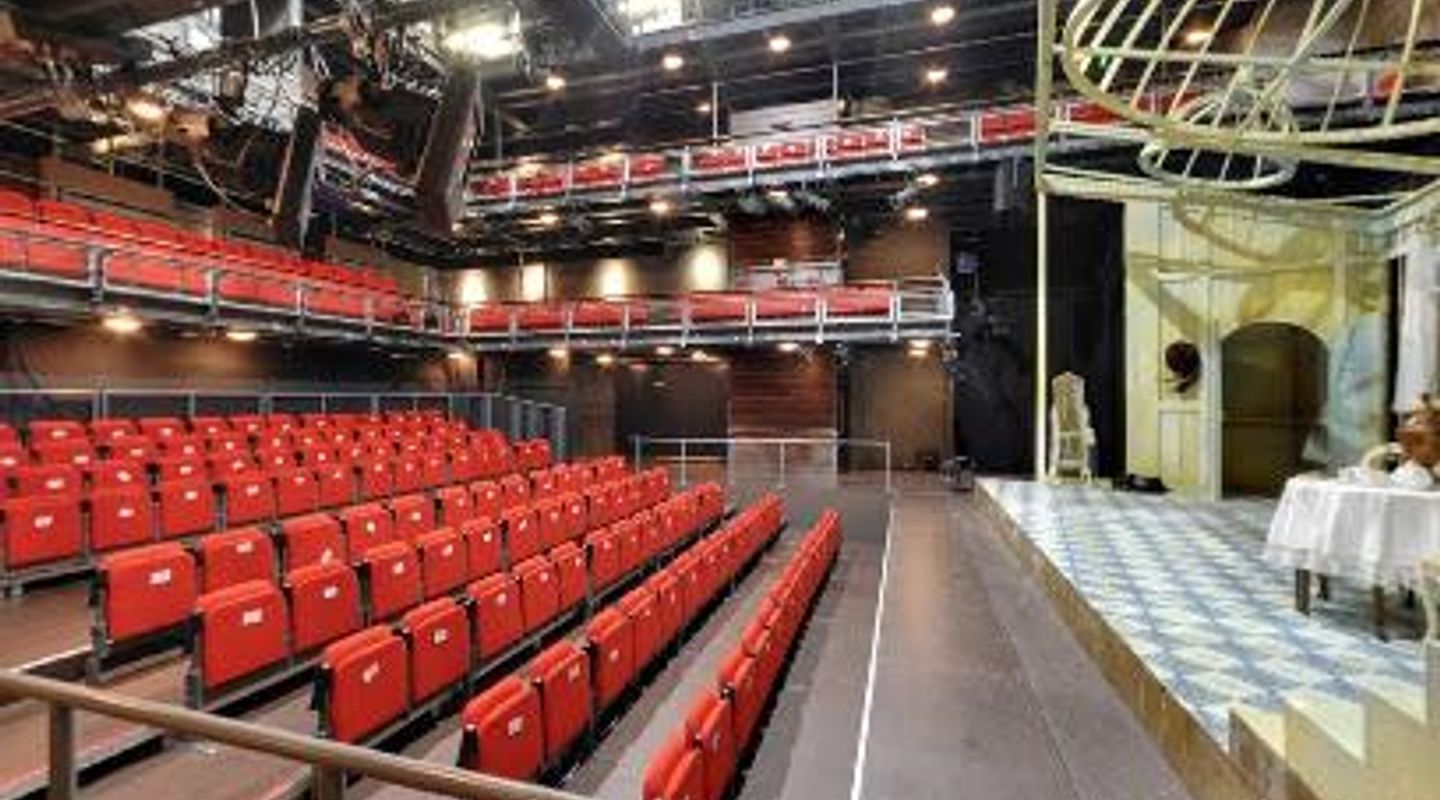
Belgrade Theatre, Warwickshire Travel Guide
Coventry’s pioneering post-war civic theatre, blending historic significance with vibrant, diverse performances in a landmark modernist setting.
The Belgrade Theatre in Coventry, opened in 1958, was the first civic theatre built in Britain after World War II. Named after the Serbian capital Belgrade, it symbolizes post-war regeneration and international friendship. The theatre features a large 858-seat main auditorium and a flexible 250-300 seat studio space, hosting a wide range of productions from pantomimes to experimental theatre. It remains a vital cultural hub in Coventry’s city centre, blending modernist architecture with community engagement and historic significance.
A brief summary to Belgrade Theatre
- Belgrade Square, Corporation St, Coventry, Coventry, CV1 1GS, GB
- Click to display
- Click to display
- Duration: 2 to 4 hours
- Mid ranged
-
 Indoor
- Mobile reception: 4 out of 5

Know before you go
Hi, I'm Eve. Here are a few practical things to know before exploring Belgrade Theatre.
- Book tickets in advance for popular pantomimes and West End touring productions to secure the best seats.
- Explore the B2 studio space for innovative and experimental theatre performances offering a more intimate experience.
- Visit the café and restaurant, recently refurbished to reflect the theatre’s 1950s heritage, for a stylish break.
- Check the theatre’s schedule for workshops and community events that provide deeper engagement with Coventry’s cultural scene.
Do you manage this location?
Take control to get all the benefits, like improved information, better appearance, and stronger visibility across AI-powered discovery. Learn more about listing your business on Evendo
Activate your presenceOther nearby places you may find interesting
The closest places of the same kind, if this one is not quite what you had in mind.


Explore Belgrade Theatre on the Map
A handpicked selection of must-see spots near Belgrade Theatre, mapped for you.
Unlock the Best of Belgrade Theatre
Buy tickets
-
No tickets available
Book tours with entry


Book tours without entry
-
No tours available
Getting There
-
Bus
Take local bus services from Coventry city centre to Corporation Street near Belgrade Square, with frequent routes running every 10-20 minutes; journey times range from 10 to 20 minutes; single fares cost approximately £2-£3 GBP.
-
Train
From Coventry Railway Station, a 20-minute walk or a short taxi ride costing around £5-£7 GBP will bring you to the theatre; taxis are readily available outside the station.
-
Car
Driving to Belgrade Theatre is possible with nearby public parking facilities; expect parking fees of £3-£6 GBP per hour; traffic can be busy during peak times, so allow extra travel time.
-
Walking
If staying in Coventry city centre, the theatre is accessible on foot within 10-15 minutes over flat, paved terrain, suitable for most mobility levels.
For the on-the-go comforts that matter to you
-
 Restrooms
-
 Drink Options
-
 Food Options
-
 Seating Areas
-
 Information Boards
Discover more about Belgrade Theatre
A Symbol of Post-War Renewal and International Solidarity
The Belgrade Theatre stands as a landmark of Coventry’s post-World War II reconstruction, officially opening on 27 March 1958. It was the first purpose-built civic theatre in the UK after the war, conceived to embody optimism and cultural revival following the devastation of the Blitz in 1940. The theatre’s name honors the Serbian capital, Belgrade, which gifted timber for its auditorium construction, symbolizing international friendship and Coventry’s global outlook during a period of rebuilding. This gesture reflects the city’s wartime experiences and its strong ties with Eastern Europe.Architectural Innovation and Civic Design
Designed by Arthur Ling within the Coventry City Architect’s Department, the Belgrade Theatre was a pioneering civic project. Its modernist architecture contrasted sharply with older theatres, emphasizing functionality and democratic access. The building includes a traditional proscenium main auditorium seating 858 people and a more intimate studio space, B2, accommodating 250-300. Innovative features include extensive public foyers and residential flats for actors, reflecting a holistic approach to theatre life. The theatre’s design integrates with Coventry’s broader municipal-led city centre redevelopment, contributing a prominent cultural face to the urban landscape.Rich Cultural Legacy and Programming
Since its inception, the Belgrade has been a vibrant centre for repertory theatre, touring productions, and community engagement. It launched the resident company under its first director, Bryan Bailey, and premiered significant works such as Arnold Wesker’s "Wesker trilogy." The theatre is renowned for its annual pantomimes, West End transfers, and innovative new productions in the B2 space. It also played a pivotal role in Coventry’s successful bid for UK City of Culture 2021, hosting diverse events and fostering artistic leadership through its co-artistic directors.Refurbishment and Modern Enhancements
The Belgrade Theatre underwent a major £14 million refurbishment completed in 2007, which added the B2 auditorium and modernized public areas including a new café and restaurant. The refurbishment respected the building’s heritage, with sensitive façade updates and bespoke lighting to celebrate its 1950s origins. These enhancements strengthened the theatre’s role as a community hub, supporting workshops, social events, and civic uses, ensuring its sustainability as a cultural institution.Community Engagement and Educational Impact
The theatre has a long-standing commitment to education and community outreach, including Theatre in Education programs that have operated for over 50 years. It has fostered local talent and provided a platform for cultural dialogue and social issues through drama workshops and performances. The Belgrade’s inclusive programming and family-friendly atmosphere make it a cornerstone of Coventry’s cultural life, welcoming diverse audiences and nurturing the city’s artistic future.Enduring Significance and Recognition
Listed as a Grade II building, the Belgrade Theatre remains a symbol of Coventry’s resilience and cultural ambition. It reflects the evolution of British theatre post-1945, from commercial entertainment to a publicly subsidized civic amenity. The theatre’s architecture and programming continue to inspire, embodying a vision of theatre as a vital community resource and a beacon of modernist design and cultural heritage in the heart of Coventry.












Your all‑in‑one travel companion app
Explore expert travel guides, compare and book tours, experiences, hotels, and more—all from the palm of your hand. Download now for seamless trip planning wherever your wanderlust takes you.


Explore More of Warwickshire
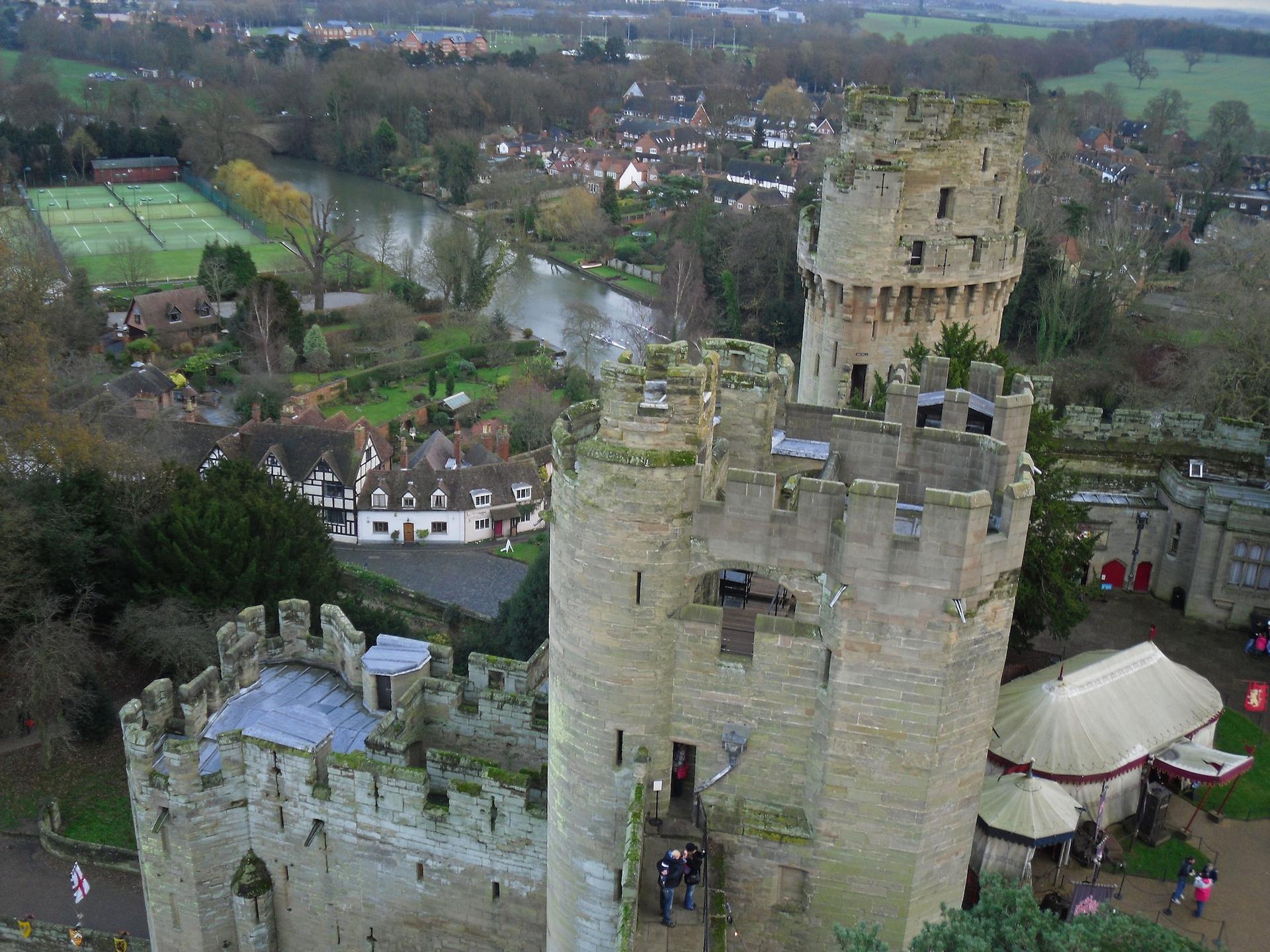
Looking beyond Belgrade Theatre? Discover Warwickshire for broader travel guides, local hot-spots, and regional highlights.
Explore Warwickshire
Explore nearly 900 years of history in Warwick’s Jacobean St John's House, a Grade I listed mansion blending heritage, education, and intimate events.
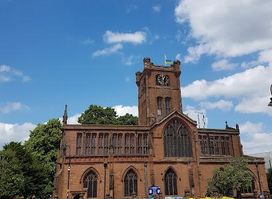
Discover Coventry’s medieval gem, St John the Baptist Church, rich with royal history, Gothic architecture, and Civil War tales.
