

Sir Frank Whittle Statue and Arch
Coventry's tribute to the jet engine pioneer who revolutionized aviation and transformed modern flight.
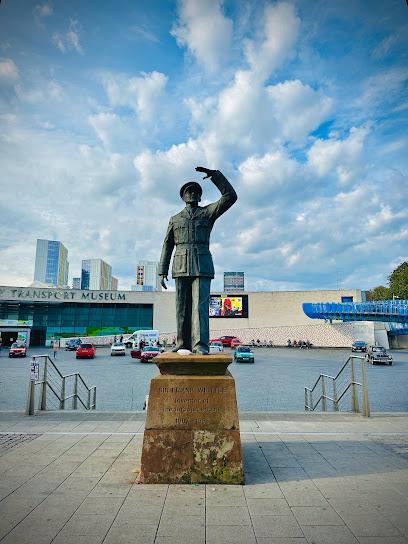
A striking tribute to aviation pioneer Sir Frank Whittle, this bronze statue and steel arch monument stands in the heart of Coventry, celebrating the inventor of the turbojet engine. Located outside the Coventry Transport Museum on Hales Street, the sculpture captures Whittle in his Royal Air Force uniform, watching over the city that shaped his revolutionary career. The accompanying Whittle Arch—two soaring steel spans converging 15 meters above ground—features an aerodynamic mesh design that glows with internal lighting at night, symbolizing innovation and engineering excellence.
A brief summary to Sir Frank Whittle
- Hales St, Coventry, CV1 1JD, GB
- Visit website
- Duration: 0.5 to 2 hours
- Free
-
 Outdoor
- Mobile reception: 5 out of 5
Local tips
- Visit at dusk or after dark to experience the arch's internal lighting system, which creates a striking futuristic glow and makes for exceptional photography.
- Combine your visit with the adjacent Coventry Transport Museum to deepen your understanding of aviation history and Whittle's legacy in a single outing.
- Read the informative plaques surrounding the monument to learn details about Whittle's life, his struggles to secure funding, and the development of the turbojet engine.
- Explore Millennium Place's surrounding public spaces, which frequently host events, markets, and cultural gatherings throughout the year.
- Photograph the arch from multiple angles and distances to capture how its aerodynamic mesh design and proportions change with perspective and lighting.

For the on-the-go comforts that matter to you
- Information Boards
- Seating Areas
- Nearby Food Options
- Nearby Restrooms
Getting There
-
Train from Coventry Station
If arriving by train at Coventry Station, exit the station and head toward the city center. The monument is approximately 15–20 minutes on foot from the station. Follow signs for the city center and Hales Street. Alternatively, take a local bus from the bus station adjacent to Coventry Station toward Hales Street or the city center (journey time approximately 5–10 minutes depending on traffic and service frequency).
-
Bus from surrounding areas
Multiple bus services operate to Hales Street and the city center area. Services 60 and 61 connect Coventry to nearby towns and cities. Journey times vary by origin; from Birmingham city center, expect 30–40 minutes. Check local bus schedules for current routes and frequencies, as services may vary seasonally. Alight at stops near Hales Street or Millennium Place.
-
Walking from Coventry city center
The monument is centrally located on Hales Street, within easy walking distance of Coventry's main shopping and cultural areas. From the city center, allow 5–10 minutes on foot. The route is flat, well-signposted, and passes through pedestrian-friendly streets. The monument is immediately adjacent to the Coventry Transport Museum, making it easy to locate.
-
Parking in Coventry city center
Several car parks operate within the city center, typically within 5–10 minutes' walk of Hales Street. Parking charges vary by location and duration; expect to pay £1.50–£3.00 per hour or £5.00–£10.00 for all-day parking. Street parking is limited in the immediate area. Check signage for designated car parks near Millennium Place or the Transport Museum.
Sir Frank Whittle location weather suitability
-
 Any Weather
-
 Clear Skies
Discover more about Sir Frank Whittle
A Monument to Aviation's Revolutionary Pioneer
The Sir Frank Whittle statue and arch complex stands as one of Coventry's most significant modern monuments, honoring a local engineering genius who transformed aviation forever. Sir Frank Whittle (1907–1996) was born and raised in Coventry, and his invention of the turbojet engine fundamentally changed the course of aviation history. The bronze statue depicts him in his Royal Air Force uniform, positioned as if witnessing the maiden flight of the Gloster E.28/39—the world's first jet-powered aircraft—which took to the skies in 1941 powered by his revolutionary engine. This moment, frozen in bronze, captures the triumph of decades of struggle, innovation, and determination against considerable odds.Engineering Marvel in Steel and Light
The Whittle Arch itself is an architectural and engineering feat that mirrors the principles Whittle championed. Completed in 2004 as part of Coventry's Phoenix Project urban regeneration initiative, the arch consists of two stainless steel spans, each approximately 60 meters long, that lean toward one another and converge at a point 15 meters above ground. The structure is constructed from steel tubes and covered with a distinctive mesh featuring small holes arranged in an aerofoil pattern—the same aerodynamic shape that enables aircraft wings to cut through air with minimal resistance. This design is not merely decorative; it serves a functional purpose by allowing an internal lighting system to illuminate the arch after dark, creating a futuristic glow that transforms the monument into a beacon of innovation visible throughout the city center.Coventry's Industrial and Engineering Legacy
The monument occupies a prominent position in Millennium Place, a public square designed to celebrate the turn of the millennium and mark Coventry's transition into a new era. Positioned directly outside the Coventry Transport Museum, the statue and arch form an integral part of the city's cultural landscape, drawing visitors interested in aviation history, engineering heritage, and modern public art. The location serves as a focal point for the surrounding urban space, which frequently hosts events and gatherings, making it a dynamic element of Coventry's social fabric. The informative plaques and signage detail Whittle's life and achievements, providing context for visitors of all backgrounds and ages.The Struggle Behind the Breakthrough
Whittle's path to success was far from straightforward. In the 1930s, despite patenting his turbojet concept, the RAF showed little interest in funding development. Undeterred, Whittle partnered with two retired RAF servicemen to form Power Jets Ltd, scraping together resources to build a prototype that first ran successfully in 1937. The Air Ministry eventually recognized the engine's potential, but funding remained limited and the stress of development took a severe toll on Whittle's health. Yet his perseverance paid off: by 1939, demonstrations of his engine convinced senior officials of its revolutionary importance, leading to contracts that would ultimately deliver the world's first operational jet aircraft. The statue's contemplative pose reflects both the burden of this struggle and the satisfaction of vindication.A Symbol of Human Ingenuity
Today, the Sir Frank Whittle monument represents far more than a single inventor's achievements. It embodies Coventry's rich industrial heritage, the transformative power of technological innovation, and the importance of perseverance in the face of skepticism. The combination of the bronze statue—intimate and human in scale—and the soaring steel arch creates a powerful visual narrative: one celebrates the individual visionary, while the other symbolizes the boundless possibilities his invention unlocked. Visitors often remark on how the arch interacts with the sky and surrounding urban landscape, creating different impressions depending on the time of day, weather conditions, and angle of approach. The monument encourages reflection on how one person's determination and ingenuity can reshape the world.Iconic landmarks you can’t miss

Sir Frank Whittle
0.0 km
Coventry's tribute to the jet engine pioneer who revolutionized aviation and transformed modern flight.
Council House
0.3 km
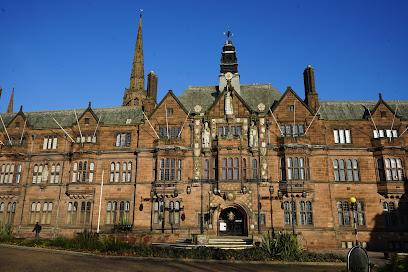
A majestic Edwardian Tudor Revival building at Coventry’s heart, blending civic function with rich historical symbolism and artistic heritage.
Bedworth Water Tower
7.6 km
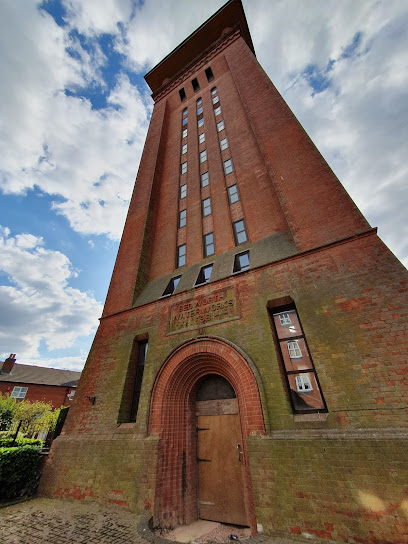
A towering Romanesque water tower blending industrial heritage, architectural charm, and urban wildlife in the heart of Bedworth.
Westmorland Drive
12.2 km
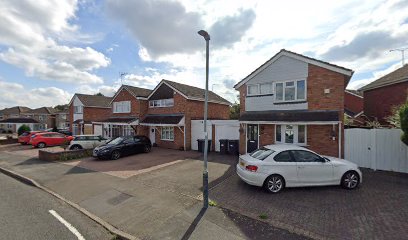
Experience seamless travel in Nuneaton at the Westmorland Drive bus stop, your gateway to local attractions and vibrant community life.
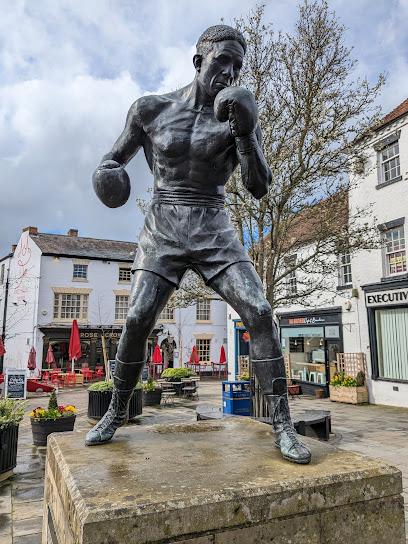
The Randolph Turpin Statue
15.3 km
Celebrate the legacy of British boxing champion Randolph Turpin with this striking bronze statue in Warwick’s historic Market Square.
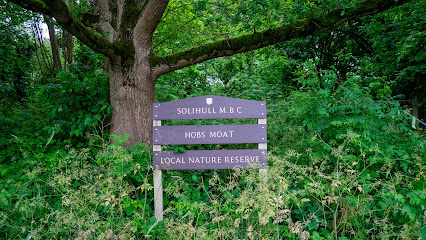
Hob's Moat
19.1 km
Medieval moat and woodland escape preserving Solihull's Norman heritage
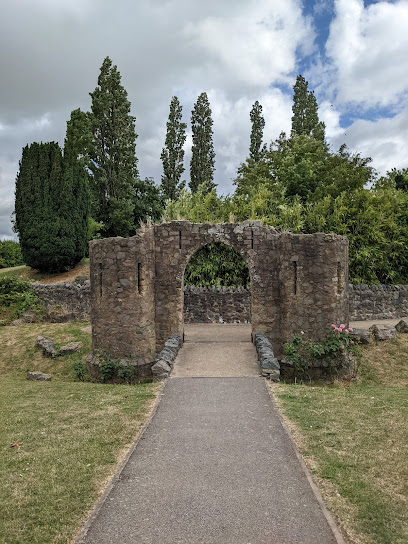
Earl Shilton Castle
23.2 km
Discover the Norman motte and bailey earthworks of Earl Shilton Castle, a historic hunting lodge and fortress near Leicester.
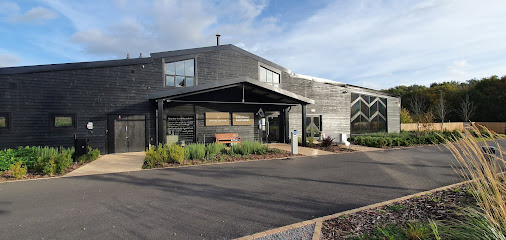
Stratford Armouries
25.1 km
Discover the rich cultural heritage of Stratford-upon-Avon at Stratford Armouries, where history comes alive through engaging exhibits and interactive experiences.
Birmingham Heritage Walking Tours
25.9 km
Discover Birmingham's rich history and culture through immersive guided walking tours showcasing iconic landmarks and hidden gems.

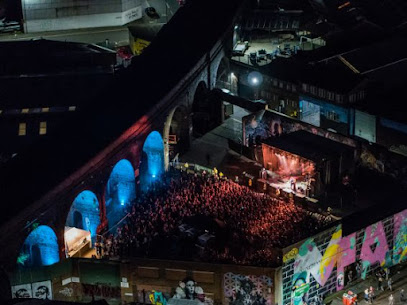
Digbeth Arena
26.3 km
Discover the heart of Birmingham's cultural scene at Digbeth Arena, a vibrant events venue for live music and artistic expression.
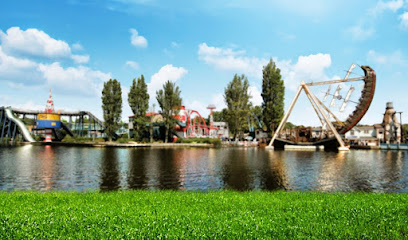
Drayton Manor Resort
26.4 km
Discover thrilling rides, family attractions, and a delightful zoo at Drayton Manor Resort, the perfect destination for fun-loving tourists in Tamworth.
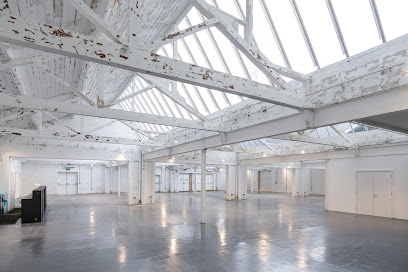
Factory Works
26.4 km
Discover Birmingham's Factory Works, a vibrant events venue in the historic Custard Factory, showcasing the best of local art and culture.
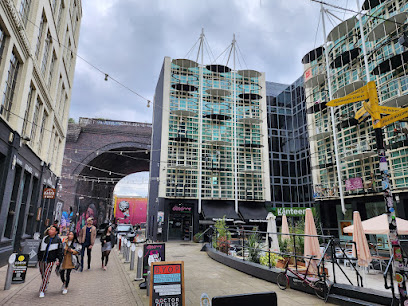
Custard Factory
26.4 km
Explore the Custard Factory - Birmingham's creative hub of art, culture, and unique shopping experiences.
Digbeth Art Space
26.5 km
Discover the vibrant creativity at Digbeth Art Space, Birmingham's premier art gallery showcasing local talent and innovative exhibitions.

The Floodgate
26.5 km
Discover The Floodgate in Birmingham for a unique blend of drinks, indoor sports, and a lively atmosphere perfect for tourists.
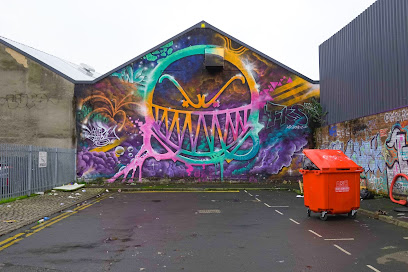
Unmissable attractions to see

Millennium Place
0.1 km
Explore Coventry’s rich automotive heritage and marvel at record-breaking vehicles in a vibrant city-centre museum at Millennium Place.
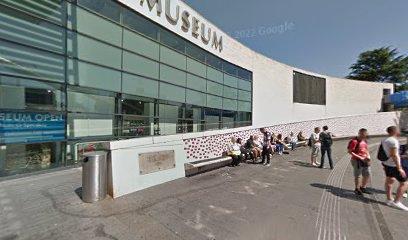
New Buildings
0.1 km
Discover Coventry’s New Buildings area, where modern architecture meets rich heritage in England’s vibrant West Midlands city.

Lady Herbert's Gardens
0.1 km
A serene city-centre garden blending medieval heritage with floral beauty, created as a heartfelt memorial in 1930s Coventry.
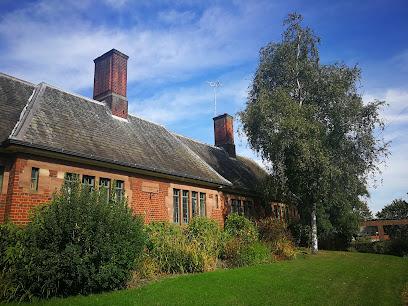
Priory Visitor Centre
0.1 km
Explore Coventry’s medieval roots and the beautifully preserved priory Undercrofts at this vibrant city centre heritage hub.
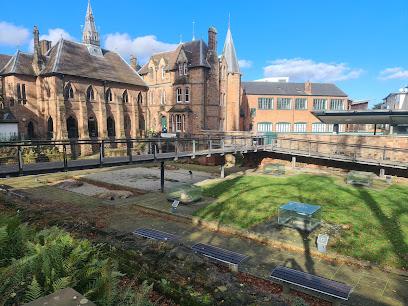
Old grammar school
0.2 km
Step into Coventry’s medieval past at the beautifully restored Old Grammar School, a heritage landmark beside the Transport Museum.
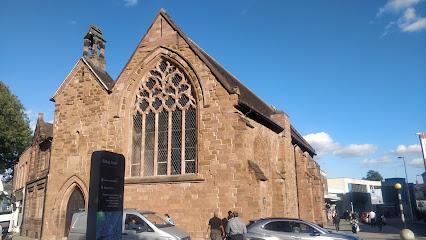
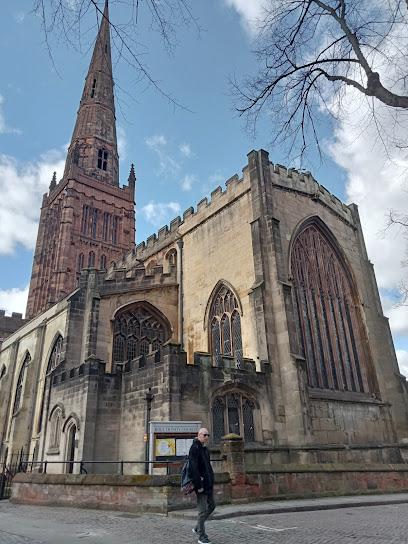
Holy Trinity Coventry
0.2 km
Discover Coventry’s medieval marvel with its soaring spire, stunning Doom painting, and rich history preserved through centuries.
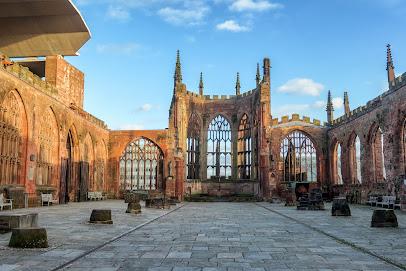
Coventry Cathedral
0.2 km
Where medieval ruins meet modern art—a powerful symbol of war’s cost and the enduring hope for peace and reconciliation.
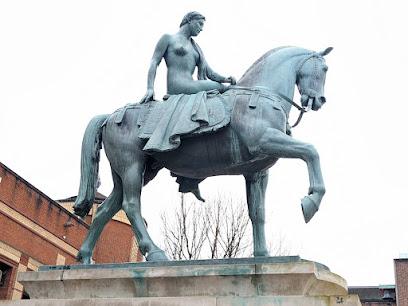
Lady Godiva
0.3 km
Discover the iconic Lady Godiva statue in Coventry, a bronze tribute to courage, compassion, and the city’s resilient spirit.
Golden Cross
0.3 km
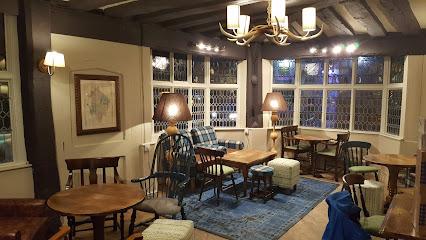
Discover the Golden Cross in Coventry, a charming pub offering a delightful gluten-free dining experience and a vibrant atmosphere for all visitors.
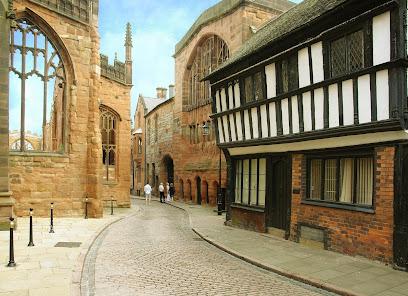
St Mary's Guildhall
0.3 km
Explore Coventry’s medieval jewel where kings ruled, queens were imprisoned, and history lives through stunning tapestries and grand halls.
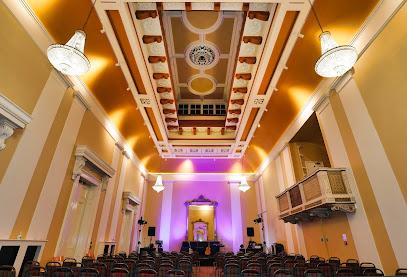
Drapers' Hall
0.3 km
Experience the rhythmic soul of Coventry at Drapers' Hall, a historic concert hall celebrated for its vibrant live music and stunning architecture.
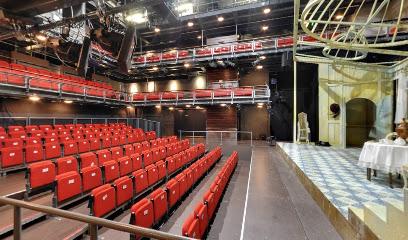
Belgrade Theatre
0.4 km
Britain's first post-war civic theatre, where modern architecture meets cultural ambition in Coventry's rebuilt city centre.
Fords Hospital Alms House
0.5 km
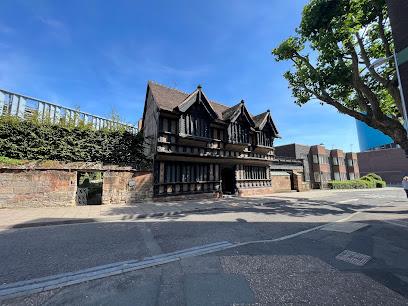
Discover Coventry’s beautifully preserved Tudor almshouse, a serene 16th-century timber-framed refuge with rich history and enduring charm.
St John the Baptist Church
0.5 km
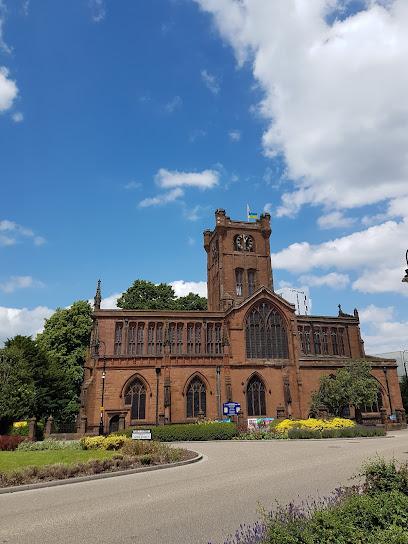
Discover Coventry’s medieval gem, St John the Baptist Church, rich in history, Gothic artistry, and tales from England’s turbulent past.
Coventry Market
0.5 km
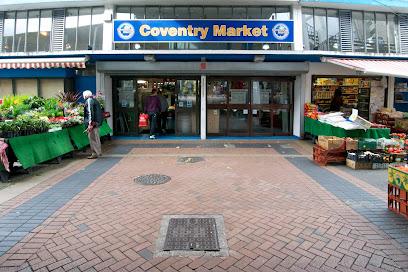
Coventry Market: A historic and vibrant city centre market offering fresh produce, international flavors, and artisan goods since 1958.
Essential places to dine

Oak Room Restaurant
7.4 km
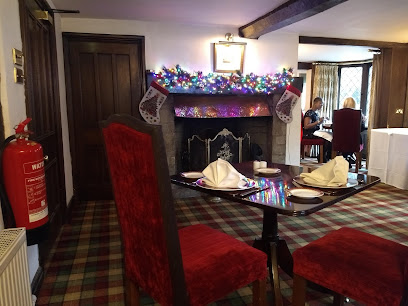
Award-winning fine dining in a historic 17th-century manor with classic British dishes, flambé specialties, and a warm, intimate atmosphere.
The Cross
8.2 km
Michelin-starred fine dining in a historic Kenilworth inn, blending classic British flavors with modern elegance and local ingredients.
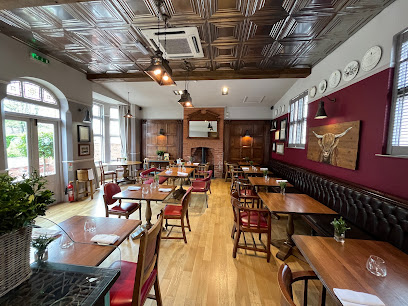
The Quicken Tree
8.9 km
A cozy British restaurant in Coventry offering hearty meals, quirky decor, and a family-friendly atmosphere near scenic lakes and woodlands.
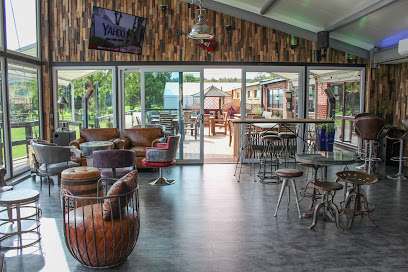
Saxon Mill Warwick
13.0 km
Historic riverside gastropub in Warwick blending traditional mill charm with modern British cuisine and scenic views.
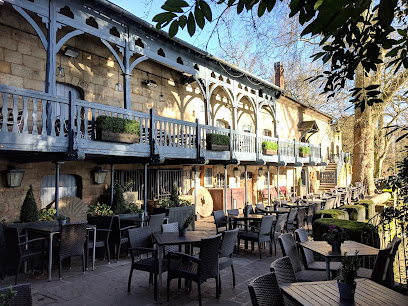
La Coppola Ristorante & Oyster Bar
13.2 km
Authentic Italian and seafood dining in an elegant, welcoming setting at the heart of Leamington Spa’s Parade.
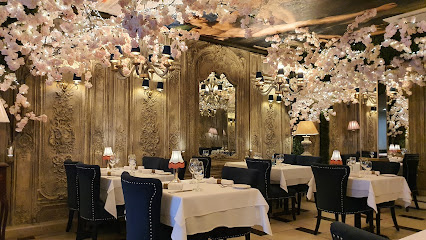
Hayashi Japanese Restaurant
13.2 km
Authentic Japanese flavors served fresh in a family-friendly, modern setting at the heart of Leamington Spa.
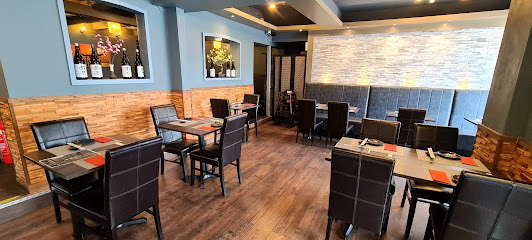
Oscars French Steakhouse and Bistro
13.2 km
Experience authentic French bistro charm and superb British steaks in the heart of Leamington Spa at Oscars French Steakhouse and Bistro.
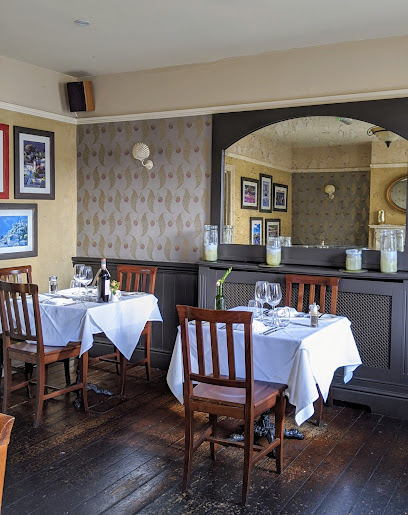
Habano Restaurant & Wine Bar
13.3 km
A vibrant Pan-Latin dining experience with fresh Cuban and Spanish flavors, friendly service, and a lively wine bar in the heart of Leamington Spa.
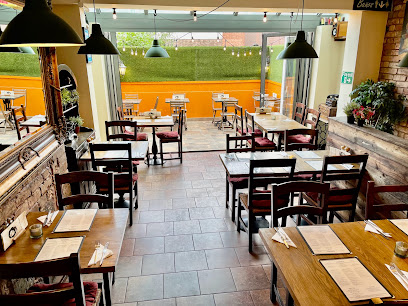
The Star & Garter
13.4 km
A stylish gastropub in Leamington Spa blending traditional charm with modern dining and lively social vibes.
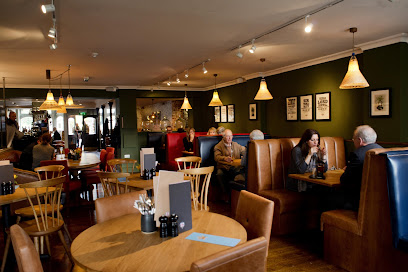
Giggling Squid - Leamington Spa
13.4 km
Experience vibrant Thai flavors and stylish sharing plates in the heart of Leamington Spa’s Royal Priors Shopping Centre.
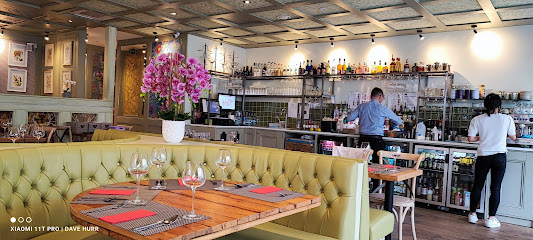
Villa Capri Ristorante Italiano & Cocktail Lounge
13.5 km
Experience authentic Italian cuisine and crafted cocktails in a vibrant Capri-inspired setting in the heart of Leamington Spa.
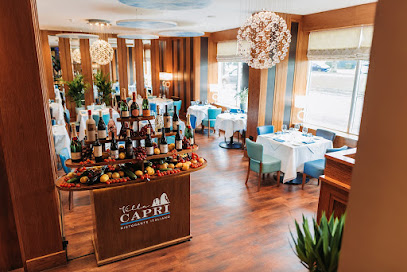
Côte Leamington Spa
13.5 km
Experience modern French cuisine and warm brasserie charm in the heart of Leamington Spa’s historic town centre.
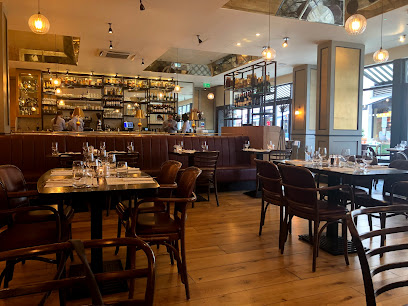
The Stag at Offchurch
13.6 km
Historic 16th-century thatched pub offering refined British and European dining in the scenic village of Offchurch near Leamington Spa.
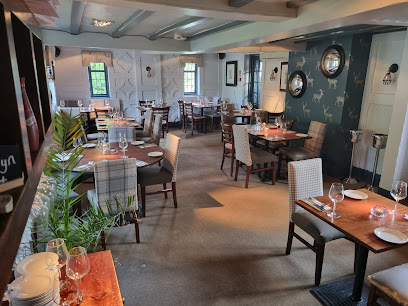
Eleven
14.0 km
An intimate, family-run French bistro in Leamington Spa offering classic dishes and warm hospitality in a cozy setting.
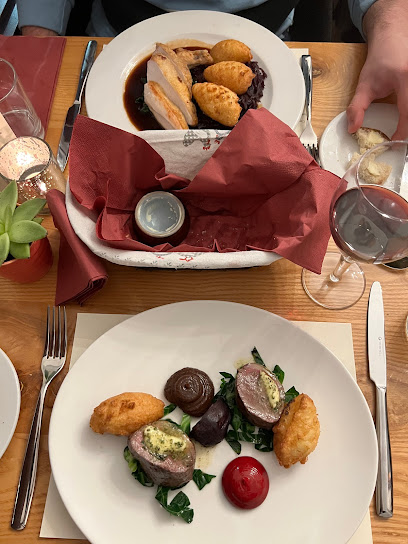
The Moorings at Myton
14.5 km
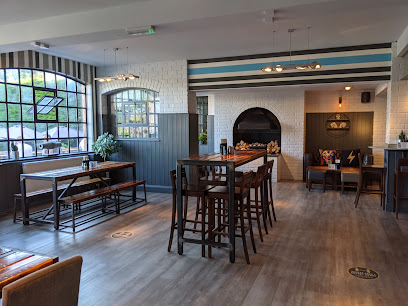
A charming canal-side gastropub in Royal Leamington Spa, serving locally sourced English classics in a family- and dog-friendly setting.
Markets, malls and hidden boutiques

Warwickshire Shopping Park
5.3 km
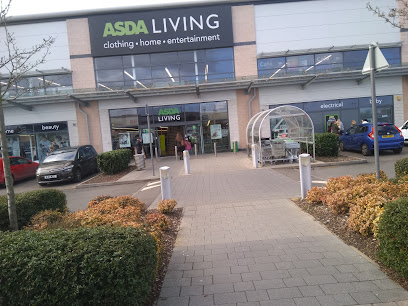
Coventry's diverse shopping destination with major retailers, dining, and modern amenities.
Ropewalk Shopping Centre
12.6 km
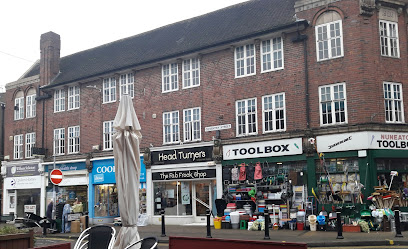
A vibrant, accessible shopping hub in Nuneaton offering diverse stores, eateries, and community events in a modern indoor setting.
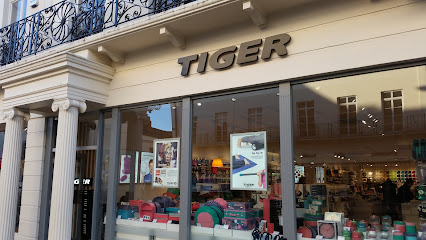
Flying Tiger Copenhagen
13.3 km
Discover quirky gifts, creative homewares, and joyful party supplies at Flying Tiger Copenhagen in Leamington Spa’s vibrant town centre.
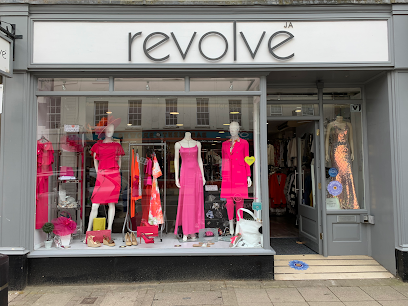
Revolve
13.3 km
Discover exclusive ladies’ fashion and wedding wear with personalized service at Revolve, Leamington Spa’s stylish boutique on Warwick Street.
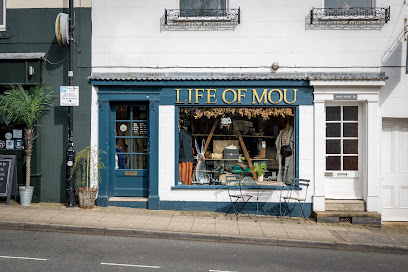
Life of Mou
13.4 km
Discover Life of Mou, a warm and curated slow fashion boutique blending vintage charm and sustainable style in Leamington Spa.
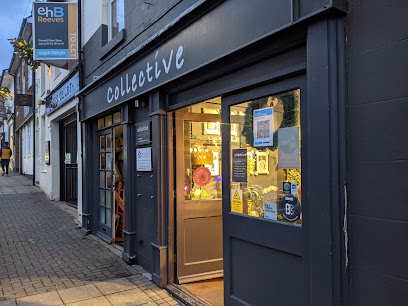
Collective Home Store
13.4 km
Discover unique home and lifestyle accessories in Leamington Spa’s eclectic Collective Home Store, where style meets quality and quirkiness.
Royal Priors Shopping Centre
13.4 km
Leamington Spa’s premier indoor shopping centre with spacious malls, diverse stores, and convenient access in the town’s historic heart.
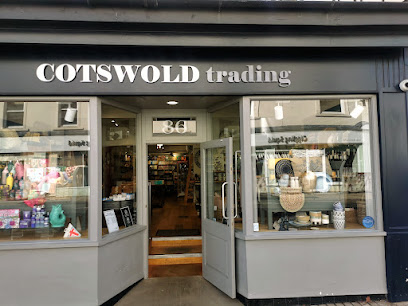
Cotswold Trading - Leamington Spa
13.5 km
Discover stylish homewares and unique gifts at Cotswold Trading, Leamington Spa’s award-winning destination for curated, quirky collections.
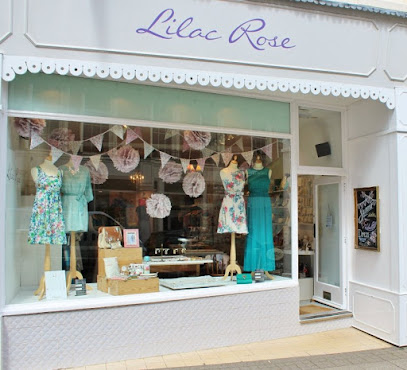
Lilac Rose
13.5 km
Discover unique British fashion and accessories at Lilac Rose, Leamington Spa’s vibrant independent boutique with a curated, colourful collection.
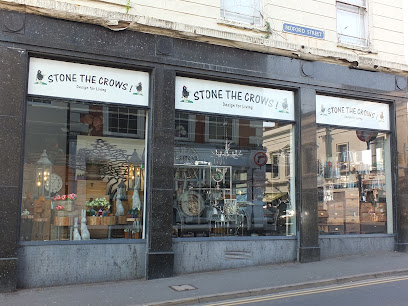
Stone The Crows
13.5 km
Discover quirky gifts and stylish homeware at Stone The Crows, a beloved Leamington Spa boutique known for unique finds and excellent service.
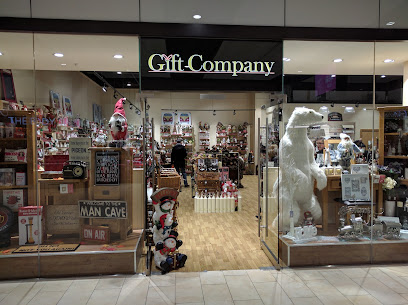
The Gift Company
14.8 km
Eclectic gifts and quality oak furniture blend tradition and style at Resorts World Birmingham’s vibrant gift shop.
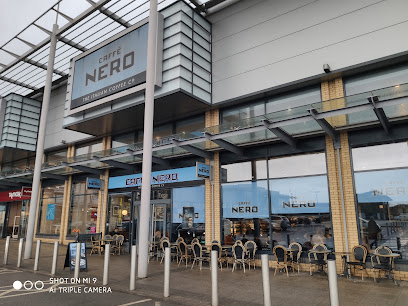
Leamington Shopping Park
14.9 km
Discover a vibrant shopping destination with free parking, top brands, and a welcoming open-air environment in the heart of Royal Leamington Spa.
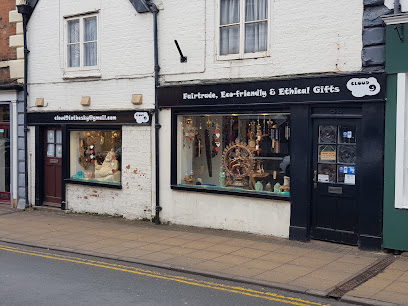
Cloud 9
15.0 km
Discover handcrafted fair trade treasures at Cloud 9, Warwick’s boutique for ethical gifts and global artisan crafts.
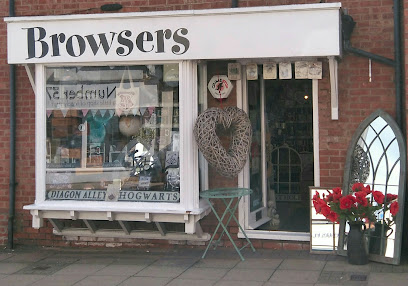
Browsers
15.1 km
Discover unique gifts and charming keepsakes in the heart of historic Warwick at Browsers, your cozy local gift shop on Smith Street.
Trinkets & Treasures Ltd
15.1 km
Discover unique gifts and charming homewares in Warwick’s welcoming boutique, perfect for every special occasion.
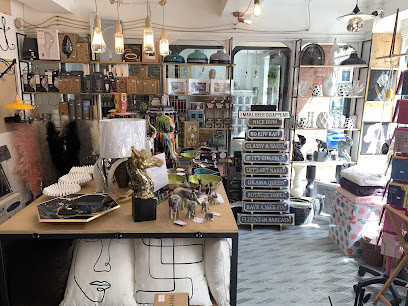
Essential bars & hidden hideouts

Terrace Bar
5.0 km
A vibrant campus cocktail bar with scenic Piazza views, live music, and student events at the heart of University of Warwick nightlife.
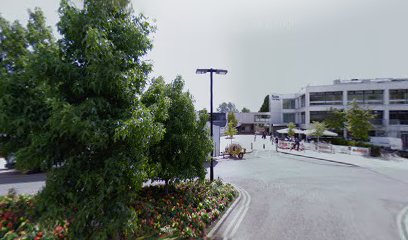
The Clarendon Leamington Spa
13.1 km
Lively sports bar and pub in Leamington Spa with live games, craft beers, great food, and a welcoming atmosphere for all.
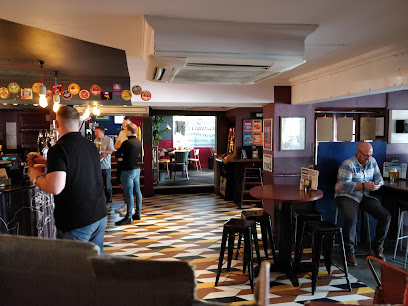
The White Horse
13.2 km
A charming blend of historic character and modern comfort, The White Horse offers classic British pub fare and a lively atmosphere in the heart of Leamington Spa.
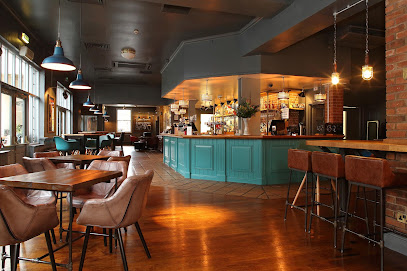
Bedford Street Bar
13.4 km
Lively grill and bar venue in Leamington Spa offering live jazz, classic British dishes, and a vibrant social atmosphere with heated outdoor seating.
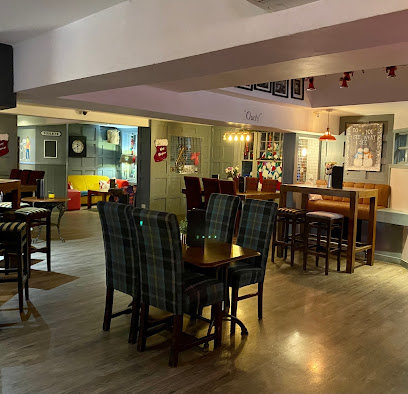
The Fat Pug
13.4 km
Quirky and welcoming gastro pub in Leamington Spa serving hearty British dishes and lively drinks in a vibrant, eclectic setting.
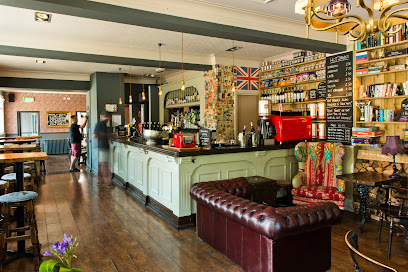
The Royal Pug
13.4 km
A lively and welcoming pub in Leamington Spa with great food, drinks, live entertainment, and a charming garden setting.
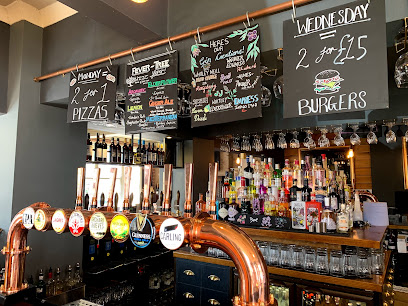
Fizzy Moon Brewhouse & Grill
13.5 km
Eclectic brewhouse and grill in Leamington Spa offering craft beers, hearty pub fare, and a uniquely stylish atmosphere.
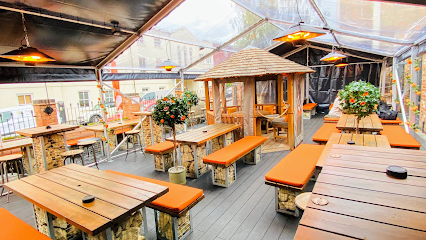
The Drawing Board
13.5 km
Eclectic gastropub with vintage comics, gourmet bar food, and award-winning craft beers in the heart of Leamington Spa.
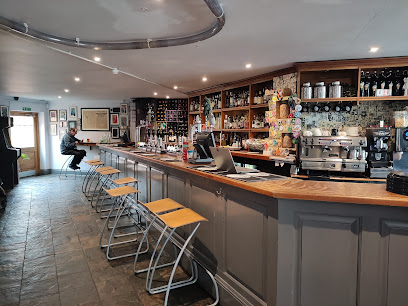
The Boiler Room
13.9 km
An independent, quirky craft beer bar in Leamington Spa with artisan ales, lively music, and a cozy, intimate vibe.
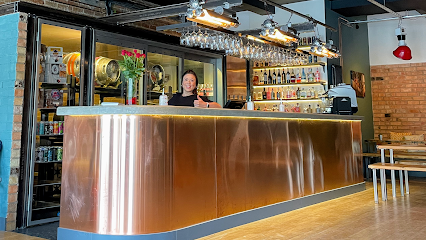
The Micro Pug
14.3 km
A lively canal-side pub and coffee spot in Leamington Spa, blending great drinks, fresh food, and a buzzing social scene with scenic waterside charm.
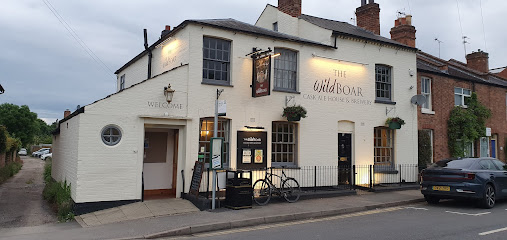
The Wild Boar
14.5 km
A cozy Warwick pub blending traditional charm, hearty British fare, and well-kept real ales in a welcoming atmosphere.
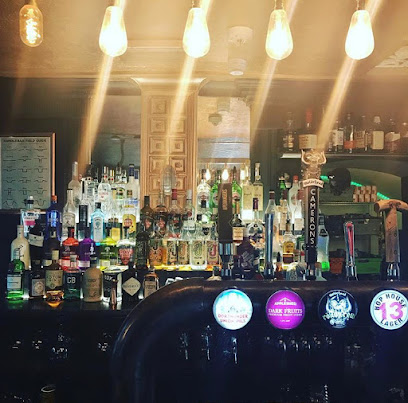
The Black Pug
14.7 km
A historic Tudor pub in Warwick offering quirky charm, great drinks, dog-friendly warmth, and a lively beer garden atmosphere.
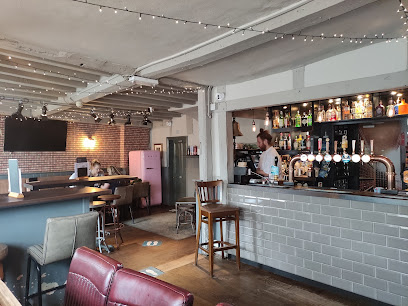
The Old Coffee Tavern
15.2 km
Charming historic pub and boutique hotel in Warwick’s Old Square, blending cosy style, excellent food, and comfortable rooms in a central location.
The Eagle
15.3 km
A cozy, quirky cellar micro pub in Warwick serving expertly curated real ales and craft beers in an intimate, friendly atmosphere.
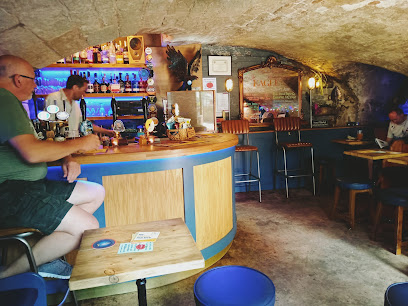
Rigsby's Cellar Bar
15.3 km
Cozy cellar charm meets heartfelt hospitality in Warwick’s intimate and quirky Rigsby's Cellar Bar.
Nightclubs & after hour spots

Smack
13.2 km
Leamington Spa’s energetic and affordable two-floor nightclub with a storied past and a lively, if sometimes challenging, atmosphere.
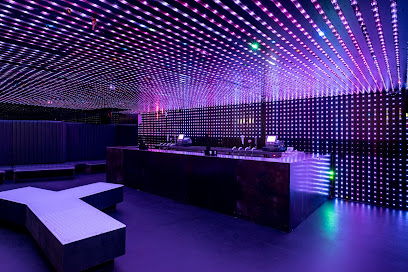
Altoria Nightclub
13.3 km
Experience Leamington Spa’s vibrant nightlife at Altoria Nightclub with diverse music floors, VIP service, and a unique rooftop terrace open till 3 am.
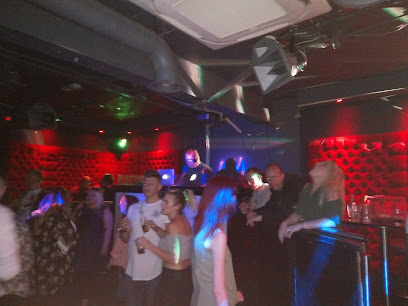
Neon
14.0 km
Leamington Spa’s largest nightclub, Neon delivers vibrant music, themed nights, and a dynamic party atmosphere every Friday until dawn.
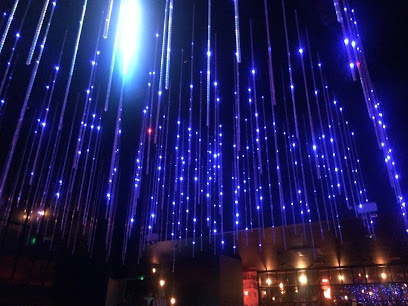
The Cavern
14.4 km
A vibrant night club in Warwick offering energetic music, lively dancing, and a social atmosphere for unforgettable nights out.
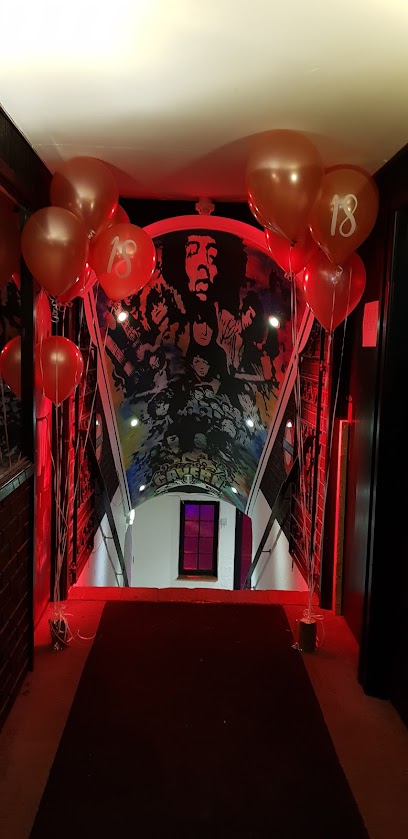
Disco Wonderland
26.2 km
Dive into Birmingham's dazzling disco haven, where retro beats, neon lights, and endless energy light up Deritend's nightlife.
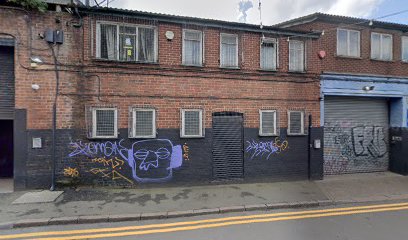
VOID Nightclub
26.3 km
Dive into Digbeth's underground heartbeat at VOID Nightclub, where marathon raves and thunderous bass fuel Birmingham's rawest nightlife from dusk till dawn.

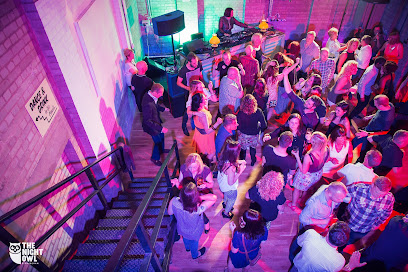
The Night Owl
26.3 km
A cozy Digbeth venue where soulful retro beats and friendly vibes create unforgettable nights for all music lovers.
Quantum Vnues
26.3 km
Dive into Digbeth's beating heart: Quantum Venues delivers electrifying nights of music, lights, and unbridled energy in Birmingham's creative core.
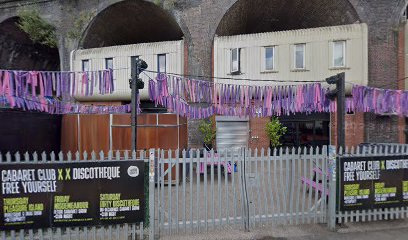
Next Door & Spotlight
26.4 km
Two adjoining Digbeth nightspots — a pulse-driven DJ room and an intimate bar space with street-food pop-ups and a raw, industrial vibe.
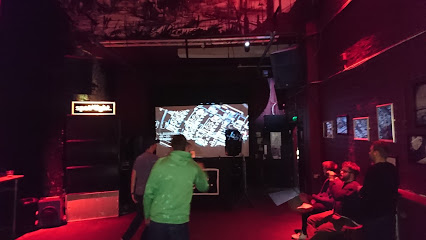
Club PST
26.5 km
Compact, bass-driven Digbeth club with reggae roots, stacked rooms and late-night underground parties.

Sector 57
26.6 km
Experience Birmingham’s vibrant nightlife at Sector 57, where eclectic music and electric vibes create unforgettable nights in Deritend.
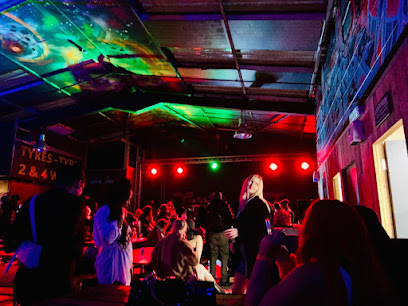
suki10c
26.8 km
Quirky Digbeth nightclub with local art, sustainable vibes, and eclectic beats in an intimate 180-capacity space powered by wind energy.
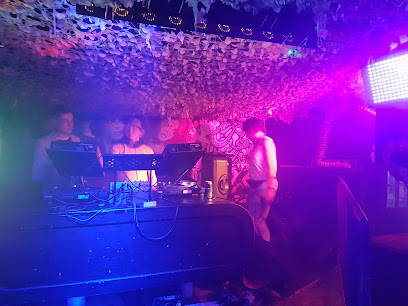
Nightingale Club
27.1 km
Birmingham's legendary LGBTQIA+ superclub: three floors of pulsating beats, go-go glamour, and five decades of unapologetic queer joy in the Gay Village.
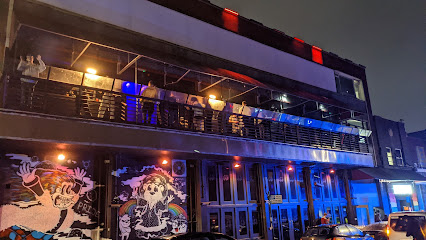
Sobar
27.2 km
Dive into Birmingham's electric nightlife at Sobar, where R&B beats, masterful cocktails, and inclusive vibes fuel unforgettable weekend revelry in the heart of the Arcadian.
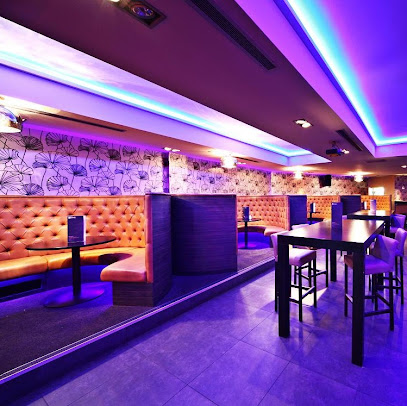
Bambu Nightclub
27.3 km
Experience Birmingham’s chic nightlife hotspot with stylish vibes, eclectic music, and late-night dancing at Bambu Nightclub.
For the vibe & atmosphere seeker
- Scenic
- Unique
- Inspiring
For the design and aesthetic lover
- Modern Designs
- Minimalist Designs
For the architecture buff
- Modern
- Landmarks
- Art & Design
For the view chaser and sunset hunter
- Iconic Views
- Panoramas
- Skyline
For the social media creator & influencer
- Instagrammable
- Photo Spots
- Architectural Shots
- Aesthetic Corners
For the eco-conscious traveler
- Public-Transport Accessible
- Car-Free Access
For the kind of experience you’re after
- Cultural Heritage
- Photowalk
- Day Trip
For how adventurous you want the journey to be
- Easy Access
Location Audience
- Family Friendly
- Solo Friendly
- Couple Friendly
- Senior Friendly
- Teen Friendly
- Wheelchair Access


