
Earl Shilton Castle: The Norman Motte and Bailey Legacy
Discover the Norman motte and bailey earthworks of Earl Shilton Castle, a historic hunting lodge and fortress near Leicester.
Earl Shilton Castle is a historic 12th-century motte and bailey castle located on the northern edge of Earl Shilton village near Leicester. Founded soon after the Norman Conquest by the Earl of Leicester, the castle once guarded the Vale of Kirkby and served as a hunting lodge after its military use ended. Today, only the large earthwork mound, surrounded by a ditch and remnants of the bailey bank, remains as a scheduled monument within a public garden setting.
A brief summary to Earl Shilton Castle
- Leicester, Earl Shilton, LE9, GB
- Duration: 0.5 to 1.5 hours
- Free
-
 Outdoor
- Mobile reception: 4 out of 5
Local tips
- Visit during daylight hours to fully appreciate the earthwork mound and surrounding gardens.
- Explore the adjacent parish church, which may have been part of the original castle complex.
- Bring a camera to capture the scenic views of the motte and the village landscape.
- Wear comfortable shoes as the site is an outdoor earthwork with grassy slopes and uneven terrain.

For the on-the-go comforts that matter to you
- Seating Areas
- Information Boards
Getting There
-
Bus
Local bus services connect Earl Shilton with Leicester and Hinckley. The journey typically takes 30 to 45 minutes, with buses running every 30 to 60 minutes. Tickets cost approximately £3 to £5 one way. Note that services may be less frequent on weekends and public holidays.
-
Train and Taxi
The nearest train station is Hinckley, about 5 km from Earl Shilton. From Hinckley station, a taxi ride of 10 to 15 minutes costing around £10 to £15 will take you to the castle site. Train services from Leicester to Hinckley run regularly, with travel times of about 20 minutes and fares around £5 to £8.
-
Car
Driving from Leicester or Hinckley to Earl Shilton takes approximately 15 to 25 minutes depending on traffic. Limited parking is available near the village center. Note that the castle site itself is a small public garden with no dedicated parking, so plan to park in nearby village streets.
Earl Shilton Castle location weather suitability
-
 Any Weather
-
 Clear Skies
-
 Mild Temperatures
Discover more about Earl Shilton Castle
Origins and Strategic Importance
Earl Shilton Castle was established shortly after the Norman Conquest in the late 11th or early 12th century by the Earl of Leicester, likely Robert Bossu, a close advisor to King Stephen. The castle was a motte and bailey design, featuring a large circular earthwork motte approximately 50 meters in diameter and 10 feet high, with a surrounding ditch and a bailey enclosure to the south. Its primary purpose was to protect the Vale of Kirkby and secure key travel routes in the region during a period of civil unrest known as The Anarchy. Although no records indicate any sieges or battles at the site, the castle’s presence was a strong military deterrent.Transition from Fortress to Hunting Lodge
The castle’s military role was relatively short-lived, lasting only 30 to 40 years before it was demolished or fell into disuse by the late 12th century. Subsequently, the site was converted into a hunting lodge and parkland, known as Shilton Park, likely created by Simon de Montfort, Earl of Leicester. The park was a large enclosed estate of about 600 acres, stocked with game animals for sport and food, surrounded by a deep ditch and high fence to keep animals in and the public out. This hunting ground played a significant role in the manorial economy and leisure of the local nobility.Architectural Remnants and Landscape Features
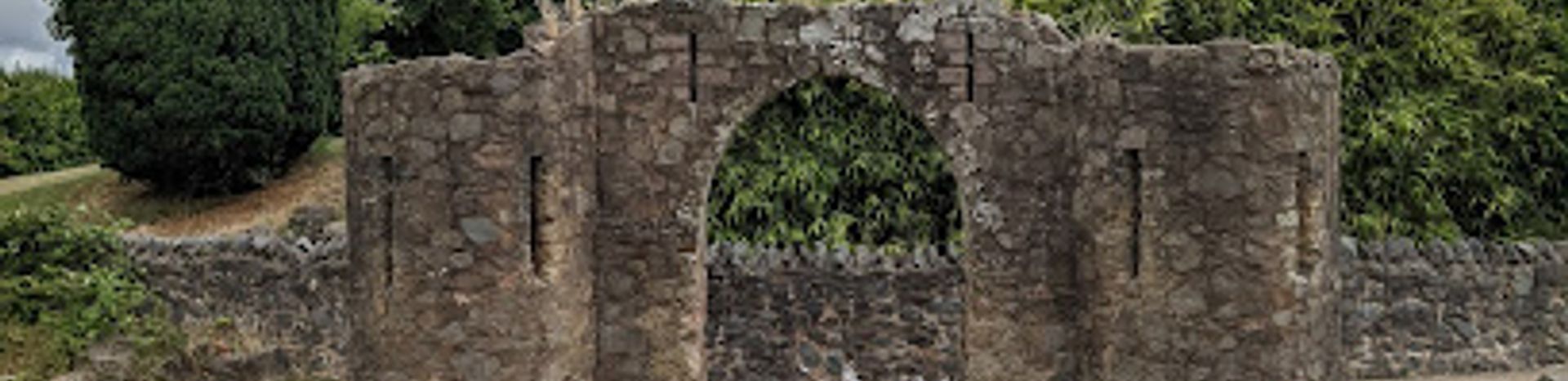
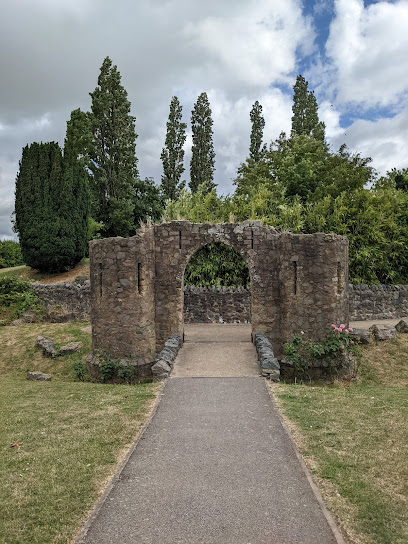
Today, the castle is represented by the impressive earthwork motte and the remnants of the bailey bank, which is about 50 meters long and up to 1 meter high. The parish church of Earl Shilton lies adjacent and may have originally been the castle chapel, possibly enclosed within the bailey defenses. In the 1950s, the site was adapted as a public park with flower beds on the mound’s slopes and a lawn on top. A modern folly gatehouse with a wooden drawbridge was also added, though these features are not original. The site is a scheduled monument, preserving its archaeological and historical significance.Historical Context and Legacy
Earl Shilton Castle’s history is intertwined with notable medieval figures such as Simon de Montfort and Edmund Crouchback, who held the manor and park after the castle’s decline. The village itself, recorded in the Domesday Book as 'Sheltone', gained the prefix 'Earl' due to the castle’s association with the Earls of Leicester. The castle and parklands reflect the feudal and hunting culture of medieval England, illustrating the transition from military fortification to aristocratic leisure estate. The site also witnessed historical events such as King Richard III’s army movements in 1485 during the Wars of the Roses.Present-Day Experience and Preservation
Visitors to Earl Shilton Castle today encounter a tranquil public garden that preserves the earthworks and offers a glimpse into Norman military architecture and medieval land use. The site’s grassy motte and surrounding ditch evoke the castle’s imposing presence in its heyday, while the nearby church and village landscape enrich the historical atmosphere. The castle mound’s adaptation into a park with flower beds and lawn provides a peaceful setting for reflection on the region’s layered history.Significance in Regional Heritage
Earl Shilton Castle is a key heritage landmark in Leicestershire, representing Norman conquest strategies and medieval aristocratic life. Its scheduled monument status ensures protection and recognition of its archaeological value. The castle’s earthworks contribute to understanding the evolution of medieval fortifications and the social history of the area, making it an important cultural asset for both locals and visitors interested in England’s Norman past.Iconic landmarks you can’t miss

Earl Shilton Castle
0.0 km
Discover the Norman motte and bailey earthworks of Earl Shilton Castle, a historic hunting lodge and fortress near Leicester.
King Lear
8.9 km
Explore Leicester’s legendary ties to King Lear, where Roman ruins and medieval myths converge in a captivating historical landmark.

Museum Development East Midlands
11.7 km
Supporting East Midlands museums with expert guidance, grants, and training from County Hall, Leicester.

Leicester Roman West Gate site
12.7 km
Explore Leicester’s monumental Roman baths and the iconic Jewry Wall, a testament to ancient urban life and architecture.
23 St.Nicholas Pl
12.9 km
Leicester's oldest place of worship, where Roman foundations meet medieval splendour and 1,100 years of history.
Welford Place
13.1 km
Explore the historic John Biggs statue at Welford Place, a Victorian landmark celebrating Leicester’s reformist legacy and civic pride.
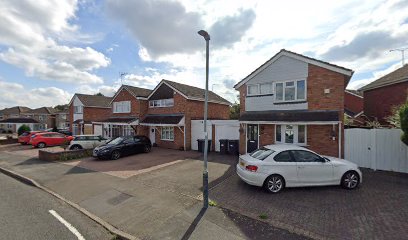
Westmorland Drive
14.4 km
Experience seamless travel in Nuneaton at the Westmorland Drive bus stop, your gateway to local attractions and vibrant community life.
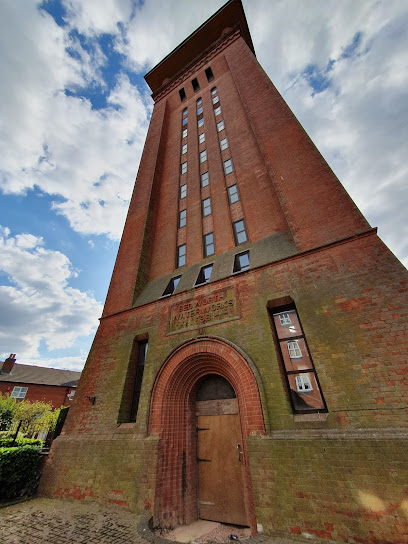
Bedworth Water Tower
16.4 km
A towering Romanesque water tower blending industrial heritage, architectural charm, and urban wildlife in the heart of Bedworth.
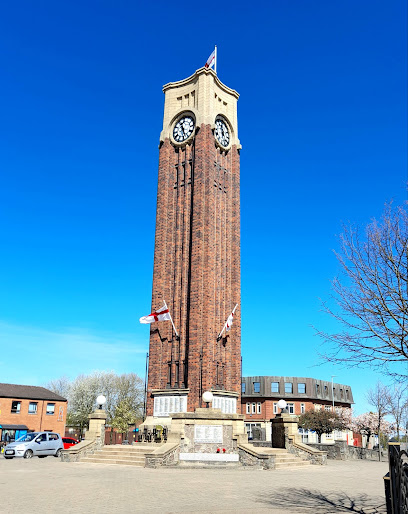
Memorial Clock Tower
16.9 km
A towering Gothic-revival memorial in Coalville honoring 354 fallen WWI soldiers with a commanding clock and rich community history.
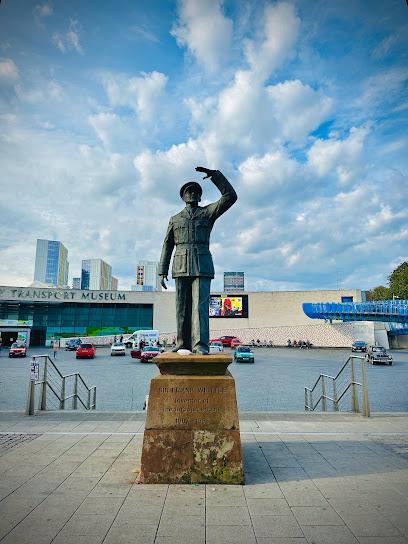
Sir Frank Whittle
23.2 km
Coventry's tribute to the jet engine pioneer who revolutionized aviation and transformed modern flight.
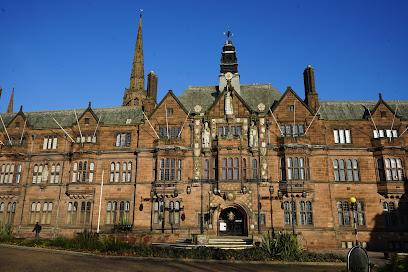
Council House
23.4 km
A majestic Edwardian Tudor Revival building at Coventry’s heart, blending civic function with rich historical symbolism and artistic heritage.
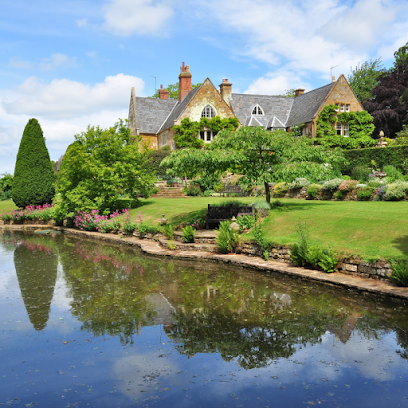
Coton Manor Garden
33.5 km
Explore the enchanting Coton Manor Garden, a botanical paradise filled with vibrant flora and serene landscapes, perfect for relaxation and exploration.
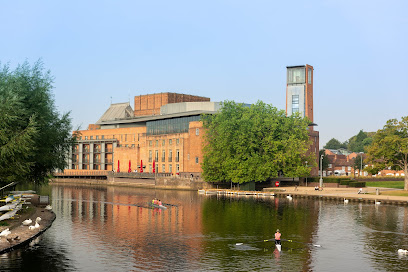
Visit Stratford-upon-Avon
33.7 km
Experience the enchanting blend of history and culture in the birthplace of Shakespeare, Stratford-upon-Avon, where every corner tells a story.
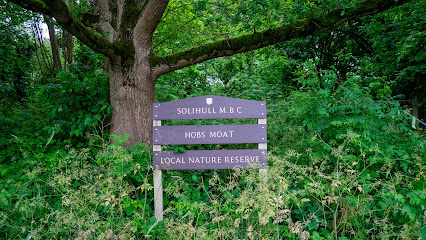
Hob's Moat
35.9 km
Medieval moat and woodland escape preserving Solihull's Norman heritage
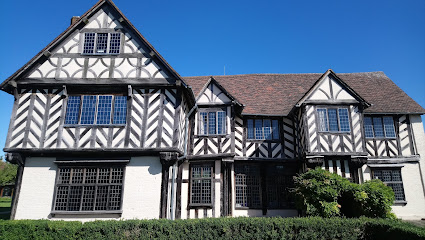
Blakesley Hall Museum
36.0 km
Experience the rich Tudor heritage at Blakesley Hall Museum, Birmingham’s historic gem showcasing stunning architecture and captivating exhibitions.
Unmissable attractions to see

Bosworth Battlefield Heritage Centre
6.9 km
Step into history at Bosworth Battlefield Heritage Centre, where the dramatic 1485 battle shaped England’s future amid scenic rural trails and immersive exhibits.
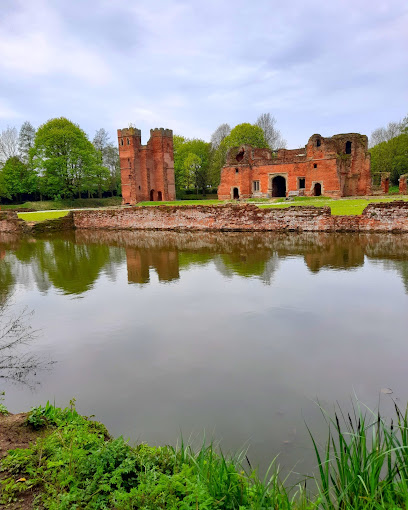
Kirby Muxloe Castle
8.3 km
Explore the evocative ruins and tranquil moated grounds of Kirby Muxloe Castle, a spectacular unfinished 15th-century brick fortress steeped in history.
Fosse Park
8.9 km
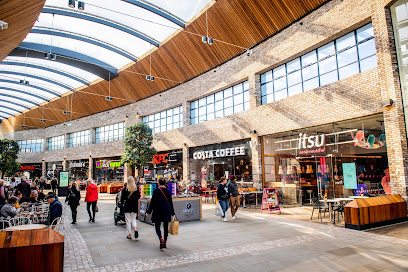
Britain’s large out-of-town shopping park near Leicester, offering top retail brands and vibrant dining under a striking glass roof.
Aylestone Meadows Local Nature Reserve
10.8 km
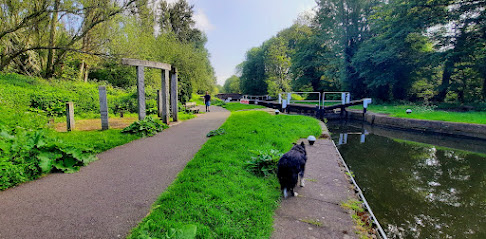
Leicester’s largest local nature reserve, a tranquil mosaic of wetlands, woodlands, and canal-side paths rich in wildlife and history.
Leicester Castle
12.7 km
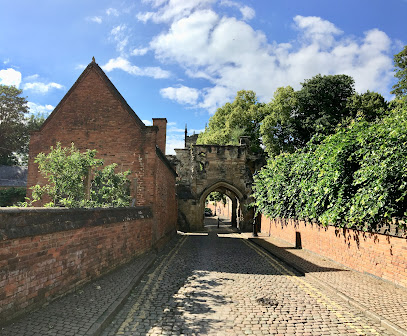
Explore Leicester Castle’s medieval heritage and royal connections in the heart of the city, where history and architecture intertwine.
The Newarke Houses Museum
12.7 km
Explore Leicester’s Tudor heritage, immersive WWI trench, and vibrant Victorian shops amid tranquil historic gardens.

Jewry Wall & Roman Baths
12.8 km
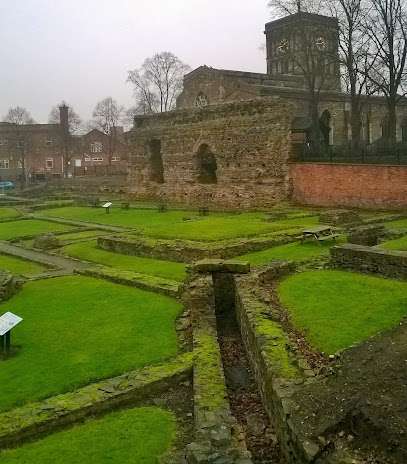
Explore one of Britain’s largest Roman masonry structures and immerse yourself in Leicester’s ancient Roman baths and heritage museum.
The Guildhall Museum
13.0 km
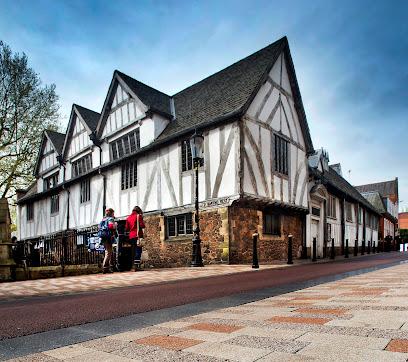
Explore 600 years of Leicester’s history in a beautifully preserved medieval timber-framed Guildhall, from Shakespearean theatre to Victorian police cells.
Leicester Cathedral
13.0 km
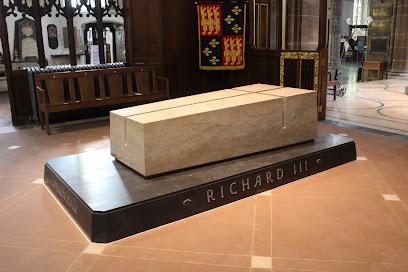
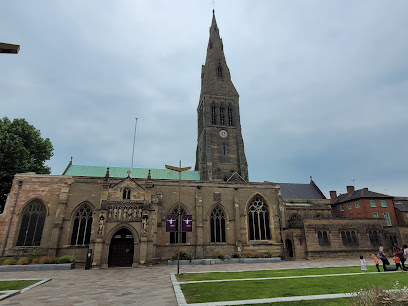
Discover the historic Leicester Cathedral, home to King Richard III’s tomb and centuries of Gothic splendor in the heart of Leicester.
King Richard III Visitor Centre
13.1 km
Discover the incredible story of King Richard III’s life, death, and rediscovery at the site where history was unearthed beneath a Leicester car park.
Veeno
13.1 km
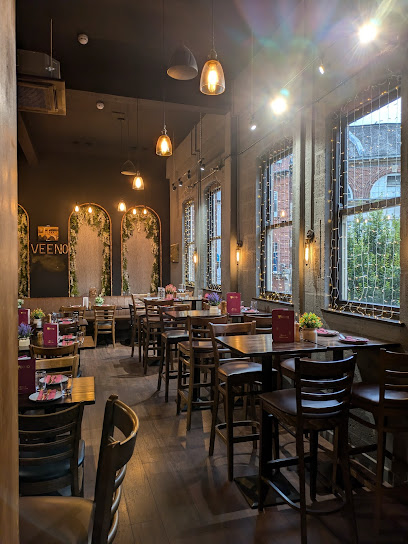
Experience authentic Sicilian wines and Italian small plates in Leicester’s vibrant St Martins Square at Veeno.
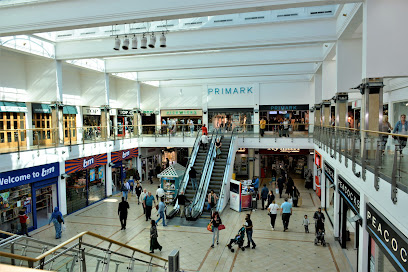
Highcross
13.1 km
Leicester’s vibrant shopping and entertainment destination with over 120 stores, diverse dining, and a luxury cinema experience.
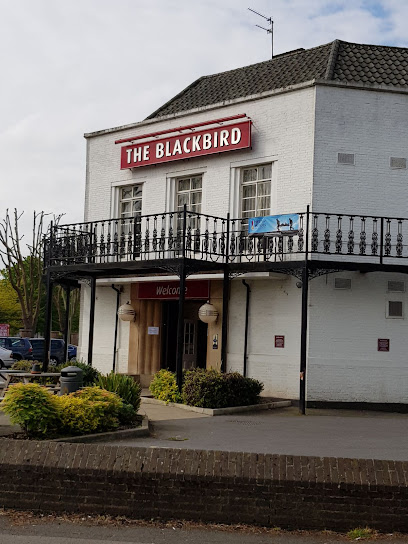
The Blackbird
13.2 km
A welcoming Leicester grill pub serving hearty sizzling dishes and classic pub fare in a lively community atmosphere.
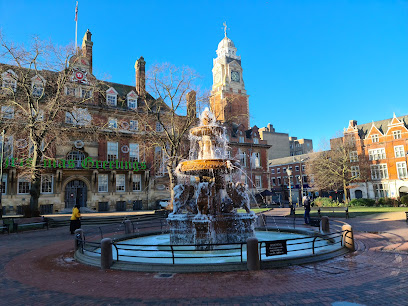
Town Hall Square Fountain
13.3 km
Historic Victorian fountain in Leicester’s Town Hall Square, a symbol of civic pride and architectural elegance.
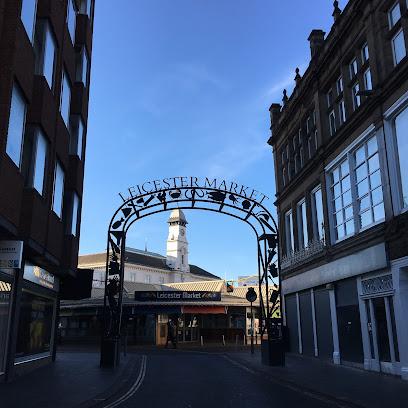
Leicester Market
13.3 km
Europe’s largest outdoor covered market, blending 700 years of history with vibrant multicultural produce and lively community spirit.
Essential places to dine

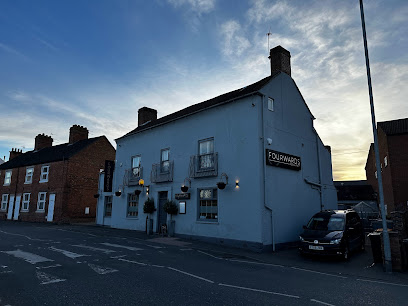
Fourwards Restaurant
0.2 km
A family-run British restaurant in Earl Shilton blending classic flavors with modern creativity in a warm, welcoming atmosphere.
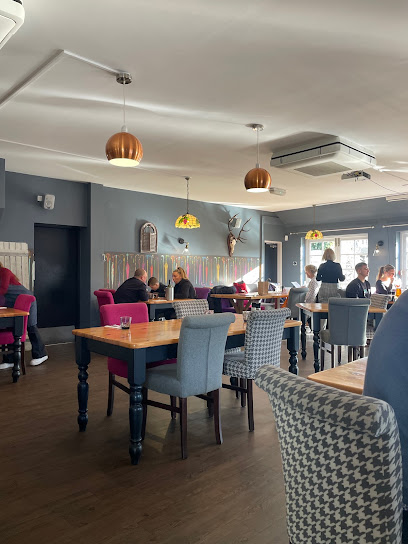
Dom restaurant and bar
3.2 km
A celebrated small plates restaurant in Thurlaston offering refined flavors and a warm, intimate dining experience in a charming village setting.
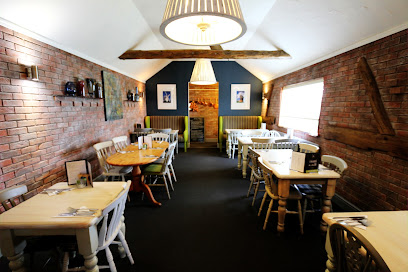
The Windmill Inn
5.5 km
Historic 19th-century pub in Brascote offering hearty English fare, real ales, and a warm countryside welcome.
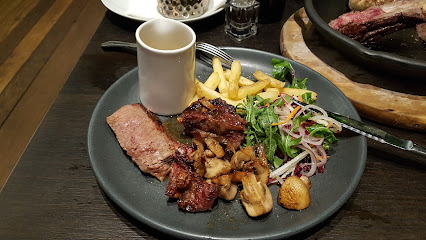
Black Iron
10.1 km
Modern British steakhouse in a historic Georgian mansion, offering charcoal-roasted meats and a refined dining experience in leafy Leicester parkland.
Restaurant Romanesc Leicester (Romanian Restaurant) Grande Gusto
12.1 km
Authentic Romanian flavors and generous portions await you at Grande Gusto, Leicester’s cozy hub for traditional Eastern European cuisine.
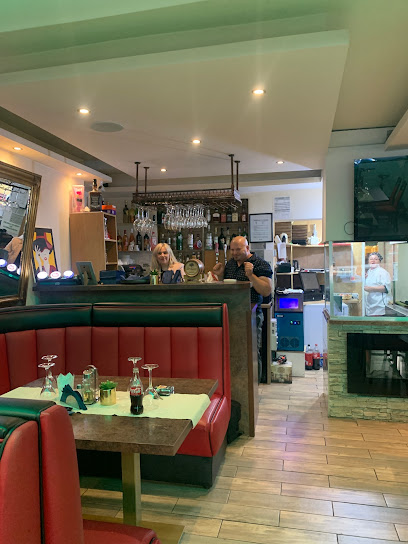
Sapphire Seafood Kitchen - Leicester Restaurant
12.9 km
Savor fresh seafood and American-inspired dishes in a lively, casual setting at Leicester’s vibrant Sapphire Seafood Kitchen.
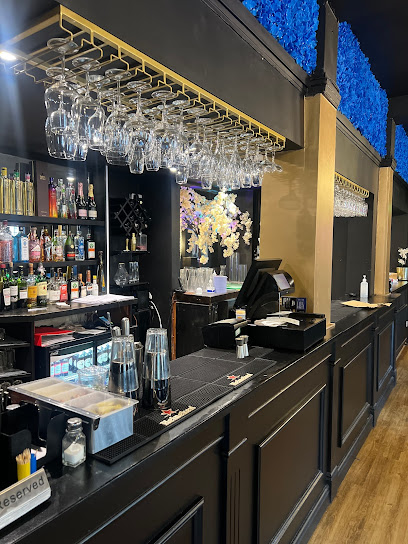
Wygston's House Bar & Restaurant
12.9 km
Historic 15th-century timber-framed house in Leicester’s Old Town serving classic English pub fare and real ales in a vibrant, heritage-rich setting.
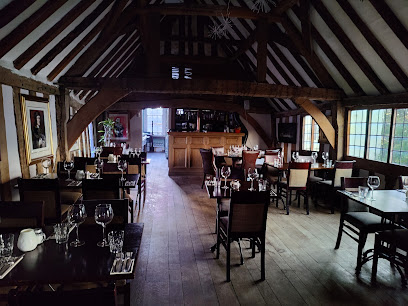
Restaurant263
13.0 km
Experience innovative modern British fine dining with personal chef touches and vibrant vegan options in Leicester’s stylish city centre venue.
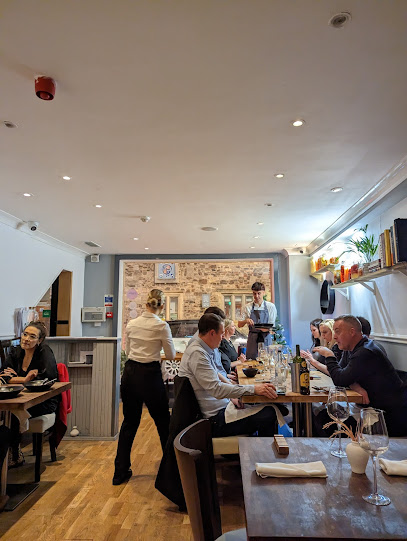
Cosy Club
13.0 km
Stylish British dining and vibrant bar in Leicester’s heart, blending timeless glamour with all-day menus and festive event spaces.
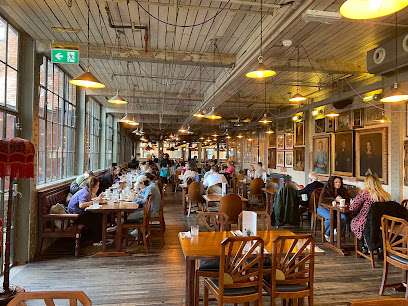
Varanasi Boutique Restaurant
13.0 km
Experience exquisite Indian fine dining in Leicester’s majestic Varanasi Boutique, where culinary artistry meets opulent ambiance.

Bistrot Pierre - Leicester
13.1 km
Experience authentic French bistro dining in Leicester’s city centre with classic dishes, seasonal specials, and a warm Parisian atmosphere.
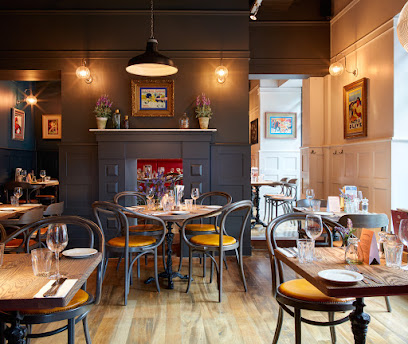
Merchant of Venice
13.1 km
Experience authentic Italian flavors and Renaissance-inspired charm in Leicester’s Merchant of Venice, a unique dining destination blending culture and cuisine.
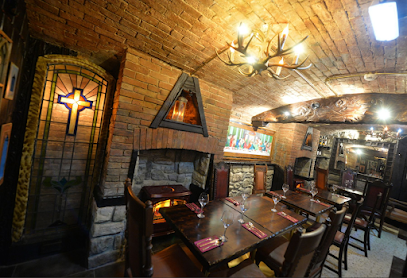
Sapori Restaurant & Bar
13.1 km
Family-run Italian dining in a stylish Victorian setting, blending Neapolitan tradition with modern elegance and a warm, inviting atmosphere.
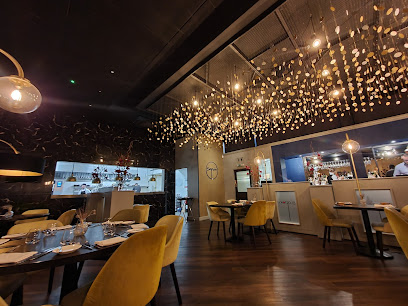
The Frame
13.2 km
A vibrant Mediterranean restaurant and bar in Leicester’s St Martins Square, blending refined flavours with stylish, inviting surroundings.
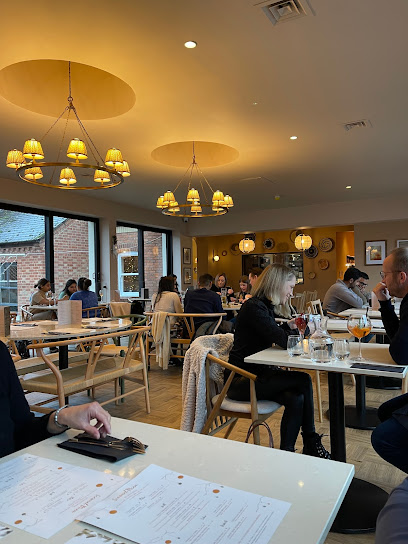
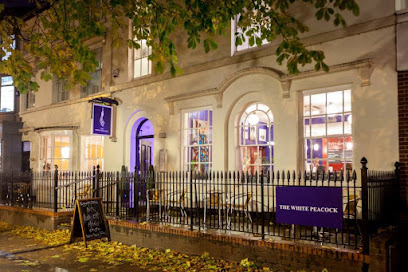
The White Peacock
13.2 km
Elegant modern European dining with innovative tasting menus and warm service in Leicester’s vibrant city centre.
Markets, malls and hidden boutiques

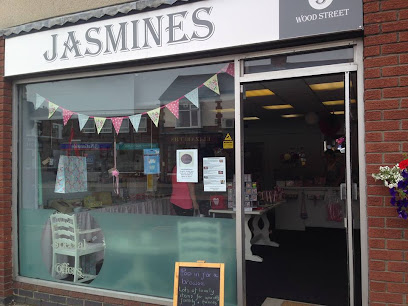
Jasmine's Gifts
0.7 km
Discover unique handmade treasures and local artisan gifts at Jasmine's Gifts in Earl Shilton, where community spirit meets charming craftsmanship.
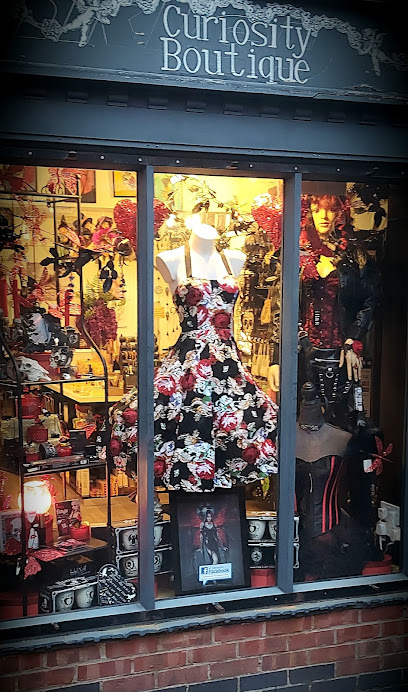
Curiosity Boutique Gothic , crystal & Holistic Shop.
6.2 km
Explore gothic elegance and holistic treasures at Hinckley’s Curiosity Boutique, your gateway to crystals, metaphysical supplies, and unique fashion.
Narborough Hall
6.7 km
Discover unique gifts and local charm at Narborough Hall, a beloved gift shop nestled in the heart of Narborough village, Leicester.
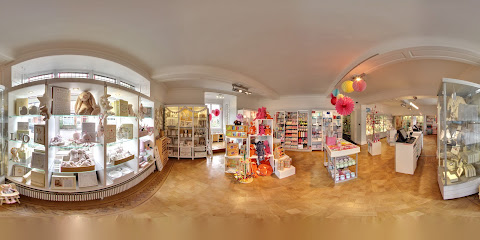
Watkinghams Gift & Homeware Store
12.7 km
Discover unique handcrafted gifts and stylish homeware in a charming village shop celebrating local artistry near Bradgate Park.
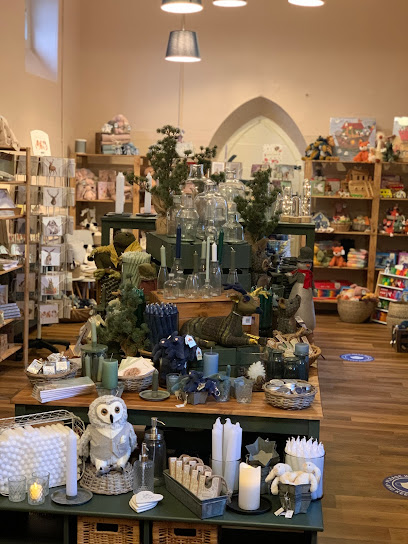
Ropewalk Shopping Centre
12.7 km
A vibrant, accessible shopping hub in Nuneaton offering diverse stores, eateries, and community events in a modern indoor setting.
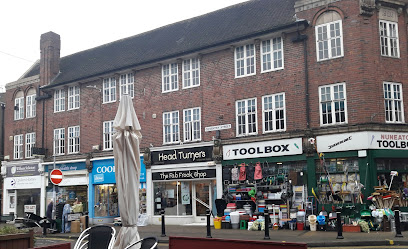
Niche Store
13.1 km
Discover unique gifts and thoughtful treasures in Leicester’s charming Niche Store, where quality meets personal service.
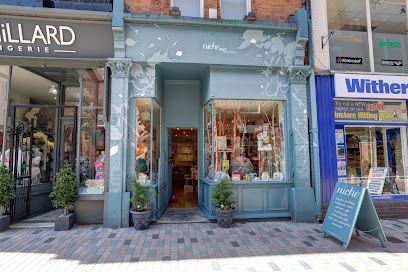
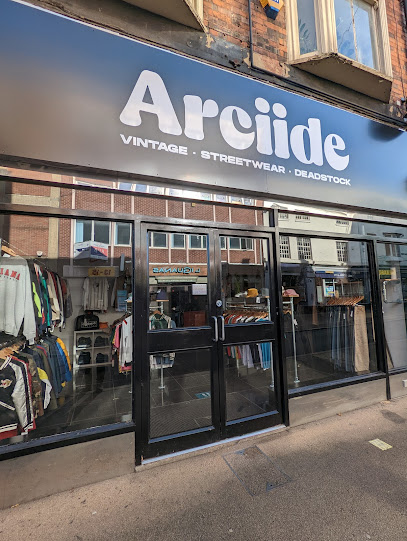
Arciide
13.1 km
Leicester's premier vintage and Y2K streetwear destination for curated pre-loved fashion and authentic brand collections.
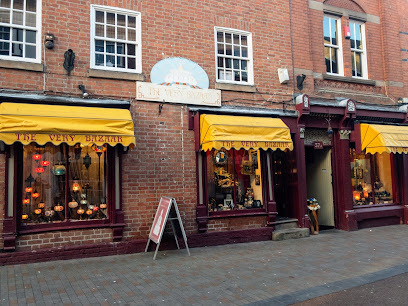
Very Bazaar Leicester
13.1 km
Discover Leicester’s vibrant Very Bazaar, a colourful haven of crystals, unique gifts, and mystical charm in the city centre.
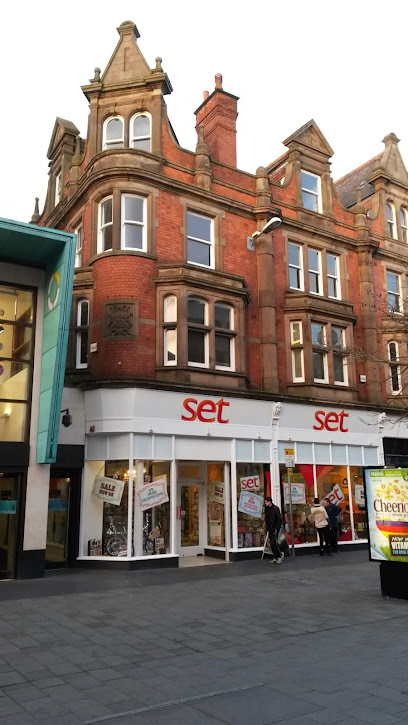
Set
13.1 km
Award-winning gifts, jewellery, and cards in a historic High Street gem with royal connections.
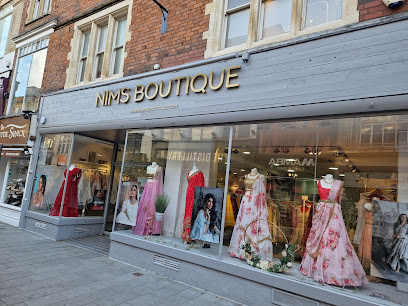
Nim's Boutique ltd
13.2 km
Discover timeless Indian and Asian women's fashion with inclusive sizing and exquisite bridal wear at Nim's Boutique Ltd in Leicester.
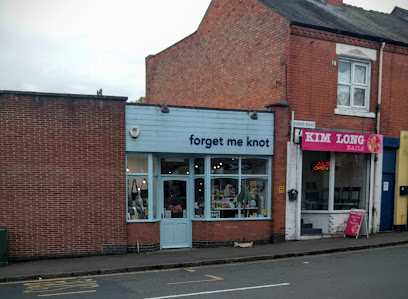
Forget Me Knot Leicester Ltd
13.2 km
Anstey's beloved independent gift shop, where thoughtful curation meets genuine hospitality.
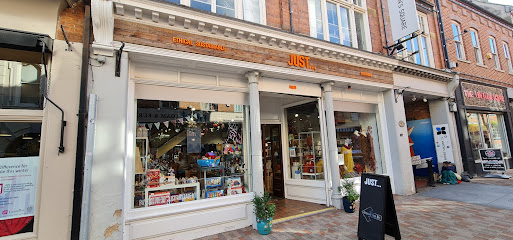
Just Fair Trade
13.2 km
Discover Leicester’s ethical gem offering fair trade gifts and sustainable clothing with a heart for global artisans.
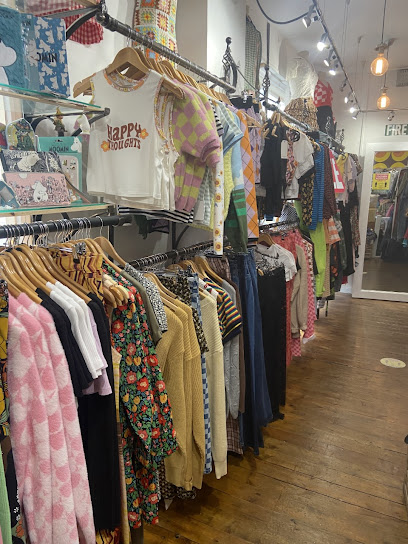
The Wardrobe
13.2 km
Discover timeless style and sustainable fashion at Leicester’s longest-running vintage clothing shop in the historic Royal Arcade.
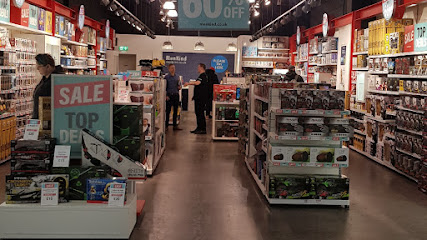
Menkind
13.2 km
Discover unique gadgets, quirky gifts, and exclusive toys at Menkind Leicester in the vibrant Highcross shopping district.
Urban Outfitters
13.3 km
Discover Urban Outfitters Leicester: a stylish blend of fashion, accessories, and homewares in the vibrant heart of the city.
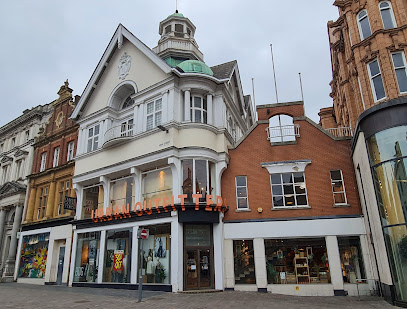
Essential bars & hidden hideouts

The Bulls Head
4.5 km
A warm and lively pub in Leicester Forest West offering expertly cooked food, a great beer garden, and a welcoming atmosphere for all occasions.
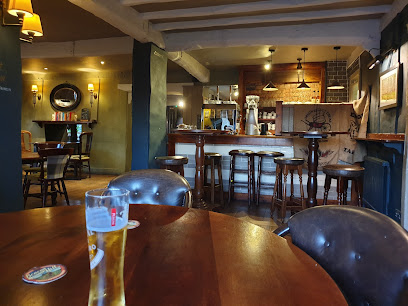
Nine Bar
12.0 km
A lively Leicester bar offering quality cocktails, craft beers, and delicious burgers in a friendly, welcoming atmosphere.
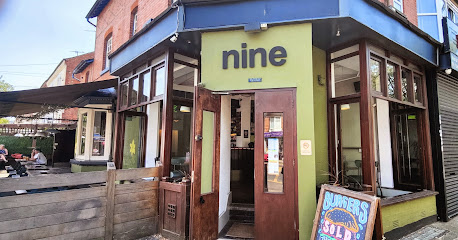
The Crows Nest
12.2 km
A lively Leicester pub with great food, live music, family events, and a welcoming pirate-themed atmosphere.
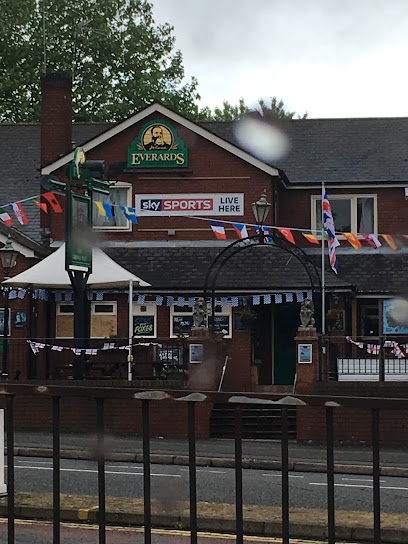
The Metal Monocle
12.3 km
A vibrant steampunk haven in Leicester where rock and metal music meet inventive drinks and immersive atmosphere.
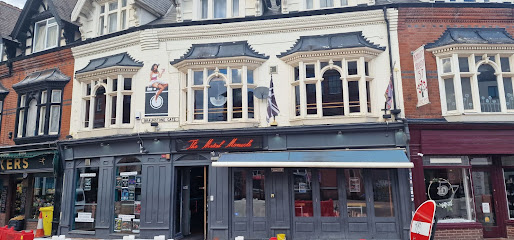
The Rutland & Derby Arms
13.0 km
A lively Leicester pub with top-notch wings, a stunning beer garden, and friendly service in the heart of the city.
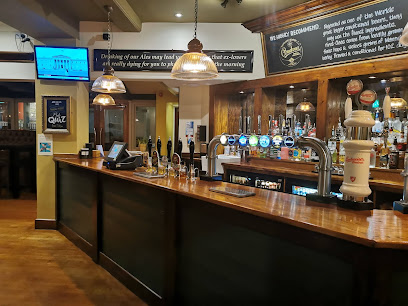
Tree, Leicester
13.0 km
A vibrant craft beer pub in Leicester city centre with a glorious beer garden, fresh food, and a welcoming atmosphere for all.
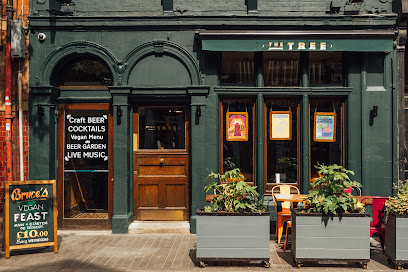
Queen of Bradgate
13.0 km
A lively Leicester gastro pub blending artisan British fare, craft drinks, and vintage charm on the historic High Street.
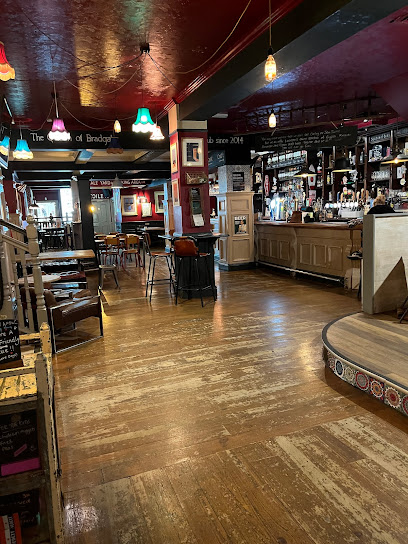
The Blue Boar
13.1 km
A historic Leicester micropub blending traditional real ales with a fresh, sociable atmosphere and classic British pub fare.
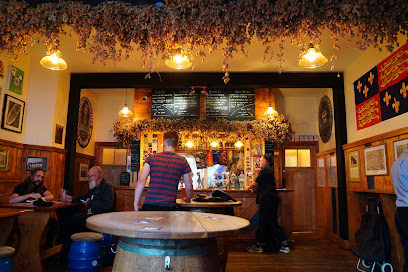
The Gadabout
13.1 km
A stylish, quirky cocktail bar in Leicester offering a vast selection of drinks in an intimate, character-filled setting.
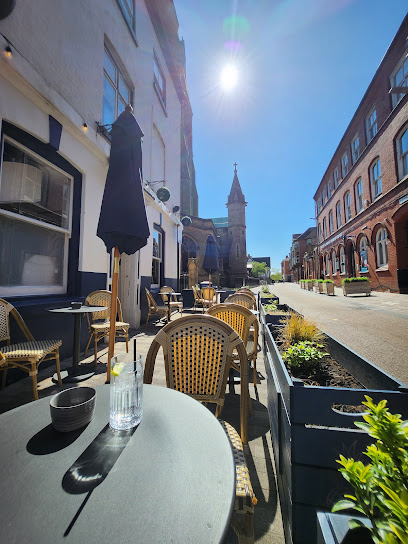
Firebug
13.1 km
Leicester’s energetic pub and live music venue blending cocktails, comedy, and culture in a vibrant city centre setting.
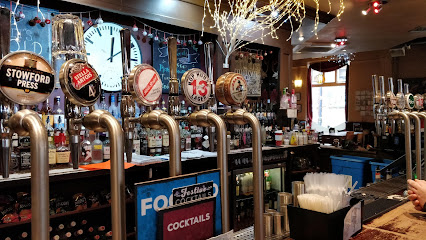
Duffy's Bar
13.1 km
A vibrant, affordable city-centre pub in Leicester known for its welcoming atmosphere and lively social scene.
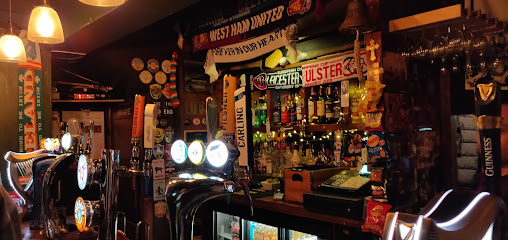
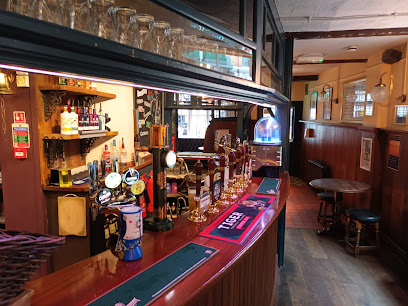
The Globe - Pub & Kitchen
13.1 km
A traditional Leicester pub blending classic Everards ales, hearty local fare, and warm community spirit in a cozy historic setting.
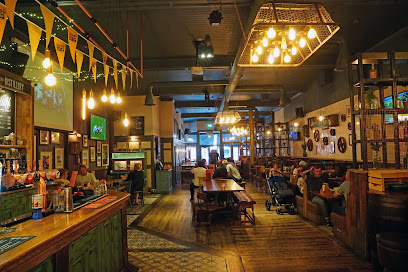
The Distillery
13.1 km
Lively city-centre pub offering craft beers, stone-baked pizzas, stacked burgers, and a vibrant atmosphere for dining and socializing in Leicester.
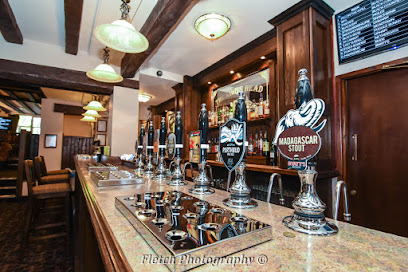
The King's Head
13.1 km
A traditional Leicester pub famed for its exceptional ales, warm community spirit, and charming character in the city centre.
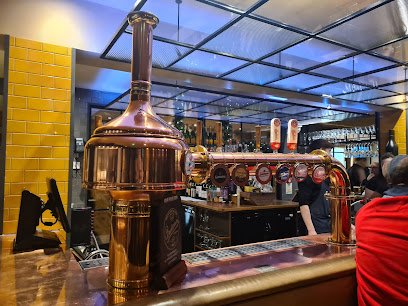
Knight & Garter
13.1 km
A stylish Italian-inspired steakhouse and vibrant bar in Leicester, offering expertly cooked local beef, boutique drinks, and a lively weekend atmosphere.
Nightclubs & after hour spots

The 2Funky Lounge
12.4 km
Leicester’s energetic two-floor nightclub with live music, private parties, and a rooftop terrace for unforgettable nights out.
Mosh
12.9 km
Leicester’s vibrant three-floor alternative nightclub, buzzing with indie, emo, and metal beats and budget-friendly drinks.

The Basement
13.2 km
Leicester’s underground hotspot for late-night dancing, eclectic music, and unforgettable private events in a vintage-inspired setting.

TRUTH Leicester
13.3 km
Experience Leicester’s vibrant nightlife at TRUTH, a dynamic nightclub pulsing with music and energy in the city centre’s entertainment heart.

Waikiki Nightclub
13.3 km
Experience Leicester’s electric nightlife with futuristic vibes, trendy cocktails, and top RnB beats at Waikiki Nightclub every weekend.

Club Republic
13.5 km
Experience Leicester’s ultimate clubbing hotspot with immersive audiovisuals, live gigs, and a vibrant student-friendly atmosphere.

The Fan Club
13.6 km
Leicester’s vibrant weekend nightclub with four rooms, diverse music, and a welcoming atmosphere for unforgettable nights out.
Corah Works
13.6 km
Experience Leicester’s rich textile heritage transformed into a vibrant nightlife hotspot at Corah Works on St John Street.

Motto Nightclub
13.6 km
Experience Leicester’s vibrant nightlife at Motto Nightclub, a dynamic venue where music, dancing, and late-night energy come alive.

Helsinki
13.7 km
Leicester’s vibrant LGBTQ+ nightclub with electrifying drag shows, diverse music, and late-night celebrations in the heart of the city.

The Emporium
16.6 km
Experience Coalville’s vibrant nightlife at The Emporium, where legendary DJs and electric atmospheres create unforgettable weekends.

Ciros Nightclub
21.7 km
Energetic nightlife hotspot in Ashby-de-la-Zouch offering music, dancing, and a vibrant social scene in a central market town setting.
Echo's Night Club
22.5 km
Loughborough’s energetic nightclub with dual rooms, affordable drinks, and a lively student-friendly atmosphere on Biggin Street.
Tubes
35.2 km
Energetic nightlife and affordable drinks come alive at Tubes, Melton Mowbray’s go-to nightclub and bar for fun and dancing.
Smack
35.5 km
Leamington Spa’s energetic and affordable two-floor nightclub with a storied past and a lively, if sometimes challenging, atmosphere.
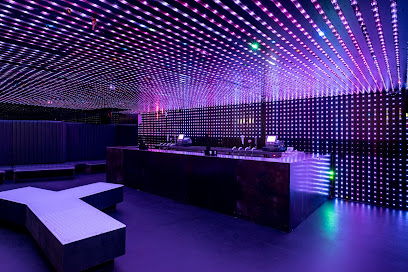
For the vibe & atmosphere seeker
- Tranquil
- Scenic
- Unique
- Casual
For the design and aesthetic lover
- Rustic Designs
- Vintage Styles
For the architecture buff
- Historic
- Landmarks
- Parks & Gardens
- Heritage Neighborhoods
For the view chaser and sunset hunter
- Iconic Views
- Panoramas
For the social media creator & influencer
- Photo Spots
- Selfie Spots
- Architectural Shots
For the eco-conscious traveler
- Protected Area
- Public-Transport Accessible
- Locally Managed
For the kind of experience you’re after
- Cultural Heritage
- Photowalk
- Day Trip
- Weekend Getaway
For how adventurous you want the journey to be
- Easy Access
Location Audience
- Family Friendly
- Senior Friendly
- Child Friendly
- Solo Friendly
- Couple Friendly


