
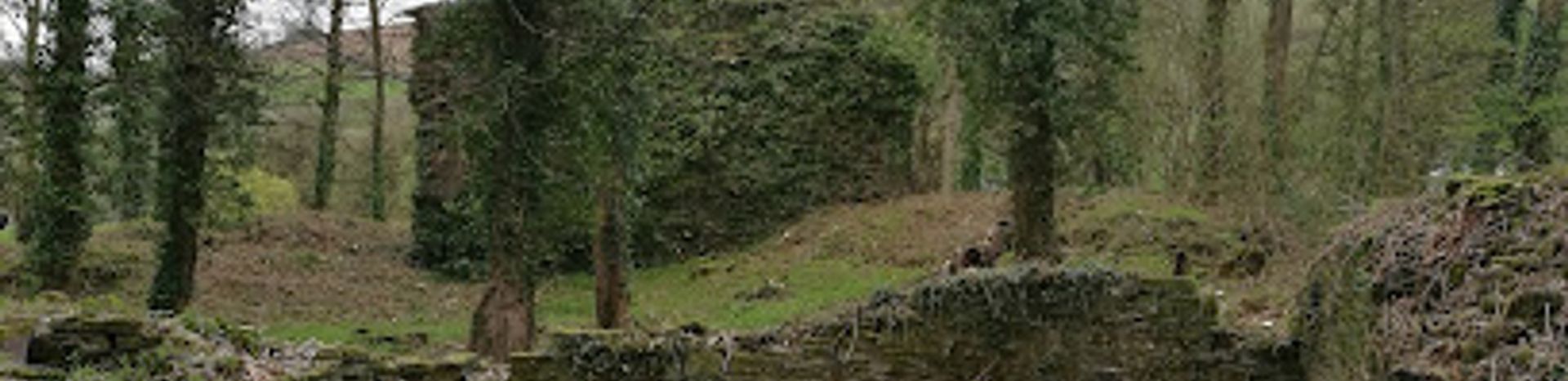
Blaenllynfi Castle: Historic Ruins Amidst Brecon's Scenic Countryside
Explore the evocative ruins of Blaenllynfi Castle, a 13th-century Norman stronghold nestled in the serene Brecon countryside rich with medieval history.
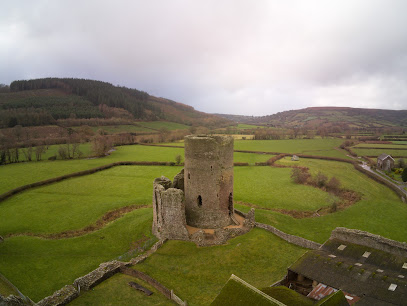
Blaenllynfi Castle, located in Cathedine near Brecon, Wales, is a captivating 13th-century ruin that once served as a Norman stronghold and the seat of the Fitz Herbert Barony of Talgarth. Though only low broken walls and a deep fossé remain, the site offers a glimpse into medieval Welsh and Norman history set within tranquil countryside surroundings, making it a serene destination for history enthusiasts and nature lovers alike.
A brief summary to Blaenllynfi Castle
- 1 Blaenllyfni, Brecon, Cathedine, LD3 7PZ, GB
- Duration: 0.5 to 2 hours
- Free
-
 Outdoor
- Mobile reception: 3 out of 5
Local tips
- Visit early morning or late afternoon for the best natural light and photographic opportunities.
- Wear sturdy footwear as the terrain around the ruins is uneven and involves some walking.
- Bring a picnic to enjoy in the peaceful surrounding countryside, as there are no food facilities on-site.
- Check local weather forecasts before your visit to ensure comfortable conditions.
- Explore nearby trails and other historic castles like Tretower and Crickhowell for a fuller experience of the region’s heritage.

For the on-the-go comforts that matter to you
- Information Boards
Getting There
-
Car
Driving from Brecon town center takes approximately 25 to 35 minutes via local roads. Parking is limited near the castle ruins, so plan to park nearby and walk the last stretch. No parking fees apply.
-
Bus and Walk
Take a regional bus from Brecon to Talgarth, approximately 40 minutes. From Talgarth, a 3 km walk on rural paths leads to Blaenllynfi Castle. Terrain is uneven; suitable footwear recommended. No direct public transport to the site.
-
Walking
For active visitors, a 10 km hike from Brecon town through countryside trails offers a scenic route to the castle. The path includes uneven ground and moderate elevation changes, suitable for experienced walkers.
Blaenllynfi Castle location weather suitability
-
 Any Weather
-
 Rain / Wet Weather
-
 Clear Skies
-
 Mild Temperatures
Discover more about Blaenllynfi Castle
Medieval Origins and Strategic Significance
Blaenllynfi Castle likely dates back to the early 13th century, constructed between 1208 and 1215 as the centre of the Fitz Herbert Barony of Talgarth, a third of the Brecon lordship. It was built as a Norman stronghold to assert control over the surrounding Welsh territories. The castle played a pivotal role in the region’s turbulent medieval history, frequently changing hands during conflicts such as the Welsh uprisings. It was sacked in 1233 by Prince Llywelyn ab Iorwerth and Richard Marshall, rebuilt soon after, and later taken by Llywelyn ap Gruffudd in 1262. Despite its importance, the castle was never fully repaired after these events and gradually fell into ruin.Architectural Remnants and Landscape Setting
Today, visitors encounter low broken walls and a deep defensive ditch (fossé), remnants that hint at the castle’s former scale and defensive capabilities. Historically, Blaenllynfi featured up to five towers, indicating a substantial fortified complex. The ruins sit amidst the peaceful, rolling Welsh countryside near Llynsaviddan Lake, offering a scenic backdrop that contrasts with the castle’s martial past. Recent tree clearing has enhanced natural light, allowing for better appreciation of the ruins and their setting.Historical Context and Local Heritage
Blaenllynfi Castle was once the residence of Prince Hwgan in the early 10th century before becoming a Norman seat. Its history reflects the layered cultural heritage of Breconshire, where Welsh princes and Norman lords contested power. The castle’s story is intertwined with the broader history of the Brecon Beacons region, known for its rugged landscapes and rich medieval legacy. Nearby landmarks such as Tretower Castle and Crickhowell Castle complement the historical narrative of Norman and Welsh fortifications in the area.Visitor Experience and Surrounding Attractions
While the castle itself is a quiet ruin without visitor facilities, the surrounding area invites exploration. Walking trails nearby offer opportunities to immerse in the natural beauty of the Brecon Beacons National Park. Photographers especially appreciate the site during early morning or late afternoon light. The lack of dining or restroom facilities encourages visitors to prepare accordingly, perhaps bringing a picnic to enjoy in the tranquil countryside.Preservation and Cultural Importance
Though Blaenllynfi Castle remains largely a ruin, it stands as a protected historical site that preserves the memory of medieval Welsh and Norman presence in the region. Its evocative ruins serve as a cultural landmark, contributing to local identity and heritage tourism. Conservation efforts focus on maintaining the site’s integrity while allowing visitors to connect with Wales’ storied past in a natural setting.Exploring the Brecon Beacons' Rich History
Blaenllynfi Castle is part of a network of medieval sites that illustrate the complex history of the Brecon Beacons area. Nearby castles and historical sites provide context and depth to the visitor’s experience, making the region a rich destination for those interested in history, architecture, and Welsh culture. The castle’s peaceful rural environment also offers a contemplative escape from urban life.Iconic landmarks you can’t miss

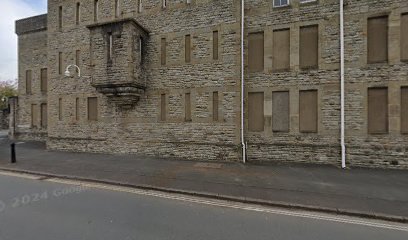
Brecon Barracks
10.8 km
Historic military hub in Brecon, home to the Royal Welsh Regiment and its museum, set within the stunning Brecon Beacons National Park.
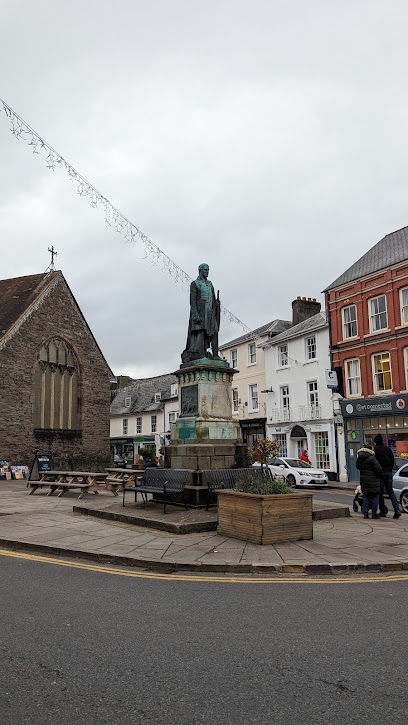
Duke of Wellington Monument
11.4 km
Historic bronze statue honoring the Duke of Wellington, a commanding presence in Brecon’s town centre and a testament to local artistry and British heritage.
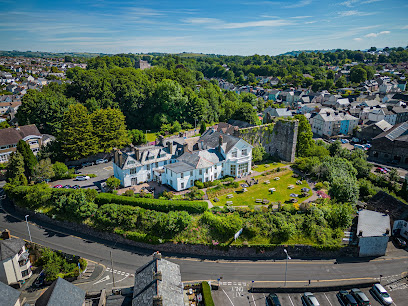
The Brecon Castle Hotel
11.7 km
Historic Wales’ oldest hotel blending timeless charm with modern comforts near Brecon Beacons National Park.
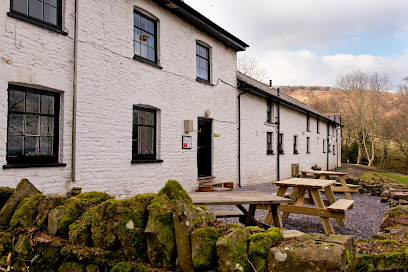
YHA Brecon Beacons
17.1 km
Rustic farmhouse hostel offering clean, cozy accommodation and a warm communal atmosphere in the heart of Brecon Beacons National Park.
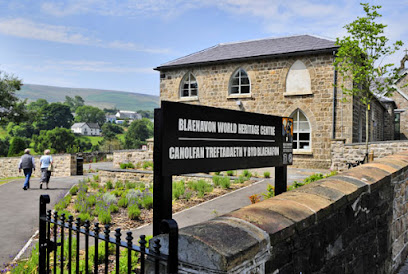
Blaenavon World Heritage Centre
17.6 km
Explore Blaenavon's rich industrial heritage at the World Heritage Centre, where history comes alive through engaging exhibits and stories.
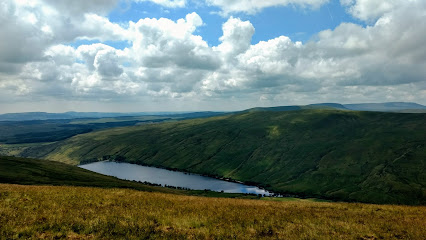
Fan Fawr
17.8 km
Explore the breathtaking beauty of Fan Fawr, a stunning mountain peak in the Brecon Beacons offering unforgettable hiking and panoramic views.
Abergavenny Museum
17.9 km
Explore the rich history of Abergavenny at its charming museum, showcasing local heritage, art, and culture in a beautifully restored Victorian building.
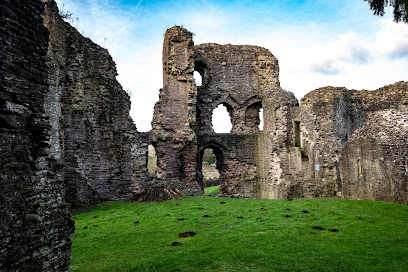
Longtown Castle
18.6 km
Uncover the rich history and stunning scenery at Longtown Castle, a captivating medieval landmark nestled in the heart of Herefordshire.
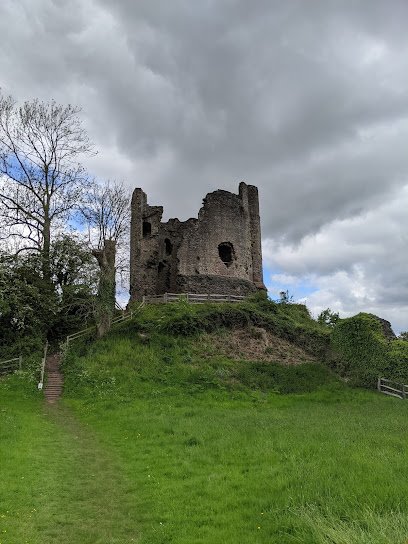
Fan Frynych
18.7 km
Discover the scenic beauty and diverse trails of Fan Frynych, a hiker's haven in the heart of Brecon, perfect for nature lovers and adventurers alike.
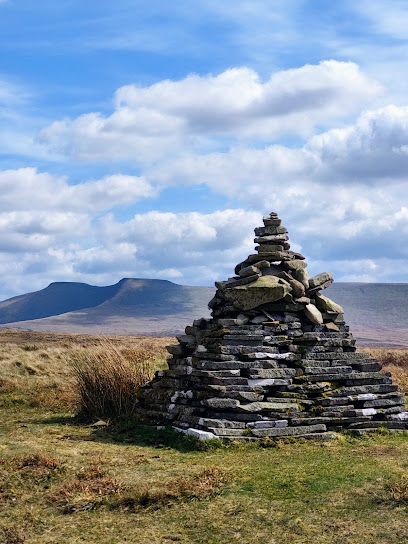
Cyfarthfa Castle Museum and Art Gallery
18.7 km
Explore Cyfarthfa Castle Museum and Art Gallery, where history, art, and nature converge in the heart of Merthyr Tydfil’s beautiful park.
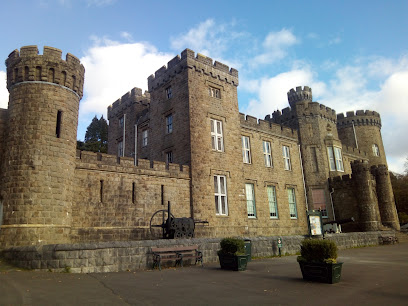
Cadair Fawr
19.8 km
Explore Cadair Fawr, a breathtaking mountain in Merthyr Tydfil, offering stunning views, diverse wildlife, and unforgettable outdoor adventures.
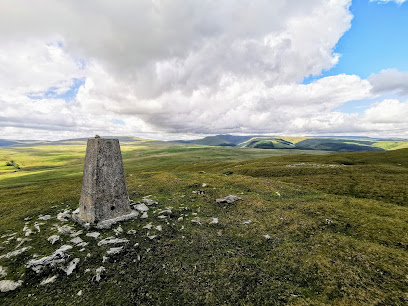
Cefn Llechid
20.8 km
Explore Cefn Llechid in Brecon Beacons National Park for breathtaking views, outdoor adventures, and a rich tapestry of history.
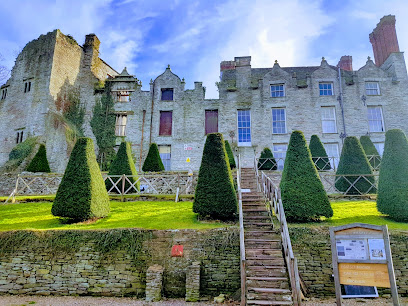
Hay Castle
21.1 km
Explore the historic Hay Castle in Hay-on-Wye, where rich Welsh culture, stunning architecture, and beautiful gardens await every traveler.
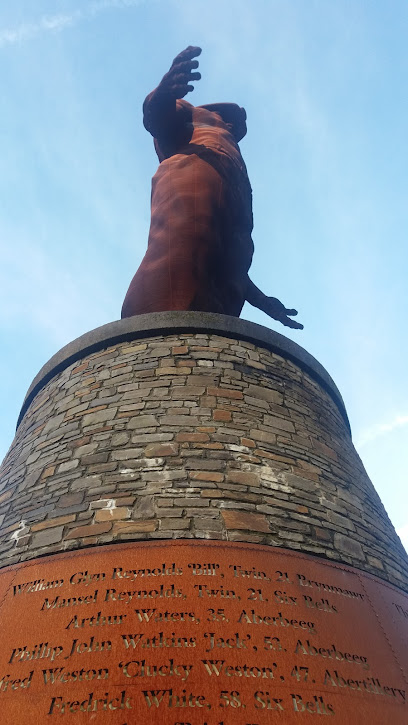
The Guardian Of The Valleys
21.4 km
Discover The Guardian Of The Valleys, a memorial park in Six Bells celebrating mining heritage with tranquil landscapes and stunning views.
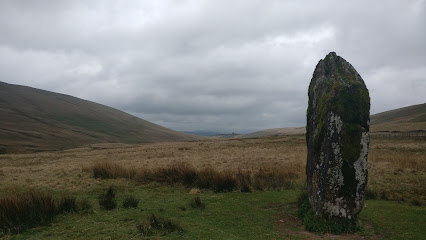
Maen Llia
22.3 km
Explore Maen Llia, a stunning historical landmark in the Brecon Beacons, where nature and ancient history blend beautifully.
Unmissable attractions to see

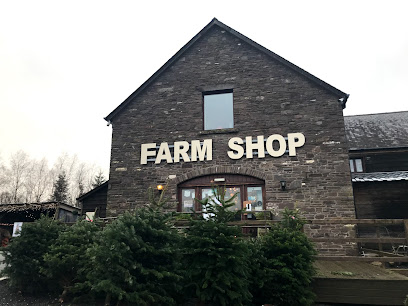
Welsh Venison Centre
0.7 km
A premier farm shop and café in the Brecon Beacons offering exceptional Welsh venison and local delicacies in a charming rural setting.
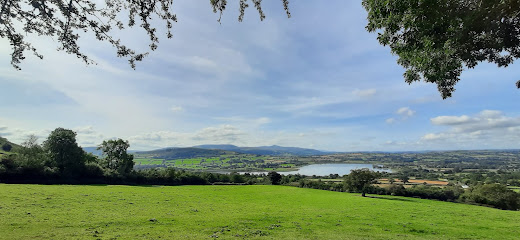
Llangorse Multi Activity Centre
3.8 km
Experience thrilling adventures and peaceful nature at Llangorse Multi Activity Centre in the Brecon Beacons National Park.
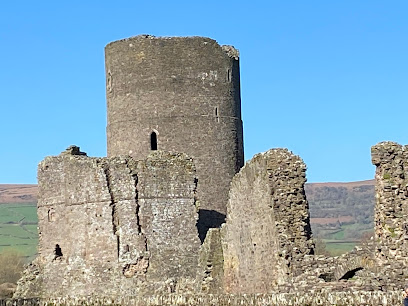
Tretower Castle
4.3 km
Explore 900 years of Welsh medieval history at Tretower Castle and Court, where Norman fortifications meet a grand fortified manor house.
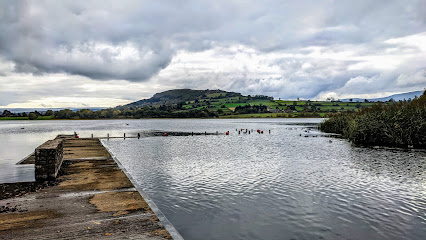
Welsh Crannog Centre
4.4 km
Explore the Welsh Crannog Centre: A Fascinating Journey into Ancient Life by Llangorse Lake, Perfect for History Buffs and Nature Lovers.
Llys a Chastell Tre-tŵr / Tretower Court and Castle
4.4 km
Explore over 900 years of Welsh history at Tretower Court and Castle, where medieval fortress meets restored manor in the heart of Brecon Beacons.
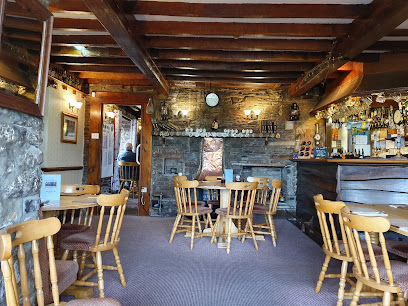
The Old Ford Inn
6.2 km
Historic Welsh coaching inn with cosy rooms, hearty pub fare, and stunning Brecon Beacons views in peaceful Llanhamlach.
Peterstone Court Country House & Spa
6.7 km
Elegant 5-star country house and spa nestled in the scenic Brecon Beacons, perfect for relaxation, fine dining, and outdoor adventures.

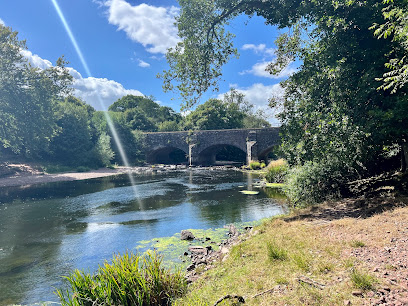
Brynich Aqueduct
7.9 km
Explore the breathtaking Brynich Aqueduct, a stunning blend of engineering and nature in the heart of Brecon, perfect for outdoor enthusiasts and history lovers alike.
Dinas Castle
7.9 km
Perched at 450m, Castell Dinas is the highest castle ruins in Wales, blending Iron Age earthworks with Norman stone, offering epic views of the Black Mountains.
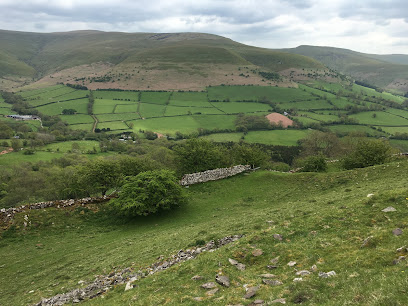
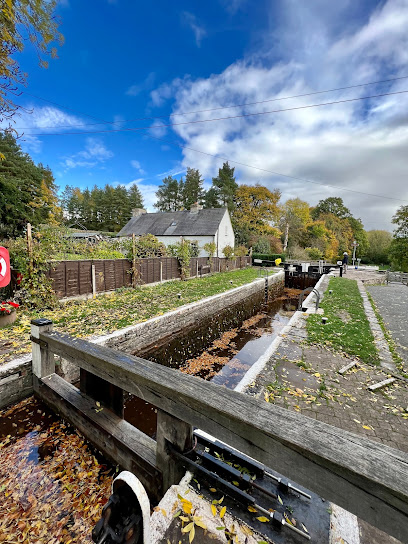
Brynich Lock
8.1 km
Historic Brynich Lock offers tranquil canal-side charm and stunning views within the Brecon Beacons National Park.
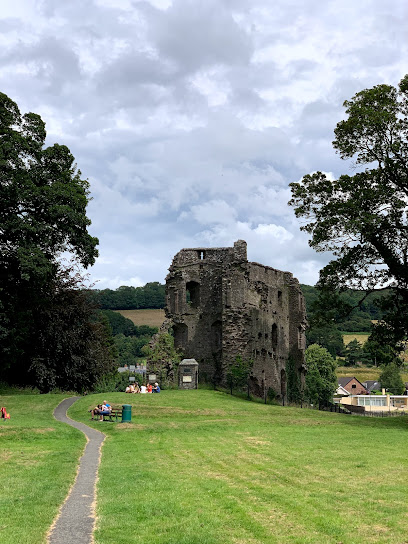
Alisby Castle
8.7 km
Explore the evocative ruins of Crickhowell Castle, a medieval motte and bailey fortress with commanding views over the Usk valley in mid-Wales.
Drostre Wood Nature Reserve
9.0 km
A serene mixed woodland near Brecon offering rich mossy floors, diverse fungi, and vibrant birdlife in a peaceful Welsh nature reserve.
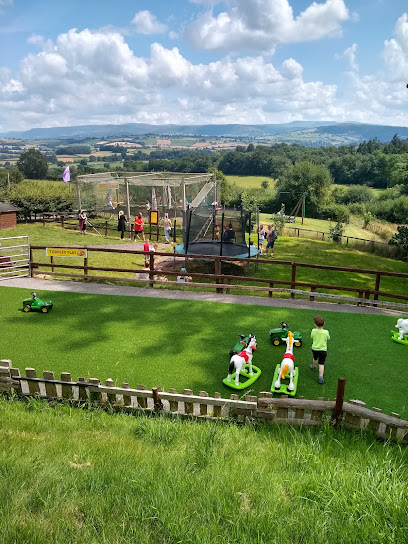
Cantref - Adventure Farm in South Wales
9.2 km
Experience hands-on farm life, pony rides, and all-weather family fun in the stunning Brecon Beacons National Park.
Pwll y Wrach nature reserve
10.0 km
Discover the enchanting waterfall and ancient woodland of Pwll y Wrach, a peaceful nature reserve alive with spring wildflowers and wildlife near Talgarth.
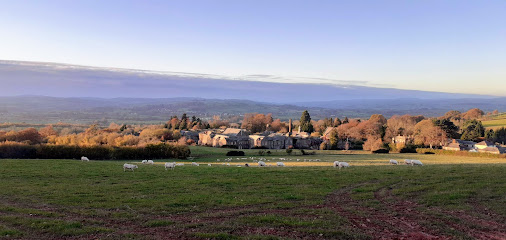
Camden Stores
10.0 km
Discover authentic Welsh flavors and countryside charm at Camden Stores, a cozy farm shop and café near Brecon.
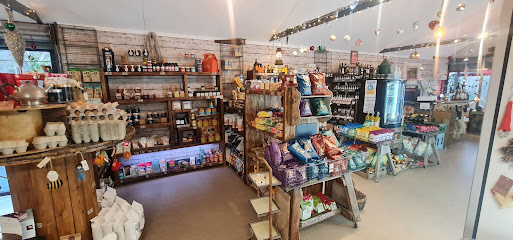
Essential places to dine

Travellers Rest Inn
2.8 km
Cozy countryside inn with hearty meals and warm hospitality near the scenic Brecon Beacons.
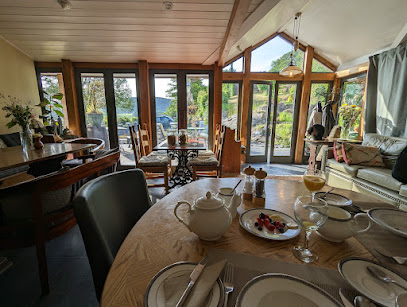
The White Hart
3.0 km
Traditional Welsh inn in Talybont-on-Usk offering hearty British fare, local ales, and warm hospitality near the Brecon Beacons.
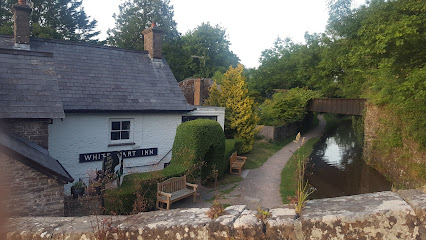
The Red Lion
3.6 km
A historic Welsh village pub blending centuries-old charm with warm hospitality and local brews in the heart of Llangynidr.
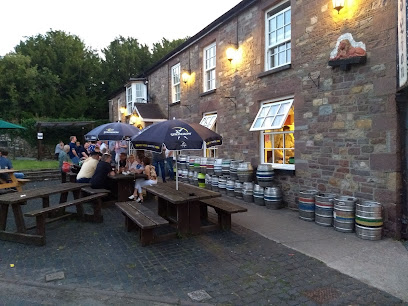
Castle Inn
4.7 km
Traditional Welsh pub and cozy B&B in Llangorse, offering great food, local charm, and a unique Banksy artwork near the Brecon Beacons.
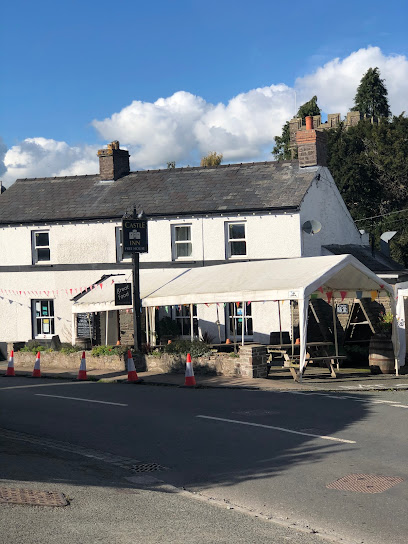
Nantyffin Cider Mill Inn
6.1 km
A cozy country pub in Crickhowell offering hearty local fare, warm hospitality, and a family-friendly atmosphere in the heart of the Brecon Beacons.
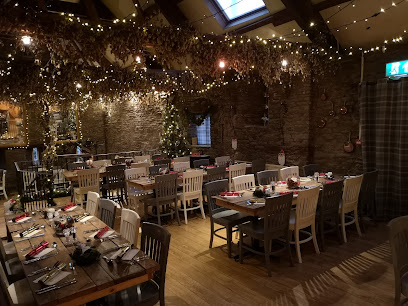
Black Cock Inn
6.2 km
Experience authentic Welsh cuisine at Black Cock Inn - where traditional charm meets delicious flavors in beautiful Brecon.
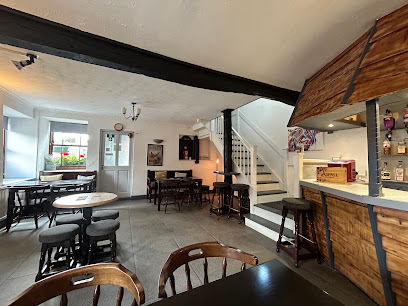
The Vine Tree Llangattock
8.5 km
Refined Welsh tasting menus in a relaxed Brecon Beacons setting, where skilled cooking meets genuine hospitality.
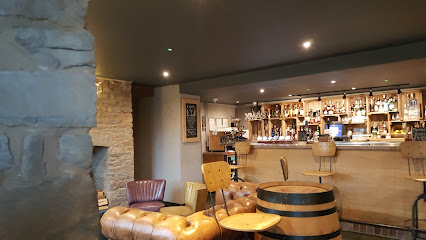
Three Horseshoes Inn
8.5 km
Award-winning gastropub in the Brecon Beacons serving refined seasonal British cuisine in a historic, welcoming setting.
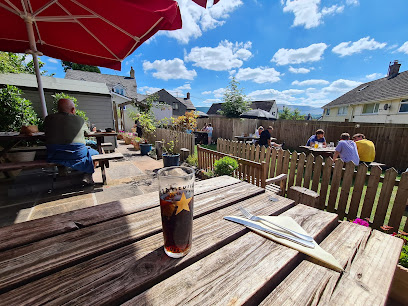
Bridge End Inn
10.8 km
Experience warm Welsh hospitality at Bridge End Inn in Talgarth - where local flavors meet cozy charm amidst breathtaking landscapes.
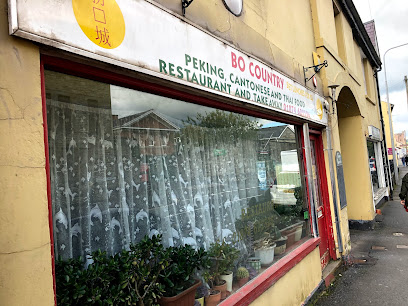
Bo Country
10.8 km
Authentic Chinese takeaway in the heart of Brecon, offering quick, flavorful meals for locals and visitors alike.
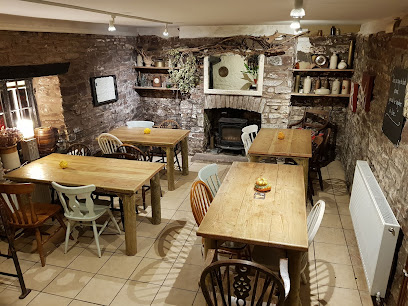
The Gurkha Corner
11.3 km
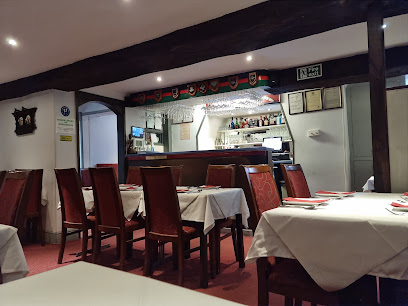
Experience authentic Nepalese and Himalayan cuisine with warm hospitality in the heart of Brecon at The Gurkha Corner.
Hills
11.3 km
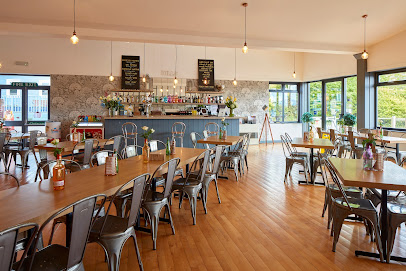
Contemporary burger dining with scenic Brecon Beacons views, blending creative flavors and a welcoming atmosphere in the heart of Brecon.
Brecon Tap
11.3 km
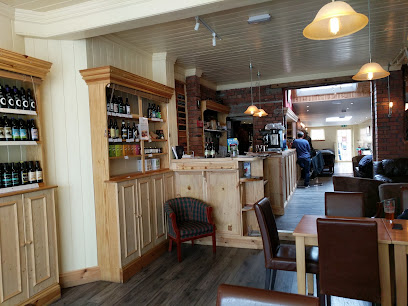
Experience authentic Welsh hospitality at Brecon Tap – a charming pub offering delicious food and drinks in the heart of Brecon.
The Proper Pizza Co Ltd
11.4 km
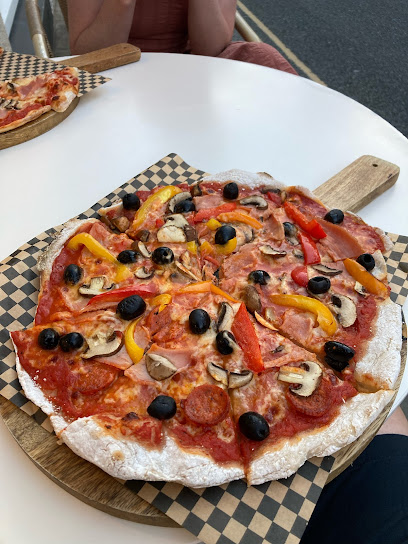
Authentic artisan pizzas with gluten-free options in the heart of Brecon’s Lion Yard, perfect for takeaway or small group dining.
The George Hotel - JD Wetherspoon
11.5 km
A welcoming traditional pub and hotel in Brecon, offering hearty British fare and comfortable rooms near the Brecon Beacons.
Markets, malls and hidden boutiques

DIXIES CORNER
11.2 km
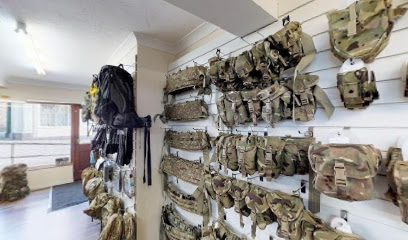
Brecon's trusted specialist in authentic military surplus and outdoor gear since establishment.
Beacons Antiques
11.3 km
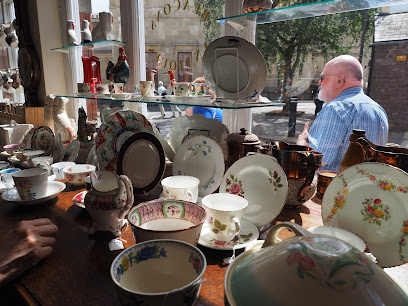
Discover timeless vintage treasures and unique collectibles at Beacons Antiques, a charming hub of history in the heart of Brecon.
Tŷ Cariad
11.4 km
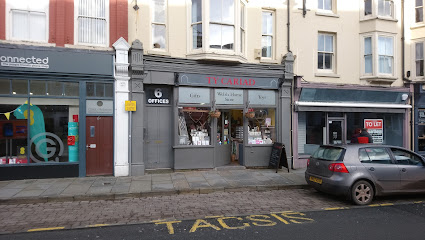
Discover authentic Welsh crafts and unique gifts at Tŷ Cariad, Brecon’s cozy hub for local artistry and culture.
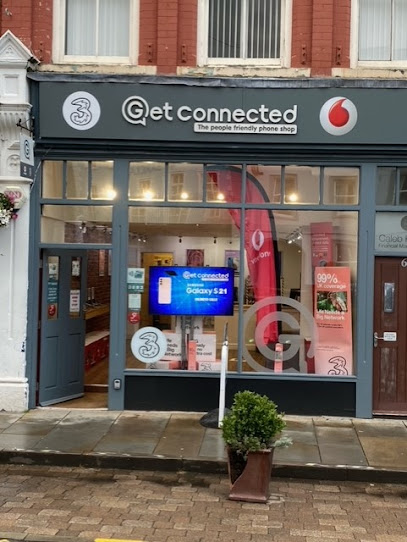
Get Connected
11.4 km
Explore Brecon with confidence, staying connected at Get Connected—the mobile shop for all your tech needs in the heart of the town.
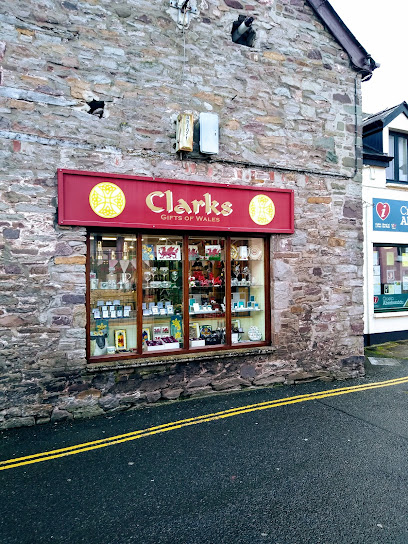
Clarks Gifts Of Wales
11.4 km
Discover authentic Welsh heritage and craftsmanship through unique souvenirs at Clarks Gifts Of Wales in the heart of Brecon.
The Vapour Den
11.4 km
Explore Brecon’s vibrant vaporizing culture at The Vapour Den, your friendly local shop for expert advice and quality vaporizers.
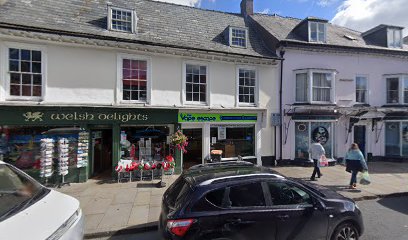
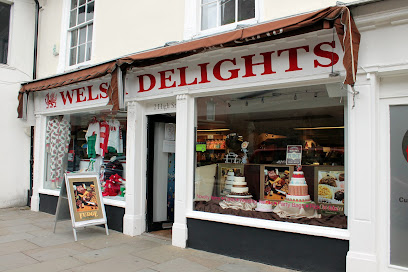
Welsh Delights
11.4 km
Discover authentic Welsh gifts and indulge in traditional clotted cream fudge at Welsh Delights, Brecon’s charming sweet and gift shop.
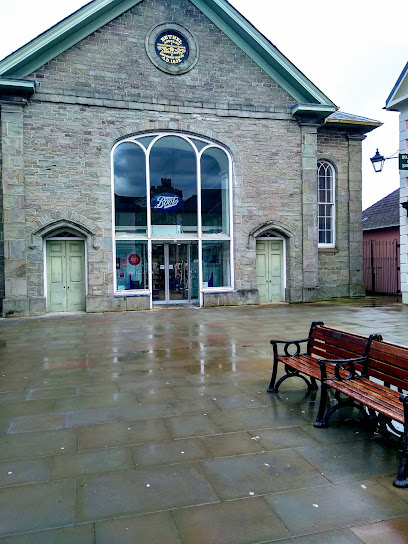
Boots
11.4 km
Your reliable health and beauty partner in the heart of Brecon’s Bethel Square, offering pharmacy, cosmetics, baby products, and more.
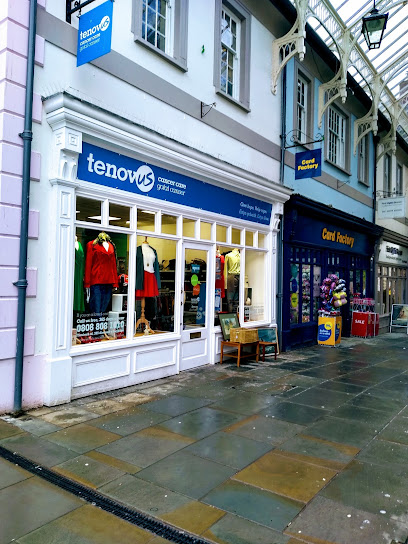
Cardfactory
11.4 km
Find affordable, personalized cards and gifts for every occasion at Card Factory Brecon in Bethel Square Shopping Centre.
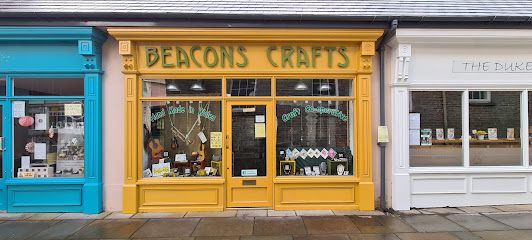
Beacons Crafts Ltd
11.4 km
Handcrafted Welsh treasures from local artisans in the heart of Brecon.
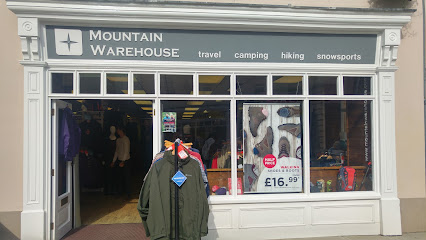
Mountain Warehouse
11.4 km
Your go-to outdoor store in Brecon for quality gear, clothing, and expert advice to fuel your adventures.
Little Luxuries
11.4 km
Discover handcrafted Welsh gifts and unique souvenirs in the welcoming boutique of Little Luxuries, nestled in Brecon’s charming Bethel Square.
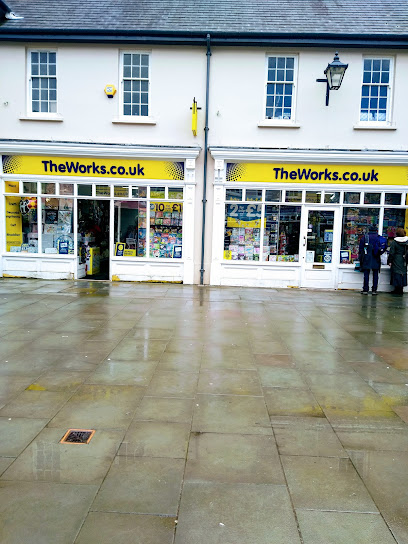
The Works
11.4 km
Discover affordable art supplies, books, crafts, and toys at The Works in Brecon’s vibrant Bethel Square Shopping Centre.
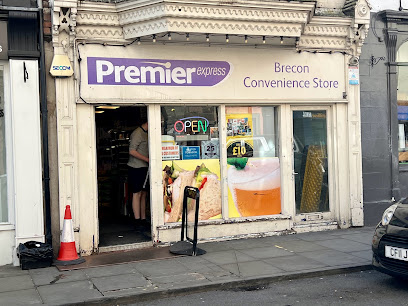
Premier
11.4 km
Your friendly, convenient stop for groceries and essentials in the heart of Brecon, open early to late every day.
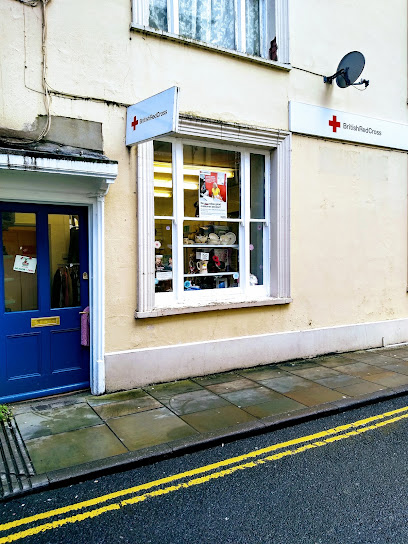
British Red Cross shop, Brecon
11.5 km
Discover unique finds and support global humanitarian aid at the British Red Cross charity shop in Brecon’s historic Lion Street.
Essential bars & hidden hideouts

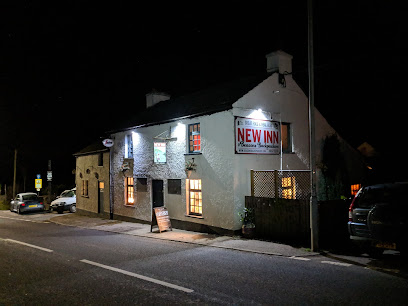
The New Inn
1.0 km
A cozy, affordable pub and backpackers’ haven in Bwlch, offering hearty food, friendly service, and a welcoming base for exploring the Brecon Beacons.
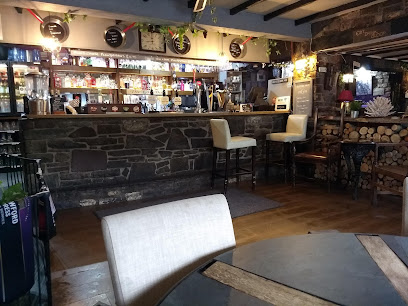
Coach & Horses
3.0 km
Historic canal-side pub and inn in Llangynidr offering hearty Welsh fare, cozy rooms, and a warm, welcoming atmosphere.
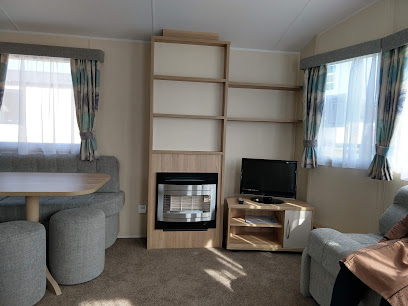
Lakeside Bar
4.7 km
Relax lakeside at this friendly pub within Brecon’s scenic caravan park, perfect for unwinding after exploring the Brecon Beacons.
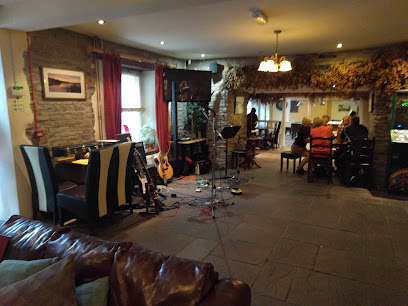
The Red Lion Llangorse
4.8 km
A welcoming Welsh gastropub in Llangorse offering seasonal local dishes, real fires, and a cozy atmosphere near the Brecon Beacons.
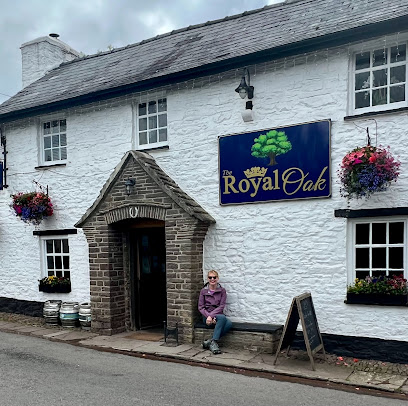
Royal Oak
5.6 km
Cozy Welsh pub in Pencelli offering traditional hospitality and local ales amidst the scenic Brecon Beacons.
Markets Tavern
11.2 km
Traditional Welsh pub and welcoming hotel in Brecon offering hearty food, cozy rooms, and authentic local charm on Free Street.
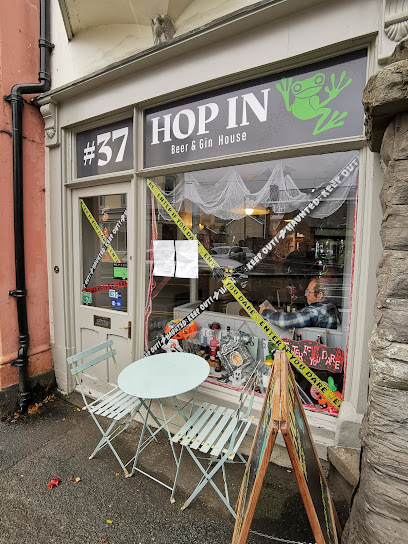
hop in beer and gin
11.2 km
Discover Brecon’s quirky bar with top-quality craft beers, artisanal gins, and delicious tapas in a cozy, historic setting.
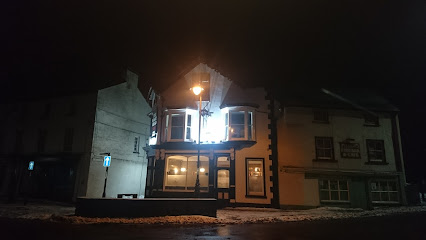
The Sarah Siddons
11.5 km
Experience authentic Welsh hospitality with local ales and lively atmosphere at The Sarah Siddons, Brecon’s beloved town centre pub.
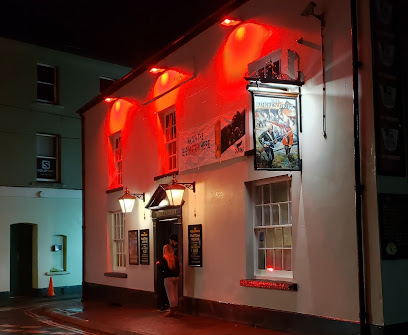
The Rorkes Drift
11.5 km
Historic Welsh pub in Brecon offering local ales, lively music, and a warm atmosphere inspired by the legendary Rorke’s Drift battle.
The Lounge Bar & Cafe
11.5 km
Brecon’s pioneering bar with a modern twist, offering signature cocktails, live music, and a welcoming atmosphere in the town centre.
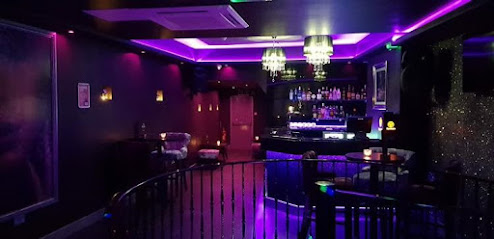
The Three Horseshoes Inn
11.8 km
A cosy Welsh village pub blending traditional charm with refined British cuisine and a warm, welcoming atmosphere.
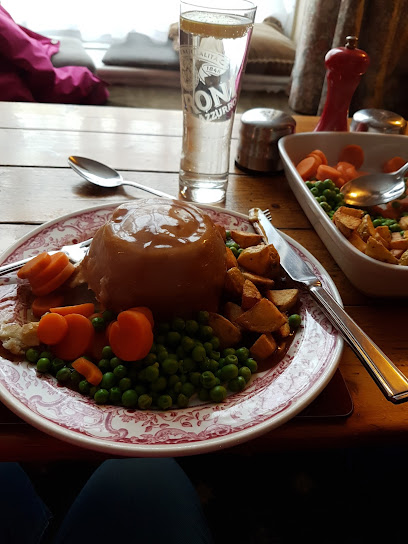
Drovers Arms
12.1 km
A welcoming Welsh village pub blending historic charm with hearty fare and friendly hospitality in the heart of Llanfaes, Brecon.
The Beaufort
13.2 km
A cozy village pub in Gilwern offering hearty food, friendly locals, and comfortable rooms near the Brecon Beacons.
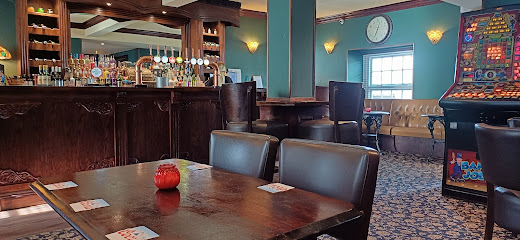
Jolly Colliers
13.3 km
A cozy, friendly pub in Llanelly Hill offering hearty British fare and rustic tapas in a charming countryside setting.
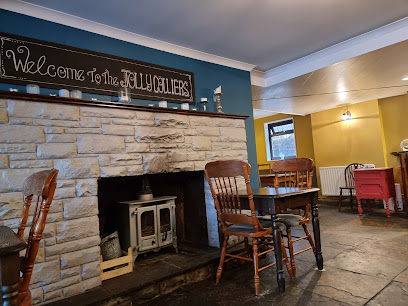
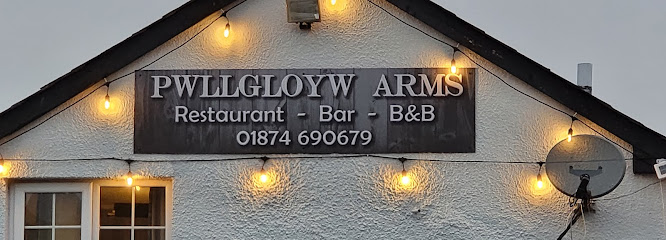
The Pwllgloyw Arms
15.5 km
A cozy mountain pub in Powys offering hearty Welsh fare, local ales, and a warm, welcoming atmosphere year-round.
Nightclubs & after hour spots

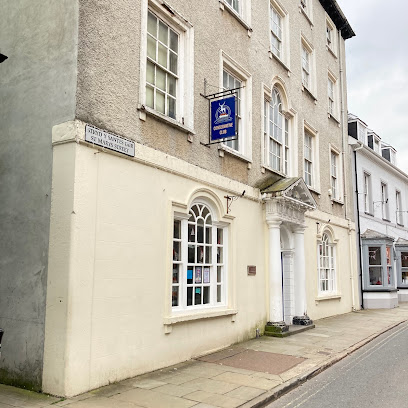
Northcote Conservative Club
11.4 km
Discover the lively ambiance of Northcote Conservative Club, Brecon's premier destination for nightlife, music, and local culture.
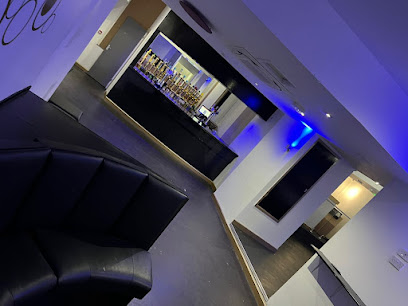
Pure Bar & Nightclub Ltd
19.2 km
A lively nightclub and cocktail bar in Merthyr Tydfil offering vibrant music, crafted drinks, and late-night entertainment in South Wales.
The Kirkhouse Nightclub (Koolers)
19.4 km
Experience the vibrant and friendly nightlife of Merthyr Tydfil at The Kirkhouse Nightclub, known locally as Koolers.
Jac’s Mansion
29.9 km
Experience welcoming, vibrant LGBTQ+ nightlife at Jac’s Mansion, Builth Wells’ iconic gay nightclub with a lively, inclusive atmosphere.
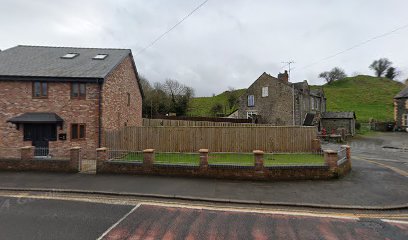
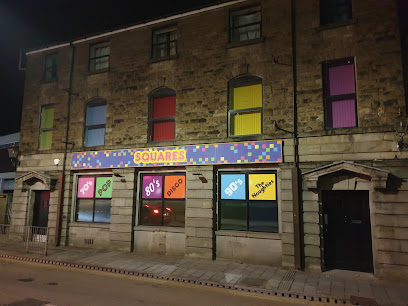
Squares Night club
33.8 km
Experience Porth’s vibrant nightlife at Squares Nightclub, where music, dance, and unforgettable evenings come alive every weekend.
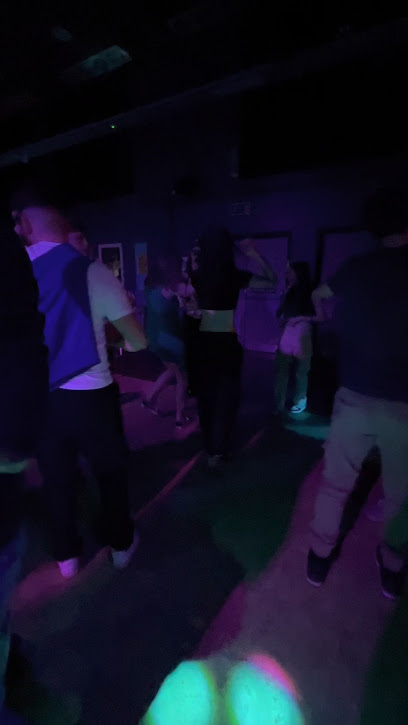
Eclipse Nightclub
35.0 km
Experience Pontypridd’s vibrant midweek nightlife at Eclipse Nightclub, where music, dancing, and community come alive every Wednesday night.
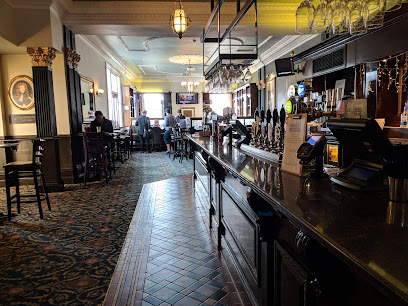
The Kings Head Hotel - JD Wetherspoon
37.5 km
Historic 17th-century coaching inn in Monmouth’s center, blending traditional charm with modern comfort and an on-site Wetherspoon pub.
Punch House
37.5 km
Historic coaching inn and lively pub in Monmouth’s heart, offering real ales, hearty Welsh fare, dog-friendly stays, and a warm, welcoming atmosphere.
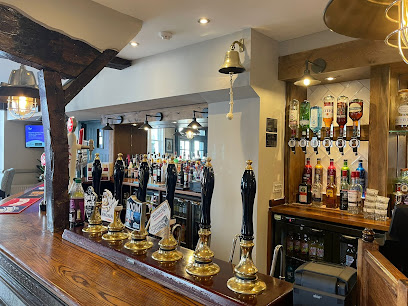
The Club, Monmouth
37.7 km
Discover the heart of Monmouth's pub culture at The Club, where great food, drinks, and sports come together for an unforgettable experience.
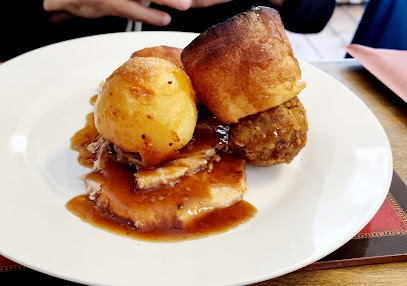
Mojos
38.3 km
Discover the vibrant nightlife of Newport at Mojos, the go-to cocktail bar for creative drinks and nightly karaoke excitement.
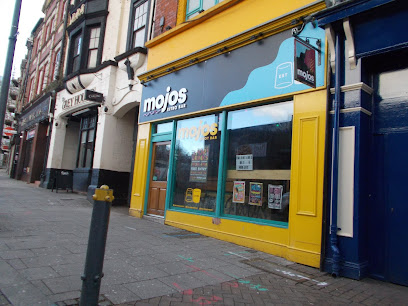
Vibez
38.4 km
Experience Newport’s vibrant nightlife at Vibez Superclub, where pounding bass and late-night energy create unforgettable weekend parties.

Hush Newport
38.5 km
Experience the vibrant Saturday nightlife at Hush Newport, Baneswell’s hotspot for music, dancing, and late-night fun in the heart of Newport.
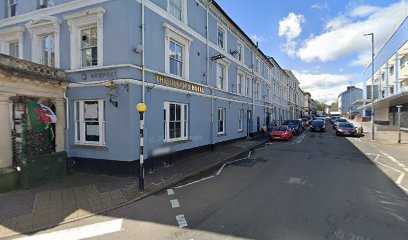
The Top Club
38.5 km
Experience Blaengarw’s vibrant nightlife at The Top Club, where electrifying entertainment meets community spirit in the heart of South Wales.
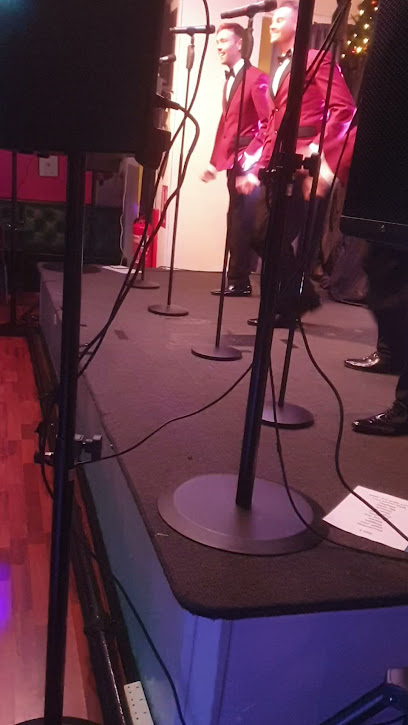
Stow Hill Rooms
38.6 km
A stylish Art Deco nightclub and function venue in the heart of Newport, blending vibrant nightlife with versatile event spaces.
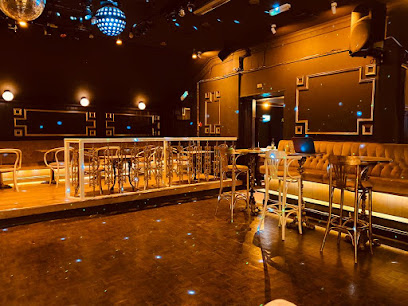
Trilogy Hereford
40.5 km
Experience Hereford’s vibrant nightlife at Trilogy, a dynamic nightclub pulsing with music and energy until the early morning hours.
For the vibe & atmosphere seeker
- Tranquil
- Scenic
- Unique
- Casual
For the design and aesthetic lover
- Rustic Designs
For the architecture buff
- Historic
- Landmarks
For the view chaser and sunset hunter
- Iconic Views
- Panoramas
For the social media creator & influencer
- Instagrammable
- Photo Spots
For the eco-conscious traveler
- Eco-Friendly
- Public-Transport Accessible
- Leave-No-Trace Critical
For the kind of experience you’re after
- Cultural Heritage
- Photowalk
- Nature Escape
- Day Trip
- Weekend Getaway
For how adventurous you want the journey to be
- Easy Access
Location Audience
- Family Friendly
- Senior Friendly
- Child Friendly
- Teen Friendly
- Solo Friendly
- Couple Friendly
- Vegetarian Friendly
- Vegan Friendly


