Tintern Abbey: Majestic Ruins in the Wye Valley
Explore the breathtaking ruins of Tintern Abbey, a Gothic masterpiece nestled in Wales’ scenic Wye Valley, blending history, art, and nature.
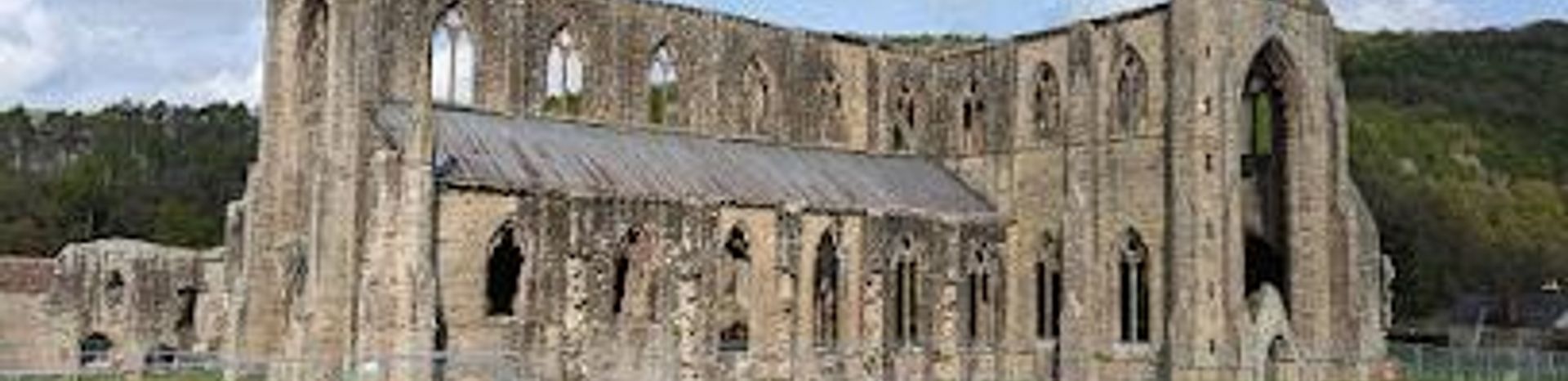
Tintern Abbey, located in the lush Wye Valley of Wales, is one of Britain's most iconic medieval ruins. Founded in 1131 as a Cistercian monastery, its soaring Gothic arches and weathered sandstone walls evoke centuries of history and artistic inspiration. Managed by Cadw, the abbey offers visitors a tranquil yet grand experience, with ongoing conservation preserving its striking roofless structure and scenic riverside setting.
A brief summary to Tintern Abbey
- Tintern Abbey, Tintern, NP16 6SE, GB
- Click to display
- Click to display
- Duration: 1 to 2 hours
- Mid ranged
-
 Outdoor
- Mobile reception: 4 out of 5
- Monday 10 am-4 pm
- Tuesday 10 am-4 pm
- Wednesday 10 am-4 pm
- Thursday 10 am-4 pm
- Friday 10 am-4 pm
- Saturday 10 am-4 pm
- Sunday 10 am-4 pm

Know before you go
Hi, I'm Eve. Here are a few practical things to know before exploring Tintern Abbey.
- Visit on weekday mornings to enjoy fewer crowds and a more peaceful exploration of the abbey ruins.
- Book tickets online in advance to save 5% and guarantee entry, especially during peak seasons.
- Combine your visit with a walk along the nearby River Wye or a stop at a local pub for a full day experience.
- Check for any ongoing conservation work that may restrict access to parts of the abbey before your visit.
- Explore the Colclough Walled Garden nearby to see beautifully restored historic gardens linked to the abbey estate.
Do you manage this location?
Take control to get all the benefits, like improved information, better appearance, and stronger visibility across AI-powered discovery. Learn more
Activate your presence
Getting There
-
Car
Driving from Cardiff, the journey to Tintern Abbey takes approximately 1 hour via the M4 and A466. Parking is available on-site with a pay-and-display system, and parking fees can be redeemed against admission. Note that parking spaces may be limited during peak times.
-
Train and Bus
Take a train to Chepstow from Cardiff or Bristol, which takes about 40-60 minutes. From Chepstow, local bus services run to Tintern village in approximately 20 minutes. Bus frequency varies, so check schedules in advance. The route involves some walking on uneven terrain to reach the abbey.
-
Walking
For active visitors, a scenic 2-hour walk from Chepstow along the Wye Valley Walk offers a rewarding approach to the abbey. The path includes some uneven sections and moderate inclines, suitable for experienced walkers with appropriate footwear.
For the on-the-go comforts that matter to you
-
 Restrooms
-
 Drink Options
-
 Food Options
-
 Seating Areas
-
 Trash Bins
-
 Information Boards
-
 Visitor Center
Discover more about Tintern Abbey
Origins and Historical Significance
Tintern Abbey was founded in 1131 by Cistercian monks, establishing itself as a spiritual center in Monmouthshire on the Welsh bank of the River Wye. Constructed from locally quarried Old Red Sandstone, the abbey’s Gothic church stretches 228 feet in length, featuring a cruciform layout and magnificent soaring arches. It became one of the most important monastic sites in Wales until the Dissolution of the Monasteries in 1536, when it was stripped of its roof and left to decay. The abbey’s ruins today reflect both medieval religious devotion and the turbulent history of the Reformation.Architectural Grandeur and Artistic Legacy
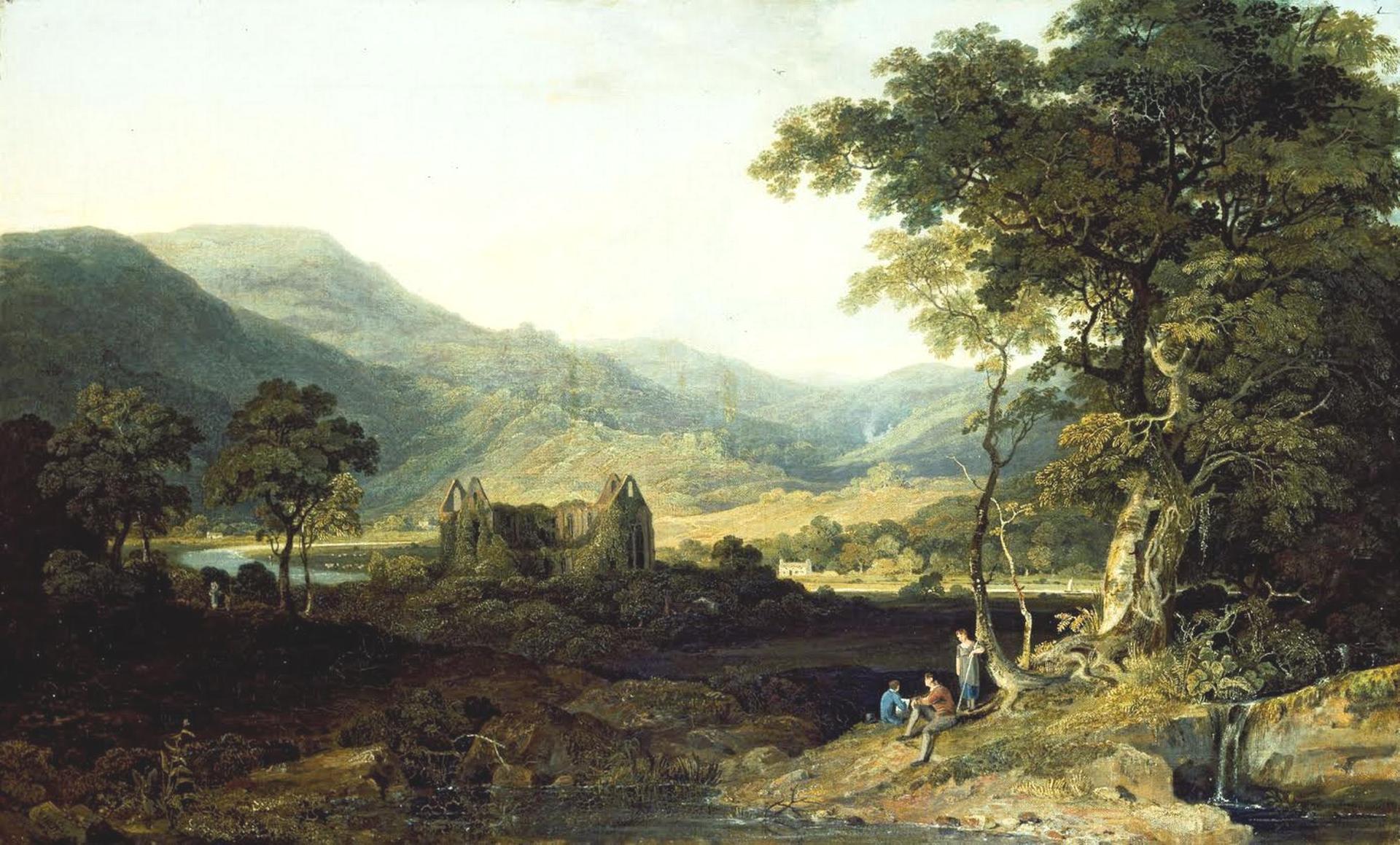
Despite its ruinous state, Tintern Abbey remains one of the best-preserved medieval abbeys in Wales. The vast nave, the intricate west front with its seven-light window, and the delicate tracery of the surviving stonework showcase early Gothic architectural mastery. Its evocative ruins have inspired generations of artists and poets, most famously William Wordsworth, whose 1798 poem "Lines Composed a Few Miles Above Tintern Abbey" meditates on memory, nature, and spiritual renewal. The abbey’s romantic setting on the River Wye has made it a symbol of sublime beauty and historical reflection.Conservation and Visitor Experience
Today, Tintern Abbey is managed by Cadw, the Welsh Historic Environment Service, which continues extensive conservation efforts to preserve the fragile sandstone and structural remains. Visitors can explore the open-air ruins, absorbing the tranquil atmosphere and scenic views of the Wye Valley. Some areas are temporarily restricted due to ongoing repairs, but information boards and occasional guided tours help bring the site’s rich history to life. The abbey also hosts special events such as torchlit processions and carol services, enhancing its cultural significance.The Abbey in Its Landscape and Community
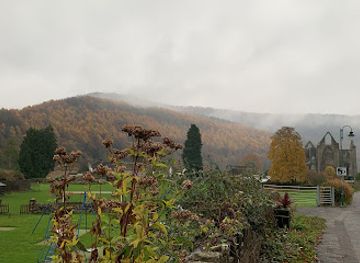
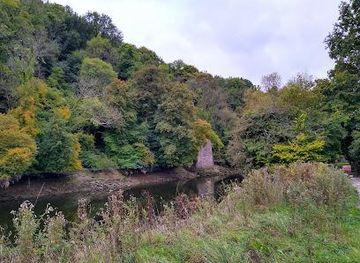
Set amidst the lush greenery of the Wye Valley, Tintern Abbey’s location adds to its allure. The surrounding village developed alongside the abbey, with amenities including historic inns and walking trails along the river. The abbey’s setting invites visitors to combine history with nature, enjoying riverside strolls and panoramic views. Nearby attractions such as the Colclough Walled Garden complement the visit, offering insight into the post-monastic history of the estate.Practical Information and Accessibility
Open seasonally from March to November, Tintern Abbey welcomes visitors daily with varying hours depending on the time of year. Admission fees apply, with discounts for seniors, students, families, and Cadw members. Facilities include parking, restrooms, a gift shop, and disabled access. The site’s peaceful ambience and educational resources make it suitable for families, history enthusiasts, and those seeking a contemplative experience in a stunning historic setting.Legacy and Continuing Inspiration
Tintern Abbey remains a powerful symbol of medieval heritage, artistic inspiration, and natural beauty. Its evocative ruins continue to captivate visitors, offering a window into the spiritual and cultural life of medieval Wales. Through ongoing preservation and community engagement, the abbey stands as a testament to the enduring allure of history and landscape intertwined.Explore the best of what Tintern Abbey has to offer













More about Monmouthshire
Discover the charm of Monmouthshire, a picturesque county in Wales known for its stunning landscapes, historic sites, and vibrant food scene.
Tell me more about Monmouthshire