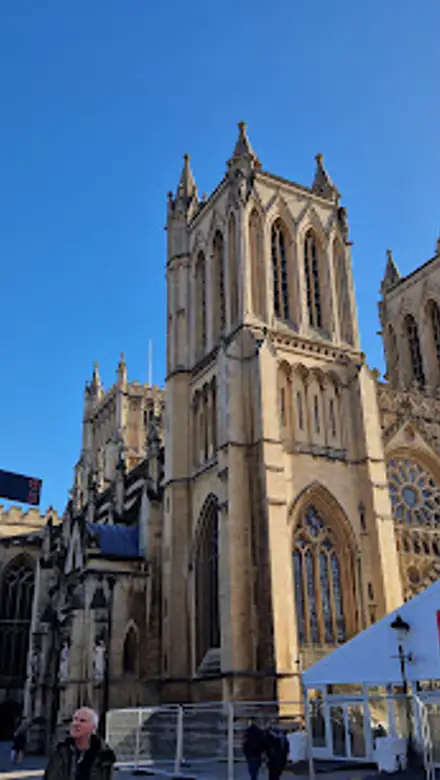
Bristol Cathedral, Bristol Travel Guide
Free Guide: Discover nearly 900 years of history, stunning Gothic architecture, and serene sanctuary at Bristol Cathedral in the heart of Bristol.


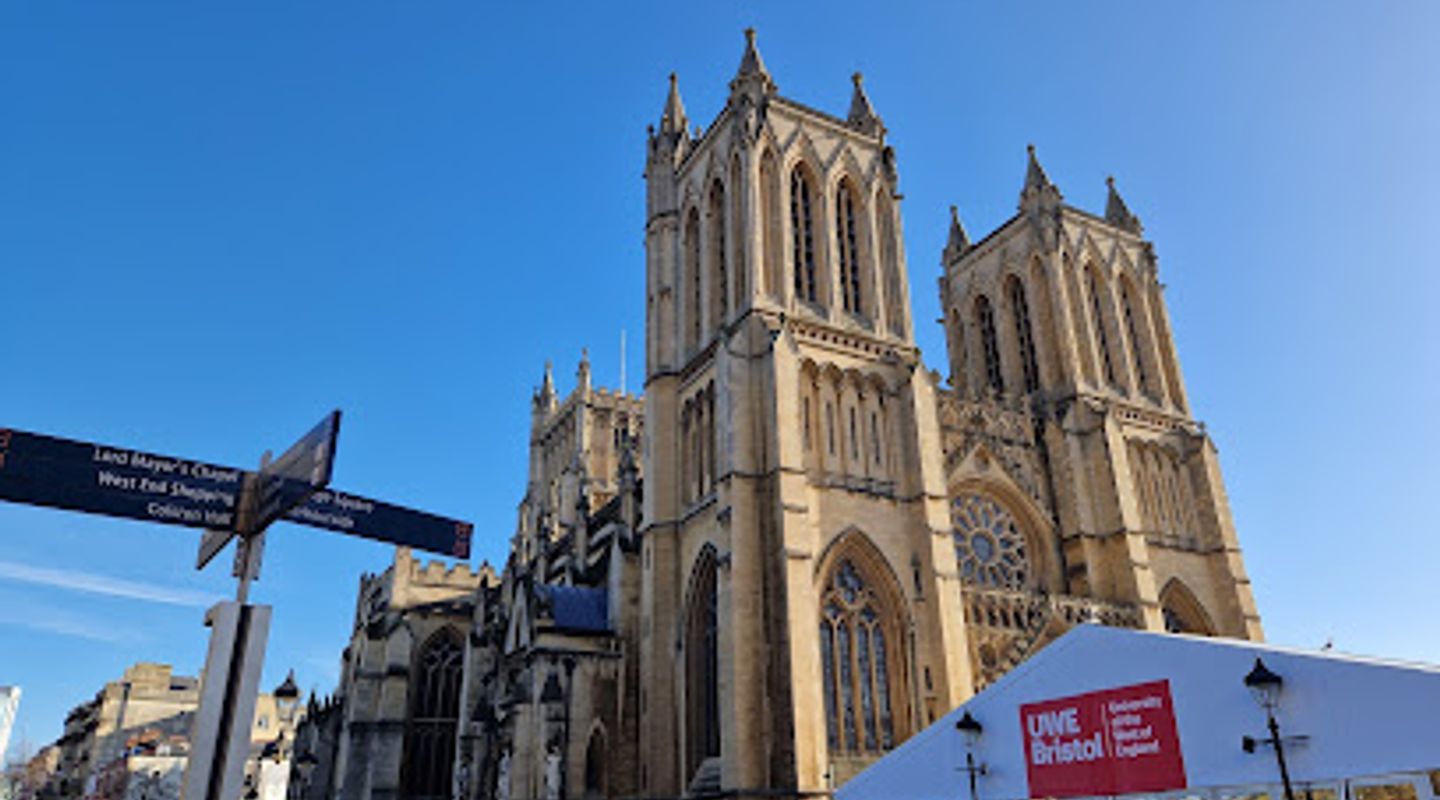
A brief summary of Bristol Cathedral
Discover nearly 900 years of history, stunning Gothic architecture, and serene sanctuary at Bristol Cathedral in the heart of Bristol.
Bristol Cathedral, founded as an Augustinian Abbey in 1140, is a stunning medieval cathedral renowned for its unique hall church design, exquisite Gothic and Romanesque architecture, and rich history. Located on College Green in central Bristol, it offers visitors a serene place of worship, captivating stained glass windows, historic chapels, and engaging guided tours, all with free admission and a welcoming atmosphere.
On-site amenities
 Restrooms
 Drink options
 Food options
 Seating areas
 Information boards
 Visitor centre
Opening hours
- Mon–Sat8 am–5 pm
- Sun8 am–3 pm
Opening hours as listed on the venue’s Google Business Profile. Hours can change for services and special events, so check with the venue before you go.
- Address
- College Green, Bristol BS1 5TJ
- Phone
- Website
Getting there
Public Transport
Walking
Car
Discover more about Bristol Cathedral
Origins and Architectural Evolution
Bristol Cathedral began life as an Augustinian Abbey founded in 1140 by Robert Fitzharding, a prominent local figure. Its early medieval roots are evident in surviving Romanesque elements such as the Chapter House and Abbey Gatehouse, which date back to the 12th century. The Elder Lady Chapel, added around 1220, features intricate carvings including playful beast motifs. The cathedral’s most celebrated architectural feature is its east end, praised by Nikolaus Pevsner as "superior to anything else built in England and indeed Europe at the same time." This area exemplifies the medieval 'hall church' style, where the nave, choir, and aisles share the same lofty height, creating a spacious, light-filled interior with extraordinary vaulted ceilings supported by delicate stone bridges and starburst recesses along the walls.
Gothic Revival and 20th-Century Enhancements
For centuries, the cathedral functioned without a nave until the 19th century when architect G.E. Street designed a Gothic Revival nave replacement, completed by J.L. Pearson. Pearson also added the striking French Rayonnant west front, featuring twin bell towers and richly detailed furnishings that harmonize with the medieval fabric. The 20th century brought further enhancements including one of the country’s finest organs and notable stained glass windows by Arnold Robinson from the 1940s and 50s. An abstract Trinity-themed window by Keith New, installed in 1965, adds a modern artistic touch to the sacred space.
Spiritual and Cultural Significance
Bristol Cathedral remains a vibrant place of worship and community. It hosts daily services such as Morning Prayer and Evensong, alongside a rich programme of live music and special events. The cathedral’s peaceful gardens and chapels offer visitors moments of reflection and sanctuary amid the bustling city. Its role as a cultural hub is enhanced by exhibitions, including one that explores Bristol’s historical ties to the abolition of slavery, providing important context and education.
Visitor Experience and Highlights
Visitors can explore the cathedral’s stunning architecture, including its vaulted ceilings, historic stained glass windows depicting themes from Bristol’s history and spirituality, and memorials to notable local figures. The 12th-century Chapter House is a rare surviving gem offering a glimpse into the abbey’s monastic past. Guided tours, available regularly and led by knowledgeable guides, reveal fascinating stories and architectural details, including the opportunity to climb the tower for panoramic views of Bristol. Admission is free, with donations encouraged to support upkeep.
Location and Accessibility
Situated on College Green in central Bristol, the cathedral is easily accessible by foot or public transport. It is open daily, generally from 8:00 AM to 5:00 PM on weekdays and Saturdays, with more limited visitor hours on Sundays due to services. Facilities include accessible entrances, peaceful gardens, and helpful staff providing historical insights. Some areas may be temporarily closed for development, but the main visitor experience remains rich and rewarding.
Preservation and Community Engagement
Bristol Cathedral is committed to preserving its heritage while serving as an inclusive community space. It embraces values of openness, generosity, creativity, and bravery, welcoming all visitors to experience its spiritual and historical richness. The cathedral’s ongoing conservation efforts ensure that this medieval masterpiece continues to inspire future generations.
Evendo Review Centre
 Google
Guest reviews
Best time to go
Quietest: Jan, Feb & Dec · before 7am
Busy times are Evendo estimates for a typical year, to help you plan. Actual crowds vary with events, school holidays and the weather.
Explore Bristol Cathedral on the map
A handpicked selection of must-see spots near Bristol Cathedral, mapped for you.
Get your free copy of our complete guide to Bristol Cathedral, delivered straight to you.
Everything on this page, from opening hours and how to get there to Eve’s tips and the best time to go, in one PDF you can read offline, print or share.
Already have an account? Sign in
Your Bristol Cathedral guide is ready.
We'll send it to · Not you? Sign out

Getting your guide ready…
We are putting together a fresh copy of the Bristol Cathedral guide. This can take up to a minute.
This can take a few moments. If your browser asks, choose Allow so the download can start. You'll find the guide in your Downloads folder.
Nothing happened? Download it again
Sorry, the guide is taking longer than usual. Please try again in a minute, or get it by email instead.
Unlock the best of Bristol Cathedral
Skip-the-line tickets, guided tours with entry, and walking tours of the area, booked in a few clicks.
 Tour with entry
Banksy, Blackbeard and Beyond: A Bristol Self Guided Walking Tour
from $8.54 Tour with entry
Guided Walking Tour of Bristol Old City and Harbour
from $27.04 Tour with entry
Guided Walking Tour Suspension Bridge Clifton Splendour & City.
from $150.74 Tour with entry
Bristol private walking tour with a local guide
from $175.86



Other nearby places you may find interesting
The closest places of the same kind, if this one is not quite what you had in mind.
-
St Peter's Church Haunting ruins of St Peter’s Church in Bristol’s Castle Park, a poignant memorial to the victims of the WWII Bristol Blitz.
-
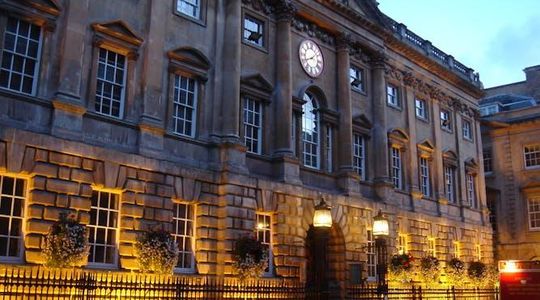
Old Post Office Discover Bristol’s 18th-century Old Post Office, a preserved Georgian landmark blending rich history with vibrant city life at Corn Street.
-
The Georgian House Museum Step back into 18th-century Bristol life at the Georgian House Museum, a beautifully restored townhouse revealing the era’s elegance and social contrasts.
-
Old City Walls Explore the medieval heart of Bristol through the historic Old City Walls and the iconic St John’s Gate, where centuries of history come alive.
-
Cabot Tower Historic Cabot Tower atop Bristol’s oldest park offers panoramic city views and a serene nature escape in the heart of Brandon Hill.
Swipe for more places
More to explore near Bristol Cathedral

 Best experiences near Bristol Cathedral
 Best hotels near Bristol Cathedral
 Best landmarks near Bristol Cathedral
 Best attractions near Bristol Cathedral
 Best shops near Bristol Cathedral
 Best restaurants near Bristol Cathedral
 Best bars near Bristol Cathedral
Do you manage this location?
Take control to get all the benefits, like improved information, better appearance, and stronger visibility across AI-powered discovery.
Explore more
Explore more of Bristol
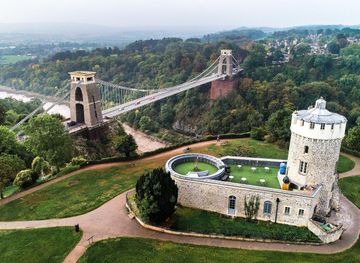
Discover Bristol: A dynamic city where historical grandeur meets modern innovation, offering a rich tapestry of culture, art, and maritime heritage.
Explore Bristol
Explore more of United Kingdom
Discover the United Kingdom: A blend of rich history, stunning landscapes, and vibrant cities, offering a unique travel experience for every visitor.
Explore United Kingdom