Narrow Quay: Historic Heart of Bristol’s Floating Harbour
Historic Narrow Quay in Bristol blends maritime heritage with vibrant arts and waterside charm in the heart of the Floating Harbour.
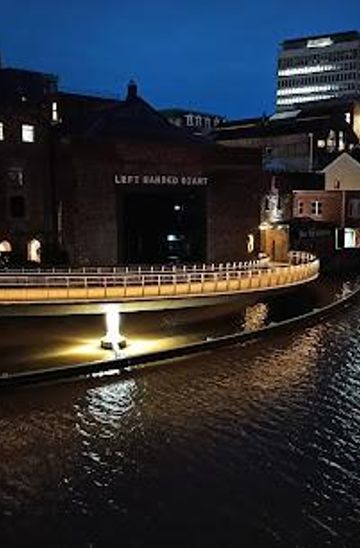
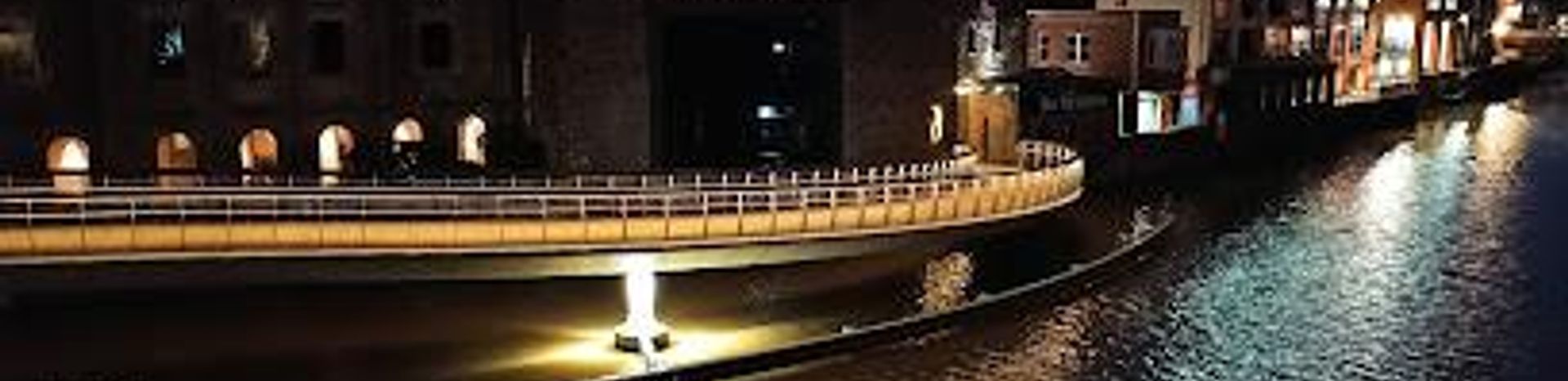
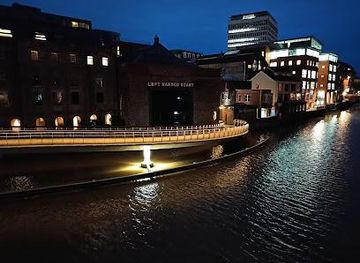
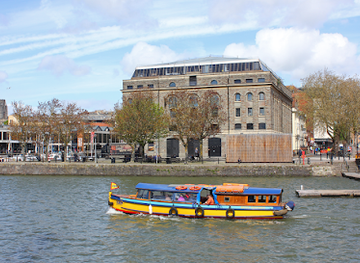
Narrow Quay is a vibrant waterfront stretch in the centre of Bristol, England, lying along the Floating Harbour. Known historically as The Wood Key, it has evolved from a bustling port area into a lively cultural and social hub. It hosts iconic arts venues like the Arnolfini gallery and offers scenic views of historic docks, blending Bristol’s maritime heritage with contemporary urban life.
A brief summary to Narrow Quay
- Bristol, GB
- Duration: 1 to 3 hours
- Free
-
 Outdoor
- Mobile reception: 4 out of 5

Know before you go
Hi, I'm Eve. Here are a few practical things to know before exploring Narrow Quay.
- Visit the Arnolfini gallery at 16 Narrow Quay for cutting-edge contemporary art exhibitions and performances.
- Enjoy scenic views along the quay and relax under the mature London plane trees lining the waterfront.
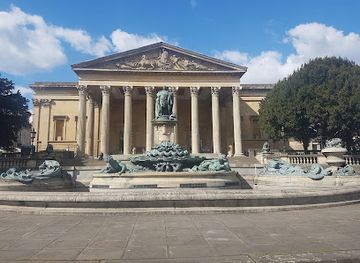
- Explore nearby Harbourside attractions including M Shed museum and the historic docks.
- Use public transport or cycle to reach Narrow Quay easily; bike racks and bus stops are conveniently located.
Do you manage this location?
Take control to get all the benefits, like improved information, better appearance, and stronger visibility across AI-powered discovery. Learn more
Activate your presenceOther nearby places you may find interesting
Getting There
-
Train
From Bristol Temple Meads station, a 15-20 minute walk along well-marked pedestrian routes leads to Narrow Quay. The terrain is flat and accessible, suitable for most travelers.
-
Bus
Multiple city centre bus routes stop near Broad Quay and Queen Square, both about a 5-minute walk from Narrow Quay. Tickets cost approximately £2-£4 depending on the service.
-
Car
Visitors can park at nearby Prince Street NCP car park (postcode BS1 4RB), a short walk from Narrow Quay. Parking fees range from £2 to £5 per hour. Note that city centre traffic can be busy during peak times.
-
Bicycle
Cycle lanes and bike racks are available near Narrow Quay, including dedicated stands on Prince Street. Bike hire and e-scooters can be rented from various city locations.
For the on-the-go comforts that matter to you
-
 Restrooms
-
 Drink Options
-
 Food Options
-
 Seating Areas
-
 Information Boards
Discover more about Narrow Quay
A Waterfront Steeped in Maritime Legacy
Narrow Quay, once known as The Wood Key, is a historically significant quay along Bristol’s Floating Harbour. The harbour itself was engineered in the early 19th century to maintain a constant water level by damming the tidal River Avon, transforming the area into a bustling port that supported Bristol’s maritime trade. This quay played a vital role in the city’s development as a major port, facilitating trade routes that extended to North America and beyond. The surrounding docks and warehouses were integral to Bristol’s commercial prosperity, with many buildings dating back to the 18th and 19th centuries reflecting the city’s industrial heritage.From Industrial Hub to Cultural Beacon
Over time, as commercial shipping moved to more accessible locations, Narrow Quay and the Floating Harbour underwent a transformation. The docks, once dominated by cargo ships and shipbuilding, have been repurposed into spaces for arts, culture, and leisure. A key landmark here is the Arnolfini, a renowned contemporary arts centre housed in a Grade II listed former warehouse at 16 Narrow Quay. This venue hosts exhibitions, performances, and community events, making Narrow Quay a focal point for Bristol’s creative scene. The quay’s atmosphere combines the echoes of its industrial past with the vibrant energy of modern urban life.Architectural and Environmental Character
Narrow Quay’s architecture showcases a blend of historic dockside warehouses and modern refurbishments. The quay runs along the left bank of St Augustine’s Reach, part of the Floating Harbour, offering picturesque views of moored boats and the water. Mature London plane trees line parts of the quay, adding greenery to the urban waterfront. The area is pedestrian-friendly, with seating and open spaces encouraging visitors to linger and enjoy the harbour’s tranquil yet lively ambience.Connecting Bristol’s Urban Fabric
Strategically located near Bristol’s city centre, Narrow Quay links key urban zones including the Harbourside, Prince Street, and Broad Quay. It is within walking distance of Bristol Temple Meads railway station and major shopping areas like Cabot Circus. The quay serves as a social and cultural artery, with nearby cafés, bars, and creative spaces contributing to its dynamic character. Public transport options and cycle routes enhance accessibility, making it a popular destination for locals and visitors alike.Echoes of Bristol’s Complex History
While Narrow Quay celebrates Bristol’s maritime achievements, it also stands as a reminder of the city’s involvement in the transatlantic slave trade. The harbour was a departure point for ships engaged in this dark chapter of history, a legacy that is increasingly acknowledged and explored through public art and historical interpretation in the area. This duality adds depth to the visitor experience, inviting reflection alongside enjoyment.A Living Waterfront for Today and Tomorrow
Today, Narrow Quay remains a vibrant part of Bristol’s urban landscape, balancing heritage conservation with contemporary use. Its waterside location offers a scenic setting for events, festivals, and everyday leisure. The quay’s ongoing regeneration ensures it continues to evolve as a welcoming space where history, culture, and community converge.Explore the best of what Narrow Quay has to offer















More about Bath
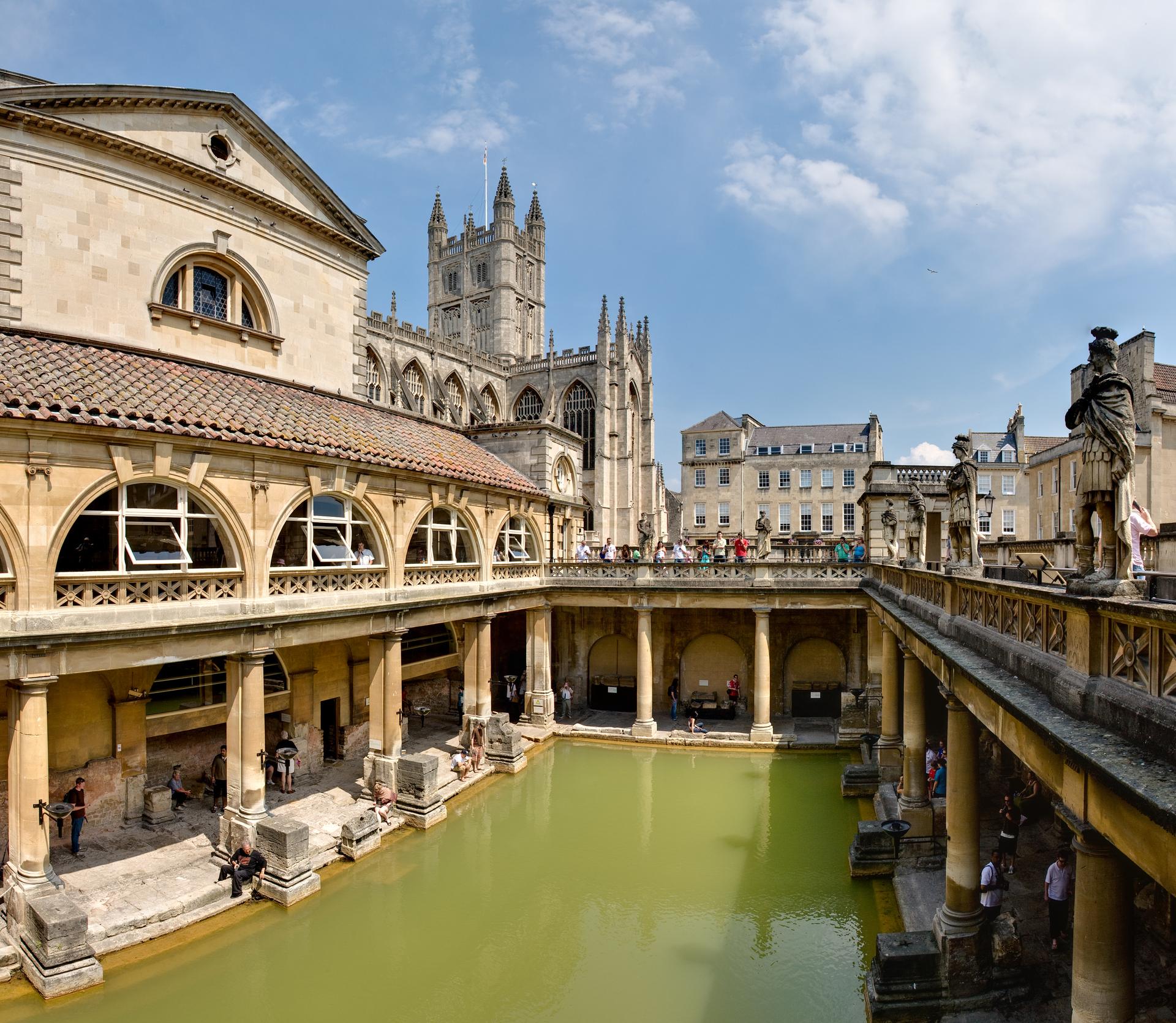
Discover Bath: A harmonious blend of Roman history, Georgian elegance, and natural beauty in the heart of England's countryside.
Tell me more about Bath
Historic charm meets hearty fare and local brews in Bristol’s cozy Christmas Steps pub, a beloved spot in the city’s vibrant arts quarter.
Historic Narrow Quay in Bristol’s Floating Harbour blends centuries of maritime heritage with vibrant modern culture along a scenic waterfront.