The Nails, Bristol Travel Guide
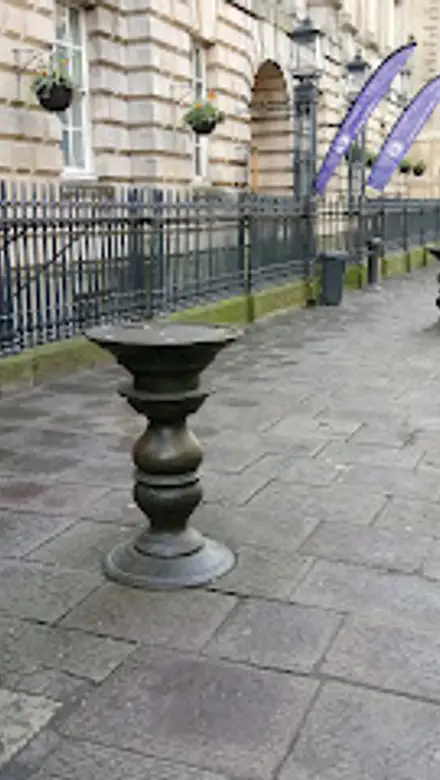
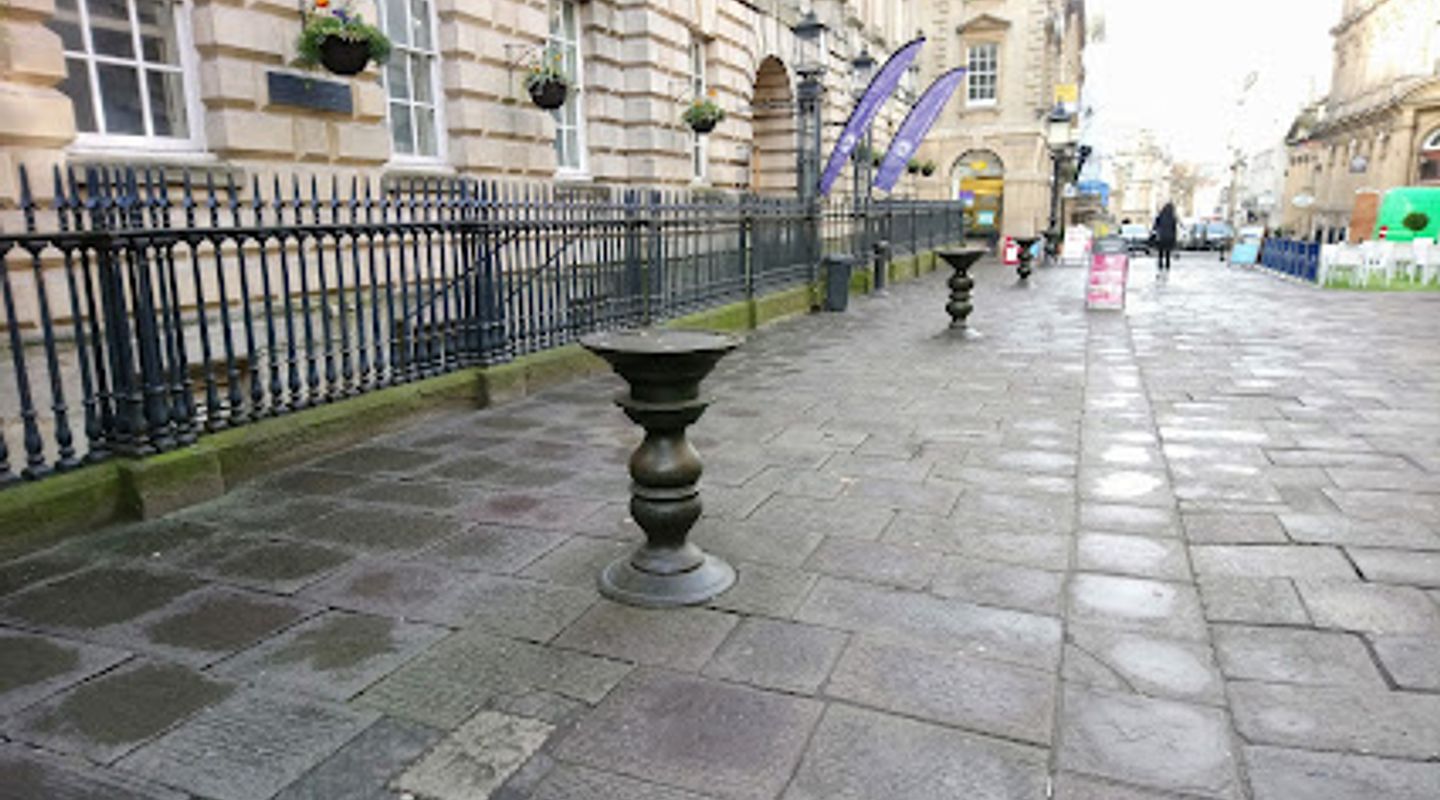
Historic iron nails in Bristol’s Corn Street where medieval merchants sealed their deals, embodying the city’s rich trading heritage.
Located at 55 Corn Street in Bristol, The Nails is a historic landmark famed for its role in medieval trade. This distinctive stone block features four large iron nails embedded in its surface, once used by merchants to seal deals and agreements. A symbol of Bristol’s rich mercantile past, The Nails stands as a unique reminder of the city’s commercial heritage and traditions.
A brief summary to The Nails
- 55 Corn St, Bristol, BS1 1JG, GB
- Duration: 0.25 to 1 hours
- Free
-
 Outdoor
- Mobile reception: 4 out of 5

Know before you go
Hi, I'm Eve. Here are a few practical things to know before exploring The Nails.
- Take time to read the nearby information boards to fully appreciate the historical context of The Nails.
- Visit during quieter hours in the morning to enjoy the landmark without crowds.
- Combine your visit with a walk around Bristol’s historic Corn Street to explore surrounding architecture.
Do you manage this location?
Take control to get all the benefits, like improved information, better appearance, and stronger visibility across AI-powered discovery. Learn more about listing your business on Evendo
Activate your presenceOther nearby places you may find interesting
The closest places of the same kind, if this one is not quite what you had in mind.

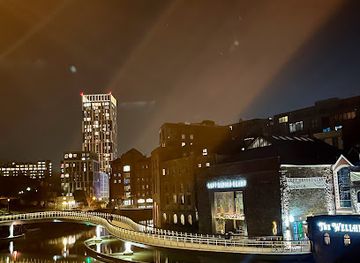

Explore The Nails on the Map
A handpicked selection of must-see spots near The Nails, mapped for you.
Unlock the Best of The Nails
Buy tickets
-
No tickets available
Book tours with entry
-
No tours available
Book tours without entry

Getting There
-
Bus
Take bus routes 8 or 9 toward Bristol city center; journey times range from 20 to 30 minutes from Bristol Temple Meads station. Buses stop near Corn Street, with frequent service every 10–15 minutes. Tickets cost approximately £2.50–£3.50.
-
Train and Walk
From Bristol Temple Meads railway station, a 15-minute walk through the city center leads to The Nails on Corn Street. The route is mostly flat and accessible, passing several historic sites. Train fares vary depending on origin.
-
Taxi
Local taxis provide direct access to 55 Corn Street with travel times of 10–15 minutes from central Bristol locations. Fares typically range from £7 to £12 depending on traffic.
For the on-the-go comforts that matter to you
-
 Information Boards
-
 Seating Areas
-
 Trash Bins
Discover more about The Nails
Origins of The Nails and Their Role in Trade
The Nails are a set of four large iron nails embedded in a stone block situated in the heart of Bristol's historic Corn Street. Dating back to medieval times, these nails served a practical purpose in the bustling marketplace, where merchants would seal their deals by physically driving a nail into the stone. This act symbolized the binding agreement between parties, ensuring trust and commitment in commercial transactions.Symbolism and Cultural Significance
Beyond their functional use, The Nails became a powerful emblem of Bristol’s mercantile identity. The phrase "paying on the nail" is believed to have originated from this practice, illustrating the immediacy and certainty of payment or agreement. Over centuries, The Nails have come to represent the city’s vibrant trading history and its role as a key port and commercial hub in England.Architectural and Urban Context
Situated on Corn Street, one of Bristol’s oldest thoroughfares, The Nails are surrounded by historic buildings that reflect the city’s evolution from a medieval port to a modern urban center. The stone block itself is modest but striking, with the iron nails prominently displayed, inviting visitors to reflect on the tangible connections between past and present commerce.Visitor Experience and Interpretation
Visitors to The Nails can appreciate not only the physical artifact but also the stories it embodies. The site offers an evocative glimpse into the rituals of trade and negotiation that shaped Bristol’s economy. Nearby information boards provide historical context, enriching the experience and deepening understanding of the landmark’s importance.Preservation and Contemporary Relevance
Maintained as a protected historical landmark, The Nails continue to be a point of interest for tourists and locals alike. They serve as a reminder of the enduring principles of trust and agreement in business, resonating even in today’s commercial practices. The landmark’s preservation underscores Bristol’s commitment to honoring its rich heritage while engaging with modern urban life.Legacy and Local Lore
Local anecdotes and legends often circulate around The Nails, adding a layer of intrigue to the site. Tales of deals struck and fortunes made contribute to the landmark’s mystique, making it a cherished part of Bristol’s cultural tapestry. The Nails invite reflection on the human stories behind economic history and the enduring power of symbols in community identity.












Your all‑in‑one travel companion app
Explore expert travel guides, compare and book tours, experiences, hotels, and more—all from the palm of your hand. Download now for seamless trip planning wherever your wanderlust takes you.


Explore More of Bristol

Looking beyond The Nails? Discover Bristol for broader travel guides, local hot-spots, and regional highlights.
Explore Bristol
Explore the evocative ruins of Bristol’s 12th-century Temple Church, a landmark steeped in Knights Templar history and medieval mystery.

Discover Bristol’s 18th-century Old Post Office, a preserved Georgian landmark blending rich history with vibrant city life at Corn Street.