Old Post Office, Bristol Travel Guide
Discover Bristol’s 18th-century Old Post Office, a preserved Georgian landmark blending rich history with vibrant city life at Corn Street.
The Old Post Office at 48 Corn Street, Bristol, is a historic 18th-century building originally constructed in 1746. This landmark blends rich heritage with its role as a vibrant community space in the heart of Bristol’s city centre, offering visitors a glimpse into the city's postal history and Georgian architecture.
A brief summary to Old Post Office
- 48 Corn St, Bristol, BS1 1HQ, GB
- Duration: 0.5 to 1.5 hours
- Free
-
 Outdoor
- Mobile reception: 4 out of 5

Know before you go
Hi, I'm Eve. Here are a few practical things to know before exploring Old Post Office.
- Visit during daylight hours to fully appreciate the building’s Georgian architectural details.
- Combine your visit with a walk around Corn Street to explore other historic sites nearby.
- Bring a camera for excellent photo opportunities of the classic stone façade and surrounding streetscape.
- Check local heritage tours that may include the Old Post Office for deeper historical context.
Do you manage this location?
Take control to get all the benefits, like improved information, better appearance, and stronger visibility across AI-powered discovery. Learn more about listing your business on Evendo
Activate your presenceOther nearby places you may find interesting
The closest places of the same kind, if this one is not quite what you had in mind.


Explore Old Post Office on the Map
A handpicked selection of must-see spots near Old Post Office, mapped for you.
Getting There
-
Bus
Take the number 8 or 9 bus from Bristol city centre, which runs frequently every 10–15 minutes. The journey takes approximately 10–15 minutes to reach the Corn Street area. Tickets cost around £2.50–£3.00 GBP one way. Note that buses stop within a short walking distance of the Old Post Office.
-
Train
From Bristol Temple Meads station, take a 15-minute taxi or rideshare to Corn Street. Train services connect to Bristol Temple Meads from across the UK. Taxi fares typically range from £7 to £12 GBP depending on traffic.
-
Walking
If staying in Bristol city centre, the Old Post Office is reachable on foot within 15–20 minutes via mostly flat urban streets. The route is accessible and suitable for most travelers.
For the on-the-go comforts that matter to you
-
 Information Boards
-
 Seating Areas
-
 Trash Bins
Discover more about Old Post Office
An Architectural Gem from the Georgian Era
The Old Post Office stands prominently at 48 Corn Street, Bristol, as a fine example of mid-18th century Georgian architecture. Built in 1746 by Samuel Glascodine, the building features classic period details including symmetrical façades, sash windows, and a balanced, elegant design typical of the era. Its stone construction and historic character make it a notable fixture in Bristol’s cityscape, reflecting the architectural tastes and urban development of the time.Historical Significance and Postal Heritage
Originally serving as a key postal facility, the Old Post Office played an important role in Bristol’s communication network during the 18th and 19th centuries. It was a hub for mail and parcels, connecting Bristol to the wider country and supporting its growth as a commercial city. The building’s enduring presence offers insight into the evolution of postal services and civic infrastructure in historic England.Location and Urban Context
Situated on Corn Street, one of Bristol’s oldest thoroughfares, the Old Post Office enjoys a central urban location surrounded by a mix of historic and modern buildings. Corn Street itself is a vibrant area known for its shops, eateries, and cultural sites, making the Old Post Office a key landmark within a lively city quarter. Its proximity to other historic sites enriches the visitor experience, offering a layered sense of Bristol’s past and present.Preservation and Visitor Experience
Though no longer functioning as a postal facility, the Old Post Office is preserved as a historical landmark and tourist attraction. Visitors can admire its exterior architecture and appreciate its contribution to Bristol’s heritage. The building’s maintained condition and central location make it accessible for those interested in history, architecture, and urban heritage, providing a quiet moment of reflection amid the bustle of the city.Community and Cultural Role
Beyond its historical importance, the Old Post Office contributes to Bristol’s cultural fabric. It stands as a symbol of the city’s rich past while fostering community identity. The building’s presence on Corn Street supports local tourism and education, inviting people to explore Bristol’s evolution from a Georgian postal hub to a modern city.Architectural Details and Surroundings
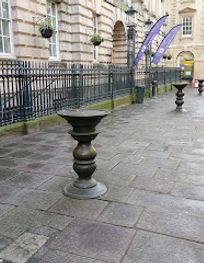
The Old Post Office’s façade features traditional stone masonry, with carefully proportioned windows and doorways that highlight its Georgian origins. The surrounding streetscape complements the building’s historic charm, blending cobbled pavements and period street furniture. This setting enhances the atmosphere, making it a picturesque stop for photography and heritage walks.












Your all‑in‑one travel companion app
Explore expert travel guides, compare and book tours, experiences, hotels, and more—all from the palm of your hand. Download now for seamless trip planning wherever your wanderlust takes you.


Explore More of Bristol
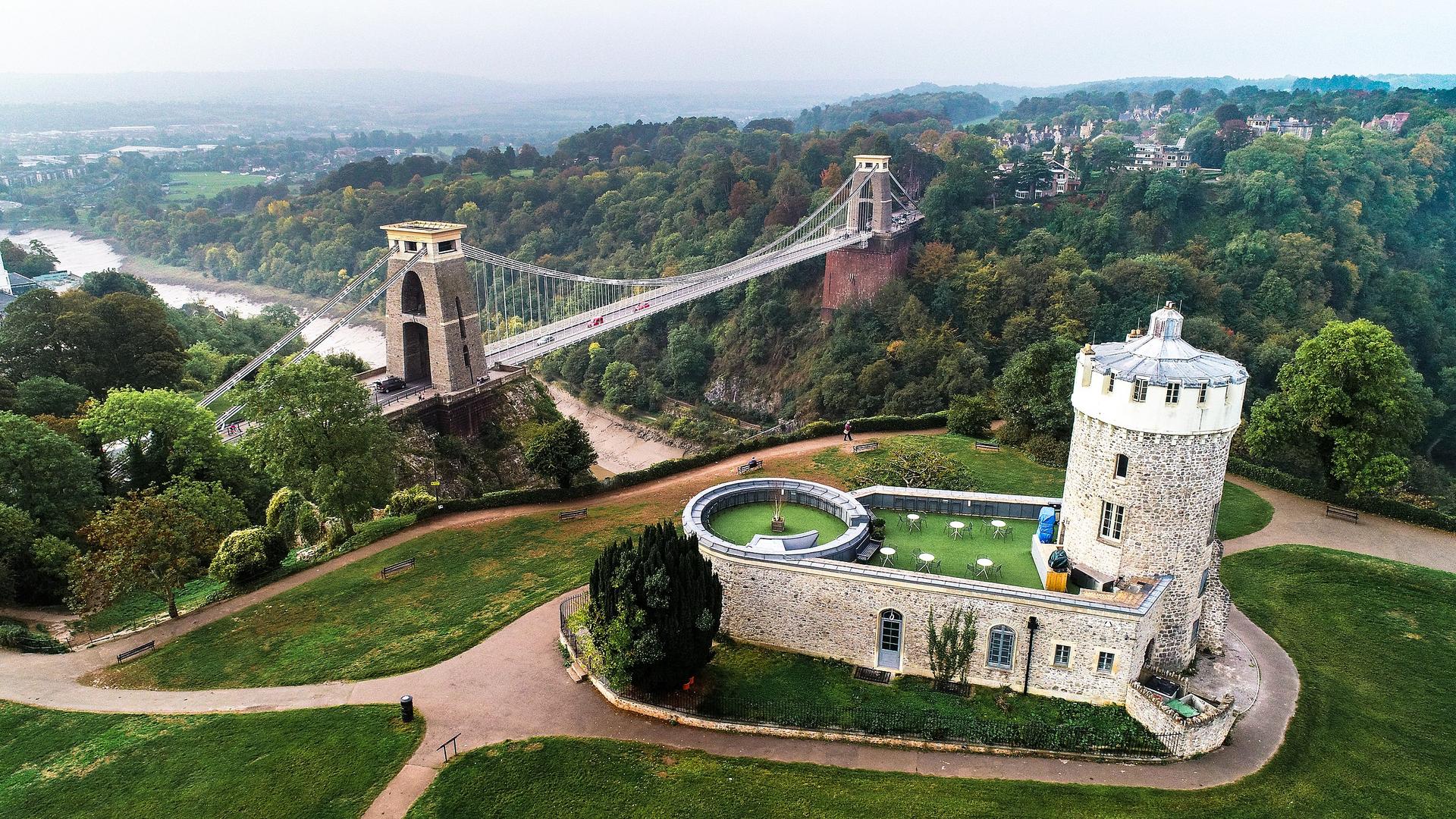
Looking beyond Old Post Office? Discover Bristol for broader travel guides, local hot-spots, and regional highlights.
Explore Bristol