Quainton Windmill Travel Guide
Free Guide: Historic 19th-century tower windmill in Quainton, beautifully restored and still producing flour in Buckinghamshire’s charming countryside.


A brief summary of Quainton Windmill
Historic 19th-century tower windmill in Quainton, beautifully restored and still producing flour in Buckinghamshire’s charming countryside.
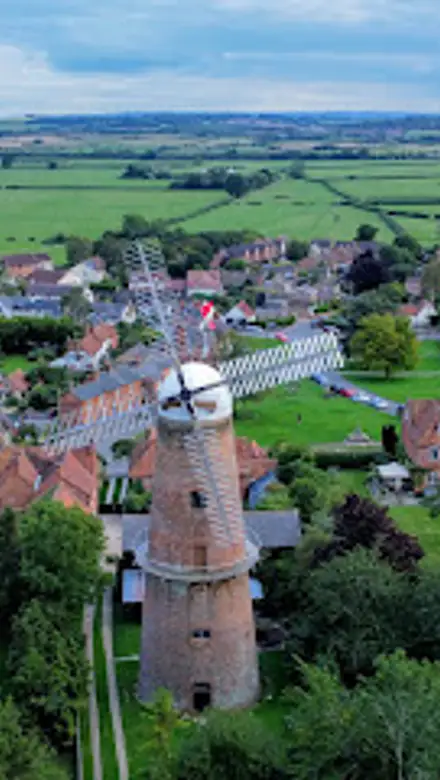
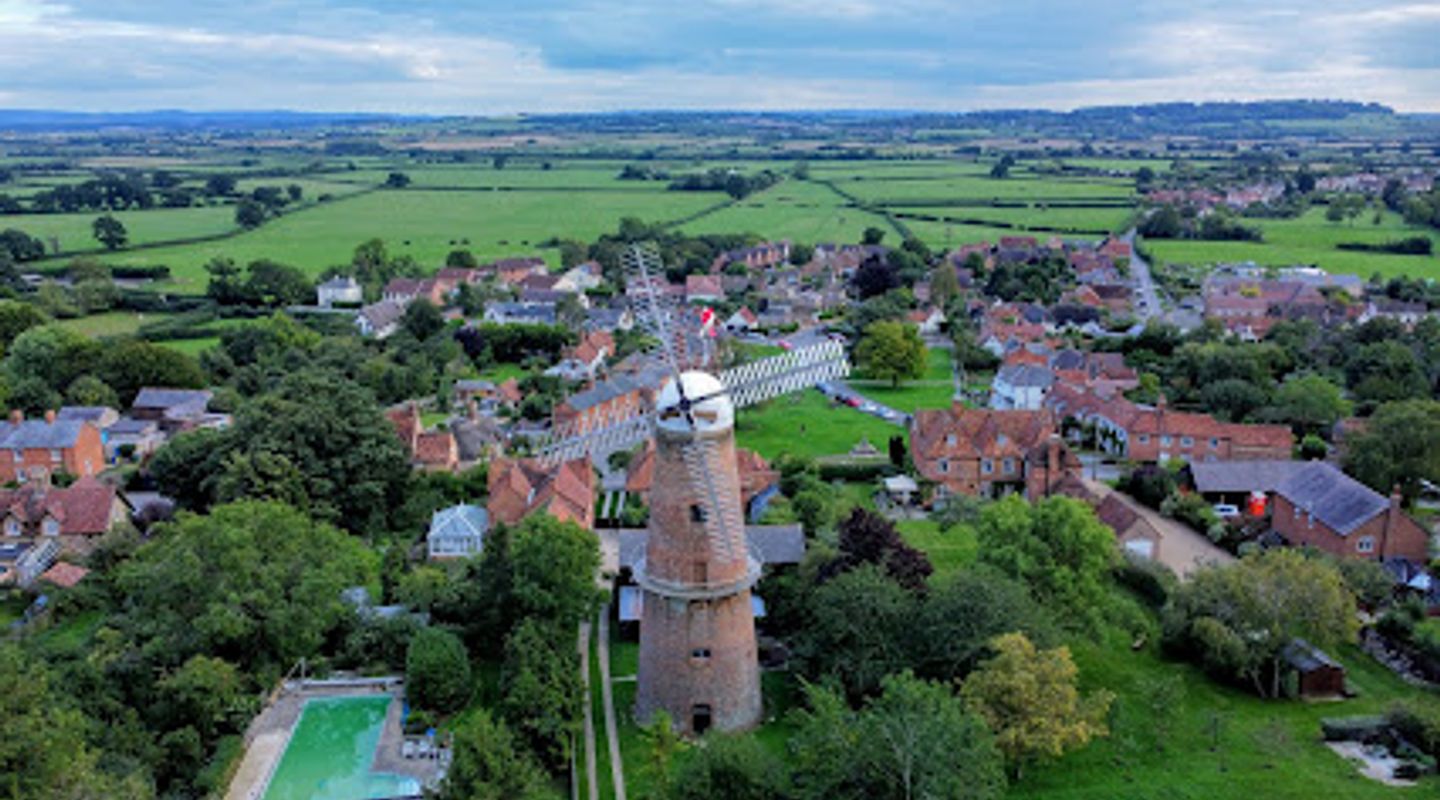
Quainton Windmill is a striking six-storey brick tower mill built between 1830 and 1832, standing proudly above the village green of Quainton near Aylesbury. One of fewer than 40 working windmills in the UK, it features two pairs of grinding stones on its fourth floor producing flour still available for purchase. Carefully restored over three decades by the Quainton Windmill Society, it offers a vivid glimpse into England’s milling heritage amidst a picturesque rural setting.
On-site amenities
 Restrooms
 Seating areas
 Information boards
Opening hours
- Mon–SatClosed
- Sun10 am–12:30 pm
Opening hours as listed on the venue’s Google Business Profile. Hours can change for services and special events, so check with the venue before you go.
- Address
- Quainton, Aylesbury HP22 4AR
Getting there
By Car
By Bus
Taxi
Discover more about Quainton Windmill
A Landmark of Industrial Heritage in Quainton
Quainton Windmill is an iconic six-storey tower mill constructed from brick between 1830 and 1832 by James Anstiss, a miller and farmer whose family lineage continues to own the mill today. Rising approximately 70 feet (20 meters), it is the tallest windmill of its kind in Buckinghamshire and a dominant feature of the Quainton village skyline. Originally designed to grind corn, the mill was equipped with two pairs of millstones located on the fourth floor, which remain operational to this day, producing flour that visitors can purchase.
Restoration and Preservation Efforts
After falling into dereliction in the late 19th century and ceasing operation around 1881, the windmill faced decades of neglect. A major restoration effort began in the 1970s, led by the Quainton Windmill Society and supported by millwright experts. This painstaking process spanned over thirty years, reviving the mill’s structural integrity and mechanical function. Today, it stands as a rare example of a working tower mill, preserving traditional milling techniques and machinery for educational and heritage purposes.
Setting and Visitor Experience
The windmill is set in the heart of Quainton, a picturesque Buckinghamshire village, overlooking the village green. Its prominent position makes it a focal point for visitors exploring the rural English countryside. The site offers a peaceful and scenic environment where visitors can appreciate the mill’s historic architecture and the surrounding pastoral landscape. Flour produced here is available for purchase, connecting guests directly to the mill’s original purpose.
Historical Context and Local Significance
Quainton has a rich milling history, with several earlier mills documented in the area, including Banner Hill Windmill and Curtis’s Mill. Quainton Windmill itself was part of this continuum, embodying the evolution of milling technology and rural industry. The Anstiss family’s involvement, from building to ownership, highlights the mill’s deep roots in local heritage. The mill’s adaptation to steam power in the late 19th century reflects broader industrial transitions before its eventual abandonment.
Architectural and Mechanical Features
The mill’s robust brick tower design is characteristic of early 19th-century industrial architecture. Its six floors accommodate the milling machinery, grain storage, and working spaces. The patent sails, which once powered the millstones, have been restored to working order, allowing demonstrations of traditional milling. The interior machinery offers insight into the craftsmanship and engineering of the era, making it a valuable educational resource.
Community and Cultural Importance
Beyond its industrial function, Quainton Windmill serves as a cultural landmark and symbol of community identity. It attracts visitors interested in England’s rural past, engineering heritage, and conservation success stories. The mill hosts occasional events and educational visits, fostering appreciation for historic preservation and traditional crafts. Its continued operation and public accessibility ensure that this historic treasure remains a vibrant part of Quainton’s living heritage.
Evendo Review Centre
 Google
Guest reviews
Best time to go
Quietest: Jan, Feb & Dec · before 7am or from 8pm
Busy times are Evendo estimates for a typical year, to help you plan. Actual crowds vary with events, school holidays and the weather.
Explore Quainton Windmill on the map
A handpicked selection of must-see spots near Quainton Windmill, mapped for you.
Get your free copy of our complete guide to Quainton Windmill, delivered straight to you.
Everything on this page, from opening hours and how to get there to Eve’s tips and the best time to go, in one PDF you can read offline, print or share.
Already have an account? Sign in
Your Quainton Windmill guide is ready.
We'll send it to · Not you? Sign out

Getting your guide ready…
We are putting together a fresh copy of the Quainton Windmill guide. This can take up to a minute.
This can take a few moments. If your browser asks, choose Allow so the download can start. You'll find the guide in your Downloads folder.
Nothing happened? Download it again
Sorry, the guide is taking longer than usual. Please try again in a minute, or get it by email instead.
Other nearby places you may find interesting
The closest places of the same kind, if this one is not quite what you had in mind.
-
-
-
-
-


Swipe for more places
More to explore near Quainton Windmill

 Best experiences near Quainton Windmill
 Best hotels near Quainton Windmill
 Best landmarks near Quainton Windmill
 Best attractions near Quainton Windmill
 Best shops near Quainton Windmill
 Best restaurants near Quainton Windmill
 Best bars near Quainton Windmill
Do you manage this location?
Take control to get all the benefits, like improved information, better appearance, and stronger visibility across AI-powered discovery.
Explore more

Explore more of Buckinghamshire
Discover Buckinghamshire: A blend of picturesque countryside, historical landmarks, and vibrant market towns in the heart of England.
Explore Buckinghamshire
Explore more of United Kingdom
Discover the United Kingdom: A blend of rich history, stunning landscapes, and vibrant cities, offering a unique travel experience for every visitor.
Explore United Kingdom