Din Lligwy, Caernarfonshire Travel Guide
Explore Din Lligwy, a captivating Romano-British village ruin on Anglesey showcasing ancient stone huts, ironworking workshops, and sweeping coastal views.
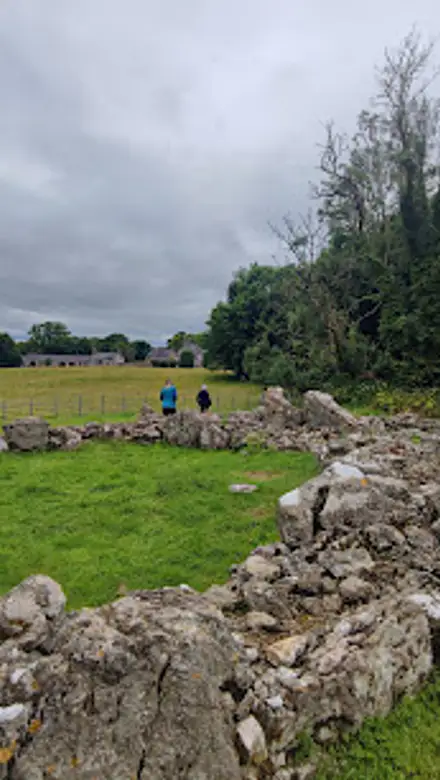
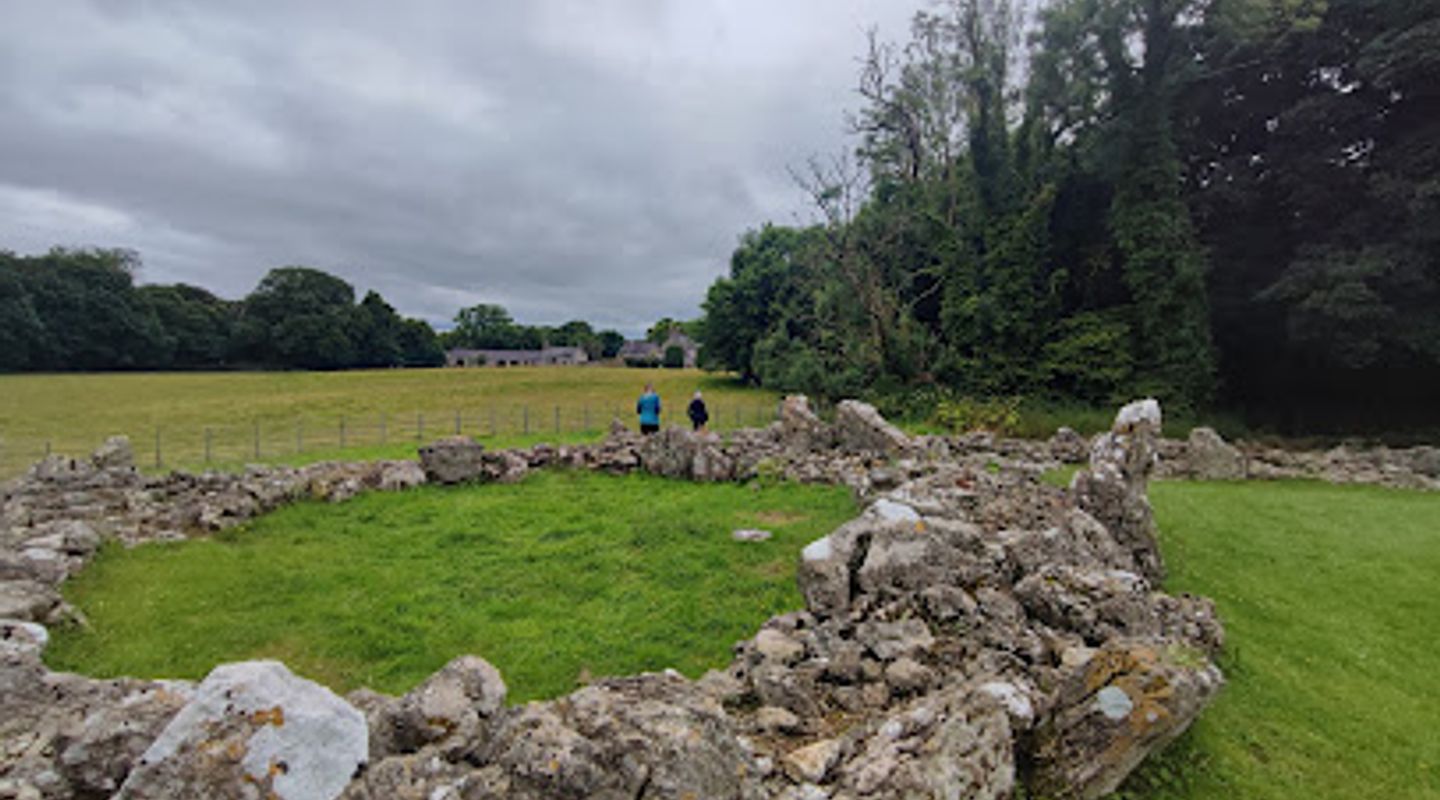
Din Lligwy is a remarkable archaeological site on Anglesey, Wales, featuring the remains of a Romano-British settlement dating mainly from the 3rd and 4th centuries AD. The site includes foundations of round and rectangular stone buildings enclosed by a thick stone wall, believed to have been a farming community with metalworking workshops. Set on a low hill, it offers scenic views and a glimpse into life during the late Roman period in Britain.
A brief summary to Din Lligwy
- 9P2R+76, Moelfre, GB
- Click to display
- Duration: 0.5 to 2 hours
- Free
-
 Outdoor
- Mobile reception: 4 out of 5

Know before you go
Hi, I'm Eve. Here are a few practical things to know before exploring Din Lligwy.
- Wear sturdy footwear as the terrain includes uneven ground and moderate walking paths.
- Visit during daylight hours to fully appreciate the site’s layout and surrounding views.
- Bring a camera for capturing the atmospheric ruins and scenic hilltop vistas.
- Combine your visit with nearby historical sites like Capel Lligwy chapel and the Lligwy Burial Chamber.
Do you manage this location?
Take control to get all the benefits, like improved information, better appearance, and stronger visibility across AI-powered discovery. Learn more about listing your business on Evendo
Activate your presenceOther nearby places you may find interesting
The closest places of the same kind, if this one is not quite what you had in mind.
Explore Din Lligwy on the Map
A handpicked selection of must-see spots near Din Lligwy, mapped for you.
Getting There
-
Car
Driving from nearby towns such as Llangefni or Beaumaris takes approximately 20-30 minutes. Limited parking is available near the site; parking is free but spaces can be limited during peak season.
-
Bus
Local bus services run from Llangefni and Amlwch to Moelfre, with a 20-30 minute walk from the bus stop to Din Lligwy. Bus frequency is moderate, so check schedules in advance. A single fare costs around £3-£5.
-
Bicycle
Cycling is a scenic option via National Cycle Network Route 5, with well-maintained paths leading close to the site. The ride from Llangefni takes about 45 minutes on moderate terrain.
For the on-the-go comforts that matter to you
-
 Information Boards
-
 Seating Areas
-
 Trash Bins
Discover more about Din Lligwy
Echoes of a Romano-British Settlement
Din Lligwy is an extraordinary archaeological site located near Moelfre on the east coast of Anglesey, Wales. The remains primarily date from the late Roman period, around the 3rd and 4th centuries AD, though evidence suggests the origins of the settlement may extend back into the Iron Age. Excavations carried out in the early 20th century uncovered foundations of round huts typical of Iron Age domestic architecture, alongside rectangular buildings likely used as barns and workshops. The entire settlement is enclosed by a substantial stone wall over a meter thick, enclosing an area of about half an acre.A Farming Community with Skilled Metalworkers
The settlement is thought to have been a prosperous farming community. Archaeological finds such as Roman coins, pottery shards, glass fragments, and even a silver ingot indicate trade connections and wealth. The rectangular buildings contained evidence of smelting hearths and iron slag, confirming that ironworking and smithing were key economic activities here. Animal bones shaped into tools and a musical instrument further highlight the resourcefulness of the inhabitants. The enclosing wall was likely constructed to contain livestock rather than for defense, reflecting a relatively peaceful era under Roman influence.Architectural and Environmental Setting
Din Lligwy sits on a low limestone hill with a reliable fresh water source nearby. The enclosing stone wall remains largely intact though reduced in height, and the foundations of many buildings are clearly visible above ground. The round houses had thick stone walls faced with large slabs and rubble cores, probably supporting timber-framed, thatched roofs. Rectangular structures served practical purposes such as workshops and barns. Originally, the settlement would have enjoyed uninterrupted panoramic views over Anglesey, though today it is partially surrounded by sycamore and ash woodland.Historical Significance and Legacy
The site provides a rare and well-preserved glimpse into Romano-British rural life on Anglesey. It reflects a community adapting to Roman occupation while maintaining local traditions. The discovery of Roman goods alongside native-style architecture illustrates cultural blending. After the Roman legions withdrew in the early 5th century, the settlement was abandoned, but later finds such as a 17th-century clay pipe and horseshoe suggest the area remained a place of passage and curiosity. Nearby historic sites, including a 12th-century chapel and a Neolithic burial chamber, enrich the cultural landscape around Din Lligwy.Visitor Experience and Atmosphere
Today, visitors can explore the evocative ruins in a peaceful countryside setting. The site’s open-air remains allow for close inspection of the stone foundations and enclosure walls. Interpretive signage helps imagine the village’s layout and daily life. The quiet, scenic hilltop location offers a contemplative atmosphere, connecting visitors with centuries of history amid natural beauty. The site’s accessibility and tranquility make it an appealing destination for history enthusiasts and those seeking a serene outdoor experience.Preservation and Educational Value
Managed by Cadw, Din Lligwy is protected as a scheduled monument, ensuring its conservation for future generations. The site serves as an educational resource illustrating Iron Age and Romano-British archaeology, settlement patterns, and rural economies. Its visible remains and artifacts contribute significantly to understanding Wales’ ancient past and the complexities of cultural interaction during Roman Britain.












Your all‑in‑one travel companion app
Explore expert travel guides, compare and book tours, experiences, hotels, and more—all from the palm of your hand. Download now for seamless trip planning wherever your wanderlust takes you.


Explore More of Caernarfonshire
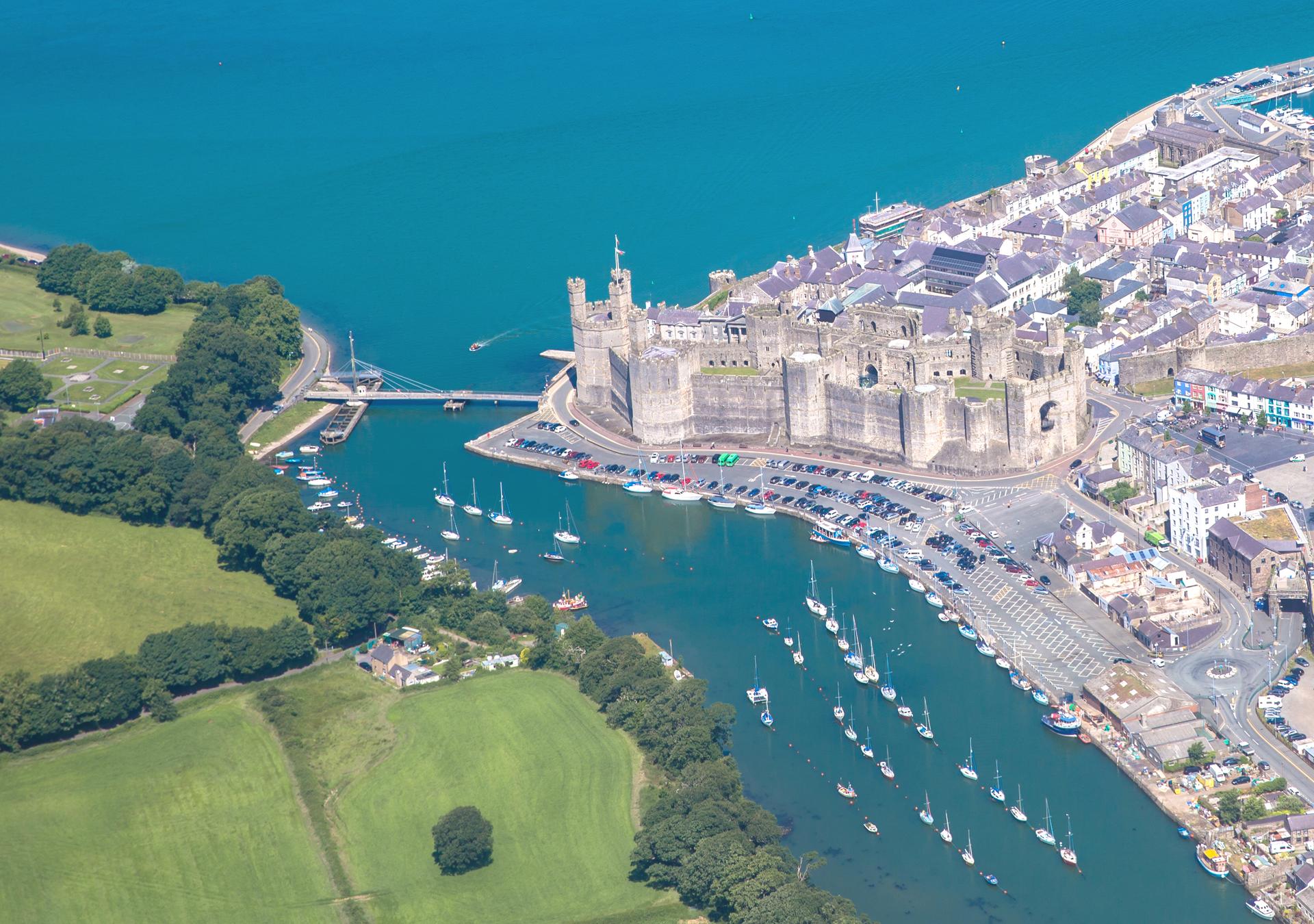
Looking beyond Din Lligwy? Discover Caernarfonshire for broader travel guides, local hot-spots, and regional highlights.
Explore Caernarfonshire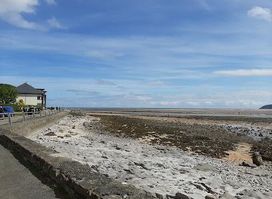
Discover Red Wharf Bay’s vast sandy shores, rich wildlife, and historic charm nestled between Anglesey’s picturesque villages.
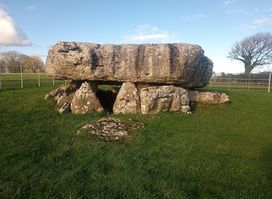
Explore Lligwy Burial Chamber, a monumental Neolithic tomb with a colossal 25-tonne capstone, revealing ancient burial rituals on scenic Anglesey coast.