

Lligwy Burial Chamber: A Majestic Neolithic Monument on Anglesey
Explore Lligwy Burial Chamber, a monumental Neolithic tomb with a colossal 25-tonne capstone, revealing ancient burial rituals on scenic Anglesey coast.
Lligwy Burial Chamber is a remarkable Neolithic tomb near Moelfre, Anglesey, featuring a massive 25-tonne capstone supported by eight upright stones. Dating back to around 2500–2000 BC, this ancient site served as a collective burial place for up to 30 individuals and reveals layers of human activity through pottery and bones from the Late Neolithic and early Bronze Age. Its imposing structure and rich archaeological finds make it a key heritage landmark on the Welsh coast.
A brief summary to Lligwy Burial Chamber
- 8PXW+XR, Moelfre, GB
- Duration: 0.5 to 2 hours
- Free
-
 Outdoor
- Mobile reception: 3 out of 5
Local tips
- Wear sturdy footwear as the path to the chamber crosses uneven fields.
- Visit nearby Din Lligwy hut circle to experience contrasting archaeological eras.
- Respect the fenced area and avoid climbing on the stones to help preserve the site.
- Bring a camera to capture the impressive scale of the capstone and surrounding landscape.

For the on-the-go comforts that matter to you
- Information Boards
- Seating Areas
- Trash Bins
Getting There
-
Car
Driving from Llanallgo or Moelfre, expect a 5-10 minute journey along rural roads. Parking is limited to a small lay-by near the site; spaces are few and may require walking over uneven terrain. No designated large parking facilities are available.
-
Bicycle
Cycling via National Cycle Network Route 5 is an option, with a 15-25 minute ride from Moelfre. The terrain is mostly flat but includes minor country lanes. Secure bike parking is not provided on site.
-
Walking
From Moelfre village, the burial chamber is reachable by a 30-40 minute walk across fields and minor paths. The ground can be uneven and muddy in wet weather, so suitable footwear is recommended.
Lligwy Burial Chamber location weather suitability
-
 Any Weather
-
 Rain / Wet Weather
-
 Clear Skies
-
 Mild Temperatures
-
 Windy Conditions
Discover more about Lligwy Burial Chamber
A Monument of Neolithic Engineering
Lligwy Burial Chamber stands as a powerful testament to the ingenuity of prehistoric communities on Anglesey. Constructed around 2500–2000 BC during the Late Neolithic period, the tomb is defined by its enormous limestone capstone, measuring approximately 5.5 by 4.5 meters and weighing an estimated 25 tonnes. This massive slab rests atop eight upright stones, each about 2 meters tall, half of which are buried underground to provide stability. The chamber’s squat, robust appearance is accentuated by the sheer scale of its roof stone, which contacts only three of the supporting uprights. The eastern side features a gap likely marking the original entrance passage, hinting at the tomb’s architectural design and ceremonial function.Archaeological Discoveries and Historical Significance
Excavations in 1908–1909 uncovered the remains of between 15 and 30 individuals within the chamber, alongside animal bones, shellfish remains, and pottery fragments. These finds reveal two distinct layers of use, separated by stone paving, indicating the site’s long-term significance across different eras. The pottery styles—grooved ware from the Neolithic and beaker ware from the early Bronze Age—offer insights into the cultural transitions of the region. The presence of shells and animal bones suggests ritualistic or subsistence practices tied to the burial rites. Though it is unclear whether the chamber was originally covered by a cairn, erosion marks on the capstone imply it may have been exposed to the elements for much of its history.Setting and Nearby Archaeological Context
Situated near the village of Moelfre on Anglesey’s east coast, Lligwy Burial Chamber lies close to a minor road with limited parking nearby. The site is fenced for protection but remains accessible for visitors to explore. Just 400 meters west, the well-preserved Din Lligwy hut circle offers a fascinating contrast, representing a later Romano-British settlement dating from the 2nd to 4th centuries AD. Together, these sites provide a layered glimpse into millennia of human habitation in this coastal landscape, from Neolithic farmers to Roman-era communities.Visitor Experience and Atmosphere
The burial chamber’s monumental scale and enduring presence evoke a profound sense of ancient ritual and community. Visitors can appreciate the craftsmanship involved in positioning the colossal capstone and the solemnity of a place that served as a collective resting site for generations. The surrounding countryside and coastal views, though partially obscured by modern roads and hedgerows, add to the atmosphere of timelessness. Informative displays at the site help contextualize the archaeological findings and the tomb’s role within prehistoric society.Conservation and Heritage Status
Lligwy Burial Chamber is a scheduled ancient monument, legally protected for its archaeological and historical importance. The Royal Commission on the Ancient and Historical Monuments of Wales curates extensive records, including photographs and excavation reports, preserving the site’s legacy for future study and public education. Careful management ensures that this Neolithic marvel remains a vital link to Wales’ distant past.Architectural Features and Mysteries
The chamber’s design incorporates a natural fissure in the limestone bedrock, which the builders skillfully integrated into the structure. Some stones show evidence of human modification, such as possible axe polishing, hinting at complex construction techniques or ritual activities. The absence of a surviving cairn raises questions about the tomb’s original appearance and use. Artistic reconstructions suggest it may have been covered by an earthen mound with a ceremonial forecourt, but interpretations vary. Visiting today, one can still sense the monumental effort required to create this enduring symbol of Neolithic life on Anglesey.Iconic landmarks you can’t miss

Borth Wen
2.8 km
Sheltered sandy cove on Anglesey’s southern shore, blending coastal beauty with historic charm and natural tranquility.

Hen Eglwys Llanfihangel Ysgeifiog
12.8 km
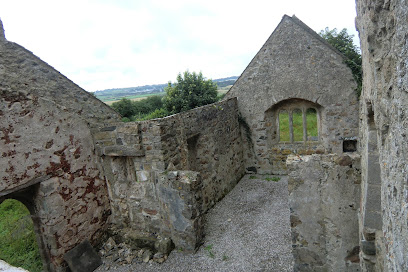
Explore the evocative ruins of Hen Eglwys Llanfihangel Ysgeifiog, a medieval Welsh church steeped in history and nestled in tranquil Anglesey countryside.
Tŷ-Gwyn Menhir
13.2 km
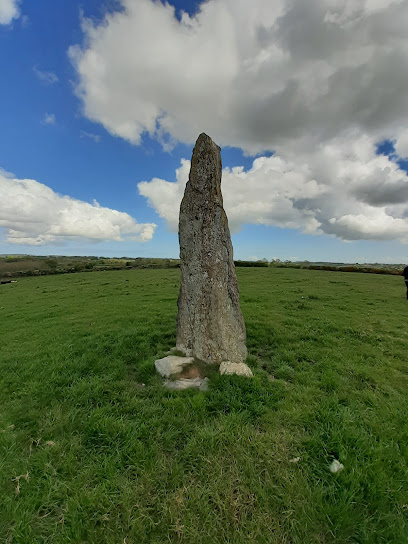
Discover the ancient Tŷ-Gwyn Menhir near Menai Bridge, a prehistoric standing stone steeped in druidic mystery and Welsh heritage.
Glan-y-môr
14.3 km
Explore Glan-y-môr, a historical landmark in Menai Bridge, where rich heritage meets stunning natural beauty for an unforgettable experience.
Ynys yr Eglwys
15.1 km
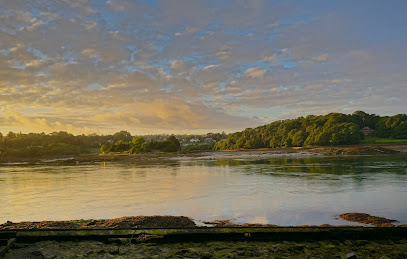
Discover the serene charm and rich heritage of Ynys yr Eglwys, a peaceful island gem beside the iconic Menai Suspension Bridge.
Ogwen Gatehouse
18.2 km
Historic Ogwen Gatehouse welcomes you to the breathtaking landscapes and rich heritage of Snowdonia’s Ogwen Valley.
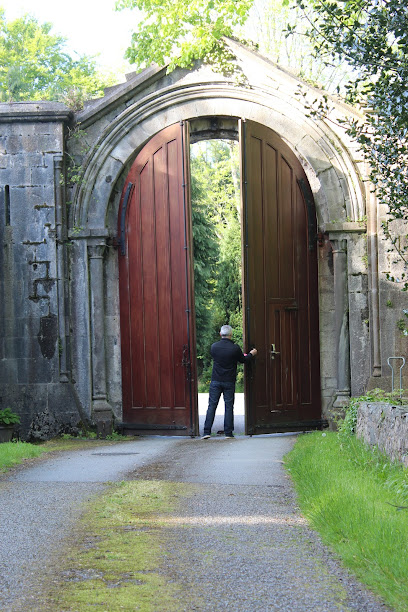
Caer Leb (Prehistoric Castle Enclosure)
18.8 km
Explore Caer Leb, a prehistoric fortified enclosure with water-filled ditches that reveal ancient defensive ingenuity on scenic Anglesey.
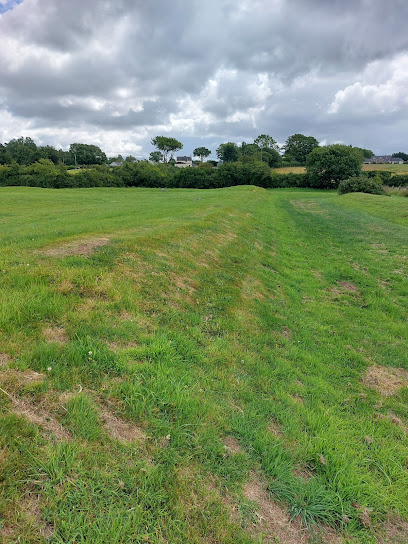
Bryn Gwyn Standing Stones
19.5 km
Discover the towering Neolithic Bryn Gwyn Standing Stones, ancient sentinels of Anglesey’s prehistoric past and ritual heritage.
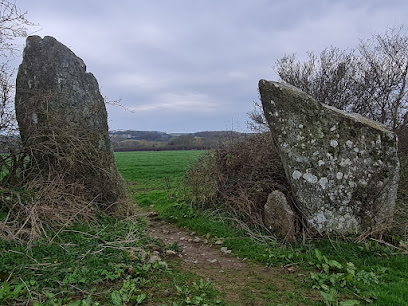
Walk Snowdonia
21.9 km
Discover the breathtaking beauty of Snowdonia National Park with Walk Snowdonia, your premier tour operator for outdoor adventures.
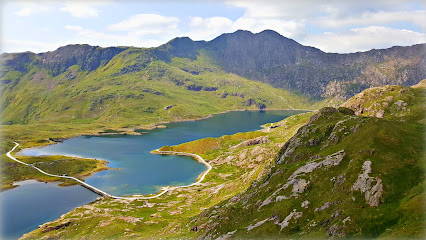
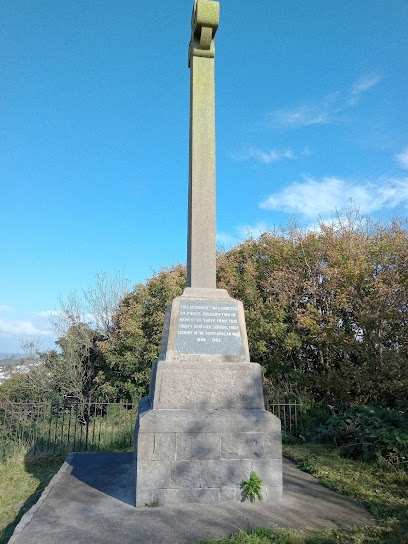
South African War Memorial
23.0 km
A wheel-headed Celtic cross honouring 173 Caernarfonshire soldiers lost in the Boer War, unveiled in 1904.
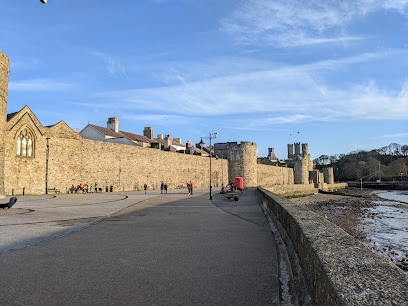
Bath Tower
23.3 km
Discover the enchanting Bath Tower in Caernarfon, a unique self-catering accommodation blending history and modern comfort, perfect for your Welsh getaway.
Maen Mawr
23.3 km
Explore Maen Mawr in Rhosneigr, a historical landmark rich in culture and surrounded by breathtaking natural beauty, perfect for history and nature lovers.
Caernarfon Castle Walls
23.3 km
Walk the remarkably complete medieval walls that Edward I built to fortress an entire town.
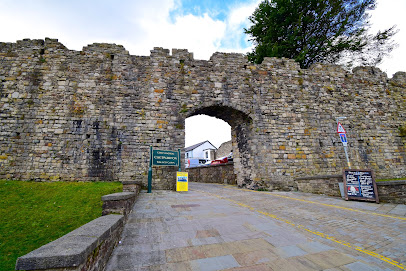
Caernarfon Waterfront
23.3 km
Experience the stunning views and rich history at Caernarfon Waterfront, a picturesque destination in North Wales perfect for all travelers.
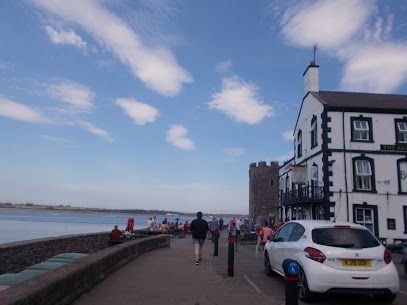
Historic Tours Wales
23.4 km
Discover the rich history of Caernarfon with Historic Tours Wales, where captivating storytelling meets breathtaking sights in a charming Welsh town.
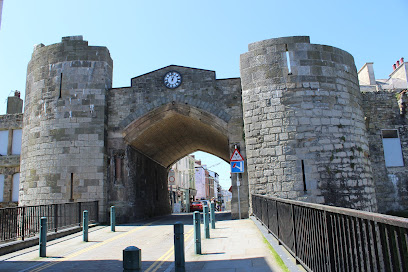
Unmissable attractions to see

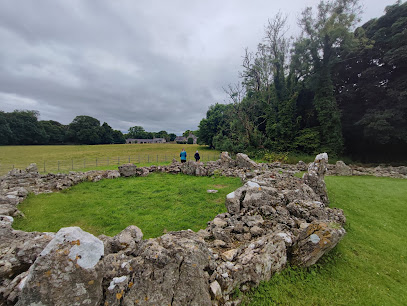
Din Lligwy
0.4 km
Explore Din Lligwy, a captivating Romano-British village ruin on Anglesey showcasing ancient stone huts, ironworking workshops, and sweeping coastal views.
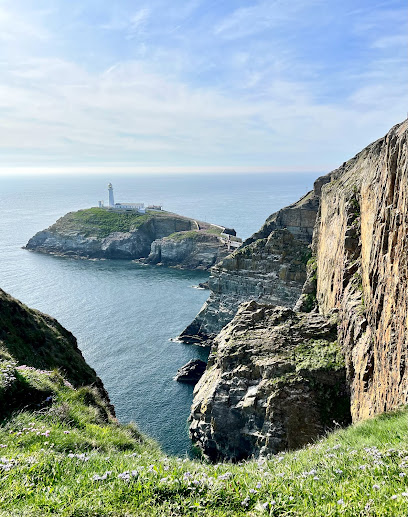
Anglesey Area of Outstanding Natural Beauty
3.0 km
Explore Anglesey’s stunning coastal landscapes, rich history, and vibrant wildlife within this protected Area of Outstanding Natural Beauty.
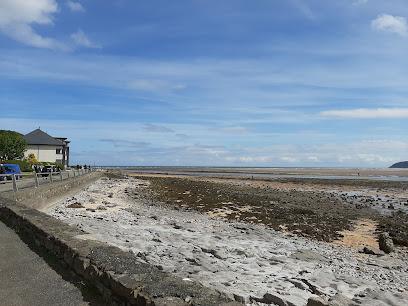
Red Wharf Bay
6.5 km
A vast tidal wonderland of sand, wildlife, and Viking history on Anglesey's pristine coast.
Stone Science
7.5 km
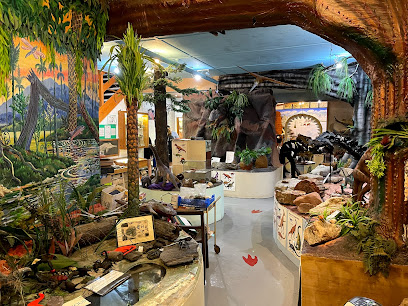
Explore 650 million years of Earth's history at Stone Science, Anglesey’s family-owned museum of fossils, minerals, and interactive geological exhibits.
Copper Kingdom Centre
8.9 km
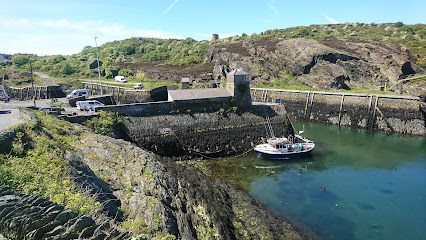
Discover the fascinating history of copper mining and industrial heritage at Anglesey’s award-winning Copper Kingdom Centre in Amlwch Port.
Anglesey Coastal Path
9.9 km
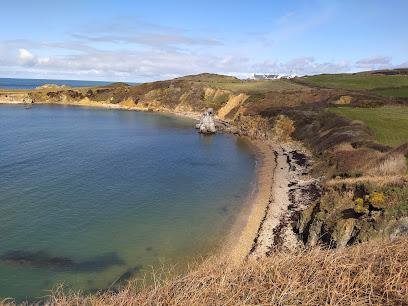
Explore the historic copper port town of Amlwch along the stunning Anglesey Coastal Path, where rugged cliffs meet serene sea views and rich heritage.
Oriel Môn
10.4 km
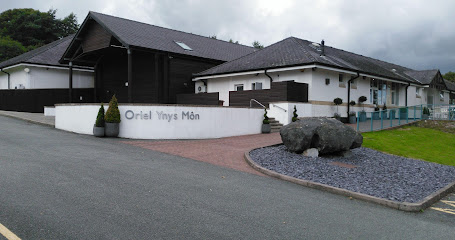
Discover Anglesey’s rich heritage through art, history, and community at Oriel Môn, a vibrant museum and gallery in Llangefni.
Plas Penmynydd
10.8 km
Discover the ancestral home of the Tudor dynasty on Anglesey, where history, heritage, and charity come together in a charming Welsh manor.
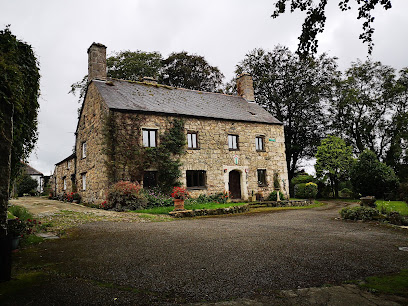
Castell Aberlleiniog
13.3 km
Discover the tranquil ruins of Castell Aberlleiniog, an 11th-century castle nestled in the scenic countryside of Anglesey, open year-round for free exploration.
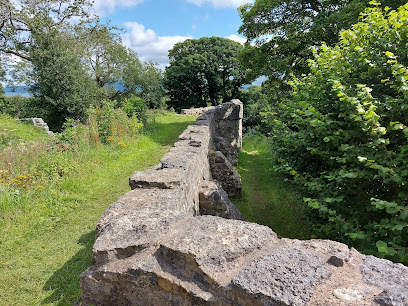
Cytir Mawr
13.3 km
Explore the breathtaking natural beauty of Cytir Mawr in Menai Bridge, a serene nature reserve perfect for outdoor enthusiasts and families alike.
Pili Palas Nature World
13.5 km
Explore tropical butterflies, exotic animals, and adventure playgrounds at Anglesey’s family-friendly Pili Palas Nature World.
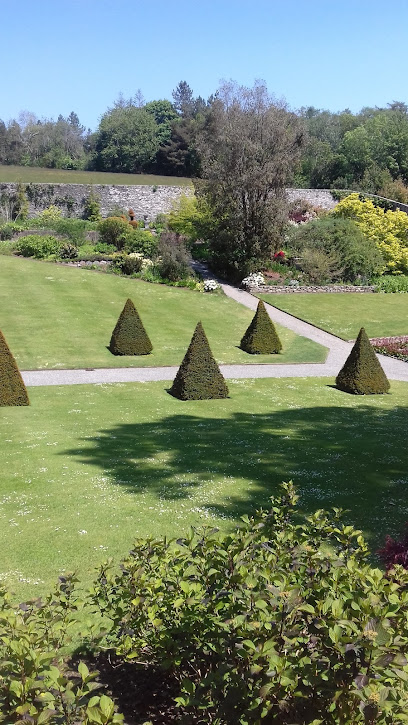
Plas Cadnant Hidden Gardens
13.9 km
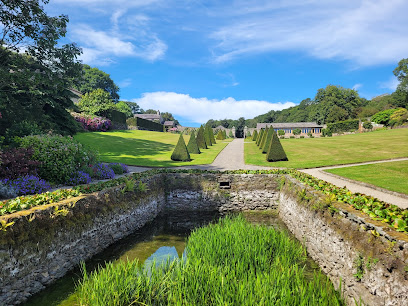
Explore a hidden horticultural paradise with waterfalls, rare plants, and tranquil woodland walks on Anglesey’s historic Plas Cadnant estate.
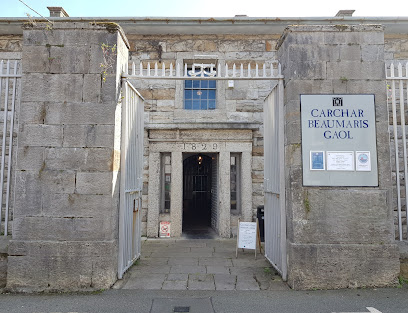
Beaumaris Gaol and Court
14.2 km
Step into Victorian justice at Beaumaris Gaol and Court, where history, legend, and harsh realities of the past converge in Anglesey.
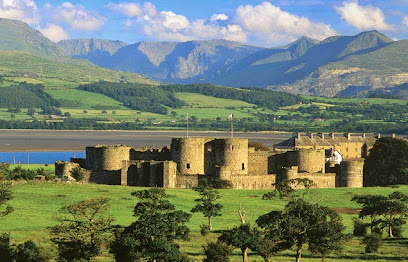
Beaumaris Castle
14.4 km
Discover the majestic yet unfinished Beaumaris Castle, a UNESCO World Heritage Site with stunning views and rich medieval history on Anglesey’s coast.
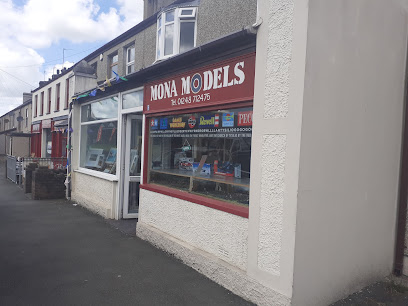
Mona Models
14.6 km
Discover Mona Models, a welcoming hobby shop in Llanfairpwllgwyngyll offering diverse model kits and community workshops for enthusiasts of all levels.
Essential places to dine

PEBBLES BISTRO
3.7 km
A family-run bistro in Benllech serving high-quality local British cuisine with warm hospitality in a cozy setting.
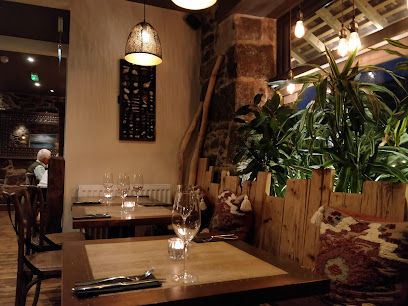
The Tavern on The Bay
5.0 km
Seaside gastropub and live music venue offering stunning views, quality food, and warm hospitality in Red Wharf Bay, Anglesey.
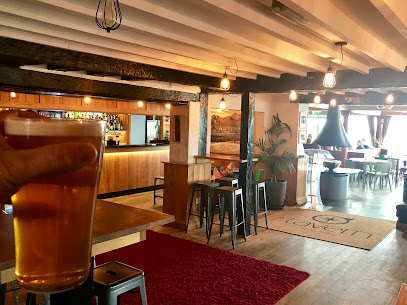
The Boathouse
5.7 km
A charming Welsh seafood restaurant nestled by the scenic Red Wharf Bay, offering fresh coastal flavors in a warm, welcoming setting.
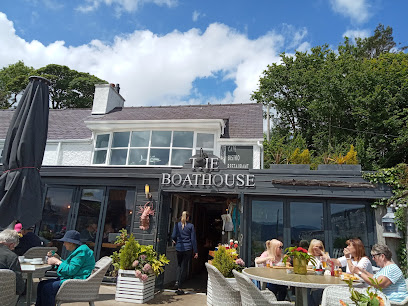
Harry's Bistro
13.0 km
Historic Henllys Hall’s charming bistro with stunning Menai Strait views, award-winning desserts, and relaxed, refined dining on Anglesey.
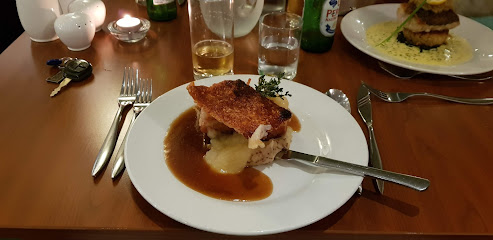
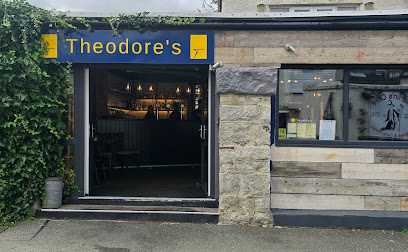
Theodore's
14.9 km
A warm, intimate restaurant in Menai Bridge serving modern British and European dishes with local Welsh ingredients and heartfelt hospitality.
Freckled Angel
15.0 km
Discover British tapas with a global twist in a bright, relaxed setting overlooking Menai Bridge’s scenic straits.
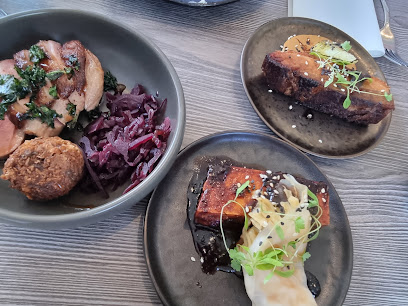
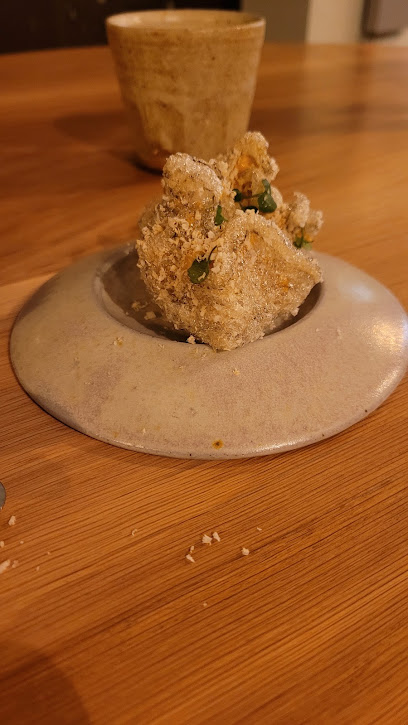
Sosban
15.0 km
A Michelin-starred intimate dining experience in Menai Bridge offering bold, locally inspired tasting menus in a converted butcher’s shop.
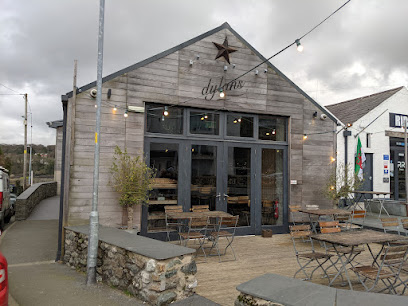
Dylan's Menai Bridge
15.2 km
Seaside dining with stunning Menai Strait views, fresh local seafood, and a welcoming family-friendly atmosphere in the heart of Menai Bridge.
Torna a Surriento
15.3 km
Authentic Italian flavors and warm hospitality await you on Bangor’s scenic Garth Road Pier promenade.
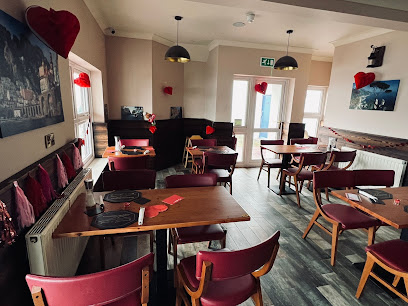
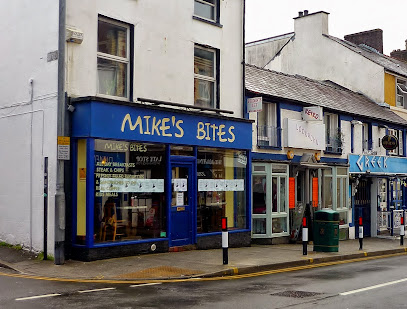
Mike's Bites
15.8 km
A beloved Bangor café serving hearty all-day breakfasts with vegan options in a relaxed, casual setting on the A5.
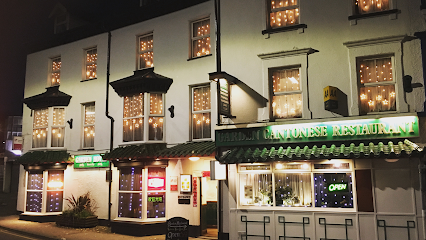
Garden Hotel & Cantonese Restaurant
16.2 km
A family-run hotel and authentic Cantonese restaurant opposite Bangor train station, blending comfort, culture, and convenience in the town centre.
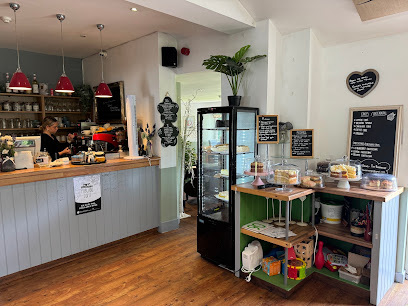
Tŷ Golchi
17.6 km
Cozy breakfast restaurant in Bangor offering fresh, generous meals and a family-friendly atmosphere with a charming outdoor play area.
Ty'n Rhos Restaurant
19.8 km
A tranquil fine dining retreat near Caernarfon, offering exceptional Welsh cuisine in a charming countryside setting.
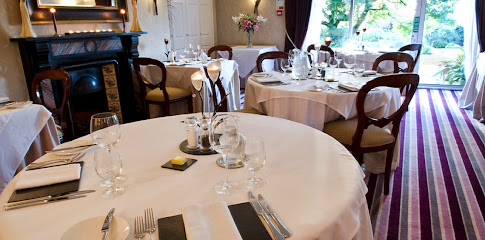
Gors Bach Inn
20.3 km
Experience authentic Welsh hospitality and traditional cuisine in the charming heart of historic Caernarfon.
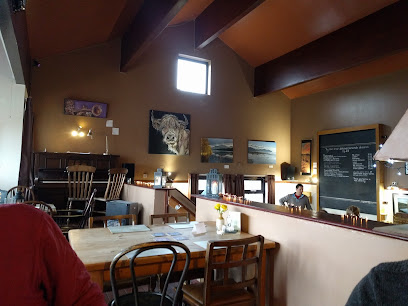
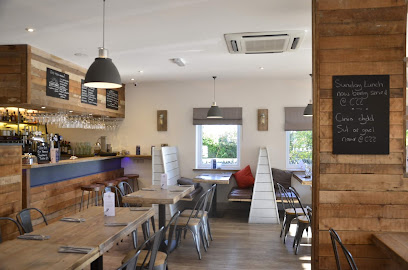
Catch 22 Brasserie
21.9 km
Family-run brasserie in Valley, Anglesey, serving fresh, locally sourced Welsh dishes with Mediterranean flair in a warm, modern setting.
Markets, malls and hidden boutiques

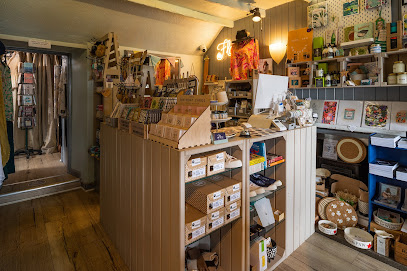
Ann's Pantry
1.1 km
Discover the charm of Ann's Pantry in Moelfre, Anglesey—a delightful gift shop and café offering homemade treats and unique souvenirs.
Siop Ellis - SPAR
10.8 km
Discover local flavors and everyday essentials at Siop Ellis - SPAR, a convenience store in the heart of Llangefni, Anglesey.
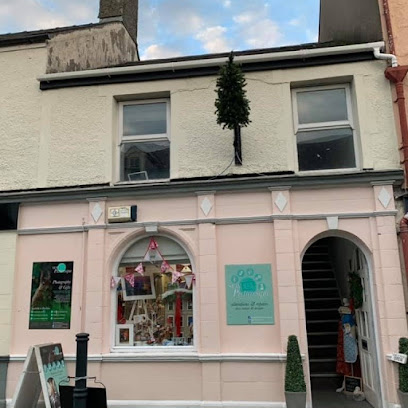
Sew Picturesque/Oriel Cefni
11.1 km
Discover exquisite fabrics, unique handmade gifts, and local artistry at Sew Picturesque, Llangefni’s beloved sewing and gift boutique.
Mon Fashion
11.1 km
Discover unique local fashion and personalized style at Mon Fashion, a charming boutique in the heart of Llangefni.

The Last Trading Post
11.2 km
Discover unique Welsh craftsmanship and handcrafted homewares at The Last Trading Post in the heart of Llangefni.
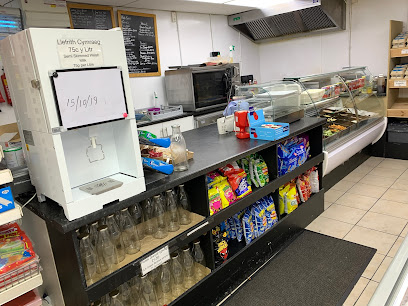
Gwynedd A Môn Age Cymru
11.2 km
Explore unique treasures at Gwynedd A Môn Age Cymru, where every purchase supports local community initiatives in Llangefni.
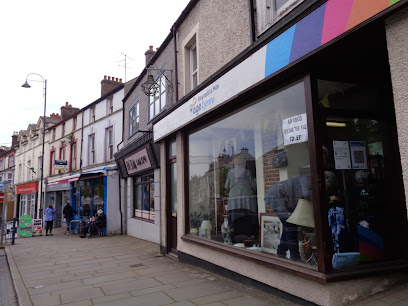
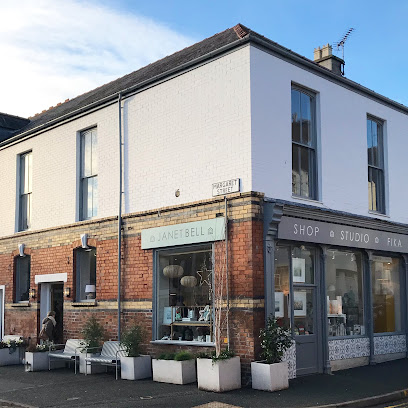
Janet Bell Gallery & Lifestyle Store
14.3 km
Discover Scandinavian-inspired art and lifestyle treasures in the heart of historic Beaumaris at Janet Bell Gallery & Lifestyle Store.
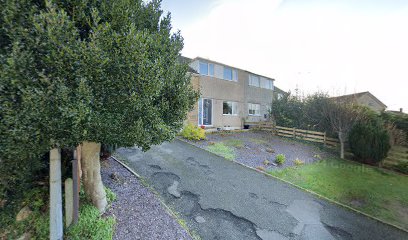
Llan Gifts
14.3 km
Discover authentic Welsh crafts, jewelry, and wedding treasures at Llan Gifts, a family-run boutique in the heart of Llanfairpwllgwyngyll.
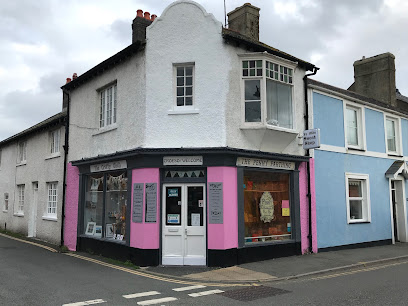
Pretty Things Of Beaumaris
14.3 km
Discover charming gifts and expert interior design in the heart of Beaumaris Market Square, where tradition meets contemporary style.
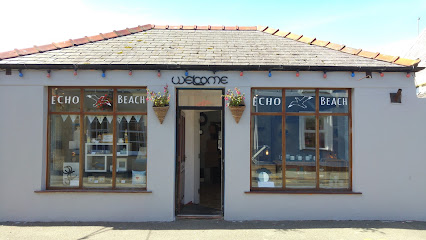
Echo Beach
14.4 km
Discover handcrafted local gifts and art in the heart of Beaumaris at Echo Beach, a welcoming boutique celebrating Anglesey’s creativity.
The Exchange Beaumaris
14.4 km
Discover a vibrant collection of independent shops and artisan treasures under one roof in the heart of Beaumaris.
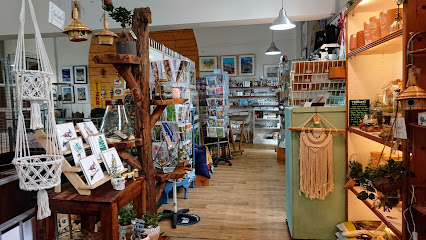
Sanctuary of Scents Anglesey
14.4 km
Discover artisan natural candles and tranquil scents in the heart of Beaumaris, Anglesey’s charming historic town.
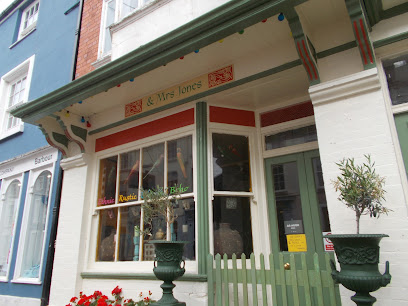
& Mrs Jones
14.4 km
Discover unique gifts and local crafts that encapsulate the spirit of Beaumaris at Mrs Jones Gift Shop.
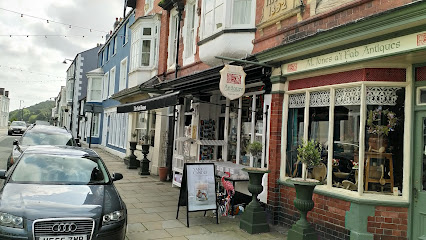
The Nut House
14.4 km
Discover unique gifts, charming toys, and local crafts at The Nut House, a warm family-run shop in historic Beaumaris.
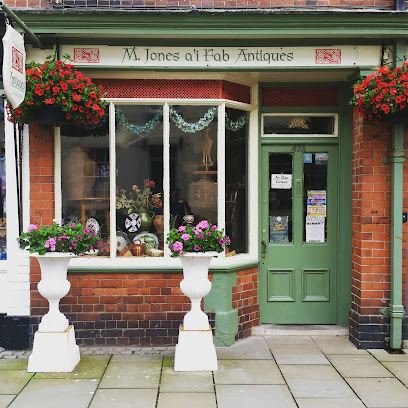
M Jones a'i Fab Antiques
14.4 km
Discover authentic Welsh antiques and timeless treasures in the heart of historic Beaumaris at M Jones a'i Fab Antiques.
Essential bars & hidden hideouts

The Kinmel Arms
1.1 km
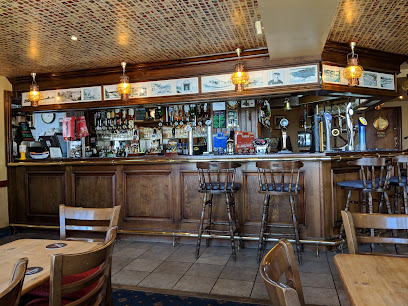
A lively nautical-themed pub in Moelfre offering hearty meals, local ales, and a vibrant coastal atmosphere.
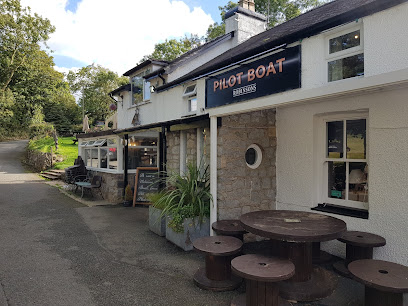
Pilot Boat, Dulas
2.8 km
A welcoming coastal pub in Dulas, Anglesey, offering hearty fare, friendly service, and scenic charm near the Welsh shoreline.
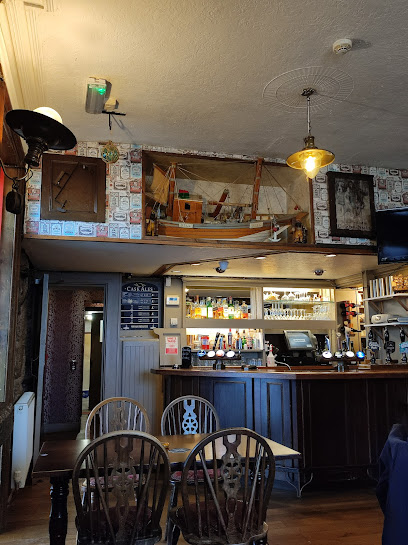
The Benllech
3.7 km
A traditional coastal pub in Benllech offering hearty British fare, local ales, and a lively, welcoming atmosphere near the beach.
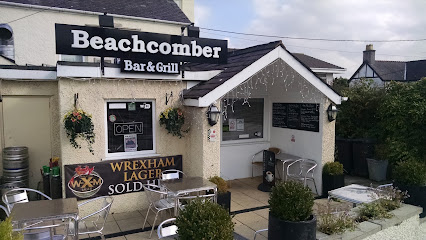
Beachcomber Bar & Grill
3.8 km
Charming Mediterranean-inspired grill and bar just steps from Benllech beach, offering fresh local flavors and a wide selection of spirits.
The Breeze Hill
4.1 km
Historic pub and award-winning dining with stunning views over Benllech Bay on the Isle of Anglesey.
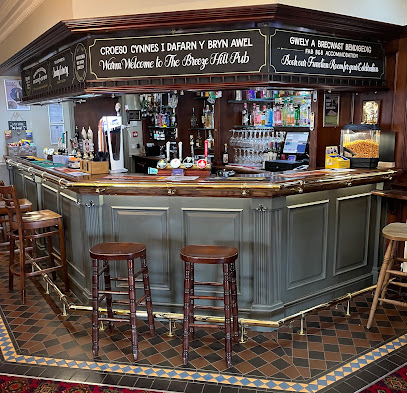
Ship Inn
5.7 km
A charming coastal pub in Red Wharf Bay offering hearty Welsh dishes, warm service, and stunning bay views in a quirky, rustic setting.
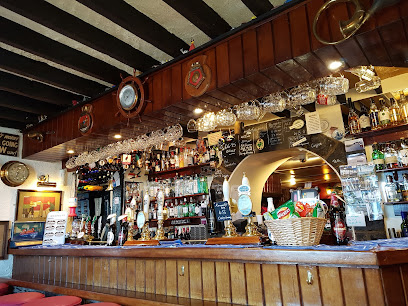
Adelphi Vaults
8.8 km
A welcoming pub in Amlwch offering hearty pies, a fine selection of ales, and genuine Welsh hospitality in a cozy coastal setting.
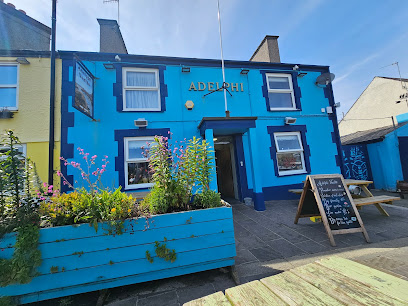
The Queens Head
9.0 km
A welcoming traditional pub in Amlwch offering local ales, live events, and a cozy atmosphere from noon till midnight daily.
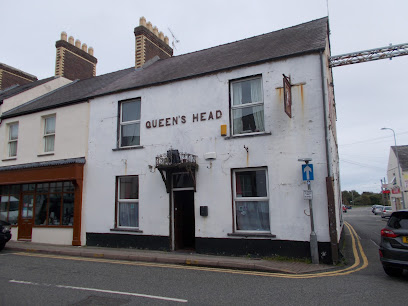
Yr Owain Glyndŵr
9.7 km
A welcoming, dog-friendly coastal pub in Llanddona offering classic British fare and local ales in a warm, community-focused atmosphere.
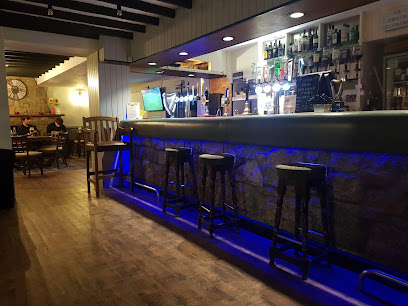
The Market Vaults
11.1 km
A lively and friendly traditional pub in Llangefni’s town centre, known for great music, local charm, and affordable drinks.
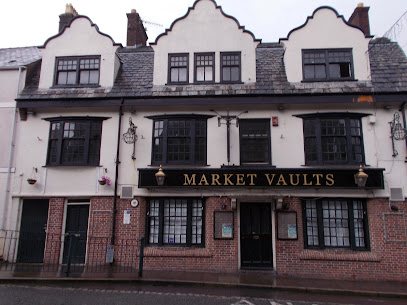
The Foundry Vaults
11.2 km
A lively pub and sports bar in Llangefni’s heart, offering drinks, karaoke, and a welcoming atmosphere for locals and visitors alike.
Tafarn Y Railway
11.2 km
A traditional Welsh village pub in Llangefni offering local ales, lively events, and a warm community atmosphere.
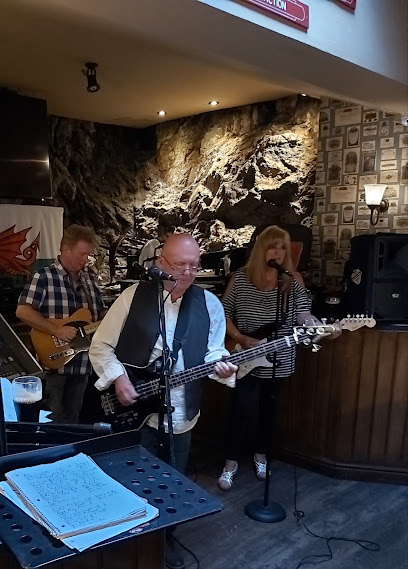
Tafarn Y Rhos
13.3 km
A lively and welcoming pub with hearty local fare and cozy guesthouse rooms nestled in the heart of Rhostrehwfa near Llangefni.
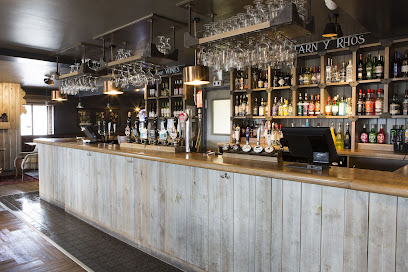
Four Crosses, Menai Bridge
14.0 km
A family-run pub in Menai Bridge offering quality ales, hearty food, and stunning mountain views in a relaxed setting.
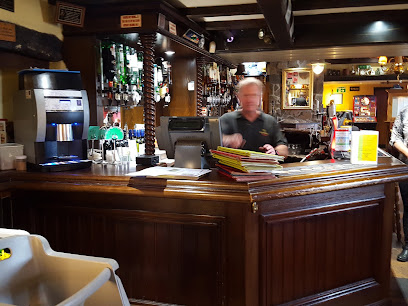
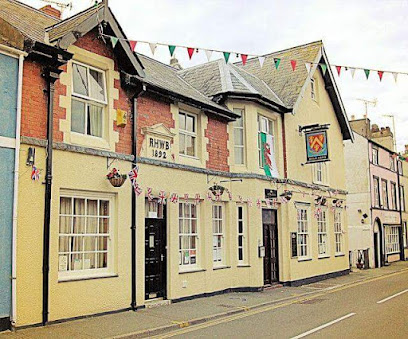
Bold Arms
14.4 km
Historic Welsh pub and inn in Beaumaris offering local ales, hearty fare, and a lively, welcoming atmosphere steeped in tradition.
Nightclubs & after hour spots

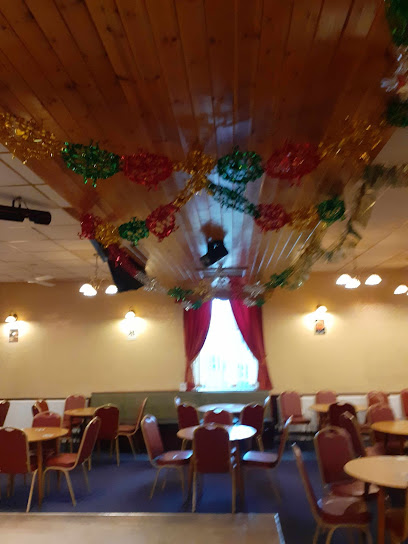
Wellman's Sports & Social Club
11.5 km
Llangefni’s vibrant social hub with lively entertainment, spacious dance floor, and a welcoming community atmosphere.
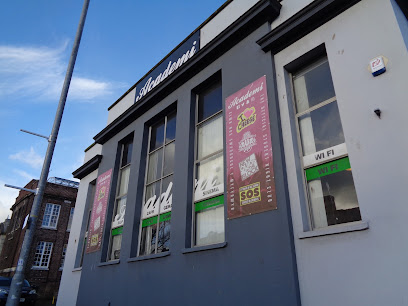
Academi
16.0 km
Bangor’s beloved student nightclub, offering vibrant music, a welcoming atmosphere, and a central role in university social life.
Trilogy Nightclub
16.0 km
Experience Bangor’s vibrant nightlife at Trilogy Nightclub, where diverse music rooms and lively weekend parties create unforgettable nights.
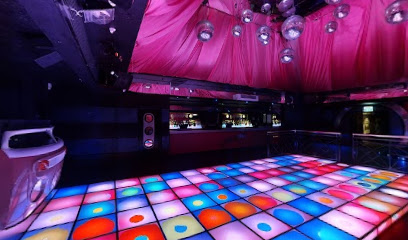
The Buffs
25.7 km
A welcoming social club in Holyhead offering lively nights, friendly faces, and a true taste of local nightlife on Cambria Street.
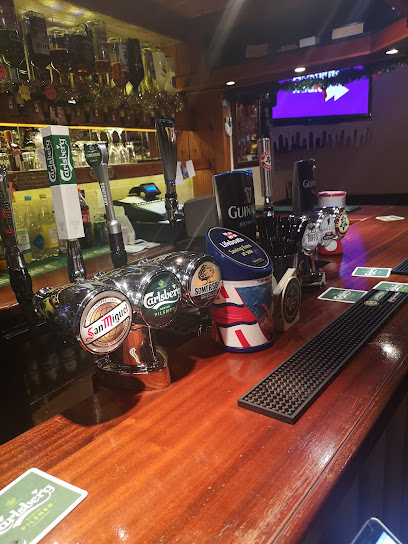
Club 147
28.0 km
Llandudno’s energetic nightclub and sports bar offering electronic beats, pool, and a lively social scene in the town centre.

Broadway Boulevard
29.2 km
Llandudno’s largest nightclub, Broadway Boulevard pulses with vibrant music, themed events, and a lively party atmosphere in the heart of town.

Clwb Llyn Bach
47.7 km
Discover the lively spirit of Clwb Llyn Bach, a top pub in Porthmadog offering great drinks, vibrant events, and a friendly atmosphere.
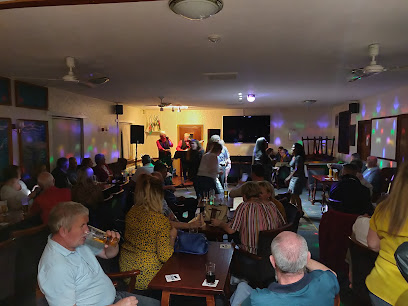
Bentley’s Sports Bar & NightClub
47.8 km
Experience Towyn’s vibrant nightlife at Bentley’s Sports Bar & NightClub, where music, dancing, and great vibes come alive every weekend.
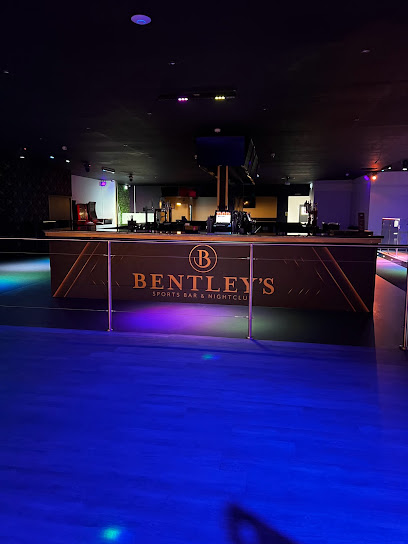
Black Rock Beach Club
49.3 km
Experience the ultimate beachside retreat at Black Rock Beach Club with delicious grilled dishes and breathtaking coastal views.
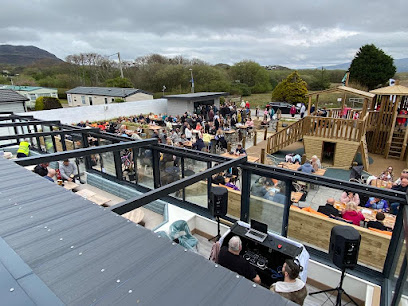
The Cove
49.8 km
Experience the vibrant nightlife at The Cove in Hafan Y Mor, North Wales, where music, dancing, and unforgettable memories await.

Bryn Arms
49.9 km
A cozy pub in Gellilydan offering hearty homemade meals, lively events, and charming gardens for a welcoming Welsh experience.
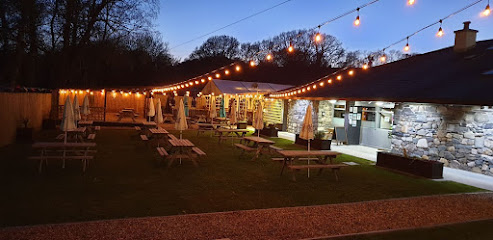
Vics Boogie-Nights
50.2 km
Experience the vibrant nightlife at Vic's Boogie-Nights, Abererch's premier bar for music, dancing, and unforgettable memories.
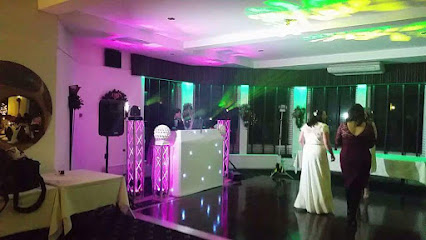
Ellis's Bar
50.5 km
Discover the lively nightlife at Ellis's Bar in Rhyl, a vibrant spot for cocktails, music, and unforgettable moments.
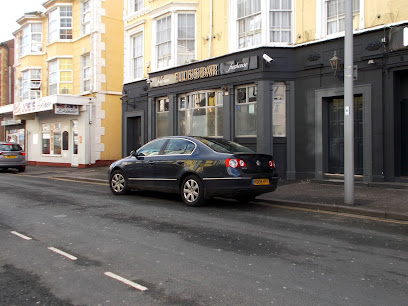
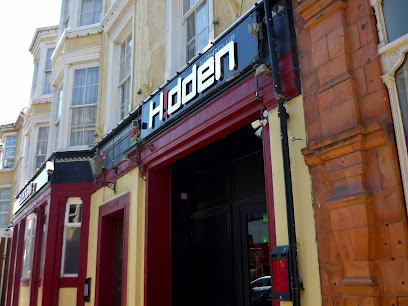
Hidden Nightclub
50.5 km
Discover the vibrant nightlife at Hidden Nightclub in Rhyl, where electrifying music and an energetic atmosphere create unforgettable nights out.
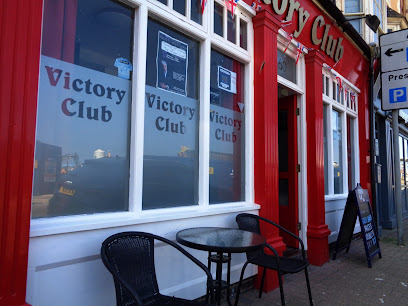
Victory Club
50.5 km
Rhyl’s last members-only club, offering traditional real ale, live music, and a welcoming community atmosphere steeped in 70 years of history.
For the vibe & atmosphere seeker
- Tranquil
- Scenic
- Unique
For the design and aesthetic lover
- Rustic Designs
For the architecture buff
- Historic
- Landmarks
For the view chaser and sunset hunter
- Iconic Views
- Panoramas
For the social media creator & influencer
- Instagrammable
- Photo Spots
For the eco-conscious traveler
- Protected Area
- Public-Transport Accessible
- Leave-No-Trace Critical
For the kind of experience you’re after
- Cultural Heritage
- Myth & Legends
- Photowalk
- Day Trip
- Nature Escape
For how adventurous you want the journey to be
- Easy Access
Location Audience
- Family Friendly
- Senior Friendly
- Child Friendly
- Teen Friendly
- Wheelchair Access
- Pet Friendly
- Solo Friendly
- Couple Friendly
- Solo Female Friendly


