

Uffington House, Chester
Victorian literary landmark where author Thomas Hughes built his Chester residence in 1885.
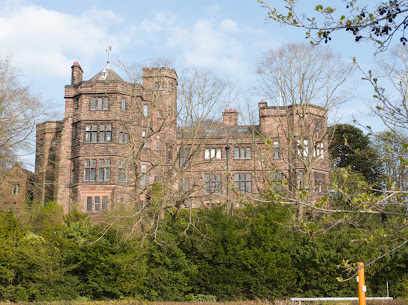
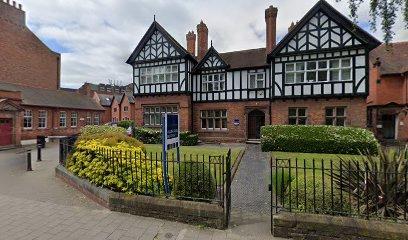
Uffington House is a striking Victorian mansion built in 1885 for Thomas Hughes, author of Tom Brown's School Days. Located in the picturesque Dee Hills Park area of Chester, this elegant residence exemplifies the architectural ambitions of the late 19th century. The house stands as a testament to Chester's prosperous Victorian era, when wealthy merchants and notable figures commissioned grand homes within the city's expanding suburbs. Today, it remains a notable historical landmark reflecting the city's architectural heritage.
A brief summary to Uffington House, Chester
- Chester, GB
- Duration: 0.5 to 1.5 hours
- Free
-
 Outdoor
- Mobile reception: 4 out of 5
Local tips
- Uffington House is best appreciated from the surrounding Dee Hills Park area, which offers elevated views over the River Dee and Chester's historic landscape. The tree-lined drive and period gardens provide context for understanding the house's original setting.
- Combine your visit with exploration of Chester's Roman and medieval heritage. The city walls, Chester Castle, and Roman Amphitheatre are all within easy reach and provide deeper understanding of the historical layers beneath Victorian Chester.
- Visit during daylight hours to appreciate the architectural details and the house's relationship to its surrounding landscape. The elevated position in Dee Hills Park offers particularly good views during late afternoon light.
- Research Thomas Hughes and his literary significance before visiting. Understanding his role as author of Tom Brown's School Days and his contributions to Victorian social reform enriches appreciation of why he commissioned such a substantial residence.

For the on-the-go comforts that matter to you
- Information Boards
Getting There
-
Local Bus Service
From Chester city centre, take local buses serving the Dee Hills area, approximately 15–20 minutes depending on route and traffic. Services run regularly throughout the day. Fares are typically 2–3 GBP for a single journey. The Dee Hills Park area is well-served by Chester's public transport network, with stops near the residential area.
-
Walking from Chester Centre
A scenic walk of approximately 25–35 minutes from Chester's historic centre leads through the city's Victorian suburbs to Dee Hills Park. The route descends toward the River Dee and offers views of Chester's architectural evolution from medieval to Victorian periods. The walk is moderately easy with some gentle slopes.
-
Taxi or Ride Service
Taxis are readily available from Chester city centre and the railway station. Journey time is approximately 10–15 minutes depending on traffic conditions. Typical fares range from 12–18 GBP from the city centre. Ride-sharing services operate throughout Chester and offer similar journey times and pricing.
-
Personal Vehicle
Dee Hills Park is accessible by car from Chester's main roads. Street parking is available in the residential area, though availability varies by time of day. The location is approximately 1.5 km south of Chester city centre. No specific parking restrictions apply to the immediate vicinity, but parking regulations should be checked locally.
Uffington House, Chester location weather suitability
-
 Any Weather
-
 Clear Skies
Discover more about Uffington House, Chester
A Victorian Mansion for a Literary Giant
Uffington House was constructed in 1885 in the Dee Hills Park area of Chester, commissioned by Thomas Hughes, the celebrated author of Tom Brown's School Days. Hughes, a prominent Victorian writer and social reformer, chose Chester as the location for this substantial residence during a period when the city was experiencing significant expansion and prosperity. The house represents the architectural confidence and ambition of the late 19th century, when successful authors and merchants invested in grand domestic properties that reflected their social standing and cultural influence.The Dee Hills Park Development and Urban Growth
Dee Hills Park itself emerged as an exclusive residential enclave during the 1850s and 1880s. The area was developed from the estate of William Titherington, who subdivided his 10-acre property to create Sandown Terrace, Deva Terrace, and later Beaconsfield Terrace. By the 1880s, Dee Hills Park had evolved into a tree-lined drive flanked by increasingly substantial villas, with Uffington House becoming the largest and most prominent residence in the development. The location offered elevated views over the River Dee and access to pleasure gardens, making it an attractive choice for Chester's wealthiest residents. The house's prominence was such that by 1892, it had been acquired by the government and converted into the official residence of the Army's district commander, underscoring its significance and architectural quality.Architectural Character and Victorian Design
Uffington House exemplifies the refined domestic architecture of the Victorian era. Built during a period when Chester was embracing both its medieval heritage and modern prosperity, the house reflects the stylistic preferences of late 19th-century design. The property's substantial scale and careful siting within Dee Hills Park demonstrate the careful urban planning that characterized Chester's expansion beyond its historic walls. The residence stands as a physical manifestation of the city's transformation from a declining Georgian port into a thriving Victorian centre, attracting wealthy individuals who sought to establish themselves in this historic city.Chester's Historical Context and Setting
Uffington House exists within Chester's remarkable historical landscape. The city itself was founded by the Romans in 79 AD as Deva Victrix and remains home to Britain's most complete medieval city walls. Chester's prosperity in the Victorian era was built upon centuries of mercantile success and strategic importance. The Dee Hills area, where Uffington House stands, overlooks the River Dee, which has been central to Chester's identity since Roman times. The proximity to Chester's historic centre, with its famous Rows, cathedral, and castle, situates Uffington House within a city of extraordinary historical depth and architectural significance.Legacy and Contemporary Significance
Today, Uffington House remains a notable landmark within Chester's architectural heritage. Its construction in 1885 marks a specific moment in the city's development—a time when Victorian confidence and prosperity found expression in ambitious domestic building projects. The house's association with Thomas Hughes adds literary and cultural significance to its historical importance. As part of the Dee Hills Park conservation area, Uffington House contributes to the character of one of Chester's most distinctive residential neighbourhoods, preserving a tangible record of the city's 19th-century expansion and the aspirations of its most prominent residents.Iconic landmarks you can’t miss

Uffington House, Chester
0.0 km
Victorian literary landmark where author Thomas Hughes built his Chester residence in 1885.
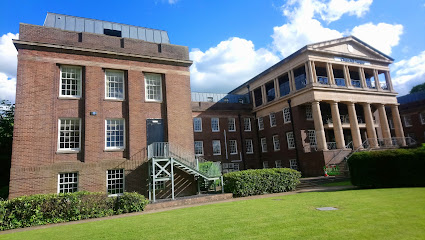
Churchill House
0.7 km
A vibrant academic landmark on Chester’s Queen’s Park campus, blending historic charm with modern learning and scenic riverside views.
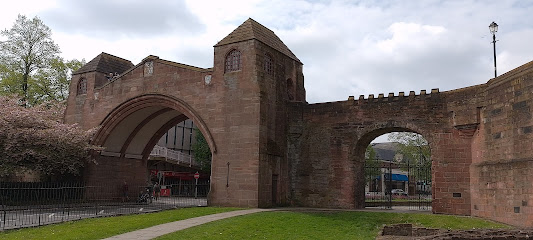
Roman South East Corner Tower
0.7 km
Explore the enduring Roman South East Corner Tower, a sentinel of Chester’s ancient fortress and a testament to Roman military engineering.
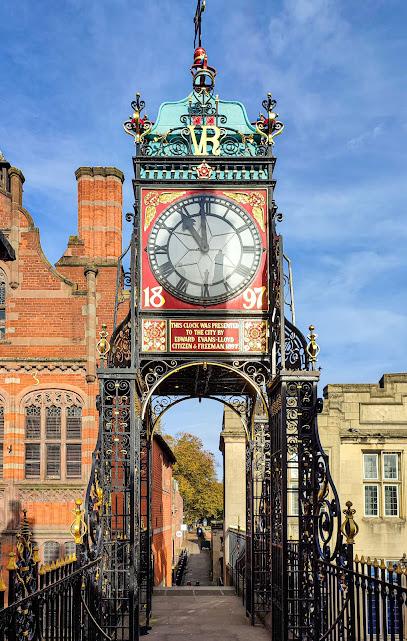
Eastgate Clock
0.7 km
A Victorian clock atop a Roman gateway, Eastgate Clock is Chester’s most iconic meeting point and one of England’s most photographed timepieces.
Walmoor Hill (Douglas Castle)
0.8 km
Explore Walmoor Hill, the grand Elizabethan-style Douglas Castle perched above the River Dee, a historic gem of Chester’s architectural heritage.
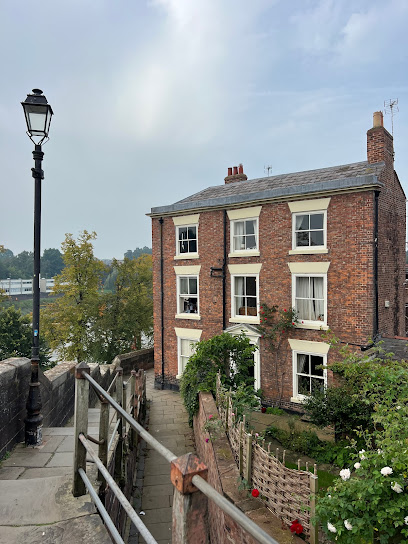
Wishing Steps
0.8 km
Historic stone steps at Chester’s medieval walls where wishes come true through a charming local tradition.
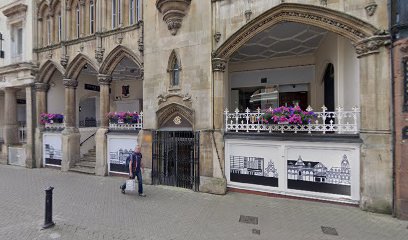
Crypt Chambers
0.8 km
Medieval crypt meets Victorian Gothic Revival in Chester's most architecturally significant commercial building.
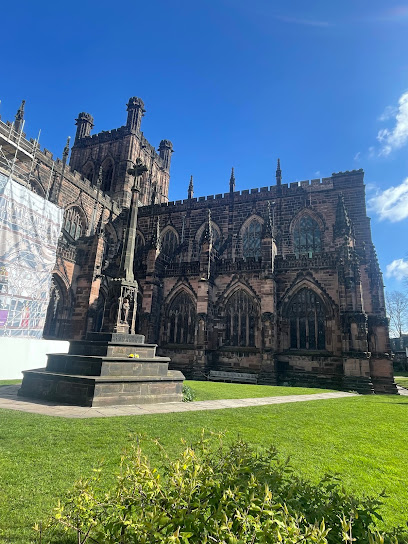
Chester War Memorial
0.9 km
A solemn neo-medieval tribute to fallen soldiers, unveiled in 1922 within Chester Cathedral's historic grounds.
Chester Cross
0.9 km
Medieval heart of Chester where Roman streets meet Tudor architecture and civic tradition.
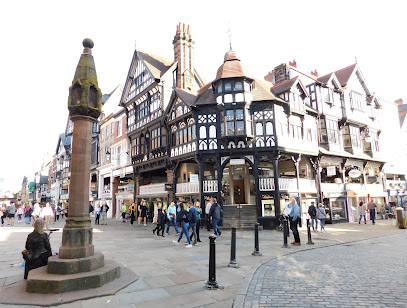
Chester Visitor Information Centre
1.0 km
Explore Chester's rich history and vibrant culture at the Visitor Information Centre, your essential resource for navigating this historic city.
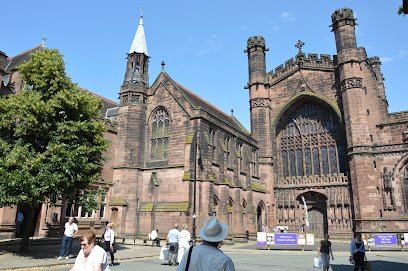
Chester Town Hall
1.0 km
A stunning Victorian Gothic Revival landmark, Chester Town Hall is the historic heart of Chester’s civic and cultural life.
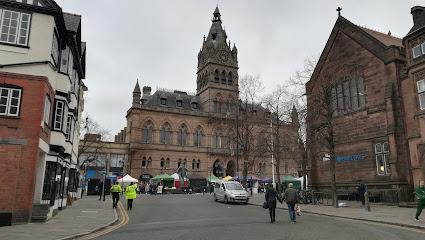
Bridge Gate and Old Dee Bridge
1.0 km
Historic medieval gateway and ancient stone bridge spanning the scenic tidal River Dee in Chester’s charming riverside setting.
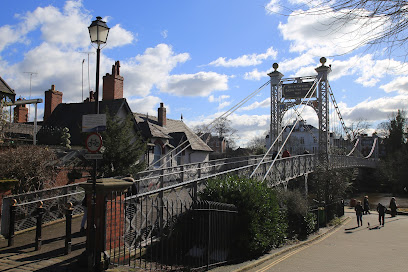
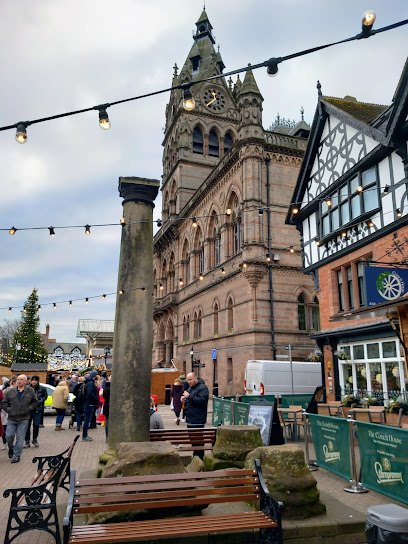
Ancient Roman Columns, Chester
1.0 km
Roman column bases marking Chester's legacy as a major legionary fortress and potential capital of Britannia.
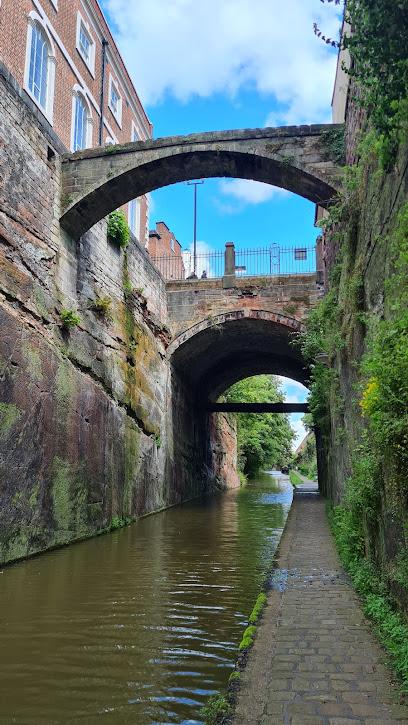
Bridge Of Sighs
1.1 km
A haunting 1793 stone bridge where condemned prisoners took their final steps before execution—Chester's most poignant historical crossing.
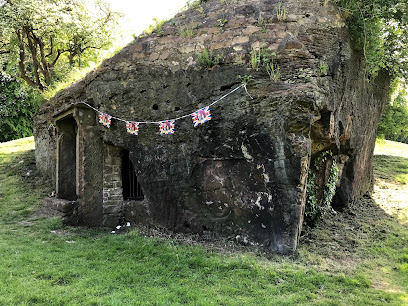
Goddess Minerva's Shrine
1.1 km
Explore the serene beauty of Goddess Minerva's Shrine in Handbridge, Chester, a captivating blend of history and tranquility amidst lush surroundings.
Unmissable attractions to see

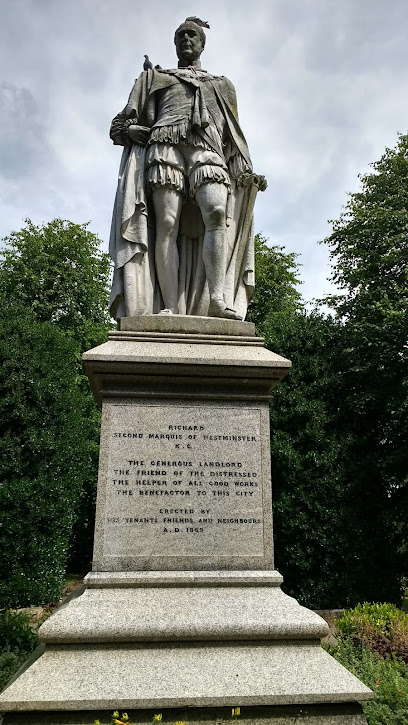
Statue of Richard Grosvenor, Second Marquess of Westminster
0.3 km
A majestic Victorian marble statue honoring Richard Grosvenor’s legacy, set in the tranquil Grosvenor Park at Chester’s historic heart.
Chester Shot Tower
0.3 km
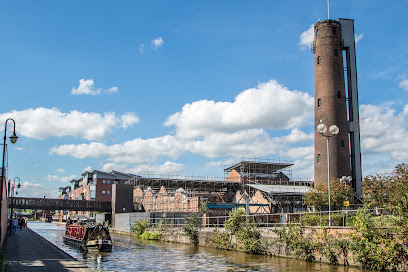
Explore Chester Shot Tower, an iconic historical landmark showcasing Chester's rich industrial heritage and stunning Victorian architecture.
Grosvenor Park
0.4 km
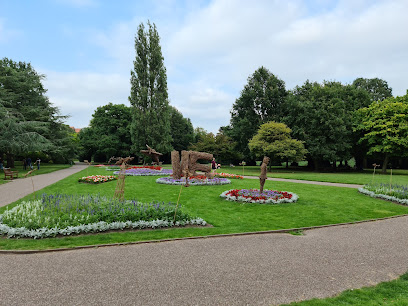
A Victorian-era riverside park in Chester with historic arches, vibrant gardens, family fun, and summer open-air theatre.
Leadworks Lane Park
0.4 km
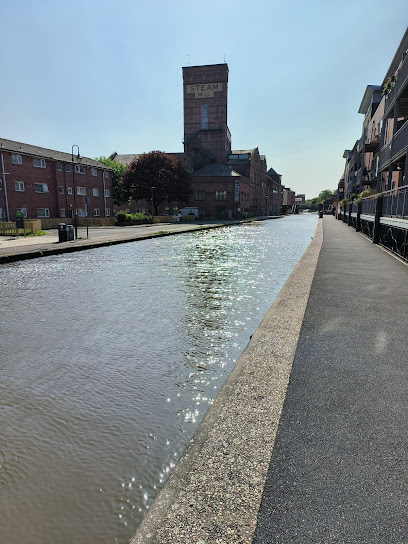
A tranquil canal-side park preserving Chester’s historic lead industry legacy, anchored by the iconic 1799 Shot Tower.
John Ivies' Fountain
0.5 km
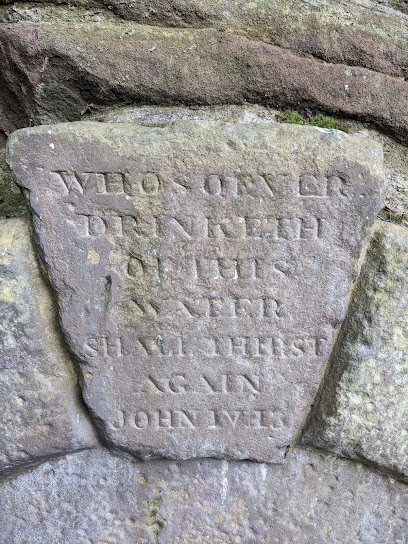
A serene historic fountain in Chester blending Victorian artistry with urban charm and quiet reflection.
Chester Rows Cafe
0.5 km
A cozy coffee spot nestled in Chester Visitor Centre, offering a welcoming pause amidst the city’s historic Rows and vibrant heritage.
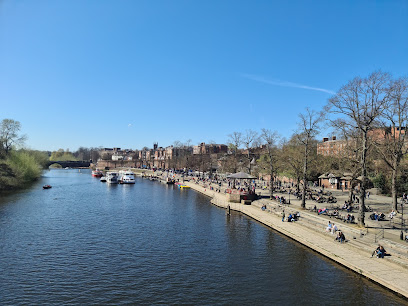
Queens Park Bridge
0.6 km
Explore the stunning Queens Park Bridge in Chester, an architectural marvel offering breathtaking views of the River Dee and a glimpse into the city's rich history.
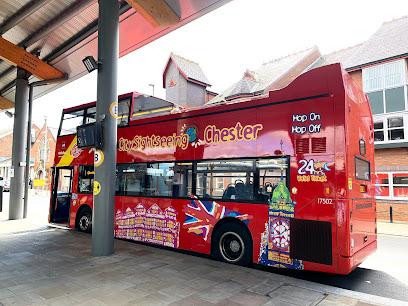
Chester City Sightseeing Tour Bus
0.6 km
Explore Chester’s historic landmarks with a flexible hop-on hop-off open-top bus tour featuring expert commentary and easy accessibility.
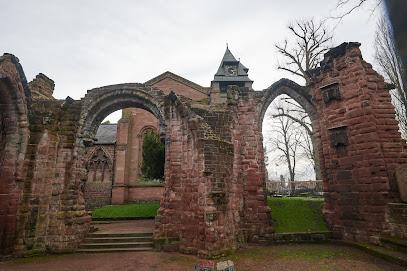
Parish Church of St John the Baptist, Chester
0.6 km
Discover Chester’s ancient Norman church, once a cathedral, rich in history, medieval architecture, and spiritual heritage.
Chester Roman Amphitheatre
0.7 km
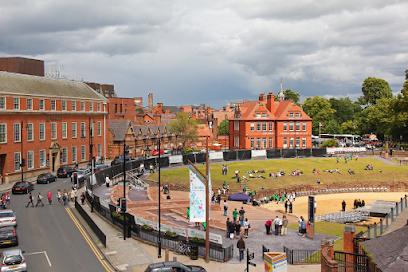
Explore Britain’s largest Roman amphitheatre, a remarkable open-air archaeological site revealing Chester’s rich Roman heritage and ancient spectacles.
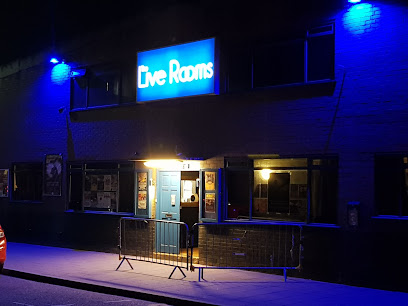
The Live Rooms
0.7 km
Chester’s largest live music venue offering intimate gigs, diverse events, and a vibrant nightlife just steps from the train station.
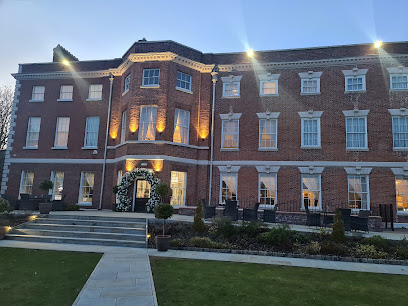
Old Palace Chester
0.7 km
Historic Georgian palace with riverside elegance, 23 bedrooms, and exclusive-use sophistication for unforgettable celebrations.
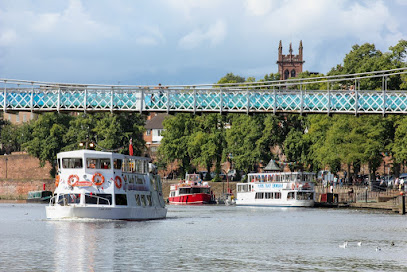
ChesterBoat
0.7 km
Experience the beauty of Chester from the water with ChesterBoat's scenic cruises along the historic River Dee.
Sandy Lane Park
0.7 km
A family-friendly riverside park in Chester with an aqua play area, scenic views, and community-led regeneration.

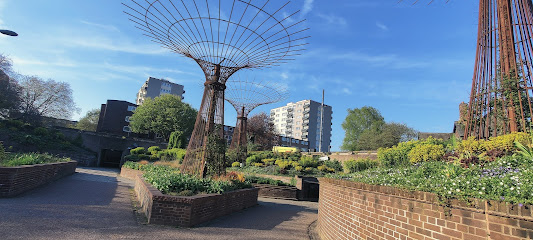
Chester Supertrees
0.7 km
Steel giants wrapped in living plants—Chester's answer to urban air pollution and ecological innovation.
Essential places to dine

The Forge
0.3 km
Chester’s acclaimed steakhouse and fine dining gem, The Forge offers expertly aged steaks, sustainable ingredients, and a warm, inviting atmosphere.
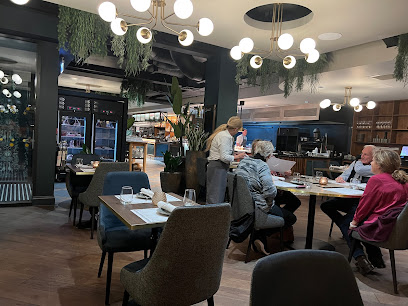
The Yard Modern Italian Restaurant Chester
0.3 km
A vibrant family-run modern Italian restaurant in Chester serving bold Mediterranean flavors with fresh, artfully presented dishes in a relaxed atmosphere.
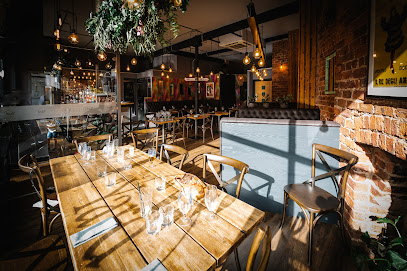
Siam Thai & Teppan-Yaki
0.3 km
Experience authentic Thai flavors and captivating Japanese teppanyaki performances in Chester’s vibrant canal-side restaurant.
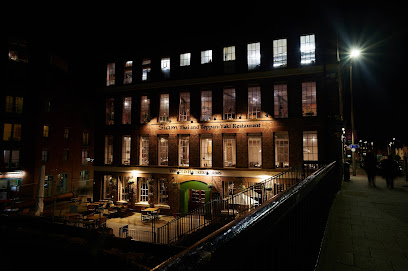
Atina Kitchen
0.4 km
Experience vibrant Italian-British fusion cuisine in a cozy, dog-friendly setting with creative brunches and warm hospitality in Chester.
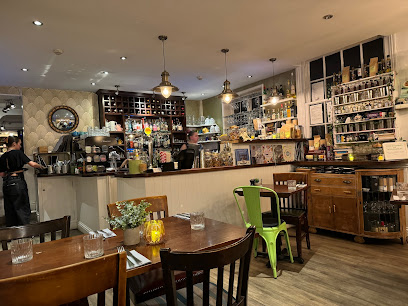
Pierogi | Handmade Polish Dumplings
0.7 km
Authentic handmade Polish dumplings in Chester’s cozy Brook Street eatery, blending tradition with fresh, comforting flavors.
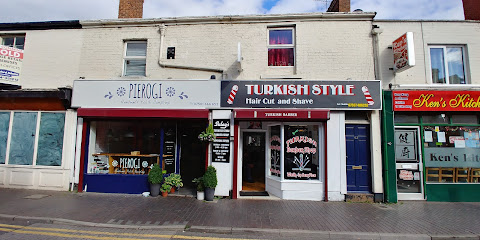
Chai Station - Vegetarian vegan Indian
0.7 km
Authentic vegetarian and vegan Indian flavors in Chester’s cozy, welcoming eatery with a personal touch.
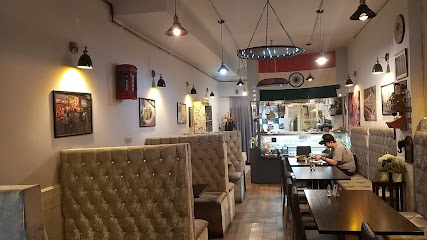
Frodsham's Grill Chester
0.7 km
Authentic Mediterranean and Turkish charcoal-grilled delights served in a welcoming Chester setting with attentive service and a lively atmosphere.
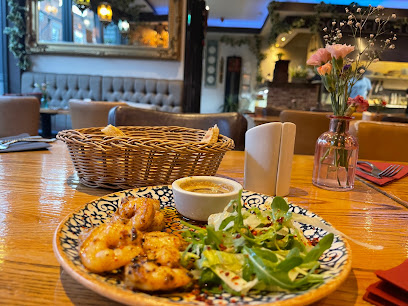
Hickory's Smokehouse Chester
0.7 km
Savor authentic American barbecue and smoky brisket in a lively riverside setting at Hickory's Smokehouse Chester.
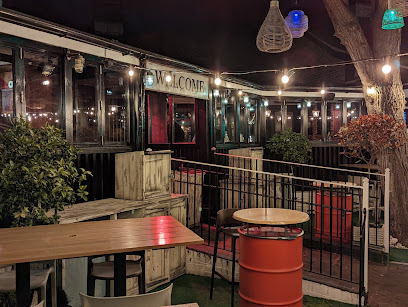
La Brasserie at The Chester Grosvenor
0.8 km
Experience vibrant modern European dining and a glamorous Champagne bar in the heart of historic Chester at La Brasserie, The Chester Grosvenor.
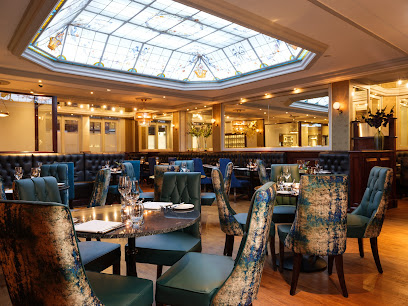
Rio Brazilian Steakhouse
0.8 km
Authentic Brazilian churrascaria with premium meats, vibrant atmosphere, and exceptional service in the heart of Chester.
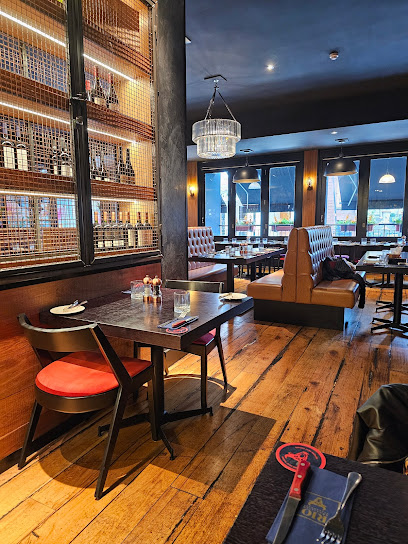
Arkle
0.8 km
Discover refined British fine dining with seasonal tasting menus and impeccable service at Arkle, Chester’s premier luxury restaurant.
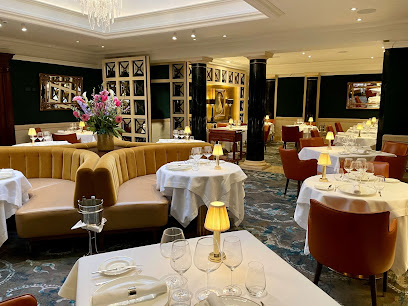
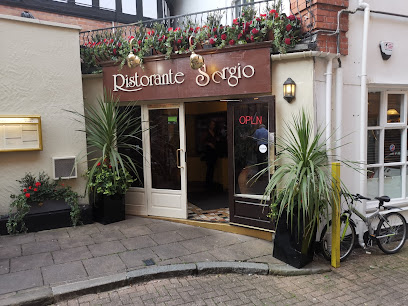
Ristorante Sergio
0.8 km
Cozy Italian dining with authentic flavors and friendly service in the heart of Chester’s historic district.
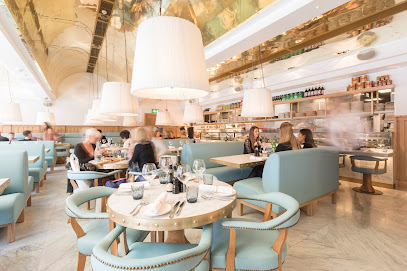
Piccolino Chester
0.8 km
Stylish Italian dining with vibrant prosecco bar and alfresco terrace in Chester’s lively city centre.
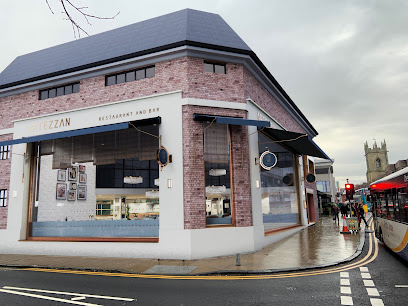
Artezzan Restaurant & Bar
0.8 km
Vibrant Mediterranean dining with fresh, honest flavors and handcrafted drinks in Chester’s lively Pepper Street venue.
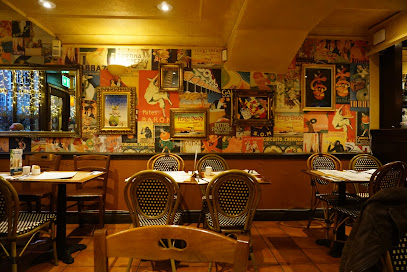
Bella Italia - Chester
0.8 km
Classic Italian dining with authentic flavors in a charming historic building at Chester’s vibrant Eastgate Street.
Markets, malls and hidden boutiques

Lee Louise Chester Ltd
0.5 km
Discover Chester’s oldest timber-framed shop, a vibrant treasure trove of crystals, holistic gifts, and unique fashion in a historic 1571 building.
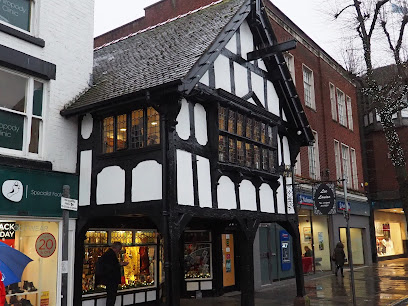
Lagenlook Clothing Boutique - Pale Grey Boutique
0.7 km
Explore unique Lagenlook fashion at Chester's Pale Grey Boutique, where style and elegance meet individuality in every layer.

Church Gifts Shop
0.8 km
Discover meaningful religious gifts in Chester’s historic heart at the welcoming Church Gifts Shop on Eastgate Street.
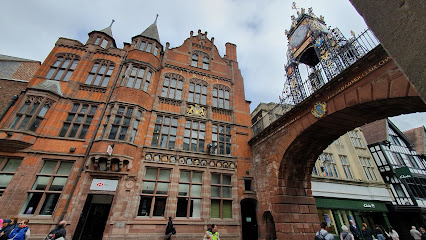
About you
0.8 km
Contemporary clothing store at Chester’s Grosvenor Shopping Centre, blending modern fashion with historic city charm.
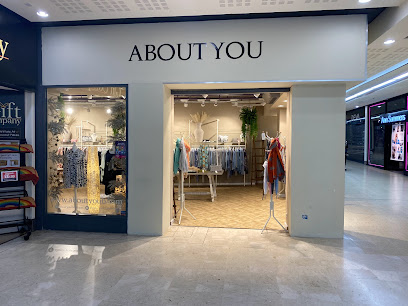
Gift Company CHESTER
0.8 km
Discover eclectic gifts and stylish homewares in Chester’s charming Grosvenor Precinct at Gift Company Chester.
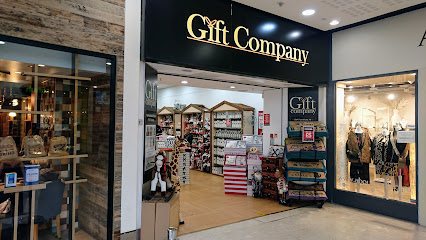
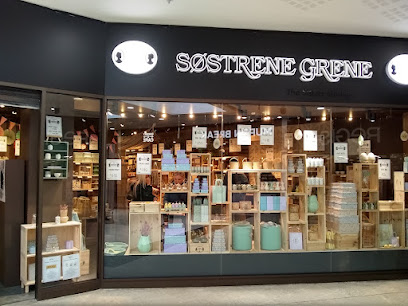
Søstrene Grene
0.8 km
Discover Scandinavian-inspired home décor, crafts, and gifts at Søstrene Grene Chester, a charming and affordable treasure trove in the city center.
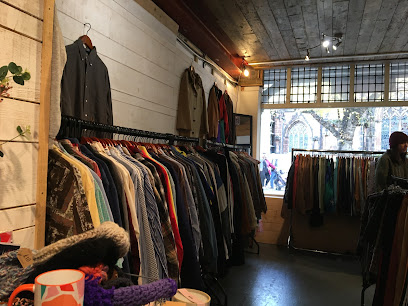
Lily Vintage Boutique
0.8 km
Discover timeless style and unique vintage fashion at Lily Vintage Boutique in Chester’s historic St Werburgh Street.
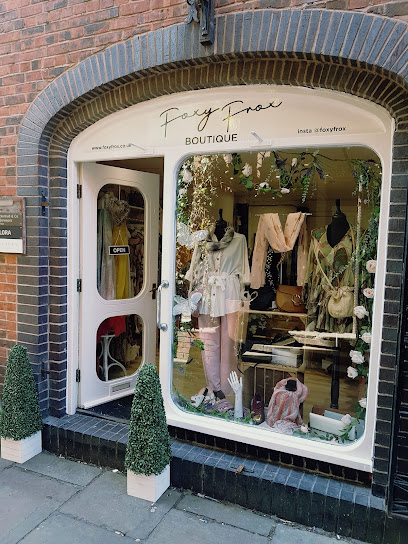
Foxy Frox Boutique
0.8 km
A stylish women’s clothing boutique in Chester’s historic center, offering contemporary fashion with a personal touch and a relaxed, independent vibe.
erj Boutique & Lifestyle
0.9 km
Discover curated womenswear, footwear, jewellery, and homeware in Chester’s vibrant Hoole at erj Boutique & Lifestyle.
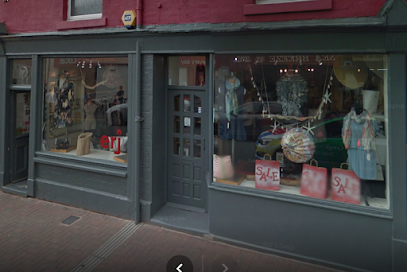
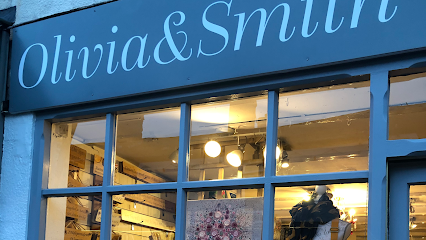
Olivia & Smith
0.9 km
Discover bespoke jewellery, stylish handbags, and unique gifts at Olivia & Smith, Chester’s charming boutique for quality and personalized service.
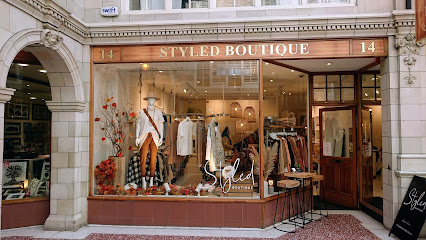
Styled Boutique
0.9 km
A warm, independent women’s boutique in Chester’s historic centre, offering easy-to-wear fashion and a personal, friendly shopping experience.
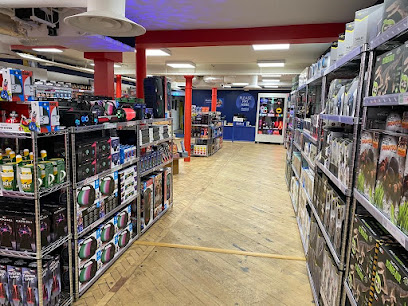
Menkind
0.9 km
Discover quirky gifts, gadgets, and tech accessories for men and boys in the heart of Chester’s historic shopping district.
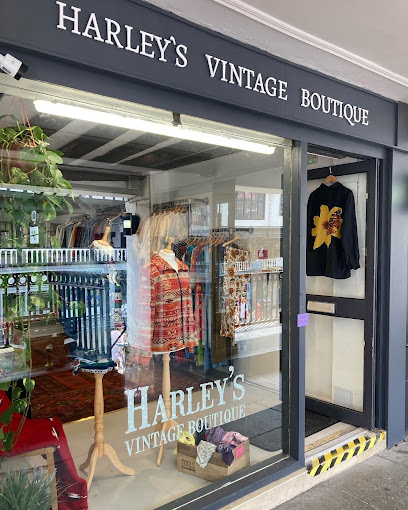
Harley’s Vintage Boutique
0.9 km
Discover timeless vintage fashion and expert styling in Chester’s charming Harley’s Vintage Boutique on Bridge Street Row.
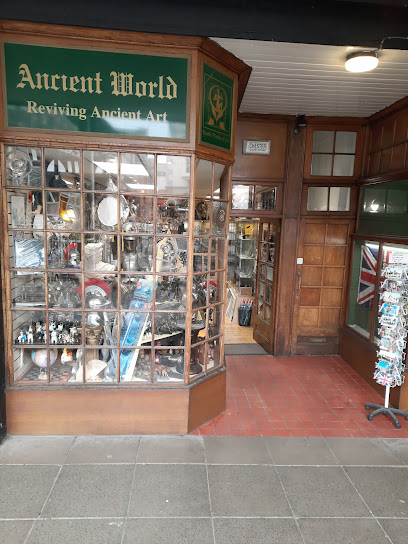
Ancient World
0.9 km
Discover unique antiques and curiosities steeped in history at Ancient World, Chester’s charming vintage treasure shop on Bridge Street.
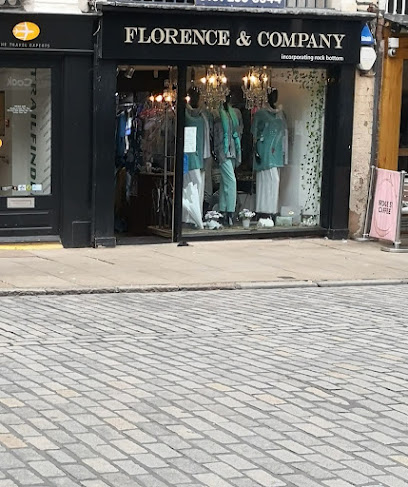
Rock Bottom / Florence & Company
0.9 km
Chester’s vibrant ladies' boutique offering fresh fashion, unique jewelry, and stylish scarves in a welcoming city center setting.
Essential bars & hidden hideouts

The Cornerhouse
0.3 km
A lively Chester bar blending craft beers, live music, and a welcoming vibe for memorable nights and celebrations.
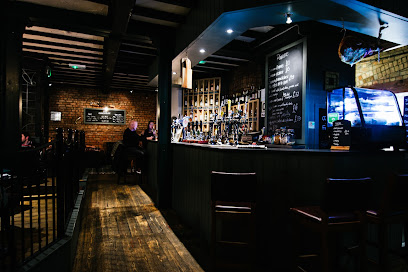
The Old Harkers Arms
0.3 km
A cozy canalside pub in Chester blending historic charm, quality ales, and classic British fare in a vibrant, welcoming atmosphere.
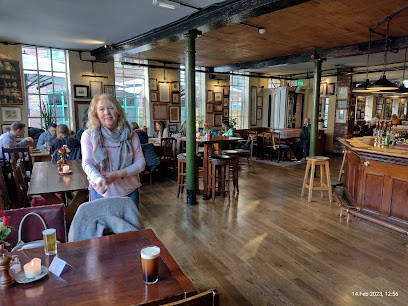
Revolution Chester
0.4 km
Lively cocktail bar and restaurant in Chester city centre, perfect for socialising, dining, and celebrations with expertly mixed drinks and vibrant atmosphere.
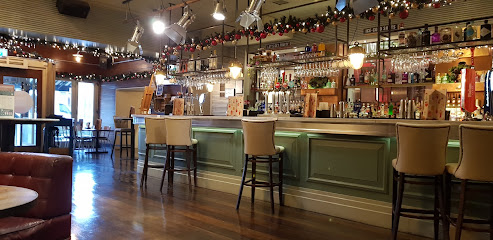
Brewhouse & Kitchen - Chester
0.5 km
Chester’s vibrant brewpub serving award-winning craft beers, hearty British classics, and a lively community atmosphere on Love Street.
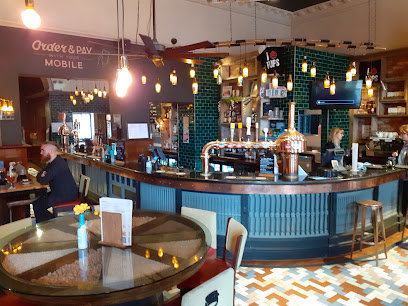
Red Door
0.7 km
Vibrant late-night cocktail bar and restaurant in Chester’s city center, known for creative drinks and lively music.
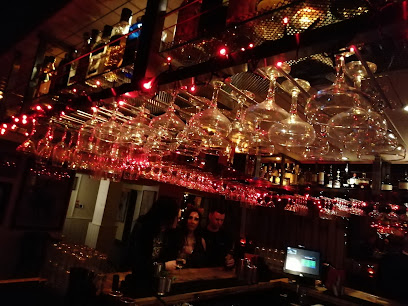
City Tavern
0.7 km
Historic Chester pub blending traditional charm with lively entertainment, great food, and a vibrant community atmosphere.
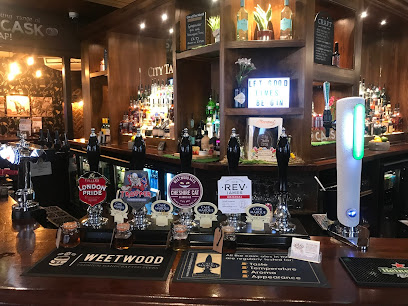
The Deva Tap
0.7 km
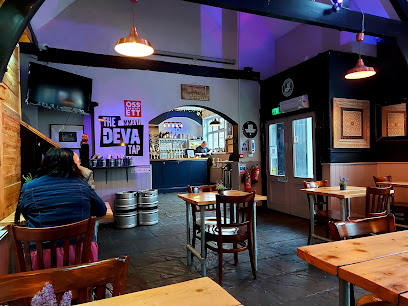
Discover Chester’s quirky craft beer gem with a vibrant atmosphere, diverse brews, and a welcoming beer garden on Brook Street.
All Bar One Chester
0.8 km
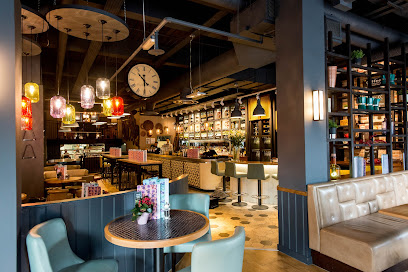
Stylish wine bar in Chester’s city center offering expertly crafted drinks and a vibrant social atmosphere.
The Church Chester Bar & Restaurant
0.8 km
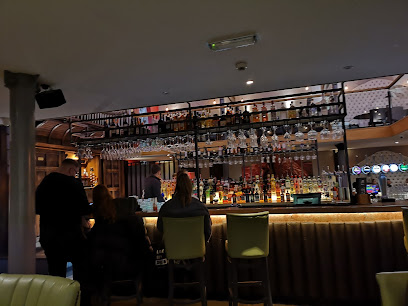
Historic church turned vibrant bar and restaurant in Chester, blending classic charm with modern dining and lively atmosphere.
Metronome Jazz Bar
0.9 km
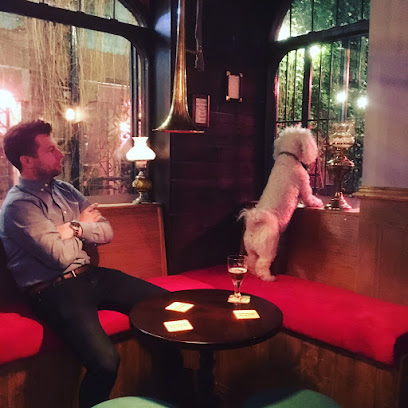
Chester’s intimate jazz bar with live piano, vinyl classics, and a warm, candlelit atmosphere for a perfect night out.
Music Hall Tap
0.9 km
Chester’s lively craft beer pub with rustic charm, live sports, and a vibrant social scene in the heart of the city.
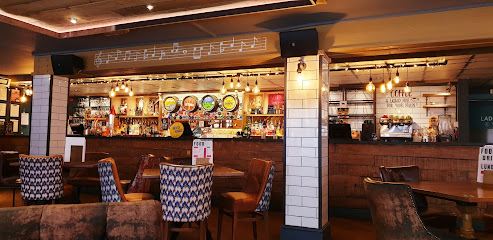
The Cavern of the Curious Gnome
0.9 km
A cozy upstairs bar in Chester famed for its curated Belgian ales, continental lagers, and British craft beers paired with classic comfort food.
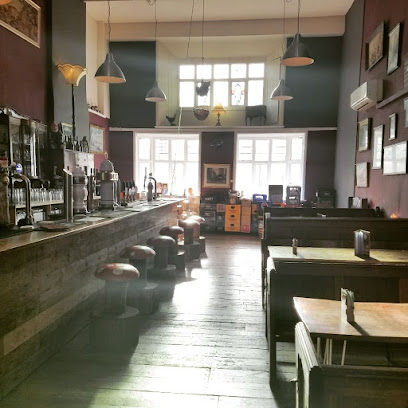
Paysan
0.9 km
Chester’s cozy wine bar with 200+ wines downstairs and a vibrant beer cellar upstairs, perfect for relaxed evenings and casual gatherings.
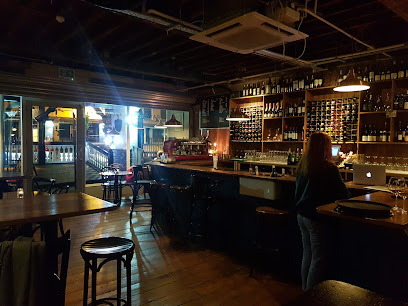
Slug & Lettuce - Chester
0.9 km
Lively cocktail bar and restaurant on Chester’s historic Bridge Street, blending vibrant social vibes with diverse food and drink offerings.
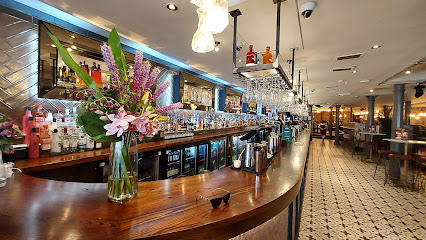
Kings Head Chester
1.0 km
Historic 17th-century pub in Chester with classic British fare, a haunted reputation, and a cosy, welcoming atmosphere.
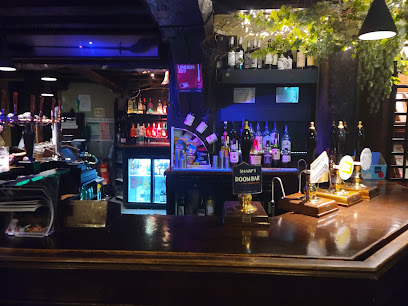
Nightclubs & after hour spots

Cruise
0.7 km
A multi-floor nightclub in Chester offering vibrant music, premium drinks, and lively nightlife across seven bars.
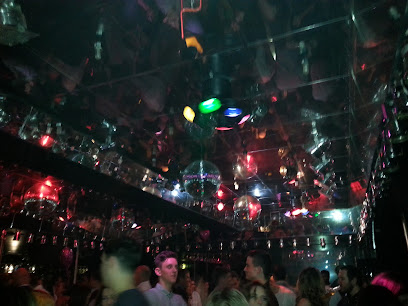
BONOBO Bar & Canteen
0.7 km
A vibrant two-floor bar and canteen in Chester blending American eats, cocktails, video games, and lively music for a unique nightlife experience.
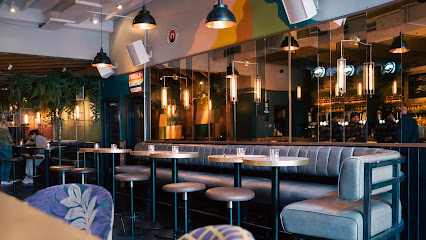
Rosies - Chester
0.9 km
Experience Chester’s vibrant nightlife at Rosies, a multiroom club with rooftop terrace, VIP lounges, and cutting-edge sound over three lively floors.
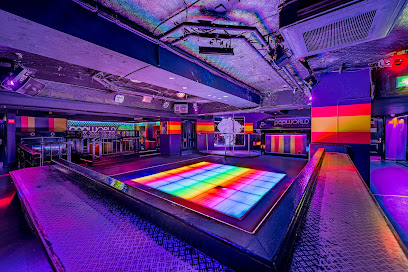
Chester City Club
1.1 km
Experience Chester’s vibrant nightlife at City Club, where modern beats meet historic charm in the heart of St Peters Churchyard.
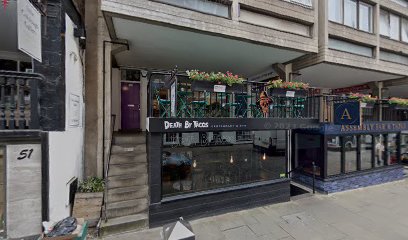
Mandy & Graham’s
2.0 km
Experience Chester’s vibrant nightlife at Mandy & Graham’s, where pulsating beats and lively crowds create unforgettable party nights.
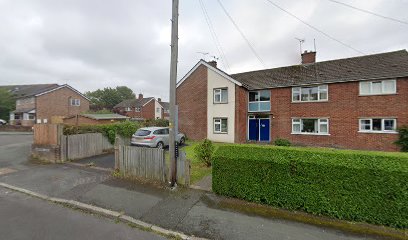
Ewloe Social and Community Club Ltd
11.9 km
Experience the heart of Deeside at Ewloe Social and Community Club, where fun, games, and community spirit come together.
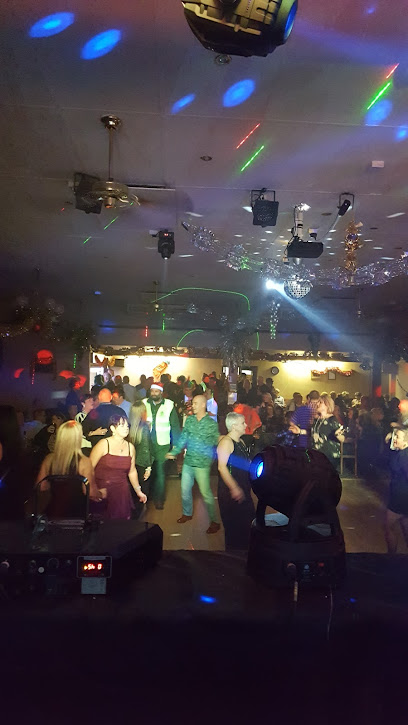
North Wales Celebrations Wedding & Party Disco DJ
17.8 km
Elevate your celebrations with North Wales Celebrations - the premier mobile disco DJ service for unforgettable weddings and parties.
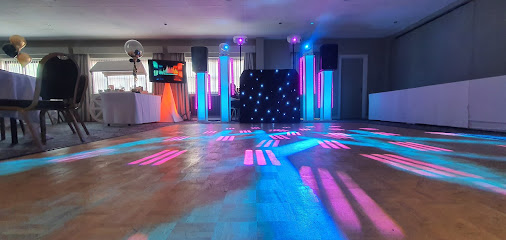
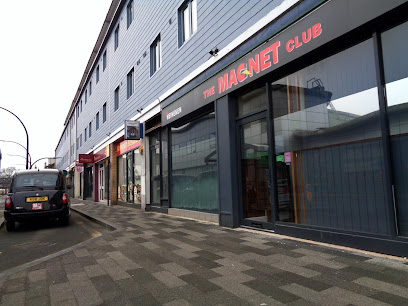
The Magnet Club
17.8 km
Wrexham’s independent venue since 1984, The Magnet Club blends live music, sports, and social games in a welcoming, refurbished space on King Street.
Bryn Griffiths W M Social Club
17.9 km
Discover the vibrant community spirit at Bryn Griffiths W M Social Club in Mold, where fun meets fellowship and local culture thrives.
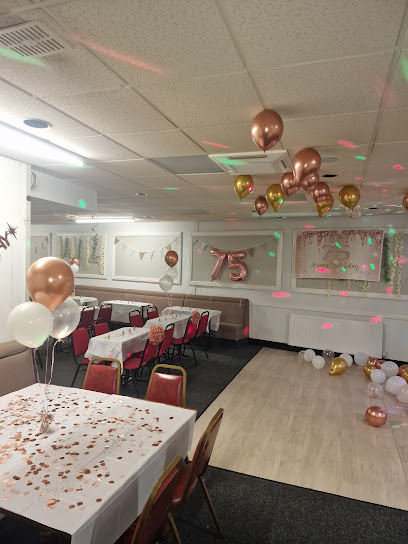
Flint Royal British Legion Social Club
18.3 km
A welcoming social hub in Flint supporting veterans and community through camaraderie, remembrance, and local events.
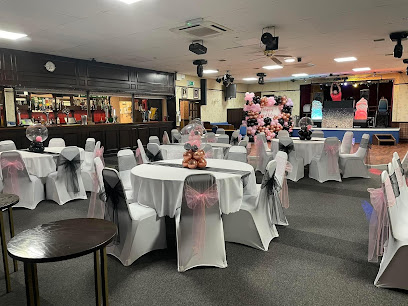
The Establishment
21.3 km
A vibrant Widnes nightclub offering lively events, friendly staff, and a spacious venue for unforgettable nights out.
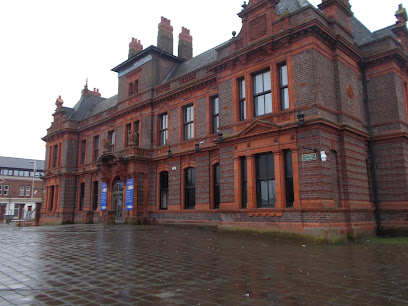
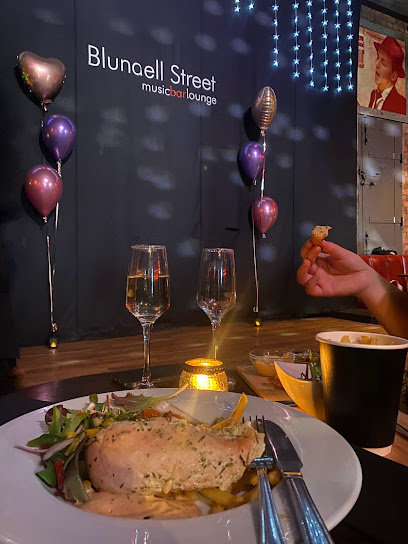
Supper Club at Blundell Street
23.9 km
Liverpool's ultimate supper club: fuel up on hearty meals, then dance the night away to drag shows, tributes, and non-stop hits near Echo Arena.
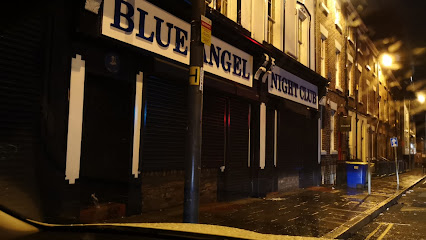
The Blue Angel Nightclub
24.2 km
Liverpool's dingy dive for 60s rock legends, dirt-cheap drinks, and sweaty throwback dances—where The Beatles once rocked and students still rage till dawn.
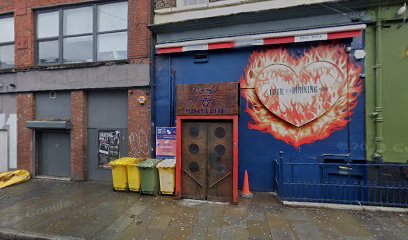
Cool It
24.3 km
A multi-level, student-friendly nightclub on Seel Street offering loud DJ nights, bargain entry and packed late‑night dancefloors.
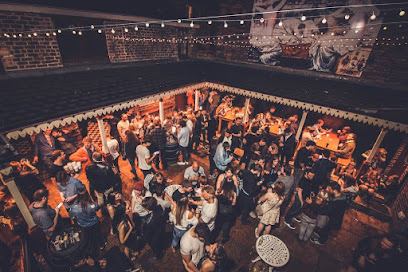
Heebie Jeebies
24.3 km
Liverpool's eclectic nightlife heart: multi-level bar, live music basement, courtyard hangs, and anthemic nights until dawn on Seel Street.
For the vibe & atmosphere seeker
- Scenic
- Unique
- Romantic
For the design and aesthetic lover
- Victorian Styles
- Minimalist Designs
For the architecture buff
- Historic
- Heritage Neighborhoods
For the view chaser and sunset hunter
- Panoramas
- Waterfront
For the social media creator & influencer
- Architectural Shots
- Photo Spots
For the eco-conscious traveler
- Heritage Neighborhoods
- Locally Managed
For the kind of experience you’re after
- Cultural Heritage
- Photowalk
- Day Trip
For how adventurous you want the journey to be
- Easy Access
Location Audience
- Family Friendly
- Solo Friendly
- Couple Friendly
- Senior Friendly
- History Enthusiasts


