William Brown Street
Liverpool's neoclassical cultural heart, where Victorian grandeur meets world-class museums and galleries.
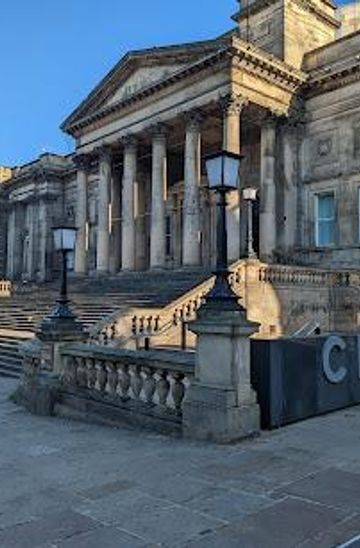
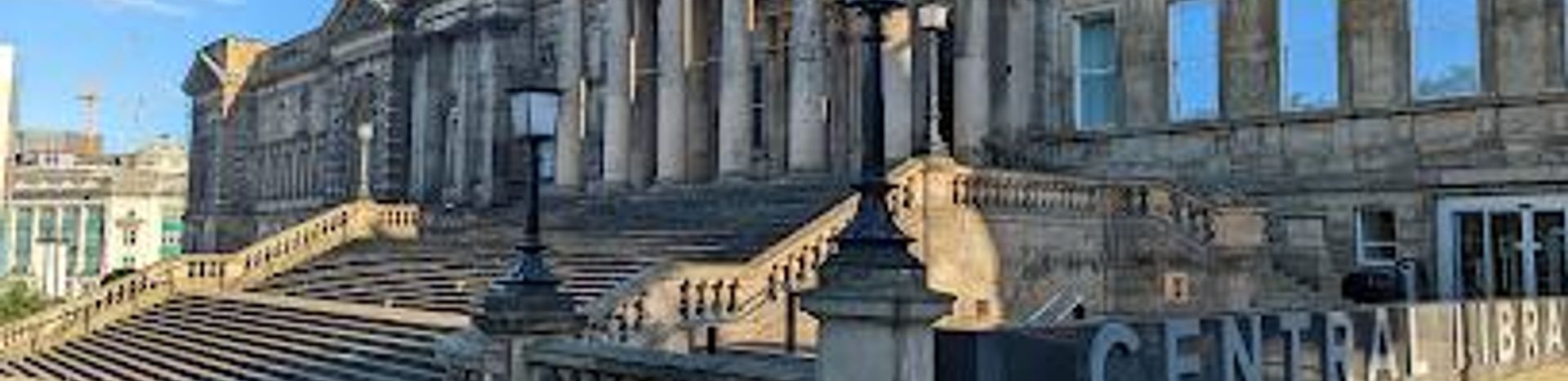
William Brown Street is Liverpool's principal cultural quarter, a remarkable concentration of neoclassical public buildings that form the heart of the city's artistic and educational life. Home to the World Museum, Walker Art Gallery, and Central Library, this cobbled street stretches from Lime Street Station to the Queensway Tunnel entrance. Dominated by the architectural grandeur of St George's Hall, the street showcases Victorian civic ambition and philanthropic investment, with impressive monuments, fountains, and heritage buildings that have earned Liverpool its UNESCO World Heritage status.
A brief summary to William Brown St
- Liverpool, GB
- Duration: 1.5 to 4 hours
- Free
-
 Outdoor
- Mobile reception: 5 out of 5

Know before you go
Hi, I'm Eve. Here are a few practical things to know before exploring William Brown St.
- Visit on weekday mornings to experience the street and museums with fewer crowds, allowing more time to appreciate the architectural details and exhibitions.
- If visiting St George's Hall, check opening times in advance as the building is closed on Sundays; the visitor centre is free to enter but special events and tours require tickets.
- Allow time to explore the educational plaques and digital resources that document William Brown Street's connection to Liverpool's maritime history and the transatlantic slave trade.
- Bring a camera or smartphone—the street's neoclassical architecture, statues, and monuments provide exceptional photography opportunities, especially during golden hour.
- Confirm accessible routes from Lime Street Station if you use a wheelchair, and allow extra time for navigation between the various cultural institutions.
Do you manage this location?
Take control to get all the benefits, like improved information, better appearance, and stronger visibility across AI-powered discovery. Learn more
Activate your presenceOther nearby places you may find interesting

Getting There
-
Train from Lime Street Station
William Brown Street is directly accessible from Liverpool Lime Street Station, one of the UK's major railway hubs. Exit the station onto Lime Street and William Brown Street is immediately in front of you, forming the natural continuation of the station's approach. Travel time from Manchester Piccadilly is approximately 45 minutes; from Birmingham New Street approximately 2 hours 15 minutes. Frequent services operate throughout the day. No additional transport required—the street is a 1-minute walk from the station exit.
-
Local bus services
Multiple Merseyside bus routes serve the William Brown Street area, with stops located along or adjacent to the street. Services operate from Liverpool city centre and surrounding areas throughout the day, typically every 10–20 minutes during peak hours. Journey times vary depending on origin; from Liverpool ONE shopping district approximately 10–15 minutes. Single journey fares typically range from £1.75 to £2.50 GBP depending on distance. Services are less frequent on Sundays and public holidays.
-
Walking from Albert Dock
William Brown Street is accessible on foot from Liverpool's iconic Albert Dock waterfront, approximately 15–20 minutes' walk through the city centre. The route passes through commercial and cultural districts, with clear signage directing visitors toward the Cultural Quarter. The walk is relatively flat with paved surfaces throughout, suitable for most fitness levels. This approach allows you to experience multiple areas of central Liverpool and provides orientation to the broader city layout.
-
Parking near St George's Hall
Limited on-street parking is available along William Brown Street itself, though spaces are typically occupied during daytime hours. Nearby multi-storey car parks include St George's Hall car park and other facilities within 5–10 minutes' walk. Parking charges typically range from £2.50 to £5.00 GBP per hour depending on the facility and time of day. Alternatively, park-and-ride services operate from outer areas of Liverpool with frequent bus connections to the city centre, costing approximately £4.00–£6.00 GBP per vehicle.
For the on-the-go comforts that matter to you
-
 Restrooms
-
 Drink Options
-
 Drinking Water
-
 Food Options
-
 Seating Areas
-
 Sheltered Areas
-
 Trash Bins
-
 Information Boards
-
 Visitor Center
Discover more about William Brown St
The Heart of Liverpool's Cultural Renaissance
William Brown Street represents one of Britain's finest concentrations of public cultural institutions, created during the mid-19th century when Liverpool's maritime wealth and merchant philanthropy transformed a modest coaching road into a world-class cultural quarter. Originally known as Shaw's Brow, the street was renamed in 1860 to honour William Brown, a local MP and benefactor who donated £40,000 for the construction of a public library and museum. This investment catalysed a wave of civic building projects that would define Liverpool's identity for generations to come. The street stretches from Lime Street Station, opened in 1836 as a gateway to the world's first intercity railway, to the entrance of the Queensway Tunnel, creating a distinctive urban corridor lined with Grade I and Grade II listed buildings of exceptional architectural merit.Neoclassical Splendour and Architectural Mastery
The visual character of William Brown Street is dominated by restrained neoclassical architecture that reflects the aspirations of Victorian Liverpool. St George's Hall, completed in 1855 and designed by the young architect Harvey Lonsdale Elmes, stands as the undisputed centrepiece—a masterpiece of European neoclassical design that combines a concert hall and law courts within a single imposing structure. The Great Hall features a tunnel-vaulted roof and an extraordinary Minton tiled floor composed of approximately 30,000 individual tiles, decorated with mythological maritime imagery including the Liver Bird, Neptune, sea nymphs, and dolphins. The Walker Art Gallery, opened in 1877, presents a classical portico surmounted by a replica allegorical sculpture representing the Spirit of Liverpool. The World Museum and Central Library building, completed in 1860, exemplifies the same restrained classicism. Additional architectural features include the County Sessions House, the Wellington Memorial, the ornamental Steble Fountain, and the Art Deco entrance to the Queensway Tunnel, each contributing to a streetscape of remarkable visual coherence and historical significance.Institutional Legacy and Public Purpose
The institutions lining William Brown Street embody Liverpool's commitment to public education, artistic advancement, and civic welfare. The World Museum houses diverse collections spanning natural history, ancient Egypt, and scientific discovery, engaging visitors of all ages with interactive exhibits and world-class artefacts. The Walker Art Gallery, named after its principal benefactor Alderman Andrew Barclay Walker, hosts the annual John Moores Painting Prize and displays artworks including pieces from the collection of banker and MP William Roscoe. Liverpool Central Library, which underwent a £50 million renovation and reopened in 2013, provides modern library services within a historic setting. These institutions were established through the generosity of Liverpool's wealthy merchants and entrepreneurs, reflecting a broader civic philosophy that cultural and educational advancement should serve the entire population. St George's Hall has hosted momentous gatherings throughout Liverpool's history, from concerts and civic celebrations to memorials for significant events, including a 2012 gathering of 10,000 people honouring victims of the Hillsborough disaster.A Street Shaped by Global Commerce
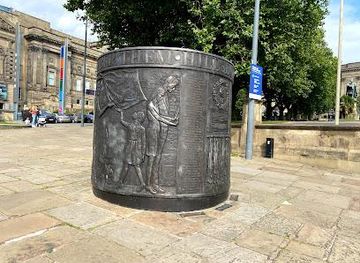
The wealth that funded William Brown Street's development was inextricably linked to Liverpool's role as a major port in the transatlantic trade networks of the 18th and 19th centuries. William Brown himself arrived in Liverpool in 1810 as an agent for his family's American business, becoming one of the city's richest merchants through the importation of cotton produced by enslaved people in the United States. The Brown family also owned plantations employing enslaved labourers, accumulating the fortune that enabled their philanthropic contributions. This complex historical legacy—the intertwining of cultural achievement with the profits of slavery—is now acknowledged through educational plaques and digital mapping projects that encourage visitors to understand Liverpool's full historical narrative. The street thus represents both genuine cultural accomplishment and the uncomfortable truths of how that accomplishment was financed.Urban Character and Contemporary Experience
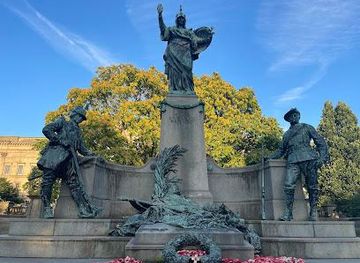
Walking William Brown Street today offers a distinctive urban experience where Victorian grandeur meets modern cultural vitality. The cobbled surface, narrow width, and concentration of monumental buildings create an intimate yet imposing atmosphere quite distinct from Liverpool's modern commercial districts. The street has served as a filming location for major productions including The Batman and Peaky Blinders, testament to its photogenic architectural qualities. St John's Gardens provides green space and respite, while numerous statues and monuments—including representations of William Rathbone and other civic figures—punctuate the streetscape. The area is surrounded by pubs, restaurants, and shops, making it a natural gathering point for both cultural pilgrims and casual visitors. Weekday mornings typically offer fewer crowds than afternoons and weekends, particularly during school holidays when families visit the museums in greater numbers.Explore the best of what William Brown St has to offer















More about Chester
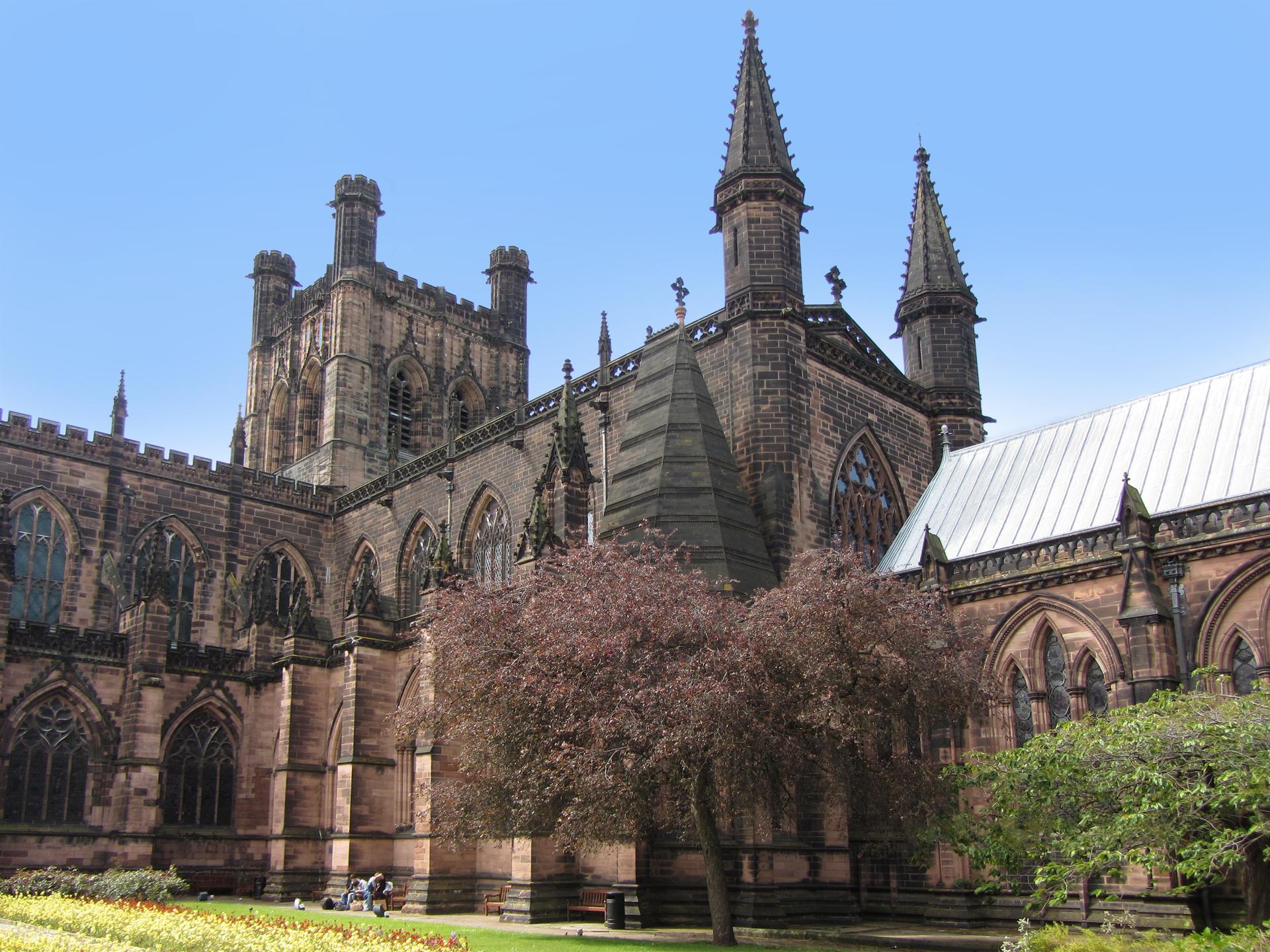
Discover Chester: A perfect blend of ancient history and modern charm, with its Roman walls, stunning cathedral, and unique shopping experiences.
Tell me more about Chester
A grand Edwardian office block that once powered Liverpool’s global cotton trade, now a striking blend of historic and modern architecture in the city centre.

Historic and finely detailed equestrian statue of Queen Victoria, a regal landmark on Liverpool’s vibrant Lime Street near St George’s Hall.