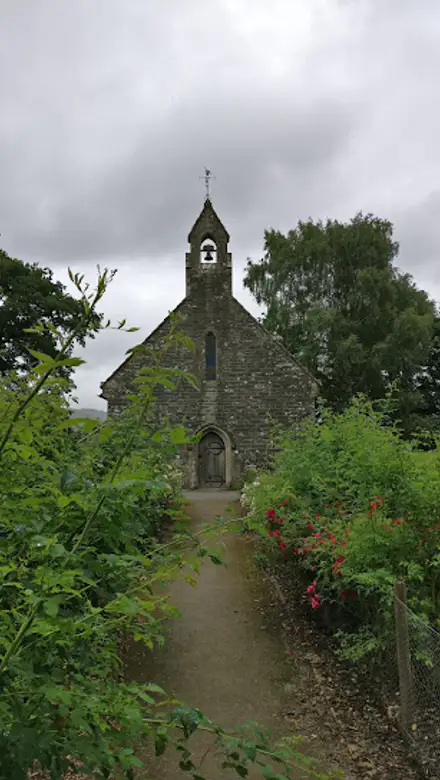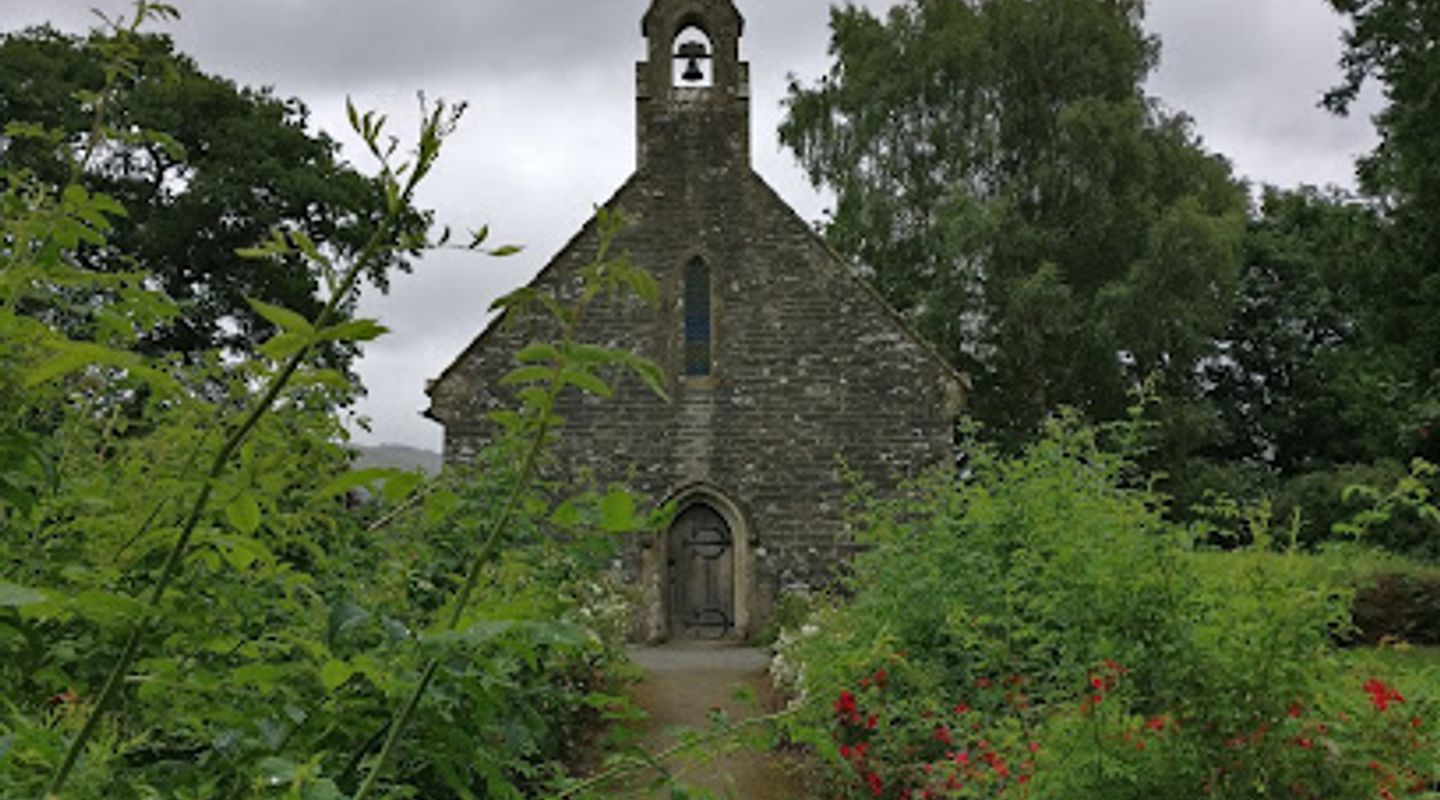
Capel y Rug, Clwyd Travel Guide
Discover Rug Chapel’s vibrant 17th-century artistry and Welsh heritage, a hidden gem of color, carvings, and culture near Corwen.
Rug Chapel near Corwen is a rare 17th-century private chapel built in 1637 by Colonel William Salesbury. It is renowned for its richly painted interiors, intricate wooden carvings, and unique high Anglican style, preserving Welsh-language services and vibrant historic artistry largely untouched by Victorian restorations.
A brief summary to Capel y Rug
- Rug Chapel, Corwen, LL21 9BT, GB
- Click to display
- Click to display
- Duration: 0.5 to 1.5 hours
- Mid ranged
-
 Indoor
- Mobile reception: 4 out of 5

Know before you go
Hi, I'm Eve. Here are a few practical things to know before exploring Capel y Rug.
- Visit during spring to autumn when the chapel is open to fully appreciate the vivid interior colors in natural light.
- Bring a torch or use your phone flashlight to better see the intricate carvings inside the pews.
- Read about the English Civil War and Colonel William Salesbury beforehand to enrich your understanding of the chapel’s origins.
- Combine your visit with a walk around the historic Rhug estate to experience the broader landscape context.
Do you manage this location?
Take control to get all the benefits, like improved information, better appearance, and stronger visibility across AI-powered discovery. Learn more about listing your business on Evendo
Activate your presenceOther nearby places you may find interesting
The closest places of the same kind, if this one is not quite what you had in mind.

Explore Capel y Rug on the Map
A handpicked selection of must-see spots near Capel y Rug, mapped for you.
Getting There
-
Car
Driving from Corwen town center, the chapel is approximately a 10-minute drive via rural roads. Parking is limited near the chapel, so plan to park thoughtfully and walk the final stretch. No parking fees apply.
-
Bus
Local bus services run between Corwen and nearby villages, with a stop within 2 km of Rug Chapel. From the nearest stop, expect a 25-minute walk on country lanes. Bus fares range from £3 to £6 one way.
-
Walking
For active visitors, walking from Corwen town center to Rug Chapel takes about 45 minutes along quiet rural paths and minor roads. Terrain is mostly flat but may be muddy after rain; suitable for moderate fitness levels.
For the on-the-go comforts that matter to you
-
 Restrooms
-
 Information Boards
-
 Seating Areas
Discover more about Capel y Rug
Historical Roots and Founding Legacy
Rug Chapel, officially the Chapel of the Holy Trinity, was constructed in 1637 by Colonel William Salesbury, a staunch Royalist and defender of Denbigh Castle during the English Civil War. The chapel was built as a private place of worship for the Salesbury family estate at Rhug, near Corwen. William Salesbury inherited heavily mortgaged lands and spent decades restoring the estate’s fortunes. His religious leanings favored the Anglican "high church" tradition under Charles I, which influenced the chapel's elaborate and celebratory decoration style. The chapel's foundation included a trust and land endowment to ensure Welsh-language services continued, reflecting the cultural importance of Welsh liturgy at the time.Architectural and Artistic Distinctiveness
Unlike many churches altered by Victorian restorers, Rug Chapel remains remarkably intact, preserving its original 17th-century character. Its interior is richly adorned with brightly colored friezes featuring mythical and natural creatures, symbolizing a blend of Christian iconography and folklore. The wooden pews are ornately carved, with scalloped openings and detailed images of birds, animals, and fantastical beings. The ceiling panels display surprisingly modern abstract designs for their era, adding to the chapel’s unique aesthetic. This vibrant artistry reflects the chapel’s dual themes of nature’s beauty and spiritual mystery.Cultural Significance and Language Preservation
The chapel holds a special place in Welsh cultural heritage as a rare site where services were historically conducted in Welsh, alongside Latin texts. William Salesbury’s endowment mandated dedicated clergy to maintain this tradition, underscoring the chapel’s role in sustaining the Welsh language and religious identity during a period of political and religious upheaval. Over time, some original stipulations were relaxed, but the chapel remains a symbol of Welsh faith and resilience.Setting and Atmosphere
Nestled near the historic Rhug estate, Rug Chapel offers an intimate and tranquil environment. Its modest exterior contrasts with the exuberant interior, inviting visitors to explore a hidden gem of Welsh ecclesiastical art. The chapel’s rural setting enhances its peaceful ambience, making it a contemplative space that balances earthly beauty with spiritual reflection.Preservation and Visitor Experience
Managed by Cadw, Wales’s historic environment service, Rug Chapel is accessible to visitors during the warmer months. Its preservation as a Grade I listed building ensures that the chapel’s original features and vibrant colors remain protected. Visitors can experience a rare glimpse into 17th-century religious life and artistry, appreciating the craftsmanship and cultural narratives embedded in every carved pew and painted panel.Legacy of the Salesbury Family and Regional History
The Salesbury family’s influence in the region is deeply intertwined with the chapel’s history. Colonel William Salesbury’s role as a Royalist colonel and his dedication to the chapel reflect the turbulent political landscape of 17th-century Wales. The chapel stands as a testament to the family’s legacy and the broader historical narrative of Welsh nobility, faith, and cultural identity during a time of civil war and restoration.












Your all‑in‑one travel companion app
Explore expert travel guides, compare and book tours, experiences, hotels, and more—all from the palm of your hand. Download now for seamless trip planning wherever your wanderlust takes you.


Explore More of Clwyd
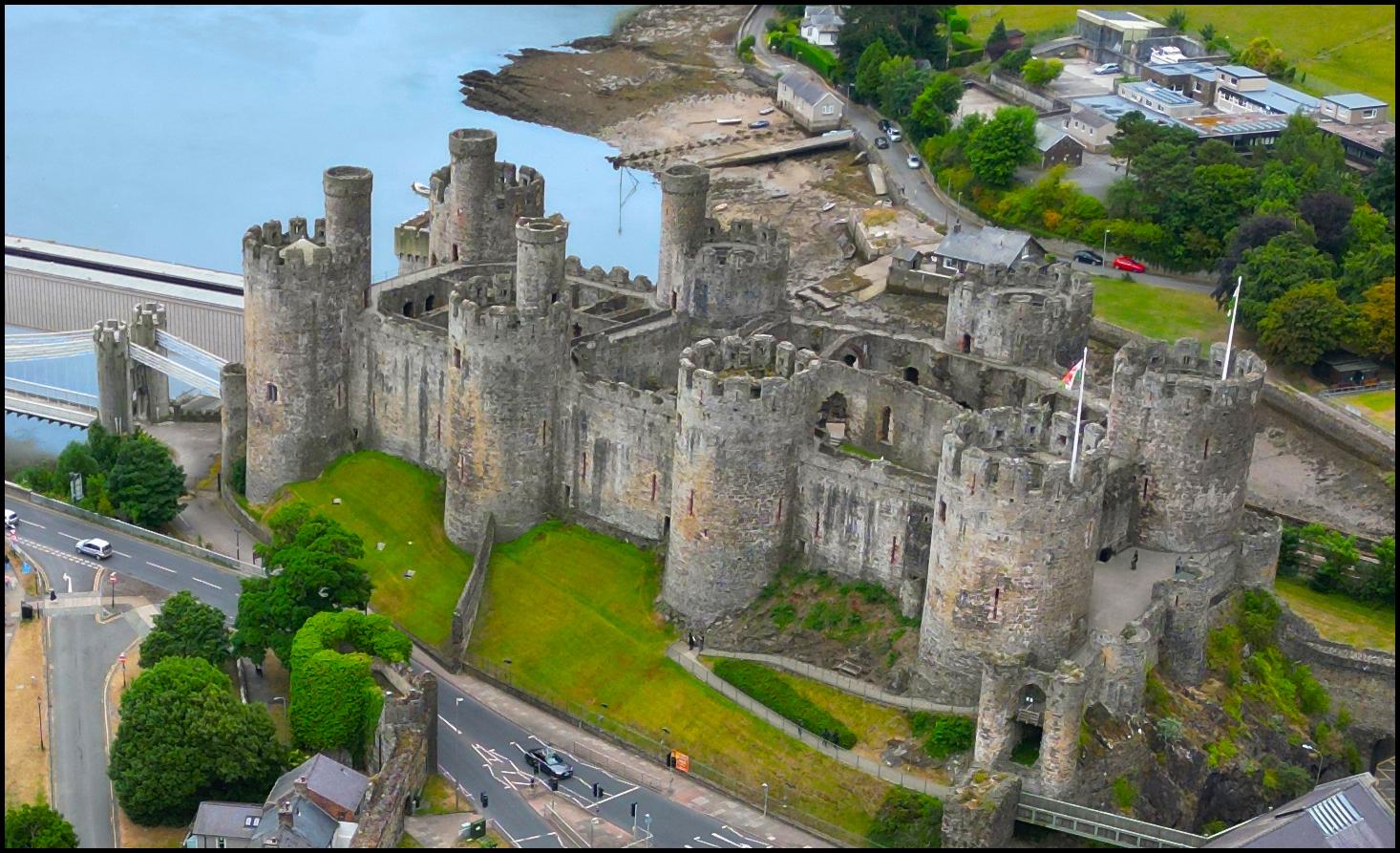
Looking beyond Capel y Rug? Discover Clwyd for broader travel guides, local hot-spots, and regional highlights.
Explore Clwyd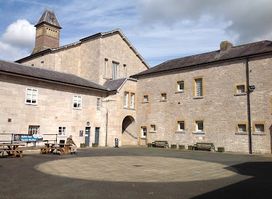
Step back into Victorian Wales at Ruthin Gaol Museum, where history, haunting stories, and authentic prison life await your discovery.
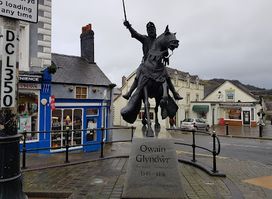
Discover the powerful bronze statue of Owain Glyndŵr in Corwen, a tribute to Wales’ last native Prince and legendary rebel leader.