
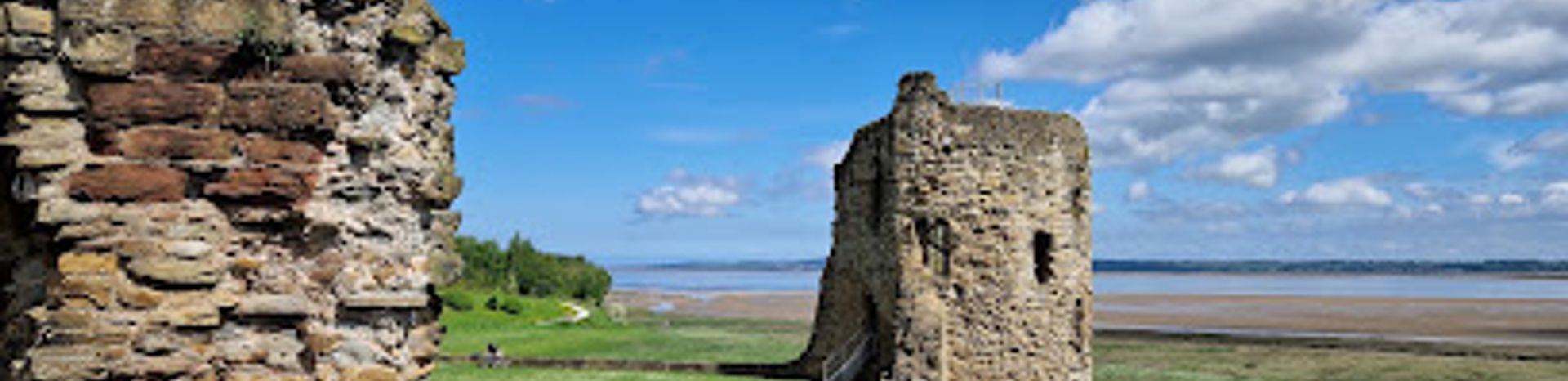
Flint Castle - Castell y Fflint: Wales’ Pioneering Edwardian Fortress
Explore Flint Castle’s pioneering 13th-century fortress with free entry, scenic estuary views, and rich medieval history on Wales’ North coast.
Flint Castle, built in 1277 by King Edward I, stands as the earliest English-built castle in North Wales. This coastal fortress features a distinctive circular keep, thick defensive walls, and commanding views over the River Dee estuary. Open daily with free entry, the castle offers visitors a well-preserved glimpse into medieval military architecture alongside scenic coastal walks and panoramic vistas.
A brief summary to Flint Castle - Castell y Fflint
- Castle Rd, Flint, CH6 5PE, GB
- Visit website
- Duration: 1 to 2.5 hours
- Free
-
 Outdoor
- Mobile reception: 4 out of 5
- Monday 10 am-4 pm
- Tuesday 10 am-4 pm
- Wednesday 10 am-4 pm
- Thursday 10 am-4 pm
- Friday 10 am-4 pm
- Saturday 10 am-4 pm
- Sunday 10 am-4 pm
Local tips
- Wear sturdy footwear due to uneven stone surfaces and worn steps within the castle ruins.
- Visit early in the day to secure parking and enjoy quieter exploration before afternoon crowds.
- Bring a picnic to enjoy on the grassy central area with scenic views of the Dee estuary.
- Use the nearby Flint town facilities, as there are no toilets or food outlets at the castle site.
- Combine your visit with a walk along the Wales Coast Path for a fuller outdoor experience.

For the on-the-go comforts that matter to you
- Information Boards
- Seating Areas
- Trash Bins
Getting There
-
By Train
Flint railway station is approximately 270 meters from the castle, offering frequent regional services from major hubs. The walk from the station to the castle is about 5 minutes on level terrain, suitable for most travelers.
-
By Car
Access Flint Castle via the A548 road. Public car parks are available in Flint town center with some free and some paid options. Parking may be limited during peak times, so arriving early is advisable.
-
By Bicycle
The castle is accessible via National Cycle Network Route 5, which passes close by. Secure bike parking is available near the castle entrance.
-
On Foot
Visitors can reach Flint Castle by walking from Flint town center in about 15 minutes along mostly flat, paved paths. The terrain within the castle grounds includes uneven surfaces and steps.
Flint Castle - Castell y Fflint location weather suitability
-
 Any Weather
-
 Clear Skies
-
 Mild Temperatures
-
 Rain / Wet Weather
-
 Windy Conditions
Discover more about Flint Castle - Castell y Fflint
Origins of a Strategic Stronghold
Flint Castle was constructed in 1277 as the first castle in King Edward I’s campaign to conquer and control North Wales. Its foundation marked a pivotal moment in medieval Welsh history, symbolizing English authority in the region. The castle’s design is unique, featuring a solitary circular keep, or donjon, with exceptionally thick walls, intended to serve as a last refuge during sieges. Surrounded by a moat and accessed via a drawbridge, this inner fortress was fortified to withstand prolonged attacks.Architectural Features and Defensive Innovations
The castle’s concentric layout includes curtain walls and multiple towers, creating layered defenses. Visitors can explore the remains of the gatehouse, outer bailey walls, and battlements connected by metal walkways and spiral staircases, which have been sensitively added to improve accessibility while preserving the ruins. The circular keep’s elevated position offers commanding views of the Dee estuary and the Wirral Peninsula, underscoring its strategic importance.A Site of Historical Drama and Cultural Resonance
Flint Castle is notable not only for its military role but also as the setting of a historic 1399 meeting between King Richard II and Henry Bolingbroke, later Henry IV, an event immortalized by Shakespeare. This association adds a rich cultural layer to the site, connecting it to broader narratives of English monarchy and medieval power struggles.Visitor Experience and Surrounding Landscape
Today, Flint Castle is a partially ruined but accessible monument open daily from 10am to 4pm with free admission. The grounds offer a tranquil setting for picnics and exploration. The castle’s location on the Wales Coast Path invites visitors to combine their visit with scenic coastal walks. The terrain is mostly level but includes uneven, weathered stone surfaces and worn steps, requiring suitable footwear. Dogs on leads are welcome on the ground floor levels.Preservation and Modern Enhancements
Managed by Cadw, the Welsh Government’s historic environment service, Flint Castle benefits from ongoing conservation efforts. Informational boards and a bench with an integrated audio guide enrich the visitor experience, providing historical context and architectural insights. Despite lacking amenities such as toilets or food outlets on site, nearby public car parks and the town of Flint offer facilities.Atmosphere and Photographic Opportunities
The castle’s evocative ruins and dramatic estuary views create an atmospheric setting, especially near dusk when some visitors report an eerie feeling. The open battlements and towers provide excellent vantage points for photography, capturing both the rugged medieval stonework and the natural beauty of the surrounding landscape.Iconic landmarks you can’t miss

Naid Y March
8.2 km
Discover the ancient mystery of Naid Y March, the Bronze Age standing stones steeped in legend and Welsh heritage near Holywell.
Dyfed Drive
8.9 km
Discover Deeside with ease from Dyfed Drive, your essential bus stop connecting you to local attractions and scenic landscapes.
Old Spital Pinfold
12.9 km
Discover the quiet charm of Old Spital Pinfold, a preserved historic livestock enclosure nestled in the peaceful suburb of Bebington, Wirral.
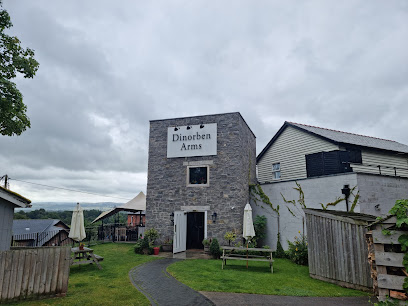
The Dinorben Arms
15.7 km
Experience authentic Welsh hospitality at The Dinorben Arms, a charming pub in Bodfari, offering delicious local cuisine and a warm atmosphere.
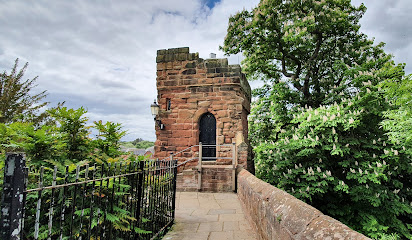
Bonewaldesthorne's Tower
16.7 km
Medieval gatehouse controlling Chester's western defenses, standing sentinel on Britain's most complete city walls.
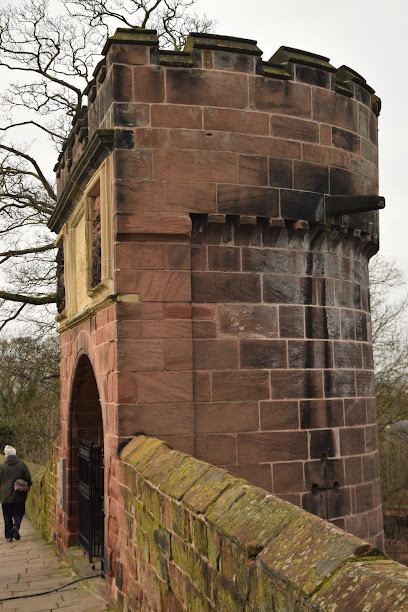
Pemberton's Parlour
16.8 km
Explore Pemberton's Parlour, a striking red sandstone tower on Chester’s historic city walls, revealing centuries of medieval and Victorian heritage.
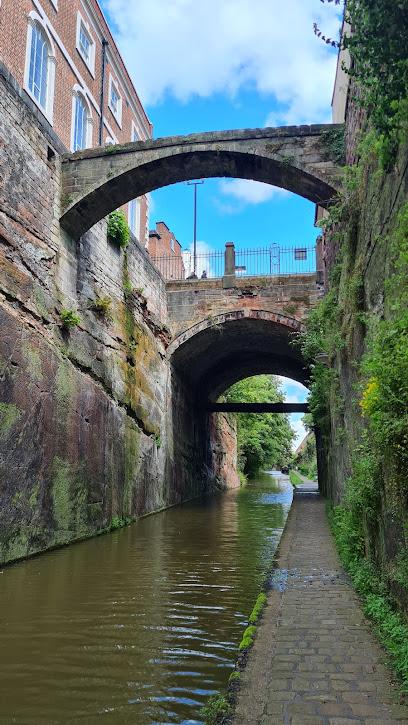
Bridge Of Sighs
17.0 km
A haunting 1793 stone bridge where condemned prisoners took their final steps before execution—Chester's most poignant historical crossing.
Ancient Roman Columns, Chester
17.1 km
Roman column bases marking Chester's legacy as a major legionary fortress and potential capital of Britannia.
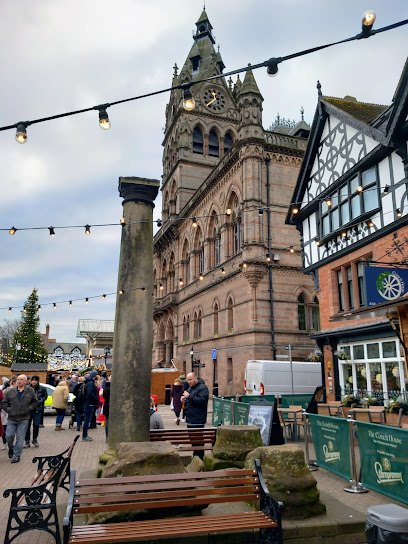
Chester Town Hall
17.2 km
A stunning Victorian Gothic Revival landmark, Chester Town Hall is the historic heart of Chester’s civic and cultural life.

Chester Visitor Information Centre
17.2 km
Explore Chester's rich history and vibrant culture at the Visitor Information Centre, your essential resource for navigating this historic city.

Chester City Walls
17.2 km
Discover the historic charm of Chester City Walls, a timeless landmark offering breathtaking views and a journey through the city’s illustrious past.
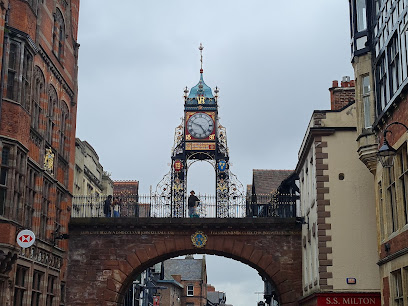
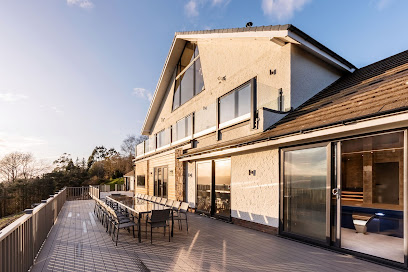
Clwyd Gate Manor
17.2 km
Experience the serenity of Clwyd Gate Manor, a picturesque holiday home in Ruthin, North Wales, perfect for family adventures and relaxation.
Chester Cathedral
17.2 km
Discover the historical beauty of Chester Cathedral, a stunning blend of Gothic architecture and rich cultural heritage in the heart of Chester.

Chester War Memorial
17.3 km
A solemn neo-medieval tribute to fallen soldiers, unveiled in 1922 within Chester Cathedral's historic grounds.
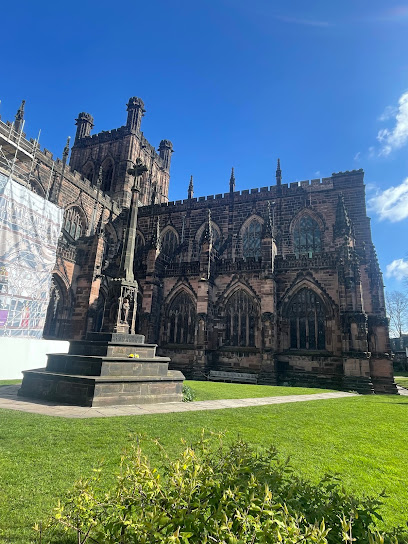
Chester Cross
17.3 km
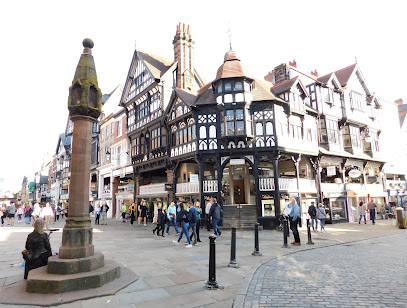
Medieval heart of Chester where Roman streets meet Tudor architecture and civic tradition.
Unmissable attractions to see

Flintshire Guardian
1.1 km
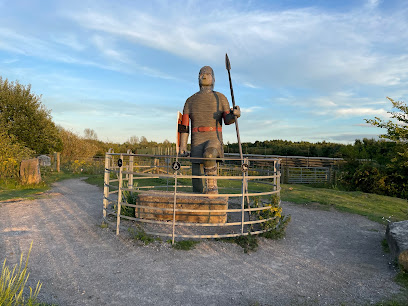
A towering timber sentinel at Flint Point, guarding the River Dee estuary with a gaze fixed on Hilbre Island.
Moel y Gaer
5.6 km
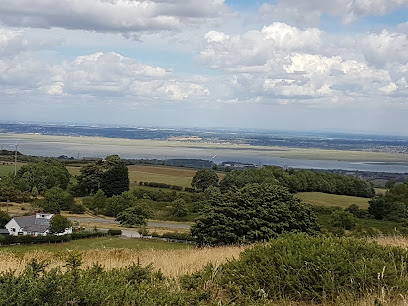
Explore Moel y Gaer, a commanding Iron Age hillfort with ancient earthworks and sweeping views across North Wales and beyond.
Ambermaze Fine Dining
5.6 km
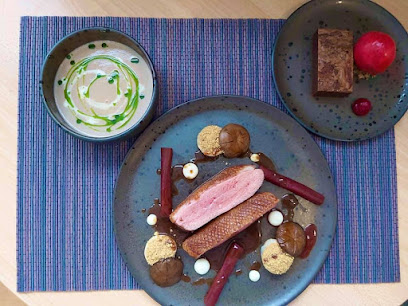
Elegant fine dining in Holywell blending culinary artistry with impeccable service in a refined setting.
Basingwerk Abbey
6.6 km
Explore the evocative ruins of a 12th-century Cistercian abbey nestled in tranquil North Wales, a place of history, pilgrimage, and peaceful reflection.
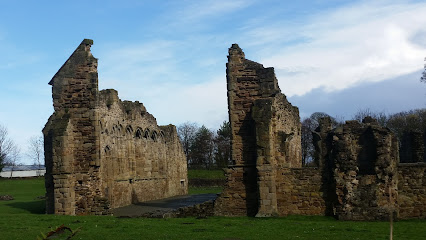
Greenfield Valley Heritage Park
6.6 km
Explore 70 acres of heritage, nature, and family fun in North Wales’ Greenfield Valley Heritage Park.
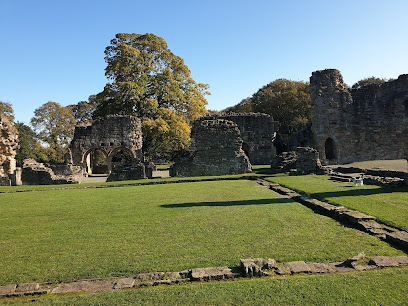
The National Catholic Shrine of St Winefride.
6.8 km
Explore Wales’ oldest pilgrimage site where sacred waters and medieval heritage inspire spiritual reflection and healing.
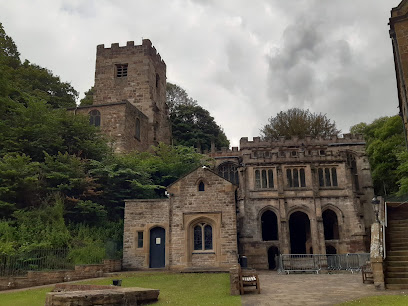
Wepre Park
7.0 km
Explore 160 acres of ancient woodland, medieval castle ruins, scenic trails, and family-friendly amenities in the heart of Flintshire's Wepre Park.
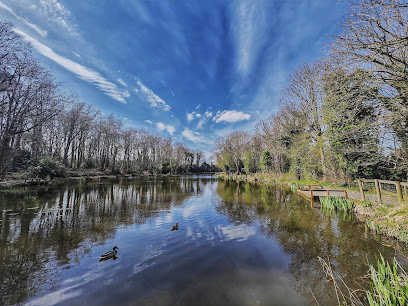
Castell Ewloe
7.1 km
Discover Castell Ewloe, a rare woodland castle of Welsh princes nestled in serene forest near Deeside, rich with medieval history and native architecture.
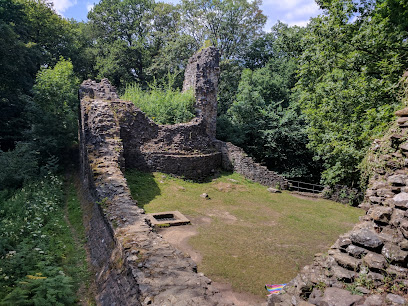
Theatr Clwyd
8.1 km
Discover Theatr Clwyd, Mold’s vibrant performing arts theatre blending Welsh culture, dynamic performances, and scenic beauty in North Wales.

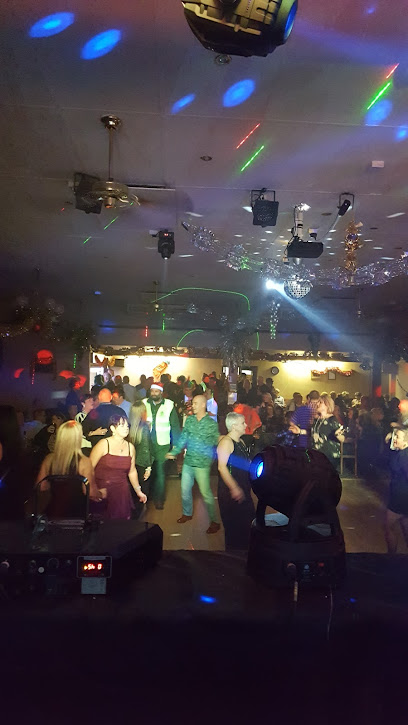
Ewloe Social and Community Club Ltd
8.3 km
A historic and sustainable social club in Deeside offering lively entertainment, affordable drinks, and a welcoming community atmosphere.
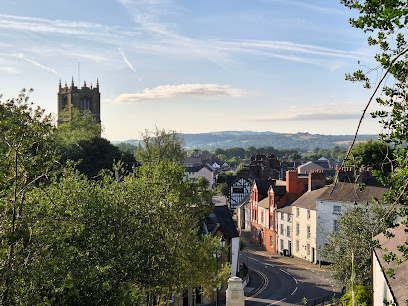
Mold Castle
9.1 km
Explore the historic Norman earthworks of Mold Castle, a serene memorial garden blending medieval heritage with community spirit in Flintshire.
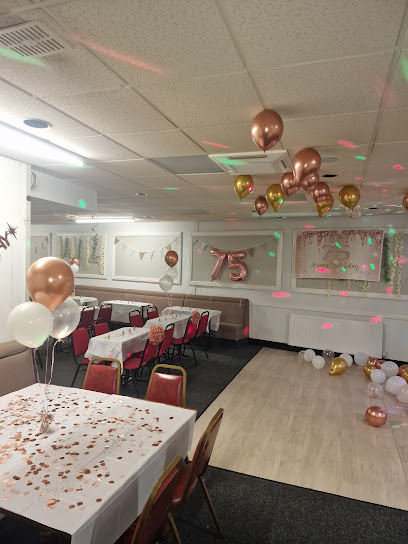
Bryn Griffiths W M Social Club
9.2 km
A welcoming community club in Mold offering casual fun, pool, and affordable drinks in a lively, friendly atmosphere.
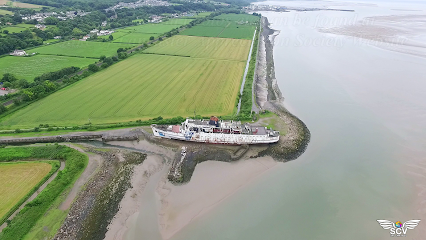
Duke of Lancaster ship
9.3 km
Historic 1955 turbine steam passenger ship turned iconic 'Fun Ship' and ghostly landmark on the North Wales coast.
Hungry Cow
9.4 km
Savor fresh, flavorful burgers in a lively, welcoming setting at Mold’s favorite casual dining spot on High Street.

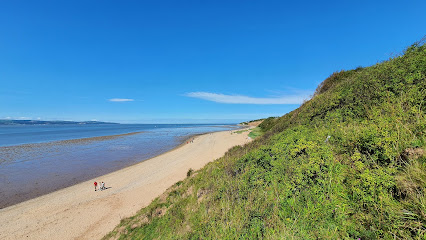
Wirral Country Park
10.1 km
Britain’s first country park offering 12 miles of scenic trails, wildlife watching, and family-friendly outdoor activities on the Dee Estuary.
Essential places to dine

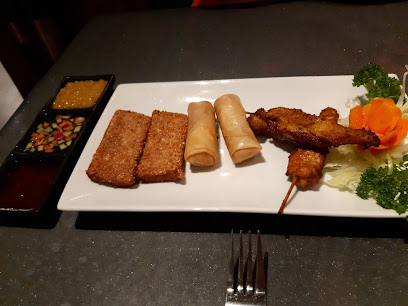
Thaidee Flint
0.4 km
Experience authentic Thai cuisine with fresh ingredients and generous portions in a welcoming Flint restaurant with vegan options.
The Celtic Arms
5.6 km
A welcoming countryside restaurant and bar offering freshly cooked British cuisine, extensive drinks, and a charming setting at Northop Country Park.
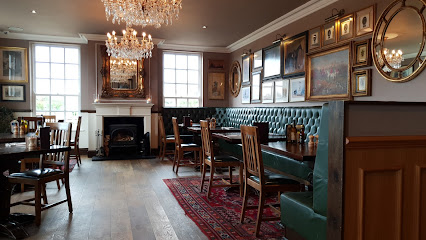
The Crooked Horn & rae's restaurant
6.1 km
Experience modern British cuisine at The Crooked Horn & Rae's Restaurant – where tradition meets innovation in a cozy gastropub setting.
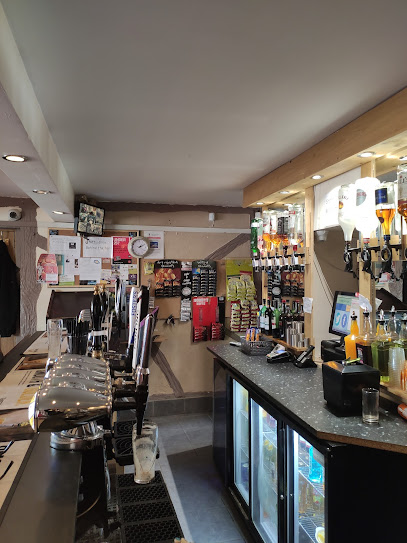
OK Diner
7.4 km
Classic American diner fare with a 1950s vibe, serving hearty breakfasts, burgers, and shakes daily in Northop Hall, Mold.
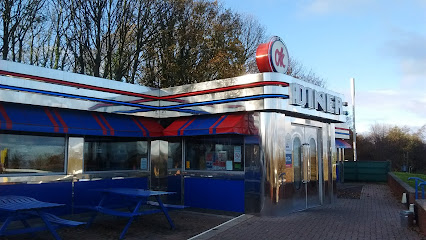
The Cherry Pie Inn
9.0 km
Traditional British hospitality and homemade classics await at The Cherry Pie Inn near Mold, a cozy family-run gem with a welcoming atmosphere.
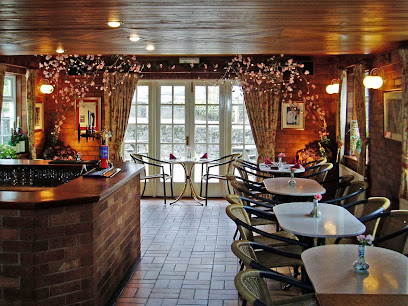
Just Steak
9.3 km
Savor expertly grilled steaks and vibrant flavors in the heart of Mold’s bustling High Street at Just Steak.
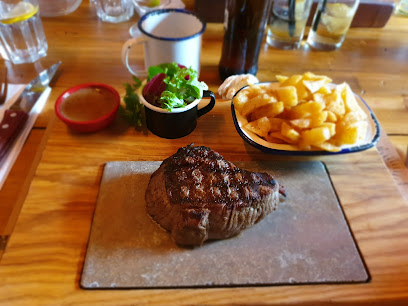
Y Delyn
9.3 km
Experience the charm of Y Delyn, Mold's premier wine bar offering an exquisite selection of wines and delightful small plates in a cozy atmosphere.
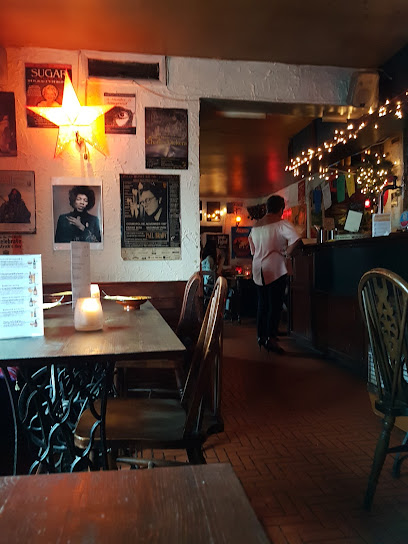
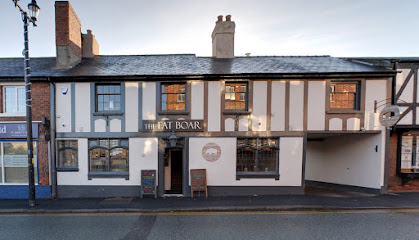
The Fat Boar Mold
9.4 km
A stylish gastro pub in Mold blending hearty British fare with a lively atmosphere and friendly service in a cozy, contemporary setting.
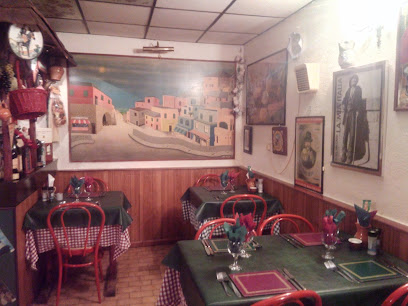
Primo Amore Italian Restaurant Mold
9.6 km
Authentic Southern Italian flavors and lively ambiance await at Primo Amore, Mold’s beloved Italian dining destination.
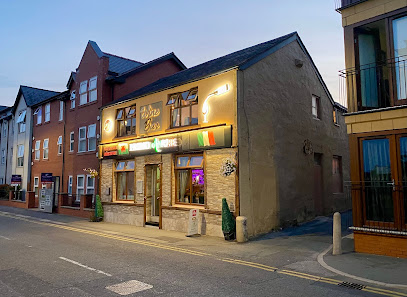
Belvedere
9.8 km
Authentic Italian flavors and warm ambiance await you at Belvedere, Mold’s cherished Italian restaurant on Wrexham Street.
Fox & Grapes
10.1 km
Historic 400-year-old pub in Hawarden serving real ales and homemade English-Greek dishes in a cozy, traditional setting.
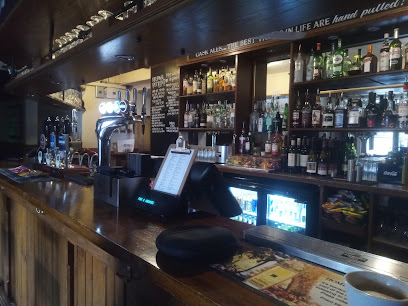
The Glynne Arms
10.2 km
Historic coaching inn in Hawarden village serving seasonal local cuisine with Welsh wines, craft beers, and a welcoming atmosphere.
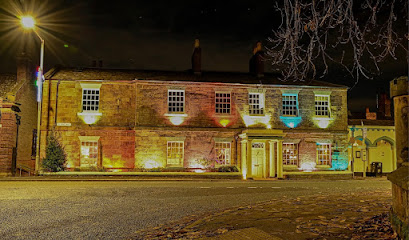
The Cheshire Yeoman
11.4 km
A warm, family-run country pub in Ellesmere Port serving traditional British dishes in a relaxed and welcoming atmosphere.
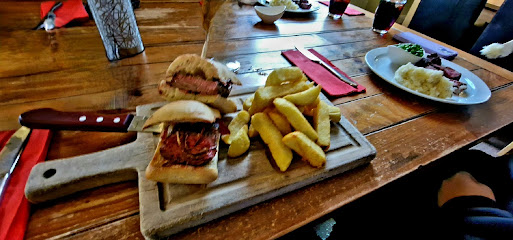
Edenshine Restaurant
11.8 km
Traditional Welsh and English cuisine served fresh in a charming antique centre setting near Mold, North Wales.
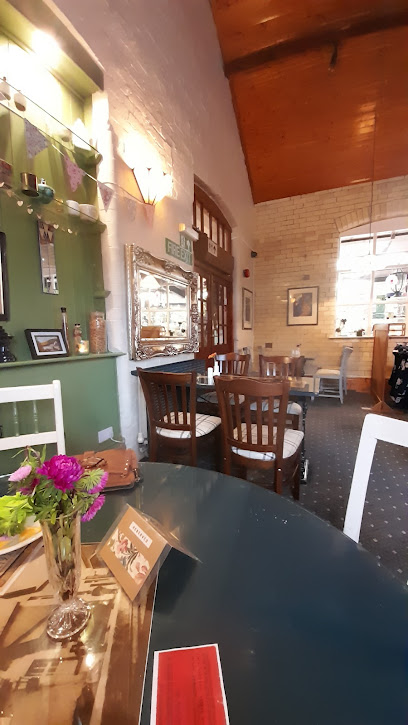
The Millstone
12.9 km
A family-owned gem in Penyffordd serving modern British dishes crafted from the freshest local produce in a warm, historic setting.
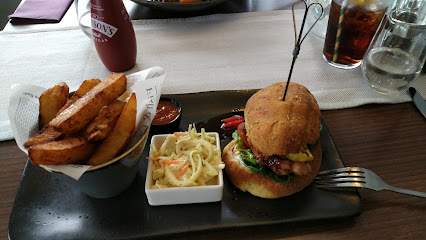
Markets, malls and hidden boutiques

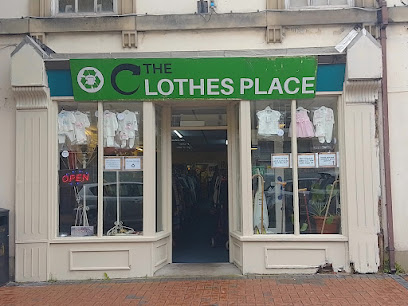
The clothes place
0.4 km
Independent fashion boutique offering quality clothing and personalized service in Flint town center.
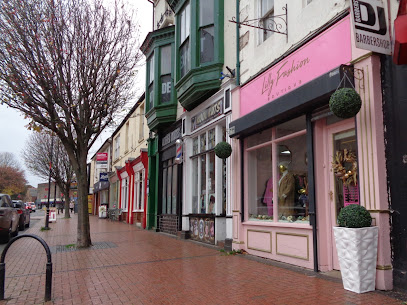
Lilly Fashion Boutique
0.5 km
Explore Lilly Fashion Boutique in Flint for a unique shopping experience with high-quality clothing and personalized service.
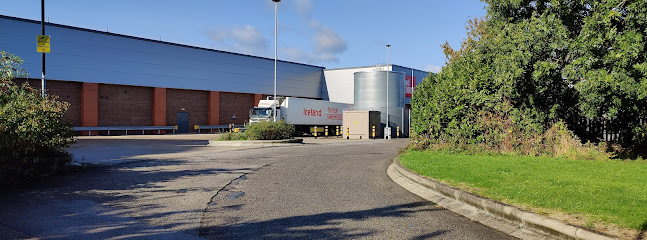
Flintshire Retail Park
0.5 km
A convenient and diverse shopping centre in Flint offering essential retailers, ample parking, and a practical shopping experience for all visitors.
MijMoj Design Ltd
0.9 km
Hand-crafted Welsh wooden gifts and bespoke furniture where traditional craftsmanship meets modern design innovation.

Quay Shopping Centre
5.6 km
A practical, community-focused retail park in Connah’s Quay, serving Deeside with a supermarket, pharmacy, bank, and everyday shops in a convenient, no-frills setting.
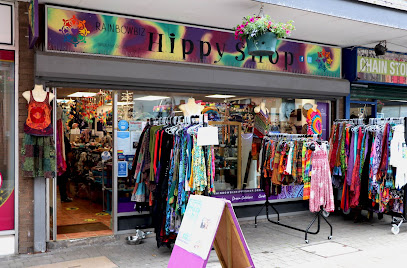
RainbowBiz Hippy Shop
7.4 km
Discover unique bohemian gifts and holistic treasures at RainbowBiz Hippy Shop, a vibrant community hub in Shotton, Deeside.
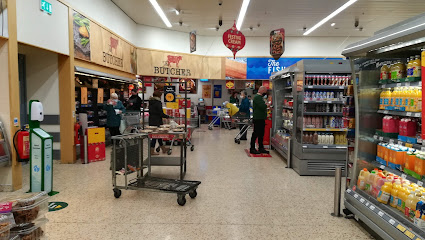
Deeside Retail Park
8.1 km
A bustling retail hub in Shotton offering diverse shops, ample parking, and extended hours for a convenient shopping experience.
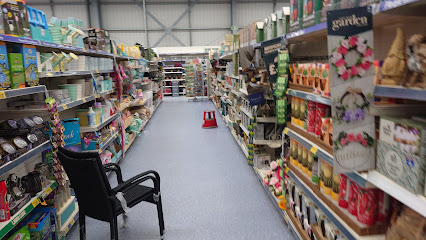
The Range, Queensferry
8.2 km
A comprehensive home and lifestyle store in Queensferry offering diverse products from furniture to garden supplies under one roof.
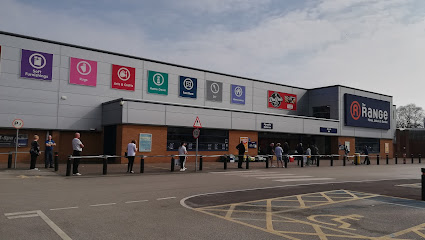
Buying Wild
8.7 km
Explore Buying Wild in Deeside for unique gifts and exquisite greeting cards, celebrating creativity and local craftsmanship.
The Craft Shack
9.3 km
Independent craft shop celebrating local artisans and creative inspiration in Mold's heart.
Yarn O'clock
9.4 km
Discover quality yarns and warm community spirit at Mold’s cozy wool shop, Yarn O'clock.
Rock Bottom
9.4 km
Independent women's fashion boutique offering quality styles at accessible prices in Mold town centre.
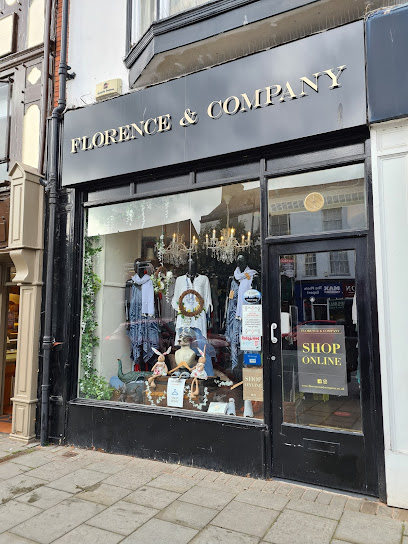
Florence & company
9.4 km
Discover unique fashion treasures at Florence & Company, a charming clothing boutique in the heart of Mold, perfect for local styles and personalized service.
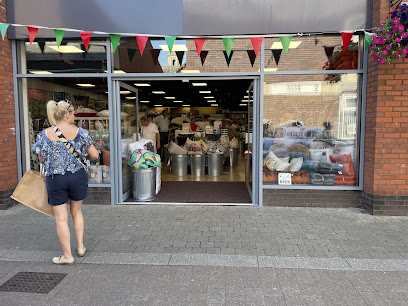
Staggered boutique interiors
9.5 km
Explore Staggered Boutique Interiors in Mold, where style meets comfort in exquisite bedding and decor, perfect for enhancing your home.
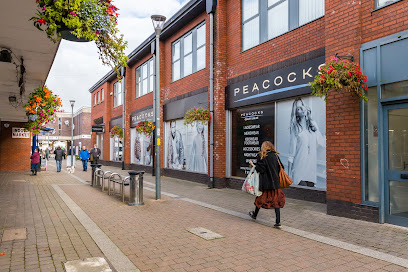
Peacocks
9.5 km
Affordable, trendy fashion for the whole family in the heart of Mold’s Daniel Owen Shopping Centre.
Essential bars & hidden hideouts

George & Dragon
0.4 km
A vibrant and welcoming pub in Flint offering great drinks, a lively atmosphere, and a cozy beer garden for locals and visitors alike.
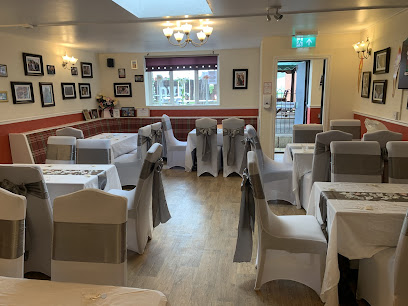
The Mill Tavern
1.2 km
A vibrant community pub in Flint offering hearty food, live sports, and lively entertainment in a welcoming atmosphere.
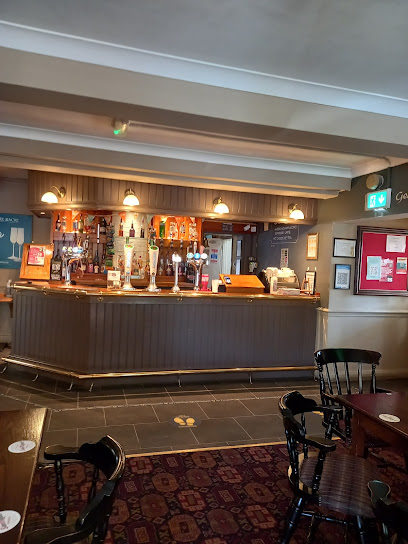
The Blossoms Pub
2.7 km
A friendly, accessible British pub in Bagillt offering community events and a welcoming atmosphere on High Street.
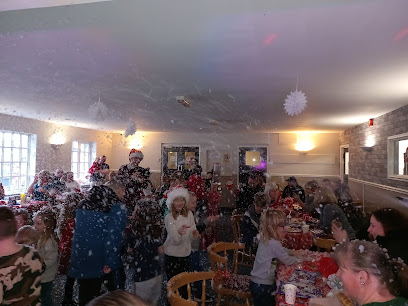
The Coach & Horses Flint Mountain
3.0 km
A cozy traditional pub in Flint Mountain offering hearty meals, friendly service, and a warm, inviting atmosphere with a classic Welsh charm.
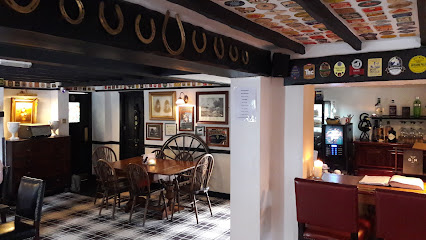
Blue Bell Inn, Halkyn
4.8 km
A cozy, welcoming pub on Halkyn Mountain offering fine ales, hearty food, and scenic North Wales charm.
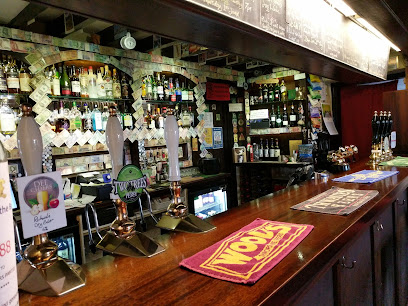
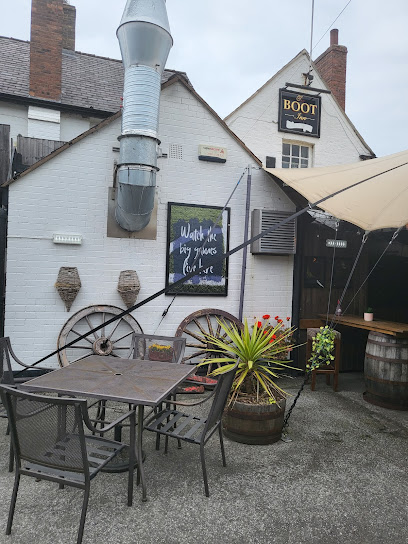
Boot Inn
5.0 km
Historic 18th-century pub in Northop offering hearty home-cooked meals, friendly service, and a cozy family-friendly atmosphere year-round.
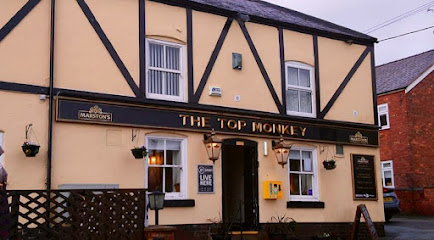
The Top Monkey, Northop Hall
6.0 km
A warm, family- and dog-friendly village pub in Northop Hall with lively quiz nights, a spacious beer garden, and a welcoming community vibe.
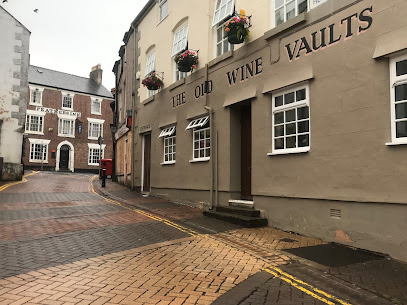
Old Wine Vaults
6.7 km
Historic family-owned pub in Holywell offering lively sports, live music, extensive drinks, and a welcoming atmosphere with a charming beer garden.
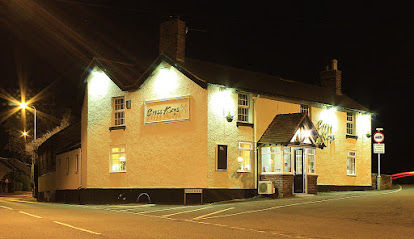
The Cross Keys
6.9 km
Experience authentic Welsh pub culture with hearty meals, local ales, and a warm community atmosphere at The Cross Keys in Sychdyn.
Crown Inn Lixwm
8.0 km
A classic British village pub in Lixwm offering hearty food, real ales, and a warm, welcoming atmosphere in the heart of North Wales.
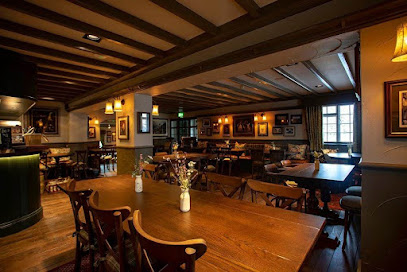
Glasfryn
8.2 km
Charming Mold pub with seasonal menus, local ales, cozy fires, and a scenic garden terrace for a welcoming dining experience.
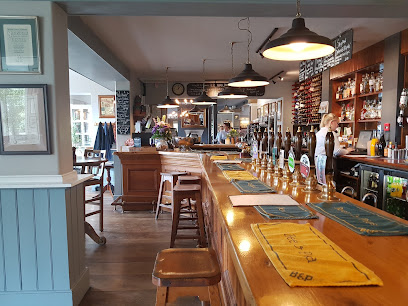
Running Hare
8.6 km
A modern, family-friendly pub in North Wales offering traditional carvery, great drinks, and a welcoming atmosphere for locals and travelers alike.
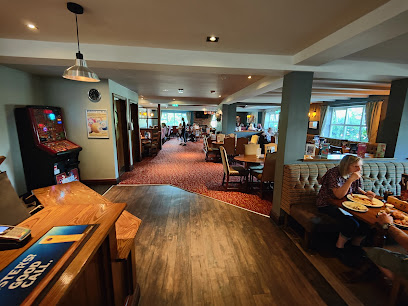
The Drovers Arms - Mold - Als Smokehouse
8.8 km
A lively smokehouse pub in Mold offering hearty barbecue dishes, live entertainment, and a warm, family-friendly atmosphere.
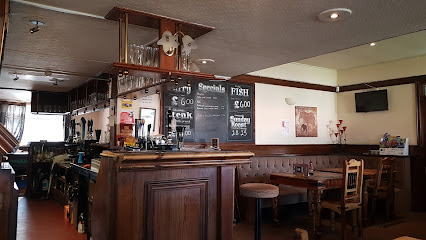
Cross Foxes
8.9 km
Experience authentic Welsh hospitality and hearty local fare at Cross Foxes, Nannerch’s beloved historic village pub.
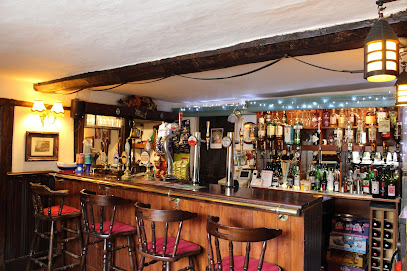
The Griffin, High Street, Mold
9.3 km
A welcoming traditional pub on Mold’s High Street, offering classic fare, lively events, and a true community spirit.
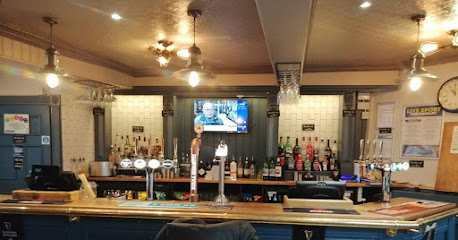
Nightclubs & after hour spots

Flint Royal British Legion Social Club
0.7 km
A welcoming social hub in Flint supporting veterans and community through camaraderie, remembrance, and local events.
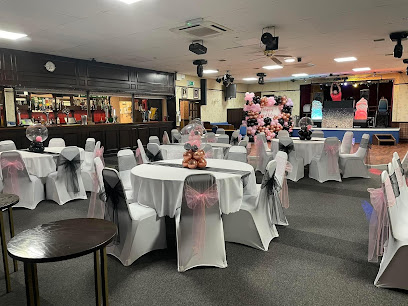
North Wales Celebrations Wedding & Party Disco DJ
1.0 km
Elevate your celebrations with North Wales Celebrations - the premier mobile disco DJ service for unforgettable weddings and parties.
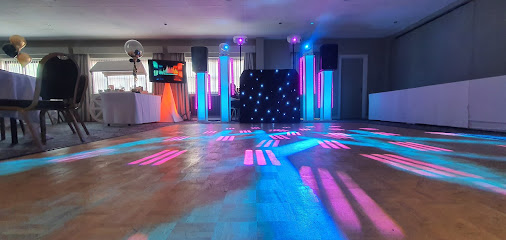
Chester City Club
17.2 km
Experience Chester’s vibrant nightlife at City Club, where modern beats meet historic charm in the heart of St Peters Churchyard.
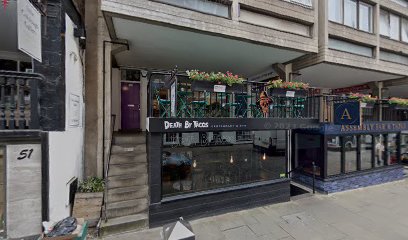
Rosies - Chester
17.3 km
Experience Chester’s vibrant nightlife at Rosies, a multiroom club with rooftop terrace, VIP lounges, and cutting-edge sound over three lively floors.
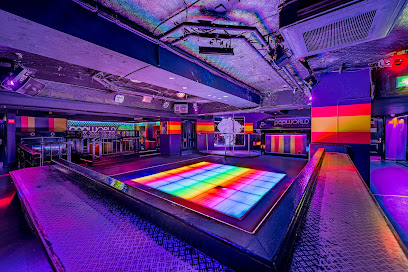
Cruise
17.5 km
A multi-floor nightclub in Chester offering vibrant music, premium drinks, and lively nightlife across seven bars.
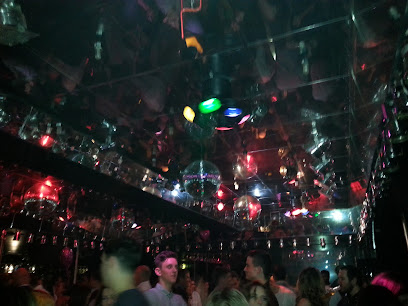
BONOBO Bar & Canteen
17.5 km
A vibrant two-floor bar and canteen in Chester blending American eats, cocktails, video games, and lively music for a unique nightlife experience.
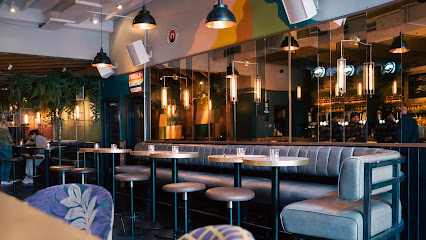
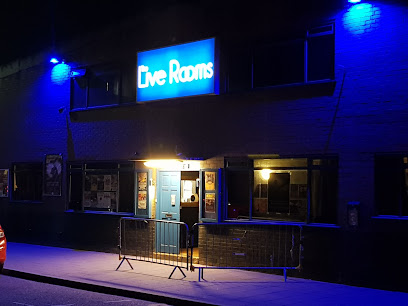
The Live Rooms
17.6 km
Discover Chester's vibrant nightlife at The Live Rooms, where live music, comedy, and unforgettable experiences await.
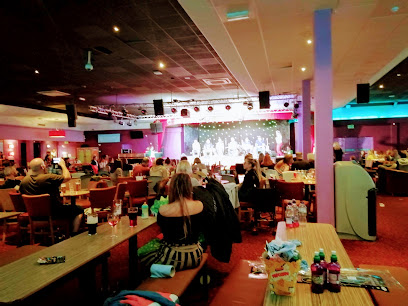
Dj Tony B Disco Karaoke & video Roadshow
17.8 km
Dive into a night of music and fun at Dj Tony B Disco Karaoke & Video Roadshow, where every guest gets to shine on stage!

Mandy & Graham’s
18.0 km
Experience Chester’s vibrant nightlife at Mandy & Graham’s, where pulsating beats and lively crowds create unforgettable party nights.
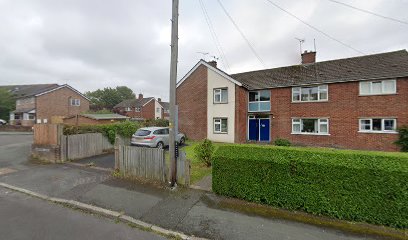
Live Lounge
18.3 km
Experience lively evenings with live music and entertainment at Presthaven’s vibrant Live Lounge, set within a family-friendly coastal resort.
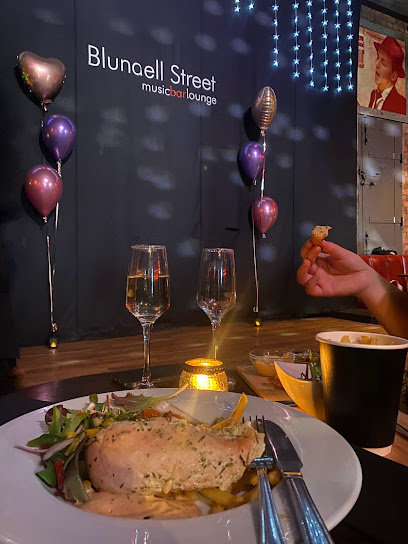
Supper Club at Blundell Street
18.8 km
Liverpool's ultimate supper club: fuel up on hearty meals, then dance the night away to drag shows, tributes, and non-stop hits near Echo Arena.
Revolution Liverpool - Albert Dock
18.9 km
Enjoy a lively atmosphere with delicious food and creative cocktails at Revolution Liverpool - Albert Dock, a must-visit bar and restaurant.
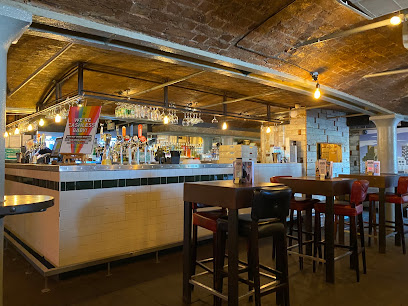
Revolución de Cuba Liverpool
19.0 km
Discover the lively spirit of Cuba at Revolución de Cuba Liverpool, where great food meets vibrant music in a stunning waterfront location.
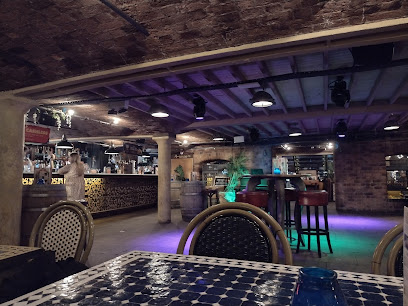
Playground Liverpool
19.2 km
Liverpool's luxury nightclub haven in the Hilton, pulsing with upscale beats by the Mersey waterfront – exclusive nights await in the heart of the city.

BrooklynMixer
19.5 km
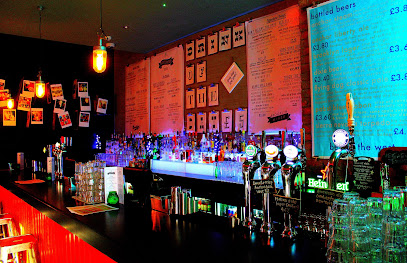
Liverpool's original R&B haven on Seel Street: three floors of hip-hop beats, craft cocktails, leather lounges, and private party vibes from dusk till dawn.
For the vibe & atmosphere seeker
- Scenic
- Relaxing
- Tranquil
- Historic
For the design and aesthetic lover
- Rustic Designs
- Vintage Styles
For the architecture buff
- Historic
- Landmarks
For the view chaser and sunset hunter
- Iconic Views
- Panoramas
- Waterfront
- Sunset Spots
For the social media creator & influencer
- Instagrammable
- Photo Spots
- Selfie Spots
- Architectural Shots
For the eco-conscious traveler
- Public-Transport Accessible
- Low Impact
- Locally Managed
For the kind of experience you’re after
- Cultural Heritage
- Photowalk
- Nature Escape
- Day Trip
- Weekend Getaway
For how adventurous you want the journey to be
- Easy Access
Location Audience
- Family Friendly
- Senior Friendly
- Child Friendly
- Teen Friendly
- Wheelchair Access
- Pet Friendly
- Solo Friendly
- Couple Friendly
- Solo Female Friendly


