
Camden Fort Meagher, Cork Travel Guide
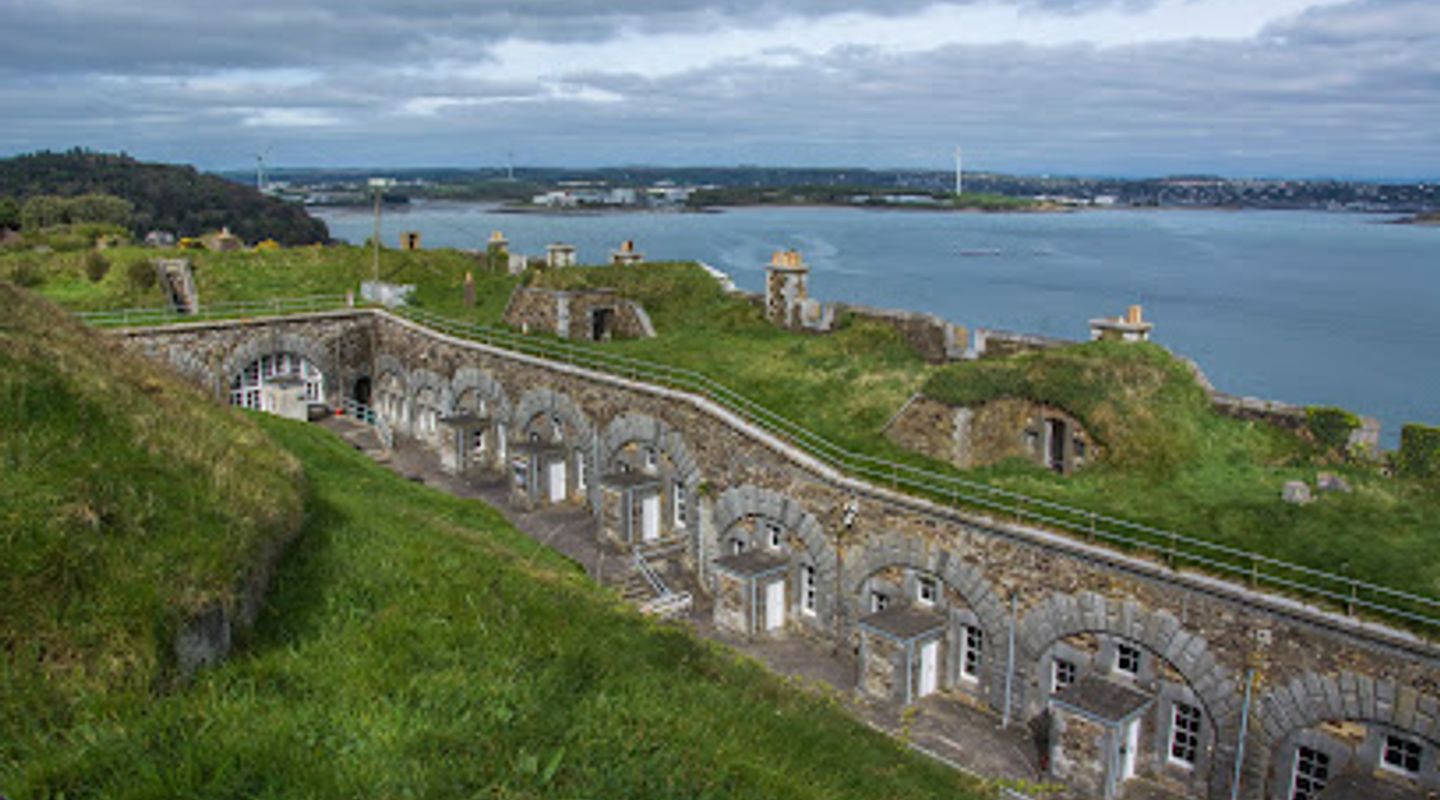
Explore nearly 400 years of coastal defence history and stunning Cork Harbour views at the restored Camden Fort Meagher.
Camden Fort Meagher, perched on Ram's Head near Crosshaven in County Cork, Ireland, is a historic coastal artillery fort dating back to the 16th century. Originally built to defend one of the world's largest natural harbours, it played a strategic military role for nearly 400 years. Today, restored by local volunteers and Cork County Council, it offers immersive exhibitions on its rich military past, including its role in both World Wars and its namesake, Thomas Francis Meagher.
A brief summary to Camden Fort Meagher
- Camden Road, Crosshaven, Co. Cork, IE
- Click to display
- Click to display
- Duration: 1.5 to 3 hours
- Mid ranged
-
 Outdoor
- Mobile reception: 4 out of 5
- Wednesday 10 am-5 pm
- Thursday 10 am-5 pm
- Friday 10 am-5 pm
- Saturday 10 am-5 pm
- Sunday 10 am-5 pm

Know before you go
Hi, I'm Eve. Here are a few practical things to know before exploring Camden Fort Meagher.
- Visit during opening hours Wednesday to Sunday, 10 AM to 5 PM, to experience all exhibitions and guided tours.
- Wear comfortable shoes for exploring underground tunnels and uneven surfaces.
- Check out the Brennan torpedo display, a pioneering guided weapon developed in the late 19th century.
- Enjoy panoramic views of Cork Harbour from the fort’s elevated positions.
- Combine your visit with a picnic at the grounds or refreshments at the on-site café.
Do you manage this location?
Take control to get all the benefits, like improved information, better appearance, and stronger visibility across AI-powered discovery. Learn more about listing your business on Evendo
Activate your presenceOther nearby places you may find interesting
The closest places of the same kind, if this one is not quite what you had in mind.
Explore Camden Fort Meagher on the Map
A handpicked selection of must-see spots near Camden Fort Meagher, mapped for you.
Getting There
-
Bus
Take the Bus Éireann route 237 from Cork city center to Crosshaven, which runs approximately every hour. The journey takes about 45 to 60 minutes. From Crosshaven village, the fort is a 20-minute walk uphill. Tickets cost around €5-€7 one way.
-
Car
Driving from Cork city to Camden Fort Meagher takes about 30 to 40 minutes via the N28 and R612 roads. Limited parking is available near the fort. Note that the access road includes some narrow sections and steep gradients.
-
Taxi
A taxi from Cork city center to the fort typically takes 30 to 40 minutes and costs approximately €40-€50. This option offers direct and flexible access, especially outside public transport hours.
For the on-the-go comforts that matter to you
-
 Restrooms
-
 Drink Options
-
 Food Options
-
 Seating Areas
-
 Picnic Areas
-
 Information Boards
Discover more about Camden Fort Meagher
Strategic Origins and Early Fortifications
The site of Camden Fort Meagher, known as Ram's Head, commands a vital position overlooking the entrance to Cork Harbour, one of the largest natural harbours globally. The earliest defences here date back to 1550 with the construction of James' Battery, expanded in 1600 to protect against naval threats. Despite periods of disuse, the fort was reinforced in 1690 during the Williamite War, although it was captured by an overland assault. By the early 19th century, the fort had diminished in military importance, briefly serving as a prison before renewed strategic focus.19th-Century Expansion and Military Significance
In the 1850s, a Royal Commission recognised Cork Harbour's ongoing strategic value, prompting extensive fortification work beginning in 1861. Using convict, military, and civilian labour, the fort was expanded with significant underground structures and modern artillery placements. At its peak, Camden Fort Meagher housed over 200 men and more than 20 guns, serving as a key coastal artillery installation defending Ireland and the western approaches to Britain.20th-Century Military Role and Transition
During World War I, the fort supported naval operations with enhanced defences including anti-submarine nets and minefields. After the Irish War of Independence, the fort remained under British control until the 1938 handover of Treaty Ports to Ireland. Renamed in honour of Thomas Francis Meagher, an Irish nationalist leader, the fort continued to serve the Irish Defence Forces through World War II and until its decommissioning in 1989.Restoration and Community Revival
Following decades of neglect, local volunteers began restoring Camden Fort Meagher in 2010, transforming it into a heritage site that opened to the public seasonally. Recent award-winning restoration efforts have focused on preserving the casemate buildings and creating new exhibitions that detail the fort’s military history and celebrate the community’s role in its revival. The site now stands as a testament to Ireland’s maritime heritage and volunteer spirit.Visitor Experience and Exhibitions
Visitors to Camden Fort Meagher can explore extensive underground tunnels, gun batteries, and exhibition spaces showcasing artefacts such as the Brennan torpedo, the world’s first practical guided weapon. The displays provide insight into the fort’s role across centuries of conflict, from early coastal defence to 20th-century warfare, while offering stunning views over Cork Harbour. The site also includes picnic areas and a café, enhancing the visitor experience.Legacy and Cultural Importance
Camden Fort Meagher is recognised internationally as one of the finest surviving examples of classical coastal artillery forts. Its layered history reflects Ireland’s complex military past, from British rule to independence, and its ongoing preservation highlights the power of community-led heritage projects. The fort remains a symbol of strategic defence, local pride, and historical education.












Your all‑in‑one travel companion app
Explore expert travel guides, compare and book tours, experiences, hotels, and more—all from the palm of your hand. Download now for seamless trip planning wherever your wanderlust takes you.


Explore More of Cork
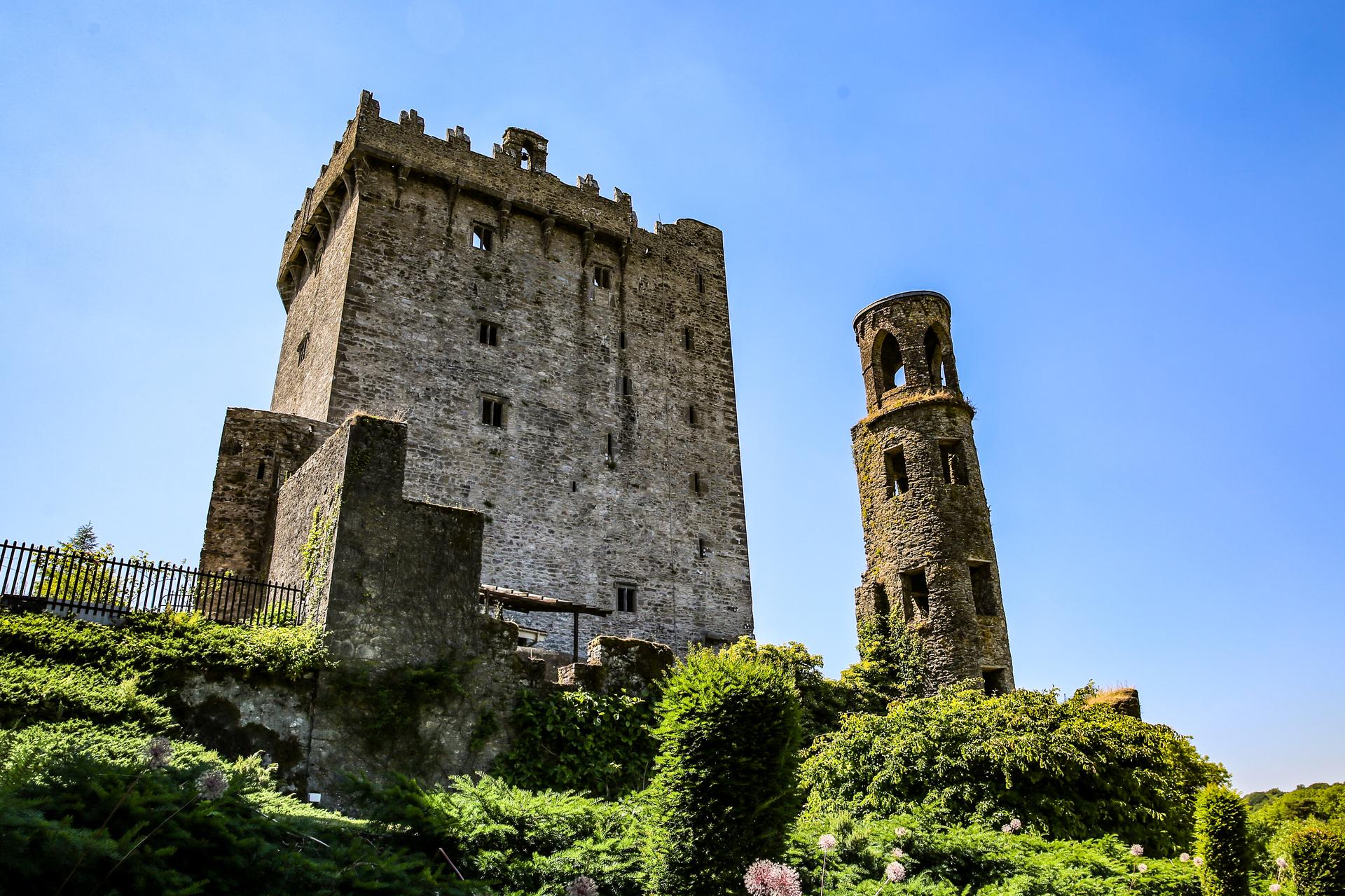
Looking beyond Camden Fort Meagher? Discover Cork for broader travel guides, local hot-spots, and regional highlights.
Explore Cork
A tranquil memorial park in Cobh, honoring John F. Kennedy with scenic harbor views, gardens, and a rich cultural history.
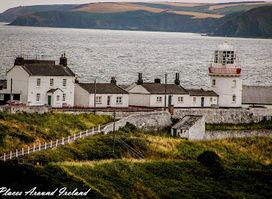
Guiding ships into Cork Harbour for over 200 years, Roche's Point Lighthouse is a maritime sentinel with Titanic connections and stunning coastal views.
