
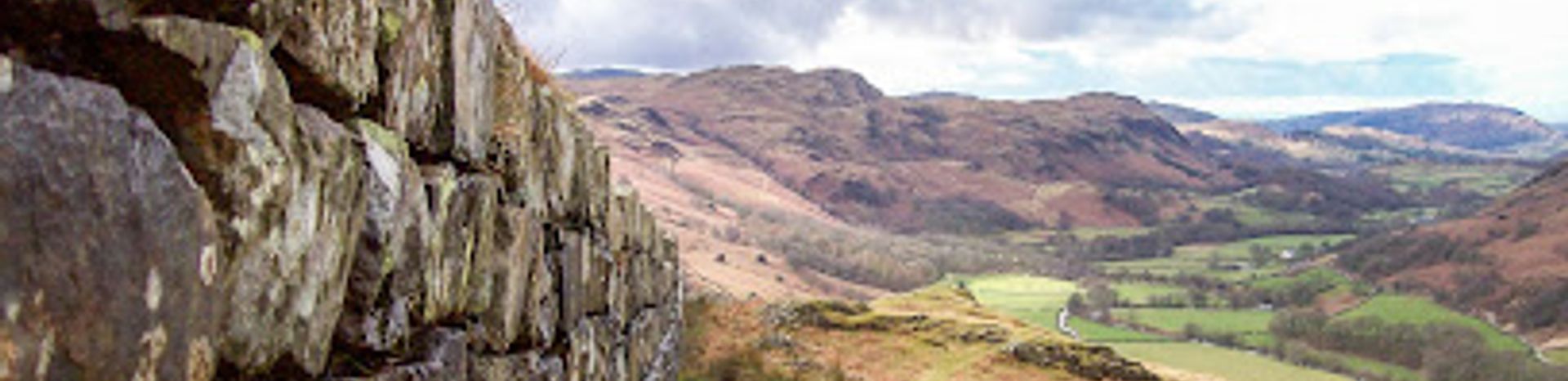
Hardknott Roman Fort & Thermae: Remote Roman Outpost in the Lake District
Explore one of Britain’s most remote Roman forts perched high in the Lake District with stunning valley views and evocative ruins.
Perched dramatically at 815 feet above sea level in the Lake District, Hardknott Roman Fort is one of Britain’s most remote and evocative Roman sites. Built under Emperor Hadrian in the 2nd century AD, this compact fortress guarded a vital Roman road through the rugged Hardknott Pass. Visitors can explore well-preserved remains including the commandant’s house, barracks, granaries, and the nearby bathhouse, all set against stunning panoramic views of the Eskdale Valley.
A brief summary to Hardknott Roman Fort & Thermae.
- Hardknott Pass, Holmrook, CA19 1TH, GB
- +443703331181
- Visit website
- Duration: 1 to 2 hours
- Free
-
 Outdoor
- Mobile reception: 3 out of 5
- Monday 12 am-12 am
- Tuesday 12 am-12 am
- Wednesday 12 am-12 am
- Thursday 12 am-12 am
- Friday 12 am-12 am
- Saturday 12 am-12 am
- Sunday 12 am-12 am
Local tips
- Wear sturdy, waterproof footwear as the terrain around the fort can be boggy and uneven.
- Visit on a clear day for spectacular panoramic views of the Eskdale Valley.
- Be cautious driving the steep, narrow Hardknott Pass road, especially in wet or icy conditions.
- Allow at least 1 to 2 hours to explore the fort and the nearby bathhouse ruins thoroughly.

For the on-the-go comforts that matter to you
- Parking
- Information Boards
Getting There
-
Car
Driving from Eskdale, the journey to Hardknott Roman Fort takes approximately 30 to 40 minutes via the narrow and steep Hardknott Pass. The road is challenging, especially in wet or icy weather, and parking is limited near the site. There is no parking fee.
-
Bus and Walking
From nearby towns such as Millom or Ravenglass, local bus services operate with limited frequency. After disembarking, expect a 45-minute to 1-hour walk along uneven terrain to reach the fort. Suitable footwear and preparation for boggy ground are essential.
-
Hiking
For experienced walkers, the fort can be reached via hiking routes from Eskdale or Ambleside, taking 2 to 3 hours depending on the trail. These paths traverse rugged terrain and require good fitness and navigation skills.
Hardknott Roman Fort & Thermae. location weather suitability
-
 Any Weather
-
 Rain / Wet Weather
-
 Clear Skies
-
 Windy Conditions
-
 Cold Weather
-
 Mild Temperatures
Discover more about Hardknott Roman Fort & Thermae.
An Isolated Stronghold in a Rugged Landscape
Hardknott Roman Fort, known in Roman times as Mediobogdum, occupies a spectacular and exposed position overlooking the Hardknott Pass in Cumbria’s Lake District. Built between AD 120 and 138 during Hadrian’s reign, it was strategically placed to control the Roman road linking the coastal fort at Ravenglass with Ambleside and beyond. The fort’s location at 815 feet above sea level made it one of the highest and most remote Roman military outposts in Britain, commanding sweeping views down the Eskdale Valley and guarding against incursions from northern tribes.Architectural Footprint and Military Life
Covering about 2.75 acres in a square roughly 375 feet on each side, the fort was home to a cohort of around 500 infantry soldiers, notably the Fourth Cohort of Dalmatians from the eastern Adriatic. The fort’s stone walls, some standing over 8 feet high, enclose the remains of key structures such as the headquarters building, the commandant’s house, barracks, and granaries. Each corner of the fort was fortified with towers, and gateways on all four sides controlled access. The commandant’s house, though larger and more privileged, reflects the harsh conditions endured, with no luxury to offset the exposed, windswept setting.Bathhouse and Parade Ground: Roman Daily Rituals
Just outside the main gate lies the well-preserved Roman bathhouse, or thermae, an essential feature of Roman military life for hygiene and socializing. Nearby, the site of the parade ground survives, where soldiers would have mustered and drilled. The Roman road that the fort protected can still be traced as an earthwork for some distance, hinting at the vital communication and supply routes maintained through this challenging terrain.History of Occupation and Archaeological Insights
After initial occupation in the early 2nd century, the fort was briefly abandoned during the Antonine advance into Scotland but was reoccupied in the late 2nd century under Marcus Aurelius. It was ultimately abandoned by the early 3rd century. Excavations in the late 19th and mid-20th centuries revealed much of the fort’s layout, with much of the standing stonework rebuilt from original rubble on site. Informative signage by English Heritage and the National Trust helps visitors understand the fort’s historical context and architectural features.Visitor Experience and Surroundings
The fort is accessible via a steep, narrow, and winding road that is considered challenging, especially in poor weather. Visitors should wear sturdy footwear due to boggy ground near the site. The dramatic setting offers breathtaking views and a palpable sense of the isolation endured by Roman soldiers stationed here. Though there are no visitor facilities such as cafes or toilets, the site’s open access during daylight hours allows for flexible visits. Nearby attractions include other Roman sites connected by the ancient road and the natural beauty of the Lake District.Preservation and Significance
Hardknott Roman Fort stands as a testament to Roman military engineering and endurance in a remote frontier landscape. Its preservation allows a unique glimpse into life on the edge of the Roman Empire in Britain. The fort’s commanding position and rugged environment continue to inspire visitors, historians, and archaeologists alike, making it a significant cultural heritage site within the Lake District.Iconic landmarks you can’t miss

National Trust - Townend
18.8 km
Explore the picturesque Townend, a historic farmhouse and garden in the Lake District, where heritage and nature meet in a beautiful setting.
Windermere and Troutbeck
18.9 km
Historic Lakeland stone cottage with expansive gardens and stunning fells views, nestled at the foot of Troutbeck Valley near Windermere village.
Ashness Bridge
18.9 km
Explore Ashness Bridge, a picturesque stone bridge in the Lake District that offers stunning views and access to beautiful hiking trails.
Holehird Gardens
19.2 km
Explore the enchanting Holehird Gardens in the Lake District, a floral paradise offering stunning views and diverse plant collections for all nature lovers.
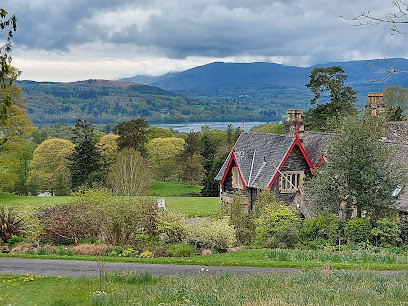
Blackwell
19.4 km
Experience the elegance of Blackwell, an Arts & Crafts masterpiece with stunning views, rich history, and a serene atmosphere in the Lake District.
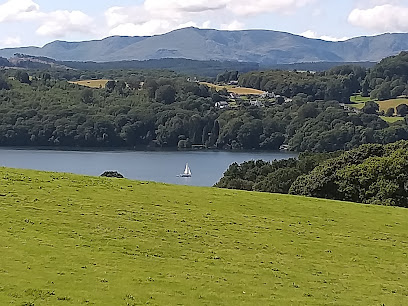
Orrest Head Viewpoint
19.6 km
Discover the stunning vistas of Windermere at Orrest Head Viewpoint, a must-visit in the English Lake District for nature enthusiasts and photographers.
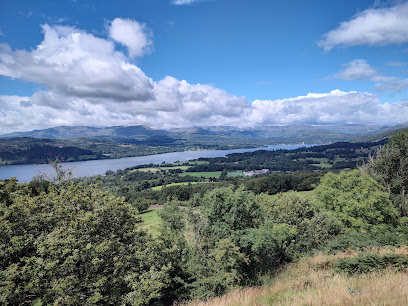
Stott Park Bobbin Mill
20.3 km
Explore the historical Stott Park Bobbin Mill in the Lake District, a fascinating heritage site showcasing traditional bobbin-making in a stunning natural setting.
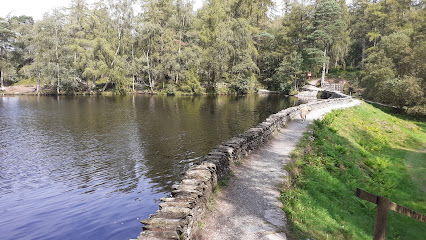
Friars Crag
21.2 km
Explore the natural beauty of Friars Crag, a stunning lakeside attraction in Keswick, perfect for hiking, photography, and peaceful retreats in the Lake District.
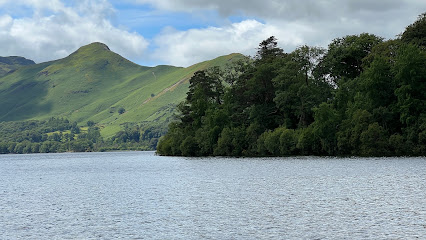
National Trust - Fell Foot
21.8 km
Discover the natural beauty of Fell Foot Park, where serene gardens meet breathtaking views of Lake Windermere, perfect for a peaceful escape.
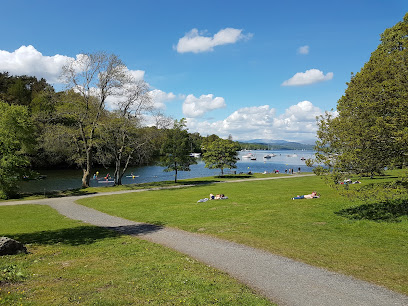
Keswick Methodist Church
22.5 km
Explore the serenity and community spirit at Keswick Methodist Church, a historical landmark in the heart of Keswick, perfect for quiet reflection and local events.
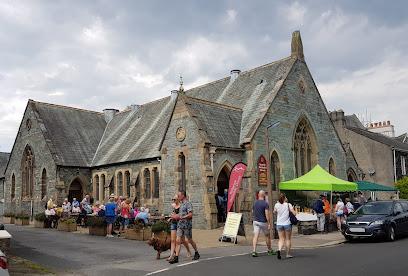
Keswick War Memorial
22.5 km
A solemn Grade II listed monument honoring Keswick’s fallen heroes, set against the tranquil beauty of the Lake District.
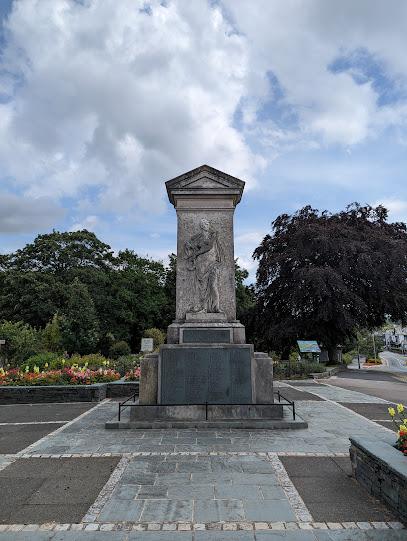
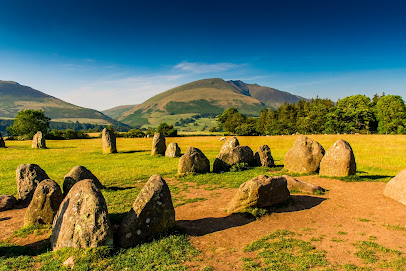
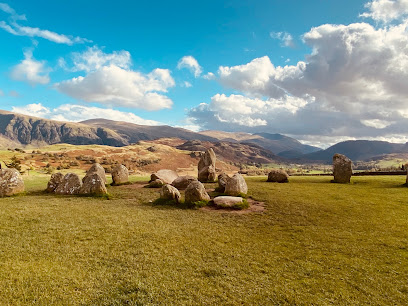
Castlerigg Stone Circle
23.3 km
Explore the ancient Castlerigg Stone Circle in the heart of the Lake District, a historical landmark surrounded by breathtaking landscapes and rich heritage.
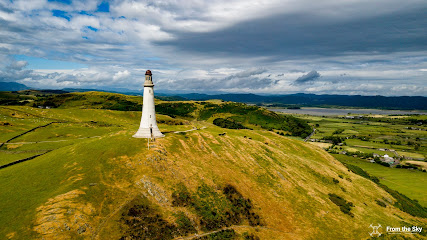
Sir John Barrow Monument
23.6 km
Discover the Sir John Barrow Monument: A stunning lookout point with breathtaking views of the Lake District and a rich historical legacy.
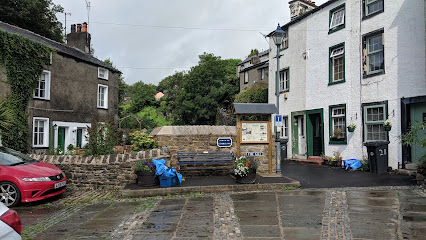
Start Of Cumbria Way
23.8 km
Explore the Start of the Cumbria Way, where breathtaking landscapes and serene hiking trails await every adventurer in the heart of Ulverston.
Aira Force Waterfall
26.2 km
Explore Aira Force Waterfall, a breathtaking natural attraction in the Lake District, offering stunning views and exhilarating hiking adventures amidst lush landscapes.
Unmissable attractions to see

Bird How
1.4 km
A remote, rustic Lake District cottage offering peaceful off-grid retreat and prime access to challenging hiking routes in Eskdale Valley.
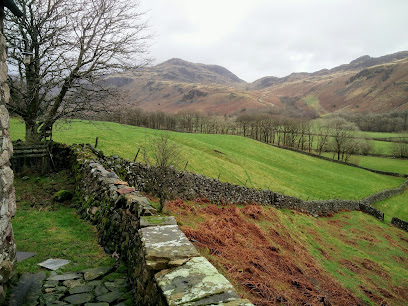
Eskdale
3.0 km
Discover Eskdale, a breathtaking Lake District valley of towering peaks, historic trails, and serene natural beauty in Cumbria, England.
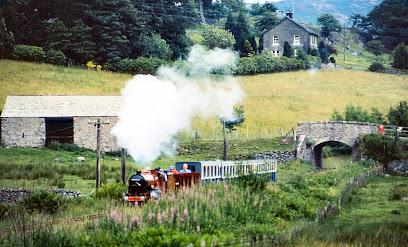
Eskdale Mill
4.2 km
Step back in time at Eskdale Mill, the Lake District’s last working water-powered corn mill with historic machinery and scenic riverside charm.
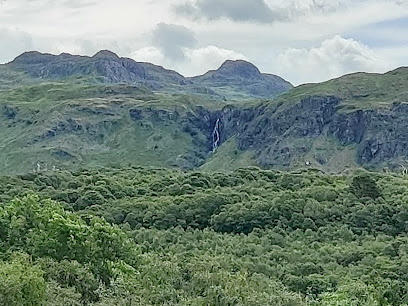
Stanley Ghyll Waterfall
4.8 km
Discover Stanley Ghyll Waterfall’s breathtaking 60-foot cascade nestled in Eskdale’s lush, fern-filled ravine, a Lake District natural gem.
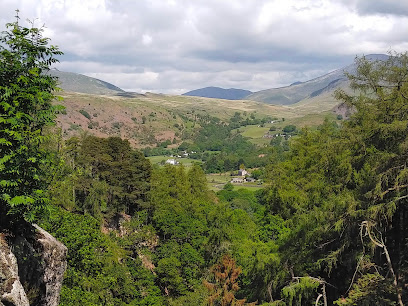
Scafell Pike
5.7 km
Explore Scafell Pike, the highest peak in England, offering breathtaking views and thrilling hiking opportunities in the heart of the Lake District.
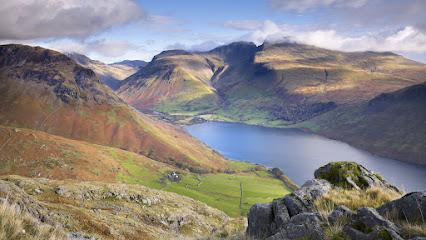
Blea Tarn, Lake District National Park
7.7 km
A serene mountain tarn nestled between Langdale valleys, offering iconic views of the Langdale Pikes and tranquil natural beauty.
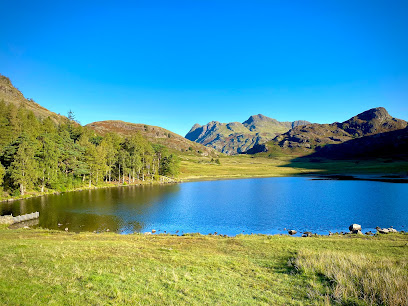
Wasdale Head
8.0 km
Explore England’s highest peaks and deepest lake from the tranquil, rugged heart of Wasdale Head in the Lake District.
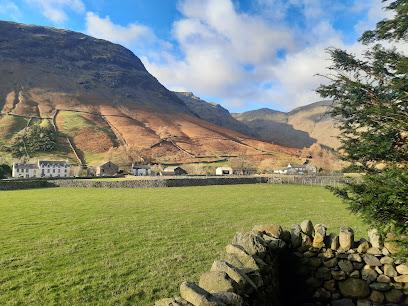
Ritson's Force
8.5 km
Discover the tranquil beauty of Ritson's Force, a charming waterfall nestled among England’s highest peaks in the Lake District.
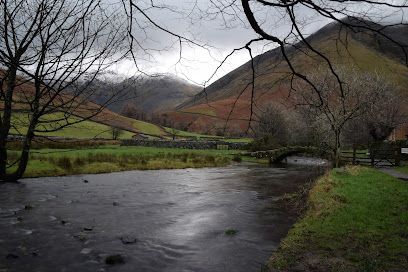
Lake District National Park
9.9 km
Explore England’s largest national park, where majestic mountains, tranquil lakes, and rich literary heritage create an unforgettable natural and cultural journey.
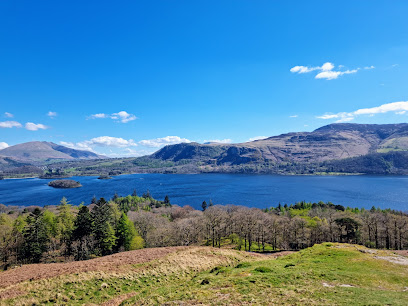
National Trust - Steam Yacht Gondola
10.0 km
Step aboard the restored Victorian Steam Yacht Gondola for a scenic and historic cruise on Coniston Water in England’s Lake District.
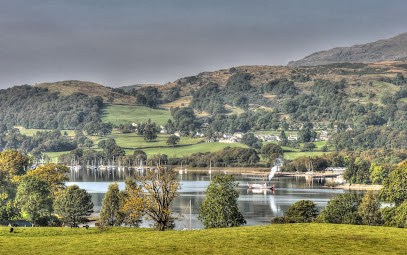
National Trust - Tarn Hows
11.0 km
Discover Tarn Hows, a serene National Trust tarn with accessible woodland walks and panoramic Lakeland views in the heart of the Lake District.
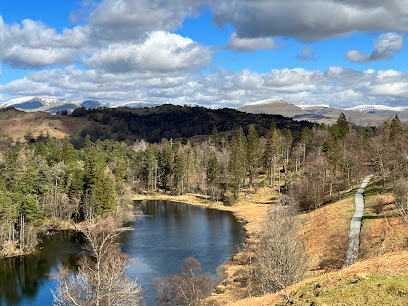
Colwith Force
11.1 km
Discover the serene multi-tiered waterfall of Colwith Force, a tranquil natural gem nestled in Ambleside’s lush woodland.
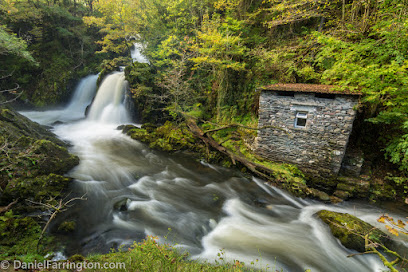
Honister Slate Mine
12.1 km
Explore England’s last working slate mine with thrilling adventures and rich heritage amid stunning Lake District landscapes.
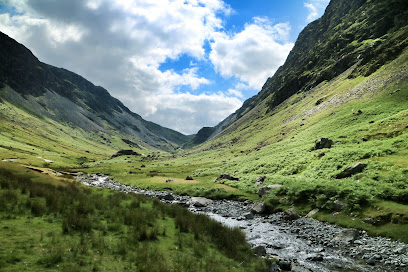
Faeryland Grasmere
12.8 km
Enchanting lakeside tea garden with colorful outdoor seating, boat hire, and stunning views on Grasmere Lake near Ambleside.
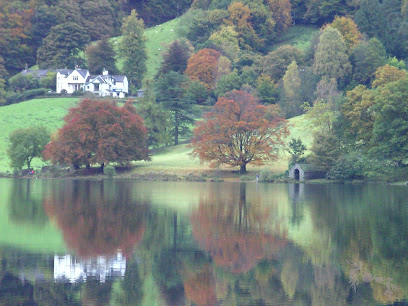
Galleny Force Waterfall
12.8 km
Discover the enchanting Galleny Force Waterfall, a tranquil mossy gorge with crystal-clear pools nestled in Borrowdale Valley’s stunning natural landscape.
Essential places to dine

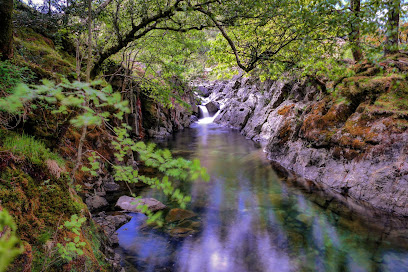
Old Dungeon Ghyll Hotel Great Langdale
8.2 km
A welcoming climbers’ inn with traditional charm, hearty fare, and stunning mountain views in the heart of Great Langdale.
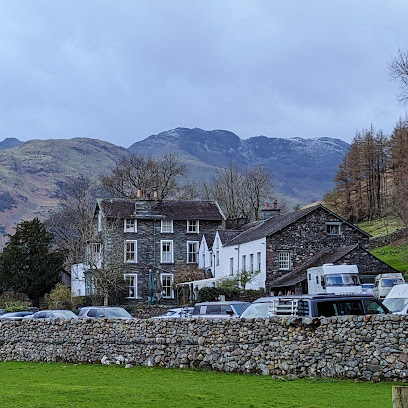
New Dungeon Ghyll - Langdale
9.1 km
Rustic hotel and lively bar nestled in Langdale Valley, perfect for walkers seeking comfort and community in the Lake District.
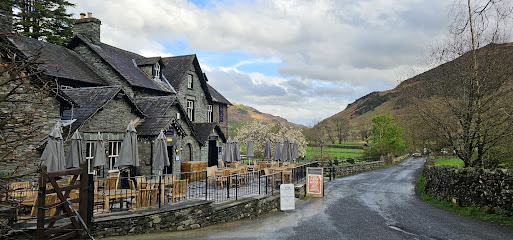
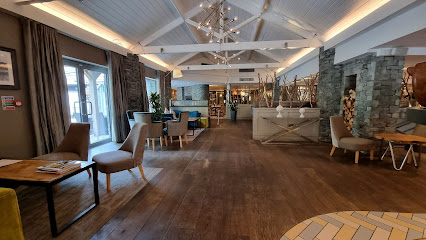
Stove Restaurant & Bar
11.3 km
Relaxed dining with wood-fired pizzas and seasonal dishes in the heart of the Lake District’s Great Langdale.
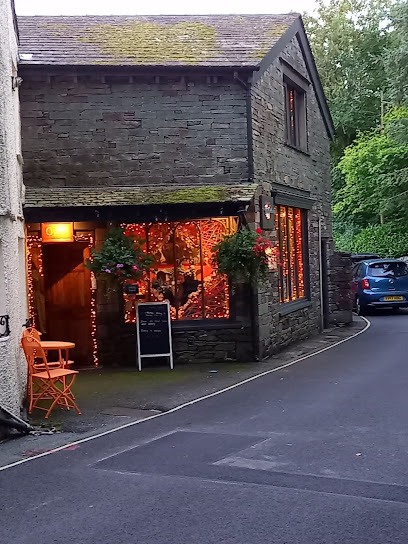
The Jumble Room
13.2 km
Vibrant bohemian restaurant in Grasmere serving creative international dishes with local Cumbrian produce in a lively, eclectic setting.
Drunken Duck Inn & Barngates Brewery
13.2 km
A charming Lake District inn blending hearty cuisine, on-site brewed ales, and cozy accommodation in a rustic country setting.

Lucy's on a plate
16.0 km
A vibrant English bistro in Ambleside blending local flavors with eclectic style and a welcoming atmosphere.
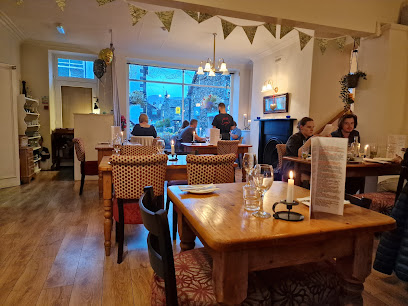
Dodds Restaurant
16.0 km
Authentic Italian and modern European cuisine served with warmth in the heart of Ambleside’s scenic Lake District.
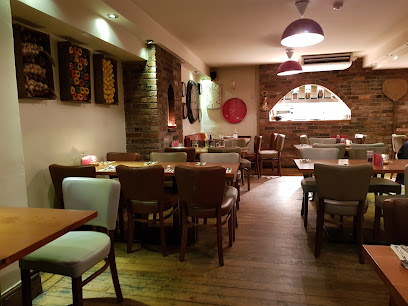
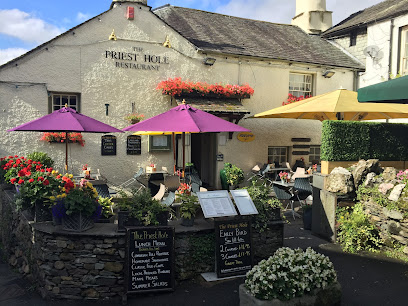
The Priest Hole Restaurant
16.0 km
Historic charm meets hearty British cuisine in the heart of Ambleside, with locally sourced dishes and a welcoming atmosphere.
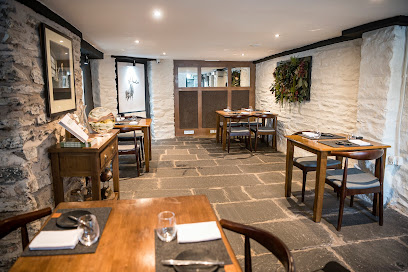
The Old Stamp House Restaurant
16.0 km
Experience a Michelin-starred culinary journey through Cumbria’s rich heritage in the historic heart of Ambleside.
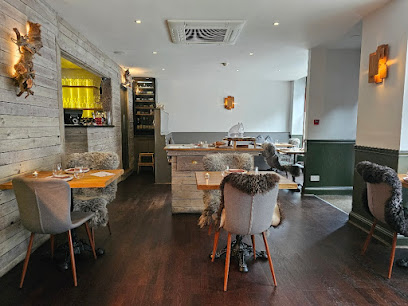
Lake Road Kitchen
16.0 km
An intimate Michelin-starred restaurant in Ambleside blending Nordic flair with Lake District’s finest local produce.
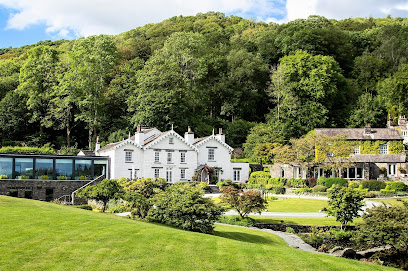
The Samling Hotel
16.5 km
Exclusive boutique hotel perched above Lake Windermere, blending Michelin-star dining, elegant suites, and breathtaking panoramic views.
Blue Smoke on the Bay
16.7 km
Experience exquisite wood-fired cuisine with stunning Lake Windermere views at Blue Smoke on the Bay, Low Wood Bay's stylish lakeside restaurant.
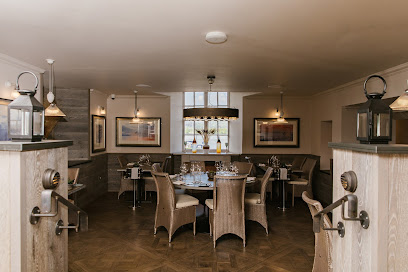
Windermere Restaurant (The W)
16.7 km
Seasonal British and continental cuisine with stunning panoramic views over Lake Windermere at Low Wood Bay Resort & Spa.
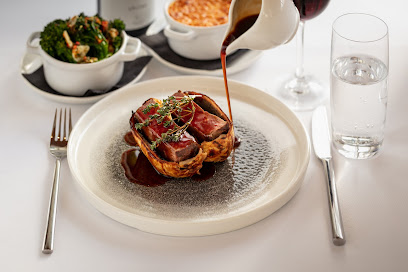
The Gaddum
17.0 km
Elegant dining and refined afternoon tea in a historic Arts and Crafts setting overlooking Brockhole's gardens on Windermere.
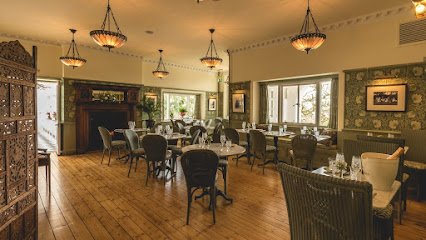
Boardwalk Bar and Grill
18.6 km
Relax by Lake Windermere with delicious grilled dishes and panoramic views at Boardwalk Bar and Grill, Bowness-on-Windermere’s lakeside favorite.
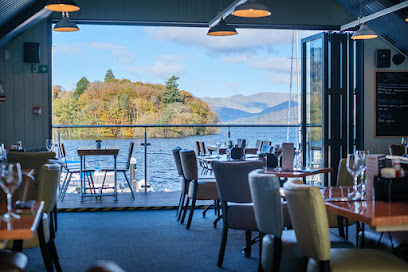
Markets, malls and hidden boutiques

Tesco Express
19.0 km
Your convenient, friendly supermarket stop in Bowness-on-Windermere, open daily with fresh local produce and essentials for every visit.
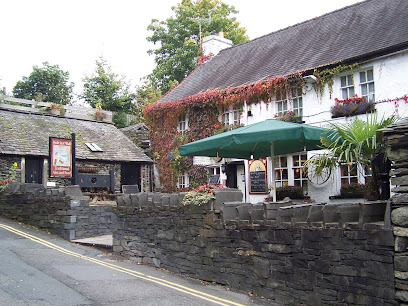
Mountain Warehouse
19.0 km
Your go-to outdoor clothing and equipment store in Bowness, offering quality gear for all your Lake District adventures.
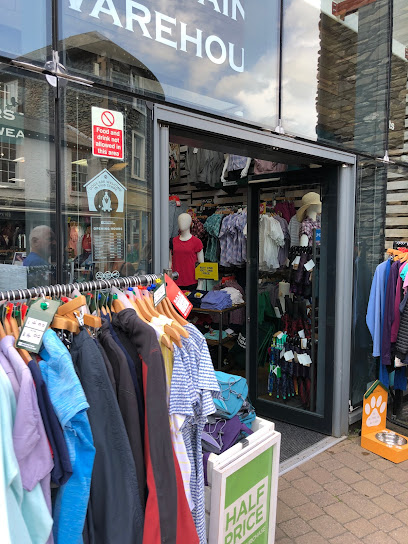
Love the Lakes Bowness
19.0 km
Locally crafted gifts celebrating the spirit and beauty of England's Lake District.
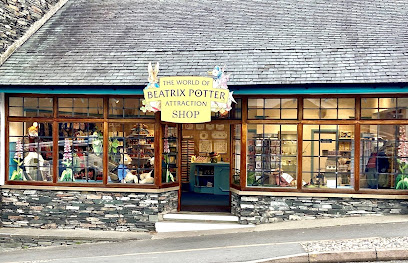
World of Beatrix Potter Attraction Shop
19.0 km
Discover gifts and memorabilia inspired by Beatrix Potter's beloved characters in the heart of Bowness-on-Windermere.
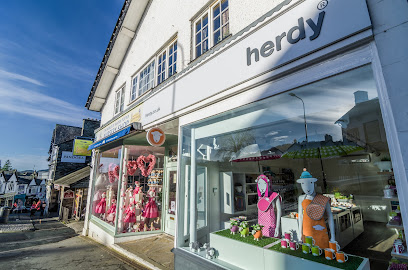
Herdy Bowness
19.0 km
Whimsical Lake District gifts celebrating the beloved Herdwick sheep with quality, character, and charm.
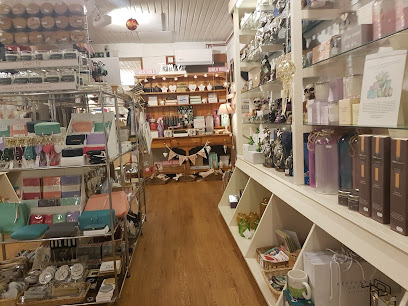
Lonsdale Galleries
19.0 km
Discover unique Lake District gifts and local crafts in a spacious, welcoming gallery at the heart of Bowness-on-Windermere.
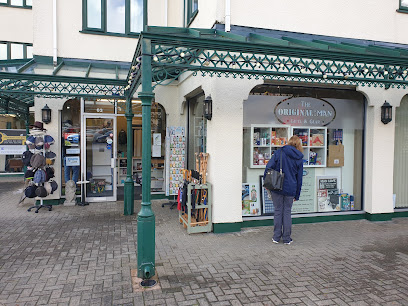
The Original Man Shop
19.0 km
A distinctive men's gift and fashion boutique offering style and charm in the heart of Bowness-on-Windermere.
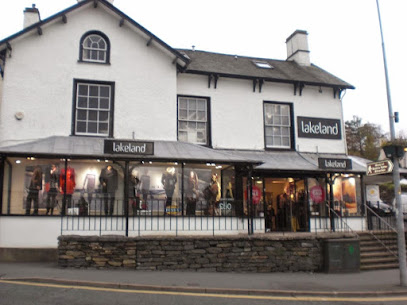
LAKELAND Leather
19.1 km
Discover handcrafted leather elegance and timeless style at Lakeland Leather in Bowness-on-Windermere, where tradition meets the Lake District spirit.
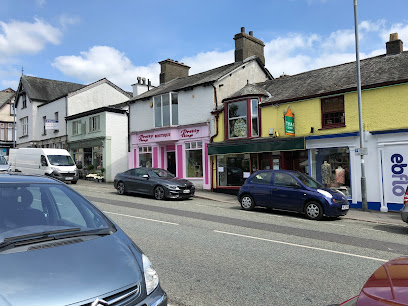
Pretty Things
19.1 km
Discover stylish ladies' fashion and warm hospitality at Pretty Things, a charming boutique in the heart of Bowness-on-Windermere.
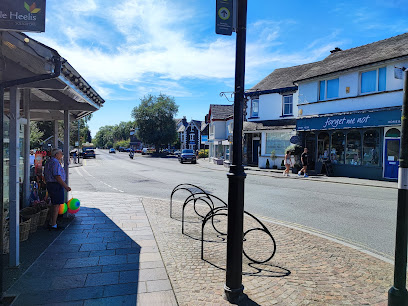
Forget Me Not
19.6 km
Discover unique gifts and local treasures at Forget Me Not, Windermere’s charming boutique in the heart of the Lake District.
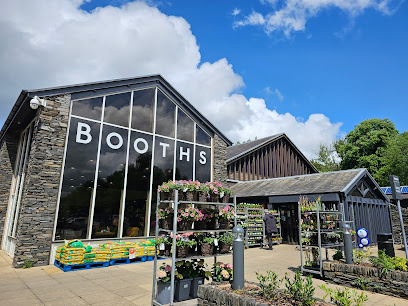
Booths, Windermere
19.7 km
Explore Booths Windermere: a premier supermarket and café blending local flavors, quality produce, and community spirit in a historic setting.
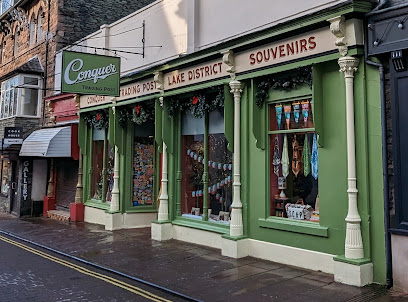
CONQUER Trading Post
22.3 km
Discover authentic Lake District spirit through unique patches, crafts, and gifts at Keswick’s vibrant Conquer Trading Post.
Love the Lakes Keswick
22.4 km
Discover unique Lake District gifts and local crafts in the heart of Keswick’s charming market town.
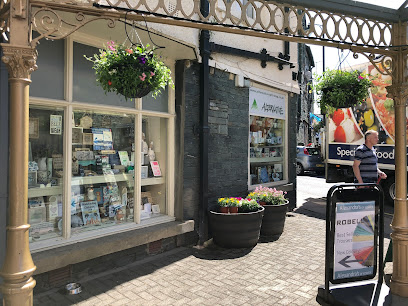
Alternative
22.4 km
Discover original gifts and Lake District treasures at Alternative, Keswick’s beloved family-run gift and interiors shop.
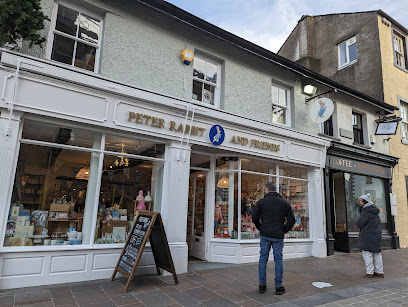
Peter Rabbit & Friends Ltd
22.5 km
Step into a storybook world at Peter Rabbit & Friends Ltd, Keswick’s enchanting toy shop and café inspired by Beatrix Potter’s beloved characters.
Essential bars & hidden hideouts

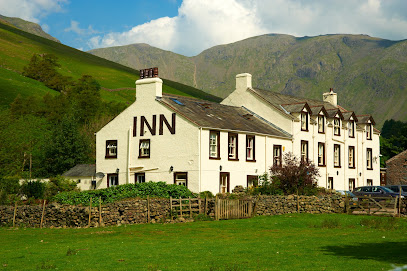
Ritson's Bar (Wasdale Head Inn)
8.0 km
Historic mountain pub at the foot of England’s highest peak, offering real ales, hearty food, and stunning Lake District views.
Wainwrights' Inn
11.0 km
A traditional Lakeland pub in Chapel Stile offering hearty local fare, fine ales, and a warm welcome near the Langdale Estate.
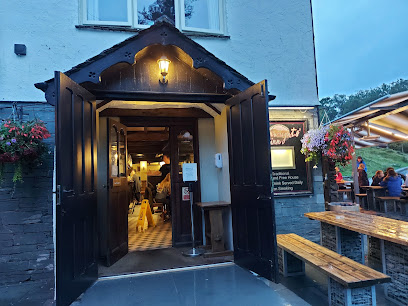
The Talbot Bar
12.6 km
Cozy Lakeland pub with hearty traditional fare, local ales, and a warm, dog-friendly atmosphere near Ambleside.
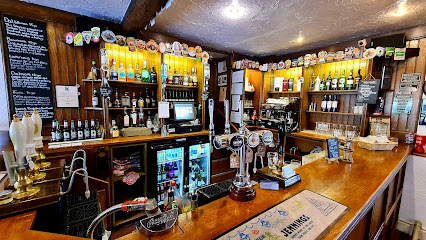
The Lily Bar
16.0 km
Ambleside’s independent bar blending rustic charm, local ales, live music, and quality dining in the heart of the Lake District.
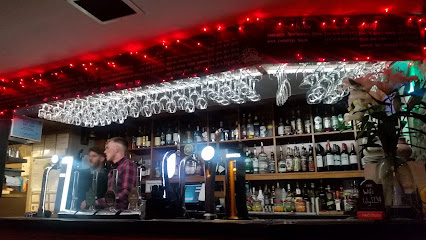
The Vault
16.1 km
Historic charm meets fresh cocktails and tapas in Ambleside’s vibrant social hub, The Vault.
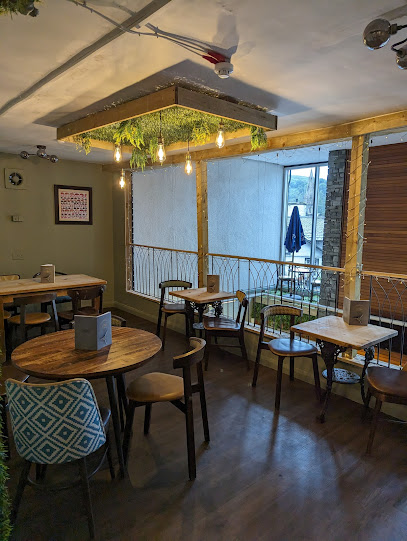
Lake District Cocktail Co.
17.5 km
Experience the art of cocktail crafting in the stunning Lake District with Lake District Cocktail Co., a mobile catering service that brings the bar to you.

Boaters Bar
18.5 km
Lake District’s premier lakeside bar offering craft beers, live entertainment, family fun, and stunning views over Lake Windermere.
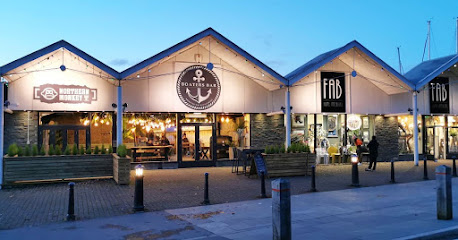
Quayside Bowness
18.6 km
Lakeside bar and kitchen with stunning views, live sports, and vibrant nightlife across three lively floors in Bowness-on-Windermere.
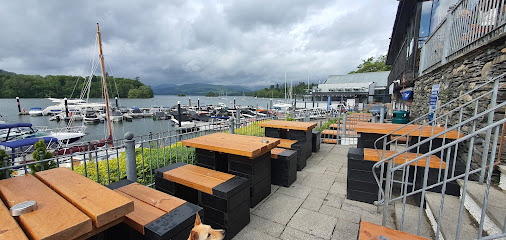
The Lake View Bowness
18.7 km
A welcoming lakeside pub in Bowness-on-Windermere offering stunning views, hearty fare, and classic English charm.
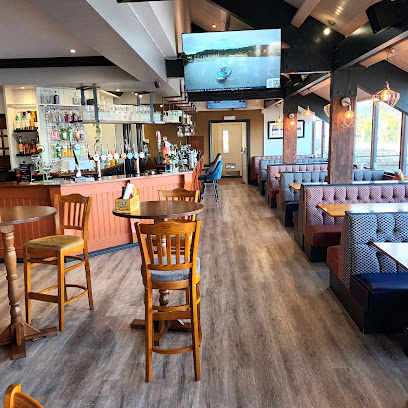
The Easy Breeze
18.9 km
A vibrant bar and restaurant blending Lakeland charm, live music, and flavorful street food in the heart of Bowness-on-Windermere.
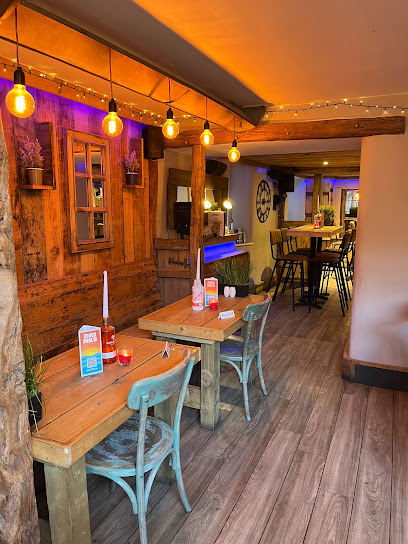
Hole in t' Wall
18.9 km
Historic Lakeland pub offering hearty food, cask ales, and a cozy atmosphere in the heart of Bowness-on-Windermere.
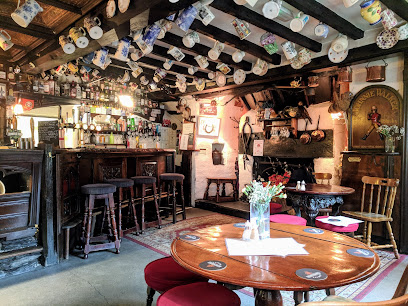
Lago
18.9 km
Lago is a lively bar in Bowness-on-Windermere known for its quality cocktails, sharing platters, and welcoming atmosphere near the heart of the Lake District.
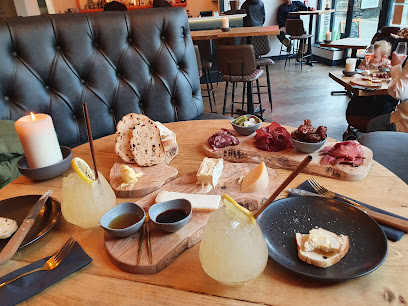
Village Inn Bowness-On-Windermere
18.9 km
A welcoming traditional pub in Bowness-on-Windermere offering local ales, hearty British fare, live sports, and a spacious beer garden.
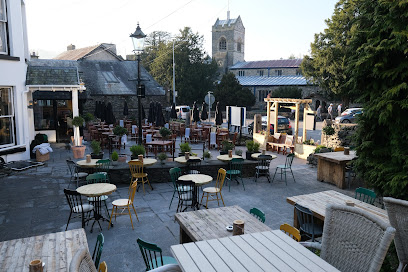
The Boathouse | Bar & Restaurant
18.9 km
Stylish gastropub at Windermere Marina Village with scenic lake views, fresh seasonal menus, and a vibrant yet relaxed atmosphere.
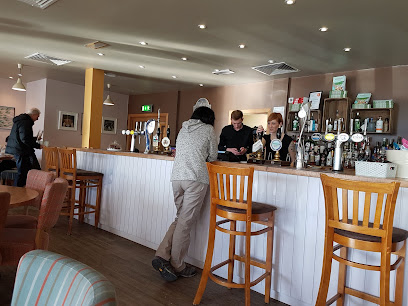
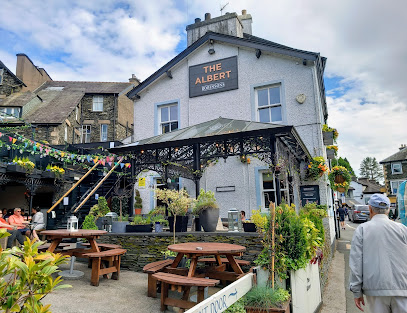
The Albert
19.0 km
A lively, traditional pub in Bowness-on-Windermere offering local ales, hearty food, and a warm, welcoming atmosphere year-round.
Nightclubs & after hour spots

Wheelhouse Nightclub
18.6 km
Experience vibrant weekend nightlife with dynamic music, drinks, and dancing at Wheelhouse Nightclub in scenic Bowness-on-Windermere.
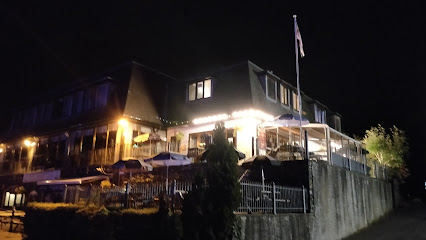
Windermere Social Club
19.5 km
A friendly and versatile social club in Windermere offering games, sports viewing, and community events in a welcoming atmosphere.
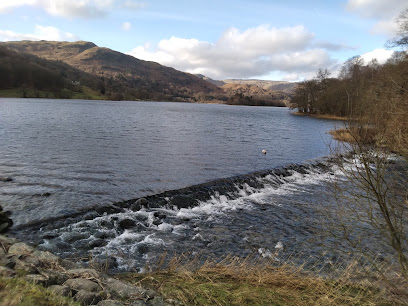
The Lounge C9
32.1 km
Experience Barrow-in-Furness’ vibrant nightlife at The Lounge C9, where music, drinks, and community come alive every weekend.
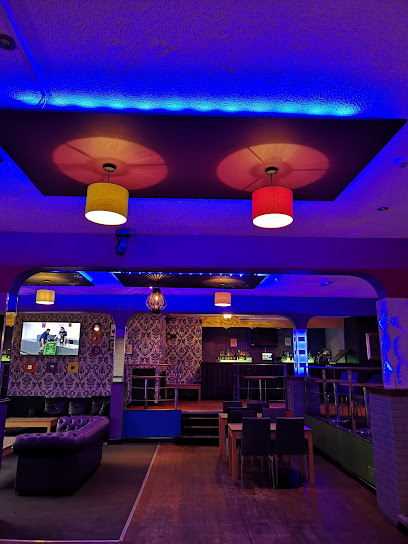
Manhattans Nightclub
32.2 km
Barrow-in-Furness’s top nightclub for themed parties, DJ nights, and vibrant late-night entertainment on Cavendish Street.

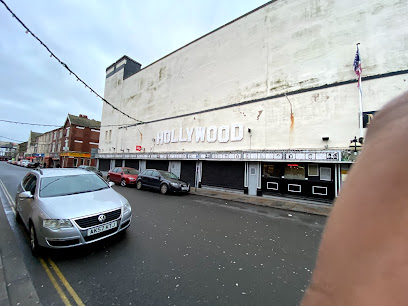
Hollywood Nightclub
32.2 km
Experience the vibrant late-night pulse of Barrow-in-Furness at Hollywood Nightclub, where music and dance light up Cavendish Street.
The loose moose
41.2 km
A lively and welcoming nightclub in Penrith offering cocktails, music, and community spirit in the heart of Cumbria’s Eden District.

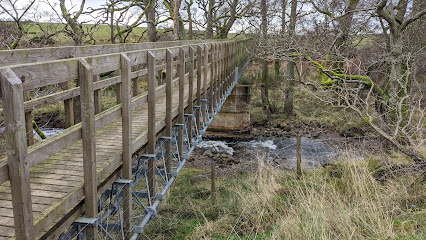
secret bridge
52.8 km
Experience vibrant nightlife and lively music at Secret Bridge, Milburn’s premier nightclub near Penrith in the scenic Eden District.
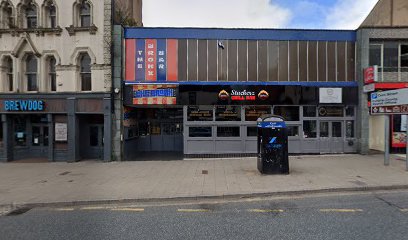
Secret Carlisle
57.1 km
Experience energetic nights and vibrant music at Secret Carlisle, the city centre nightclub where Carlisle’s historic charm meets modern nightlife.
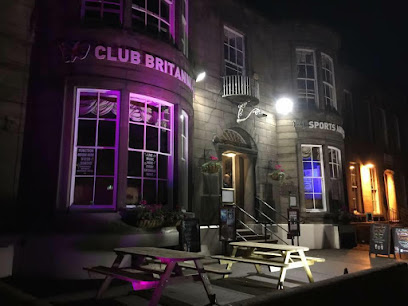
Club Britannia
57.3 km
A vibrant social club in Carlisle offering live music, friendly vibes, and affordable drinks in a smart, welcoming setting.
Carlisle R A O B Club
57.5 km
Historic social club in Carlisle offering lively events and a welcoming atmosphere rooted in the Royal Antediluvian Order of Buffaloes tradition.
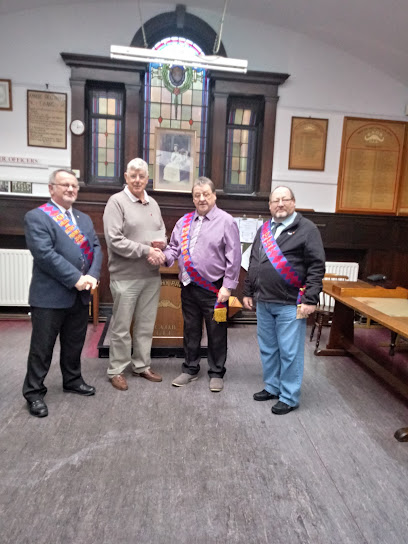
Black Box Music Institute
57.5 km
An intimate old-style nightclub and cultural hub in Carlisle offering live music, festivals, and art exhibitions in a vibrant setting.
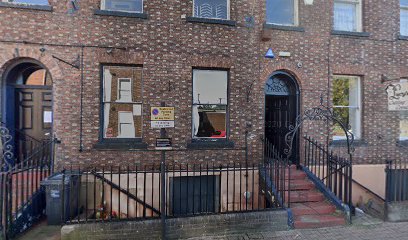
The Moorcock Inn
58.4 km
Discover the charm of The Moorcock Inn in Sedbergh, where cozy accommodations meet delicious local cuisine amidst breathtaking Yorkshire Dales views.
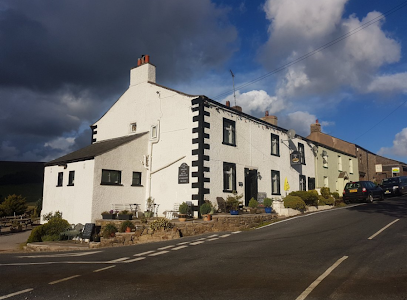
Peek A Booze
65.2 km
Experience the vibrant nightlife at Peek A Booze, Blackpool's lively bar offering a diverse atmosphere and affordable drinks for all.
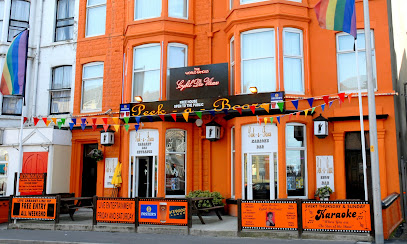
Funny Girls
65.4 km
Discover the magic of Blackpool's Funny Girls, where dazzling performances meet delightful dining in an unforgettable night out.

Sanuk Nightclub
65.5 km
Experience Blackpool’s vibrant nightlife at Sanuk Nightclub, a premier venue with six rooms and a lively house music scene on the iconic promenade.
For the vibe & atmosphere seeker
- Scenic
- Tranquil
- Unique
- Adventurous
- Relaxing
For the design and aesthetic lover
- Rustic Designs
For the architecture buff
- Historic
- Landmarks
For the view chaser and sunset hunter
- Iconic Views
- Panoramas
For the social media creator & influencer
- Instagrammable
- Photo Spots
For the eco-conscious traveler
- Public-Transport Accessible
- Low Impact
- Leave-No-Trace Critical
- Locally Managed
For the kind of experience you’re after
- Cultural Heritage
- Photowalk
- Nature Escape
- Day Trip
- Weekend Getaway
For how adventurous you want the journey to be
- Easy Access
Location Audience
- Family Friendly
- Senior Friendly
- Child Friendly
- Teen Friendly
- Solo Friendly
- Couple Friendly
- Vegetarian Friendly
- Vegan Friendly


