Five Fingers Strand, County Donegal
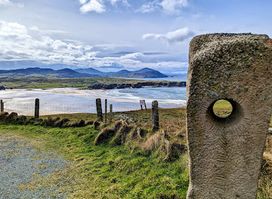
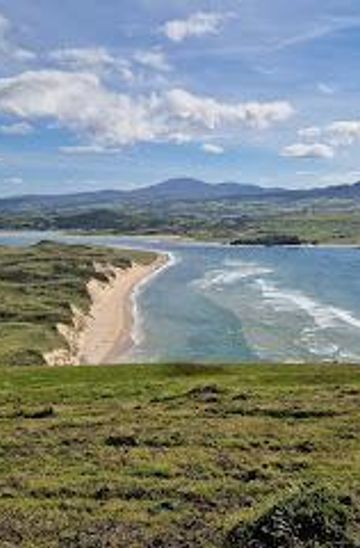
A breathtaking beach with towering dunes, dramatic sea stacks, and panoramic views along Donegal’s rugged Wild Atlantic Way coast.
Five Fingers Strand is a stunning beach located on the Inishowen Peninsula in County Donegal, Ireland. Known for its expansive sandy shore, towering sand dunes—some of the highest in Europe—and striking rocky coastline, it offers spectacular panoramic views over Trawbrega Bay. The beach is ideal for walking, birdwatching, and photography but swimming is strongly discouraged due to dangerous rip tides and strong currents.
A brief summary to Five Finger Strand
- Co. Donegal, IE
- Duration: 1 to 3 hours
- Free
-
 Outdoor
- Mobile reception: 3 out of 5

Know before you go
Hi, I'm Eve. Here are a few practical things to know before exploring Five Finger Strand.
- Avoid swimming due to strong rip tides and dangerous currents; the beach is best enjoyed for walking and sightseeing.
- Park at the small car park near the beach or at the nearby church and walk down to avoid tight turning spaces.
- Bring sturdy footwear for walking on sand dunes and uneven terrain.
- Visit at low tide to explore more of the beach’s sandy expanse and rock formations.
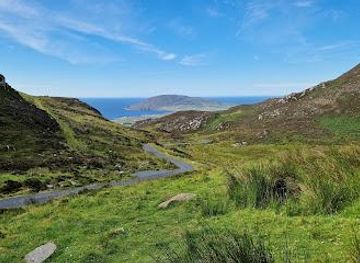
- Don’t miss the panoramic views of Malin Head, Isle of Doagh, and Glashedy Island from the strand.
Do you manage this location?
Take control to get all the benefits, like improved information, better appearance, and stronger visibility across AI-powered discovery. Learn more
Activate your presence
Getting There
-
Car
Driving from Malin Town or Malin Head takes approximately 15 to 25 minutes via regional roads. Parking is available at a small lot near the beach and at a nearby church, but spaces are limited during peak times. No parking fees apply.
-
Bus
Local bus services connect Culdaff and Malin to nearby stops within 5 to 7 kilometers of Five Fingers Strand. From the bus stop, a walk of about 30 to 40 minutes on rural roads and paths is required. Bus frequency is limited, so check schedules in advance.
-
Walking
For those staying in nearby villages such as Lagg or Culdaff, walking to the beach is possible via country lanes and footpaths, taking 45 minutes to an hour. Terrain includes some uneven and sandy sections, so suitable footwear is recommended.
For the on-the-go comforts that matter to you
-
 Restrooms
-
 Seating Areas
-
 Trash Bins
-
 Information Boards
Discover more about Five Finger Strand
Geographical Setting and Natural Features
Five Fingers Strand stretches approximately 1.7 kilometers along Trawbrega Bay on the northern tip of the Inishowen Peninsula. The beach is characterized by its wide sandy expanse backed by impressive sand cliffs and a series of parabolic sand dunes that trend eastward. These dunes, reaching heights of up to 30 meters, are among the tallest Marram grass dunes in Europe and are estimated to be around 5,000 years old, forming a unique and fragile ecosystem.Distinctive Landscape and Coastal Formations
The strand derives its name from five narrow sea stacks that protrude from the water on the northern side of the beach, resembling fingers reaching out into the Atlantic. These rock formations, combined with the high cliffs rising up to 500 feet nearby, create a dramatic and hauntingly beautiful coastal scene. The beach’s location at the entrance to Trawbrega Bay offers sweeping views of surrounding landmarks including Malin Head, the Isle of Doagh, and Glashedy Island.Ecology and Wildlife Habitat
The sand dunes and surrounding habitats support a diverse range of plant species and wildlife, contributing to the ecological significance of the area. The dunes’ vegetation plays a crucial role in stabilizing the landscape and providing shelter for birds, making the beach a popular spot for birdwatching. The beach and dunes together form part of a sensitive natural environment that requires careful preservation.Visitor Experience and Activities
Visitors to Five Fingers Strand can enjoy long walks along the expansive beach, exploring the dune systems and rocky coastline. The beach’s vast open space and panoramic views make it a favored location for photography and nature appreciation. Families often enjoy climbing the dunes, while birdwatchers and nature lovers find the area rewarding. However, swimming is strongly discouraged due to dangerous rip tides and strong currents, which pose significant safety risks.Access and Facilities
Access to the beach is via a small car park adjacent to the strand, with additional parking available near a nearby church, from which visitors can walk down to the beach. The terrain includes sandy paths and some uneven surfaces due to the dunes and cliffs, so suitable footwear is recommended. Facilities are minimal, emphasizing the beach’s natural and unspoiled character.Cultural and Scenic Significance
Five Fingers Strand is celebrated not only for its natural beauty but also for its evocative atmosphere, often described as haunting and serene. It is a highlight of the Wild Atlantic Way route and a must-visit for those exploring the Inishowen Peninsula. The beach’s combination of dramatic geological features, ecological importance, and sweeping ocean vistas makes it a standout destination in County Donegal.Explore the best of what Five Finger Strand has to offer















More about Londonderry

Discover Londonderry: A historic walled city with a rich cultural heritage, vibrant arts scene, and stunning natural landscapes in Northern Ireland.
Tell me more about Londonderry