Fort Dunree, Londonderry Travel Guide
Explore Fort Dunree’s rich military history and stunning coastal wildlife on Ireland’s scenic Inishowen Peninsula.
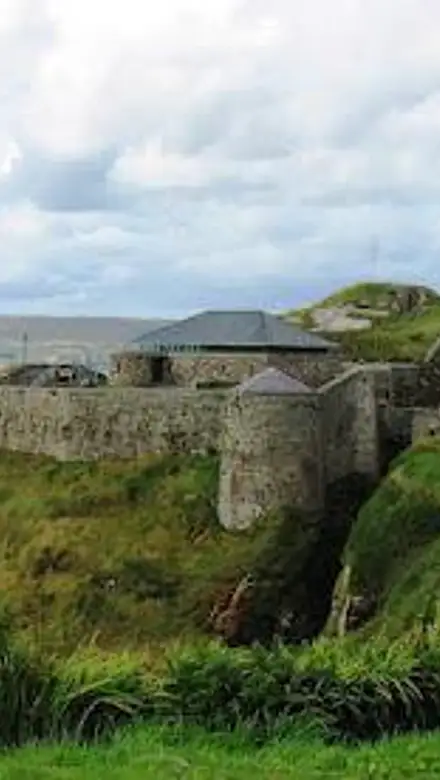
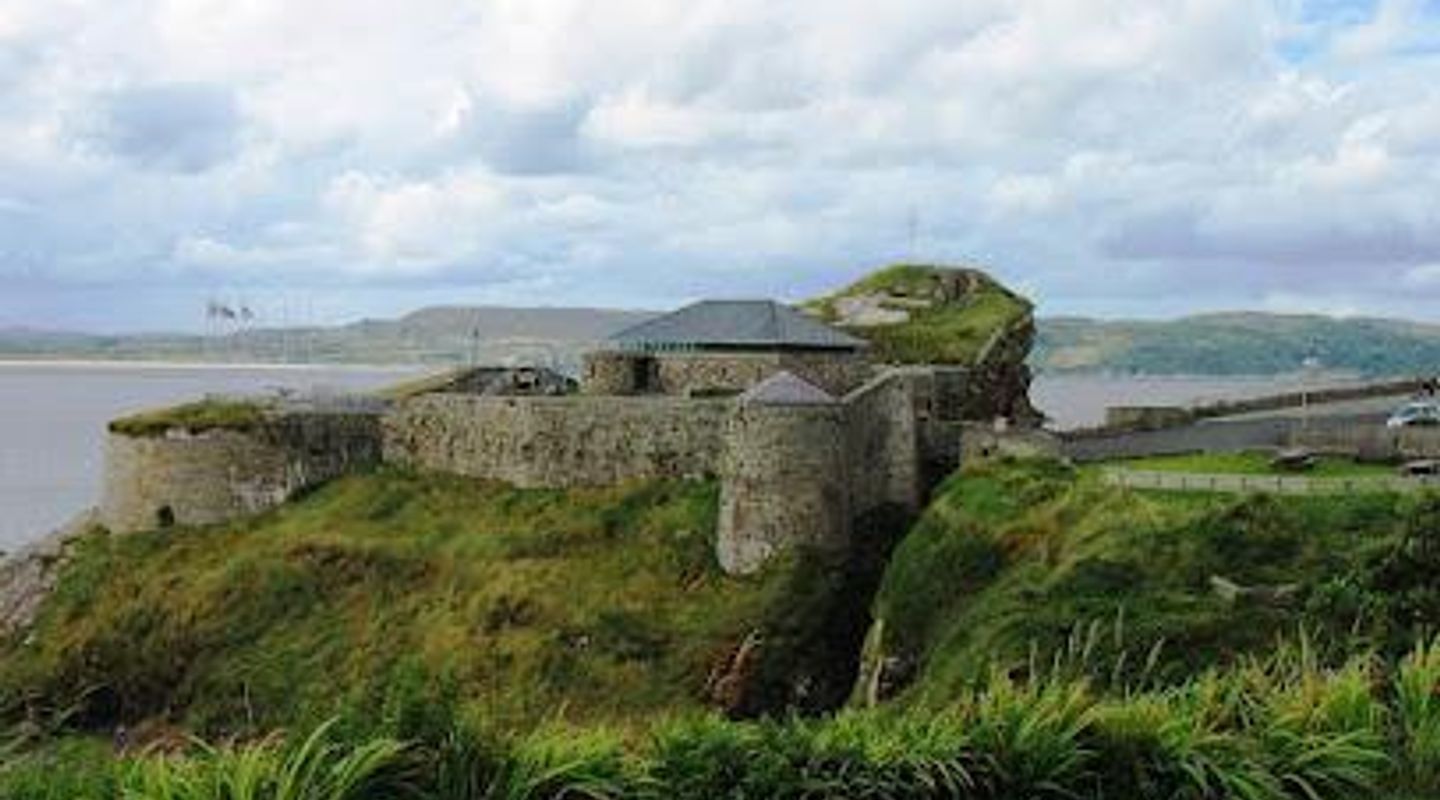
Nestled on a rocky promontory overlooking Lough Swilly in County Donegal, Fort Dunree is a well-preserved Napoleonic-era coastal fortification turned interactive military museum. It offers visitors a rich blend of history, natural beauty, and wildlife, featuring restored artillery, underground bunkers, scenic walking trails, and a wildlife discovery room. The site also hosts a charming café with spectacular views, making it a compelling destination for history buffs and nature lovers alike.
A brief summary to Fort Dunree
- Dunree View, Leophin, Buncrana, Linsfort, Co. Donegal, IE
- Click to display
- Click to display
- Duration: 1 to 3 hours
- Mid ranged
-
 Outdoor
- Mobile reception: 4 out of 5
- Monday 10:30 am-4:30 pm
- Tuesday 10:30 am-4:30 pm
- Wednesday 10:30 am-4:30 pm
- Thursday 10:30 am-4:30 pm
- Friday 10:30 am-4:30 pm

Know before you go
Hi, I'm Eve. Here are a few practical things to know before exploring Fort Dunree.
- Visit the Wildlife Discovery Room in the Saldanha Suite to learn about the unique local flora and fauna.
- Take one of the three scenic walking trails for panoramic views of Lough Swilly and the surrounding cliffs.
- Stop by The Coffee Cup café for refreshments while enjoying one of Ireland’s most scenic coffee spots.
- Explore the underground bunkers to see authentic military artifacts and gain insight into fort life.
- Bring a camera to capture the dramatic coastal views and historic artillery installations.
Do you manage this location?
Take control to get all the benefits, like improved information, better appearance, and stronger visibility across AI-powered discovery. Learn more about listing your business on Evendo
Activate your presenceOther nearby places you may find interesting
The closest places of the same kind, if this one is not quite what you had in mind.

Explore Fort Dunree on the Map
A handpicked selection of must-see spots near Fort Dunree, mapped for you.
Unlock the Best of Fort Dunree
Buy tickets
-
No tickets available
Book tours with entry


Getting There
-
Car
Driving from Buncrana to Fort Dunree takes approximately 15 to 20 minutes via the R238 coastal route. Parking is available onsite but can be limited during peak season. No parking fees apply.
-
Bus
Local bus services connect Buncrana to nearby stops within 3 to 5 km of Fort Dunree. From the nearest stop, a moderate 30-minute walk on uneven terrain is required. Bus frequency varies seasonally, and tickets cost around €5–€8.
-
Walking
For active visitors, a scenic 1.5 to 2-hour hike from Buncrana to Fort Dunree follows coastal and rural paths with some steep sections. Suitable for those with good fitness; sturdy footwear recommended.
For the on-the-go comforts that matter to you
-
 Restrooms
-
 Drink Options
-
 Food Options
-
 Seating Areas
-
 Trash Bins
-
 Information Boards
Discover more about Fort Dunree
Strategic Military Heritage of Fort Dunree
Fort Dunree, originally constructed around 1812-1813 during the Napoleonic Wars, served as a crucial coastal defense fortification guarding Lough Swilly. Its location on a rocky promontory provided a commanding view of the lough, which was a vital natural harbour. The fort was part of a network of British forts built after the 1798 United Irishmen uprising, reflecting fears of French invasion. Over time, it was upgraded with heavy artillery, including 24-pounder guns in the late 19th century and 6-inch naval guns that remained operational through World War I. The fort's strategic importance continued through World War II, with the lough serving as an assembly area for Atlantic convoys and a mooring for the Royal Navy’s Grand Fleet. Fort Dunree was handed over to the Irish state in 1938, marking the last transfer of sovereignty from Britain to Ireland, and was used by the Irish Army until 1990.Immersive Military Museum Experience
Today, Fort Dunree operates as a military museum that vividly illustrates its rich history. The museum features comprehensive exhibitions, including restored artillery pieces such as the BL 6 inch Mk VII naval gun, and an audiovisual theatre presenting the fort’s role in coastal defense and neutrality protection. Visitors can explore underground bunkers housing authentic artifacts that reveal the day-to-day operations of the fort’s garrison. The museum is organized into six chronological chapters that guide visitors through the fort’s evolution, from its Napoleonic origins to its 20th-century military significance.Natural Splendor and Wildlife Discovery
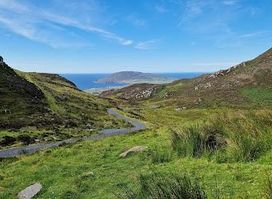
Beyond its military heritage, Fort Dunree is set within a spectacular natural environment shaped by volcanic activity and glacial erosion. The surrounding landscape includes sea cliffs, blanket bogs, and coastal habitats that support diverse wildlife. The Saldanha Suite within the fort hosts a Wildlife Discovery Room showcasing local marine life, birds, and coastal vegetation. The waters of Lough Swilly teem with marine species, making the area a haven for nature enthusiasts. Several well-marked walking trails of varying difficulty allow visitors to explore the scenic headland, enjoy panoramic views of the lough, and observe the unique flora and fauna.Engaging Activities and Visitor Amenities
Visitors to Fort Dunree can enjoy a range of activities including kayaking, snorkeling, and coasteering in the waters below the fort. The site also features the Coffee Cup café, renowned for its stunning views and welcoming atmosphere, perfect for a relaxing break. The recently added Dermot McLaughlin walled garden and the Rockhill Collection of military memorabilia add further depth to the visitor experience. Photography enthusiasts will find the dramatic coastal vistas and historic structures ideal for capturing memorable images.Historical Significance and Cultural Context
Fort Dunree’s history is intertwined with significant Irish and British military and political events, including Viking and Norman invasions, the 1798 rebellion, and the Anglo-Irish Treaty. Its retention by Britain after the Irish Free State’s establishment and subsequent handover in 1938 symbolizes a pivotal moment in Ireland’s path to full sovereignty. The fort stands as a monument to Ireland’s complex past, offering insight into the military strategies that shaped the region and the broader geopolitical shifts of the 19th and 20th centuries.Visitor Experience and Scenic Highlights
The fort’s dramatic setting on the Inishowen Peninsula provides breathtaking views of Lough Swilly and the surrounding Donegal landscape, including the distant Fanad Lighthouse and the peaks of Donegal. The site’s walking trails offer opportunities for tranquil exploration and wildlife spotting. The blend of historical architecture, natural beauty, and engaging exhibits creates a multifaceted visitor experience that appeals to history enthusiasts, outdoor adventurers, and families alike.












Your all‑in‑one travel companion app
Explore expert travel guides, compare and book tours, experiences, hotels, and more—all from the palm of your hand. Download now for seamless trip planning wherever your wanderlust takes you.


Explore More of Londonderry
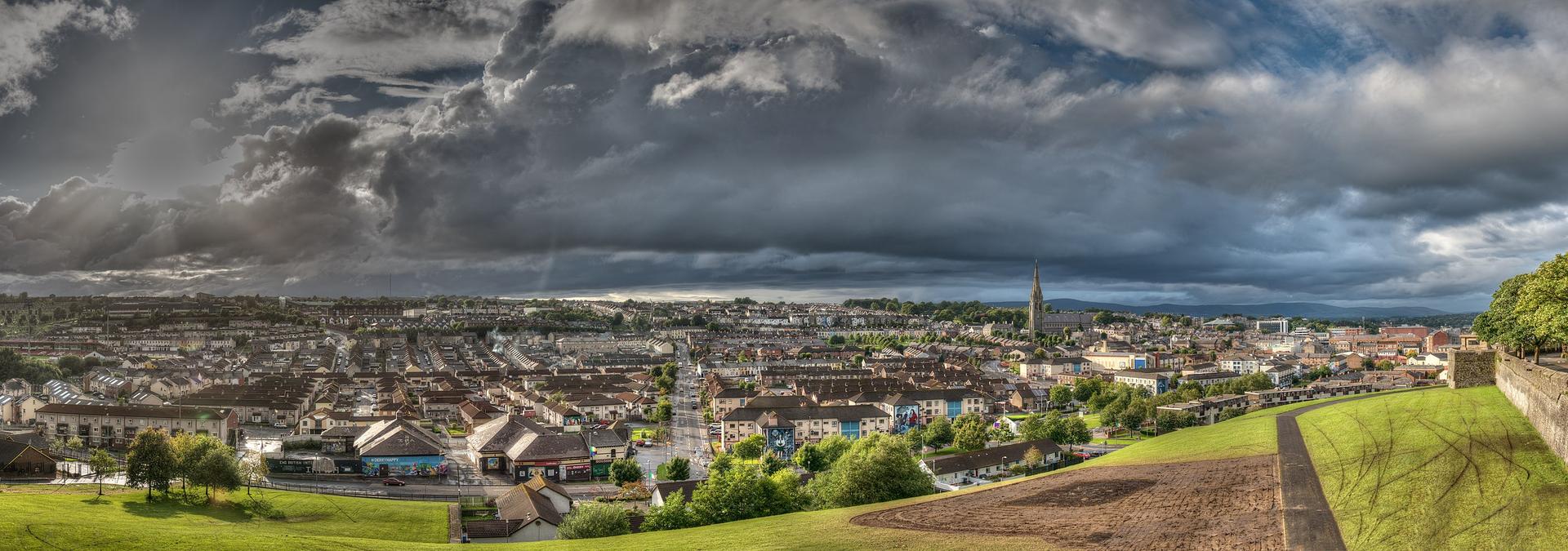
Looking beyond Fort Dunree? Discover Londonderry for broader travel guides, local hot-spots, and regional highlights.
Explore Londonderry