Mamore Gap, Londonderry Travel Guide
A dramatic mountain pass through the Urris Hills, offering sweeping views across Lough Swilly and the Atlantic coast on Donegal’s Inishowen Peninsula.
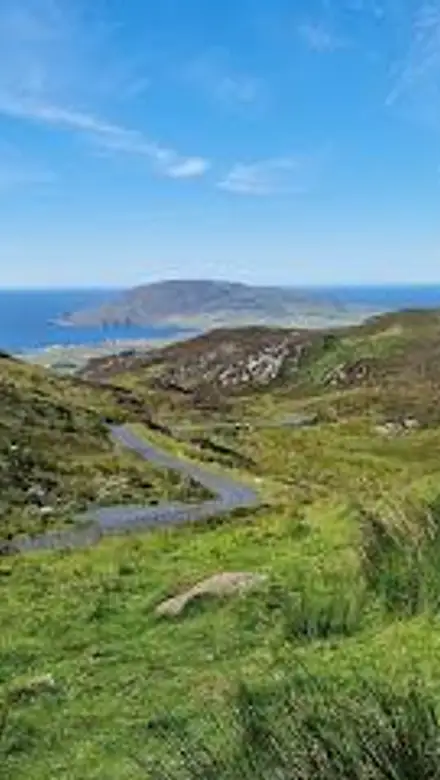
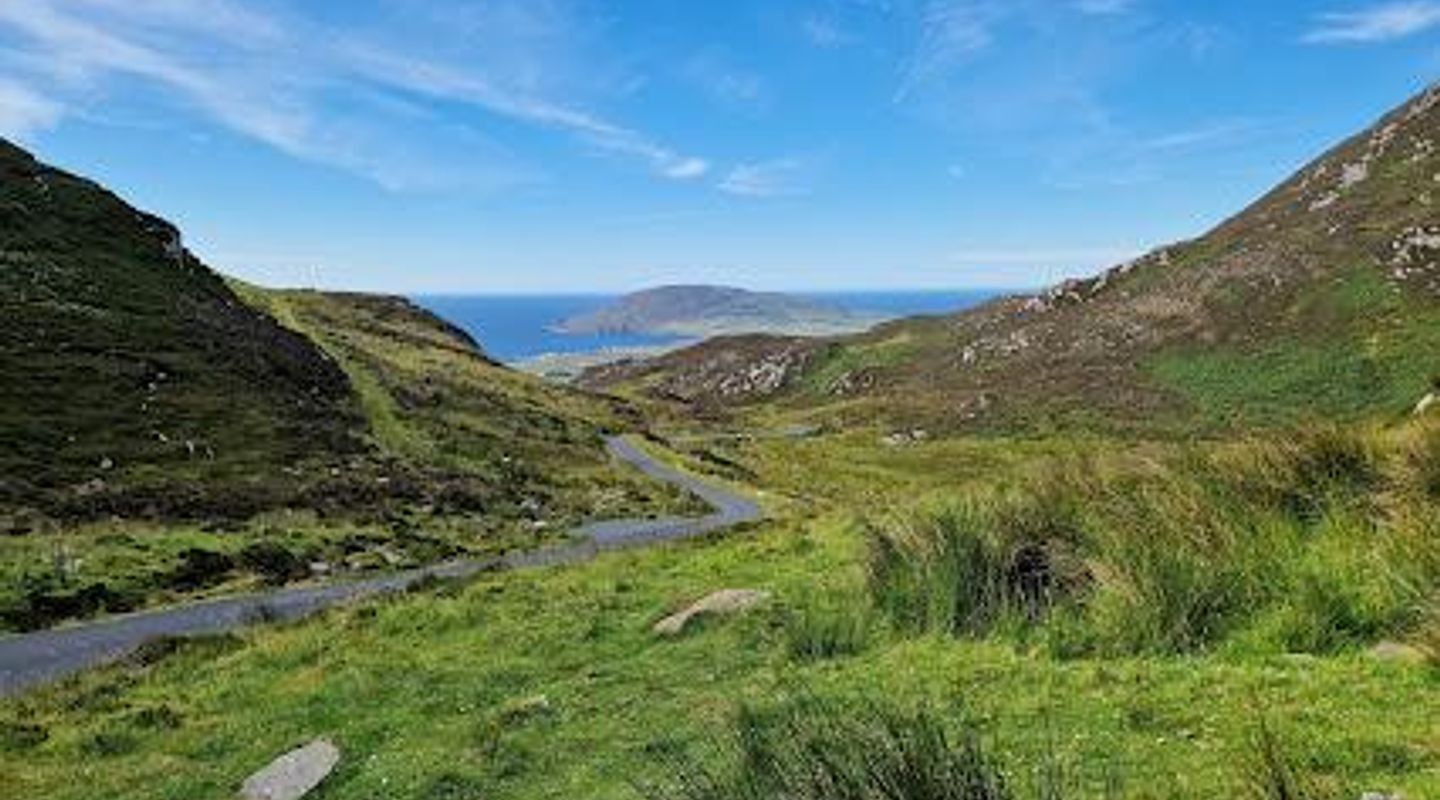
Mamore Gap is a dramatic mountain pass cutting through the Urris Hills on Donegal’s Inishowen Peninsula. A narrow, winding road climbs steeply to around 240 metres, then plunges down toward the Atlantic, offering sweeping views across Lough Swilly, Dunaff Head and the wild coastline. Once a vital link between villages and a Catholic pilgrimage route, it’s now a Wild Atlantic Way Discovery Point beloved for its raw, rugged scenery and sense of remoteness. There are several small pull-in spots to stop, stretch your legs and take in the panorama.
A brief summary to Mamore Gap
- Co. Donegal, IE
- Duration: 0.5 to 2 hours
- Free
-
 Outdoor
- Mobile reception: 3 out of 5

Know before you go
Hi, I'm Eve. Here are a few practical things to know before exploring Mamore Gap.
- Approach Mamore Gap from the south (Buncrana side) for the most dramatic ascent and the sudden reveal of the northern panorama at the summit.
- Check your brakes before driving the gap, especially in wet weather, as the steep, winding road demands careful control on both the climb and descent.
- Wear sturdy footwear and bring waterproofs if you plan to walk along the ridges; the ground is often boggy and uneven, with steep drops in places.
- Visit early in the morning or late in the afternoon to avoid the busiest tourist traffic and to catch the best light for photography.
- Bring water, snacks and extra layers; there are no shops or cafes at the gap, and the exposed hilltop can be much colder and windier than nearby towns.
Do you manage this location?
Take control to get all the benefits, like improved information, better appearance, and stronger visibility across AI-powered discovery. Learn more about listing your business on Evendo
Activate your presenceOther nearby places you may find interesting
The closest places of the same kind, if this one is not quite what you had in mind.

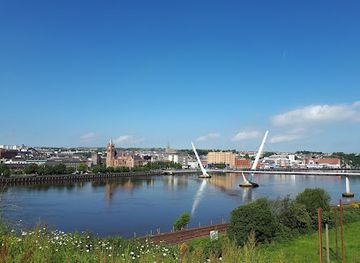

Explore Mamore Gap on the Map
A handpicked selection of must-see spots near Mamore Gap, mapped for you.
Unlock the Best of Mamore Gap
Buy tickets
-
No tickets available
Book tours with entry


Book tours without entry
-
No tours available
Getting There
-
By car from Buncrana
From Buncrana, follow the R238 north for about 14 km to the Mamore Gap road. The final climb is narrow and steep, with tight bends; allow 20–25 minutes. There are small pull-in areas and car parks at the summit, but space is limited, especially in peak season.
-
By car from Urris
From the village of Urris, head south on the narrow road that climbs steeply into the Urris Hills. The ascent to Mamore Gap takes roughly 15–20 minutes and requires careful driving on tight bends; parking is available in small lay-bys near the summit.
-
On foot from Dunree
From Dunree Beach or the Fort Dunree area, a hill walk of about 3–4 hours (moderate fitness) leads up into the Urris Hills and across to Mamore Gap. The path is rough and often boggy, so sturdy boots and full outdoor gear are essential.
-
By bike from Buncrana
Cycling from Buncrana to Mamore Gap is a challenging but rewarding ride of about 14 km with a steep climb. Allow 1–1.5 hours; bring repair tools and water, as there are no services along the route.
For the on-the-go comforts that matter to you
-
 Seating Areas
-
 Parking
-
 Trash Bins
-
 Information Boards
Discover more about Mamore Gap
A High Pass Through the Urris Hills
Mamore Gap (An Mám Mór in Irish) is a striking mountain pass that threads through the Urris Hills on the Inishowen Peninsula in County Donegal. For generations, this narrow, twisting road was the only practical connection between the southern and northern parts of the peninsula, linking Dunree in the south with Urris in the north. Rising to around 240 metres above sea level, the pass cuts between Mamore Hill and the surrounding ridges, creating a dramatic corridor of heather-clad slopes, rocky outcrops and open sky. The road itself is steep and winding, with gradients that demand careful driving, especially in wet or windy conditions, but that very challenge is part of what makes the journey so memorable.Views That Define the Wild Atlantic Way
The reward for tackling Mamore Gap is one of the most exhilarating panoramas in Donegal. From the summit area, the land falls away sharply to the north, revealing Dunaff Head, the Atlantic Ocean and the sweeping curve of Lough Swilly to the south. On a clear day, the views stretch for miles across the water toward Fanad and beyond, with the patchwork of fields, bogs and coastline laid out below. Several small pull-in areas and car parks allow visitors to stop and fully absorb the scenery, including a well-known spot near a grotto and holy well that once marked a place of Catholic pilgrimage. These viewpoints are particularly powerful at sunrise or sunset, when the light floods the hills and the sea glows with gold and copper tones.Walking and Cycling in Rugged Terrain
While many experience Mamore Gap by car, it’s also a magnet for walkers and cyclists seeking a physical challenge. The steep climb from either side is a serious effort, but the sense of achievement at the top is immense. From the pass, well-used paths lead along the ridges of the Urris Hills, offering extended hikes with even more expansive views. The terrain is rough and often boggy underfoot, so sturdy boots and proper outdoor clothing are essential. Cyclists tackling the gap should be prepared for a demanding ascent, but the descent toward Dunaff Head is a thrilling ride through open, windswept landscape. The area feels remote and untamed, with more sheep than people, reinforcing its reputation as one of Ireland’s more adventurous scenic drives.A Place of Pilgrimage and Local Lore
Beyond its natural beauty, Mamore Gap carries a quiet historical and spiritual weight. The presence of the grotto and holy well at the summit reflects its past as a site of Catholic pilgrimage, where people would stop to pray and reflect while crossing this high, exposed pass. Local stories and traditions speak of the gap’s role in connecting isolated communities and of the hardships faced by those who travelled it before modern roads. Today, that sense of history mingles with the raw atmosphere of the hills, making the gap feel like more than just a scenic viewpoint – it’s a place where landscape, faith and local life have long been intertwined.Practicalities for a Visit
Mamore Gap is best approached from the south, climbing up from the Buncrana side, which gives the most dramatic sense of ascent and then the sudden reveal of the northern panorama. The road is narrow and can be busy with tourists in peak season, so patience and caution are needed, especially when meeting oncoming traffic. There are a few designated pull-in areas and small car parks, but space is limited, so it’s wise to avoid the busiest times if possible. Facilities are minimal – there are no shops or cafes at the gap itself – so visitors should bring water, snacks and warm, waterproof clothing. The area is exposed to the elements, so conditions can change quickly, and strong winds or low cloud can transform the experience from spectacular to challenging in a short time.












Your all‑in‑one travel companion app
Explore expert travel guides, compare and book tours, experiences, hotels, and more—all from the palm of your hand. Download now for seamless trip planning wherever your wanderlust takes you.


Explore More of Londonderry
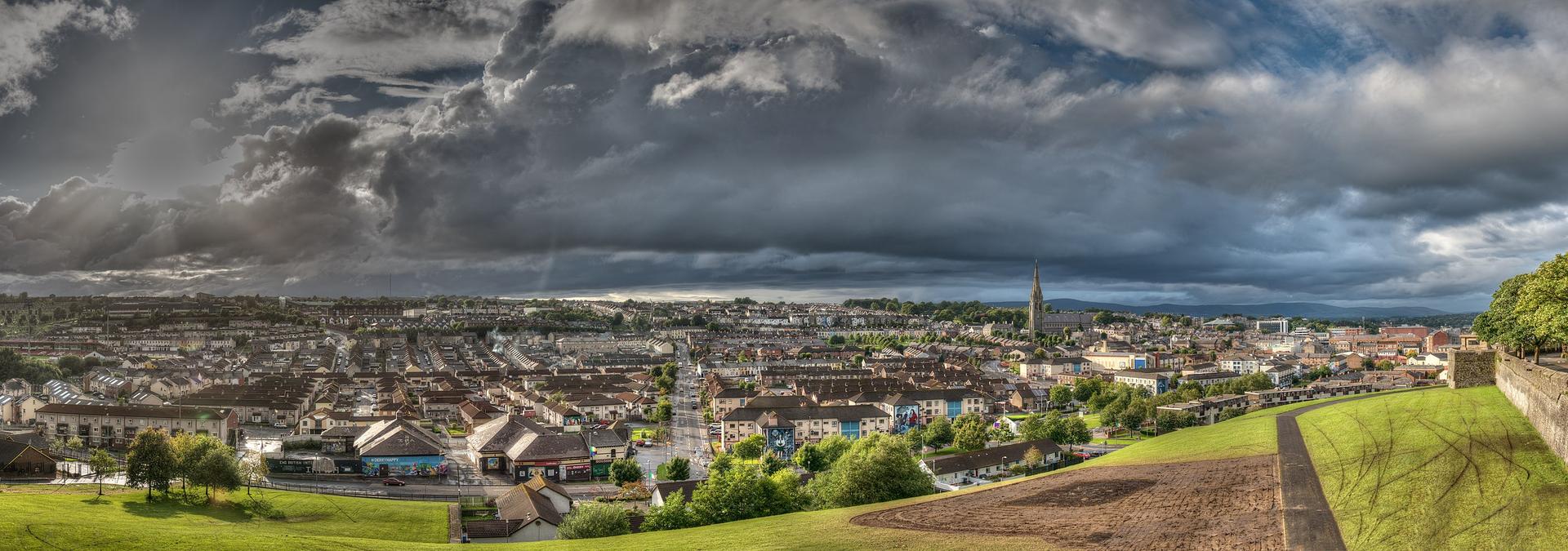
Looking beyond Mamore Gap? Discover Londonderry for broader travel guides, local hot-spots, and regional highlights.
Explore Londonderry