Carrickabraghy Castle: Historic O'Doherty Stronghold on the Isle of Doagh
Explore the 16th-century Carrickabraghy Castle, a rugged O'Doherty fortress perched on Donegal’s scenic Isle of Doagh, steeped in Gaelic history and coastal drama.
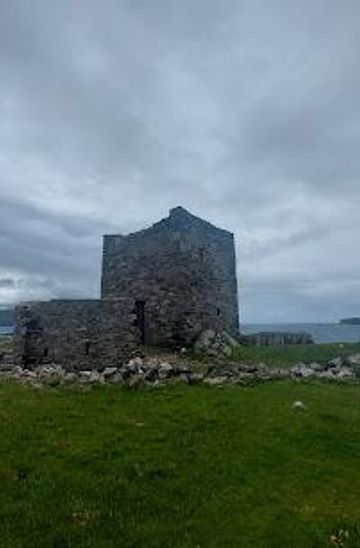
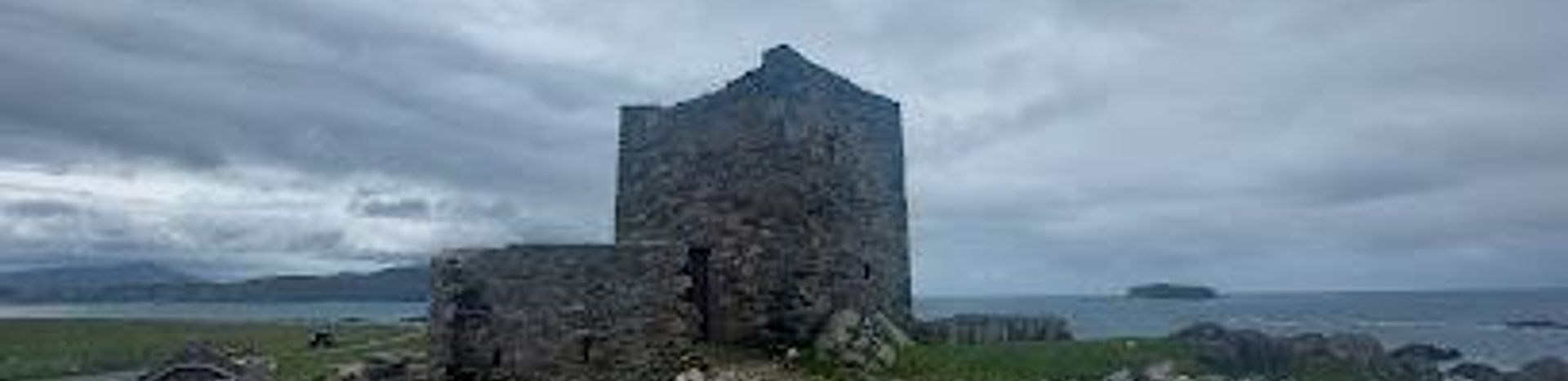
Carrickabraghy Castle is a 16th-century fortress built by the Ó Docharthaigh family on the rocky promontory of the Isle of Doagh, Co. Donegal. Overlooking Trawbreaga Bay, it stands as a significant relic of Gaelic lordship and local history, offering dramatic coastal views and insight into the turbulent past of the Inishowen Peninsula. The castle has undergone recent conservation efforts to preserve its crumbling tower and cultural importance.
A brief summary to Carrickabraghy Castle
- Unnamed Road, Carrickabraghy, Carrickabraghy, Co. Donegal, IE
- Click to display
- Duration: 0.5 to 2 hours
- Free
-
 Outdoor
- Mobile reception: 4 out of 5
- Monday 12 am-12 am
- Tuesday 12 am-12 am
- Wednesday 12 am-12 am
- Thursday 12 am-12 am
- Friday 12 am-12 am
- Saturday 12 am-12 am
- Sunday 12 am-12 am

Know before you go
Hi, I'm Eve. Here are a few practical things to know before exploring Carrickabraghy Castle.
- Visit during daylight hours to fully appreciate the panoramic coastal views and capture the castle’s rugged silhouette against the sky.
- Wear sturdy footwear as the terrain around the castle is uneven and rocky, typical of coastal promontories.
- Bring a camera or smartphone for stunning photos of the castle ruins framed by the wild Atlantic Ocean.
- Support local heritage by contributing to ongoing conservation efforts or visiting nearby cultural sites in Inishowen.
Do you manage this location?
Take control to get all the benefits, like improved information, better appearance, and stronger visibility across AI-powered discovery. Learn more
Activate your presenceOther nearby places you may find interesting
Getting There
-
Bus
Take the local bus service from Buncrana to Ballyliffin, which runs several times daily with a journey time of approximately 45–60 minutes. From Ballyliffin, a taxi or local shuttle can reach the Isle of Doagh area near the castle. Bus fares typically range from €5 to €8. Service frequency may be limited on weekends.
-
Car
Driving from Letterkenny to Carrickabraghy Castle takes about 50–65 minutes via the N13 and R238 roads. Parking is available near the site but limited, so early arrival is recommended. The route involves rural roads with some narrow sections; suitable for standard vehicles.
-
Walking
For adventurous visitors staying nearby, a 2–3 hour walk from Ballyliffin offers scenic coastal views and access to the castle. The terrain is uneven and includes some rocky paths, requiring good fitness and sturdy footwear.
For the on-the-go comforts that matter to you
-
 Information Boards
-
 Seating Areas
-
 Trash Bins
Discover more about Carrickabraghy Castle
Origins and Gaelic Heritage
Carrickabraghy Castle was constructed in the 16th century by the Ó Docharthaigh (O'Doherty) family, a powerful Gaelic clan who ruled parts of Inishowen. The castle likely dates to the lordship of Gearalt Ó Docharthaigh (1526–1540), who oversaw the region during a time of Gaelic resilience amid growing English influence. The site itself has deeper roots, situated on the Isle of Doagh, which was once an island and a strategic location recorded in the Annals of Ireland. The O'Dohertys were known as lords of Carraig Bhrachai, with historical mentions dating back to the 9th century, linking the castle to a long lineage of Gaelic leadership and local lore.Architectural Features and Setting
Perched on a greenstone dyke, the castle is built from rough quartz rock native to the area, blending naturally with the rugged coastal landscape. Its position on the northern tip of the Isle of Doagh provides commanding views over Trawbreaga Bay and the surrounding Donegal hills and headlands. Though now a ruin, the remaining tower and walls evoke the defensive needs of the time, designed to protect livestock and supplies from English raids. The castle’s construction reflects typical 16th-century Gaelic fortification styles, emphasizing both strength and strategic coastal surveillance.Historical Significance and Turmoil
Carrickabraghy Castle played a pivotal role during the late Gaelic lordship era, especially during the turbulent early 1600s. It was a bastion for the Ó Docharthaigh clan during conflicts involving English forces and rival Irish factions. Notably, Cathaoir Rua Ó Dochartaigh, the last lord of Inishowen, used the castle as a refuge while planning resistance against English control before his death in 1608. The castle witnessed battles, betrayals, and shifting alliances, embodying the struggle for Irish autonomy in the face of colonization.Conservation and Cultural Revival
After centuries of abandonment and decay, Carrickabraghy Castle was at risk of collapse until local efforts spearheaded by the Carrickabraghy Restoration Society secured funding to conserve the site. A significant phase of conservation was completed in 2013, supported by national grants and international donations. These efforts aim to preserve the castle not only as a historical monument but also as a symbol of Inishowen’s rich Gaelic heritage. The site continues to attract interest for further archaeological study and cultural education.Surrounding Landscape and Visitor Experience
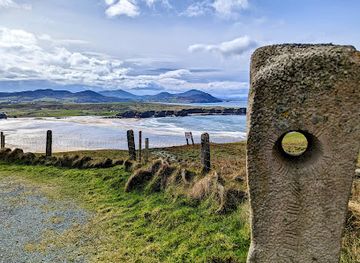
Visitors to Carrickabraghy Castle are treated to breathtaking panoramic views of the Atlantic coastline, including the nearby Glashedy Island and Pollan Bay. The rugged terrain and coastal winds enrich the atmospheric experience, evoking the castle’s defensive past. The Isle of Doagh itself, once separated by tides, adds a sense of isolation and natural beauty. The site offers a tranquil yet evocative environment for those interested in history, nature, and Irish cultural heritage.Legacy and Local Identity
Carrickabraghy Castle remains a potent emblem of the O'Doherty clan’s legacy and the Gaelic past of Donegal. It embodies centuries of local history, from Viking-era references to Gaelic lordship and English conquest. The castle and its story are celebrated in local poetry and oral traditions, reinforcing its place in the cultural fabric of Inishowen. Ongoing preservation efforts ensure that future generations can connect with this remarkable landmark and the stories it holds.Explore the best of what Carrickabraghy Castle has to offer















More about Londonderry
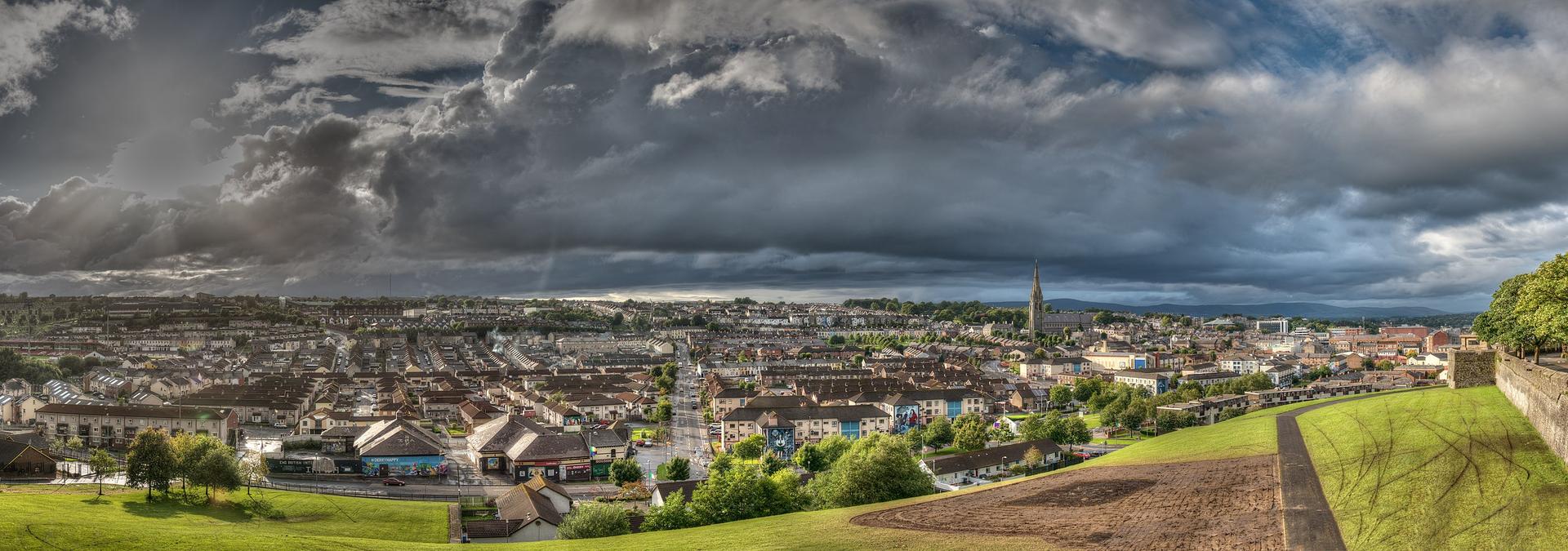
Discover Londonderry: A historic walled city with a rich cultural heritage, vibrant arts scene, and stunning natural landscapes in Northern Ireland.
Tell me more about Londonderry
Explore the depths of the Gajowy Cave in Bushmills, a geological marvel with stunning formations and rich natural history, perfect for adventure and tranquility.
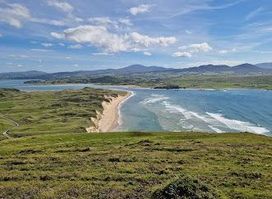
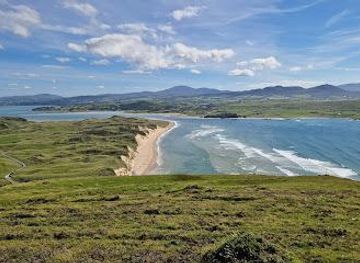
A breathtaking beach with towering dunes, dramatic sea stacks, and panoramic views along Donegal’s rugged Wild Atlantic Way coast.