
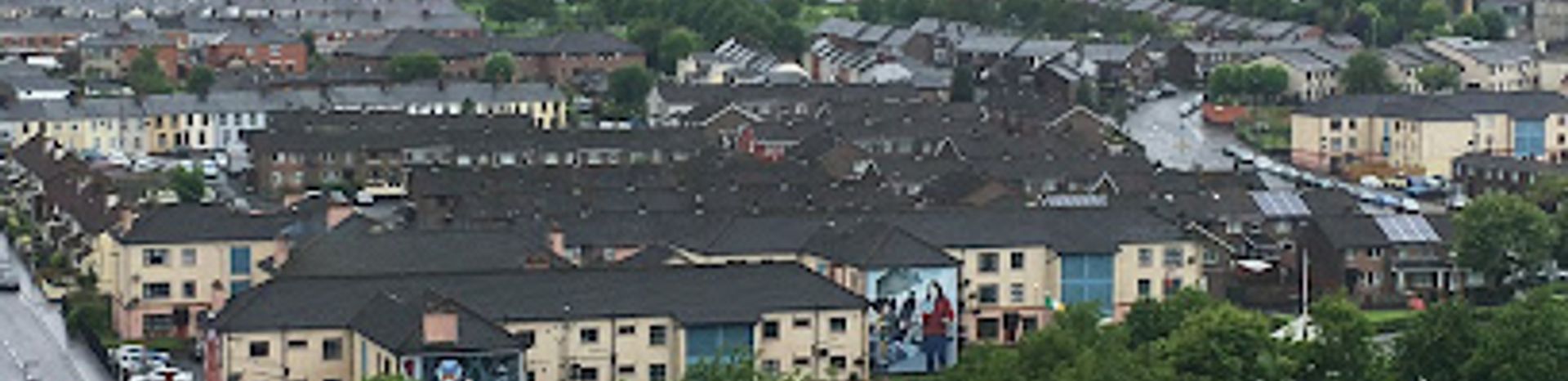
Museum of Free Derry
A powerful archive of civil rights struggle and community resilience in Northern Ireland's Bogside.
Located in the heart of Derry's Bogside, the Museum of Free Derry is a powerful and moving institution dedicated to telling the story of the civil rights movement and the creation of Free Derry during the 1960s and 1970s. Established by the Bloody Sunday Trust in 2006, this award-winning museum houses over 25,000 artifacts, including photographs, rare documents, and personal testimonies from those who lived through this pivotal era. The museum presents history from the perspective of the community rather than official narratives, covering the Battle of the Bogside, internment, Bloody Sunday, and Operation Motorman. With multimedia exhibits and immersive displays, it offers visitors a profound understanding of Northern Ireland's struggle for civil rights and freedom.
A brief summary to Museum of Free Derry
- 55 Glenfada Park, Londonderry, BT48 9DR, GB
- +442871360880
- Visit website
- Duration: 1 to 2 hours
- Budget
-
 Indoor
- Mobile reception: 5 out of 5
- Monday 10 am-4 pm
- Tuesday 10 am-4 pm
- Wednesday 10 am-4 pm
- Thursday 10 am-4 pm
- Friday 10 am-4 pm
- Saturday 10 am-4 pm
Local tips
- Combine your museum visit with a guided Bogside mural tour to deepen your understanding of the historical context and see the iconic street art that documents the community's story.
- Allow at least 90 minutes to fully experience the exhibition; the emotional weight of the material and multimedia presentations benefit from unhurried engagement.
- Visit on weekday mornings for a quieter experience that allows for deeper reflection on the powerful exhibits and personal testimonies.
- Check the museum's events calendar for special commemorations, particularly around Bloody Sunday (January 30) and other significant dates in the civil rights movement.
- Book tickets online in advance during peak season to avoid queues, though walk-ins are welcome and tickets can be purchased at reception.

For the on-the-go comforts that matter to you
- Restrooms
- Drink Options
- Food Options
- Seating Areas
- Information Boards
- Visitor Center
Getting There
-
Walking from City Centre
From Derry's walled city center, the Museum of Free Derry is approximately a 10-15 minute walk to the Bogside neighborhood. Head toward the city's west side, following signs for the Bogside area. The walk is straightforward and passes through residential streets. No special equipment or fitness level is required, though the terrain is standard urban pavement.
-
Local Bus Service
Derry's local bus network serves the Bogside area with regular connections from the city center. Journey times typically range from 5-10 minutes depending on the route and time of day. Single fares cost approximately £1.50-£2.00. Services run throughout the day with reduced frequency in evenings and Sundays. Check local transport schedules for current routes serving Glenfada Park.
-
Taxi or Ride-Share
Taxis and ride-sharing services operate throughout Derry and can transport you directly to 55 Glenfada Park. Journey time from the city center is typically 5-8 minutes. Fares generally range from £6-£10 depending on exact pickup location. This option is convenient if carrying mobility aids or traveling with young children.
-
Parking and Driving
If driving, be aware that parking in the immediate Bogside vicinity is limited and can be challenging during peak hours. Street parking is available but may require some searching. Consider parking in the city center car parks (approximately 10-15 minutes' walk away) or using paid parking facilities in nearby areas. The museum's address is 55 Glenfada Park, Derry BT48 9DR for GPS navigation.
Museum of Free Derry location weather suitability
-
 Any Weather
Discover more about Museum of Free Derry
A Monument to Civil Rights and Community Resilience
The Museum of Free Derry stands as one of Northern Ireland's most significant cultural institutions, dedicated to preserving and sharing the story of a working-class community's struggle against decades of oppression. Established in 2006 by the Bloody Sunday Trust, the museum occupies a purpose-built facility in the Bogside—the very neighborhood where the events it documents unfolded. This geographic placement is deliberate and profound; visitors walk the same streets where barricades once stood and where ordinary citizens declared their independence from British authority. The museum's existence itself represents a triumph of community determination, transforming personal memories and collective trauma into an educational and commemorative space.The Archive of a Movement
At the heart of the Museum of Free Derry lies an extraordinary collection of over 25,000 individual items, the vast majority donated by local residents who lived through the events being documented. These artifacts span photographs, handwritten documents, personal correspondence, protest materials, and objects that carry the weight of history. Rather than presenting a sanitized or official account, the museum deliberately centers the voices and perspectives of those who experienced the civil rights movement firsthand. This approach transforms the museum from a mere repository of objects into a living testimony—a space where personal narratives carry equal weight to institutional records. Visitors encounter not abstract historical facts but the tangible evidence of individual lives shaped by extraordinary circumstances.Exploring the Turbulent Decades
The exhibition traces the evolution of Free Derry across multiple interconnected narratives. It begins with the civil rights era of the 1960s, when a largely working-class Catholic community organized to challenge systemic discrimination in housing, employment, and political representation. The museum then moves through the pivotal events of 1968 onwards, including the Battle of the Bogside—a three-day confrontation that became a defining moment in the conflict. The exhibition covers internment without trial, the imposition of direct rule, and culminates with Bloody Sunday on January 30, 1972, when British paratroopers opened fire on unarmed civilians during a civil rights march, killing thirteen people and wounding many others. Each section employs multimedia presentations, archival documents, and personal testimonies to create an emotionally resonant and historically comprehensive narrative.Immersive Multimedia Experience
The museum's redevelopment has transformed it into a state-of-the-art facility featuring interactive displays, video presentations, and audio testimonies. Visitors can engage with eyewitness accounts recorded specifically for the museum, including the powerful testimony of John Kelly, available in English, French, and Spanish. These multimedia elements serve not merely as entertainment but as essential tools for understanding the human dimension of historical events. The combination of visual, auditory, and textual information allows visitors of varying backgrounds and learning styles to connect with the material. The museum also offers self-guided tours that typically take up to 90 minutes, allowing visitors to move through the exhibition at their own pace and spend extended time with exhibits that resonate personally.Context Within the Broader Struggle
The Museum of Free Derry explicitly positions the local struggle within international contexts of civil rights and anti-colonial movements. The concept of Free Derry—a no-go area declared by the nationalist community—represented not merely local resistance but participation in a global struggle for freedom and equality. The museum encourages visitors to understand the events of the 1960s and 1970s not as isolated incidents but as part of humanity's ongoing quest for justice. This broader framing helps international visitors grasp the significance of what occurred in this small Northern Irish city and recognizes the universal dimensions of the community's struggle against oppression and marginalization.A Space for Reflection and Dialogue
Beyond its role as a historical museum, the institution functions as a public space for ongoing dialogue about Free Derry's meaning in contemporary contexts. The museum hosts events, exhibitions, and discussions that connect historical struggles to present-day issues of justice, equality, and community empowerment. This approach reflects the museum's philosophy that Free Derry represents not only a historical period but an ongoing concept—one that continues to inspire conversations about freedom, dignity, and collective action. The gift shop offers books, documentaries, and commemorative items that extend the educational experience beyond the exhibition itself.Iconic landmarks you can’t miss

BRICKWORK BAR
0.3 km
Discover the vibrant charm of Brickwork Bar in Londonderry, where local culture and friendly faces create an unforgettable atmosphere.
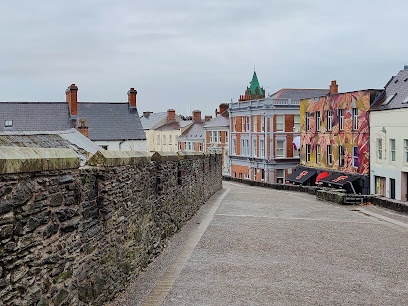
War Memorial
0.3 km
A solemn tribute to the fallen, standing at the heart of Derry's historic walled city since 1927.
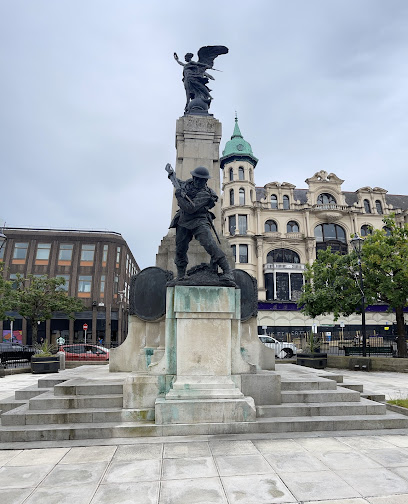
Magazine Gate Derry City Walls
0.3 km
Explore Magazine Gate, the newest historic entrance to Derry’s iconic walled city, offering riverfront access and rich 19th-century heritage.
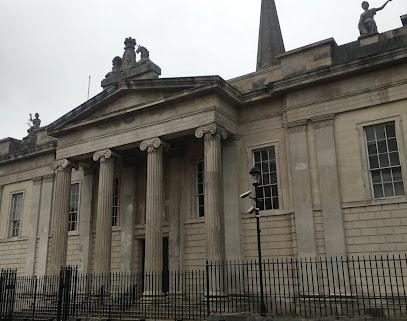
Double Bastion
0.4 km
Historic fortress bastion on Derry’s city walls, home to the legendary Roaring Meg cannon and panoramic views over the Bogside.
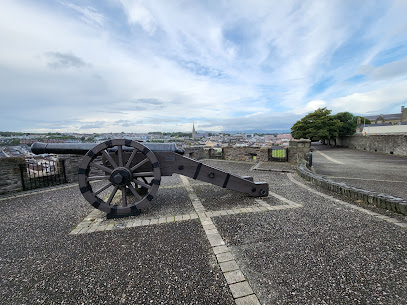
Bogside History Tours
0.4 km
Discover Londonderry's captivating history with Bogside History Tours, where every street tells a story and every mural speaks volumes.
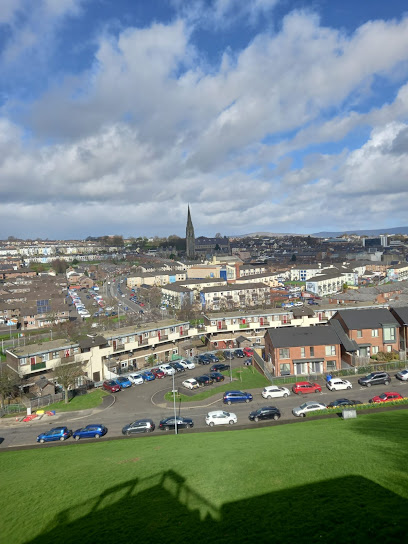
Ferryquay Gate Derry City Walls
0.4 km
Step through the gate that started the Siege of Derry and walk the ramparts of one of Europe’s finest walled cities.
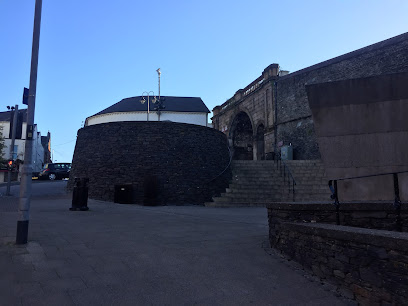
City Walking Tours
0.5 km
Discover the captivating history and vibrant culture of Londonderry with engaging guided walking tours exploring iconic landmarks and hidden gems.
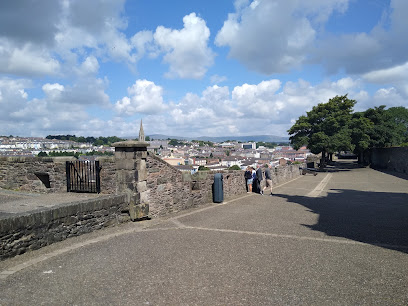
The Clock Tower
1.0 km
Historic Clock Tower at Ebrington Square, a timeless symbol of Londonderry’s military heritage and vibrant city life.
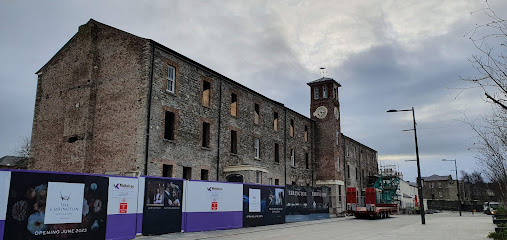
Cornerstone City Church
1.0 km
A vibrant community in Londonderry offering worship, outreach, and hope through faith and compassionate service.
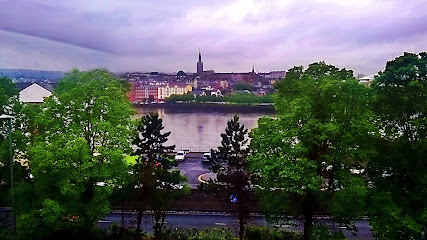
Haslett Monumental Sculptors
1.1 km
Explore the artistry and heritage of memorial craftsmanship at Haslett Monumental Sculptors in Londonderry, where memories are beautifully carved in stone.
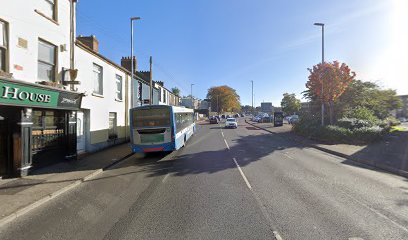
Lapwing Way Gospel Hall
1.5 km
A welcoming evangelical chapel offering spiritual reflection and community fellowship in Londonderry.
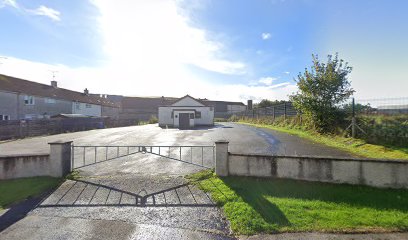
Things To Do
3.2 km
Explore the vibrant history and stunning landscapes of Londonderry with unforgettable tours that bring the city's rich culture to life.
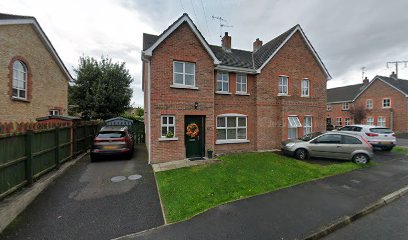
Wild Ireland
6.1 km
Explore Wild Ireland, where you can encounter native wildlife in stunning natural surroundings, perfect for families and nature lovers alike.

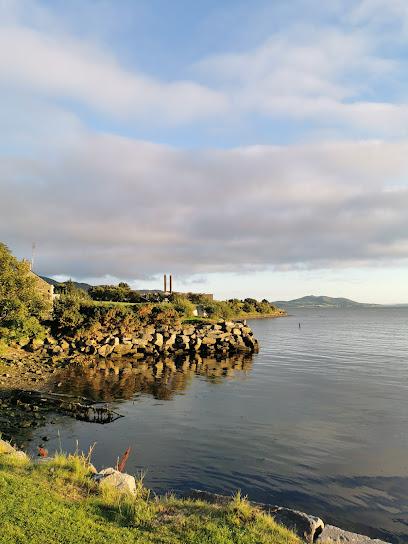
Amazing Grace Viewing Point
17.8 km
Where a storm‑tossed sailor found grace and penned one of the world’s most beloved hymns, overlooking the waters of Lough Swilly in Buncrana.
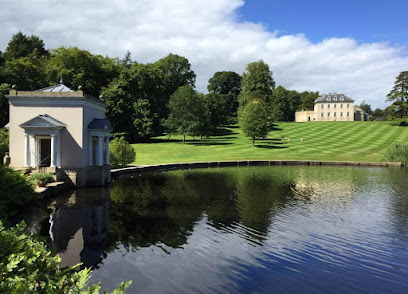
Oakfield Park
20.8 km
Experience the serene beauty of Oakfield Park in Donegal, a stunning garden retreat perfect for nature lovers and families seeking tranquility.
Unmissable attractions to see

Bloody Sunday Trust
0.0 km
A powerful community museum in Derry’s Bogside, telling the story of civil rights, Free Derry and Bloody Sunday through personal testimonies and original artefacts.
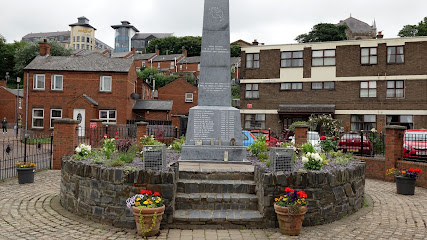
Rossville St
0.0 km
Rossville Street in Londonderry stands as a vivid canvas of history, murals, and memories from the heart of the Bogside’s civil rights struggle.
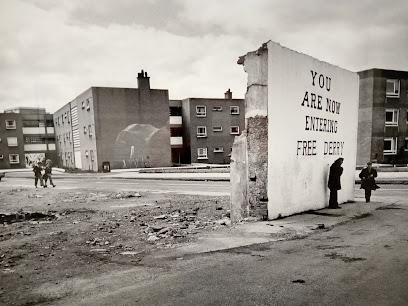
Bloody Sunday Monument
0.1 km
Visit the Bloody Sunday Monument in Londonderry to honor the victims of a tragic event and immerse yourself in the rich history of Northern Ireland.
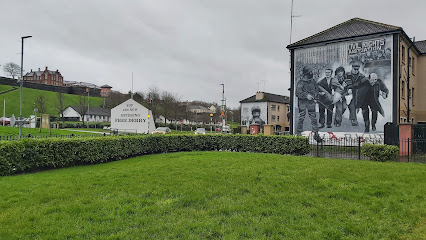
Lisfannon Park
0.1 km
A peaceful coastal park in Londonderry with golden sands, scenic views, and rich birdlife, perfect for family outings and nature lovers.

Free Derry Corner
0.2 km
Discover Free Derry Corner, a historic landmark in Londonderry embodying the spirit of resilience and civil rights through its iconic murals.
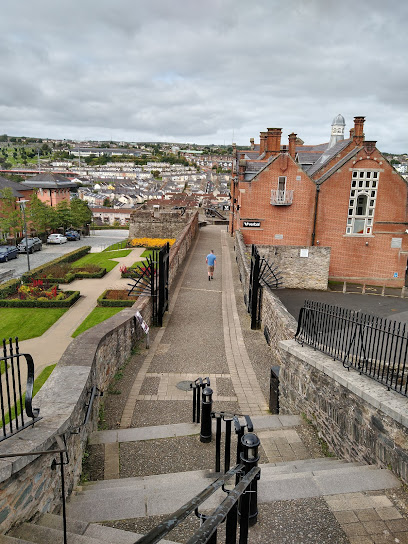
Peoples Gallery
0.2 km
A striking open-air mural gallery in Londonderry commemorating the Northern Ireland Troubles through powerful art by the Bogside Artists.
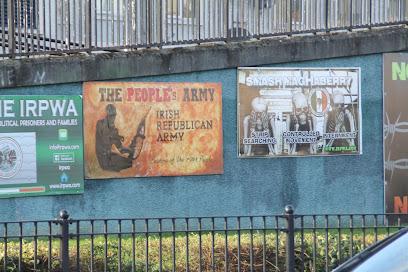
First Derry Presbyterian Church
0.2 km
A historic Presbyterian church in Derry~Londonderry, rooted in the city’s 1690 siege and offering quiet reflection in a central urban setting.
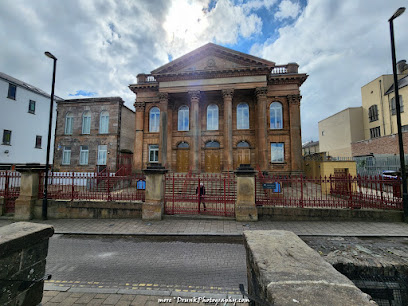
Apprentice Boy's Memorial Hall
0.2 km
Historic memorial and cultural hub honoring the apprentice boys who defended Londonderry during the 1688 siege.
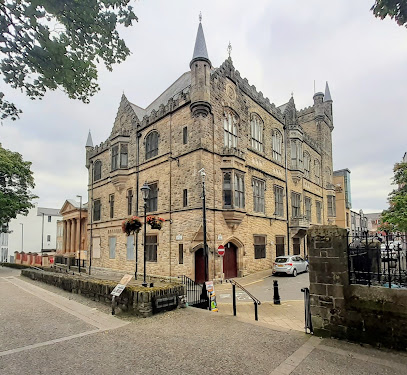
The Siege Museum
0.2 km
Explore the dramatic 1689 Siege of Derry through immersive exhibits and heritage rooms honoring the city’s enduring legacy.
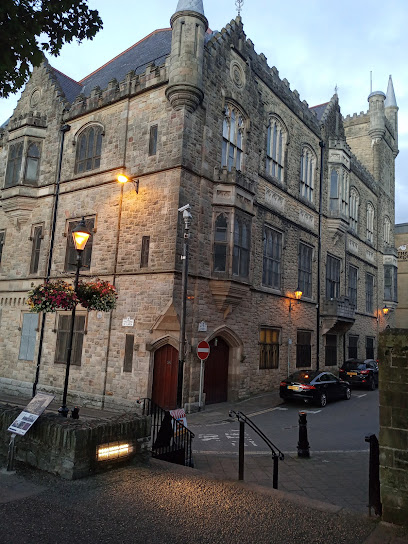
The Derry Walls
0.2 km
Discover the rich history and stunning vistas at The Derry Walls, a UNESCO World Heritage site in Londonderry, Northern Ireland.
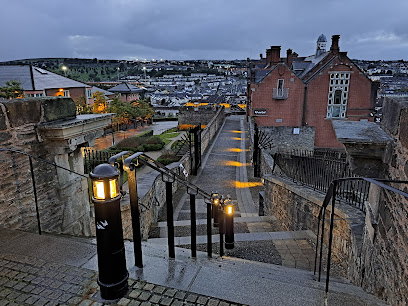
St Augustine's Church of Ireland
0.2 km
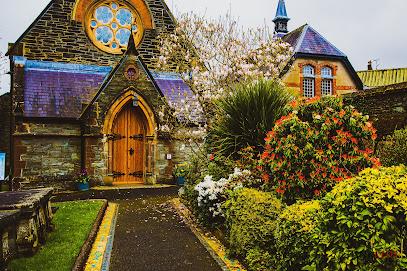
Discover the serene neo-Gothic St Augustine's Church, a historic spiritual oasis nestled on Londonderry’s ancient city walls.
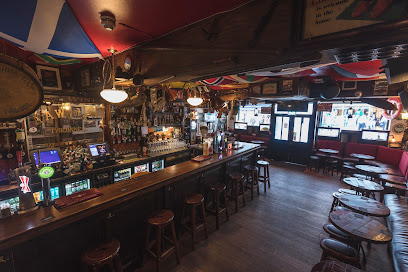
Peadar O'Donnell's
0.3 km
Experience authentic Irish music and warm hospitality in Londonderry’s iconic Peadar O'Donnell's pub, where tradition meets lively nightlife.
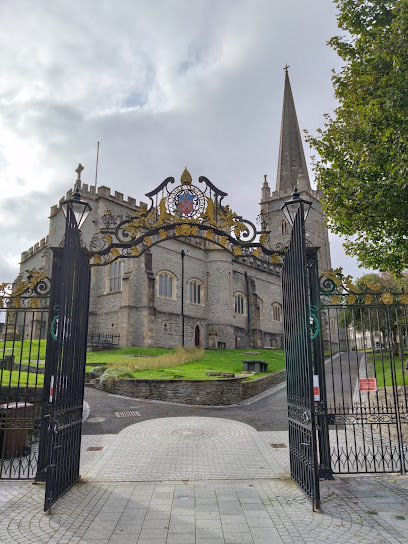
The Yellow Yard
0.3 km
Discover Londonderry’s vibrant vintage market blending unique finds, local art, and a lively atmosphere on Palace Street.
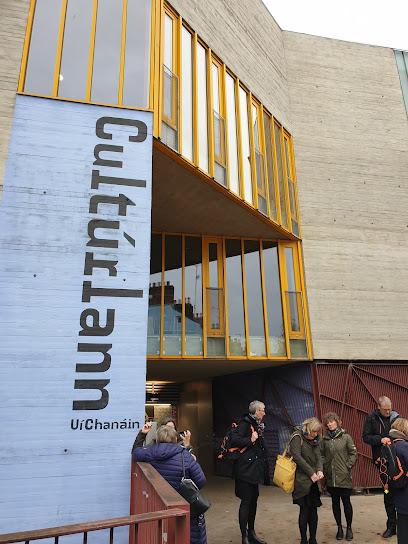
Cultúrlann Uí Chanáin
0.3 km
Discover the vibrant heart of Irish language, music, and culture at Cultúrlann Uí Chanáin in the historic city of Derry.
Le Petit Village
0.3 km
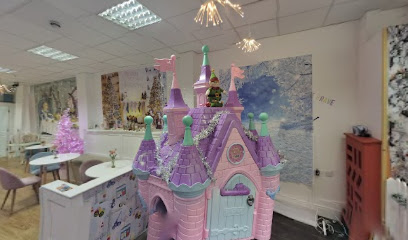
A charming, imaginative children’s play café in Londonderry’s city centre, perfect for infants and toddlers to explore and create.
Essential places to dine

The Rocking Chair
0.2 km
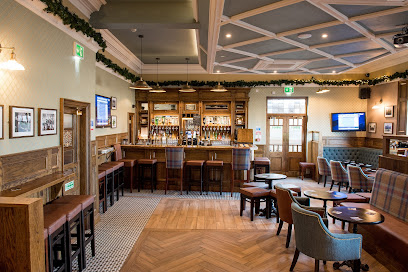
Experience the vibrant atmosphere of The Rocking Chair in Londonderry - where great food meets live music in a charming pub setting.
SPAGHETTI JUNCTION
0.2 km
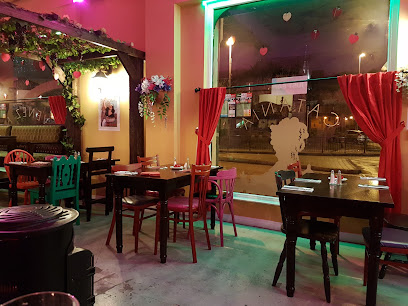
Experience authentic Italian flavors and lively evenings at Spaghetti Junction, Londonderry’s beloved Mediterranean restaurant.
Mekong
0.2 km
Experience vibrant Vietnamese fusion cuisine with fresh flavors and friendly service in the heart of Londonderry’s cultural district.
Castle Street Social
0.3 km
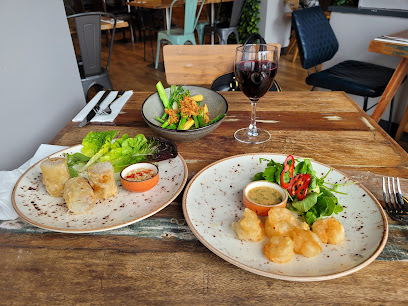
A lively social restaurant in Derry serving innovative local dishes, vegan and gluten-free options, with a vibrant bar and welcoming atmosphere.
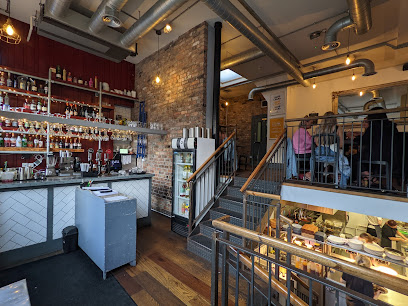
Tracy's Bar
0.3 km
Discover Tracy's Bar in Londonderry – a lively restaurant and bar perfect for enjoying delicious food and drinks in a welcoming atmosphere.
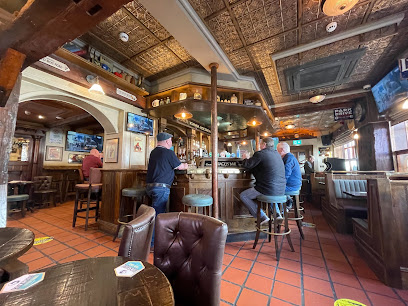
El Tapas Grá
0.3 km
Experience vibrant Catalan-inspired tapas crafted with fresh Irish ingredients in a warm, rustic setting in the heart of Derry.
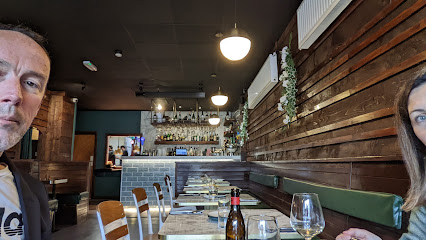
The Scullery Cafe
0.3 km
Charming artisan café in Londonderry serving fresh Irish breakfasts, lunches, and homemade treats in a cozy, welcoming atmosphere.
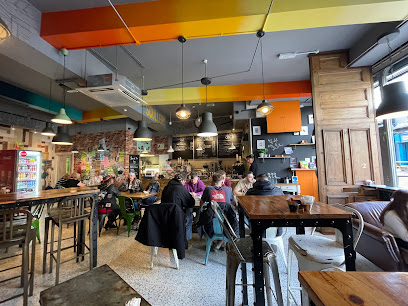
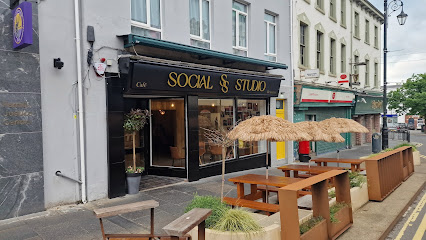
Social Studio Restaurant
0.3 km
Experience innovative cuisine and crafted cocktails in a stylish, welcoming setting at Social Studio Restaurant, Londonderry’s culinary gem.
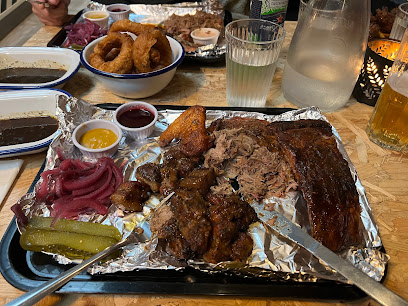
The Dirty Souls
0.3 km
Savor authentic Southern BBQ and soulful flavors with expertly smoked meats and creative cocktails in the heart of Londonderry.
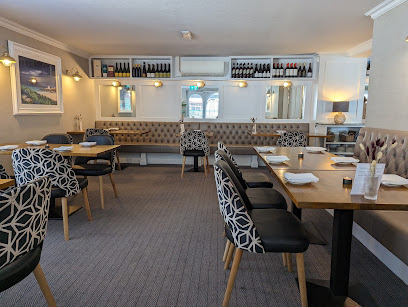
Artis Restaurant By Phelim O' Hagan
0.3 km
Discover exquisite Irish cuisine at Artis Restaurant in Londonderry's Craft Village—where fresh ingredients meet culinary artistry.
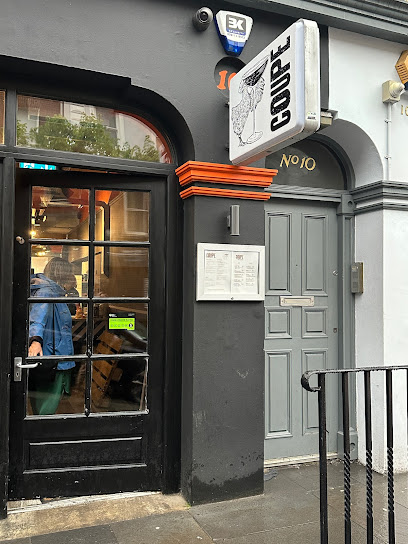
COUPE by The Dirty Souls - Smokehouse/BBQ
0.3 km
Authentic Texas-style BBQ in the heart of Londonderry, serving smoked meats, bold sauces, and craft drinks in a vibrant smokehouse setting.
The Gown Restaurant
0.3 km
Experience refined Irish cuisine in a historic setting with seasonally inspired dishes crafted from the freshest local ingredients in Derry’s Cathedral Quarter.
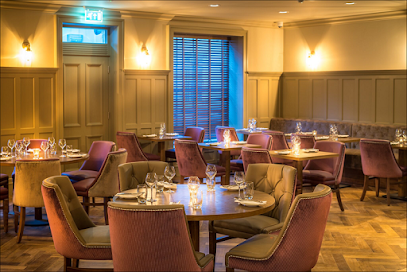
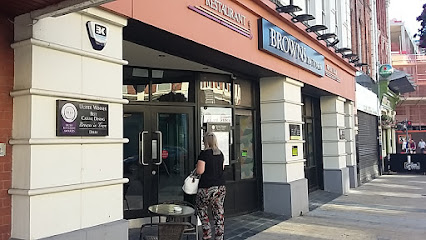
Browns In Town
0.3 km
Modern Irish cuisine with a creative twist in a warm, casual setting on Londonderry’s Strand Road.
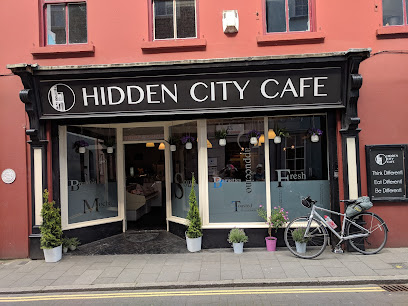
Hidden City Cafe
0.3 km
Ethical family café in Londonderry offering creative, plant-based cuisine with local ingredients and a vibrant, relaxed atmosphere.
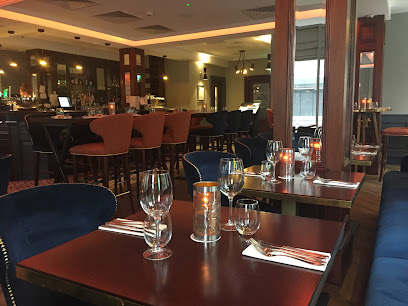
Shipquay Restaurant
0.3 km
Refined Irish dining in a historic boutique hotel overlooking Derry’s iconic City Walls and Guildhall.
Markets, malls and hidden boutiques

Harmony
0.2 km
Discover unique gifts and wellness treasures at Harmony, a charming boutique in the heart of Londonderry’s vibrant shopping district.
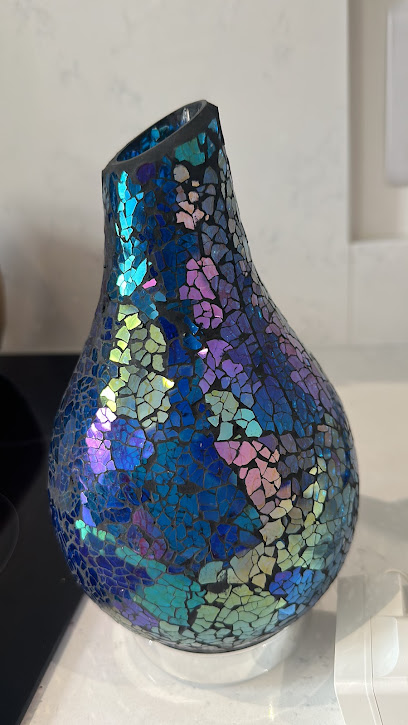
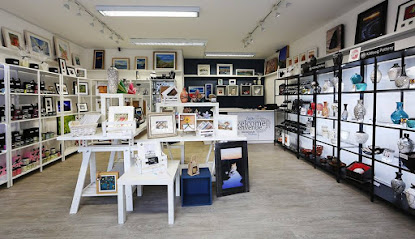
Moments Gift Shop
0.2 km
Explore Moments Gift Shop in Londonderry for unique gifts and local wedding essentials, blending culture with creativity in every purchase.
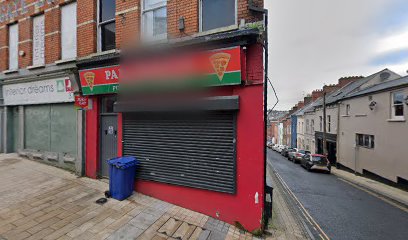
Pippa
0.2 km
Discover unique women's fashion at Pippa, Londonderry's chic boutique, your go-to for stylish clothing and local fashion finds.
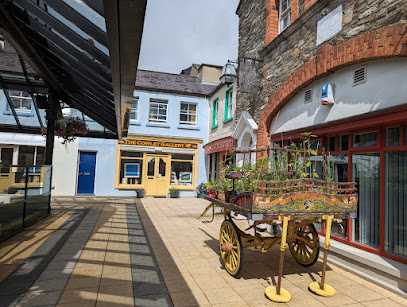
Storefront
0.2 km
Discover premium Irish-designed clothing and unique styles at Storefront, Londonderry’s independent fashion boutique on Waterloo Street.
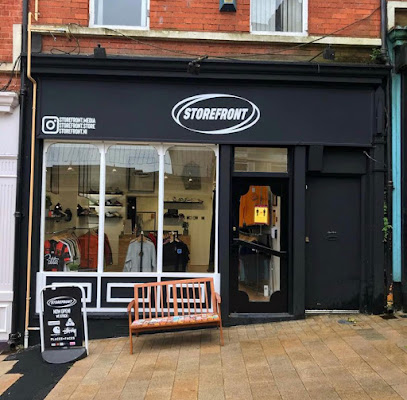
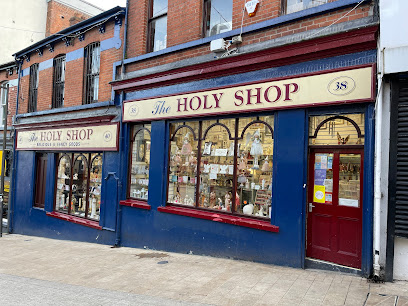
The Holy Shop
0.3 km
A welcoming sanctuary in Londonderry offering a rich selection of religious goods and spiritual gifts for all faith milestones.
The Irish Gift Centre
0.3 km
Authentic Irish crafts and Celtic treasures in the heart of Londonderry’s vibrant cultural scene.
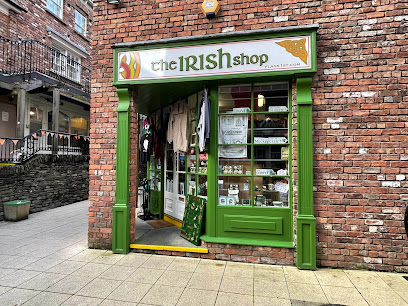
The Irish Shop
0.3 km
Discover authentic Irish crafts and heritage treasures in the heart of Derry’s charming Craft Village.
The Donegal Shop
0.3 km
Discover authentic Irish crafts and timeless knitwear in Derry’s family-run Donegal Shop, a heritage hub for Celtic artistry since 1963.
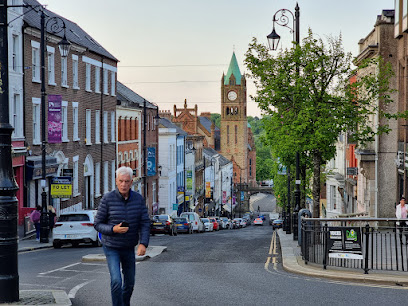
Derry Designer Makers
0.3 km
A vibrant craft collective in Derry’s charming Craft Village, showcasing handmade jewellery, ceramics, textiles, art and more from local North West makers.
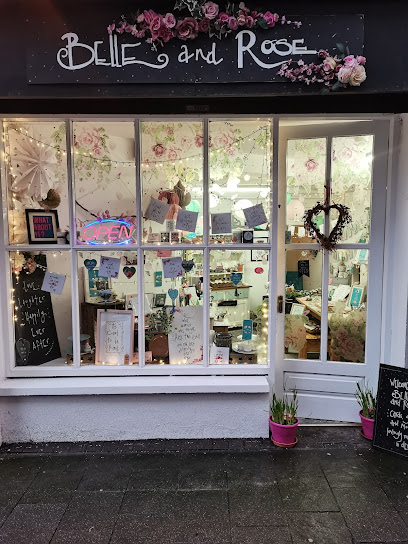
BELLE & ROSE
0.3 km
Discover handcrafted gifts and artistic charm at Belle & Rose, Londonderry’s boutique for meaningful presents.
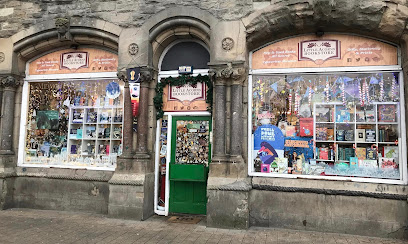
Little Acorns Bookstore
0.3 km
Discover Derry’s largest independent bookstore, a vibrant cultural hub with 25,000+ books, Ireland’s only Typewriter Museum, and a welcoming community space.
Number 19 Craft & Design
0.3 km
Discover exquisite handmade crafts by local artisans in the charming historic setting of Derry’s Craft Village.
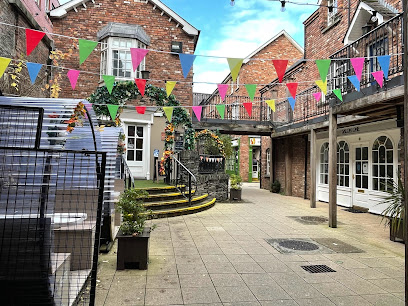
Walled City Crafters
0.3 km
Discover authentic local crafts and handmade treasures in Derry’s charming 18th-century Craft Village.
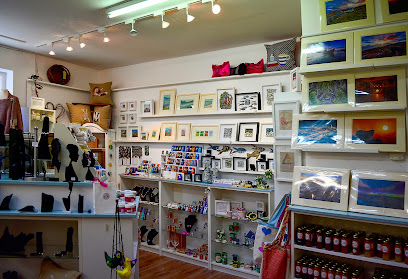
Vine Living Home and Gift Shop
0.3 km
Discover unique gifts and artisan homewares blending Irish tradition and modern style in the heart of Londonderry.
The Sacred Tree
0.3 km
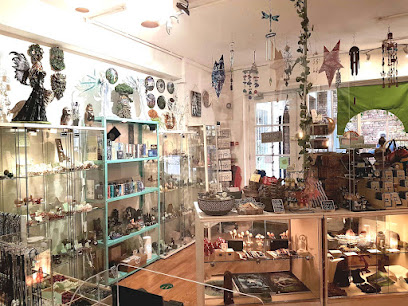
Discover unique artisan gifts and local craftsmanship at The Sacred Tree, nestled in Derry’s historic Craft Village.
Essential bars & hidden hideouts

Lizzie O'Farrell's
0.2 km
Experience the lively spirit of Londonderry at Lizzie O'Farrell's, a warm pub blending traditional Irish charm with vibrant live music and local brews.
Dungloe Bar
0.2 km
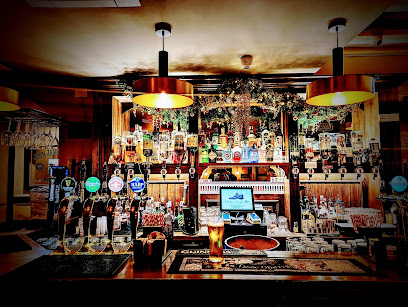
Historic Irish pub since 1892, offering live music, hearty food, and a warm atmosphere in the heart of Londonderry’s Waterloo Street.
Masons Bar
0.3 km
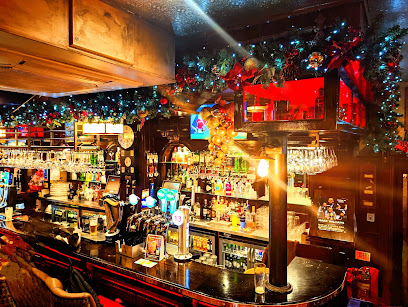
Experience authentic local charm and warm hospitality at Masons Bar, a cozy and affordable retreat in the heart of Londonderry.
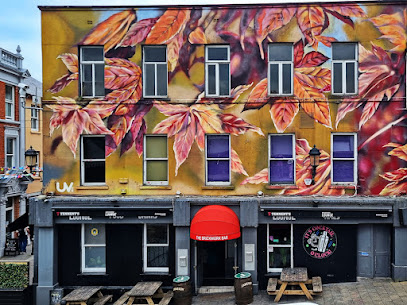
Nacional de Cuba
0.3 km
A vibrant and welcoming cocktail bar in Londonderry, famed for its lively karaoke nights, eclectic music, and expertly crafted drinks.
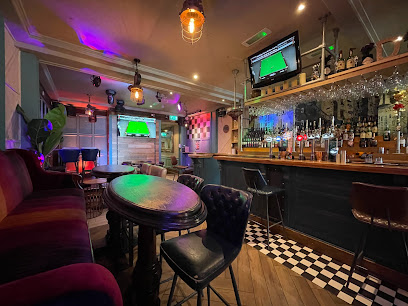
Jack's Bar
0.3 km
Experience authentic Northern Irish hospitality and hearty pub fare in the cozy and lively Jack's Bar at Londonderry's Little James Street.
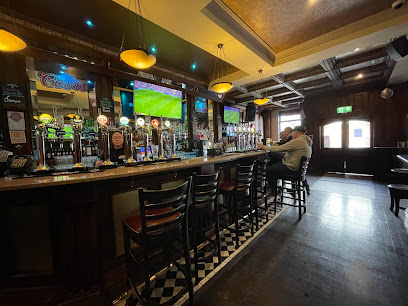
The Derby Bar
0.3 km
A warm, inviting pub in Londonderry offering cozy snugs, excellent Guinness, and a lively yet relaxed atmosphere daily until midnight.
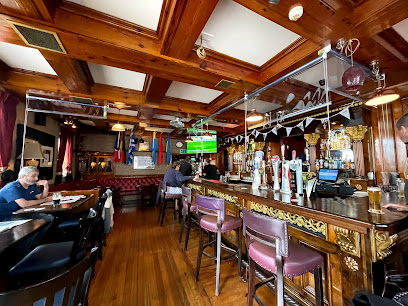
Grand Central Bar
0.3 km
A lively and affordable local pub on Strand Road, Grand Central Bar offers a warm atmosphere and friendly service in the heart of Londonderry.
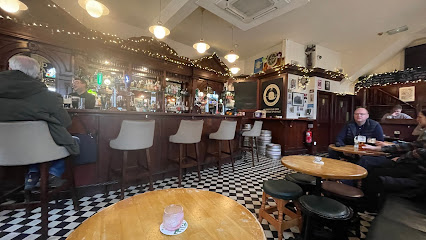
Silver Street Derry
0.4 km
Historic charm and lively modern lounge vibes converge at Silver Street Derry, part of the iconic River Inn since 1684.
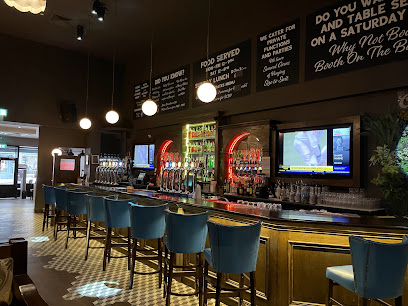
The Park Bar
0.4 km
A historic family-run pub in Londonderry renowned for its warm hospitality, excellent Guinness, and vibrant Irish cultural nights.
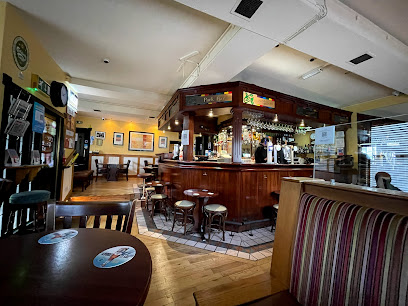
Tinney's Bar & The Shirt Factory
0.4 km
Historic family-owned Irish pub in Londonderry famed for legendary Guinness, lively local atmosphere, and shirt factory heritage.
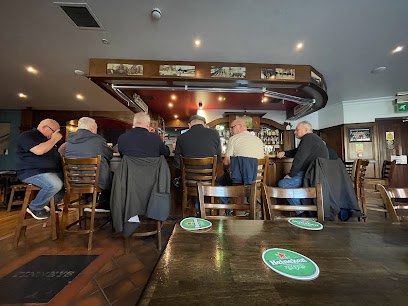
The Thirsty Goat Derry
0.4 km
A lively bar and beer garden in Londonderry offering traditional Irish fare, craft beers, and live music seven nights a week.
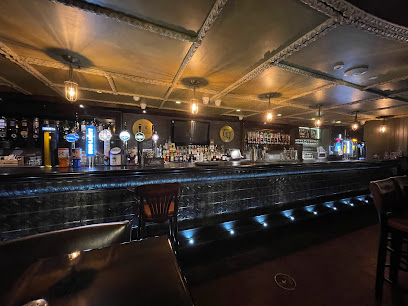
The Trinity Bar
0.4 km
A lively Londonderry bar blending traditional Irish charm with unique decor, great drinks, and hearty local fare in a welcoming atmosphere.
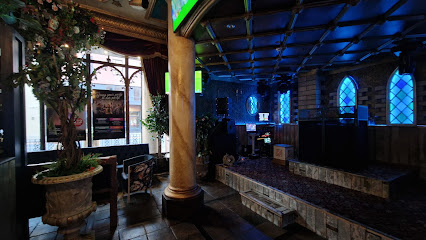
Porter's Bar
0.5 km
Experience authentic Irish hospitality and local craft beers in the cozy, lively heart of Londonderry at Porter's Bar.
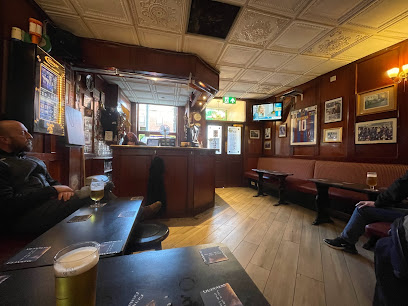
Blackbird
0.5 km
Blackbird is a lively Londonderry pub offering fine brews, a welcoming atmosphere, and a growing kitchen menu from midday to late night.
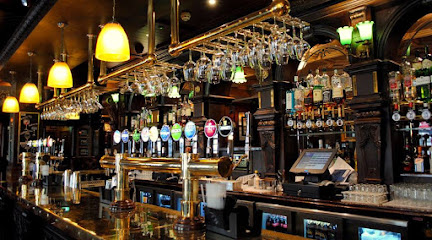
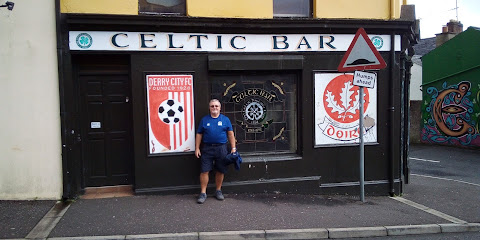
Celtic Bar
0.5 km
A friendly, affordable bar in the heart of Londonderry offering lively music and a welcoming atmosphere for locals and visitors.
Nightclubs & after hour spots

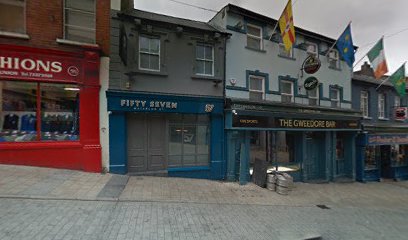
FIFTY SEVEN Waterloo St
0.3 km
Experience Londonderry’s vibrant nightlife at Fifty Seven Waterloo St, a chic nightclub pulsing with classic DJ beats and lively energy.
izudoo Derry Pub & Night Club Guide
0.9 km
Experience Londonderry’s vibrant nightlife at izudoo — a lively pub and nightclub with great music, drinks, and unforgettable nights out.
Ibiza Orchestra Live
0.9 km
Experience the electrifying fusion of live orchestral music and iconic Ibiza dance beats in Londonderry’s vibrant nightlife hotspot.
Carrolls
18.8 km
Discover the vibrant nightlife at Carrolls in Buncrana, Co. Donegal, where exceptional drinks and music create unforgettable memories.

XOX Strabane
20.8 km
Experience the vibrant nightlife of Strabane at XOX, the town’s premier nightclub for late-night music, dancing, and social energy.
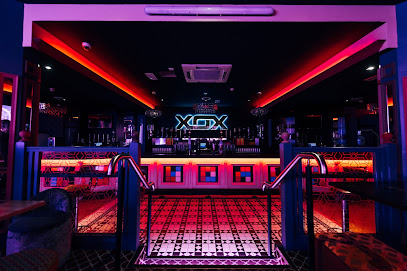
Bailey Redcastle Nite Club
22.2 km
Discover the heart of Co. Donegal's nightlife at Bailey Redcastle Nite Club, where great music and vibrant energy await your arrival.
PULSE VENUE
26.3 km
Experience the vibrant nightlife at PULSE VENUE, Letterkenny's premier night club offering live music and unforgettable dance parties.
Fifth Avenue Letterkenny
26.5 km
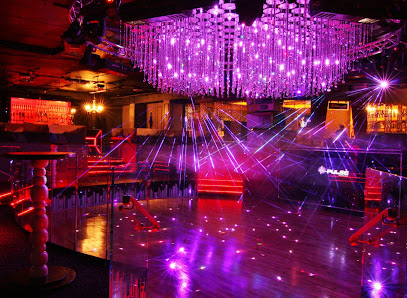
Dive into the heart of Letterkenny's nightlife at Fifth Avenue, where vibrant music and lively dance floors create unforgettable moments.
Voodoo Venue
26.9 km
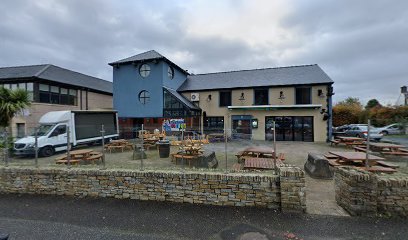
Experience the electric nightlife of Letterkenny at Voodoo Venue, where cocktails, live music, and vibrant energy await every visitor.
Halyon Club
28.0 km
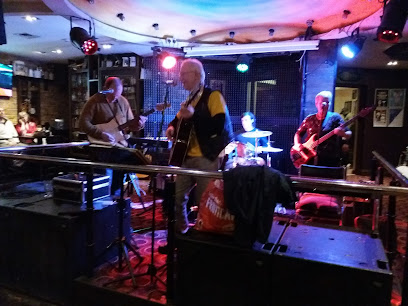
Discover the vibrant nightlife of Halyon Club in Ballynally, Co. Donegal, where music, dance, and fun come together for an unforgettable experience.
Tul Na Ri
28.5 km
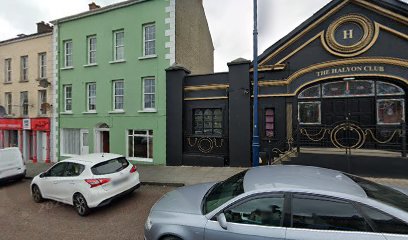
Experience the vibrant nightlife of Co. Donegal at Tul Na Ri, where great music, dancing, and a friendly atmosphere await.
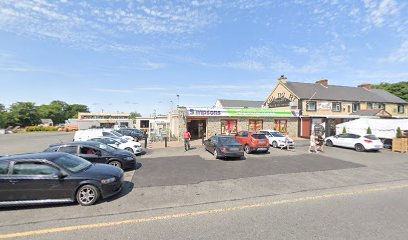
Empire Club
39.2 km
Discover the vibrant nightlife of Donegal at Empire Club, where great music and unforgettable experiences await you in a lively atmosphere.
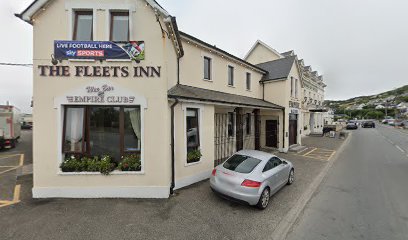
The Vault Nightclub
44.2 km
Discover the vibrant nightlife at The Vault Nightclub in Omagh, where music, dancing, and fun come together for an unforgettable experience.

Tiger Lillys
44.3 km
Omagh’s vibrant jungle-themed nightclub offering fresh cocktails and lively nights exclusively for the 18+ crowd.
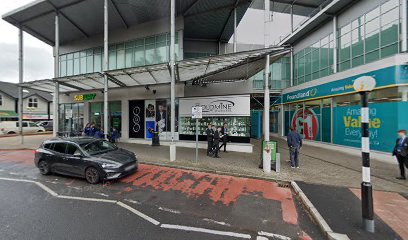
The Legends Lounge
48.1 km
Experience the vibrant atmosphere of The Legends Lounge in Portrush, a perfect bar for enjoying drinks and local culture.
For the vibe & atmosphere seeker
- Romantic
- Adventurous
- Scenic
- Entertaining
- Unique
For the design and aesthetic lover
- Modern Designs
- Art & Design
For the architecture buff
- Historic
- Modern
- Art & Design
- Street Art
- Heritage Neighborhoods
For the view chaser and sunset hunter
- Iconic Views
- Panoramas
For the social media creator & influencer
- Instagrammable
- Photo Spots
- Architectural Shots
For the eco-conscious traveler
- Locally Managed
- Public-Transport Accessible
For the kind of experience you’re after
- Mindfulness
- Meditation Spot
- Spiritual / Energy Spot
- Myth & Legends
- Cultural Heritage
- Photowalk
- Day Trip
- Weekend Getaway
- Festival / Event Nearby
For how adventurous you want the journey to be
- Easy Access
Location Audience
- Family Friendly
- LGBT Friendly
- Senior Friendly
- Child Friendly
- Teen Friendly
- Wheelchair Access
- Solo Friendly
- Couple Friendly
- Solo Female Friendly


