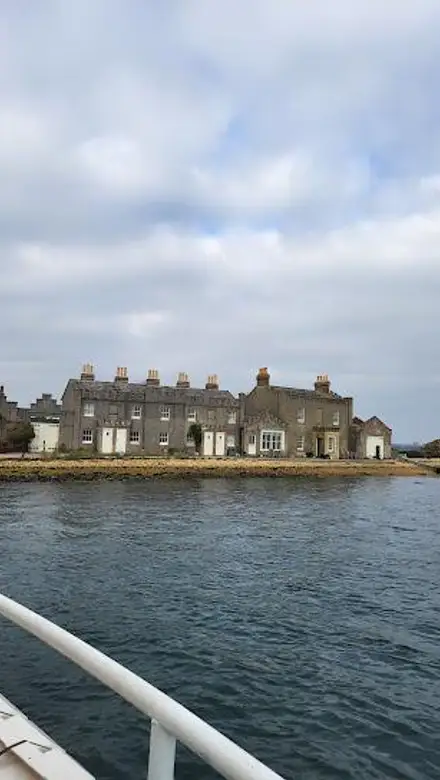
Brownsea Island Travel Guide
Free Guide: Explore Brownsea Island’s rich wildlife, historic castle, and scenic trails in Poole Harbour’s largest nature sanctuary.


A brief summary of Brownsea Island
Explore Brownsea Island’s rich wildlife, historic castle, and scenic trails in Poole Harbour’s largest nature sanctuary.
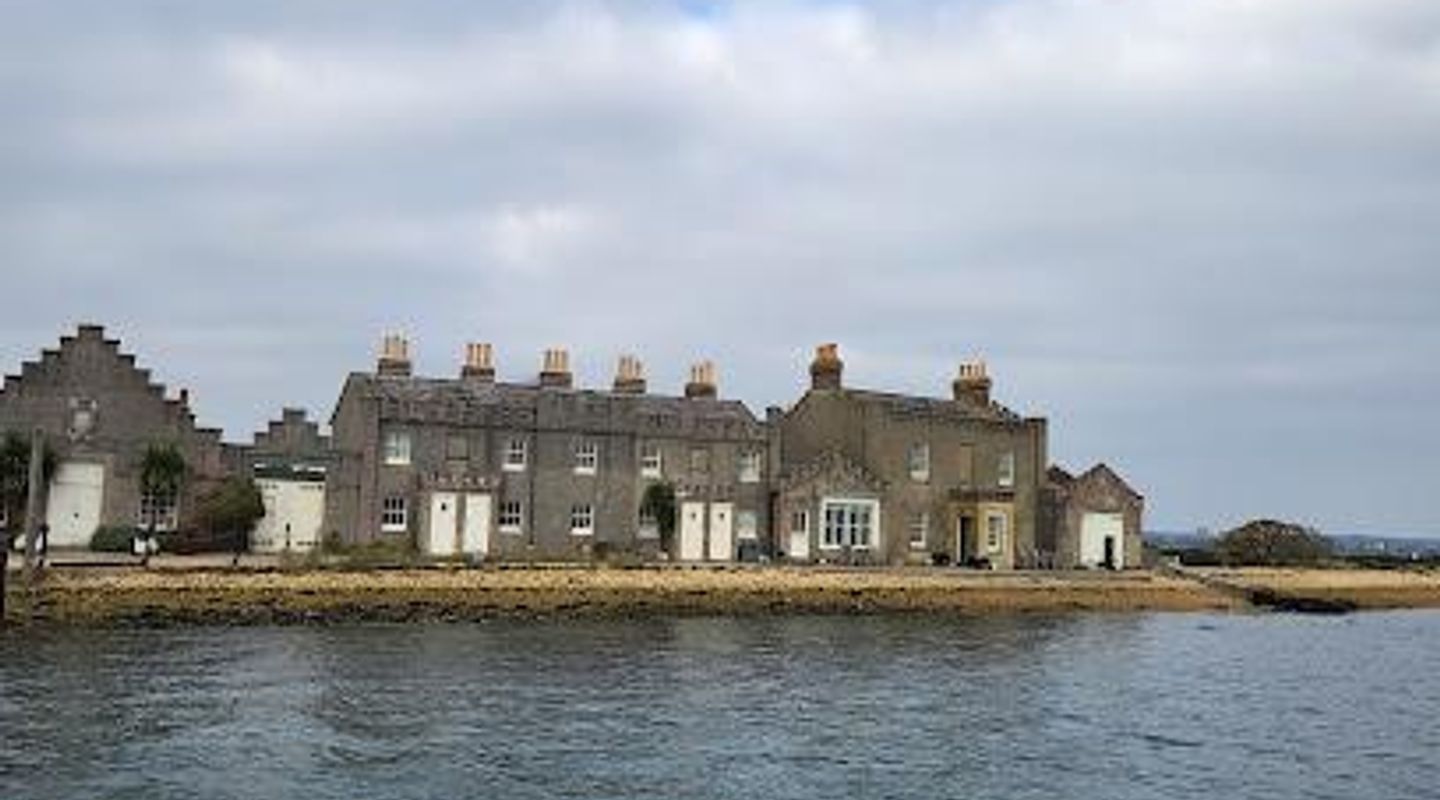
Brownsea Island, the largest island in Poole Harbour, Dorset, is a 500-acre nature reserve owned by the National Trust. Renowned for its rich wildlife including rare red squirrels and diverse bird species, the island features woodlands, heathlands, salt marshes, and a brackish lagoon. Visitors can explore scenic trails, historic sites like Brownsea Castle, and enjoy spectacular views across Poole Harbour and the Purbeck Hills. Accessible by ferry, it offers a tranquil escape with family-friendly activities and wildlife observation opportunities.
On-site amenities
 Restrooms
 Drink options
 Food options
 Seating areas
 Picnic areas
 Information boards
- Address
- Brownsea Island
Getting there
Ferry
Private Boat
Public Transport and Walking
Discover more about Brownsea Island
Island Geography and Natural Environment
Brownsea Island is the largest of eight islands in Poole Harbour, stretching approximately 1.5 miles long and 0.75 miles wide, encompassing around 500 acres of diverse habitats. The island’s landscape includes ancient woodlands of pine and oak, heathland, salt marshes, freshwater lakes, reedbeds, and a brackish lagoon. These varied ecosystems create a sanctuary for an abundance of wildlife, notably the rare red squirrel population and numerous bird species such as avocets, black-tailed godwits, spoonbills, common and Sandwich terns. The northern part of the island is a protected nature reserve managed by Dorset Wildlife Trust, with limited public access to safeguard sensitive habitats.
Historical Significance and Cultural Heritage
Brownsea Island has a rich history dating back to the 9th century when monks established a chapel and hermitage dedicated to St Andrew. Over the centuries, the island has seen various uses including farming, pottery, and as a private residence. Notably, Brownsea Castle, built in the 16th century and later converted into a residence by William Benson, stands as a prominent historic landmark. The island is also famously linked to the founding of the worldwide Scout movement, originating from a 1907 camp held on its grounds. Today, the castle operates as a private hotel for John Lewis Partnership staff and is not open to the public.
Wildlife Conservation and Visitor Experience
Since the National Trust acquired the island in 1962, Brownsea has been a focus of conservation efforts to protect its unique habitats and wildlife. The Dorset Wildlife Trust manages the northern nature reserve, fostering species protection and habitat restoration, including the removal of invasive plants. Visitors can enjoy well-maintained walking trails, wildlife hides, and observation points such as The Lookout, ideal for birdwatching and spotting red squirrels. The island offers family-friendly activities, natural play areas, and seasonal events, making it an engaging destination for all ages.
Access and Amenities
Brownsea Island is accessible by regular public ferries from Poole Quay and by private boats, with a small dock near Brownsea Castle serving as the main landing point. Facilities on the island include a café offering food and drinks, picnic areas, accessible toilets, and seating areas. While much of the island is open to the public, some areas, particularly the northern reserve and the castle hotel, have restricted access. The island’s tranquil setting and scenic views across Poole Harbour and the Purbeck Hills provide a peaceful retreat from urban life.
Seasonal Highlights and Best Times to Visit
The island is open to visitors primarily from spring through autumn, with spring and summer offering vibrant nesting birdlife and autumn providing excellent opportunities to observe red squirrels preparing for winter. Winter months bring the spectacle of overwintering birds such as spoonbills and merlins. The mild coastal climate makes Brownsea Island suitable for visits in various weather conditions, though ferry services and access are seasonal.
Unique Features and Conservation Status
Brownsea Island is designated as a Site of Special Scientific Interest due to its ecological importance. Its combination of rare species, diverse habitats, and historical landmarks makes it a unique destination in southern England. Conservation partnerships between the National Trust and Dorset Wildlife Trust ensure ongoing protection and sustainable visitor management, balancing public enjoyment with environmental stewardship.
Evendo Review Centre
 Google
Guest reviews
Best time to go
Quietest: Jan, Feb & Dec · before 6am or at 9pm
Busy times are Evendo estimates for a typical year, to help you plan. Actual crowds vary with events, school holidays and the weather.
Explore Brownsea Island on the map
A handpicked selection of must-see spots near Brownsea Island, mapped for you.
Get your free copy of our complete guide to Brownsea Island, delivered straight to you.
Everything on this page, from opening hours and how to get there to Eve’s tips and the best time to go, in one PDF you can read offline, print or share.
Already have an account? Sign in
Your Brownsea Island guide is ready.
We'll send it to · Not you? Sign out

Getting your guide ready…
We are putting together a fresh copy of the Brownsea Island guide. This can take up to a minute.
This can take a few moments. If your browser asks, choose Allow so the download can start. You'll find the guide in your Downloads folder.
Nothing happened? Download it again
Sorry, the guide is taking longer than usual. Please try again in a minute, or get it by email instead.
Unlock the best of Brownsea Island
Skip-the-line tickets, guided tours with entry, and walking tours of the area, booked in a few clicks.




Other nearby places you may find interesting
The closest places of the same kind, if this one is not quite what you had in mind.
-
Knoll Beach Studland Golden sands, dunes, and heritage naturism on Dorset's most celebrated beach.
-
Scaplen's Court Museum and Garden Explore a beautifully preserved medieval merchant’s house and tranquil garden in Poole’s historic Old Town, blending heritage with vibrant community life.
-
 West Bay
A dramatic Dorset harbour village on the Jurassic Coast, famous for golden cliffs, a working fishing port, and its role in the TV drama Broadchurch.
West Bay
A dramatic Dorset harbour village on the Jurassic Coast, famous for golden cliffs, a working fishing port, and its role in the TV drama Broadchurch.
-
Parkstone Parkstone blends historic charm and scenic harbour views in a vibrant residential suburb of Poole, Dorset.
-
Poole Park Discover Poole Park’s vast saltwater lake, vibrant gardens, and family-friendly activities in the heart of Dorset’s coastal town.
Swipe for more places
More to explore near Brownsea Island

 Best experiences near Brownsea Island
 Best hotels near Brownsea Island
 Best landmarks near Brownsea Island
 Best attractions near Brownsea Island
 Best shops near Brownsea Island
 Best restaurants near Brownsea Island
 Best bars near Brownsea Island
Do you manage this location?
Take control to get all the benefits, like improved information, better appearance, and stronger visibility across AI-powered discovery.
Explore more

Explore more of Dorset
Explore Dorset, where ancient history meets natural beauty; from the Jurassic Coast to charming villages, it's the perfect destination for history buffs and nature lovers alike.
Explore Dorset
Explore more of United Kingdom
Discover the United Kingdom: A blend of rich history, stunning landscapes, and vibrant cities, offering a unique travel experience for every visitor.
Explore United Kingdom