Woodhenge, Wiltshire Travel Guide
Explore Woodhenge, a Neolithic timber circle near Stonehenge, revealing ancient ceremonial mysteries through its aligned wooden posts and sacred landscape.
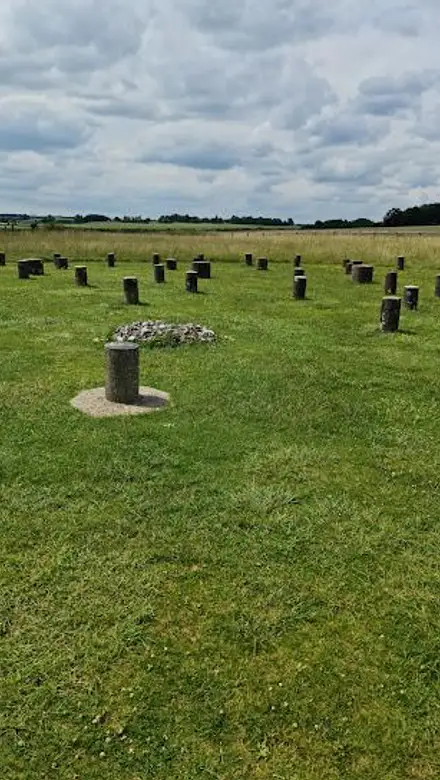
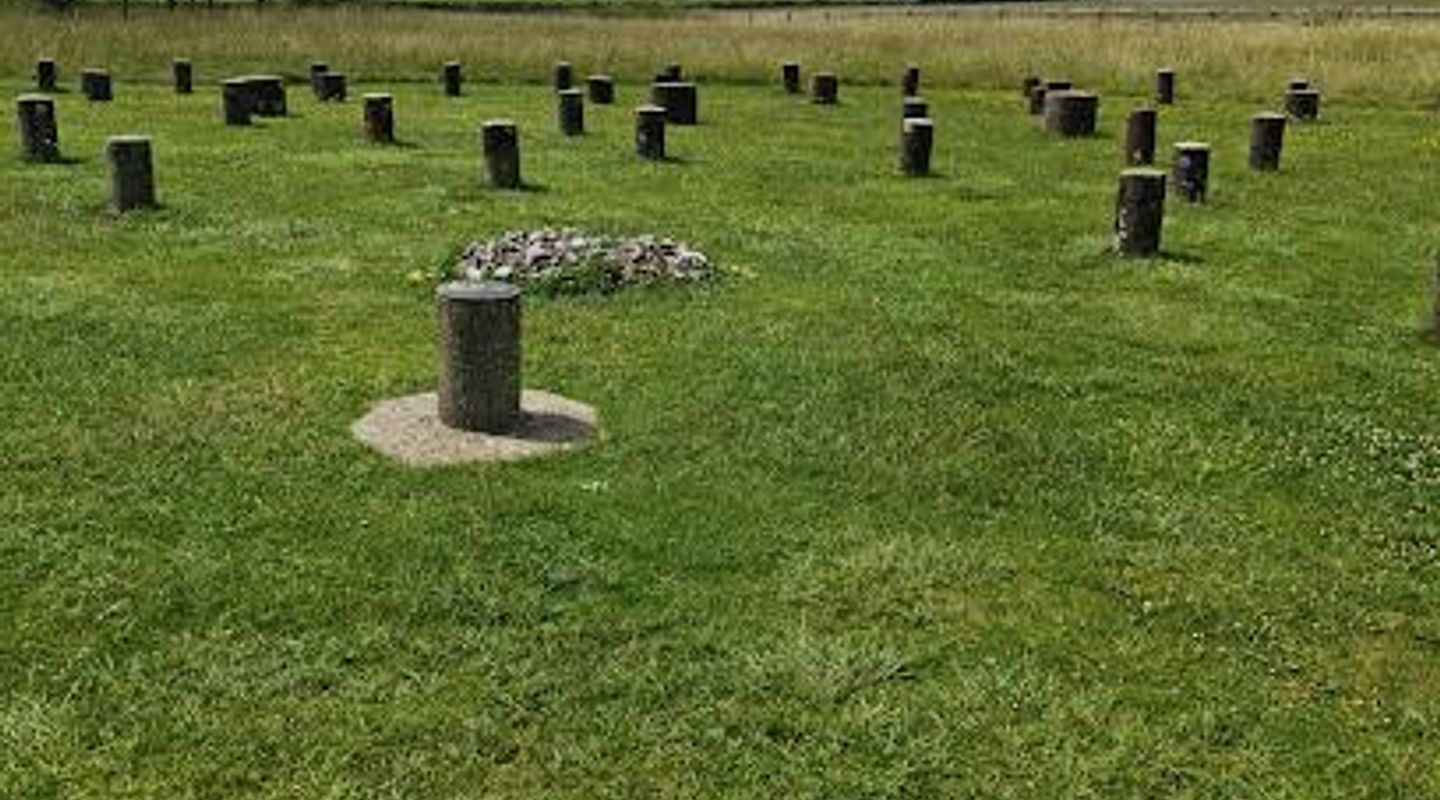
Woodhenge is a remarkable Neolithic timber monument located near Salisbury, England, dating back to around 2500 BC. Comprising six concentric ovals of wooden posts enclosed by a bank and ditch, it aligns with the midsummer sunrise, reflecting its probable ceremonial and astronomical significance. Discovered by aerial photography in 1925, today visitors can explore the site marked by concrete pillars, which outline the original timber posts, within the Stonehenge World Heritage Site.
A brief summary to Woodhenge
- Countess Rd, Salisbury, SP4 7AR, GB
- Click to display
- Click to display
- Duration: 0.5 to 1.5 hours
- Free
-
 Outdoor
- Mobile reception: 4 out of 5

Know before you go
Hi, I'm Eve. Here are a few practical things to know before exploring Woodhenge.
- Visit during weekday mornings for a peaceful experience with fewer visitors.
- Use the concrete pillars to visualize the original wooden posts and imagine the monument’s grandeur.
- Combine your visit with nearby Stonehenge for a comprehensive exploration of Neolithic Wiltshire.
- Wear comfortable shoes and bring water, as there are no facilities directly at the site.
- Check local weather and daylight hours to plan your visit, as Woodhenge is an outdoor site.
Do you manage this location?
Take control to get all the benefits, like improved information, better appearance, and stronger visibility across AI-powered discovery. Learn more about listing your business on Evendo
Activate your presenceOther nearby places you may find interesting
The closest places of the same kind, if this one is not quite what you had in mind.
Explore Woodhenge on the Map
A handpicked selection of must-see spots near Woodhenge, mapped for you.
Unlock the Best of Woodhenge
Buy tickets
-
No tickets available
Book tours with entry


Getting There
-
Bus and Walk
Take the Salisbury Reds bus service 66 or 67 from Salisbury city center to Amesbury, which takes approximately 40–50 minutes. From Amesbury, Woodhenge is about a 30-minute walk through countryside paths. The walk is on uneven terrain and may not be suitable for all mobility levels. Bus fares range from £5 to £8 one way.
-
Car
Drive from Salisbury to Woodhenge via Countess Road, a journey of about 15 minutes (approximately 10 km). Free parking is available near the site. Note that rural roads can be narrow, and signage is limited, so plan accordingly. No parking fees apply.
-
Guided Tour
Join a guided tour from Salisbury or nearby towns that includes Woodhenge and Stonehenge. Tours typically last 4 to 9 hours and include transportation by coach or minibus. Prices range from £50 to over £150 per person depending on the package and inclusions.
For the on-the-go comforts that matter to you
-
 Information Boards
-
 Seating Areas
-
 Trash Bins
Discover more about Woodhenge
Origins and Discovery of Woodhenge
Woodhenge is a Neolithic timber monument constructed approximately 2500 BC, contemporaneous with the nearby Stonehenge. It was discovered in 1925 through aerial photography by World War I veteran Gilbert Insall, who spotted concentric rings and dark spots in wheat fields near the village of Durrington. Excavations led by Ben and Maud Cunnington in 1926–27 revealed 168 postholes arranged in six concentric ovals, originally holding massive wooden posts estimated to have stood up to 7.5 meters tall. These posts were surrounded by a bank and ditch, forming a henge earthwork. Concrete pillars now mark the original post positions, helping visitors visualize the monument's scale and layout.Architectural and Astronomical Significance
The oval rings of Woodhenge are aligned along a northeast-southwest axis, oriented to the midsummer sunrise and midwinter sunset, similar to Stonehenge. The clear view to the northeast suggests the monument was designed to mark the summer solstice sunrise, indicating its possible use in ceremonial or ritualistic observances tied to solar events. Evidence suggests that pairs of posts may have created a narrow corridor for observing the sunrise, reinforcing the site's astronomical importance. The addition of sarsen stones between timber posts later in its use hints at evolving construction and symbolic practices.Rituals, Burials, and Artefacts
Excavations uncovered a variety of artefacts including Grooved Ware pottery, carved chalk objects, antler picks, flint tools, animal bones, and human remains. A crouched burial of a child was found near the center, once thought to be a dedicatory sacrifice, though later interpretations suggest natural causes for skull damage. Cremation remains dated to the late Neolithic were also found within postholes. Ritual deposits of objects in the ditch and postholes indicate the site was an active ceremonial center. Animal bones, particularly of butchered pigs, suggest feasting activities, possibly distinguishing Woodhenge as a place for the living in contrast to Stonehenge’s ancestral spirit associations.Woodhenge in the Landscape of Prehistoric Monuments
Woodhenge lies just two miles northeast of Stonehenge and is part of the wider Stonehenge and Avebury World Heritage Site. The monument is believed to be connected to other nearby prehistoric sites by avenues and natural features such as the River Avon. This network of monuments may have formed a ritual landscape with symbolic divisions between wood and stone, life and death, or different spiritual domains. The site's location and alignments emphasize its integration into the cultural and spiritual fabric of Neolithic Britain.Visiting Woodhenge Today
Today, Woodhenge is an open-air site accessible during daylight hours, with free entry and parking available nearby. Concrete markers outline the original timber posts, allowing visitors to imagine the scale and form of the ancient monument. The site offers a tranquil atmosphere amidst the Wiltshire countryside, inviting reflection on its ancient origins and significance. While there are no onsite facilities such as restrooms or cafes, information boards provide context for the site's history and archaeology.Preservation and Legacy
Managed by English Heritage, Woodhenge is a protected archaeological site within a UNESCO World Heritage landscape. Ongoing conservation efforts ensure the preservation of this unique timber circle for future generations. The site’s discovery marked a milestone in aerial archaeology and continues to inspire research into Neolithic ceremonial practices. Woodhenge stands as a testament to the ingenuity and spiritual life of prehistoric communities in Britain.












Your all‑in‑one travel companion app
Explore expert travel guides, compare and book tours, experiences, hotels, and more—all from the palm of your hand. Download now for seamless trip planning wherever your wanderlust takes you.


Explore More of Wiltshire
Looking beyond Woodhenge? Discover Wiltshire for broader travel guides, local hot-spots, and regional highlights.
Explore Wiltshire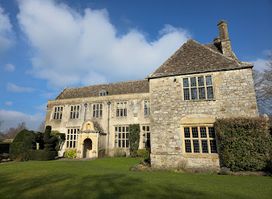
Explore a historic 16th-century manor and stunning gardens nestled within the world’s largest Neolithic stone circle in Wiltshire.

Explore Durrington Walls, the UK’s largest Neolithic henge and ancient village site, a monumental ceremonial landscape near Stonehenge.