

Down Barns Moated Site Travel Guide
Free Guide: Explore the tranquil medieval moated manor site in Northolt, where history meets nature in a serene archaeological landscape.


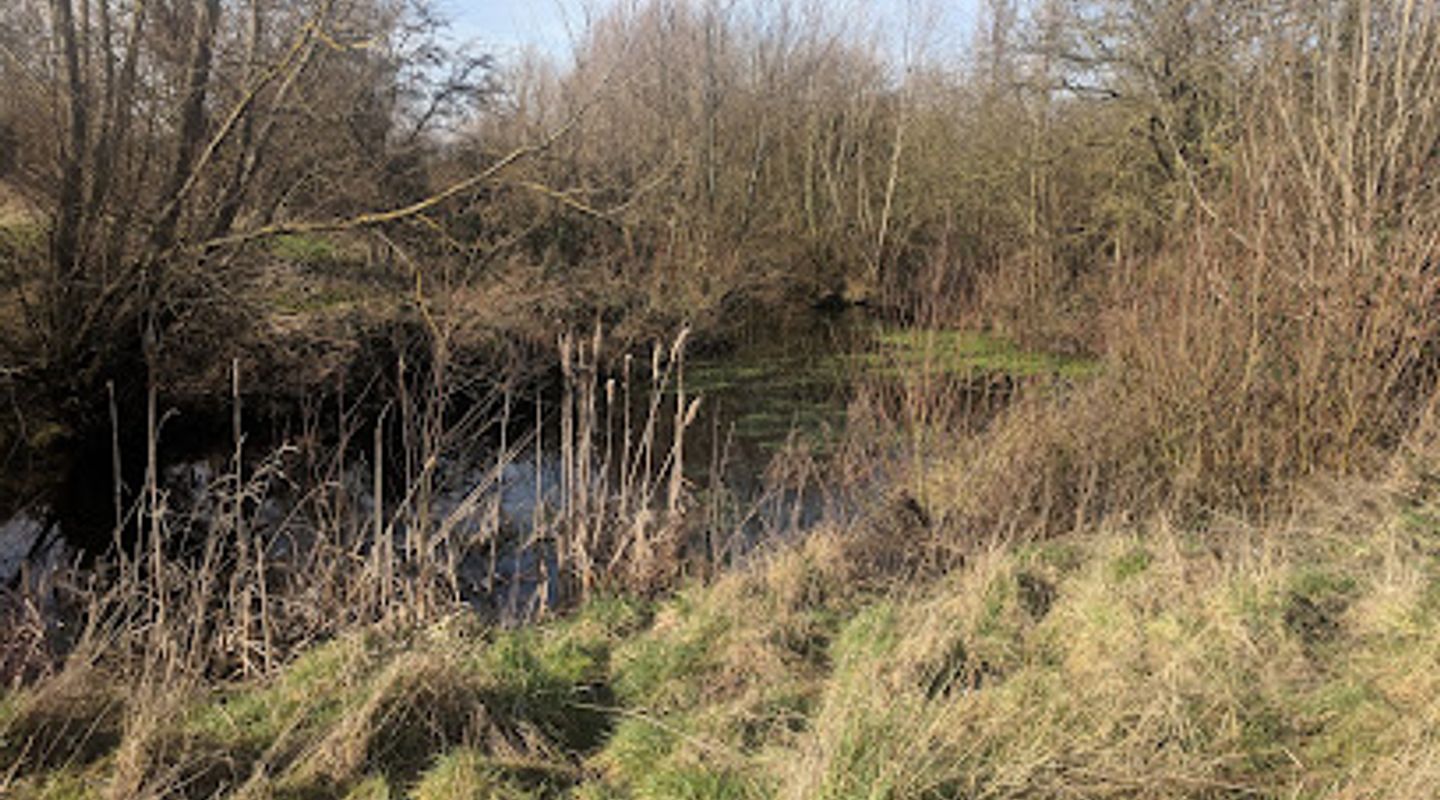
A brief summary of Down Barns Moated Site
Explore the tranquil medieval moated manor site in Northolt, where history meets nature in a serene archaeological landscape.
Down Barns Moated Site in Northolt is a Scheduled Ancient Monument featuring the remains of a medieval manor house, primarily its distinctive moat. Dating back to at least 1388, the site offers a glimpse into England’s medieval aristocratic past, with the manor likely abandoned in the 16th century. The moated site, set on gently sloping low-lying ground near Yeading Brook, is a serene historical landmark surrounded by natural beauty and archaeological intrigue.
On-site amenities
 Information boards
 Seating areas
 Trash bins
- Address
- Northolt UB5 6RB
Getting there
Public Transport
Car
Walking
Discover more about Down Barns Moated Site
Historical Origins and Ownership
The Down Barns Moated Site traces its origins to the medieval period, with early records indicating that Roger de la Downe held freehold land here in 1212. The manor, known as Down or Down Barns, was subsequently owned by notable figures including William de Scaccario in 1293 and Ralph Basset of Drayton by 1326. By the mid-14th century, it was acquired by Simon Francis, who also owned Northolt manor, linking the two estates until the early 17th century. The manor house itself is believed to have been established by at least 1388, with archaeological evidence suggesting construction and occupation phases extending from the late 12th century onward.
Architectural Features and Moat Significance
Though the manor house no longer stands, the moat remains a prominent feature, outlining a sub-rectangular island approximately 86 meters long and 47 meters wide. The moat was likely constructed in the 1240s, possibly replacing earlier structures, and served more as a status symbol than a defensive fortification. Moated sites like Down Barns were typical of medieval aristocratic residences, symbolizing wealth and prestige. The site’s layout includes rounded corners and is oriented north-south, situated near natural watercourses such as Yeading Brook, which was incorporated into the moat’s design.
Archaeological Investigations and Findings
Excavations conducted in the 1950s and 1960s uncovered pottery initially thought to be Saxon but now considered prehistoric, indicating earlier human activity predating the medieval manor. Structural remains revealed phases of construction using materials like cob and evidence of domestic and craft activities, including hearths and stone mortars. The archaeological record highlights the manor’s development, modernization, and eventual abandonment, likely in the 16th century when a new house was built east of the moated site. The moat’s construction involved widening a natural stream and creating a substitute watercourse, shaping the landscape significantly.
Landscape Context and Natural Surroundings
Set on gently sloping low-lying ground east of Yeading Brook and near Ten Acres Nature Reserve, the site offers a tranquil environment blending historical significance with natural beauty. The surrounding area includes ancient roads and pathways that once connected the manor to nearby settlements, reflecting its integration within the medieval rural landscape. The preserved moat and platform provide a tangible connection to the past amidst a green, peaceful setting.
Cultural and Heritage Importance
As a Scheduled Ancient Monument, Down Barns Moated Site holds considerable archaeological and cultural value. It exemplifies the distribution of wealth and status in medieval England’s countryside and contributes to understanding manorial life and landscape design. The site’s preservation allows visitors to appreciate the historical layers beneath modern Northolt and the enduring legacy of medieval aristocratic estates.
Visitor Experience and Atmosphere
Visitors to Down Barns Moated Site encounter a quiet, reflective space where history and nature intertwine. The visible moat contours invite contemplation of medieval life and the social symbolism of moated manors. The site’s serene ambience, combined with its archaeological intrigue, makes it a compelling destination for history enthusiasts, nature lovers, and those seeking a peaceful retreat within Greater London’s suburban landscape.
Evendo Review Centre
 Google
Guest reviews
Best time to go
Quietest: Jan, Feb & Dec · before 6am or at 8pm
Busy times are Evendo estimates for a typical year, to help you plan. Actual crowds vary with events, school holidays and the weather.
Explore Down Barns Moated Site on the map
A handpicked selection of must-see spots near Down Barns Moated Site, mapped for you.
Get your free copy of our complete guide to Down Barns Moated Site, delivered straight to you.
Everything on this page, from opening hours and how to get there to Eve’s tips and the best time to go, in one PDF you can read offline, print or share.
Already have an account? Sign in
Your Down Barns Moated Site guide is ready.
We'll send it to · Not you? Sign out

Getting your guide ready…
We are putting together a fresh copy of the Down Barns Moated Site guide. This can take up to a minute.
This can take a few moments. If your browser asks, choose Allow so the download can start. You'll find the guide in your Downloads folder.
Nothing happened? Download it again
Sorry, the guide is taking longer than usual. Please try again in a minute, or get it by email instead.
Other nearby places you may find interesting
The closest places of the same kind, if this one is not quite what you had in mind.
-
-
-
-
-


Swipe for more places
More to explore near Down Barns Moated Site

 Best experiences near Down Barns Moated Site
 Best hotels near Down Barns Moated Site
 Best landmarks near Down Barns Moated Site
 Best attractions near Down Barns Moated Site
 Best shops near Down Barns Moated Site
 Best restaurants near Down Barns Moated Site
 Best bars near Down Barns Moated Site
Do you manage this location?
Take control to get all the benefits, like improved information, better appearance, and stronger visibility across AI-powered discovery.
Explore more
Explore more of Down
Discover the tranquil beauty, historical treasures, and warm hospitality of Down in Northern Ireland, where serene landscapes and rich heritage await.
Explore Down
Explore more of United Kingdom
Discover the United Kingdom: A blend of rich history, stunning landscapes, and vibrant cities, offering a unique travel experience for every visitor.
Explore United Kingdom
