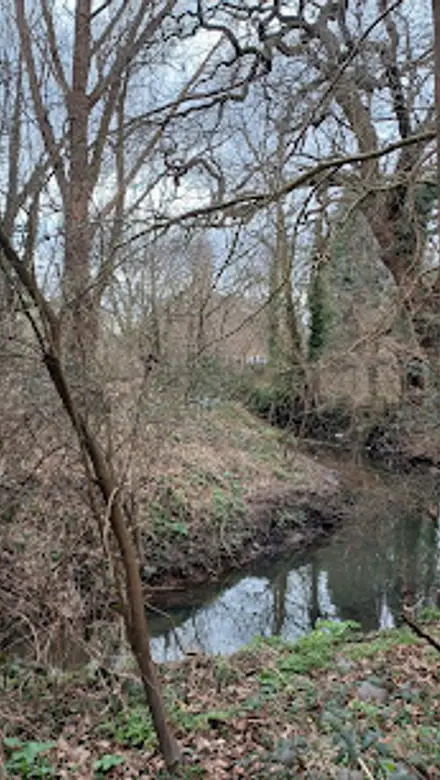
Pynchester Moated site Travel Guide
Free Guide: Explore the tranquil medieval moated site of Pynchester in Ickenham, a rare glimpse into England’s 14th-century manorial heritage amidst peaceful woodland.


A brief summary of Pynchester Moated site
Explore the tranquil medieval moated site of Pynchester in Ickenham, a rare glimpse into England’s 14th-century manorial heritage amidst peaceful woodland.
Pynchester Moated Site is a rare medieval moated earthwork located in Ickenham, Uxbridge. This Scheduled Ancient Monument features visible earthworks and remnants of a 14th-15th century manor house, believed to be Pynchester, once owned by the Hastings family. Set beside the River Pinn, the site offers tranquil walking paths through wooded surroundings and provides a glimpse into England's medieval past.
On-site amenities
 Seating areas
 Information boards
Opening hours
- Every dayOpen 24 hours
Opening hours as listed on the venue’s Google Business Profile. Hours can change for services and special events, so check with the venue before you go.
- Address
- Ickenham, Uxbridge UB10 8HS
- Website
Getting there
Public Transport
Car
Walking
Discover more about Pynchester Moated site
Medieval Origins and Archaeological Discoveries
Pynchester Moated Site dates back to the medieval period, with archaeological excavations conducted between 1966 and 1969 revealing pottery shards and an oven from the 14th or 15th century. The moat, though often dry in summer, outlines the location of a manor house believed to have been called Pynchester, associated with the Hastings family in the 16th century. This manor would have been a timber-framed structure typical of the era, possibly with wattle and daub panels and thatched roofing, reflecting the architectural styles of medieval England.
Landscape and Environmental Setting
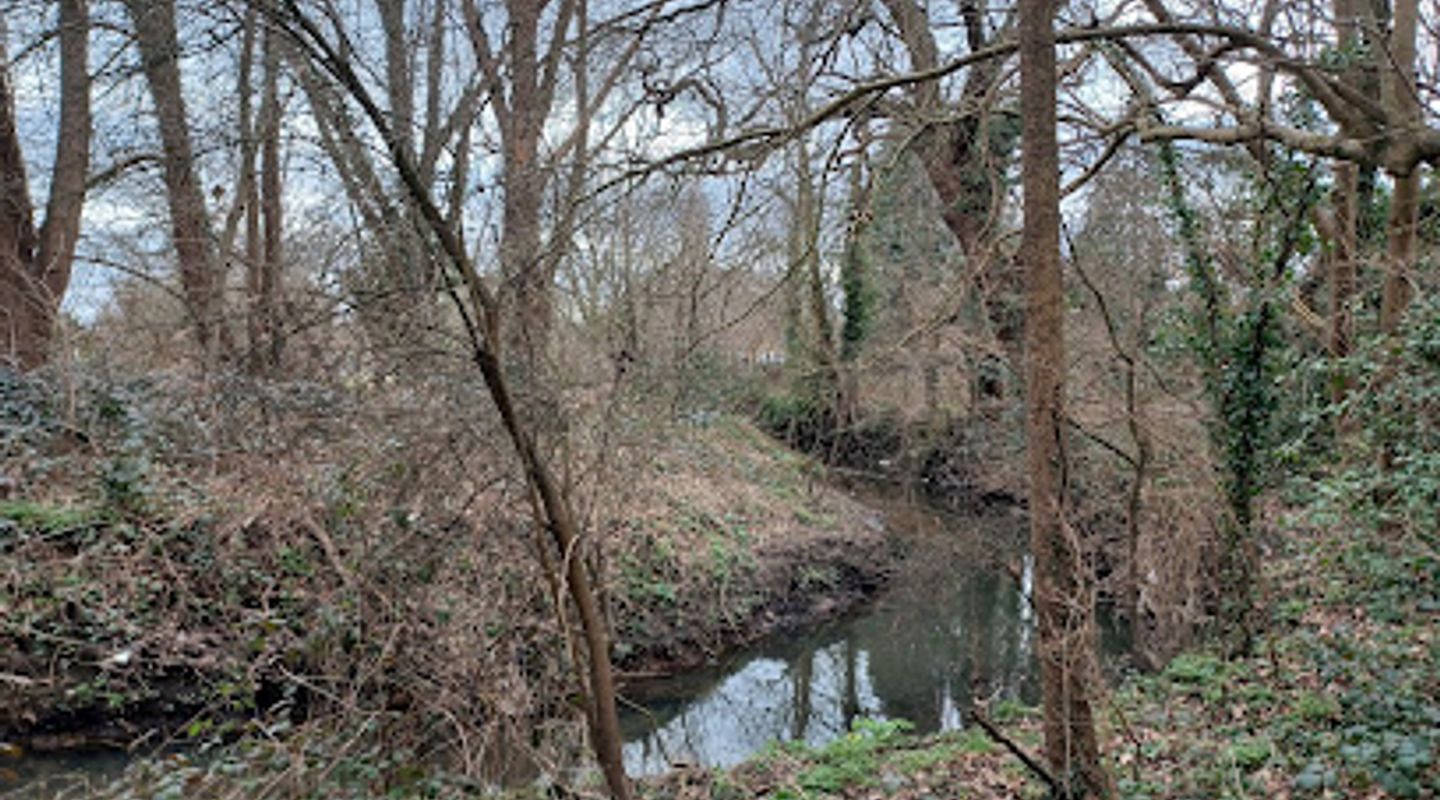
Situated near the River Pinn in the borough of Ickenham, the site is surrounded by flat terrain composed mainly of London clay, with alluvial deposits along the riverbanks. The moat itself is an earthwork feature that once would have been water-filled, serving not only as a status symbol but also for practical uses such as refuse disposal and possibly fish-keeping. The surrounding woodland and natural environment create a peaceful atmosphere, with walking paths that invite visitors to explore the secluded and historic setting.
Historical Significance and Status
Pynchester Moat is one of only a few surviving medieval moated sites in Greater London and is designated as a Scheduled Ancient Monument, highlighting its importance as a protected heritage asset. The moat and its earthworks provide valuable insights into medieval manorial life, land use, and social status during the Middle Ages. Its preservation allows for ongoing archaeological interest and public appreciation of England’s rural medieval heritage.
Visitor Experience and Atmosphere
Visitors to Pynchester Moated Site can enjoy quiet walks along the river and through wooded areas that reveal glimpses of the moat’s outline. The site’s secluded nature offers a sense of discovery and connection to the past, with few modern intrusions. The earthworks and remains encourage reflection on the lives of those who inhabited the manor centuries ago, while the natural surroundings support a tranquil and contemplative visit.
Conservation and Community Engagement
As a Scheduled Ancient Monument, Pynchester Moat is legally protected, ensuring its conservation for future generations. Local heritage organizations and the community value the site for its cultural significance and as a green space within the urban setting of Ickenham. Efforts to maintain the walking paths and preserve the earthworks contribute to both educational and recreational opportunities.
Integration with Ickenham’s Historical Landscape
Pynchester Moated Site complements Ickenham’s rich historical tapestry, which includes Roman field systems and other medieval landmarks. The village’s evolution from rural farmland to a commuter suburb is reflected in the preservation of such sites, which anchor the community’s identity in its deep historical roots. The moat stands as a tangible link to the medieval past amidst modern development.
Evendo Review Centre
 Google
Guest reviews
Best time to go
Quietest: Jan, Feb & Dec · before 6am or at 9pm
Busy times are Evendo estimates for a typical year, to help you plan. Actual crowds vary with events, school holidays and the weather.
Explore Pynchester Moated site on the map
A handpicked selection of must-see spots near Pynchester Moated site, mapped for you.
Get your free copy of our complete guide to Pynchester Moated site, delivered straight to you.
Everything on this page, from opening hours and how to get there to Eve’s tips and the best time to go, in one PDF you can read offline, print or share.
Already have an account? Sign in
Your Pynchester Moated site guide is ready.
We'll send it to · Not you? Sign out

Getting your guide ready…
We are putting together a fresh copy of the Pynchester Moated site guide. This can take up to a minute.
This can take a few moments. If your browser asks, choose Allow so the download can start. You'll find the guide in your Downloads folder.
Nothing happened? Download it again
Sorry, the guide is taking longer than usual. Please try again in a minute, or get it by email instead.
Other nearby places you may find interesting
The closest places of the same kind, if this one is not quite what you had in mind.
-
-
-
-
-


Swipe for more places
More to explore near Pynchester Moated site

 Best experiences near Pynchester Moated site
 Best hotels near Pynchester Moated site
 Best landmarks near Pynchester Moated site
 Best attractions near Pynchester Moated site
 Best shops near Pynchester Moated site
 Best restaurants near Pynchester Moated site
 Best bars near Pynchester Moated site
Do you manage this location?
Take control to get all the benefits, like improved information, better appearance, and stronger visibility across AI-powered discovery.
Explore more

Explore more of Middlesex
Discover Middlesex: A blend of historic charm and modern excitement, offering scenic beauty, cultural events, and easy access to London.
Explore Middlesex
Explore more of United Kingdom
Discover the United Kingdom: A blend of rich history, stunning landscapes, and vibrant cities, offering a unique travel experience for every visitor.
Explore United Kingdom