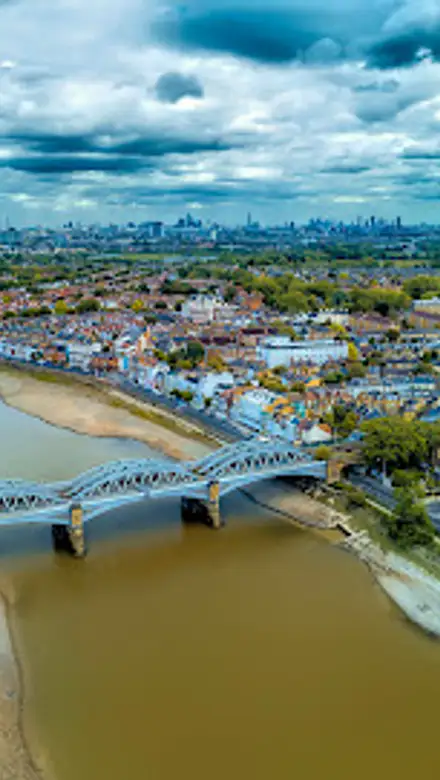
Chiswick Bridge Travel Guide
Free Guide: Historic Thames crossing with stunning river views, iconic Boat Race proximity, and charming riverside walks in West London.


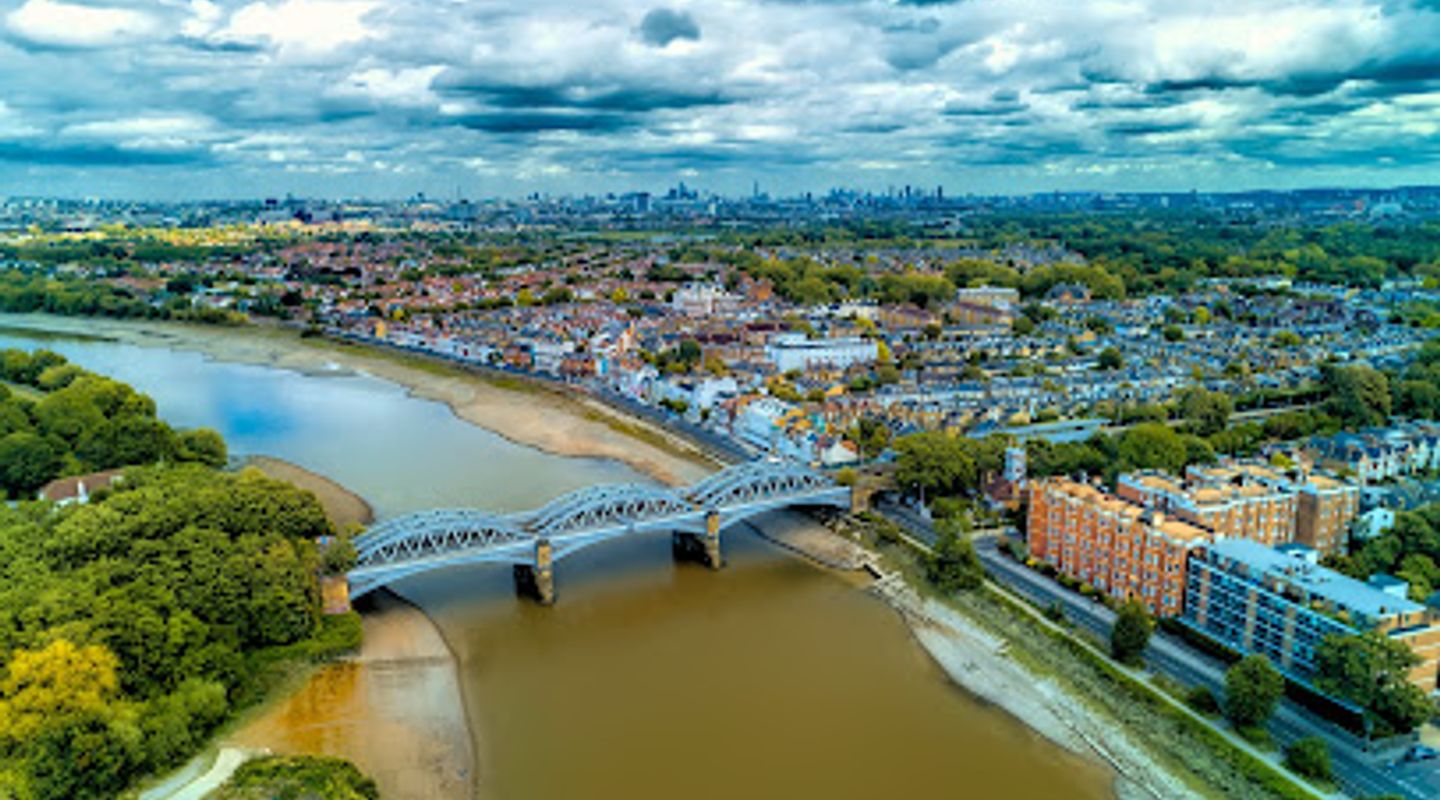
A brief summary of Chiswick Bridge
Historic Thames crossing with stunning river views, iconic Boat Race proximity, and charming riverside walks in West London.
Chiswick Bridge is a reinforced concrete deck arch bridge spanning the River Thames in West London, linking Chiswick and Mortlake. Opened in 1933, it features a 185-meter length with five arches, including the longest concrete span over the Thames at the time. The bridge carries road traffic, pedestrians, and cyclists, and is renowned for its proximity to the Boat Race finish line and scenic riverside views along the Thames Path.
On-site amenities
 Restrooms
 Drink options
 Food options
 Seating areas
 Trash bins
 Information boards
Opening hours
- Every dayOpen 24 hours
Opening hours as listed on the venue’s Google Business Profile. Hours can change for services and special events, so check with the venue before you go.
- Address
- Great Chertsey Rd, London W4 3UL
Getting there
Public Transport
Boat
Cycling
Discover more about Chiswick Bridge
Engineering Marvel of the 1930s
Chiswick Bridge was completed in 1933 as part of a major infrastructure project to alleviate traffic congestion west of London. Designed by architect Herbert Baker and constructed by Cleveland Bridge & Engineering Company, it replaced a former ferry crossing. The bridge is a reinforced concrete deck arch structure, 606 feet (185 meters) long, with five arches—three crossing the river and two spanning the former towpaths. Its 150-foot (46-meter) central span was the longest concrete span over the Thames at the time, showcasing advanced engineering techniques of the era. The bridge is faced with 3,400 tons of Portland stone, giving it a distinctive and elegant appearance.
Connection and Community Impact
Chiswick Bridge connects the suburbs of Chiswick on the north bank and Mortlake on the south bank, serving as a vital artery for road traffic along the A316. It supports a high volume of daily commuters traveling between central and southwest London. The bridge also integrates well with public transport, with several bus routes crossing it and nearby Tube stations facilitating access. Its pedestrian and cycling pathways are well maintained, making it an important link for non-motorized transport and leisure activities along the Thames.
Riverside Atmosphere and Scenic Views
The bridge offers panoramic views of the River Thames and the surrounding green spaces. It is located near the finish line of The Championship Course, the famous stretch of river used for the annual Oxford and Cambridge Boat Race, marked by a University Boat Race Stone and colorful obelisks on the southern shore. The towpath beneath the bridge on the southern bank forms part of the Thames Path, popular for walking, jogging, and cycling. The riverside area around Chiswick Bridge is dotted with charming pubs and cafes, enhancing the relaxed and picturesque atmosphere.
Architectural and Environmental Features
The bridge’s five-arch cellular reinforced concrete superstructure is supported by a concealed lattice of columns and beams rising from the arches. Its Portland stone facing, except beneath the arches, adds to its classic aesthetic. The approach roads are elevated to provide sufficient clearance for river traffic. Although the bridge is primarily functional, it also contributes to the scenic landscape of West London’s riverbanks, complementing nearby parks and riverside walks.
Preservation and Current Use
Chiswick Bridge remains a key transport route and is the eighth busiest Thames road bridge in London. It is regularly maintained to address issues such as spalling and corrosion of steel reinforcements caused by environmental exposure. The northernmost arch is used by local rowing clubs for storage, highlighting the bridge’s ongoing connection to river sports. Occasionally, the bridge is closed for special events like the Boat Race, allowing pedestrian-only access and enhancing the visitor experience.
Local Character and Visitor Experience
Visitors to Chiswick Bridge can enjoy its blend of historic significance, engineering prowess, and natural beauty. The surrounding neighborhood offers inviting riverside walks, lively pubs, and excellent spots for photography, especially during spring sunsets. The area’s accessibility and amenities make it a favored destination for both locals and tourists seeking a tranquil yet vibrant riverside experience.
Evendo Review Centre
 Google
Guest reviews
Best time to go
Quietest: Jan, Feb & Dec · before 6am or at 10pm
Busy times are Evendo estimates for a typical year, to help you plan. Actual crowds vary with events, school holidays and the weather.
Explore Chiswick Bridge on the map
A handpicked selection of must-see spots near Chiswick Bridge, mapped for you.
Get your free copy of our complete guide to Chiswick Bridge, delivered straight to you.
Everything on this page, from opening hours and how to get there to Eve’s tips and the best time to go, in one PDF you can read offline, print or share.
Already have an account? Sign in
Your Chiswick Bridge guide is ready.
We'll send it to · Not you? Sign out

Getting your guide ready…
We are putting together a fresh copy of the Chiswick Bridge guide. This can take up to a minute.
This can take a few moments. If your browser asks, choose Allow so the download can start. You'll find the guide in your Downloads folder.
Nothing happened? Download it again
Sorry, the guide is taking longer than usual. Please try again in a minute, or get it by email instead.
Other nearby places you may find interesting
The closest places of the same kind, if this one is not quite what you had in mind.
-
-
-
-
-


Swipe for more places
More to explore near Chiswick Bridge

 Best experiences near Chiswick Bridge
 Best hotels near Chiswick Bridge
 Best landmarks near Chiswick Bridge
 Best attractions near Chiswick Bridge
 Best shops near Chiswick Bridge
 Best restaurants near Chiswick Bridge
 Best bars near Chiswick Bridge
Do you manage this location?
Take control to get all the benefits, like improved information, better appearance, and stronger visibility across AI-powered discovery.
Explore more
Explore more of Middlesex
Discover Middlesex: A blend of historic charm and modern excitement, offering scenic beauty, cultural events, and easy access to London.
Explore Middlesex
Explore more of United Kingdom
Discover the United Kingdom: A blend of rich history, stunning landscapes, and vibrant cities, offering a unique travel experience for every visitor.
Explore United Kingdom